



- Region
- IL, USA
- Country
- United States
- Best for
- hiking
- Best season
- Spring, Summer
- Permits
- No permit is required for entering or camp…
- Managed by
- U.S. Forest Service, Shawnee National Forest, Hidden Springs Ranger District
Plan with verified data
Garden of the Gods Wilderness trip tools
Tools for a trip here
Picked for how, when and where you're going. Free, no signup.
Photos of Garden of the Gods Wilderness
How to get there
From Harrisburg, take Highway 145 south for 5 miles to Highway 34, then follow Highway 34 south for 10 miles. Turn east onto Karbers Ridge Road and continue 2.5 miles to Forest Road. Turn north and drive 1.5 miles to the recreation area entrance road. Choose parking according to the outing: Observation Trail lots are for day use, while the backpacker’s lot at Indian Point Trailhead accommodates overnight parking.
- Observation Trail
Three large parking lots serve the short interpretive trail and bluff-top viewpoints. The trail and picnic area are open from 6 a.m. to 10 p.m.; overnight parking is not allowed in these lots. Disposable food and beverage containers are not permitted on the Observation Trail.
- Indian Point Trailhead
The backpacker’s parking lot is the designated overnight parking location within Garden of the Gods Recreation Area. Indian Point Trail is a hiker-only route.
- Golden Circle Trailhead
Located just outside the recreation area along Forest Road, this trailhead provides overflow and overnight parking. From the recreation area entrance road, turn north onto Forest Road, continue around the curve and turn east into the lot.
- Hitching Post Trailhead
Located west of the recreation area along Eagle Creek Road, this nearby trailhead provides another overnight parking option outside the recreation area.
Sources: fs.usda.gov · University of Montana / federal agency partners · Wilderness Connect / federal wilderness boundary inventory. Confirm road and trailhead conditions with the managing agency before you leave.
IL, USA · United States
- Birdwatching
- Hiking
- Backpacking
- Wildlife Viewing
- Canoeing
- Fishing
- Photography
- Horseback Riding
Sandstone bluffs and forested hollows
Garden of the Gods Wilderness lies in Illinois within Shawnee National Forest, where sandstone bluffs, canyons and ridges rise above hardwood forest. The adjacent Garden of the Gods Recreation Area provides a developed introduction to the landscape, while wilderness trails lead among rocky streams, pine stands, rock overhangs and quieter stretches below the bluffs. Keep that distinction in mind when planning: the short Observation Trail is not the same outing as a backcountry hike. Its bluff-top views help show the shape of the surrounding wilderness, but the forest trails reveal another side of the area, including moss-covered sandstone and traces of past settlement. Homesteads, fruit trees, cemeteries and abandoned roads remain part of that human history. Rock Branch Hollow is one of the named canyons, and the Illinois River-to-River Trail passes through the wilderness.
Choosing a walk and a season
For a short visit, the Observation Trail concentrates sandstone formations and broad views into a quarter-mile interpretive walk. Allow about an hour for the natural-sandstone path, geological signs and stops overlooking the Shawnee Hills. Camel Rock, Table Rock and Devil’s Smokestack are among the formations visible along the way. Benches provide places to pause, though short, steep grades and steps mean this is not a uniformly level walk. For a longer outing, obtain a detailed trail map before entering the wilderness rather than treating the Observation Trail as a guide to backcountry conditions. Hiking and equestrian trails serve the area, with several routes reserved for hikers. Spring brings wildflowers and rushing streams; autumn brings changing hardwood foliage and fewer insect pests. Photography, bird-watching and looking for resident raptors can give either a short walk or a longer hike a slower pace.
Backcountry preparation and overnight planning
High cliffs are the central safety concern around the bluff-top trails: stay on designated routes and give edges a wide margin. Poison ivy and venomous snakes are also present. Carry water, food and a first-aid kit for wilderness travel, and do not count on a phone connection; coverage can be spotty or absent, and emergency response may take longer. Potable water and vault toilets are available in the recreation area, while Pharaoh Campground has 12 campsites with tables and fire grills and is open year-round. No permit is required to enter or camp in Garden of the Gods Wilderness. Within the recreation area, overnight parking is restricted to the backpacker’s lot at Indian Point Trailhead, not the Observation Trail or picnic lots. Motorized vehicles and mechanized equipment are prohibited in the wilderness. Keep pets leashed and pack out trail trash.
Where on earth
Satellite imagery flying in from a world view to Garden of the Gods Wilderness, United States. Use the + / − buttons, or click the map to zoom with your scroll wheel; drag to pan and pinch to zoom on touch.
Coordinates
- Decimal degrees
- 37.6059, -88.4040
- Latitude (DMS)
- 37° 36′ 21.2″ N
- Longitude (DMS)
- 88° 24′ 14.3″ W
Coordinates are an access-point reference for Garden of the Gods Wilderness, not a route. Carry a paper map and confirm trailhead or put-in access with the managing agency before you go.
Topic summary
With heavenly rock formations, canyons, bluffs, and ridges carved over eons by wind and water, it's no secret why Garden of the Gods is the state's most visited landmark. Once home to indigenous peoples...
Key takeaways
- Region: IL, USA
- Country: United States
- Good for: hiking
- Coordinates: 37.606, -88.404
Intended uses
hiking
Keep planning
Popular pursuits at Garden of the Gods Wilderness
- Birdwatching
Migration windows and the habitat that concentrates birds.
- Hiking
Day miles on marked trail, with route notes and trail links below.
- Backpacking
Multi-day travel with everything on your back — see the packing blocks below.
- Wildlife Viewing
Best light, best season, and where animals move.
- Canoeing
Paddle routes, portages, and put-ins.
- Fishing
Resident gamefish, seasons, and the water that holds them.
Animals around Garden of the Gods Wilderness
 Wildlife guideBlack bearUrsus americanus
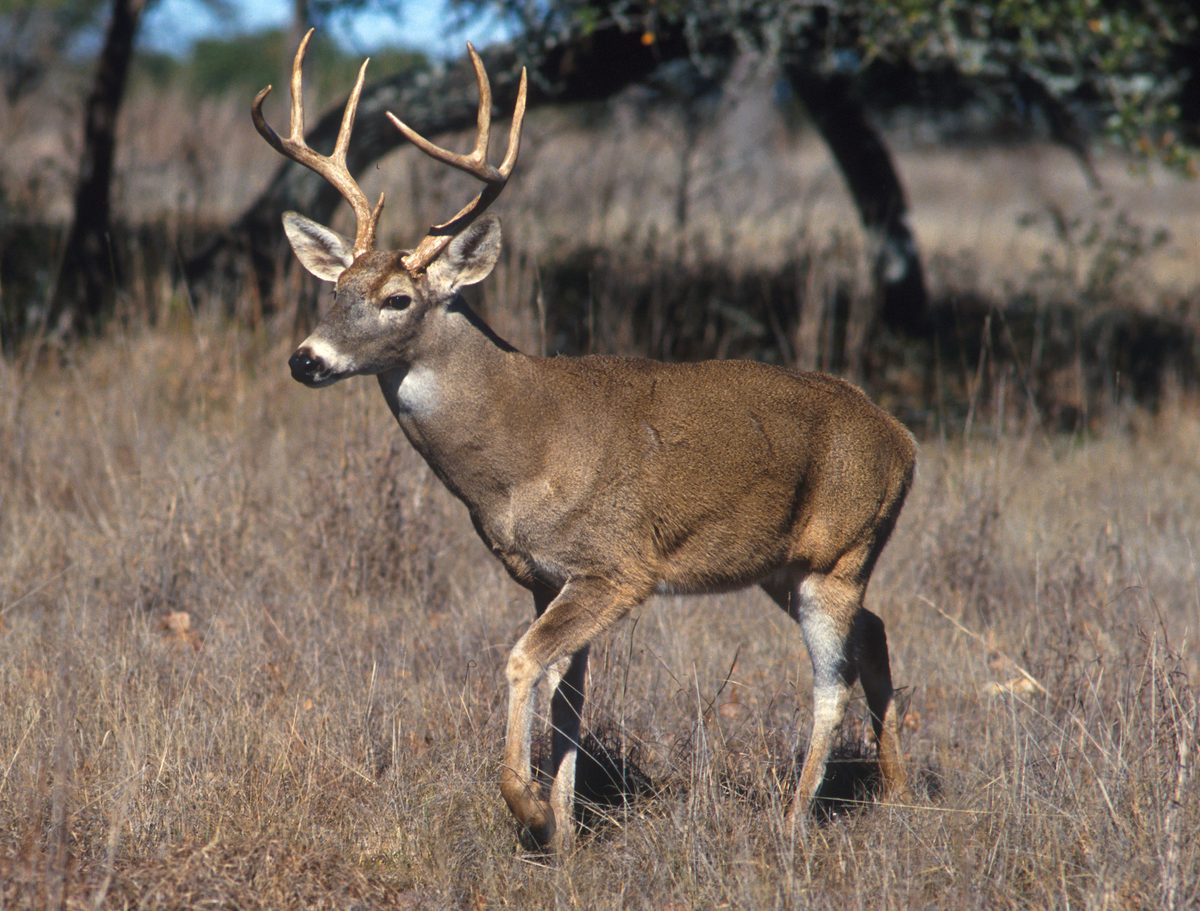 Big gameWhitetail DeerOdocoileus virginianus
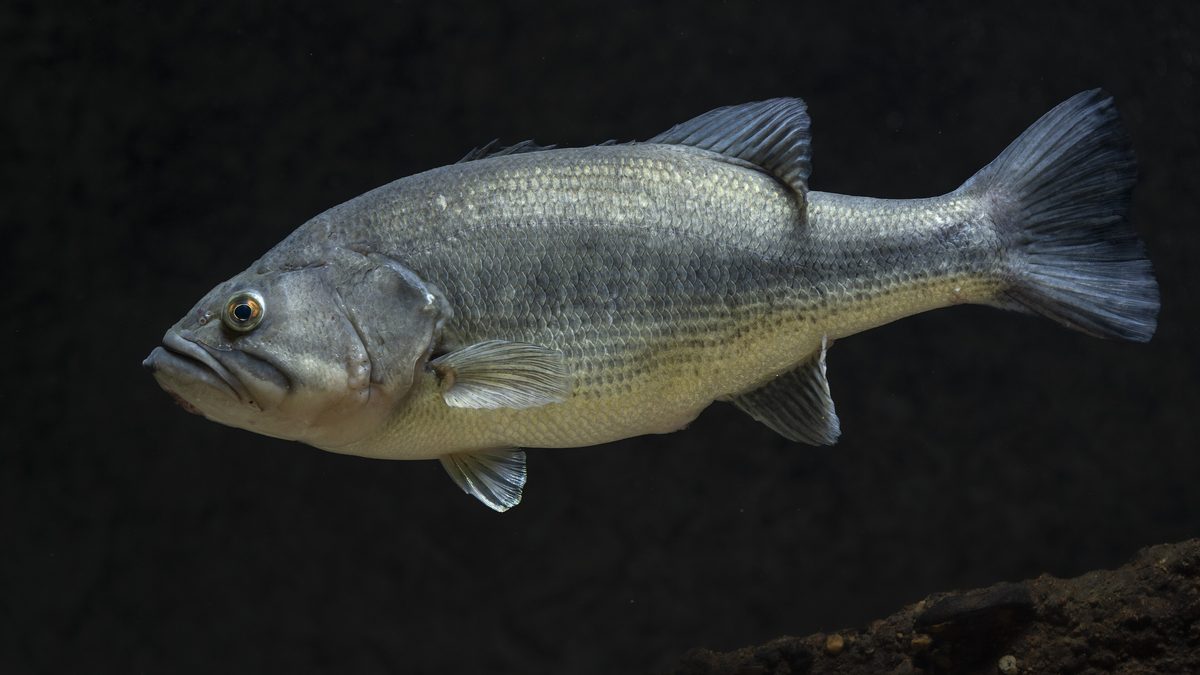 GamefishLargemouth BassMicropterus nigricans
 Wildlife guideNorth American beaverCastor canadensis
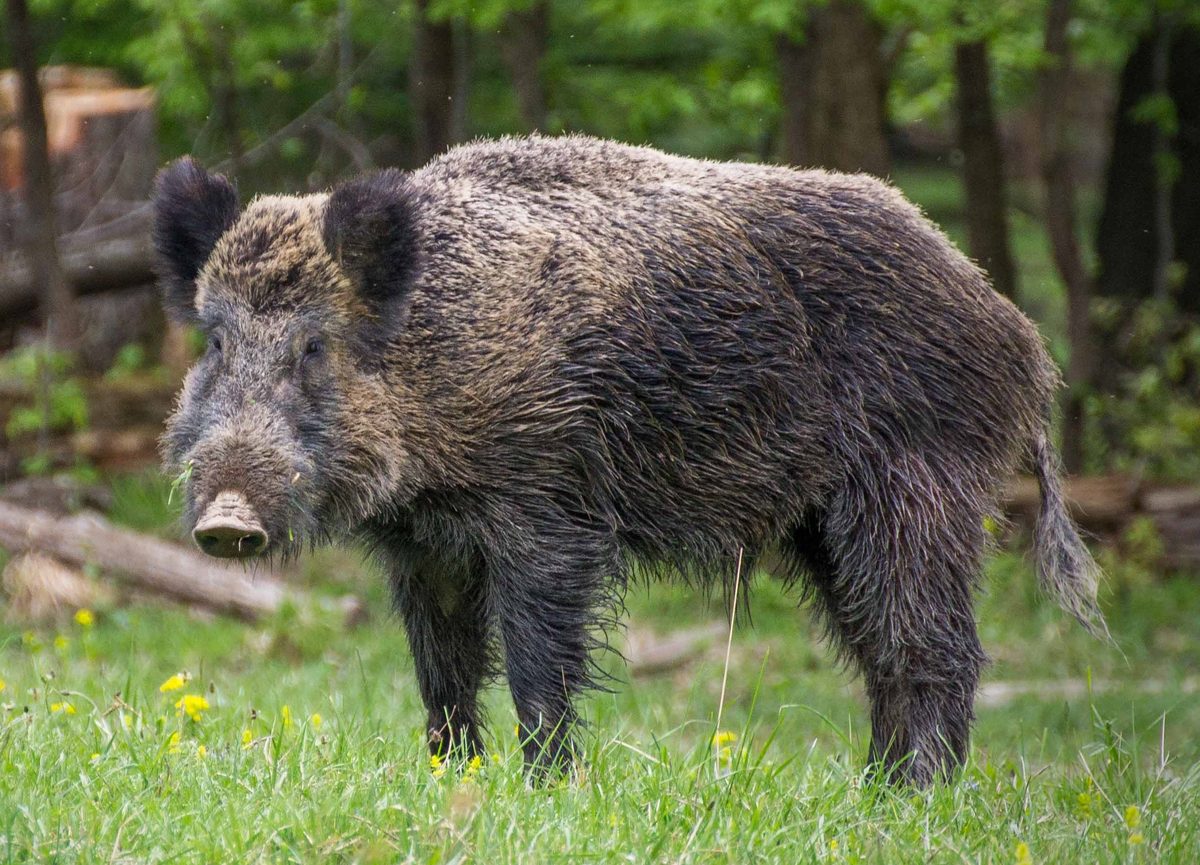 Big gameWild HogSus scrofa
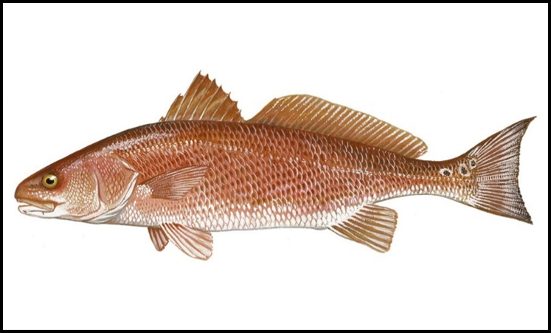 GamefishRed DrumSciaenops ocellatus
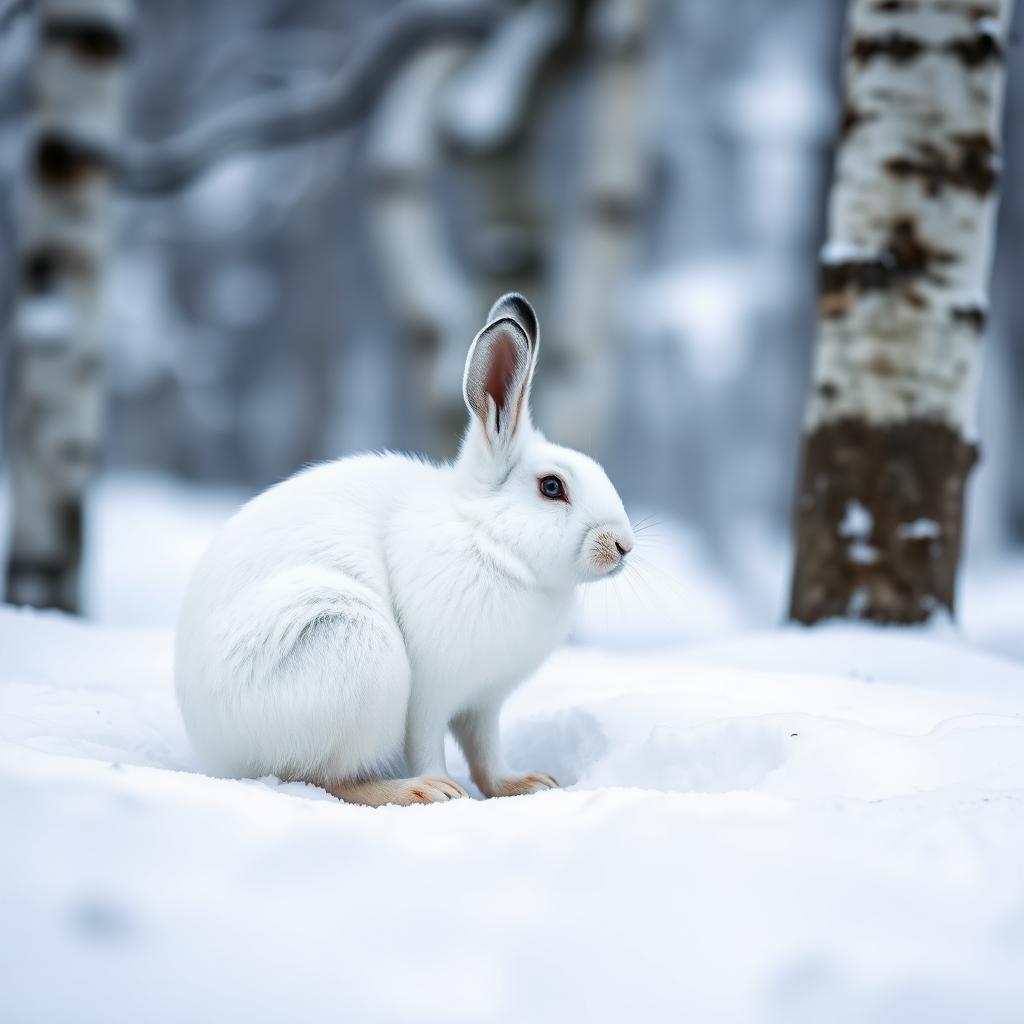 Wildlife guideSnowshoe hareLepus americanus
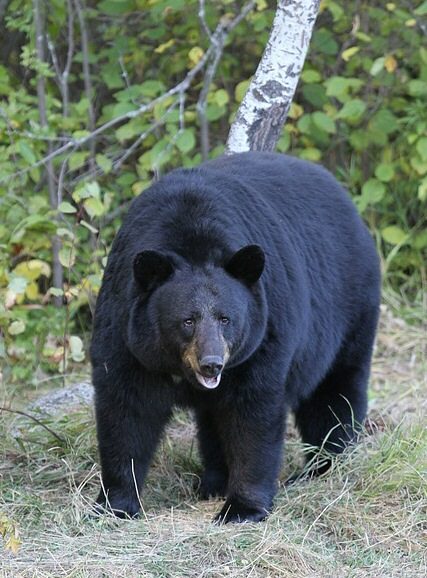 Big gameBlack BearUrsus americanus
Sandstone bluffs and forested hollows
Garden of the Gods Wilderness lies in Illinois within Shawnee National Forest, where sandstone bluffs, canyons and ridges rise above hardwood forest. The adjacent Garden of the Gods Recreation Area provides a developed introduction to the landscape, while wilderness trails lead among rocky streams, pine stands, rock overhangs and quieter stretches below the bluffs. Keep that distinction in mind when planning: the short Observation Trail is not the same outing as a backcountry hike. Its bluff-top views help show the shape of the surrounding wilderness, but the forest trails reveal another side of the area, including moss-covered sandstone and traces of past settlement. Homesteads, fruit trees, cemeteries and abandoned roads remain part of that human history. Rock Branch Hollow is one of the named canyons, and the Illinois River-to-River Trail passes through the wilderness.
Choosing a walk and a season
For a short visit, the Observation Trail concentrates sandstone formations and broad views into a quarter-mile interpretive walk. Allow about an hour for the natural-sandstone path, geological signs and stops overlooking the Shawnee Hills. Camel Rock, Table Rock and Devil’s Smokestack are among the formations visible along the way. Benches provide places to pause, though short, steep grades and steps mean this is not a uniformly level walk. For a longer outing, obtain a detailed trail map before entering the wilderness rather than treating the Observation Trail as a guide to backcountry conditions. Hiking and equestrian trails serve the area, with several routes reserved for hikers. Spring brings wildflowers and rushing streams; autumn brings changing hardwood foliage and fewer insect pests. Photography, bird-watching and looking for resident raptors can give either a short walk or a longer hike a slower pace.
Backcountry preparation and overnight planning
High cliffs are the central safety concern around the bluff-top trails: stay on designated routes and give edges a wide margin. Poison ivy and venomous snakes are also present. Carry water, food and a first-aid kit for wilderness travel, and do not count on a phone connection; coverage can be spotty or absent, and emergency response may take longer. Potable water and vault toilets are available in the recreation area, while Pharaoh Campground has 12 campsites with tables and fire grills and is open year-round. No permit is required to enter or camp in Garden of the Gods Wilderness. Within the recreation area, overnight parking is restricted to the backpacker’s lot at Indian Point Trailhead, not the Observation Trail or picnic lots. Motorized vehicles and mechanized equipment are prohibited in the wilderness. Keep pets leashed and pack out trail trash.
Route options
- Observation Trail1/4 mileShort, steep grades and steps; generally not tiring, but caution is needed near cliffs.
An interpretive walk on natural sandstone with views of the Shawnee Hills and surrounding wilderness. Geological signs and formations including Camel Rock, Table Rock and Devil’s Smokestack reward an unhurried visit. Allow about an hour and use caution near high cliffs.
- Indian Point Trail
A hiker-only option associated with the recreation area’s backpacker parking lot. Obtain a detailed trail map before setting out, particularly when planning an extended wilderness outing.
- Illinois River-to-River Trail
This through-route crosses Garden of the Gods Wilderness and forms part of the American Discovery Trail. River-to-River markings use a blue letter i. Use a detailed map to select a segment and identify its access.
Sample itineraries
- Observation Trail and Sandstone Formations · 1 day
Allow about an hour for the quarter-mile Observation Trail in the adjacent recreation area. Look for Camel Rock, Table Rock and Devil’s Smokestack, and read the geology signs. Finish with a picnic at Pharaoh Picnic Ground. Short, steep grades, steps and high cliffs require attention.
- Wilderness Day Hike · 1 day
Start at Indian Point Trailhead with a detailed trail map. Follow the hiker-only Indian Point Trail, choosing a turnaround suited to the group. Explore the wilderness’s hardwood forest, sandstone scenery and bluff views without assuming that a short outing means reliable cell service.
- Pharaoh Campground Base Camp · 2 days
Camp at a designated Pharaoh Campground site. Spend one day on the Observation Trail and the other exploring mapped wilderness trails. Carry water and emergency supplies for the backcountry; campground drinking water and toilets do not replace preparation for extended hikes.
Seasonal conditions
Spring
Spring
Wildflowers and rushing streams characterize spring in the wilderness. Plan for changing weather and pay attention to footing around rocky streams and sandstone.
Summer
Summer
Carry water for hikes through forest and bluff terrain, and adjust effort to the forecast. Poison ivy and venomous snakes are present in the area; watch where hands and feet go.
Fall
Autumn
Hardwood forests offer fall color, and insect pests are fewer. Bluff viewpoints overlook dense forest. Carry layers and allow enough daylight for the return hike.
Winter
Winter
Pharaoh Campground, Pharaoh Picnic Ground and the Observation Area remain open year-round. Check weather before traveling, carry warm layers and assess footing carefully on steep sandstone grades and steps.
| Season | Window | Conditions |
|---|---|---|
| Spring | Spring | Wildflowers and rushing streams characterize spring in the wilderness. Plan for changing weather and pay attention to footing around rocky streams and sandstone. |
| Summer | Summer | Carry water for hikes through forest and bluff terrain, and adjust effort to the forecast. Poison ivy and venomous snakes are present in the area; watch where hands and feet go. |
| Fall | Autumn | Hardwood forests offer fall color, and insect pests are fewer. Bluff viewpoints overlook dense forest. Carry layers and allow enough daylight for the return hike. |
| Winter | Winter | Pharaoh Campground, Pharaoh Picnic Ground and the Observation Area remain open year-round. Check weather before traveling, carry warm layers and assess footing carefully on steep sandstone grades and steps. |
Permits, fees & closures
No permit is required for entering or camping in Garden of the Gods Wilderness. Motorized vehicles and mechanized equipment are prohibited. Pets must be leashed.
Fees: Developed campground sites cost $10 per night, payable by cash or check only. Each site allows a maximum of eight people and two vehicles.
Official source: Shawnee National Forest | Garden of the Gods Recreation Area · Verified October 26, 2026
Hazards & regulations
- High cliffs and sheer bluff edges require caution. Stay on designated trails and keep well back from exposed edges.
- Natural sandstone, short steep grades and steps demand careful footing, including on the quarter-mile Observation Trail.
- Poison ivy is present. Avoid contact with unfamiliar vegetation.
- Venomous snakes occur in the area. Watch hand and foot placement and give snakes space.
- Cell coverage is spotty or absent, and emergency response may take longer. Carry a detailed map and supplies rather than relying on a phone.
What to pack for Garden of the Gods Wilderness
- Detailed backcountry trail map
- Compass
- First-aid kit
- Headlamp
- Charged phone with offline information
- Drinking water
- Food for the planned hike and delays
- Reusable food and beverage containers for the Observation Trail
- Bag for packing out trail trash
- Footwear with dependable traction on sandstone
- Weather-appropriate layers
- Rain protection
- Long pants to limit vegetation contact
Garden of the Gods Wilderness FAQ
- Is the Observation Trail the same as the wilderness?
- No. The Observation Trail is in the adjacent Garden of the Gods Recreation Area and overlooks the wilderness. Some trails connect the wilderness with the Observation Site. Backcountry travel calls for a detailed map and more preparation than the short interpretive walk.
- Where can backpackers park overnight?
- Within the recreation area, use the Backpacker’s Parking Lot at Indian Point Trailhead. Overnight parking is not allowed in the picnic area or Observation Trail lots.
- What facilities does Pharaoh Campground have?
- The year-round campground has 12 campsites, tables, fire grills, toilets, drinking water and trails. Camp only in designated campground sites.
- What are the Observation Trail hours and restrictions?
- The Observation Trail and picnic areas are open from 6 a.m. to 10 p.m. Disposable food and beverage containers are prohibited on the Observation Trail. Stay on the designated trail and leave rocks and plants undisturbed.
- Which trails are for hikers only?
- The Observation Trail, Indian Point Trail, portions of Anvil Rock Trail and Trail #108H are hiker-only. Other wilderness trails accommodate hiking and equestrian use. The River-to-River Trail passes through the area and is marked with a blue letter i.
- What should an extended wilderness hike include?
- Carry water, food, a first-aid kit and a detailed map. Expect rocky streams, cliffs, forest and rock overhangs. Cell coverage may be absent and rescue response slow. If an emergency occurs and the phone works, call 911.