



- Region
- AK, USA
- Country
- United States
- Best for
- hiking
- Best season
- Spring, Summer
- Permits
- No permits are required for backcountry ca…
- Managed by
- National Park Service, Katmai National Park and Preserve
Plan with verified data
Katmai Wilderness trip tools
Tools for a trip here
Picked for how, when and where you're going. Free, no signup.
Photos of Katmai Wilderness
How to get there
Regularly scheduled flights connect Anchorage with King Salmon, the park’s administrative headquarters. Most visitors experiencing the wilderness arrive at Brooks Camp by floatplane; bus transport from Brooks Camp reaches the Valley of Ten Thousand Smokes. Direct wilderness access can be arranged by chartered air taxi from Anchorage, King Salmon, Iliamna, Kodiak, Soldotna, Port Alsworth, and nearby communities. Boats can reach the Katmai coast from Pacific coastal communities and locations in the Naknek River drainage from Naknek and King Salmon. Confirm the intended landing or boat-access location and applicable rules with the park before arranging transport.
- Brooks Camp
The main arrival point for many wilderness visitors, generally reached by floatplane. It provides access to Naknek Lake and bus transport to the Valley of Ten Thousand Smokes. Campground reservations and developed-area camping restrictions apply.
- King Salmon
A transport staging point and the park’s administrative headquarters, served by scheduled flights from Anchorage. Charter air taxis provide wilderness access, and boats can reach locations along the Naknek River drainage.
- Naknek
A boat-access staging community for wilderness locations along the Naknek River drainage. Arrange the destination and transport details before departure.
Sources: recreation.gov · University of Montana / federal agency partners · Wilderness Connect / federal wilderness boundary inventory. Confirm road and trailhead conditions with the managing agency before you leave.
AK, USA · United States
- Fishing
- Hunting
- Mountaineering
- Sea Kayaking
- Beachcombing
- Wildlife Viewing
- Winter Camping
- Canoeing
A volcanic wilderness on the Alaska Peninsula
Katmai Wilderness lies within Katmai National Park and Preserve on the Alaska Peninsula, approximately 290 air miles southwest of Anchorage. Its terrain spans active volcanoes, glaciated peaks, large lakes and rivers, and rugged coastline. The Valley of Ten Thousand Smokes is a defining feature: a forty-square-mile ash flow, 100 to 700 feet deep, deposited by Novarupta during the June 1912 eruption. Katmai, Trident, Mageik, Martin, and Fourpeaked are also active volcanoes within the wilderness. A trip here can focus on volcanic terrain, lake country, or the coast, but those settings require different transport arrangements rather than a single standard itinerary. Katmai also holds a long human history, from Native Alaskan homes and villages to places associated with later trappers, miners, and clammers. Treat cultural remains as part of the landscape to leave undisturbed.
Lakes, salmon, and bear country
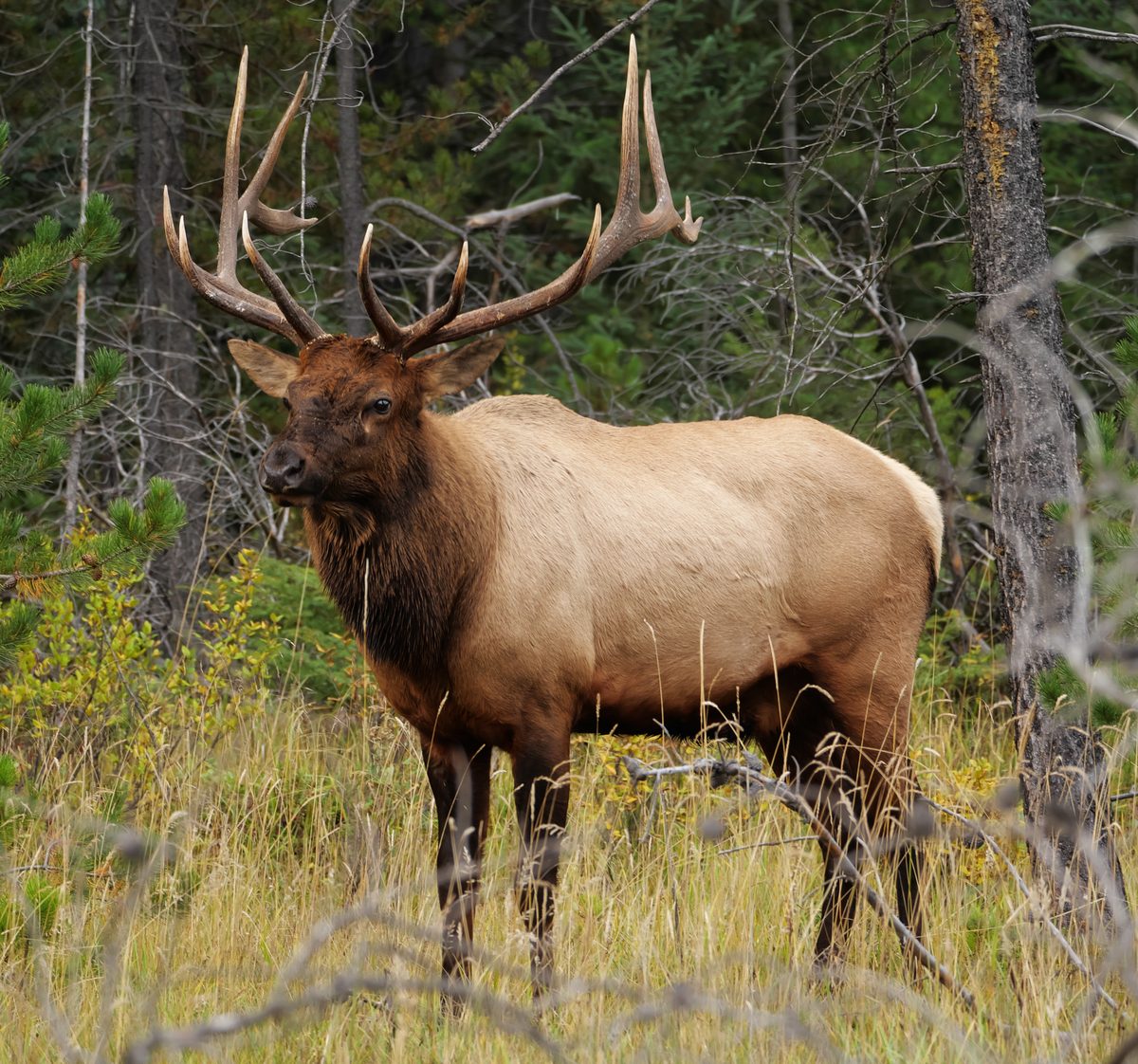
Brown bears occupy Katmai’s coastal and lake regions, supported in part by the fish moving through its waters. Brooks, Coville, and Grosvenor lakes, along with the Iliuk Arm of Naknek Lake, are major features of the wilderness. The Savonoski, Katmai, Kamishak, Swikshak, and Big rivers provide habitat for salmon, trout, and other fish. Wildlife watching therefore calls for more than choosing a viewpoint: give animals room, keep food secure, and seek current bear-safety guidance before setting out. Lake edges and marshes support nesting swans, ducks, loons, grebes, and arctic terns, while coastal waters and offshore islands hold sea lions, sea otters, and seals. Moose, caribou, wolves, and wolverines also inhabit Katmai. Choose a trip around the habitat and terrain rather than expecting particular sightings, and allow wildlife movements to shape the day.
Brooks Camp and wilderness camping
Brooks Camp is a common gateway, with wildlife viewing and access to Naknek Lake, but its campground rules differ from those for the backcountry. Camping at Brooks Camp is allowed only in the designated campground. Reservations accommodate groups of up to six people, with a campground quota of 60 people per day; July is usually full. No permits are required for backcountry camping. However, backcountry camping is prohibited year-round within the Brooks Camp Developed Area, defined as the area within 1.5 miles of Brooks Falls, and in the core Hallo Bay meadows from April 1 through October 31. Do not assume an unreserved arrival can be accommodated near camp. Brooks Camp Campground’s peak season is June 1 through September 17. During the May and late-September-to-October shoulder periods, services are minimal: water, firewood, a live electric fence, and ranger or maintenance services may not be available. Plan without mobile service.
Where on earth
Satellite imagery flying in from a world view to Katmai Wilderness, United States. Use the + / − buttons, or click the map to zoom with your scroll wheel; drag to pan and pinch to zoom on touch.
Coordinates
- Decimal degrees
- 58.4519, -154.8521
- Latitude (DMS)
- 58° 27′ 6.9″ N
- Longitude (DMS)
- 154° 51′ 7.6″ W
Coordinates are an access-point reference for Katmai Wilderness, not a route. Carry a paper map and confirm trailhead or put-in access with the managing agency before you go.
Topic summary
The Katmai Wilderness, located within Katmai National Park and Preserve, is characterized by active volcanoes, pristine lakes and rivers, glaciated peaks, and rugged coastline. The area contains the famed...
Key takeaways
- Region: AK, USA
- Country: United States
- Good for: hiking
- Coordinates: 58.452, -154.852
Intended uses
hiking
Keep planning
Popular pursuits at Katmai Wilderness
- Fishing
Resident gamefish, seasons, and the water that holds them.
- Hunting
Seasons, tags, and the units that hold animals.
- Mountaineering
Glacier and high-route objectives with real consequence.
- Sea Kayaking
Coastal crossings, tides, and protected camps.
- Beachcombing
Tide-line walking between camps.
- Wildlife Viewing
Best light, best season, and where animals move.
Animals around Katmai Wilderness
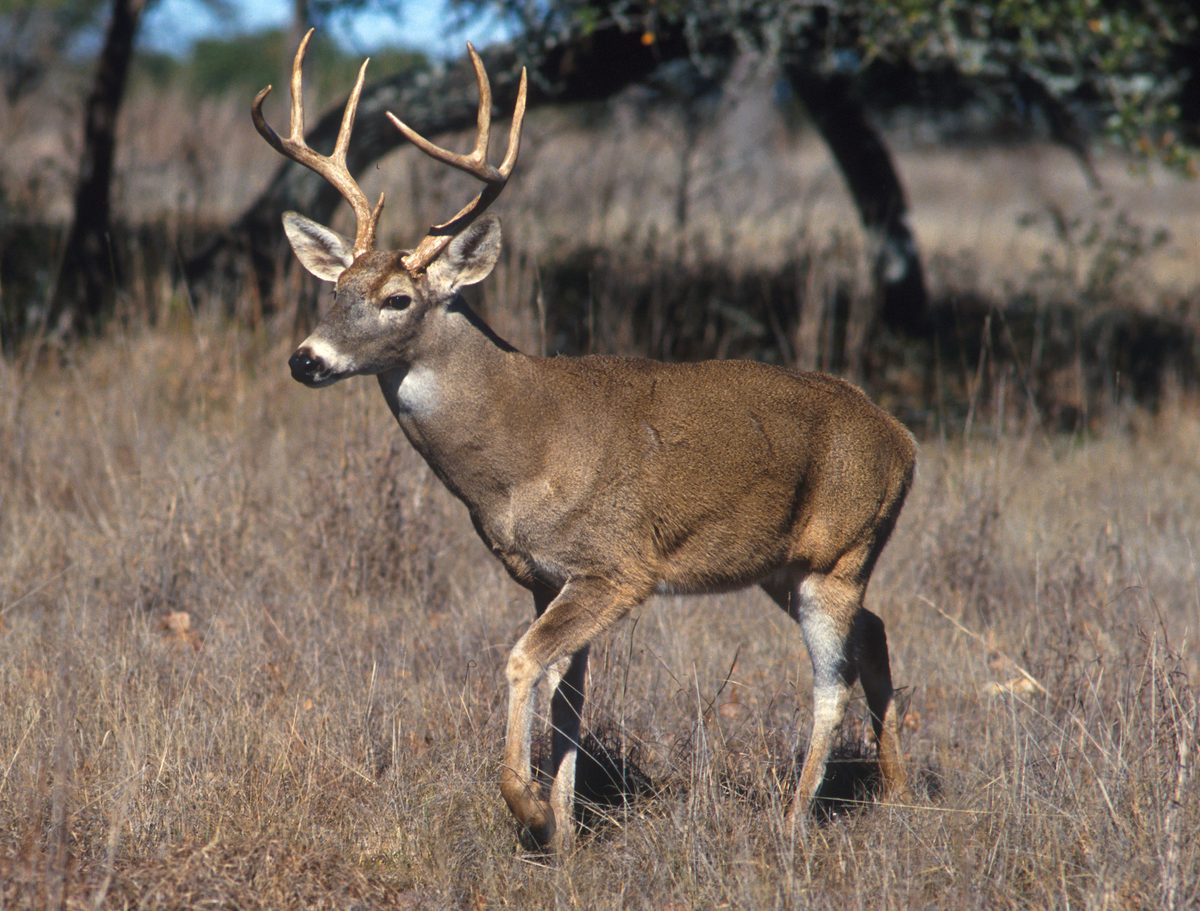
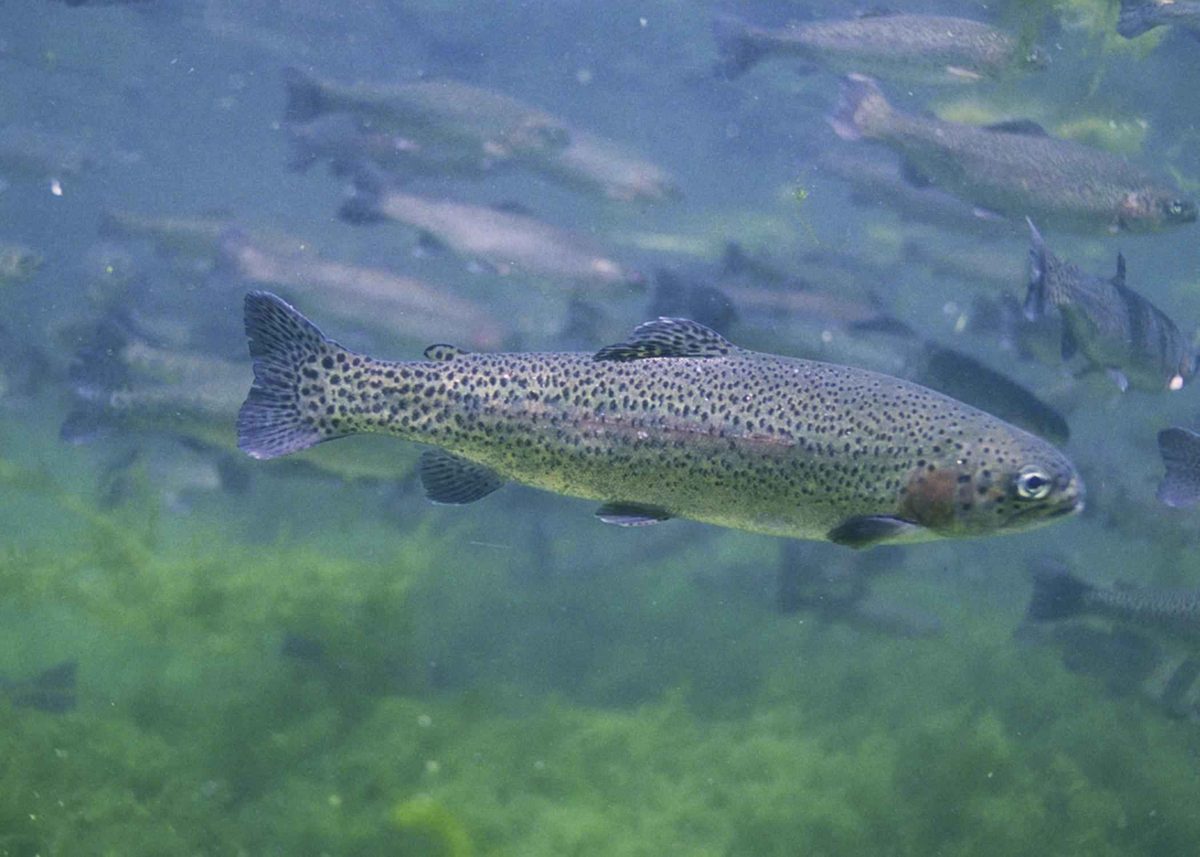
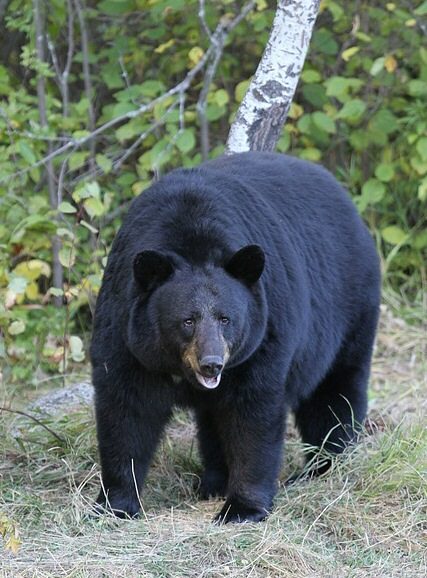
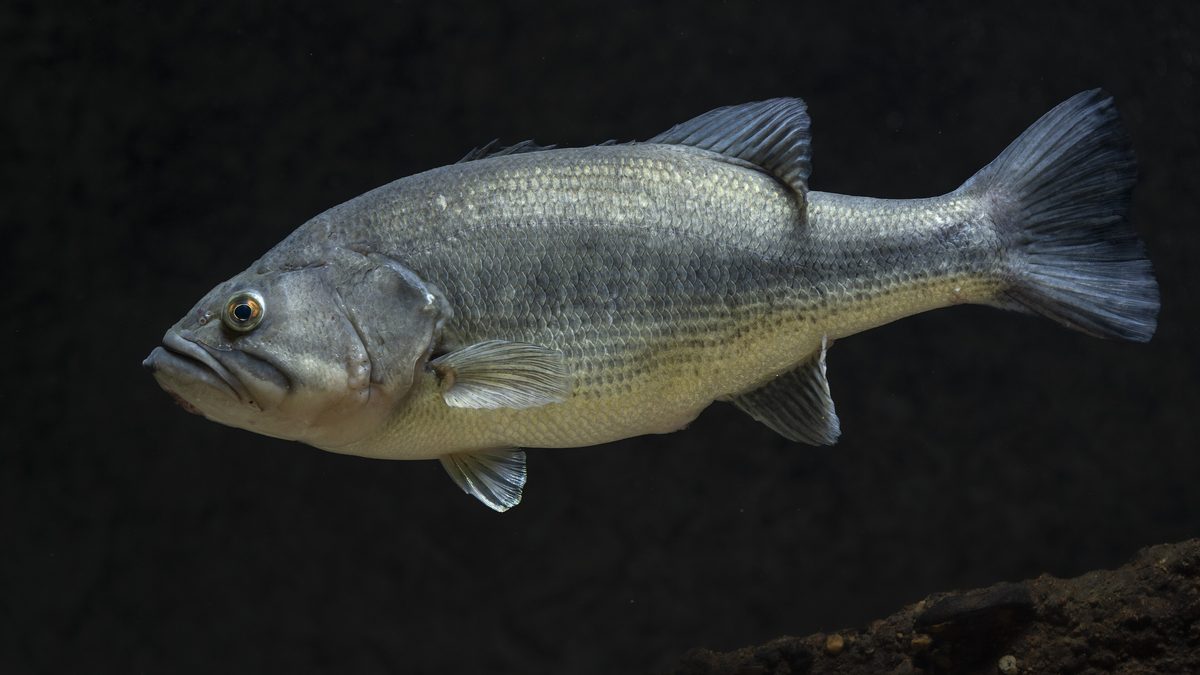
A volcanic wilderness on the Alaska Peninsula
Katmai Wilderness lies within Katmai National Park and Preserve on the Alaska Peninsula, approximately 290 air miles southwest of Anchorage. Its terrain spans active volcanoes, glaciated peaks, large lakes and rivers, and rugged coastline. The Valley of Ten Thousand Smokes is a defining feature: a forty-square-mile ash flow, 100 to 700 feet deep, deposited by Novarupta during the June 1912 eruption. Katmai, Trident, Mageik, Martin, and Fourpeaked are also active volcanoes within the wilderness. A trip here can focus on volcanic terrain, lake country, or the coast, but those settings require different transport arrangements rather than a single standard itinerary. Katmai also holds a long human history, from Native Alaskan homes and villages to places associated with later trappers, miners, and clammers. Treat cultural remains as part of the landscape to leave undisturbed.
Lakes, salmon, and bear country
Brown bears occupy Katmai’s coastal and lake regions, supported in part by the fish moving through its waters. Brooks, Coville, and Grosvenor lakes, along with the Iliuk Arm of Naknek Lake, are major features of the wilderness. The Savonoski, Katmai, Kamishak, Swikshak, and Big rivers provide habitat for salmon, trout, and other fish. Wildlife watching therefore calls for more than choosing a viewpoint: give animals room, keep food secure, and seek current bear-safety guidance before setting out. Lake edges and marshes support nesting swans, ducks, loons, grebes, and arctic terns, while coastal waters and offshore islands hold sea lions, sea otters, and seals. Moose, caribou, wolves, and wolverines also inhabit Katmai. Choose a trip around the habitat and terrain rather than expecting particular sightings, and allow wildlife movements to shape the day.
Brooks Camp and wilderness camping
Brooks Camp is a common gateway, with wildlife viewing and access to Naknek Lake, but its campground rules differ from those for the backcountry. Camping at Brooks Camp is allowed only in the designated campground. Reservations accommodate groups of up to six people, with a campground quota of 60 people per day; July is usually full. No permits are required for backcountry camping. However, backcountry camping is prohibited year-round within the Brooks Camp Developed Area, defined as the area within 1.5 miles of Brooks Falls, and in the core Hallo Bay meadows from April 1 through October 31. Do not assume an unreserved arrival can be accommodated near camp. Brooks Camp Campground’s peak season is June 1 through September 17. During the May and late-September-to-October shoulder periods, services are minimal: water, firewood, a live electric fence, and ranger or maintenance services may not be available. Plan without mobile service.
Route options
- Brooks Camp to the Valley of Ten Thousand Smokes
Use Brooks Camp as the gateway and bus transport to reach the valley. This option focuses on the extensive ash-flow landscape created by Novarupta’s 1912 eruption; confirm onward walking plans and conditions with the park.
- Naknek River drainage by boat
Arrange boat access from Naknek or King Salmon to wilderness locations along the drainage. This is an access-based itinerary rather than a defined hiking route; settle the landing, pickup, and camping plan in advance.
- Katmai coast by boat
Reach the rugged coast by boat from Pacific coastal towns or villages. Plan around coastal wildlife and brown bear habitat. Backcountry camping in the core Hallo Bay meadows is prohibited from April 1 through October 31.
Sample itineraries
- Brooks Camp and Naknek Lake · 3 days
Arrive at Brooks Camp by floatplane and stay in the designated campground with a reservation. Spend the middle day watching wildlife and exploring the Naknek Lake shore. Keep bear safety central to the visit and confirm return transportation before departure.
- Brooks Camp and Valley of Ten Thousand Smokes · 4 days
Base at the reserved Brooks Camp Campground. Arrange bus transportation to the Valley of Ten Thousand Smokes to see the volcanic landscape shaped by Novarupta. Use another day for wildlife viewing near Brooks Camp. Confirm transportation and services before committing to the schedule.
Seasonal conditions
Spring
May 1–May 31
Brooks Camp operates with minimal shoulder-season services. Water, firewood, and an operating electric fence may be unavailable; ranger and maintenance services may also be absent. Plan for greater self-sufficiency rather than assuming campground facilities will function.
Summer
June 1–September 17 campground peak season
Brooks Camp's peak operating season supports campground-based trips, but July is usually full. Brown bears inhabit coastal and lake regions, where fish are a major food source. Keep wildlife viewing separate from food preparation and storage.
Fall
September 18–October 31
Brooks Camp returns to reduced services. Water, firewood, and an operating electric fence may be unavailable. Prepare for a self-sufficient stay and confirm transportation. Backcountry camping remains prohibited in the core Hallo Bay meadows through October 31.
Winter
Winter
Treat the glaciated, remote landscape as an expedition setting, not an extension of a serviced campground trip. Confirm access and available support with the park before planning. Carry shelter, insulation, navigation, and emergency communication appropriate to remote Alaska travel.
| Season | Window | Conditions |
|---|---|---|
| Spring | May 1–May 31 | Brooks Camp operates with minimal shoulder-season services. Water, firewood, and an operating electric fence may be unavailable; ranger and maintenance services may also be absent. Plan for greater self-sufficiency rather than assuming campground facilities will function. |
| Summer | June 1–September 17 campground peak season | Brooks Camp's peak operating season supports campground-based trips, but July is usually full. Brown bears inhabit coastal and lake regions, where fish are a major food source. Keep wildlife viewing separate from food preparation and storage. |
| Fall | September 18–October 31 | Brooks Camp returns to reduced services. Water, firewood, and an operating electric fence may be unavailable. Prepare for a self-sufficient stay and confirm transportation. Backcountry camping remains prohibited in the core Hallo Bay meadows through October 31. |
| Winter | Winter | Treat the glaciated, remote landscape as an expedition setting, not an extension of a serviced campground trip. Confirm access and available support with the park before planning. Carry shelter, insulation, navigation, and emergency communication appropriate to remote Alaska travel. |
Permits, fees & closures
No permits are required for backcountry camping. Brooks Camp camping requires a campground permit; camping there is restricted to the designated campground. Backcountry camping is prohibited within 1.5 miles of Brooks Falls year-round and in the core Hallo Bay meadows April 1–October 31.
Fees: Brooks Camp campground permit fees are reduced May 1–May 31 and September 18–October 31.
Reservations: The listed 2026 releases opened at 8 a.m. Alaska Time: January 7 for May–June, February 7 for July–August, and March 7 for September–October. Confirm future releases before planning. Campground capacity is 60 people daily; maximum group size is six.
Official source: Brooks Camp Camping Permit, Katmai National Park & Preserve · Verified November 1, 2026
Hazards & regulations
- Brown bears occur throughout coastal and lake regions. Give them space, secure food, and review Katmai bear-safety guidance before traveling.
- Katmai is an active volcanic landscape. Check current park guidance before entering the Valley of Ten Thousand Smokes or planning travel near volcanoes.
- Brooks Camp has no mobile service. Do not rely on a phone connection for transportation changes or emergency help.
- Shoulder-season campground water, firewood, electric fencing, and ranger services may be unavailable. Carry supplies that do not depend on these services.
- Glaciated peaks, large lakes, rivers, and rugged coastline require terrain-specific skills. Choose objectives that match the group's navigation and backcountry experience.
What to pack for Katmai Wilderness
- Weather-resistant tent
- Insulating layers and rain protection
- Sleep system suited to expected conditions
- Bear-resistant food storage appropriate to park guidance
- Water treatment and carrying capacity
- Food and cooking equipment that do not depend on campground firewood
- Maps and independent navigation tools
- Satellite communication device
- First-aid kit and repair supplies
- Written transportation arrangements
- Binoculars
- Camera with a long lens
- Katmai bear-safety guidance
Katmai Wilderness FAQ
- Where is Katmai Wilderness?
- It lies within Katmai National Park and Preserve on the Alaska Peninsula, approximately 290 air miles southwest of Anchorage. Its landscape includes active volcanoes, glaciated peaks, large lakes and rivers, and rugged coastline.
- How do visitors get there?
- Most visitors experiencing the wilderness arrive at Brooks Camp by floatplane. Scheduled flights connect Anchorage and King Salmon. Chartered air taxis also provide direct wilderness access. Boats reach the coast from Pacific coastal communities and the Naknek River drainage from Naknek and King Salmon.
- How can visitors reach the Valley of Ten Thousand Smokes?
- Bus transportation is available from Brooks Camp. Confirm arrangements before traveling. The valley contains the extensive ash-flow deposit left by Novarupta's June 1912 eruption.
- Can visitors camp at Brooks Camp without a reservation?
- Do not count on availability, especially in July. Camping at Brooks Camp is allowed only in its designated campground. Visitors without reservations must be prepared for backcountry camping outside the Brooks Camp Developed Area, beyond the area within 1.5 miles of Brooks Falls.
- What changes during the campground shoulder season?
- Services are minimal May 1–May 31 and September 18–October 31. Water, firewood, and an operating electric fence may be unavailable. Ranger, maintenance, and janitorial services may not be provided.
- What human history does Katmai protect?
- Katmai protects 9,000 years of human history. The wilderness includes remnants of Alaska Native homes and villages, alongside traces of early twentieth-century Russian, European, and American trappers, miners, and clammers. Leave cultural remains undisturbed.