



- Region
- MT, USA
- Country
- United States
- Best for
- hiking
- Best season
- Spring, Summer
- Permits
- Confirm permits and activity-specific requ…
- Managed by
- U.S. Fish and Wildlife Service, Medicine Lake National Wildlife Refuge
Plan with verified data
Medicine Lake Wilderness trip tools
Tools for a trip here
Picked for how, when and where you're going. Free, no signup.
Photos of Medicine Lake Wilderness
How to get there
Medicine Lake National Wildlife Refuge is approximately two miles south of the town of Medicine Lake, Montana, on Montana State Highway 16. The wilderness portion of the lake lies east of the highway; the Sandhills Wilderness area lies southeast of the main lake along Lakeside Road. The refuge office is at 223 North Shore Road, Medicine Lake, MT 59247-9600. Contact the office at 406-789-2305 for current access information.
- Refuge Headquarters
Start at the office at 223 North Shore Road for visitor information and access to the 99-foot watch tower overlooking Medicine Lake. The tower is open most of the year, weather permitting; call or stop at the office to arrange access. This is a refuge visitor facility, not a wilderness trailhead.
- Recreation area
Located off Montana State Highway 16, 3.6 miles from Refuge Headquarters. Facilities include interpretive signs, picnic tables, a hiking trail, and an outdoor restroom.
- Pelican Overlook
On the east side of the refuge near Bridgerman Point, this raised overlook provides views of colonial nesting birds and has all-season binoculars. It is accessible by vehicle most of the year.
Sources: fws.gov · University of Montana / federal agency partners · Wilderness Connect / federal wilderness boundary inventory. Confirm road and trailhead conditions with the managing agency before you leave.
MT, USA · United States
- Fishing
- Hunting
- Mountaineering
- Winter Camping
- Skiing
- Birdwatching
- Wildlife Viewing
- Canoeing
A prairie-and-wetland wilderness
Medicine Lake Wilderness protects 11,360 acres within Medicine Lake National Wildlife Refuge in northeastern Montana, between the Missouri River and the Canadian border. Established in 1976, it includes the main body of Medicine Lake, its islands, and the 2,320-acre Sandhills Unit southeast of the lake. This is glacial drift prairie: gently rolling ground broken by shallow wetlands, rather than mountain terrain. Medicine Lake occupies an ancient valley shaped by glaciers and sits at about 2,000 feet in elevation. The Sandhills add native grasslands, brush patches, and scattered relic stands of quaking aspen. Keep the wilderness and the larger refuge distinct when planning: the refuge’s public roads, visitor facilities, and auto tour provide ways to experience the landscape, but they are not wilderness travel routes.
Birdwatching with habitat in mind
Wildlife is the main reason to spend time here. The wilderness conserves breeding habitat for migratory birds, and more than 126 bird species have been documented breeding in the area. Across the refuge, hundreds of thousands of birds pass through during annual migration. Wetlands support waterfowl and colonial nesting birds, while prairie habitat supports species including Baird’s sparrow, chestnut-collared longspur, and grasshopper sparrow. The refuge’s pelican colony has existed since at least 1939 and is among the largest in the United States. Pelican Overlook, near Bridgerman Point, offers a raised viewing platform and all-season binoculars for watching colonial nesting birds. Bring binoculars or a long lens, give nesting wildlife space, and favor established viewing facilities rather than approaching birds for a closer photograph.
Planning around weather and access
Plan for exposed prairie conditions and substantial seasonal temperature swings. Summer temperatures can exceed 100 degrees Fahrenheit, even though nights are usually cool; January averages range from minus 2 to 23 degrees. Carry drinking water, sun protection, and layers appropriate to the forecast. The refuge’s 14-mile auto tour is open approximately eight months of the year, while the headquarters watch tower is available most of the year, weather permitting. Call the refuge at 406-789-2305 to check current access and arrange tower access. Confirm permit requirements and activity-specific rules with the U.S. Fish and Wildlife Service before visiting. Hunting, fishing, and winter ice fishing for northern pike are refuge activities; do not assume those opportunities apply throughout the wilderness or that public roads authorize vehicle travel inside it.
Where on earth
Satellite imagery flying in from a world view to Medicine Lake Wilderness, United States. Use the + / − buttons, or click the map to zoom with your scroll wheel; drag to pan and pinch to zoom on touch.
Coordinates
- Decimal degrees
- 48.4618, -104.4086
- Latitude (DMS)
- 48° 27′ 42.5″ N
- Longitude (DMS)
- 104° 24′ 31.1″ W
Coordinates are an access-point reference for Medicine Lake Wilderness, not a route. Carry a paper map and confirm trailhead or put-in access with the managing agency before you go.
Topic summary
Medicine Lake Wilderness lies within the glacial drift prairie of northeastern Montana. The gentle rolling hills and numerous shallow wetland depressions were created by repeated advances and retreats...
Key takeaways
- Region: MT, USA
- Country: United States
- Good for: hiking
- Coordinates: 48.462, -104.409
Intended uses
hiking
Keep planning
Popular pursuits at Medicine Lake Wilderness
- Fishing
Resident gamefish, seasons, and the water that holds them.
- Hunting
Seasons, tags, and the units that hold animals.
- Mountaineering
Glacier and high-route objectives with real consequence.
- Winter Camping
Cold-season travel and camp craft; layering matters more than mileage.
- Skiing
Ski-touring access when the road closes for the season.
- Birdwatching
Migration windows and the habitat that concentrates birds.
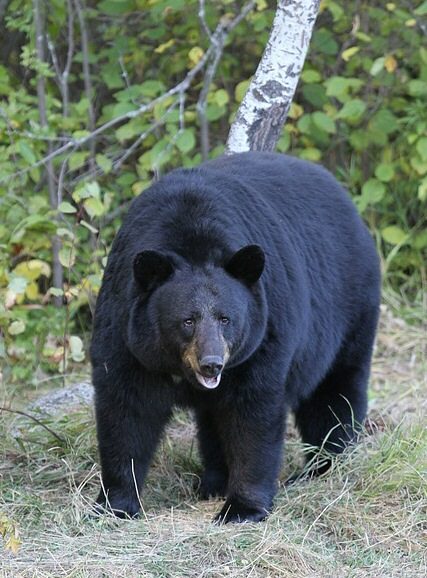
Animals around Medicine Lake Wilderness



A prairie-and-wetland wilderness
Medicine Lake Wilderness protects 11,360 acres within Medicine Lake National Wildlife Refuge in northeastern Montana, between the Missouri River and the Canadian border. Established in 1976, it includes the main body of Medicine Lake, its islands, and the 2,320-acre Sandhills Unit southeast of the lake. This is glacial drift prairie: gently rolling ground broken by shallow wetlands, rather than mountain terrain. Medicine Lake occupies an ancient valley shaped by glaciers and sits at about 2,000 feet in elevation. The Sandhills add native grasslands, brush patches, and scattered relic stands of quaking aspen. Keep the wilderness and the larger refuge distinct when planning: the refuge’s public roads, visitor facilities, and auto tour provide ways to experience the landscape, but they are not wilderness travel routes.
Birdwatching with habitat in mind
Wildlife is the main reason to spend time here. The wilderness conserves breeding habitat for migratory birds, and more than 126 bird species have been documented breeding in the area. Across the refuge, hundreds of thousands of birds pass through during annual migration. Wetlands support waterfowl and colonial nesting birds, while prairie habitat supports species including Baird’s sparrow, chestnut-collared longspur, and grasshopper sparrow. The refuge’s pelican colony has existed since at least 1939 and is among the largest in the United States. Pelican Overlook, near Bridgerman Point, offers a raised viewing platform and all-season binoculars for watching colonial nesting birds. Bring binoculars or a long lens, give nesting wildlife space, and favor established viewing facilities rather than approaching birds for a closer photograph.
Planning around weather and access
Plan for exposed prairie conditions and substantial seasonal temperature swings. Summer temperatures can exceed 100 degrees Fahrenheit, even though nights are usually cool; January averages range from minus 2 to 23 degrees. Carry drinking water, sun protection, and layers appropriate to the forecast. The refuge’s 14-mile auto tour is open approximately eight months of the year, while the headquarters watch tower is available most of the year, weather permitting. Call the refuge at 406-789-2305 to check current access and arrange tower access. Confirm permit requirements and activity-specific rules with the U.S. Fish and Wildlife Service before visiting. Hunting, fishing, and winter ice fishing for northern pike are refuge activities; do not assume those opportunities apply throughout the wilderness or that public roads authorize vehicle travel inside it.
Route options
- Refuge auto tour14 miles
Follow the refuge’s designated auto tour through grassland and wetland habitats for wildlife viewing, birdwatching, and photography. It is open approximately eight months of the year; confirm current availability with the refuge. This is a public-road tour of the refuge, not a motorized route through the wilderness.
- Recreation area hiking trail
Use the hiking trail at the recreation area off Montana State Highway 16 for an on-foot outing. Interpretive signs, picnic tables, and an outdoor restroom are also available at the recreation area. Ask refuge staff about trail conditions and its relationship to the wilderness boundary.
Sample itineraries
- Medicine Lake Wildlife Day · 1 day
Start at Refuge Headquarters to confirm access and ask about climbing the watch tower. Follow the refuge’s 14-mile auto tour when open, then visit Pelican Overlook near Bridgerman Point. These refuge facilities offer views of wetland and grassland wildlife without requiring travel into the wilderness.
- Lake Views and Sandhills Orientation · 2 days
Spend day one birdwatching at Pelican Overlook and walking the recreation area’s hiking trail off Highway 16. On day two, explore the Sandhills landscape southeast of Medicine Lake along Lakeside Road, after confirming appropriate access with refuge staff. Treat this as two day visits, not an established overnight route.
Seasonal conditions
Spring
Spring migration
Wetlands provide stopover habitat for migratory birds. Plan around birdwatching rather than a fixed arrival date for particular species. Confirm road and tower access before visiting; the auto tour operates approximately eight months annually, without a stated seasonal schedule.
Summer
Summer; July temperature averages
July averages range from 55 to 84 degrees F, but summer temperatures can exceed 100 degrees. Nights are generally cool. Wetlands and grasslands support breeding birds; use distant observation rather than approaching nests or colonies.
Fall
Fall migration
The refuge provides migratory stopover habitat, making birdwatching a useful focus. Waterfowl and upland bird hunting are refuge activities; confirm current activity areas and access with staff. Do not assume the auto tour remains open throughout fall.
Winter
Winter; January temperature averages
January averages range from -2 to 23 degrees F. Medicine Lake offers northern pike ice fishing opportunities, but that does not establish safe ice conditions. Confirm current access and conditions before travel; tower access is weather-dependent.
| Season | Window | Conditions |
|---|---|---|
| Spring | Spring migration | Wetlands provide stopover habitat for migratory birds. Plan around birdwatching rather than a fixed arrival date for particular species. Confirm road and tower access before visiting; the auto tour operates approximately eight months annually, without a stated seasonal schedule. |
| Summer | Summer; July temperature averages | July averages range from 55 to 84 degrees F, but summer temperatures can exceed 100 degrees. Nights are generally cool. Wetlands and grasslands support breeding birds; use distant observation rather than approaching nests or colonies. |
| Fall | Fall migration | The refuge provides migratory stopover habitat, making birdwatching a useful focus. Waterfowl and upland bird hunting are refuge activities; confirm current activity areas and access with staff. Do not assume the auto tour remains open throughout fall. |
| Winter | Winter; January temperature averages | January averages range from -2 to 23 degrees F. Medicine Lake offers northern pike ice fishing opportunities, but that does not establish safe ice conditions. Confirm current access and conditions before travel; tower access is weather-dependent. |
Permits, fees & closures
Confirm permits and activity-specific requirements with Medicine Lake National Wildlife Refuge at 406-789-2305.
Official source: Medicine Lake National Wildlife Refuge · Verified November 2, 2026
Hazards & regulations
- Summer temperatures can exceed 100 degrees F. Carry drinking water and sun protection, and reduce exertion during hot periods.
- Winter cold is substantial, with January averages as low as -2 degrees F. Bring insulation and limit exposure.
- Ice fishing opportunities do not guarantee safe ice. Confirm local conditions before considering travel onto Medicine Lake.
- The 99-foot watch tower is weather-dependent. Confirm access with refuge staff rather than assuming it is available.
- Breeding birds and colonial nesting areas are sensitive to disturbance. Observe from a distance and avoid approaching nests.
What to pack for Medicine Lake Wilderness
- Binoculars
- Spotting scope or telephoto lens for distant colony viewing
- Bird identification guide
- Drinking water
- Sun hat and sunscreen
- Layers for cool summer nights
- Comfortable walking footwear
- Map showing refuge and wilderness boundaries
- Insulated outerwear
- Warm hat and gloves
- Insulated footwear
- Emergency warming supplies
Medicine Lake Wilderness FAQ
- Where is Medicine Lake Wilderness?
- It lies within Medicine Lake National Wildlife Refuge in northeastern Montana. The wilderness lake portion is east of Montana State Highway 16. The Sandhills Unit lies southeast of the main lake along Lakeside Road.
- How does the wilderness differ from the refuge?
- The 11,360-acre wilderness is part of the larger 31,660-acre refuge. It includes the main lake’s water body, its islands, and the 2,320-acre Sandhills Unit. Refuge visitor facilities and public roads should not be treated as wilderness routes.
- Where can visitors watch birds?
- Pelican Overlook near Bridgerman Point has a raised viewing area and all-season binoculars. The refuge auto tour passes grassland and wetland habitats. At Refuge Headquarters, the watch tower provides lake views when weather and access allow.
- Is there a hiking trail?
- The refuge recreation area off Highway 16 has a hiking trail, interpretive signs, picnic tables, and an outdoor restroom. It is 3.6 miles from Refuge Headquarters. Ask staff about wilderness access separately; this trail is a refuge visitor facility.
- What is the Sandhills Unit like?
- The Sandhills Unit contains rolling hills, native grasses, brush patches, and a few relic stands of quaking aspen. It offers a land-based contrast to the wilderness’s shallow lake and islands. Confirm suitable access before setting out.
- Who can confirm current access?
- Contact Medicine Lake National Wildlife Refuge at 406-789-2305 or visit the office at 223 North Shore Road, Medicine Lake, Montana. Ask about auto tour conditions, tower access, wilderness boundaries, and requirements for planned activities.