



Where on earth
Satellite imagery flying in from a world view to Lofoten Islands Sea Kayak, Worldwide. Use the + / − buttons, or click the map to zoom with your scroll wheel; drag to pan and pinch to zoom on touch.
- Region
- Norway
- Country
- Worldwide
- Biome
- Arctic coastal (0 m)
- Best season
- May – September
- Difficulty
- moderate
- Backpacking
- Hiking
- Canoeing
- Kayaking
- Climbing
- Sea Kayaking
- Beachcombing
- Winter Camping
Key takeaways
- Biome: Arctic coastal (0 m)
- Best season: May – September
- Difficulty: moderate
- Top activity: backpacking
Photos of Lofoten Islands Sea Kayak
Topic summary
Sea kayak beneath granite spires among Lofoten fishing villages.
Key takeaways
- Difficulty: moderate
- Best season: May – September
Intended uses
backpacking
Climate suitability
Arctic coastal (0 m)
Tools for a trip here
Picked for how, when and where you're going. Free, no signup.
- Sleep System Temp CalculatorCold nights: check your bag and pad add up to a safe sleep.
- Base Weight CalculatorEvery ounce is carried — total your kit and find your base weight.
- Pack Volume SizerSize the pack for your trip length and season.
- Water Purification MatrixTreat water from streams and lakes on trail.
- Layering CalculatorCold-season miles: layer for climbs and camp.
Plan with verified data
Lofoten Islands Sea Kayak trip tools
How to get there
Lofoten Islands Sea Kayak is in Norway, Worldwide. Its center point is 68.1000, 13.6000. Use these links for live turn-by-turn directions from where you are, then confirm road, trailhead and access conditions with the managing agency before you leave.
Popular pursuits at Lofoten Islands Sea Kayak
- Backpacking
Multi-day travel with everything on your back — see the packing blocks below.
- Hiking
Day miles on marked trail, with route notes and trail links below.
- Canoeing
Paddle routes, portages, and put-ins.
- Kayaking
Sheltered and open-water paddling lines.
- Climbing
Rock and alpine lines with approach beta.
- Sea Kayaking
Coastal crossings, tides, and protected camps.
Animals around Lofoten Islands Sea Kayak
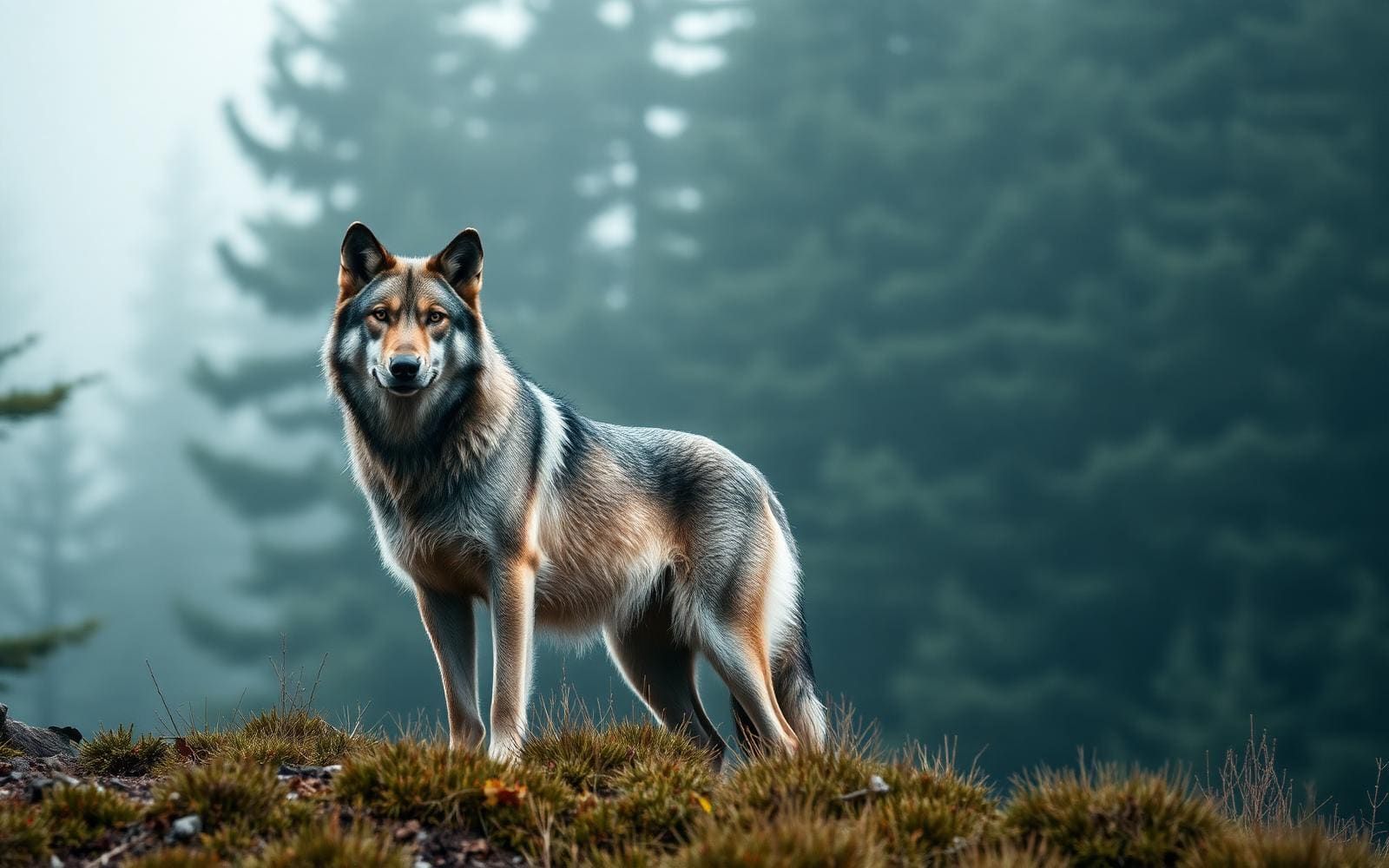 Wildlife guideTimber wolfCanis lupus
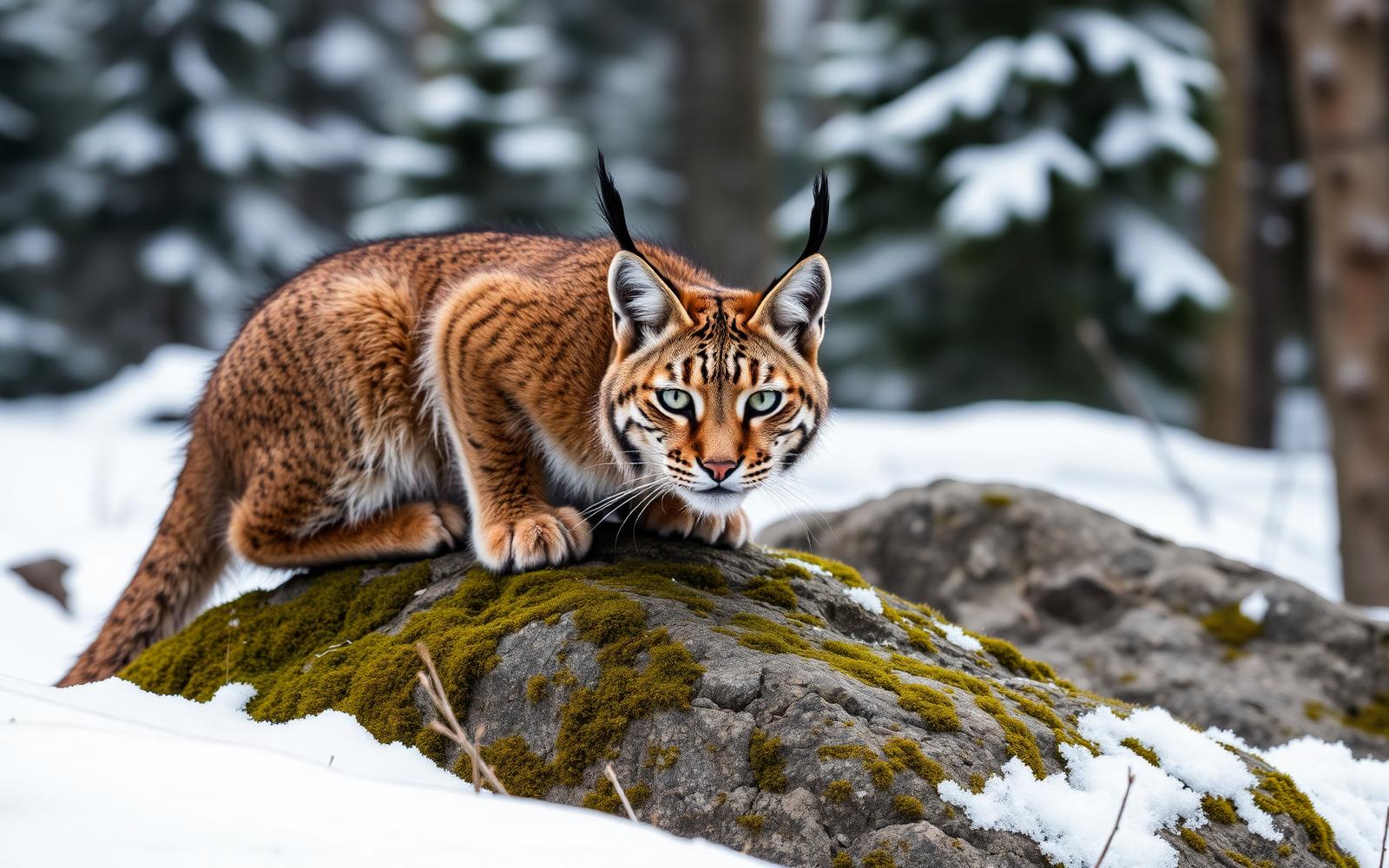 Wildlife guideCanada lynxLynx canadensis
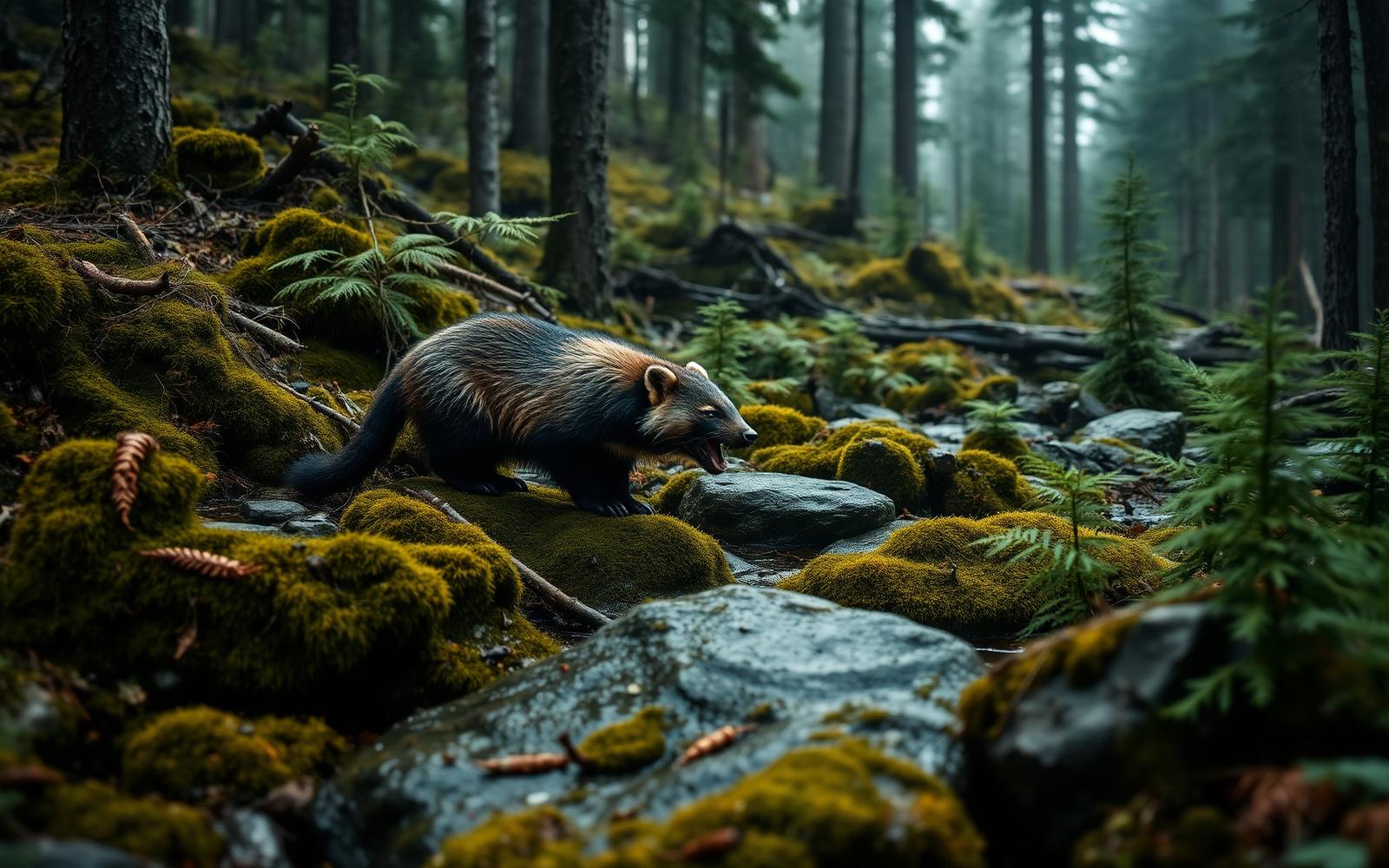 Wildlife guideWolverineGulo gulo
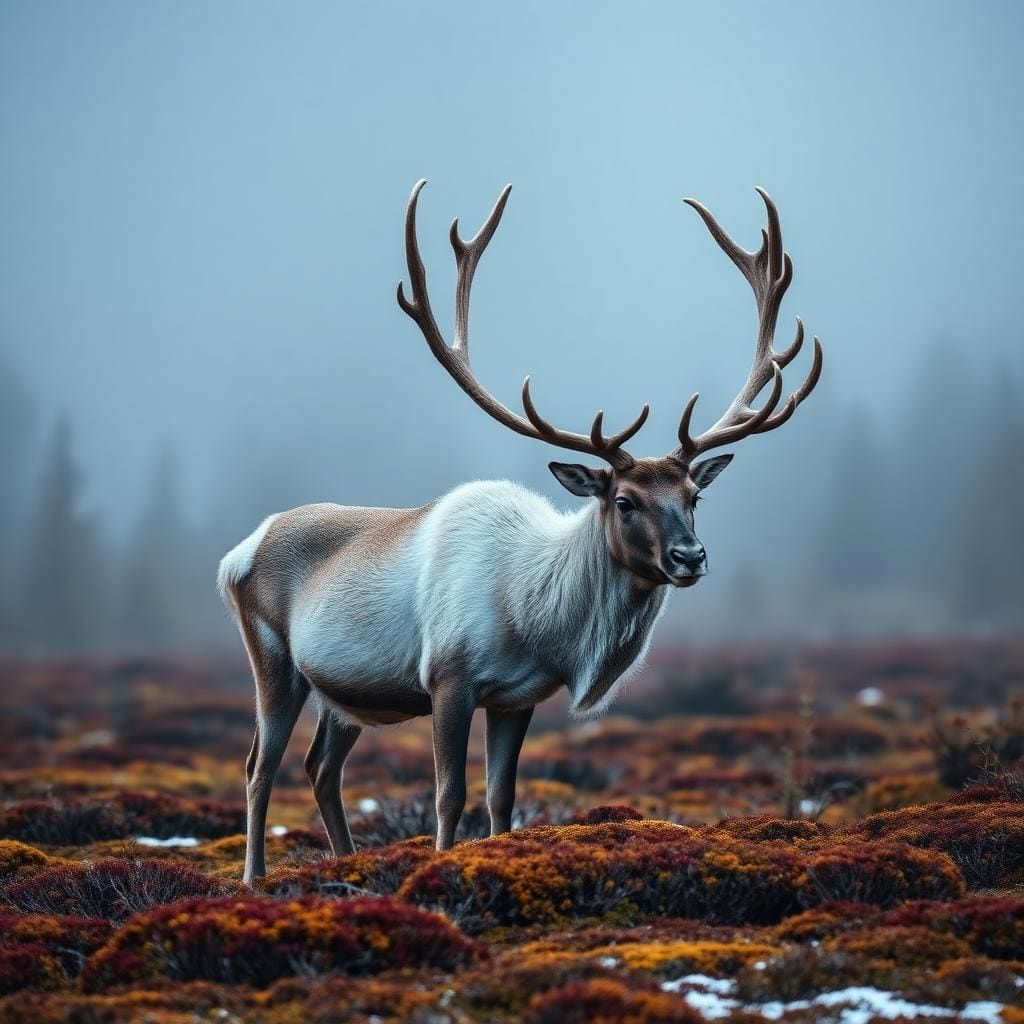 Wildlife guideWoodland caribouRangifer tarandus caribou
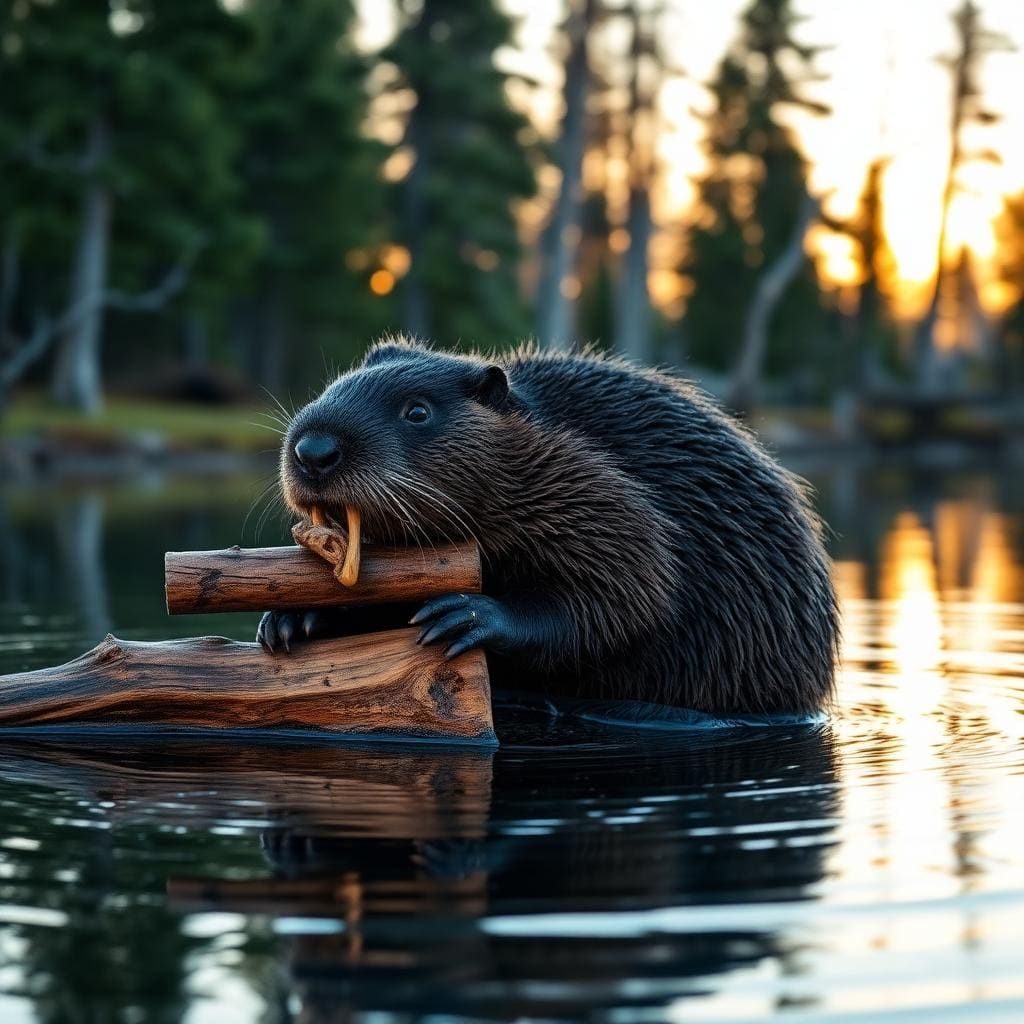 Wildlife guideNorth American beaverCastor canadensis
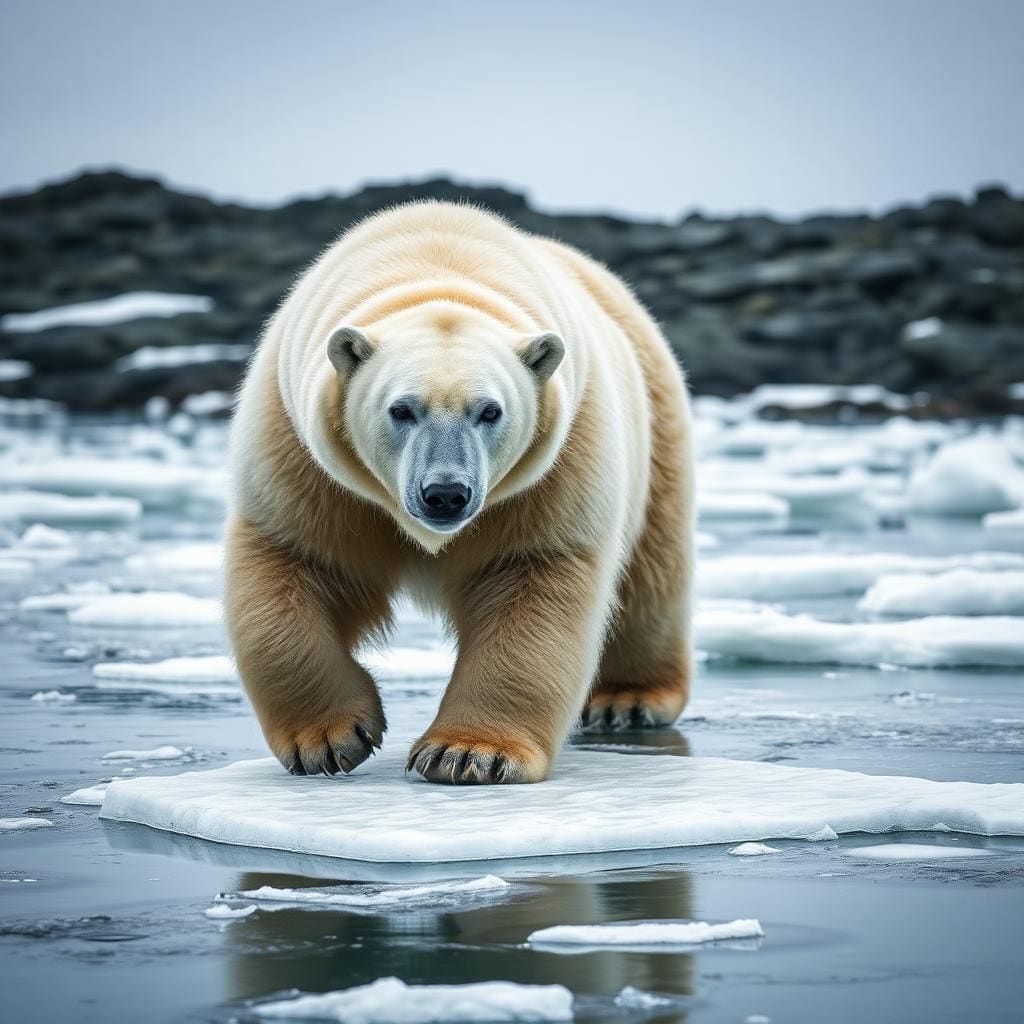 Wildlife guidePolar bearUrsus maritimus
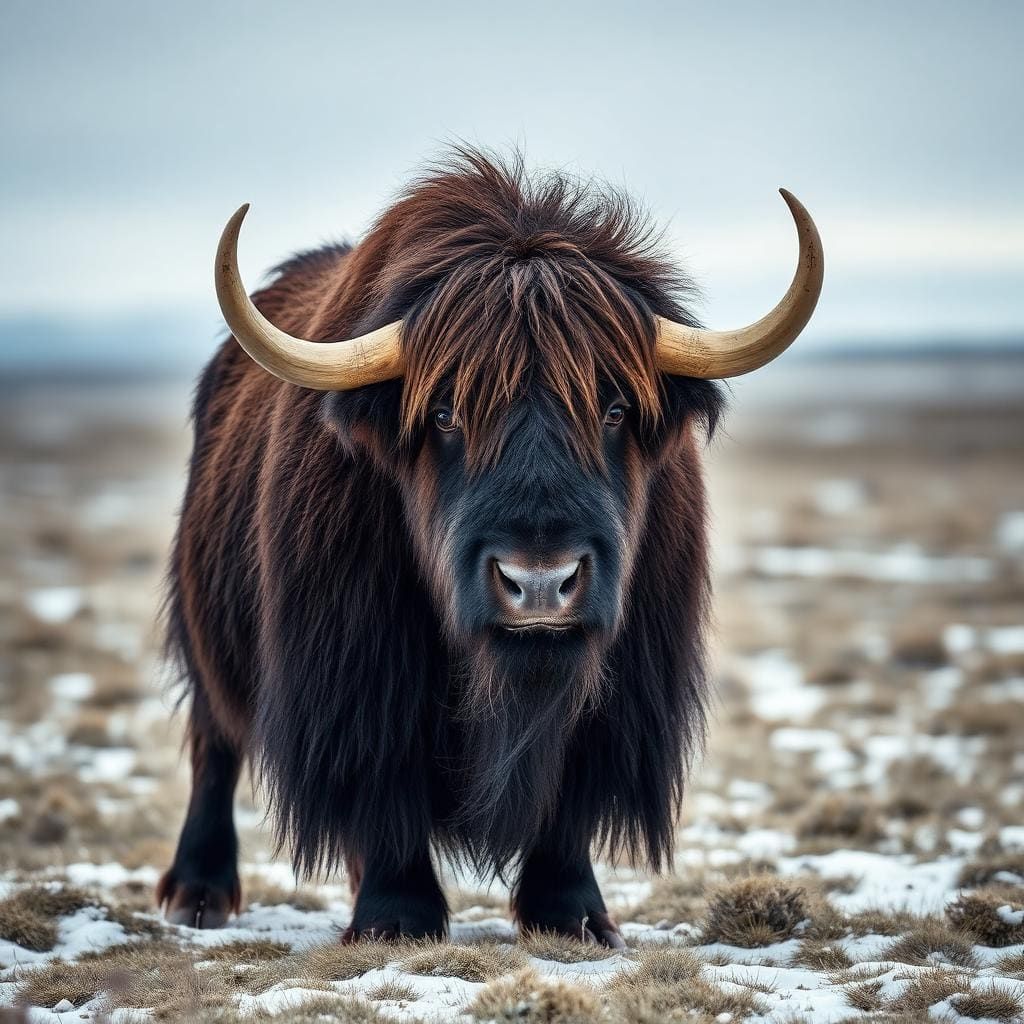 Wildlife guideMuskoxOvibos moschatus
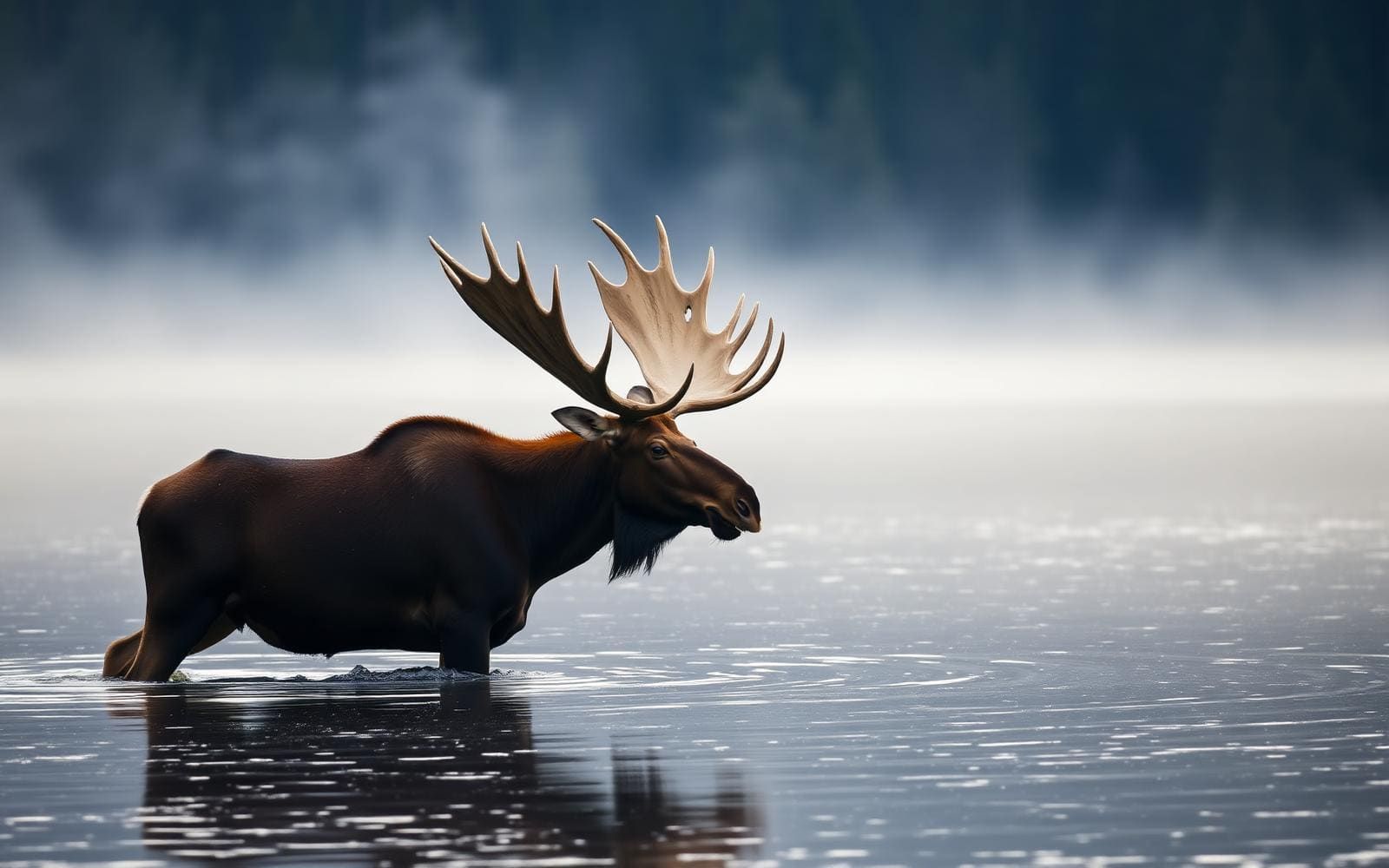 Wildlife guideMooseAlces alces
Maps, GPS & compass for this trip
Carry a waterproof paper map and a compass you can steer by, and treat the GPS as the backup — not the other way round. Buying links go to Amazon; Wild10 earns a commission at no cost to you.
Waterproof topo maps
- Waterproof topographic map — Lofoten Islands Sea KayakAmazon search for waterproof, tear-resistant topo maps covering this area.
- National Geographic Trails IllustratedThe waterproof Trails Illustrated series — check for a sheet covering this area.
- Waterproof map case & compass lanyardKeep a paper map readable in rain, spray and a swamped boat.
Fishing at Lofoten Islands Sea Kayak
Planning to fish Lofoten Islands Sea Kayak, Norway? Fishing licences, open seasons and catch limits in Norway are set by the local wildlife authority and change every year — check the official source before you cast a line.
Do I need a fishing licence at Lofoten Islands Sea Kayak?
- A Norway fishing licence is normally required for anyone over the local youth age.
- Read the current Norway fishing regulations for special waters, barbless-hook or catch-and-release rules.
- Clean, drain and dry boats and gear between waters to stop invasive species.
Hunting near Lofoten Islands Sea Kayak
Thinking about hunting Lofoten Islands Sea Kayak, Norway? Hunting seasons, tags and draws in Norway are set by the wildlife authority each year. Confirm the rules for your species and unit before you go.
Is hunting allowed at Lofoten Islands Sea Kayak?
- Confirm the land around Lofoten Islands Sea Kayak is open to hunting and which management unit it falls in.
What do I need to hunt in Norway?
- A Norway hunting licence — most jurisdictions also require hunter education certification.
- Species tags or draw results for big game such as deer, elk, moose or bear where they occur.
- Knowledge of firearm and bow transport rules, which differ by land type and border crossing.
A northern coastal paddling trip
Plan a Lofoten Islands sea-kayaking trip around the broader character of Northern Norway: a rugged coastline, jagged island mountains, and a generally sparse population. This is a coastal journey, so the useful planning questions concern conditions on the water, suitable landing places, and the group's ability to change plans. Mountain scenery alone does not establish whether a stretch of coast is appropriate for a particular paddler. Before choosing an itinerary, establish where launching and landing are practical and how much open water the trip involves. Keep the initial plan flexible rather than committing to a chain of destinations before those details are settled. A shorter outing can be a better choice than a longer journey when local access or conditions remain uncertain.
Choosing a kayak and trip format
A sea kayak is designed for open water on lakes, bays, and oceans. Its covered deck and ability to incorporate a spray deck distinguish it as a touring craft, while its design favors straight-line tracking, cruising efficiency, and carrying capacity over the maneuverability of a whitewater kayak. Those characteristics matter when deciding how to approach a coastal trip in Lofoten. Sea-kayaking journeys can range from a few hours to many weeks, but that range describes the activity rather than a recommended local itinerary. Choose the trip format only after checking access, conditions, and the experience of everyone taking part. For a longer journey, account for food, water, camping equipment, and other supplies without assuming that carrying capacity alone makes the plan suitable.
Daylight, preparation, and conservative decisions
Northern Norway's summers bring continuous daylight and midnight sun, while the darker season can bring northern lights. Treat that seasonal contrast as a planning consideration, not a guarantee of suitable paddling conditions. Long daylight does not remove fatigue or the need to set a sensible turnaround point. For a Lofoten trip, check the weather and local water conditions before departure, carry the water and supplies needed for the outing, and select clothing and safety equipment for time on the water rather than time ashore. The region's rugged coastline and sparse population support a conservative approach to self-sufficiency. Confirm practical landing options and ways to shorten the trip before setting out, and keep the planned journey within the group's demonstrated paddling ability.
Sample itineraries
- Lofoten coastal day paddle · 1 day
Plan a short sea-kayak outing along Lofoten's rugged island coastline. Choose the launch and turnaround after checking local access, marine conditions and the group's skills. Keep the plan flexible rather than committing to an exposed passage.
- Two-day island-coast tour · 2 days
Use a touring kayak to carry overnight equipment, food and water for a two-day coastal trip. Confirm launch access, landing options and overnight arrangements before departure. Set each day's scope around conditions and paddling ability, not a fixed mileage target.
Seasonal conditions
Spring
Spring; confirm local paddling conditions
Do not assume a spring departure offers suitable marine weather. Check the forecast and available daylight before choosing a coastal outing, and carry layers suited to wet, exposed travel.
Summer
Summer's extended daylight
Northern Norway has non-stop summer daylight and midnight sun. Long light hours offer planning flexibility, but do not establish safe sea conditions. Set turnaround limits around weather and fatigue rather than sunset alone.
Fall
Fall; check daylight for the trip dates
Plan around the day's actual light and marine forecast. Northern lights can occur during the darker season, but darkness makes coastal navigation and finding landings more demanding.
Winter
Winter's darker season
Northern Norway's darker season can bring northern lights. Limited light adds difficulty to an already rugged coastal setting. Assess local conditions and personal capability carefully before considering a paddle.
| Season | Window | Conditions |
|---|---|---|
| Spring | Spring; confirm local paddling conditions | Do not assume a spring departure offers suitable marine weather. Check the forecast and available daylight before choosing a coastal outing, and carry layers suited to wet, exposed travel. |
| Summer | Summer's extended daylight | Northern Norway has non-stop summer daylight and midnight sun. Long light hours offer planning flexibility, but do not establish safe sea conditions. Set turnaround limits around weather and fatigue rather than sunset alone. |
| Fall | Fall; check daylight for the trip dates | Plan around the day's actual light and marine forecast. Northern lights can occur during the darker season, but darkness makes coastal navigation and finding landings more demanding. |
| Winter | Winter's darker season | Northern Norway's darker season can bring northern lights. Limited light adds difficulty to an already rugged coastal setting. Assess local conditions and personal capability carefully before considering a paddle. |
Permits, fees & closures
Confirm current paddling, landing and overnight-use requirements with the managing agency before departure.
Confirm current permits, fees, and closures with the managing agency before you go.
Hazards & regulations
- Open-water exposure: assess marine weather before launching and avoid committing beyond the group's ability.
- Rugged coastline: verify usable landing options rather than assuming every stretch of shore allows an easy exit.
- Darkness: check daylight hours and avoid relying on unfamiliar landings after dark.
- Fatigue: extended summer daylight can encourage longer outings than the group can comfortably complete.
- Wet exposure: prepare for spray or immersion during sea travel.
What to pack for Lofoten Islands Sea Kayak
- Seaworthy touring kayak
- Paddle
- Properly fitted flotation device
- Compatible spray deck
- Clothing appropriate for immersion conditions
- Coastal navigation tools
- Waterproof communication device
- Current marine forecast
- Light for darker conditions
- Drinking water
- Food
- Dry spare layers in waterproof storage
- Camping equipment if overnight arrangements are confirmed
Lofoten Islands Sea Kayak FAQ
- What defines the paddling setting?
- Lofoten sits in Northern Norway's rugged coastal landscape, characterized by jagged island mountains. Plan for sea travel rather than assuming sheltered, lake-like conditions.
- What kind of kayak suits this trip?
- A sea or touring kayak is designed for bays and oceans. Its covered deck, straight-line tracking and cargo capacity support coastal outings and equipment-carrying trips.
- Does midnight sun make summer paddling safe?
- No. Extended daylight helps with scheduling, but weather, sea conditions, landing options and fatigue still determine whether an outing is appropriate.
- Can this be an overnight trip?
- Touring kayaks can carry camping gear, food and water. Confirm lawful overnight arrangements and practical landings before treating that carrying capacity as a workable trip plan.
- How should a launch and route be chosen?
- Confirm local access, current marine conditions and landing options before selecting a route. Match the outing to the least experienced paddler and retain a clear turnaround option.