


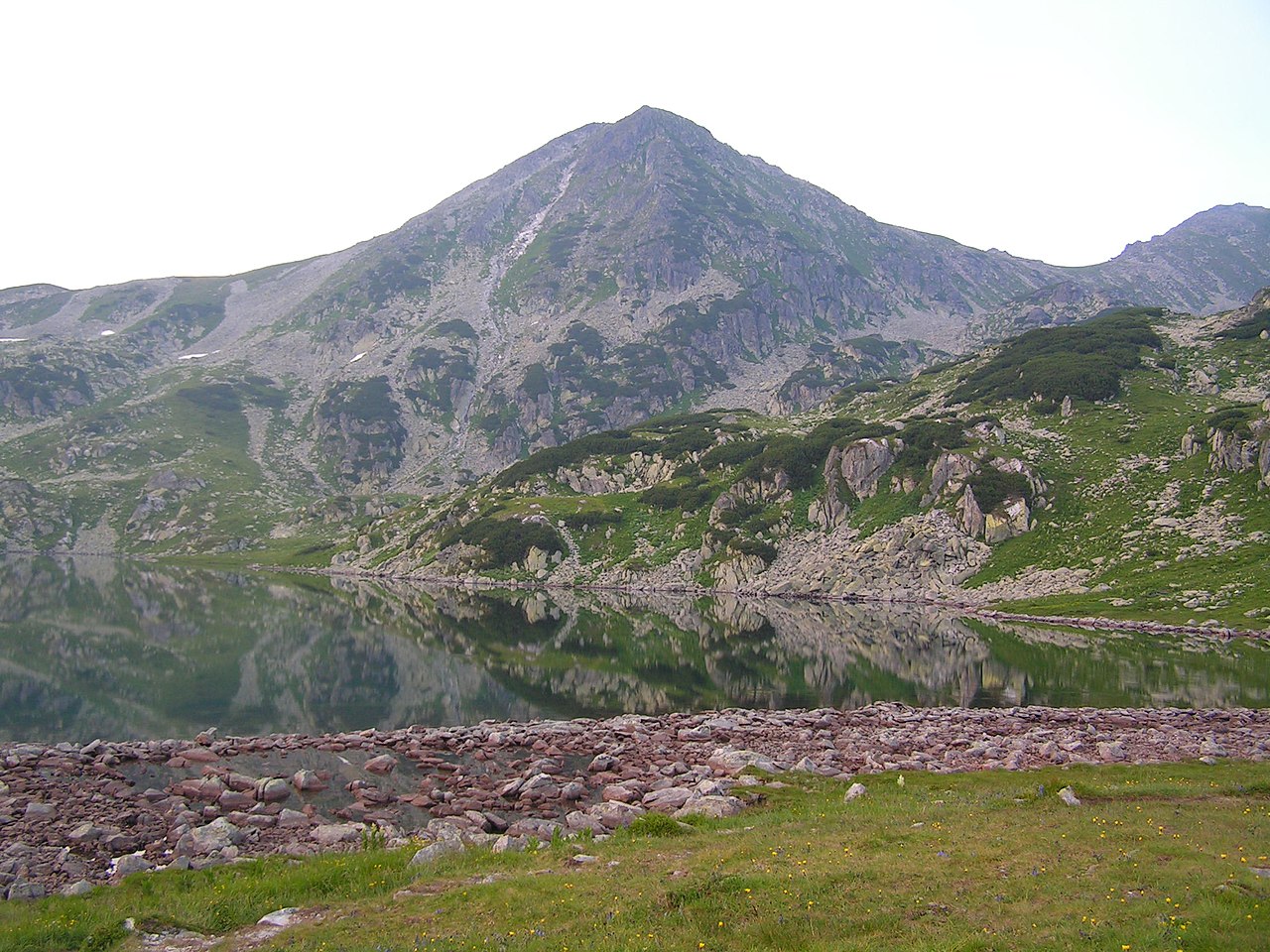
Where on earth
Satellite imagery flying in from a world view to Retezat National Park (Romania), Romania. Use the + / − buttons, or click the map to zoom with your scroll wheel; drag to pan and pinch to zoom on touch.
- Region
- Romania
- Biome
- Carpathian alpine (1,000–2,509 m)
- Best season
- June – September
- Difficulty
- moderate
- Backpacking
- Hiking
- Climbing
Key takeaways
- Biome: Carpathian alpine (1,000–2,509 m)
- Best season: June – September
- Difficulty: moderate
- Top activity: backpacking
Photos of Retezat National Park (Romania)
Topic summary
The most alpine Romanian range — 80+ glacial lakes and 20+ peaks over 2,000 m in the southern Carpathians.
Key takeaways
- Difficulty: moderate
- Best season: June – September
Intended uses
backpacking
Climate suitability
Carpathian alpine (1,000–2,509 m)
Tools for a trip here
Picked for how, when and where you're going. Free, no signup.
- Sleep System Temp CalculatorCold nights: check your bag and pad add up to a safe sleep.
- Base Weight CalculatorEvery ounce is carried — total your kit and find your base weight.
- Pack Volume SizerSize the pack for your trip length and season.
- Water Purification MatrixTreat water from streams and lakes on trail.
- Layering CalculatorCold-season miles: layer for climbs and camp.
Plan with verified data
Retezat National Park (Romania) trip tools
How to get there
Retezat National Park is in the Retezat Mountains, Hunedoara County, Romania. Confirm the specific arrival point and onward access with the managing agency before arranging transport.
Sources: Wikipedia · Wikivoyage. Confirm road and trailhead conditions with the managing agency before you leave.
Popular pursuits at Retezat National Park (Romania)
- Backpacking
Multi-day travel with everything on your back — see the packing blocks below.
- Hiking
Day miles on marked trail, with route notes and trail links below.
- Climbing
Rock and alpine lines with approach beta.
Animals around Retezat National Park (Romania)

Maps, GPS & compass for this trip
Carry a waterproof paper map and a compass you can steer by, and treat the GPS as the backup — not the other way round. Buying links go to Amazon; Wild10 earns a commission at no cost to you.
Waterproof topo maps
- Waterproof topographic map — Retezat National Park (Romania)Amazon search for waterproof, tear-resistant topo maps covering this area.
- National Geographic Trails IllustratedThe waterproof Trails Illustrated series — check for a sheet covering this area.
- Waterproof map case & compass lanyardKeep a paper map readable in rain, spray and a swamped boat.
Fishing at Retezat National Park (Romania)
Planning to fish Retezat National Park (Romania)? Fishing licences, open seasons and catch limits in Romania are set by the local wildlife authority and change every year — check the official source before you cast a line.
Do I need a fishing licence at Retezat National Park (Romania)?
- A Romania fishing licence is normally required for anyone over the local youth age.
- Read the current Romania fishing regulations for special waters, barbless-hook or catch-and-release rules.
- Clean, drain and dry boats and gear between waters to stop invasive species.
- Retezat National Park (Romania) may add its own fishing rules on top of Romania law — check the managing agency too.
We don't have a verified licensing link on file for Romania yet — contact the park or land manager listed on this page for current hunting and fishing rules.
Hunting near Retezat National Park (Romania)
Thinking about hunting Retezat National Park (Romania)? Hunting seasons, tags and draws in Romania are set by the wildlife authority each year. Confirm the rules for your species and unit before you go.
Is hunting allowed at Retezat National Park (Romania)?
- Hunting is prohibited or heavily restricted in many national parks, wilderness and protected areas — confirm with the Retezat National Park (Romania) land manager before planning a hunt, and look to surrounding public land.
What do I need to hunt in Romania?
- A Romania hunting licence — most jurisdictions also require hunter education certification.
- Species tags or draw results for big game such as deer, elk, moose or bear where they occur.
- Knowledge of firearm and bow transport rules, which differ by land type and border crossing.
We don't have a verified licensing link on file for Romania yet — contact the park or land manager listed on this page for current hunting and fishing rules.
A mountain park in Hunedoara County
Retezat National Park lies in the Retezat Mountains in Hunedoara County, Romania. Established in 1935, it is Romania’s oldest national park and is classified as an IUCN category II protected area. Its defining features are mountain terrain, exceptional plant diversity, and surviving old-growth forest. Those qualities make it a destination for visitors interested in mountain walking and natural history, rather than simply a stop for a single viewpoint. Plan around the demands of a mountain environment: changing weather, suitable footwear, layers, and enough food and water for the outing. A park-wide description is not enough to judge an individual walk. Before committing to an itinerary, confirm the intended trail, access arrangements, and current conditions with the managing agency.
Plant diversity and old-growth forest
More than 1,000 plant species occur within Retezat National Park, making its flora a central part of the destination’s character. The park also contains some of Europe’s last remaining pristine old-growth forests. A visit can therefore focus as much on observing vegetation and forest structure as on covering ground. Allow time to look closely without picking plants or disturbing their surroundings, and keep to established walking surfaces where available. The combination of forest and mountain terrain calls for a practical approach to navigation and clothing; do not assume that conditions at the start will represent the whole outing. For a nature-focused trip, choose an itinerary whose physical demands leave enough time and attention for observation.
Conservation and responsible trip planning
Retezat’s long history of protection has not removed pressure on its habitats. Logging and sheep grazing have increased in recent decades, damaging parts of the park, and its status as public property has also faced threats. These pressures matter when deciding how to visit: national park status should not be mistaken for an assurance that every area is undisturbed or that every activity is appropriate. Keep your own impact low by carrying out waste, leaving plants in place, and avoiding unnecessary disturbance. Confirm current visitor rules and any permit requirements with the managing agency before departure. Build the trip around verified access and route information, rather than assuming that the park’s general mountain setting establishes where visitors may travel.
Sample itineraries
- Retezat forest and flora day · 1 day
Plan a day focused on Retezat National Park’s forests and plant diversity. Choose an outing with the managing agency that matches current access and your fitness. Observe vegetation without collecting it, and leave enough time to return before dark.
- Two-day Retezat Mountains introduction · 2 days
Spend one day exploring the park’s forest environment and a second on a mountain outing suited to your experience and the weather. Confirm routes and overnight arrangements before arrival; do not assume camping or accommodation is available inside the park.
Seasonal conditions
Spring
Spring; check current mountain conditions
Plan conservatively around cold weather and potentially wet or wintry footing. Confirm conditions for your intended outing rather than assuming lower-elevation weather represents the whole park.
Summer
Summer; choose outings around the weather
Carry water, sun protection and a waterproof layer for mountain walking. Keep plans flexible if weather deteriorates, and avoid treating warmer weather as a guarantee of easy travel.
Fall
Fall; allow for shorter daylight
Use shorter walking plans as daylight decreases. Pack warm layers and check for cold or wintry conditions before committing to a mountain outing.
Winter
Winter; verify access and conditions before travel
Treat a winter visit as a mountain trip requiring appropriate skills and equipment. Cold, snow or ice may change what is practical; seek current local advice before selecting an outing.
| Season | Window | Conditions |
|---|---|---|
| Spring | Spring; check current mountain conditions | Plan conservatively around cold weather and potentially wet or wintry footing. Confirm conditions for your intended outing rather than assuming lower-elevation weather represents the whole park. |
| Summer | Summer; choose outings around the weather | Carry water, sun protection and a waterproof layer for mountain walking. Keep plans flexible if weather deteriorates, and avoid treating warmer weather as a guarantee of easy travel. |
| Fall | Fall; allow for shorter daylight | Use shorter walking plans as daylight decreases. Pack warm layers and check for cold or wintry conditions before committing to a mountain outing. |
| Winter | Winter; verify access and conditions before travel | Treat a winter visit as a mountain trip requiring appropriate skills and equipment. Cold, snow or ice may change what is practical; seek current local advice before selecting an outing. |
Permits, fees & closures
Confirm entry requirements, access rules and overnight permissions with the park’s managing agency before visiting.
Confirm current permits, fees, and closures with the managing agency before you go.
Hazards & regulations
- Changing mountain weather can make an outing harder than expected; carry protective layers and be ready to turn back.
- Wet or wintry footing may make mountain walking difficult; match your footwear and plans to current conditions.
- Logging and sheep-grazing have damaged parts of the park. Protected status should not be taken to mean every area is undisturbed.
What to pack for Retezat National Park (Romania)
- Supportive walking footwear
- Waterproof outer layer
- Warm insulating layer
- Sun protection
- Current local map
- Offline navigation with backup power
- Headlamp
- First-aid kit
- Drinking water and food
- Camera
- Plant identification guide
- Bag for carrying out litter
Retezat National Park (Romania) FAQ
- Where is Retezat National Park?
- The park lies in the Retezat Mountains in Hunedoara County, Romania.
- What makes the park distinctive?
- Retezat contains more than 1,000 plant species and some of Europe’s last remaining pristine old-growth forests. Forest ecology and plant observation are strong reasons to visit.
- Is it Romania’s oldest national park?
- Yes. Founded in 1935, Retezat is Romania’s oldest national park and is classified as an IUCN category II protected area.
- How should a walking route be chosen?
- Ask the managing agency for current route and access information. Choose an outing that fits your fitness, mountain experience, available daylight and the weather.
- Can visitors camp inside the park?
- Confirm overnight permissions and suitable arrangements with the managing agency before planning a stay. Do not assume that protected land is open to unrestricted camping.
- How can visitors reduce their impact?
- Avoid collecting plants or damaging vegetation, carry out litter and follow current park guidance. The park’s plant diversity and old-growth forests warrant particular care.