


Where on earth
Satellite imagery flying in from a world view to Voyageurs National Park, United States. Use the + / − buttons, or click the map to zoom with your scroll wheel; drag to pan and pinch to zoom on touch.
- Region
- Minnesota, USA
- Country
- United States
- Biome
- Boreal lake country
- Best season
- June – September
- Difficulty
- moderate
- Backpacking
- Hiking
- Canoeing
- Kayaking
- Fishing
Key takeaways
- Biome: Boreal lake country
- Best season: June – September
- Difficulty: moderate
- Top activity: hiking
Topic summary
A water-based park on the Canadian border — four large lakes, houseboat routes, and canoe country at the edge of the Boundary Waters.
Key takeaways
- Difficulty: moderate
- Best season: June – September
Intended uses
- hiking
- camping
- backpacking
Climate suitability
Boreal lake country
Verification notes
Last verified January 1, 1970.
Tools for a trip here
Picked for how, when and where you're going. Free, no signup.
- Sleep System Temp CalculatorCold nights: check your bag and pad add up to a safe sleep.
- Bear Country Food StorageBear country: canister, Ursack or hang, and the local rules.
- Base Weight CalculatorEvery ounce is carried — total your kit and find your base weight.
- Pack Volume SizerSize the pack for your trip length and season.
- Water Purification MatrixTreat water from streams and lakes on trail.
Plan with verified data
Voyageurs National Park trip tools
How to get there
Plan around the Rainy Lake Visitor Center or the lake area relevant to the trip. Visitor-center hours vary by season. Ranger-led boat tours provide access beyond the roads; confirm departure arrangements before traveling.
- Rainy Lake Visitor Center
A visitor-service point with seasonal hours. Snowshoe and cross-country ski rentals are offered for a fee when winter conditions allow.
- Rainy Lake District
An access area for ranger-led boat tours. Confirm the specific departure location when reserving a tour through Recreation.gov.
Sources: nps.gov · Wikipedia · Wikivoyage. Confirm road and trailhead conditions with the managing agency before you leave.
Popular pursuits at Voyageurs National Park
- Backpacking
Multi-day travel with everything on your back — see the packing blocks below.
- Hiking
Day miles on marked trail, with route notes and trail links below.
- Canoeing
Paddle routes, portages, and put-ins.
- Kayaking
Sheltered and open-water paddling lines.
- Fishing
Resident gamefish, seasons, and the water that holds them.
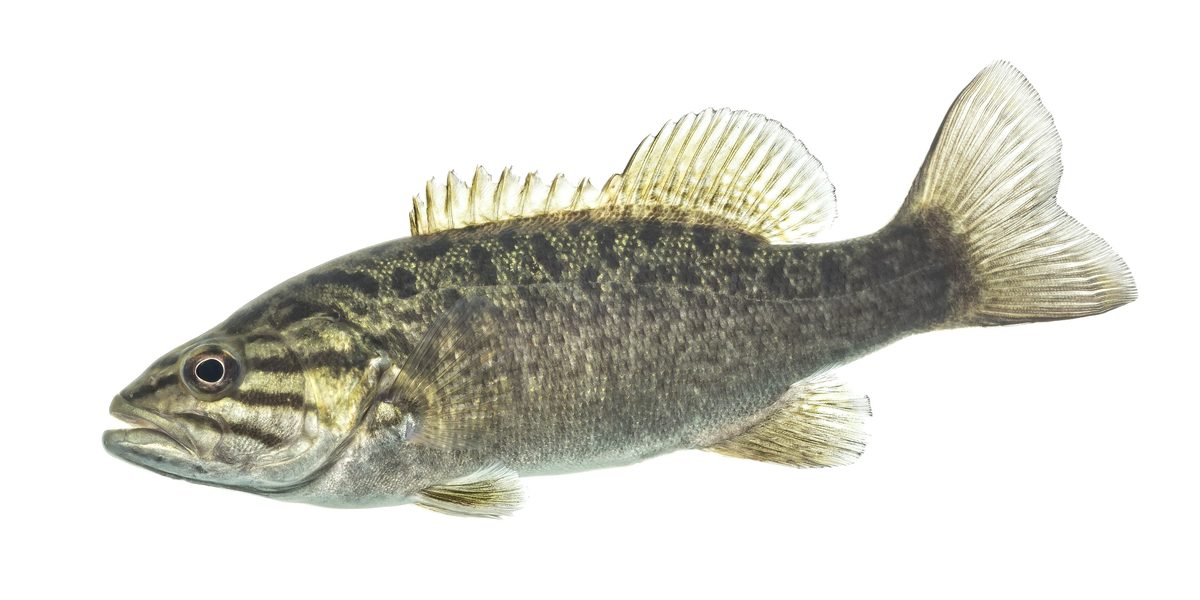
Animals around Voyageurs National Park
Maps, GPS & compass for this trip
Carry a waterproof paper map and a compass you can steer by, and treat the GPS as the backup — not the other way round. Buying links go to Amazon; Wild10 earns a commission at no cost to you.
Waterproof topo maps
- Waterproof topographic map — Voyageurs National ParkAmazon search for waterproof, tear-resistant topo maps covering this area.
- National Geographic Trails IllustratedThe waterproof Trails Illustrated series — check for a sheet covering this area.
- Waterproof map case & compass lanyardKeep a paper map readable in rain, spray and a swamped boat.
Fishing at Voyageurs National Park
Planning to fish Voyageurs National Park, Minnesota? Fishing licenses, open seasons and catch limits in Minnesota are set by the local wildlife authority and change every year — check the official source before you cast a line.
Do I need a fishing license at Voyageurs National Park?
- A Minnesota fishing license is normally required for anyone over the local youth age.
- Read the current Minnesota fishing regulations for special waters, barbless-hook or catch-and-release rules.
- Clean, drain and dry boats and gear between waters to stop invasive species.
- Voyageurs National Park may add its own fishing rules on top of Minnesota law — check the managing agency too.
Hunting near Voyageurs National Park
Thinking about hunting Voyageurs National Park, Minnesota? Hunting seasons, tags and draws in Minnesota are set by the wildlife authority each year. Confirm the rules for your species and unit before you go.
Is hunting allowed at Voyageurs National Park?
- Hunting is prohibited or heavily restricted in many national parks, wilderness and protected areas — confirm with the Voyageurs National Park land manager before planning a hunt, and look to surrounding public land.
What do I need to hunt in Minnesota?
- A Minnesota hunting license — most jurisdictions also require hunter education certification.
- Species tags or draw results for big game such as deer, elk, moose or bear where they occur.
- Knowledge of firearm and bow transport rules, which differ by land type and border crossing.
A park planned around water
Voyageurs National Park in Minnesota is a place to plan around lakes, shorelines, and travel beyond the road. Rainy Lake and Kabetogama Lake provide concrete starting points for understanding that setting: boat tours operate in the Rainy Lake District, while forested shores and rock points shape the lakeside experience. Voyageurs is sometimes considered part of the broader Boundary Waters region, a landscape of interconnected waterways, glacially carved bedrock, thin soils, and boreal forest. For a first visit, choose the kind of access before choosing an overnight plan. A ranger-led boat tour offers an organized way to reach places beyond the roads; tent camping and overnight boating require separate arrangements. Keep the itinerary suited to the boat, equipment, and experience available rather than treating the lakes as a road network.
Camping, houseboats, and reservations
Entry to Voyageurs National Park is free, but overnight stays and organized activities can carry charges. All tent campsites require a reservation fee and nightly amenity fees, with bookings made through Recreation.gov. Peak-season camping runs from the Friday before the Minnesota fishing opener through October 15; fees vary by site type. Non-peak camping runs from October 16 through the Thursday before the opener, with sites priced at $10 per night. Houseboats, sailboats, and cabin cruisers need overnight permits during the May 1–October 31 houseboat season, at $15 per night. For this purpose, a houseboat is a registered vessel with sleeping, cooking, and food-storage facilities and a no-discharge toilet. Choose between sleeping ashore and sleeping aboard early, because the reservation arrangements differ.
Seasonal access and practical safety
Voyageurs is open year-round, but an open park does not guarantee access to a particular campsite. In early spring and late fall, lake ice can make reaching a site difficult or impossible. Backcountry campsites are open for winter camping through the end of March, become unavailable for reservation on April 1, and reopen on the Friday before the Minnesota fishing opener. Winter visitors can rent snowshoes and cross-country skis through the Rainy Lake Visitor Center for a fee, with availability dependent on conditions. Visitor-center hours also vary by season. Check current site status before departure, particularly around Dryweed Island, where increased bear activity has prompted closures. Secure food against wildlife, carry weather protection, and leave room in the itinerary for changing water or ice conditions.
Route options
- Rainy Lake ranger-led boat tour
A guided option for traveling beyond the roads without organizing an independent overnight boating trip. Tours require paid tickets; prices vary with tour duration and distance. Confirm the available itinerary when booking.
- Rainy Lake houseboat stay
An overnight boating option with accommodation aboard rather than at a tent campsite. Obtain the required seasonal overnight permit and confirm current houseboat-site availability before selecting a stopping place.
Sample itineraries
- Rainy Lake boat-tour day · 1 day
Plan a ranger-led boat tour in the Rainy Lake District to explore beyond the roads. Confirm the tour schedule and reserve tickets before traveling. Check seasonal visitor center hours rather than assuming facilities are open.
- Kabetogama Lake camping stay · 2 days
Build an overnight trip around a reserved tent campsite on Kabetogama Lake. Arrange suitable water transportation and keep the schedule flexible for lake conditions. Spend the second day exploring the shoreline before returning.
- Rainy Lake winter outing · 1 day
Start at the Rainy Lake Visitor Center for a snowshoe or cross-country ski outing when conditions allow. Confirm equipment rental availability and current conditions. Choose an outing suited to daylight, weather, and the group's winter experience.
Seasonal conditions
Spring
Early spring through the Friday before the Minnesota fishing opener
Lake ice can make campsites difficult or impossible to reach. Backcountry campsites become unavailable for reservation April 1 and reopen the Friday before the Minnesota fishing opener. Avoid treating a reservation date as assurance of safe lake access.
Summer
Summer boat-tour season
Plan around lake travel, tent camping, and ranger-led boat tours. Tours require paid tickets, and tent campsites require reservations and fees. Check conditions before committing to exposed water travel.
Fall
Through October 15; non-peak camping begins October 16
Late-fall ice can make campsite access difficult or impossible. Houseboat permit season continues through October 31. Match transportation and overnight plans to actual lake conditions, and check seasonal visitor center hours.
Winter
Winter; backcountry camping through the end of March
The park remains open year-round. Snowshoe and cross-country ski rentals at the Rainy Lake Visitor Center depend on winter conditions, with tickets typically available in the first week of January. Confirm conditions before any lake crossing.
| Season | Window | Conditions |
|---|---|---|
| Spring | Early spring through the Friday before the Minnesota fishing opener | Lake ice can make campsites difficult or impossible to reach. Backcountry campsites become unavailable for reservation April 1 and reopen the Friday before the Minnesota fishing opener. Avoid treating a reservation date as assurance of safe lake access. |
| Summer | Summer boat-tour season | Plan around lake travel, tent camping, and ranger-led boat tours. Tours require paid tickets, and tent campsites require reservations and fees. Check conditions before committing to exposed water travel. |
| Fall | Through October 15; non-peak camping begins October 16 | Late-fall ice can make campsite access difficult or impossible. Houseboat permit season continues through October 31. Match transportation and overnight plans to actual lake conditions, and check seasonal visitor center hours. |
| Winter | Winter; backcountry camping through the end of March | The park remains open year-round. Snowshoe and cross-country ski rentals at the Rainy Lake Visitor Center depend on winter conditions, with tickets typically available in the first week of January. Confirm conditions before any lake crossing. |
Permits, fees & closures
All tent campsites require reservations, reservation fees, and nightly amenity fees. Overnight houseboats, sailboats, and cabin cruisers require permits during May 1–October 31. Ranger-led boat tours require paid tickets. Use Recreation.gov for camping reservations, houseboat permits, and tour tickets.
Fees: Park entry is free. Peak-season tent camping fees vary by site type; non-peak sites cost $10 nightly, plus the required reservation fee. Houseboat permits cost $15 nightly during May 1–October 31. Boat tours and winter equipment rentals carry fees.
Reservations: Peak camping and houseboat reservations open the previous November 15 at 9 a.m. CST; non-peak camping opens the previous April 15 at 9 a.m. CST. Summer boat-tour reservations typically open April 15. Peak camping runs from the Friday before the Minnesota fishing opener through October 15.
Official source: Permits & Reservations - Voyageurs National Park (U.S. National Park ... · Verified October 18, 2026
Hazards & regulations
- Early-spring and late-fall lake ice can make campsite access difficult or impossible. Do not rely on a booking alone to establish safe access.
- Increased bear activity prompted closures around Dryweed Island through September 2026. Confirm current restrictions before planning stops there; do not assume that an elapsed closure date means sites have reopened.
- Lake travel leaves little margin for unsuitable weather or equipment. Wear a personal flotation device and adjust plans to conditions and the group's abilities.
- Winter outings require protection from cold and a conservative turnaround plan. Confirm snow and ice conditions before leaving established access.
What to pack for Voyageurs National Park
- Personal flotation device for each traveler
- Waterproof bags for clothing and essential gear
- Navigation tools appropriate to the planned lake outing
- Weather-resistant outer layers
- Tent and season-appropriate sleeping system
- Drinking water or water-treatment equipment
- Food storage suitable for bear country
- Reservation confirmation
- First-aid kit
- Insulating layers and waterproof outerwear
- Warm hat, gloves, and spare dry layers
- Snowshoes or cross-country skis suited to conditions
- Headlamp and emergency supplies
Wildlife you may see
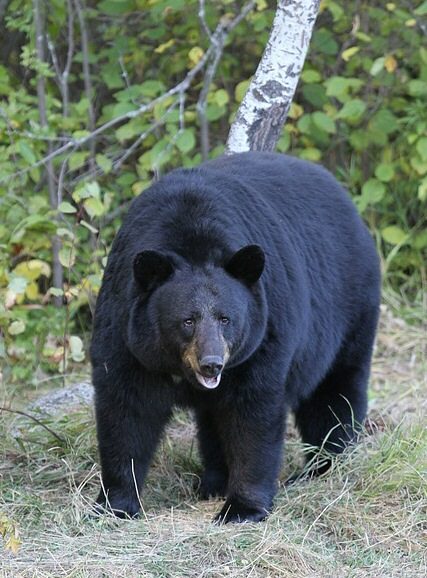
- Bears: Increased activity has affected the Dryweed Island area. Check current alerts, secure food, and keep wildlife encounters at a distance.
Voyageurs National Park FAQ
- Is there an entrance fee?
- No. Entry to Voyageurs National Park is free. Camping, overnight houseboat stays during the permit season, ranger-led boat tours, and winter equipment rentals have separate fees.
- Can a visitor explore without operating a boat?
- Ranger-led boat tours provide access beyond the roads, including in the Rainy Lake District. Tours require paid tickets; confirm the available schedule and reserve through Recreation.gov.
- Is the park open in winter?
- Yes, the park is open year-round, though visitor center hours vary seasonally. Winter options include snowshoeing, cross-country skiing, and backcountry camping through the end of March, subject to conditions.
- When is non-peak tent camping?
- Non-peak camping runs October 16 through the Thursday before the Minnesota fishing opener. Sites cost $10 per night, with a reservation fee also required. Backcountry sites are unavailable for reservation from April 1 until the Friday before the opener.
- Can a reserved campsite always be reached?
- No. Early-spring and late-fall ice may make access difficult or impossible. Check lake conditions and arrange appropriate transportation before departure.
- What should travelers check around Dryweed Island?
- Confirm current park alerts before visiting. Bear activity led to closures of 17 campsites, houseboat sites, and day-use sites on Dryweed Island and surrounding islands through September 2026. That stated end date does not establish their current status.