Skip to content
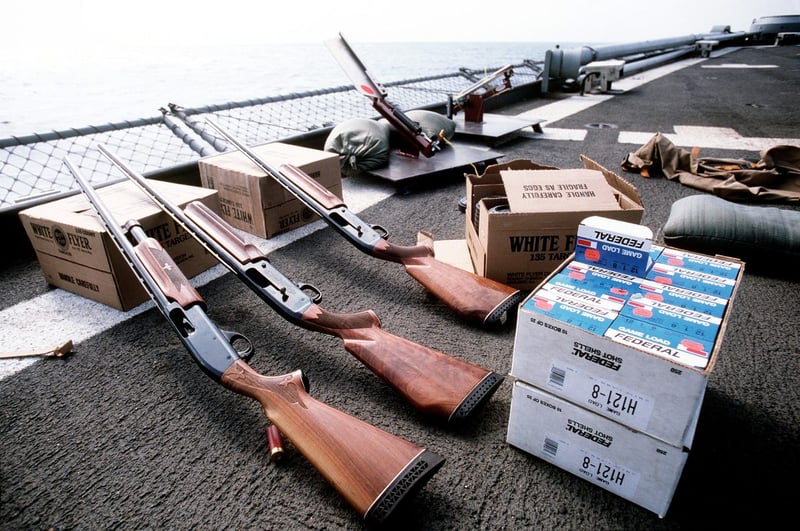
Break-action shotgun laid out for inspection

Hunting · Shotgun

Shotgun hunting: gauge, choke, shot, and swing

A shotgun delivers a pattern, not a bullet. Understand the pattern and the rest of wingshooting stops being luck.

Most shotgun hunters have never patterned their gun, guess at chokes, and blame the ammunition when they miss. Fixing those three things is a single afternoon of work and it will change your season.

This guide runs gauge selection, the choke and shot chart you can screenshot, how to pattern your gun properly, and the wingshooting mechanics that put the pattern where the bird is going to be.

Gauges
12, 20, 28, .410
Chokes
By quarry & range
Patterning
40-yd board test
Wingshooting
3 lead methods

01

Gauges and what each is for

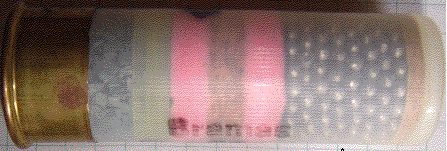
Shotgun shells in assorted loads and gauges
Unknown photographer / Public domain · Wikimedia Commons

12 Gauge

Do-everything

The most versatile shotgun made, with the widest ammunition selection on earth — from 7/8 oz light target loads to 3.5 inch turkey and goose payloads. Heavier to carry all day, and the recoil of magnum loads is genuinely punishing.

  • Required for serious waterfowl and turkey work
  • Loads available from featherweight to brutal

20 Gauge

Upland favorite

Roughly two-thirds the payload with a fraction of the recoil and a full pound less weight to carry over miles of cover. For grouse, quail, dove, rabbit, and squirrel it is arguably a better tool than the 12.

  • Excellent first shotgun
  • Modern 3 inch loads handle ducks over decoys

16 Gauge

The classic

Carries like a 20 and hits like a 12, which is why it dominated American upland hunting for half a century. Ammunition is less common and pricier, but it is having a genuine revival.

  • Best-balanced upland gauge
  • Fewer load options

28 Gauge & .410

Specialist

Delightful on quail, dove, and squirrel in expert hands, and unforgiving of a sloppy pattern. The .410 in particular is a poor beginner's gun despite being marketed as one — its tiny pattern demands precision a new shooter does not have.

  • 28 gauge patterns above its weight
  • TSS turkey loads make the .410 viable for gobblers

02

Choke and shot size by quarry

Start here, then pattern your actual gun with your actual load to confirm.

QuarryChokeShotTypical range
DoveImproved cylinder#7.5–8 lead20–35 yd
Bobwhite quailImproved cylinder#8 lead15–30 yd
Ruffed grouseImproved cylinder#7.5 lead15–25 yd
PheasantModified#5 lead25–45 yd
Rabbit & squirrelImproved cylinder#6 lead20–35 yd
Ducks over decoysImproved cylinder / modified#2–4 steel20–40 yd
Pass-shooting geeseModified / improved modifiedBB–2 steel30–50 yd
TurkeyExtra-full turkey#4–6 lead or #9 TSSInside 40 yd
Deer (slug)Rifled barrel / rifled chokeSabot slugInside 150 yd
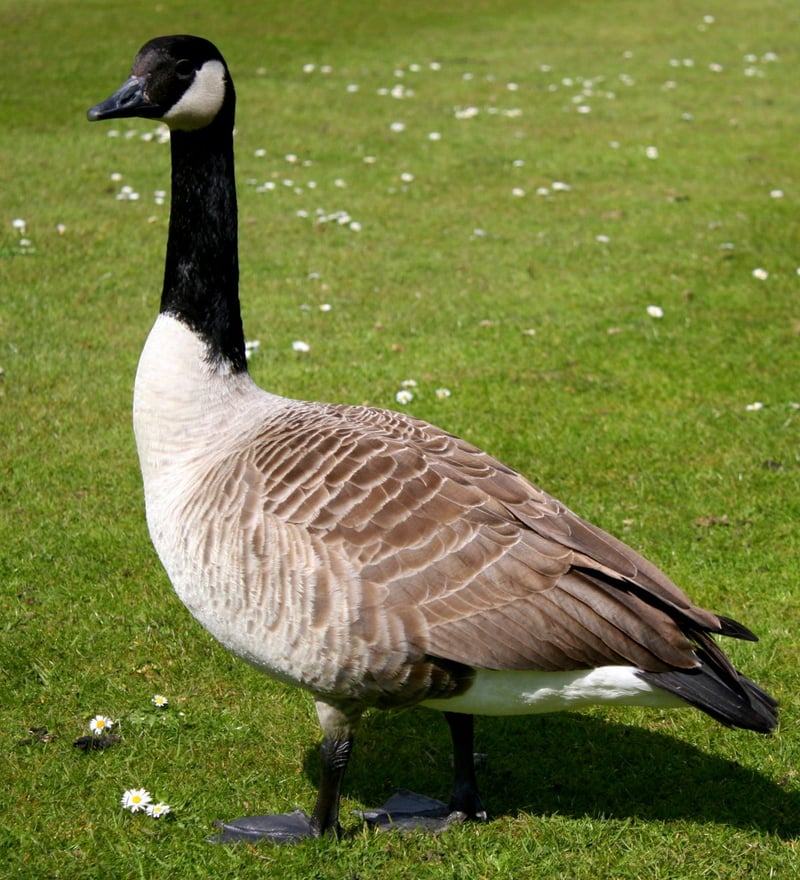
Canada goose in a feeding field
Rror / CC BY-SA 3.0 · Wikimedia Commons

03

Pattern your shotgun — the step almost nobody takes

A shotgun is a pattern-delivery device. Until you have seen your pattern on paper, you are guessing.

  1. 1Tape a 30-inch circle target to cardboard and back it with a safe berm.
  2. 2Shoot one shot at 25 yards for upland loads, 40 yards for waterfowl, and 40 yards for turkey — the ranges you actually shoot at.
  3. 3Count the pellet strikes inside the circle and note where the center of the pattern sits relative to your point of aim. Many shotguns shoot noticeably high by design.
  4. 4Repeat with each choke you own. The difference between improved cylinder and full at 40 yards is dramatic and often surprising.
  5. 5For turkey, count strikes inside a 10-inch head-and-neck circle. You want 100+ pellets in that circle at your maximum range, or shorten the range.
  6. 6Write the winning choke and load combination on tape inside your gun case so you never guess again.
Shotgun shells in assorted loads and gauges
Unknown photographer / Public domain · Wikimedia Commons

04

Wingshooting: how to actually hit a flying bird

Look at the bird, not the barrel. A shotgun is pointed like a finger, not aimed like a rifle. If you are consciously seeing the front bead, your eyes are in the wrong place and you will miss behind.

Mount the gun to your face, then bring both to the bird together. A gun mounted to the shoulder first, then muscled up to the cheek, arrives late and crooked. Practice the mount at home in a mirror hundreds of times — it costs nothing and fixes more misses than any lesson.

Use swing-through: start the barrel behind the bird, accelerate through it, and fire as the muzzle passes the beak, then keep swinging. The follow-through is not a formality; stopping the gun at the shot is the single most common cause of missing behind.

For crossing shots at 30 yards, a duck at 40 mph needs roughly four to six feet of lead — far more than instinct suggests. On incoming birds, blot the bird out with the barrel and fire. On going-away birds, cover the bird and shoot right at it.


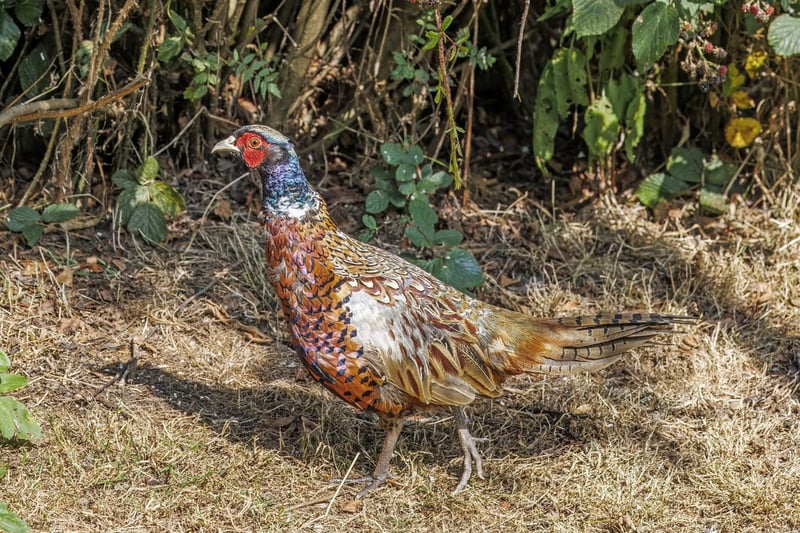
Ring-necked pheasant rooster in grass cover
Unknown photographer / Wikimedia Commons · Wikimedia Commons

05

Specialized shotgun hunts

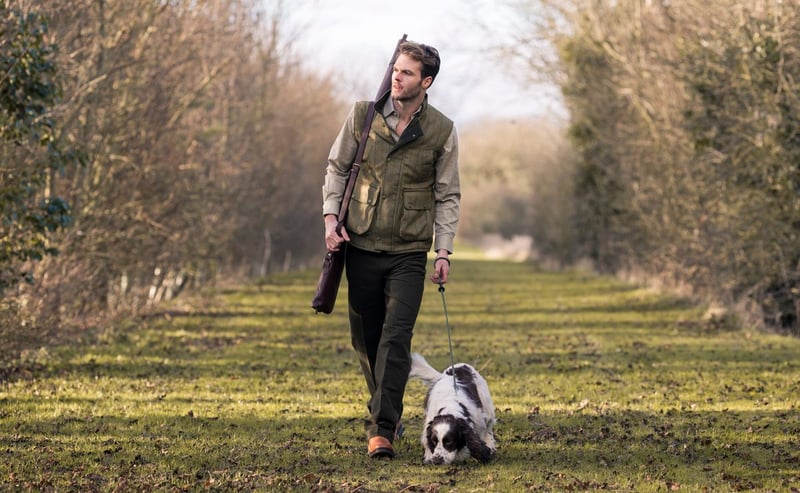
Pointing bird dog locked up on upland cover
Rydale Clothing / CC BY 2.0 · Wikimedia Commons

Turkey setups

Stillness over range

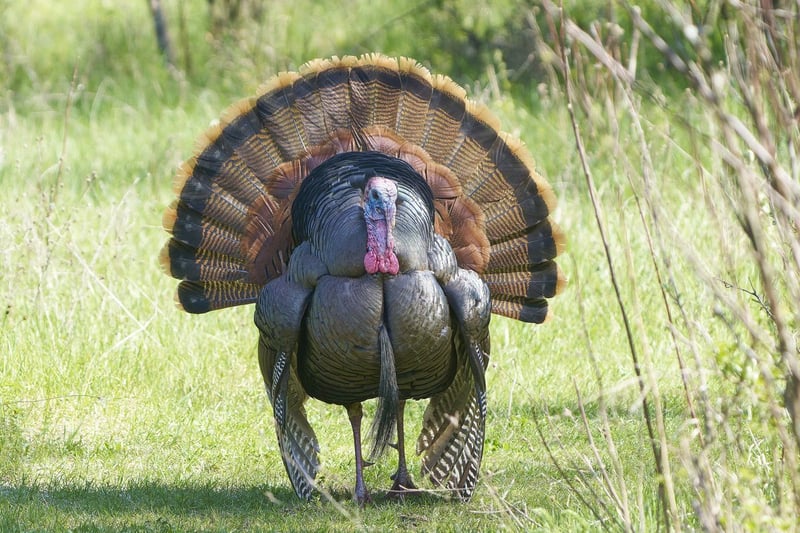
Sit against a tree wider than your shoulders with your knees up and the gun already on your knee pointed at the expected approach. Once a gobbler is inside 100 yards you should not move again. Take the shot where the neck meets the head, and never at a bird in full strut — wait for him to raise his head.

Waterfowl over decoys

Wind and hide

Set the spread with a landing hole downwind of your blind so birds finish into the wind and toward you. Concealment beats decoy count: a shining face or an uncovered blind bag flares more ducks than a small spread ever will.

Walking up upland birds

Pace and pauses

Birds flush when you stop, not when you walk. Move slowly and pause every twenty steps — the pause is what breaks a holding bird's nerve. Push cover toward a natural edge and put a blocker there when hunting with a partner.

Slug hunting deer

Shotgun-only counties

A rifled barrel with sabot slugs, a 1-4x scope, and a solid rest gives real 100–150 yard performance. Sight in at 100 yards and know the drop — slug trajectory falls off far faster than a centerfire rifle bullet.

Small game with a shotgun

Forgiving start

Squirrel and rabbit with a 20 gauge and #6 shot is the classic apprenticeship — quick shots in thick cover, easy field dressing, and long seasons that let you hunt long after the big-game tags are filled.

Non-toxic shot

Legal requirement

Steel and other non-toxic loads are mandatory for all waterfowl nationwide, and for many upland species on public wetlands. Steel is lighter than lead, so go up two shot sizes and open the choke one step relative to a lead load.

Questions

Frequently asked

What gauge shotgun should I buy first?
A 12 gauge if you will hunt waterfowl or turkey, a 20 gauge if you mostly hunt upland birds, small game, or want a lighter gun for a smaller-framed shooter. The 20 kills everything the 12 does inside sensible ranges with noticeably less recoil.
What choke should I use?
Improved cylinder for close flushing birds like grouse, quail, and dove; modified for pheasant and ducks over decoys; full or extra-full for turkey and pass-shooting geese. When unsure, modified is the least wrong answer.
What shot size do I need?
Bigger birds and longer range mean bigger pellets. Dove and quail: #7.5–8. Grouse: #7.5. Pheasant: #5. Ducks over decoys (steel): #2–4. Geese (steel): BB–2. Turkey: #4–6 lead or TSS #9.
Why do I keep missing flying birds?
You are stopping the gun. A shotgun must keep swinging through and past the bird as you fire and after — if the barrel stops at the trigger pull, the shot string goes behind. Focus your eyes hard on the bird's head, never on the bead.
Can I hunt deer with a shotgun?
Yes, and in many populated counties a shotgun slug or straight-wall cartridge is the only legal option. A rifled barrel with sabot slugs and a low-power scope is accurate to about 150 yards; a smoothbore with rifled slugs is realistically a 75-yard gun.

Also on The Wild10

Fishing Guides

Fish identification, the knots that hold, lure selection by conditions, and the habits that fill a stringer.

Open the fishing hub →
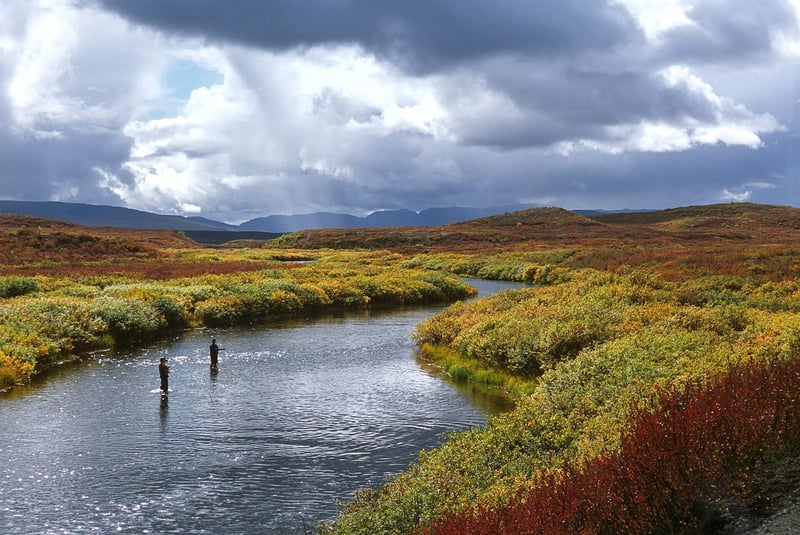
Fly angler casting on a clear northern river