Skip to content
White-tailed deer buck standing at a field edge

Hunting · Reference

Types of game, and what each one asks of you

Big game, small game, upland birds, and waterfowl — where they live, when they are legal, how they behave, and the equipment the animal actually requires.

Every species is its own discipline. A whitetail hunter who has never glassed a basin will struggle on mule deer, and an elk caller is not automatically a turkey hunter. What transfers is woodsmanship; what does not is tactics.

This page is the map. Find the species, learn how it lives, then go deep in the weapon guide that matches your season — rifle, shotgun, recurve, or compound.

Species profiled
19 game animals
Categories
Big, small, birds
Season table
Timing + tools
Photos
Real, field-verified

01

Big game

Tagged species that require a plan for the animal, the shot, and the meat.

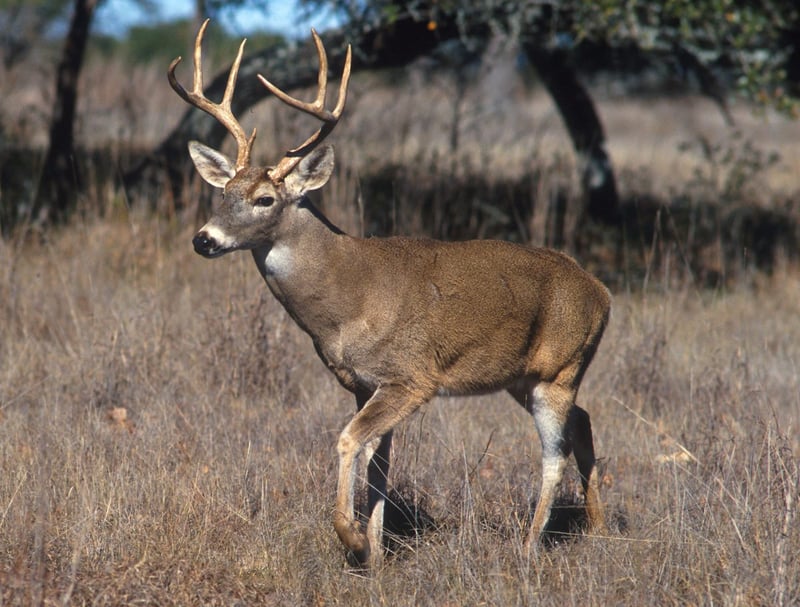
White-tailed deer buck standing at a field edgeMost hunted animal in America

Whitetail Deer

Edge-dwelling, nocturnal under pressure, and utterly governed by wind. Hunt funnels between bedding and food, and hunt the rut in November when mature bucks move in daylight. A whitetail's nose is the reason most hunts fail.

  • Archery Sept–Oct, rifle Nov–Dec
  • .243 and up, or 40 lb+ bow
  • Broadside behind the shoulder

USDA photo by Scott Bauer / Public domain · Wikimedia Commons

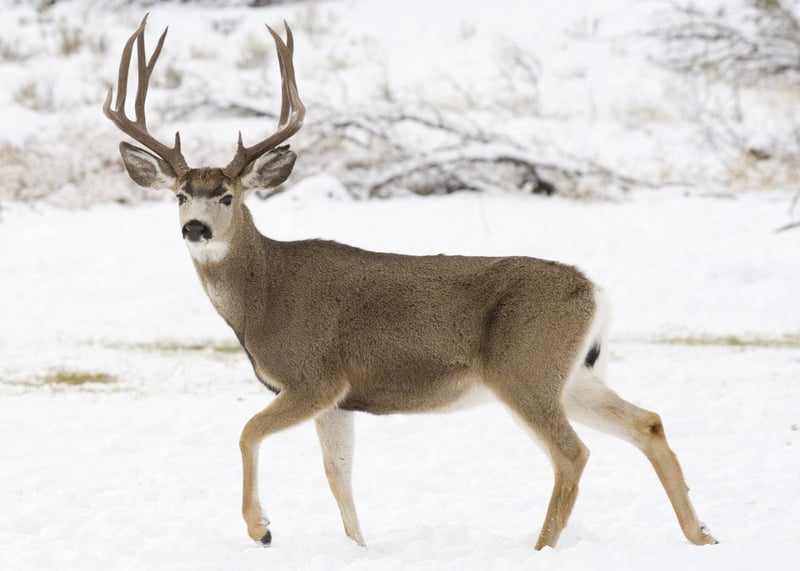
Mule deer buck in open sage countryWestern open country

Mule Deer

Lives in sage, breaks, and high timber, and depends on eyesight and distance rather than cover. This is a glassing game — spend the morning behind binoculars on a high point, find the deer, then plan a stalk that keeps the wind and the sun right.

  • High-country velvet hunts in August
  • Flat-shooting cartridges pay off
  • Ranges commonly 200–400 yd

Oregon Department of Fish & Wildlife / CC BY-SA 2.0 · Wikimedia Commons

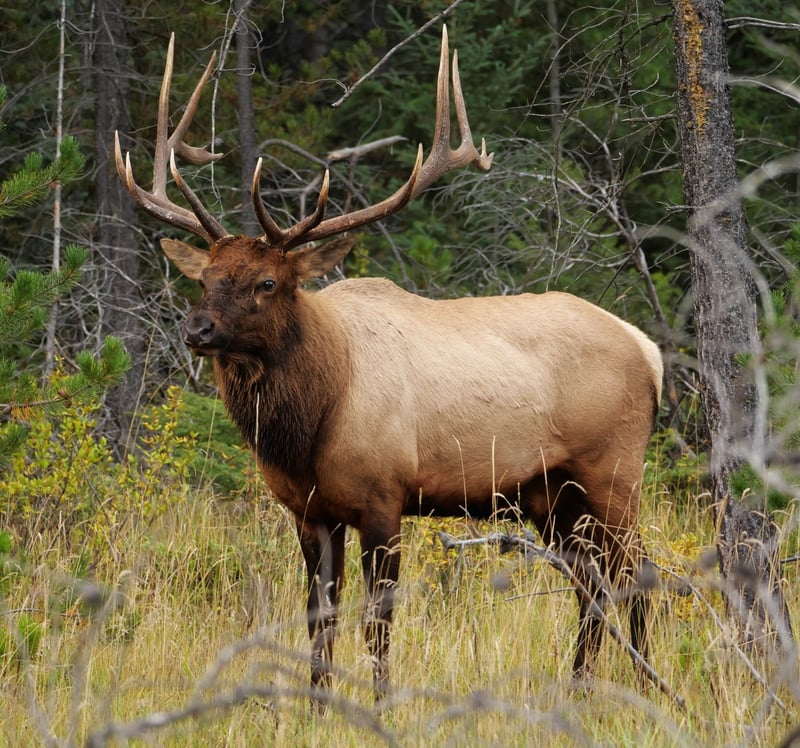
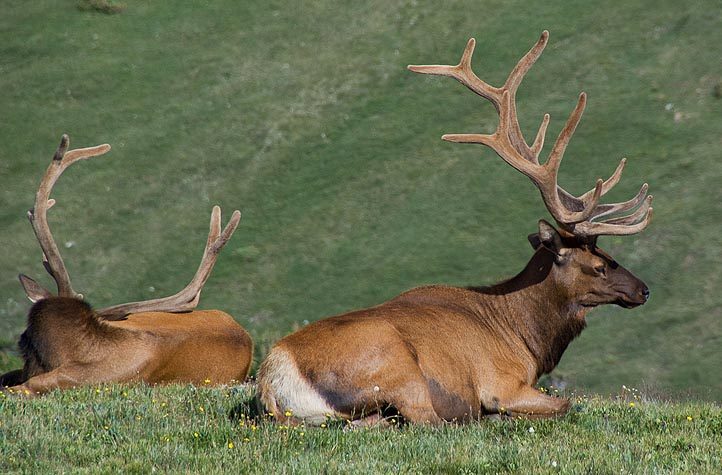
Bull elk with full antlers in a mountain meadowBig country, big commitment

Elk

Herd animal that beds in dark timber and feeds in parks at the edges of light. September archery hunts revolve around bugling and calling to a rutting bull; rifle season becomes a long-range spot-and-stalk in steep terrain.

  • Expect 180–250 lb of boneless meat
  • Plan 3–5 pack trips per animal
  • .270 minimum, 6.5 PRC and .30 cal common

Membeth / CC0 · Wikimedia Commons

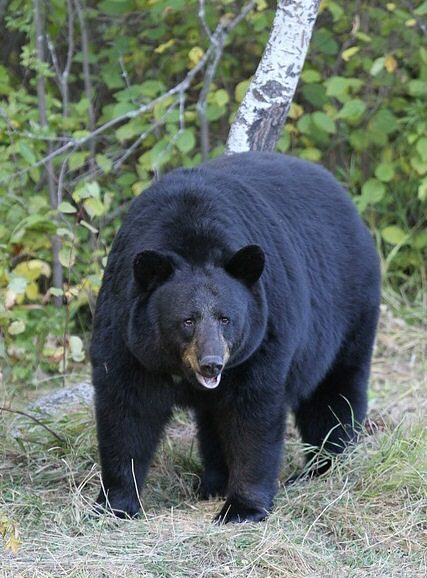
American black bear in timberSpring and fall

Black Bear

Driven almost entirely by food. Spring bears hunt green-up on south-facing slopes and avalanche chutes; fall bears key on berries and hard mast. Judge the animal carefully — sows with cubs are protected everywhere, and size is deceptive without a reference.

  • Fat matters more than antlers
  • Bear meat must be cooked to 160°F for trichinella
  • Check spot-and-stalk vs bait legality by state

Diginatur / CC BY-SA 3.0 · Wikimedia Commons

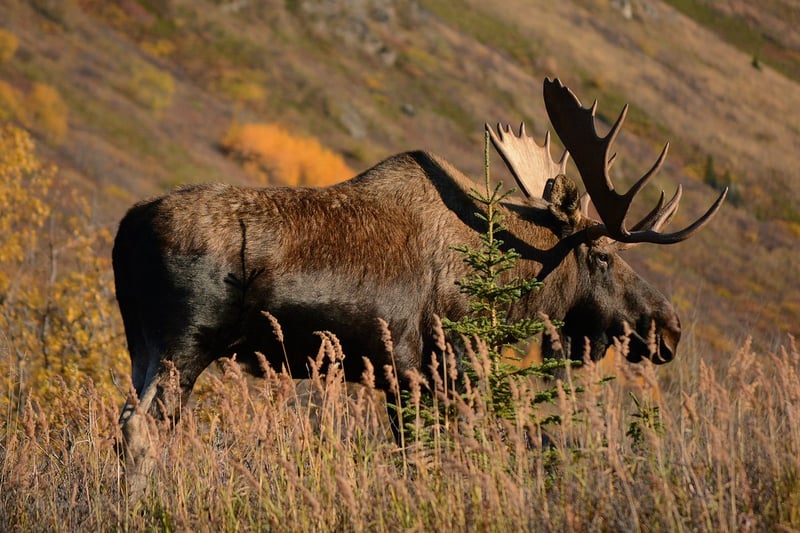
Bull moose standing in a northern wetlandDraw-only in most units

Moose

Willow flats, beaver ponds, and boreal wetlands. Enormous, calm, and surprisingly difficult to recover — many hunters quarter a moose standing in knee-deep water. Answer the call with a raking sound and a cow whine during the September rut.

  • 500+ lb of meat
  • Recovery plan before the shot, not after
  • Heavier calibers preferred

Unknown photographer / Wikimedia Commons · Wikimedia Commons

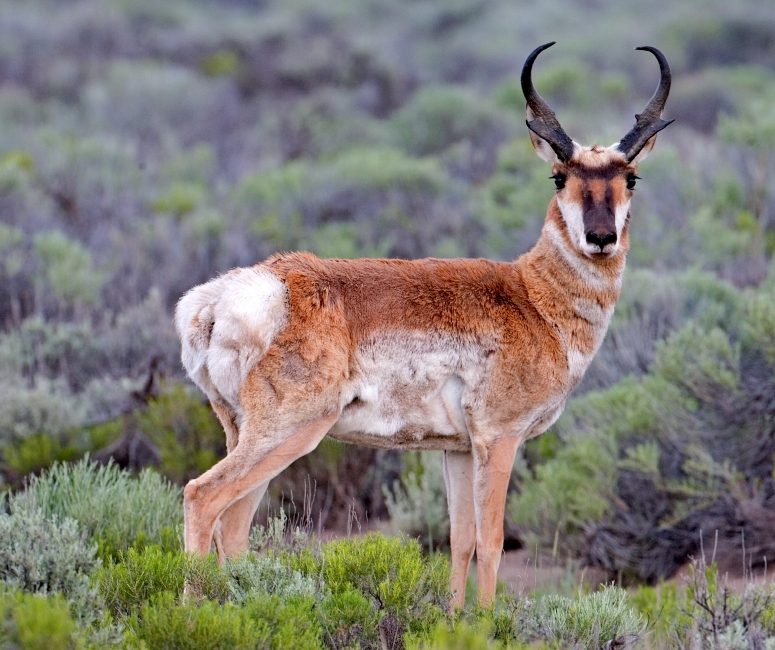
Pronghorn antelope on open prairiePrairie eyesight

Pronghorn

The fastest land animal in North America with roughly 8x vision. Nearly impossible to stalk across open ground; most successful hunts are either a long crawl to a rise or a waterhole blind in August heat.

  • Excellent table fare when cooled quickly
  • Flat-shooting rifle or a decoy during the rut

www.naturespicsonline.com / CC BY-SA 3.0 · Wikimedia Commons

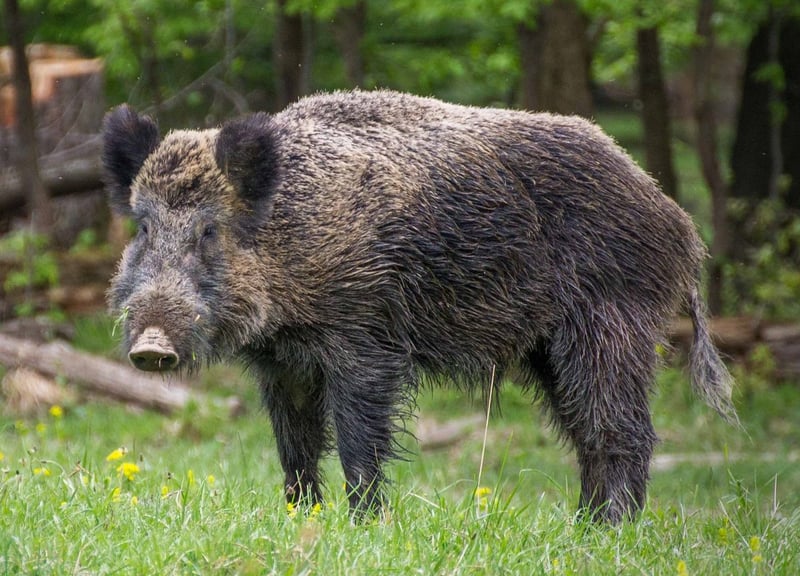
Wild boar rooting in brushYear-round in the South

Wild Hog

Invasive, destructive, and largely unregulated — often huntable at night with no season and no bag limit. Poor eyesight, phenomenal nose. Their shield of gristle over the shoulder means precise placement matters more than caliber.

  • Aim tight behind the ear or on the shoulder crease
  • Cool the carcass fast in warm weather

Valentin Panzirsch / CC BY-SA 3.0 at · Wikimedia Commons

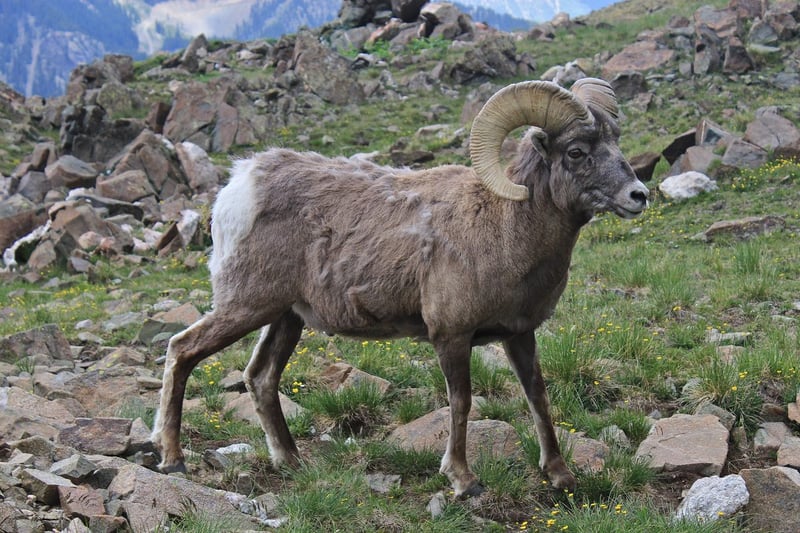
Bighorn sheep ram on a rocky slopeOnce-in-a-lifetime

Wild Sheep & Mountain Goat

The hardest hunts on the continent, gated behind lottery draws and brutal terrain. Physical preparation is the actual equipment list. Judging legal curl or horn length in the field is a required skill, not a nicety.

  • Train for elevation months ahead
  • Spotting scope is mandatory

Unknown photographer / Wikimedia Commons · Wikimedia Commons

02

Small game

Long seasons, cheap licenses, generous limits — the best place to build skill.

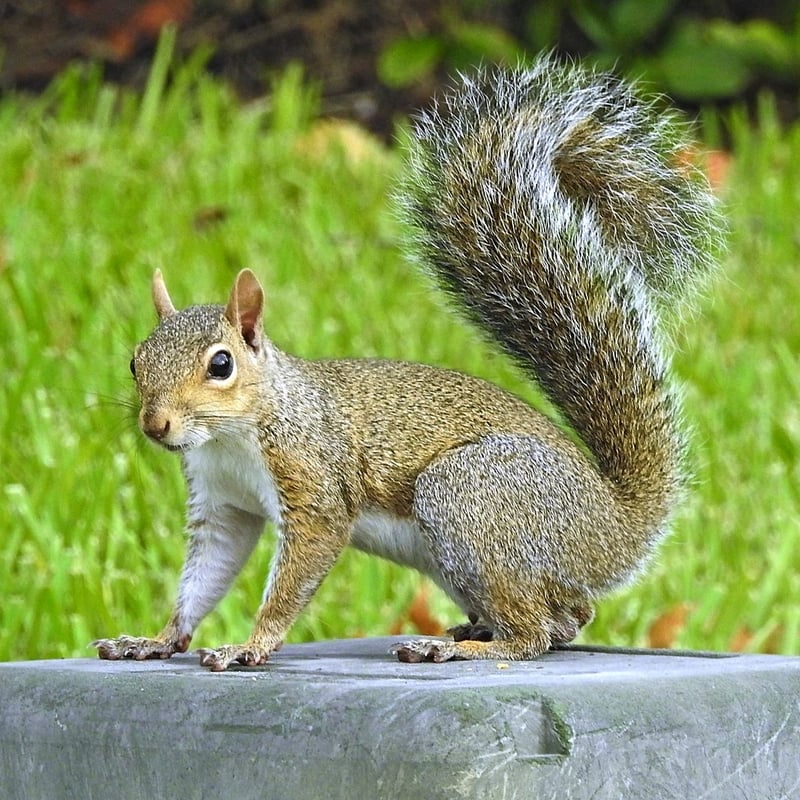
Eastern gray squirrel on a hardwood limbBeginner's best teacher

Eastern Gray Squirrel

Hunt hardwood ridges with oak and hickory in the first two hours of light. Sit still for twenty minutes and the woods restart around you. A .22 rifle or a light shotgun both work; the .22 makes you a better shot.

  • Sept–Feb in most states
  • Cut nuts and falling debris betray them

JeffreyGammon / CC BY-SA 4.0 · Wikimedia Commons

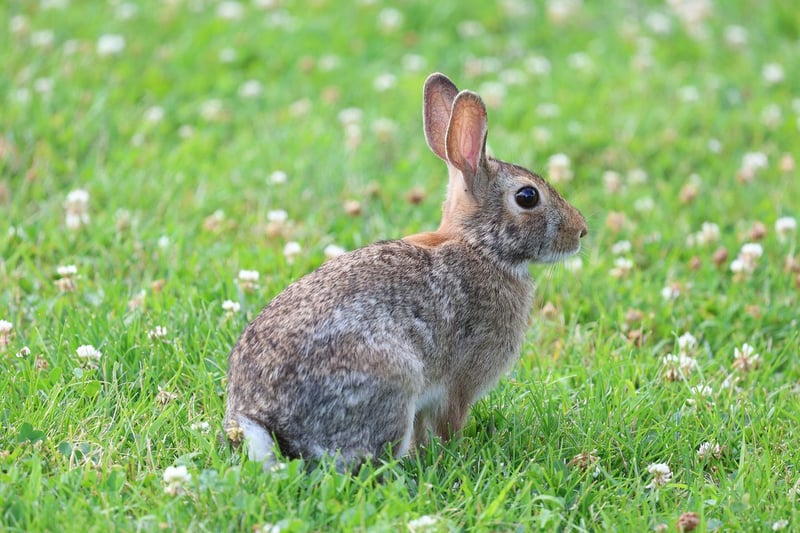
Eastern cottontail rabbit in low coverBrush and briars

Cottontail Rabbit

Hold tight in thick cover and burst out underfoot. Hunt brush piles, fence rows, and briar edges — kick the cover and be ready for a fast, low, angling shot. Beagles turn this into one of the most enjoyable hunts there is.

  • Best after a light snow
  • Wear gloves when dressing — tularemia risk

Unknown photographer / Wikimedia Commons · Wikimedia Commons

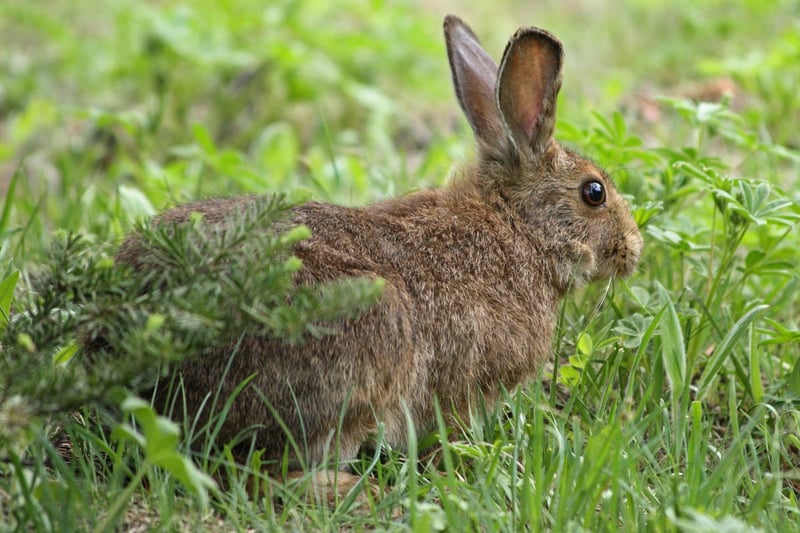
Snowshoe hare in winter coatNorthern winter

Snowshoe Hare

Turns white with the season and circles rather than running straight when pushed. Boreal and montane conifer thickets. A staple of northern subsistence hunting, though famously lean — never make it your only food source.

  • Winter-long seasons
  • Population cycles roughly every 10 years

Unknown photographer / Wikimedia Commons · Wikimedia Commons

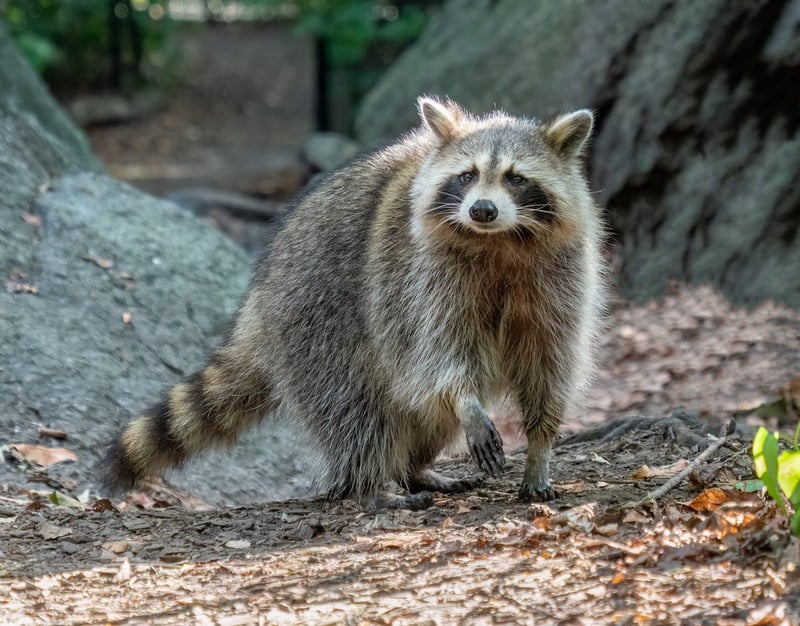
Raccoon at the base of a treeNight hunting

Raccoon & Furbearers

A tradition built around hounds, headlamps, and cold nights. Regulations vary widely and often include separate trapping frameworks. Pelt handling and fur care are skills of their own.

  • Check state-specific night hunting rules

Unknown photographer / Wikimedia Commons · Wikimedia Commons

03

Upland birds & waterfowl

Shotgun country. Dogs optional but transformative.

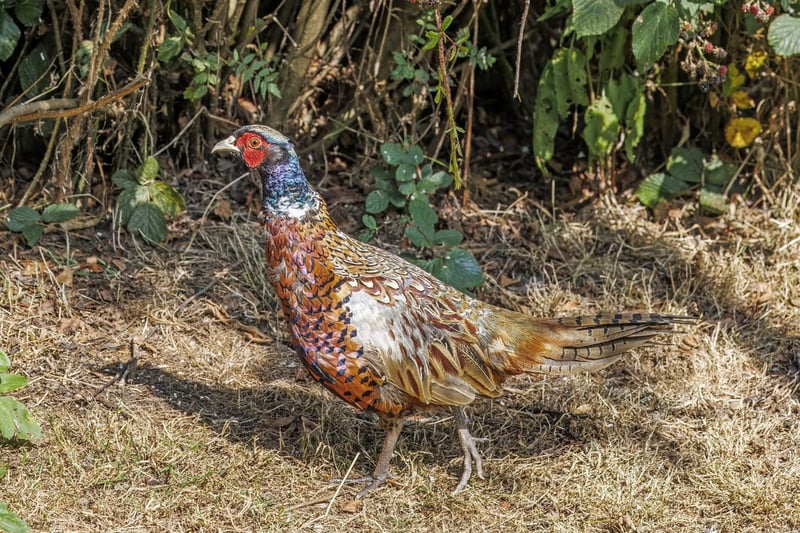
Ring-necked pheasant rooster in grass coverGrassland classic

Ring-Necked Pheasant

Runs before it flies. Push cover toward a natural end point — a road, a fence, a slough — and post blockers there. Wild roosters flush at the edge of range and require a solid load of #5 or #6 shot.

  • Oct–Jan
  • Modified choke, #5 shot
  • Late season birds sit in the thickest cattails

Unknown photographer / Wikimedia Commons · Wikimedia Commons

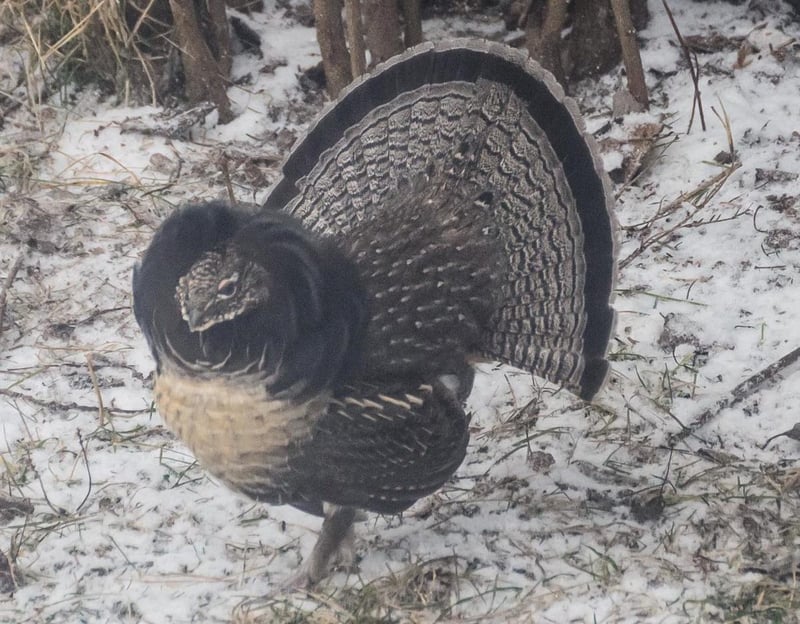
Ruffed grouse displaying on the forest floorYoung aspen

Ruffed Grouse

The hardest wingshot in North America — an explosive flush inside thick cover with about a second of clear window. Hunt regenerating aspen cuts eight to twenty years old. Improved cylinder and #7.5 shot.

  • Sept–Jan
  • Follow the aspen age class, not the trail

Per from Kaministiquia, Canada / CC BY-SA 2.0 · Wikimedia Commons

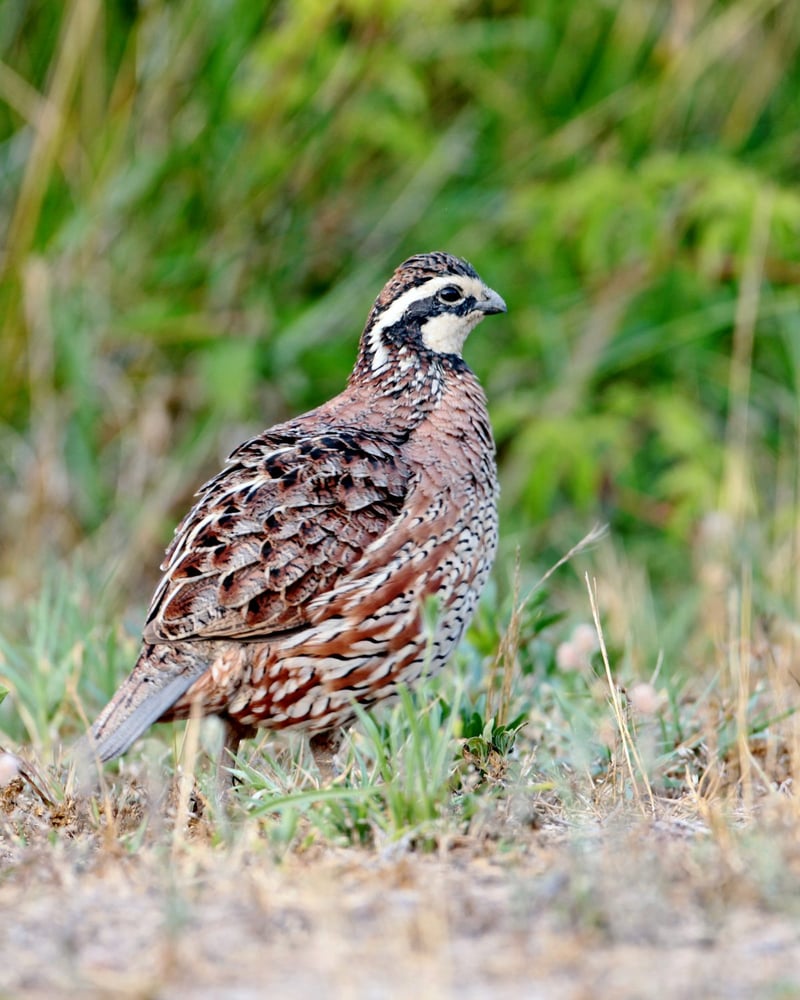
Northern bobwhite quail in field edge coverCovey rise

Bobwhite Quail

Southern pine, field edges, and native grass. The covey rise scatters birds in every direction at once — pick one bird and shoot it, then pick a second. Shooting at the cloud is how everyone misses their first covey.

  • Improved cylinder, #8 shot
  • Follow up on singles after the covey scatters

Matt Tillett from Cumberland, MD, USA / CC BY 2.0 · Wikimedia Commons

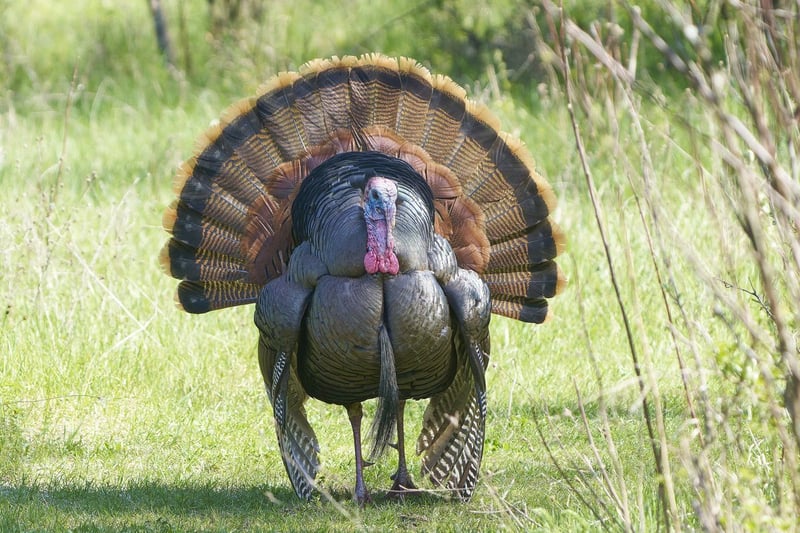
Wild turkey gobbler strutting in full fanSpring calling

Wild Turkey

Eyesight so sharp that camouflage and absolute stillness matter more than range. Set up against a tree wider than your shoulders, call sparingly, and take the shot at the head and neck inside 40 yards with a tight turkey choke.

  • Spring gobbler April–May
  • TSS or #4–#6 turkey loads
  • Never stalk a gobble — that is another hunter

Unknown photographer / Wikimedia Commons · Wikimedia Commons

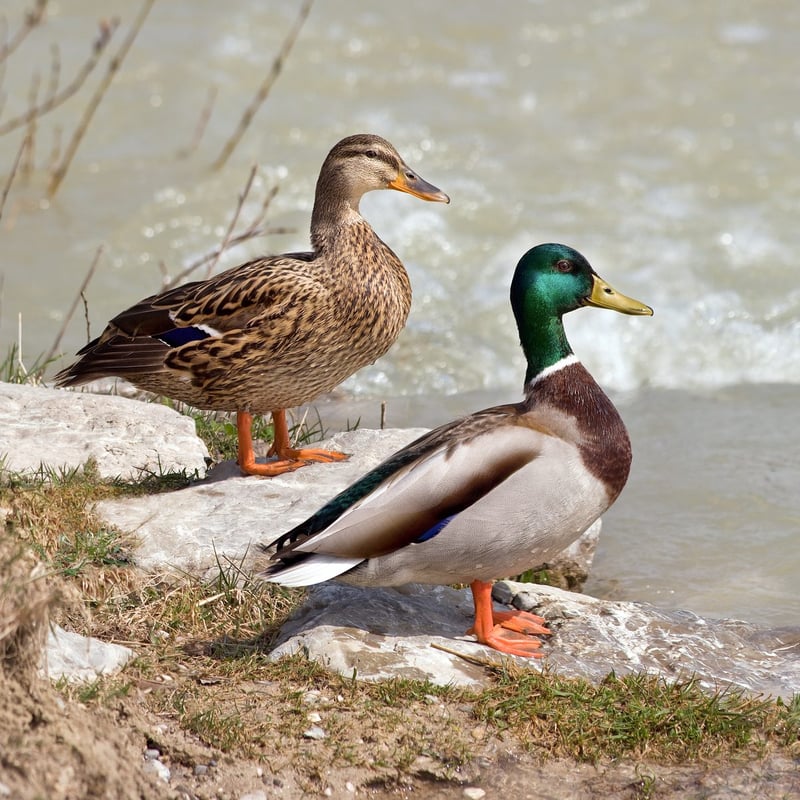
Mallard drake on open waterDecoys & flooded timber

Mallards & Puddle Ducks

Hunt over decoys with the wind at your back so birds land into it and toward you. Concealment and calling restraint decide the day. Non-toxic steel shot is legally required for all waterfowl.

  • Steel #2–#4
  • Improved cylinder over decoys
  • Federal duck stamp required

This picture was realized by Richard Bartz by using a Canon / CC BY-SA 2.5 · Wikimedia Commons

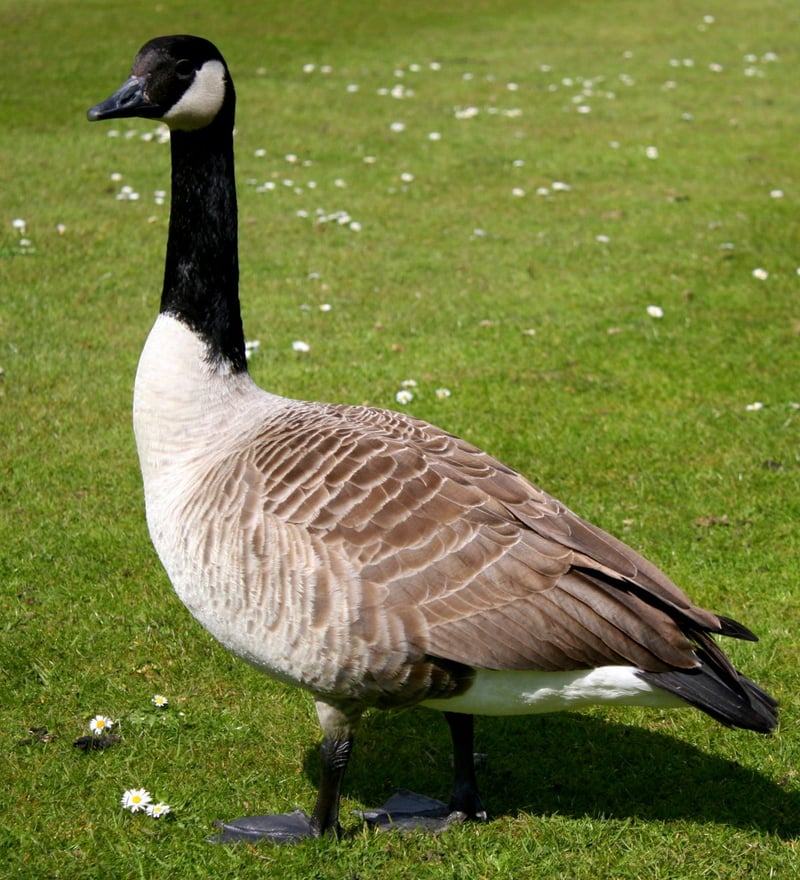
Canada goose in a feeding fieldField spreads

Canada Geese

Scout the field they fed in yesterday afternoon and be in it before dawn. Big spreads, layout blinds, and disciplined calling. Geese circle and inspect — everybody stays down until the caller says take them.

  • Steel BB–#2
  • Early resident season is the easiest opportunity

Rror / CC BY-SA 3.0 · Wikimedia Commons

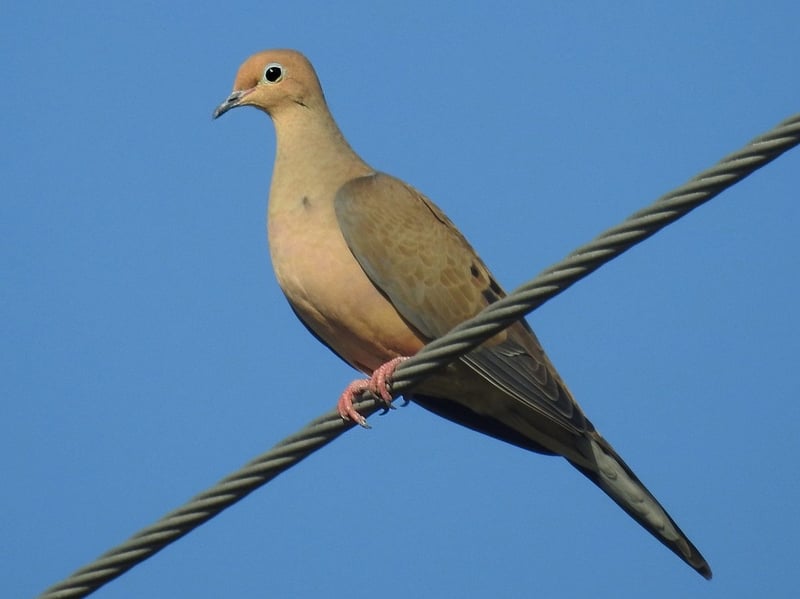
Mourning dove perched on a wireSeptember opener

Mourning Dove

Fast, erratic, and a humbling wingshooting workout. Set up on harvested grain fields, water, or gravel roads in the evening. Bring twice the shells you think you need — a box per limit is normal.

  • Improved cylinder, #7.5–#8
  • Lead them much farther than feels right

JeffreyGammon / CC BY 4.0 · Wikimedia Commons

04

Season timing and equipment at a glance

General North American patterns. Always confirm against the current-year regulations for your unit.

SpeciesTypical seasonCommon weapon
Whitetail deerSept–Dec by weapon typeRifle, bow, shotgun slug, muzzleloader
ElkSept archery, Oct–Nov rifle6.5mm–.30 cal rifle, 60 lb+ bow
Black bearSpring and fall windowsRifle or bow
PronghornAug–OctFlat-shooting rifle, blind archery
Squirrel & rabbitSept–Feb.22 rimfire, 20 or 12 gauge
PheasantOct–Jan12 or 20 gauge, #5 shot
Ruffed grouseSept–Jan20 gauge, #7.5 shot
Spring turkeyApr–May12 gauge turkey choke, or bow from a blind
Ducks & geeseOct–Jan (flyway set)12 gauge, non-toxic shot only
DoveSept opener12 or 20 gauge, #7.5–#8
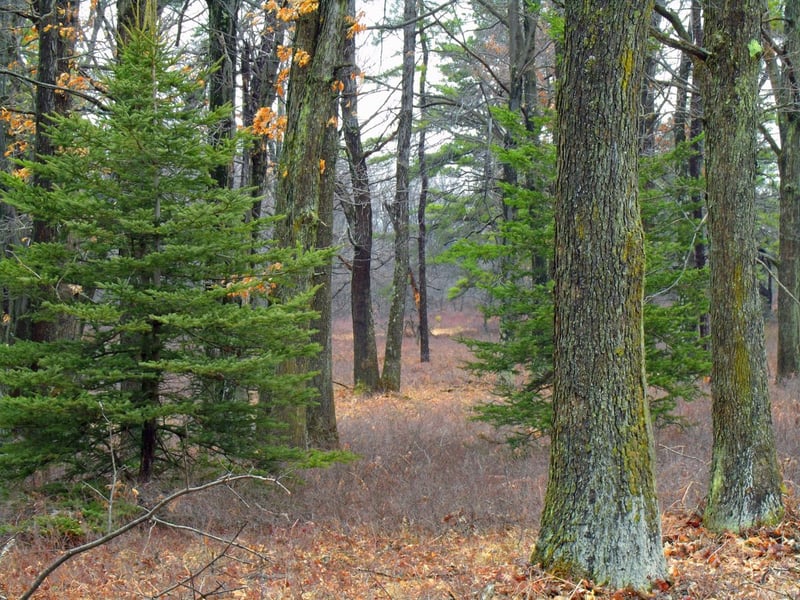
Hardwood forest in peak autumn color
Unknown photographer / Wikimedia Commons · Wikimedia Commons

Questions

Frequently asked

What is the best game species for a new hunter?
Squirrel and rabbit. Seasons are long, licenses are cheap, public land is rarely crowded, the shot is forgiving, and you learn stalking, shot discipline, and field dressing on an animal you can process at a kitchen counter in fifteen minutes.
What is the difference between big game and small game?
Big game — deer, elk, bear, moose, pronghorn, wild sheep — requires species-specific tags, often drawn by lottery, and centerfire or archery equipment. Small game and upland birds are usually covered by a general license with generous bag limits and rimfire or shotgun equipment.
When are hunting seasons?
Broadly: archery deer in September and October, rifle deer late October through December, elk September through November, upland birds October through January, waterfowl October through January in flyway-set frameworks, and spring turkey in April and May. Exact dates are set by unit each year.
Do I need a different weapon for each species?
No. A .30-06 or 6.5 Creedmoor rifle covers essentially all North American big game, a 12-gauge covers all birds and small game with the right load, and a 60 lb compound covers everything from deer to elk. Specialization is optional; competence is not.
How much meat comes off a deer or elk?
A mature whitetail yields roughly 45–70 lb of boneless meat, a mule deer 60–90 lb, and a bull elk 180–250 lb. Plan your packout, cooler space, and freezer accordingly before you pull the trigger, not after.


Also on The Wild10

Fishing Guides

Fish identification, the knots that hold, lure selection by conditions, and the habits that fill a stringer.

Open the fishing hub →
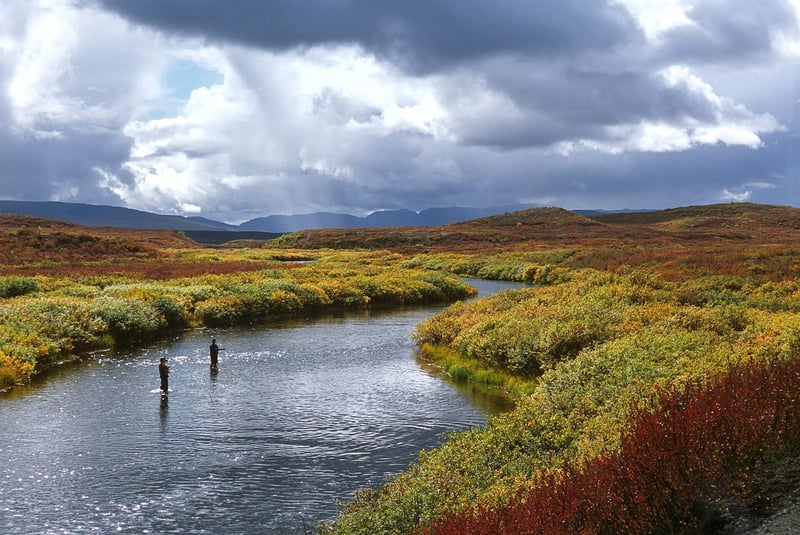
Fly angler casting on a clear northern river