Skip to content
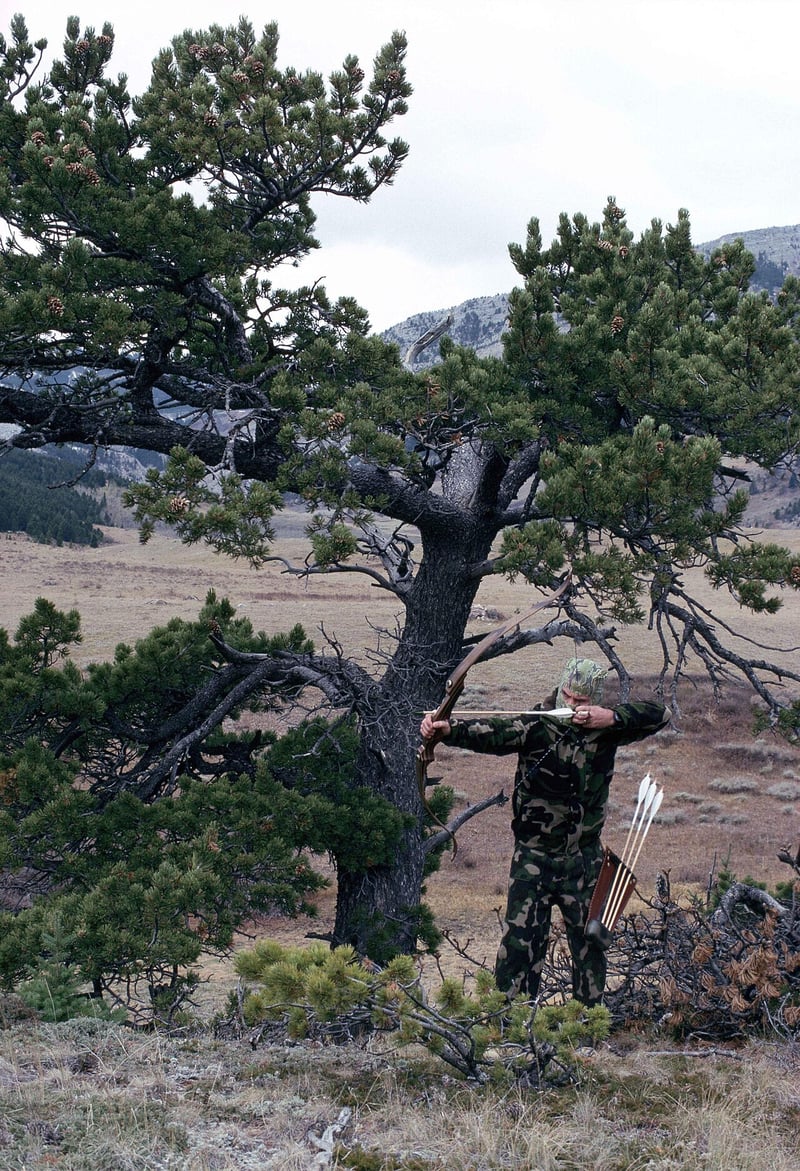
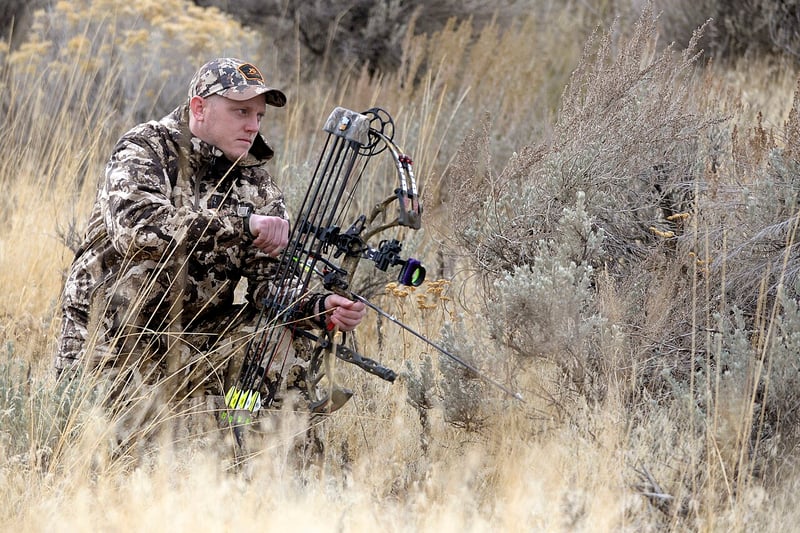
Camouflaged hunter at full draw with a traditional recurve bow in high country pine

Hunting · Traditional archery

Recurve bow hunting: twenty yards and everything before it

No sights, no let-off, no margin. Traditional archery trades range for woodsmanship — here is how to set the bow up and earn the shot.

A recurve strips bowhunting down to the archer. There is nothing to blame — no sight tape, no cam timing, no release trigger. You either did the work in the backyard or you did not, and the animal at 18 yards will tell you which.

This guide covers choosing the bow and draw weight, camouflaging the bow itself, matching heavy high-FOC arrows to a shelf-shot setup, the three aiming methods, and the shot sequence and field craft that make a 20-yard weapon lethal on whitetails in hardwoods and bugling bulls in high-country pine.

Effective range
Inside 20 yd
Draw weight
45+ lb for big game
Aiming
3 proven methods
Practice
Daily, short reps

01

What traditional archery actually asks of you

A recurve has no let-off, no sights, no release aid, and no mechanical margin. You hold the full draw weight the entire time you are at anchor, which is why traditional shooters draw and release in a smooth two-second cycle rather than holding and settling like a compound shooter.

The photo above is the whole discipline in one frame: a camouflaged hunter at full draw in high-country pine, close enough that the shot is already decided by the stalk. That constraint drives everything else. Your effective range collapses to about 20 yards, so the hunt becomes an exercise in getting close — wind, stillness, patience, and reading how an animal moves through cover. Traditional hunters are usually better woodsmen than they are archers, and that is the correct order.

The payoff is a bow you can carry all day, shoot kneeling or leaning around a trunk from any contorted position, and maintain in the field with a spare string and a knife. Nothing on it can fail electronically or go out of tune three days into a backcountry trip — which is exactly why traditional bows keep earning their place on September elk hunts miles from a trailhead.

Camouflaged hunter at full draw with a traditional recurve bow in high country pine
Mishler, N and MJ, U.S. Fish and Wildlife Service / Public domain · Wikimedia Commons

02

Choosing the bow

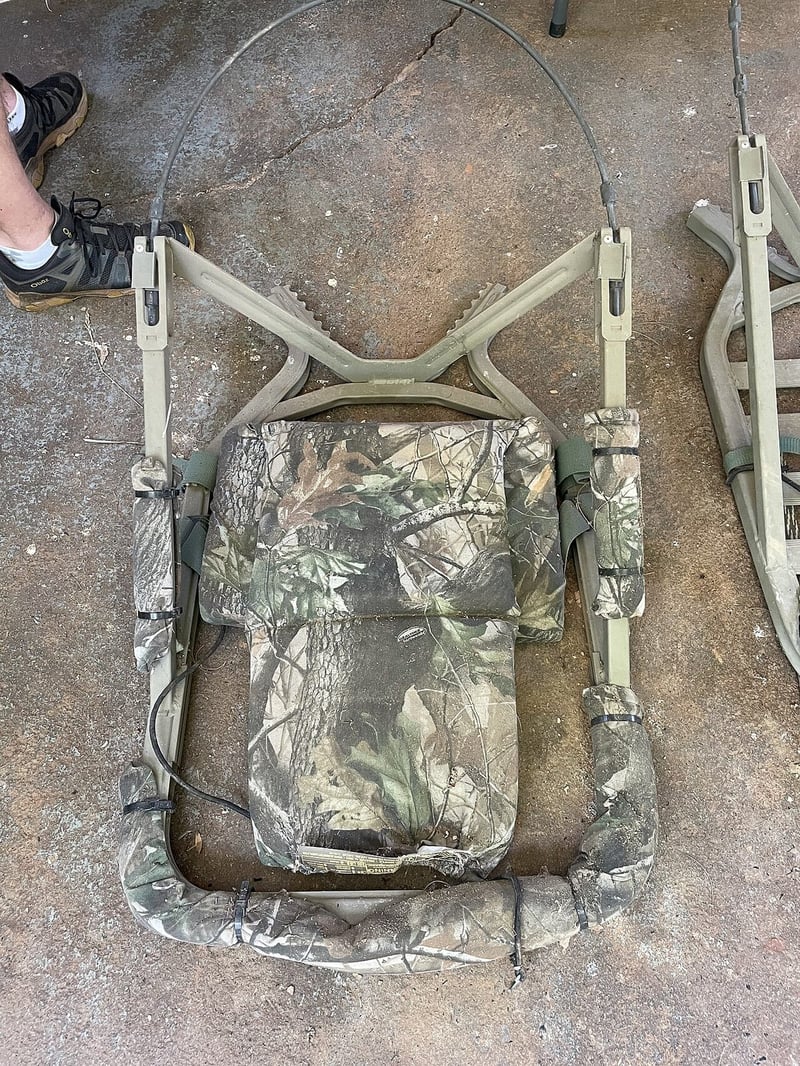
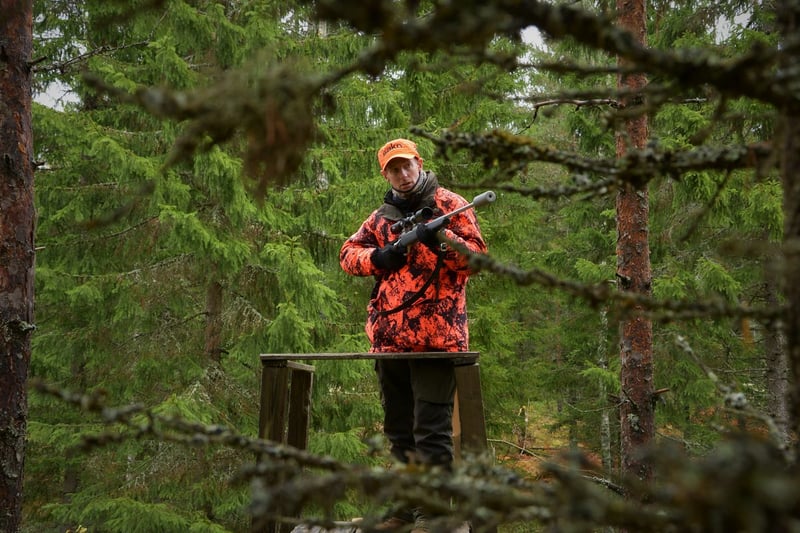
Camouflage tree stand set in hardwood timber
Jackmalott / CC BY-SA 4.0 · Wikimedia Commons

Recurve vs longbow

Design

A recurve's curved limb tips store more energy for a given length, making it faster and shorter — better in a stand or thick cover. A longbow is quieter, gentler on form errors, and more forgiving of a less-than-perfect release. Both kill the same deer at the same distance.

Takedown vs one-piece

Practicality

Takedown recurves break into three pieces for pack travel and let you swap limb weights on the same riser as you build strength or change quarry. A one-piece is quieter and more elegant, and it never comes loose. Most hunters should start takedown.

Draw weight

45–55 lb deer · 50–60 lb elk

Note that manufacturers rate weight at 28 inches of draw — every inch under subtracts roughly 2.5 lb, every inch over adds it. Buy for your real draw length. Overbowing produces short-drawing, collapsing form, and a permanent shoulder injury. Current thinking favors a moderate weight driving a heavy arrow over a heavy bow you can only shoot well in July.

Bow length

58–62 inches

Longer bows are smoother and more stable at full draw; shorter ones maneuver better in a blind or tight timber. Match length to your draw — a 30 inch draw on a 54 inch bow stacks brutally and finger-pinches the arrow.

String and silencers

Quiet is lethal

A fast-flight string with beaver-fur or wool silencers and limb dampeners kills the buzz that makes a deer duck the string. At traditional arrow speeds, an alert deer can and will drop below your arrow — noise reduction is a real ethical measure.

Shelf and rest

Off the shelf

Most traditional bows shoot from a shelf lined with hair or leather. It is simple and silent, but it means arrow spine and nock height must be exactly right for the shaft to clear cleanly.

Camouflage and concealment

Break up the bow, not just you

Inside twenty yards the bow is the biggest moving object you own. Wrap the limbs in camo tape or a fabric sleeve, dull any shiny riser hardware, and cover hands and face — the draw is the moment you get caught. Dark timber and shadow do more work than any pattern; use terrain first and fabric second.

Quiver

Bow-mount or hip

A bow-mounted quiver keeps arrows silent and instantly available but adds weight and wind catch on a long stalk. A hip or back quiver keeps the bow light and lively in the hand — the traditional preference for still-hunting timber, provided you can pull a second arrow without rattling.

03

Arrows and broadheads

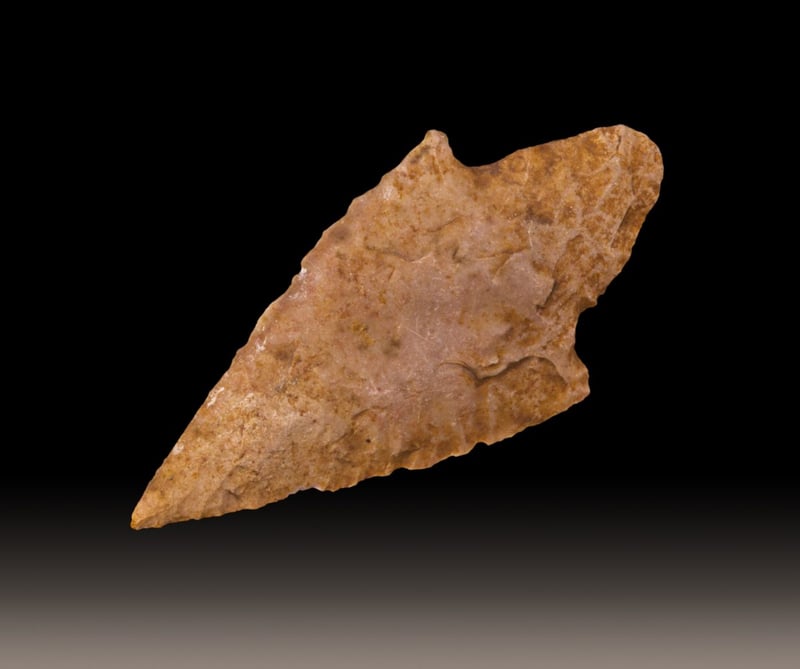
Hunting broadhead points showing cutting edges
Unknown photographer / Wikimedia Commons · Wikimedia Commons

Spine matching

Most important variable

Because the arrow must bend around the riser, spine is far more critical on a recurve than a compound. Bare-shaft tune: shoot an unfletched shaft at 15 yards and adjust spine, point weight, or brace height until it flies straight rather than nock-left or nock-right.

Total arrow weight

9–11 grains per pound

Traditional setups produce far less kinetic energy than a compound, so momentum from a heavy arrow is how you get penetration. Nine to eleven grains per pound of draw weight is the accepted window, and heavier is generally better for big game.

Front of center

18–25% FOC

High front-of-center — usually a 175 to 250 grain point — stabilizes the arrow and drives penetration. This is why traditional hunters run heavy single-bevel heads that modern compound shooters consider absurd.

Wood, aluminum, or carbon

Shaft material

Carbon is durable, consistent, and the practical default. Aluminum is straight and cheap but bends permanently. Cedar and other woods are traditional and beautiful, require constant matching and straightening, and are chosen for the ritual as much as the performance.

Cut-on-contact broadheads

Mandatory, not optional

Two-blade, cut-on-contact heads penetrate at low speed where mechanical and chisel-tip heads stall. Never hunt with a mechanical broadhead from a traditional bow — it wastes energy you do not have opening the blades.

Sharpness

Shaving sharp

A traditional broadhead kills by hemorrhage, full stop. It must shave hair off your arm. Learn to file and strop single-bevel heads and touch them up after every practice session and every stalk through brush.

04

Aiming methods

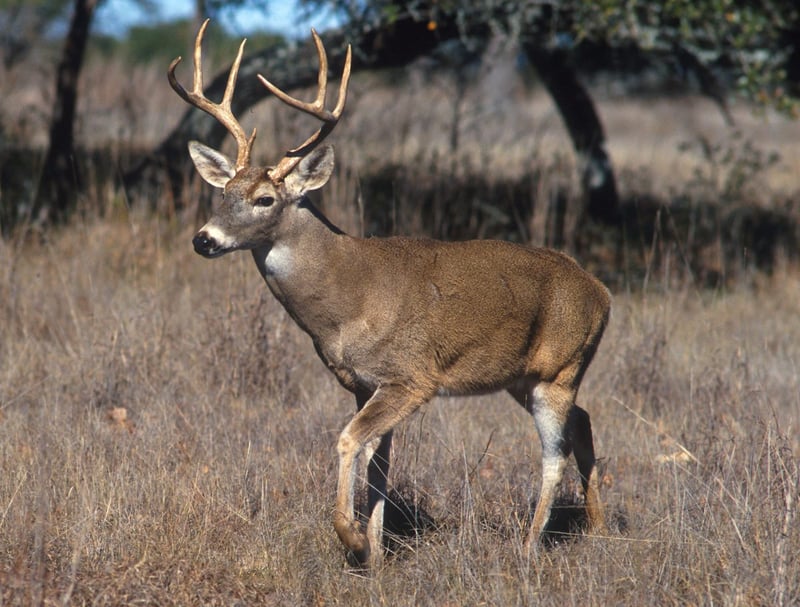
White-tailed deer buck standing at a field edge
USDA photo by Scott Bauer / Public domain · Wikimedia Commons

Instinctive

Most common

No conscious reference at all. You stare at the smallest possible spot and your body calibrates from repetition. Fast, fluid, and excellent at unknown distances — but it demands near-daily shooting and falls apart after a layoff.

Gap shooting

Repeatable

Use the arrow point as a reference and hold a known gap below or above the target for a given distance. Slower to execute but far more consistent under pressure, and it recovers faster after time off than pure instinctive.

String walking & face walking

Target-derived

Changing your hook position on the string or your anchor point on the face to shift point-on distance. Precise, popular in traditional target archery, and slower to deploy on a moving hunting shot.

05

Build a traditional shot sequence

Repeat this identically every single arrow, in the yard and in the woods — standing, kneeling, and leaning around a trunk, because that is how the shot will actually come.

  1. 1Set your stance and hook the string with three fingers, deep in the first joint, relaxed.
  2. 2Pick a spot — not the animal, not the chest, a single hair. This is the whole discipline in one instruction.
  3. 3Raise and draw in one motion, pulling with your back muscles rather than your arm, until your anchor touches its exact reference point (corner of mouth, canine tooth, or index finger to jaw).
  4. 4Continue expanding through the shot. A static hold turns into a collapse; a growing draw produces a clean release.
  5. 5Relax the string fingers rather than opening them. The string leaves; your hand should end beside your neck.
  6. 6Follow through — hold the bow arm up and your eyes locked on the spot until the arrow hits. Every dropped bow arm is a low, left arrow.
Hunter in blaze orange working a timbered ridge
Unknown photographer / Wikimedia Commons · Wikimedia Commons

06

Hunting inside twenty yards

Because your range is short, stand and blind placement carries far more weight than it does for a rifle hunter. Set up on a pinch point where the animal must pass within 15 yards, with your entry and exit routes clean and the prevailing wind carrying your scent away from the approach trail.

Draw only when the animal's eyes are behind a tree or its head is down feeding. You cannot hold a recurve at full draw for thirty seconds waiting for a shot window — plan the draw as part of the shot, and let animals walk when the window never opens.

Take broadside and quartering-away shots only, aim tight behind the front leg one third up, and expect a pass-through. After the shot, note the animal's reaction and the arrow's location, then back out quietly and give it at least thirty minutes.

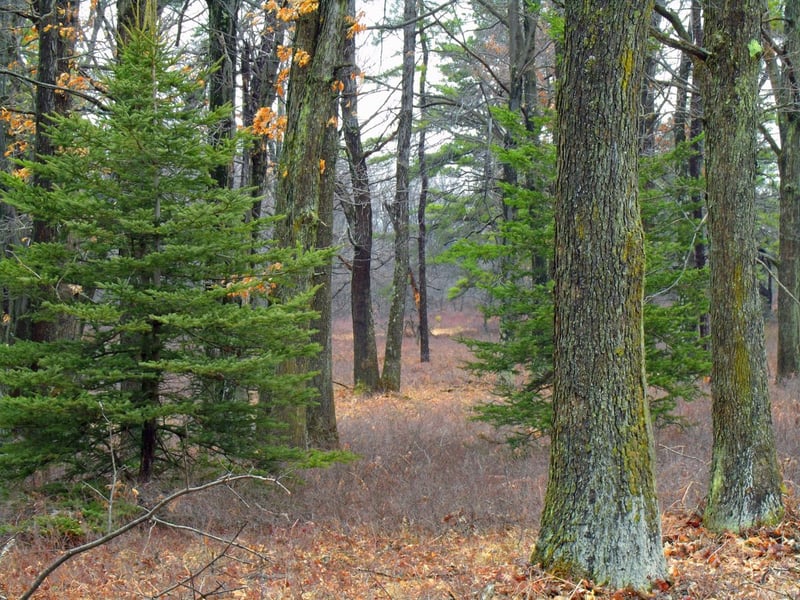
Hardwood forest in peak autumn color
Unknown photographer / Wikimedia Commons · Wikimedia Commons

Questions

Frequently asked

What draw weight do I need to hunt with a recurve?
Most states set a legal minimum of 40 lb, and 45–55 lb at your actual draw length is the practical window for deer-sized game. For elk and other heavy-boned animals, 50–60 lb paired with a heavy, high-FOC arrow is the sensible floor. Heavier is not better — the correct weight is the one you can draw slowly, hold briefly, and shoot accurately when cold and cramped at 9,000 feet.
How far can you ethically shoot with a recurve?
Twenty yards is the honest answer for most traditional hunters, and many cap themselves at 15. Traditional archery is a woodsmanship discipline: the challenge and the skill are in the approach, not in extending the shot.
What is instinctive shooting?
Aiming without a sight by focusing entirely on the exact spot you want to hit and letting trained subconscious calibration position the bow — the same way you throw a ball. It requires thousands of repetitions at known distances and degrades fast without practice.
How do I choose arrow spine for a recurve?
Spine must match the bow's draw weight at your draw length, plus point weight and arrow length. Since most recurves shoot off the shelf, the arrow must flex around the riser correctly — bare-shaft tune, and expect a weaker spine than a compound of the same poundage.
Is a recurve harder to hunt with than a compound?
Considerably. There is no let-off, so you cannot hold at full draw while a deer feeds closer, your effective range is roughly a third, and accuracy decays quickly without constant practice. That difficulty is precisely the appeal for people who choose it.
How long can you hold a recurve at full draw?
Two to four seconds before form starts collapsing, and that is with a weight you have earned. Traditional shooting is a continuous cycle — draw, anchor, expand, release — not a hold. If a shot window has not opened by the time you reach anchor, let down slowly and wait for the next one rather than grinding through a shaky hold.
Does camouflage matter more with a traditional bow?
Yes, because everything happens inside twenty yards and you have to move to draw. Break up the bow itself with a limb wrap or camo tape, cover your hands and face, and hunt with terrain and shadow first — camo pattern is the last layer, not the plan. A camouflaged archer at full draw in dark timber, as in the photo above, is hidden by the background as much as by the fabric.
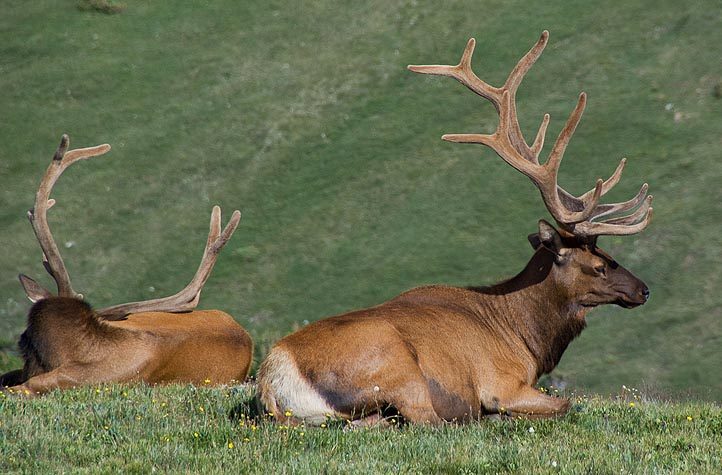
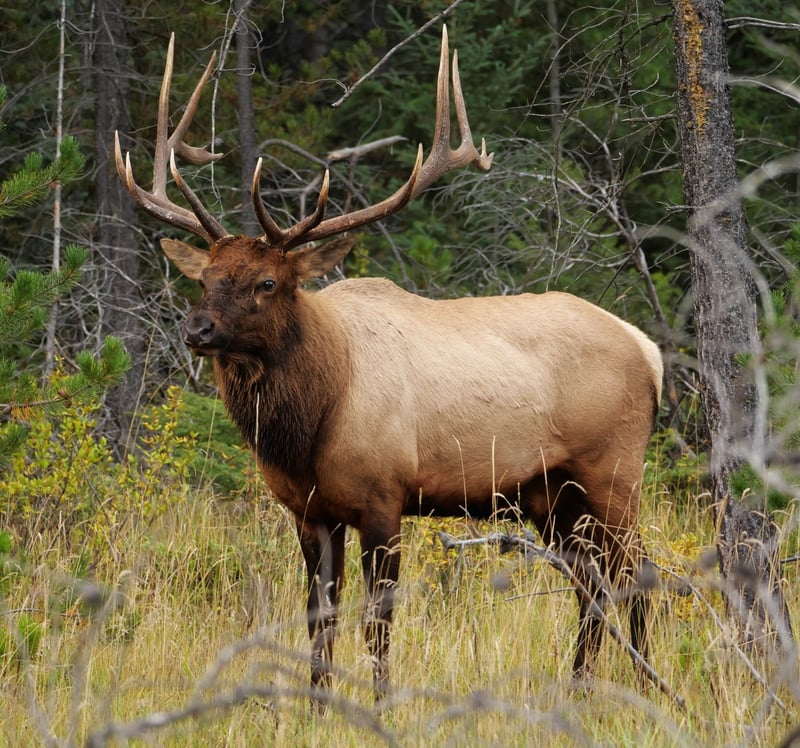
Can you hunt elk in high country with a recurve?
You can, and September timber is some of the best traditional hunting in North America — bugling bulls come to a call inside twenty yards. Run 50–60 lb, a 600+ grain arrow at 20%+ FOC, and a shaving-sharp single-bevel head; take broadside and quartering-away angles only, and pass on anything past your honest practiced range.
Should I hunt from a treestand or the ground with a recurve?
Both work, but traditional bows shine on the ground: you can shoot kneeling, seated, or leaning around a trunk, and you get more natural cover to hide the draw. From a stand, practice bending at the waist for the steep downward angle — dropping the bow arm instead is the classic traditional miss.


Also on The Wild10

Fishing Guides

Fish identification, the knots that hold, lure selection by conditions, and the habits that fill a stringer.

Open the fishing hub →
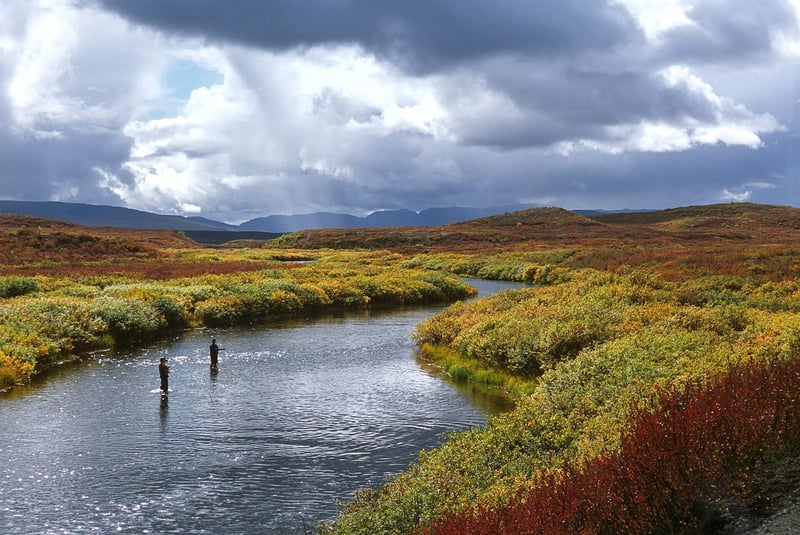
Fly angler casting on a clear northern river