Skip to content
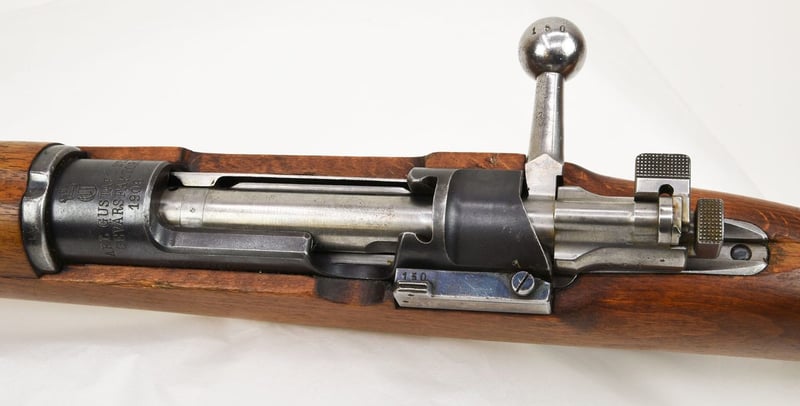
Bolt-action hunting rifle action detail

Hunting · Rifle

Rifle hunting: cartridge, zero, position, placement

Four things decide whether a rifle hunt ends cleanly. None of them is the brand on the barrel. Here is how to get each one right.

A rifle hunter's competence is measured in one number: the distance at which they can put a cold-bore shot into a paper plate from a real field position, with their heart rate up. Everything on this page exists to extend that number honestly.

Cartridge choice matters least. Zero, position, wind reading, and placement matter most — and all four are learned at a range for the cost of ammunition, long before the season opens.

Cartridges
Matched to game
Zero
100-yd standard
Positions
4 field-proven
Safety
Non-negotiable

01

Cartridge selection by game

Terminal performance is a function of bullet construction and placement first, cartridge second. These are proven, widely available choices.

GameSolid choicesNotes
Varmints & predators.223 Rem, .22-250, 6mm ARCFast, flat, minimal meat damage on coyotes
Deer (whitetail, mule)6.5 Creedmoor, .243 Win, .270 Win, .308 WinAny of these is more than enough inside 400 yd
Elk, moose, big bear.30-06, .300 Win Mag, 7mm Rem Mag, 6.5 PRCUse a bonded or monolithic bullet for shoulder penetration
Pronghorn6.5 Creedmoor, .270 WinFlat trajectory matters more than energy
Hogs.308 Win, .350 Legend, 6.5 CreedmoorHeavy-for-caliber bullets get through the shoulder shield
Small game.22 LR, .17 HMRHead shots preserve meat
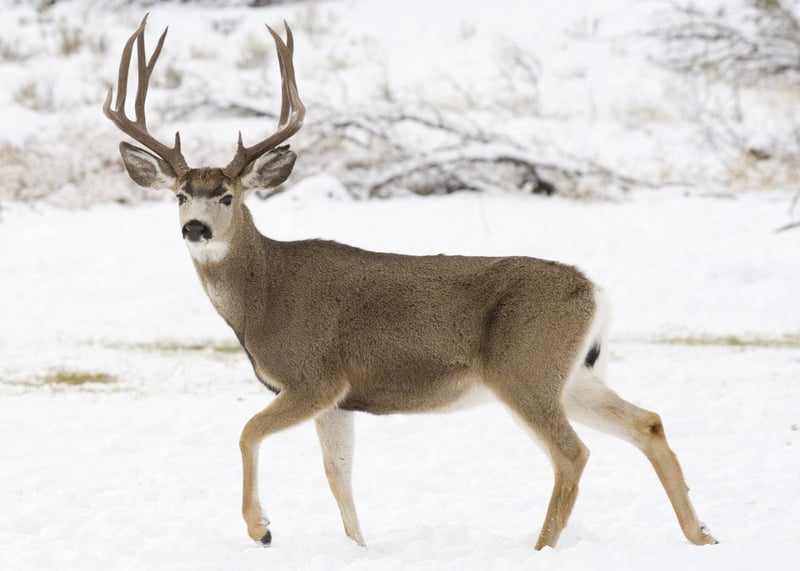
Mule deer buck in open sage country
Oregon Department of Fish & Wildlife / CC BY-SA 2.0 · Wikimedia Commons

02

Zero a hunting rifle properly

Do this once a season, and again after any drop, flight, or scope change.

  1. 1Mount the scope with correct eye relief and a level reticle. A canted reticle produces horizontal error that grows with distance.
  2. 2Bore-sight at 25 yards to get on paper without burning ammunition.
  3. 3Shoot three-shot groups at 100 yards from a stable rest, letting the barrel cool between groups. Adjust from the center of the group, not from a single shot.
  4. 4Confirm a tight group at 100, then verify actual impact at 200 and 300 yards. Do not trust a ballistic app you have never validated against real holes in paper.
  5. 5Record your drop and wind data on tape on the stock, in MOA or mils to match your turrets.
  6. 6Finish by shooting one cold-bore shot from a field position — pack, tripod, or kneeling. That shot, not your bench group, is the one you will take at an animal.
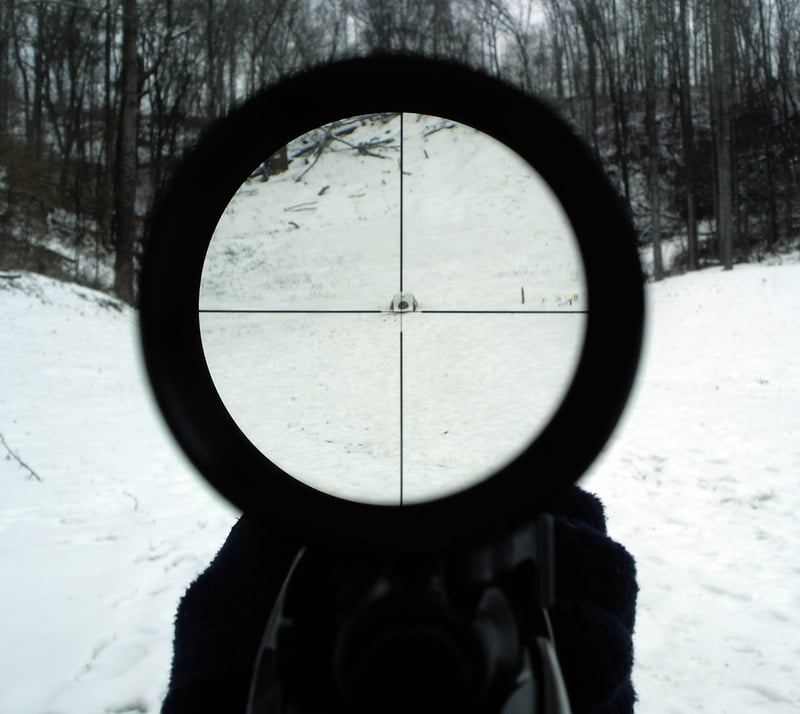
Riflescope mounted on a hunting rifle
Jellocube27 at English Wikipedia / Public domain · Wikimedia Commons

03

Field shooting positions

Ranked most to least stable. Always use the most stable option the terrain allows.

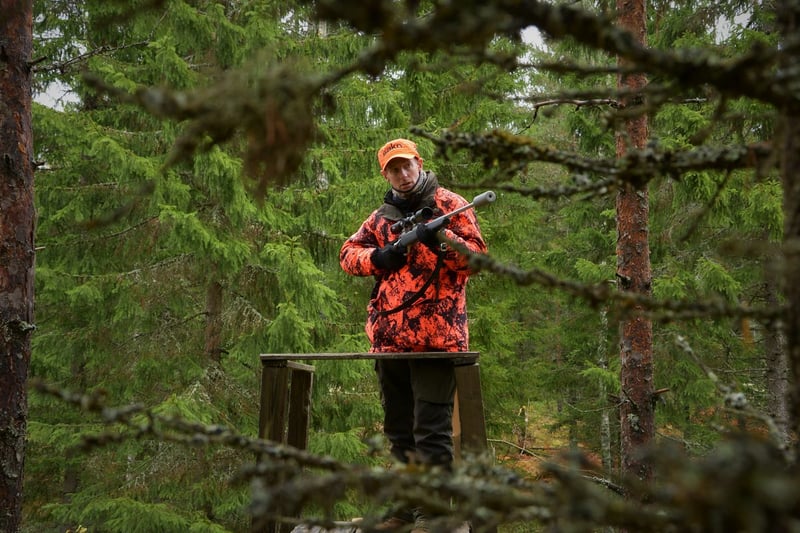
Hunter in blaze orange working a timbered ridge
Unknown photographer / Wikimedia Commons · Wikimedia Commons

Prone over a pack

Most stable

Bipod or pack under the fore-end, rear bag or fist under the stock, body straight behind the rifle so recoil tracks in line. Only viable when vegetation and terrain give you a clear line — which in most country is less often than you would like.

Tripod, seated

Western standard

A glassing tripod with a rifle clamp or saddle turns a 200-yard shot in sage into a near-bench proposition. It has become the default western big-game system for exactly this reason.

Seated with shooting sticks

Versatile

Sit, plant the sticks, and use bone-on-bone contact — elbows inside knees — rather than muscle tension. Fast to deploy and stable enough for 300 yards with practice.

Kneeling

Fast in cover

Rear foot under the hip, support elbow forward of the knee. Good for 150 yards or so, and often the only option when brush blocks a prone line.

Braced standing

Last resort

Against a tree, fence post, or shooting stick. Unsupported offhand is a 75-yard proposition at best for most hunters — be honest about that limit before an animal is standing in front of you.

04

Shot placement and terminal effect

The heart and lungs occupy a zone roughly the size of a basketball, sitting low and forward in the chest. On a broadside animal, follow the back of the front leg up and take one third of the chest depth. That hold is forgiving in every direction.

Quartering away is the best angle in hunting: aim to drive the bullet through the offside shoulder and you pass through both lungs and often the liver. Quartering toward is far less forgiving — hold on the near shoulder crease, and only if you have the bullet construction to penetrate it.

Refuse the head, neck, and straight-on chest shots. A head shot that lands two inches low shatters a jaw and the animal starves; a neck shot that misses the spine severs the windpipe and does the same. High-shoulder shots drop animals dramatically but destroy the most valuable meat.

After the shot, mark exactly where the animal stood and where it entered cover. Wait. Give a lung-shot animal twenty minutes, a liver hit two hours, and a gut hit six or more. Pushing a wounded animal is the leading cause of unrecovered game.

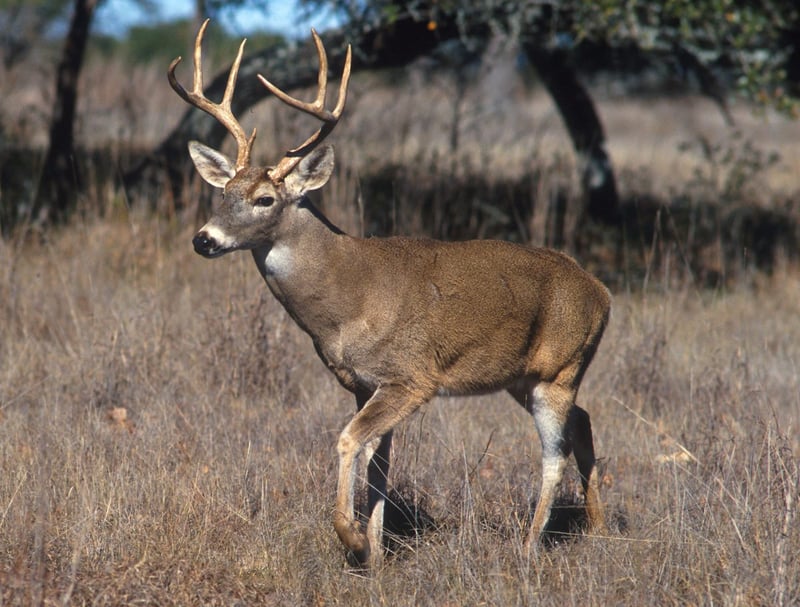
White-tailed deer buck standing at a field edge
USDA photo by Scott Bauer / Public domain · Wikimedia Commons

05

Optics, ammunition, and rifle setup

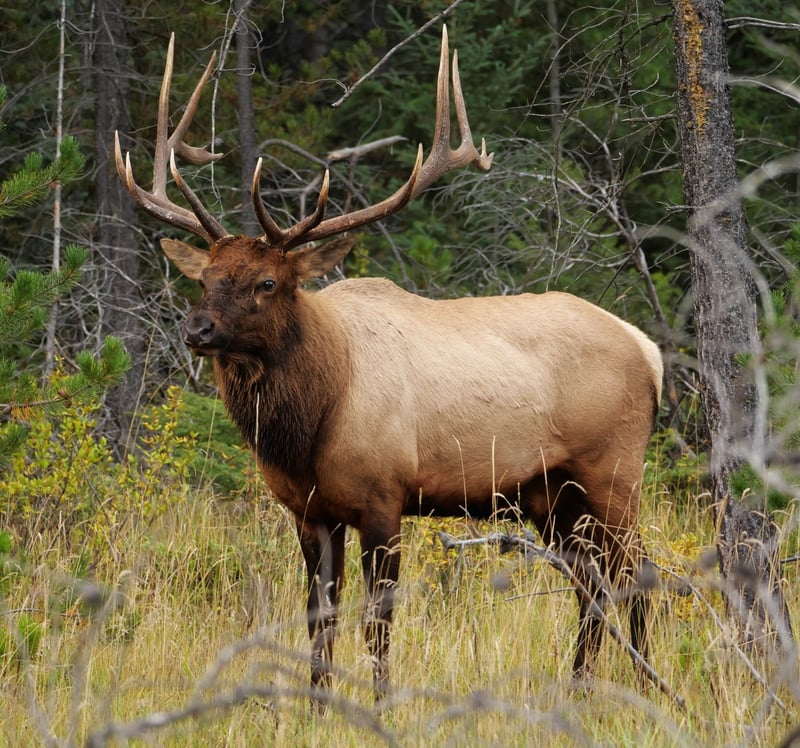
Bull elk with full antlers in a mountain meadow
Membeth / CC0 · Wikimedia Commons

Scope magnification

Less than you think

A 3-9x or 2.5-10x covers 95% of hunting. High magnification narrows your field of view, exaggerates every wobble, and costs you the fast close shot far more often than it gains you a long one.

Bullet construction

Matters more than caliber

Cup-and-core bullets expand violently and suit thin-skinned deer. Bonded and monolithic bullets hold together through heavy bone — the right choice for elk, moose, and bear. Match the bullet to the animal, not to the box price.

Rifle weight

The real tradeoff

Ultralight mountain rifles are wonderful to carry and much harder to shoot well. If most of your hunting is from a stand or a truck, an extra pound and a half buys you noticeably better accuracy under stress.

Trigger

Cheapest accuracy upgrade

A crisp 2.5–3 lb trigger transforms field shooting. A gritty 6 lb factory trigger induces flinch and pushes shots at exactly the moment you can least afford it.

Sling and carry

Under-considered

A quality two-point sling keeps hands free on a climb and can be used as a shooting aid. A rifle carried in your hands for eight miles ends up in your pack — at which point it is useless when the animal appears.

Rangefinder

Non-negotiable past 200 yd

Terrain fools everyone. Range the animal and, on steep angles, use an angle-compensating unit — a 400-yard shot at 30 degrees downhill has the drop of about 350 yards.

06

Safety rules that never relax

Treat every rifle as loaded, keep the muzzle in a safe direction at all times, keep your finger off the trigger until the sights are on the animal, and be absolutely certain of your target and what lies beyond it before the safety comes off.

Positively identify the animal — species, sex where relevant, and legality — with optics, never over a riflescope. Using a scope to identify something means pointing a firearm at it, which may be another hunter.

Unload before crossing a fence, entering a vehicle, or climbing into a stand. Haul the rifle up on a rope with the action open and the muzzle pointed away.

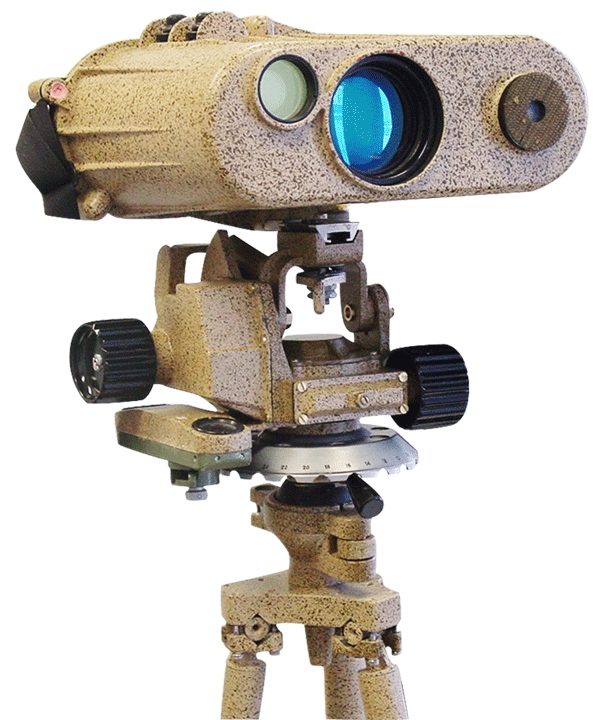
Laser rangefinder used to confirm distance
Anatol123 (talk) / Public domain · Wikimedia Commons

Questions

Frequently asked

What is the best all-around hunting rifle cartridge?
For North American big game, the 6.5 Creedmoor, .308 Winchester, and .30-06 Springfield cover essentially everything from pronghorn to elk with manageable recoil and universal ammunition availability. Pick one, then spend the savings on ammunition and range time.
What distance should I zero my hunting rifle at?
Zero at 100 yards for simplicity and precision, then know your drop at 200, 300, and 400. A 200-yard zero flattens the near trajectory but makes close shots hit high. Either works; what matters is that you have verified it at those distances yourself.
Where should I aim on a deer or elk?
Broadside, aim on the vertical line just behind the front leg, one third up from the bottom of the chest — that centers heart and lungs. Quartering away, angle the bullet toward the far shoulder. Never take a straight-on or straight-away shot at big game.
How much does wind matter?
More than drop past 300 yards. A full-value 10 mph crosswind pushes a typical hunting bullet roughly 6–8 inches at 300 yards and 12–18 inches at 500. Learn to read the mirage and vegetation, or shorten your maximum range.
Do I need a magnum cartridge for elk?
No. A well-placed .308 or 6.5 Creedmoor with a quality controlled-expansion bullet kills elk reliably inside 300 yards. Magnums extend range and margin but punish practice with recoil, and a flinch costs far more animals than a hundred foot-pounds of energy ever will.


Also on The Wild10

Fishing Guides

Fish identification, the knots that hold, lure selection by conditions, and the habits that fill a stringer.

Open the fishing hub →
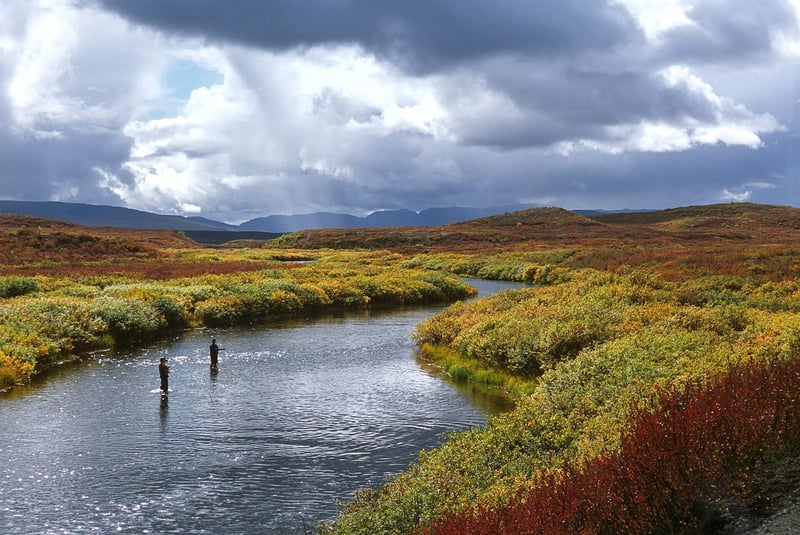
Fly angler casting on a clear northern river