


US National Parks · #6
Isle Royale
Michigan
Reader rating
Rate it and you move it. Community ratings re-rank this product inside its Top 10 list.
Expert-picked, reader-ranked. Our editors choose the products and the launch order; member star ratings move picks up or down over time.
Ferry-in wilderness island. Wolves, moose, and world-class canoe camping.
Pros
- Unparalleled isolation and true wilderness experience
- Unique wolf-moose ecosystem study destination
- Excellent for both backpacking and canoe/kayak camping
- Stunning boreal forest and Great Lakes scenery
- Well-maintained, though rugged, trail network
Cons
- Difficult and time-consuming access via ferry or plane
- Unpredictable and often harsh Lake Superior weather
- Intense insect pressure possible early in the season
- Limited emergency services and self-sufficiency required
Best uses
- Multi-day backpacking trips
- Canoe camping on inland lakes
- Sea kayaking expeditions
- Wildlife observation (moose, wolves)
- Disconnecting from modern life
Specifications
- Location
- Michigan, Lake Superior
- Access
- Ferry (MI or MN), Seaplane (MI)
- Primary Activity
- Backpacking, Canoe/Kayak Camping
- Wildlife
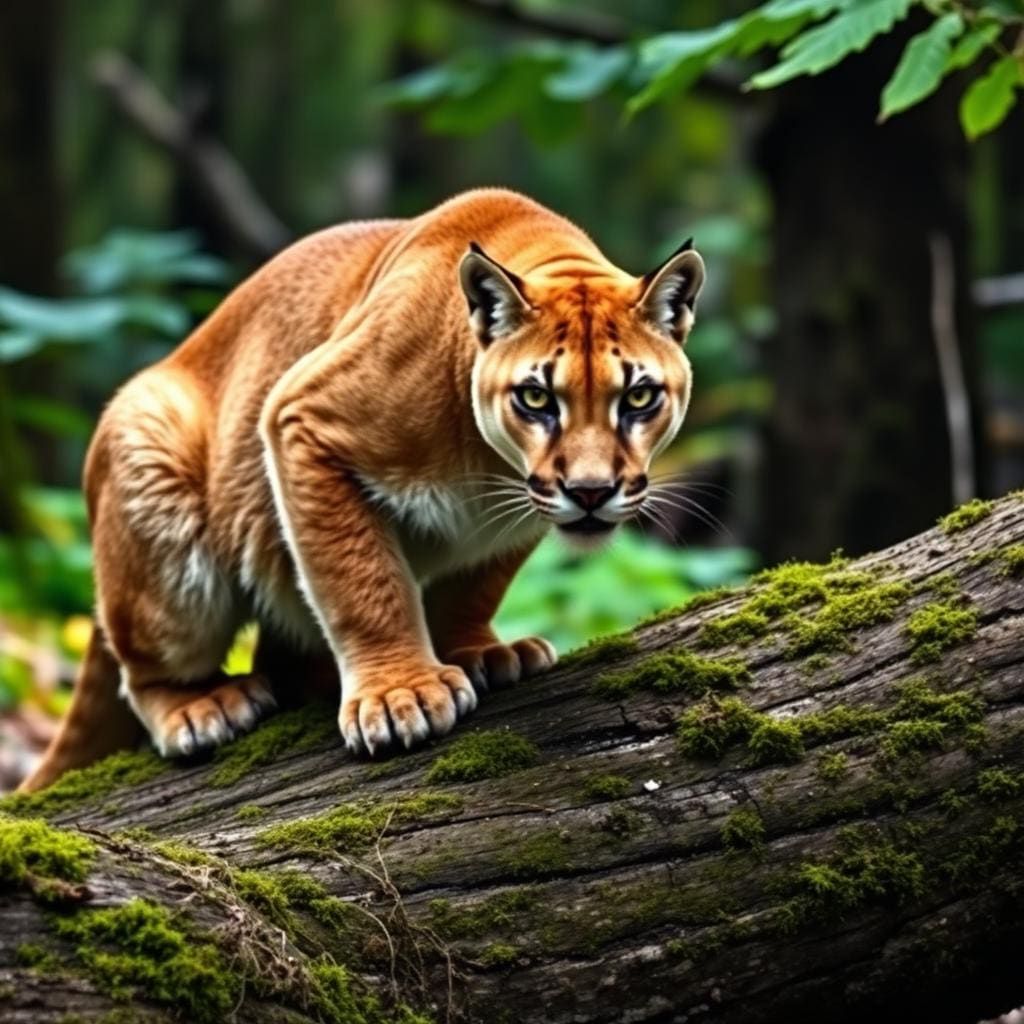
- Moose, Wolves, Beaver, Fox, Birds
- Best Season
- June to early September
- Typical Trip Length
- 4-10 days
Best for
Multi-day backpacking trips, Canoe camping on inland lakes, Sea kayaking expeditions, Wildlife observation (moose, wolves), Disconnecting from modern life
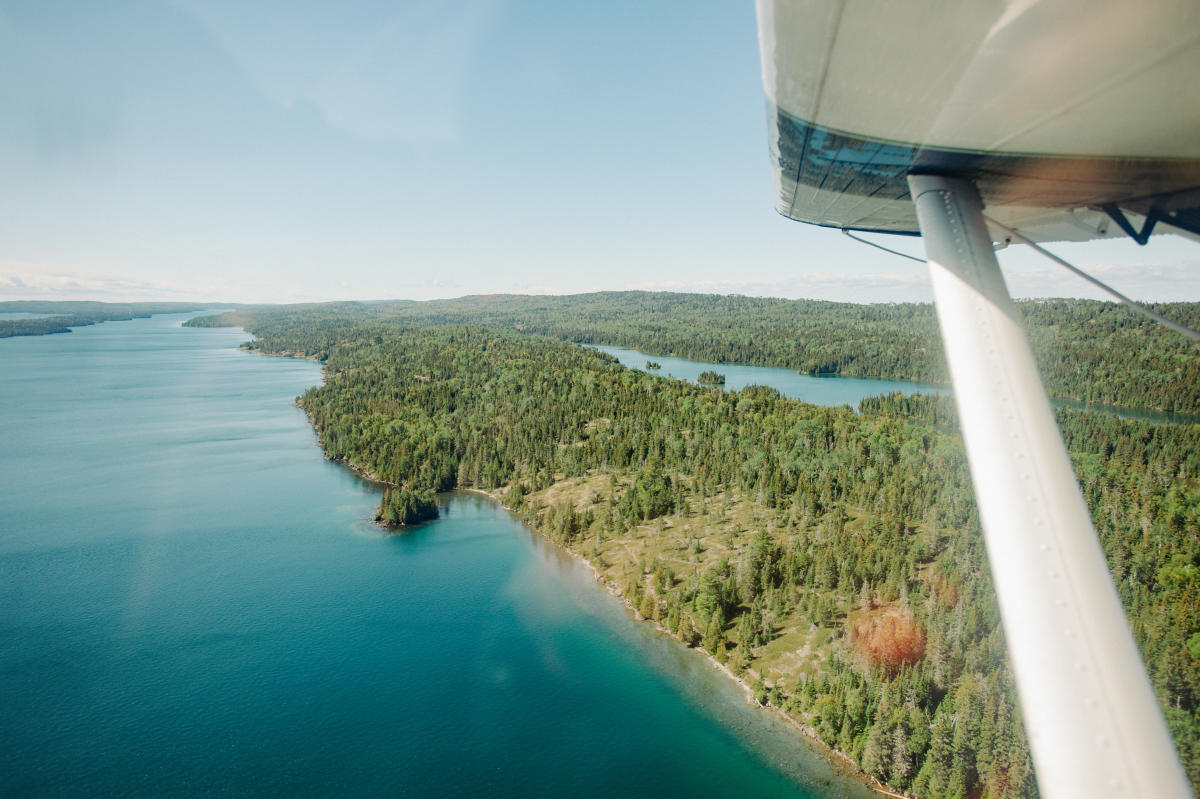
Isle Royale, tucked away in Lake Superior, stands out as a genuine wilderness experience. It's a place where the journey to get there is part of the adventure, typically involving a several-hour ferry ride from Michigan or Minnesota. Once on the island, you're unplugged. There are no roads, no internet, and very limited cell service. This isolation is its main draw, cultivating an atmosphere of deep solitude and a chance to truly disconnect. The park is a UNESCO International Biosphere Reserve, recognized for its unique ecosystem, most famously the long-running predator-prey study of wolves and moose. Its distinct geography, a long, narrow island archipelago, offers an unusual blend of rugged boreal forest and extensive freshwater coastline. The backcountry experience here is primarily focused on a network of hiking trails that span the island's length, complemented by an equally impressive system of canoe and kayak routes, many involving portages between inland lakes. It's a demanding environment, particularly with the unpredictable nature of Lake Superior weather, which can shift from calm to tempestuous in hours. This isn't a park for the casual visitor; it requires planning, self-sufficiency, and an appreciation for raw, untamed nature.
Geography and Terrain
Isle Royale is a glacial relic, a 45-mile-long and 9-mile-wide island, part of an archipelago of over 400 smaller islands. The terrain is characterized by a series of parallel ridges and valleys, formed by ancient lava flows, running southwest to northeast. This creates a landscape of dense boreal forest – spruce, fir, birch – interspersed with bogs, inland lakes, and rocky Lake Superior shoreline. Elevation changes are moderate but constant, making for a surprisingly strenuous hike over roots and rocks. The numerous inland lakes provide calm paddling options, a stark contrast to the often-rough waters of Lake Superior itself. The exposed ridgelines offer expansive views of the island and the vast lake.
Best Season and Weather
The park's operating season runs from mid-May to late October, but the sweet spot for backcountry travel is late June through early September. July and August offer the most stable weather, though Lake Superior's influence means cool nights, even in summer, and sudden, dramatic weather shifts are common. Expect anything from clear, sunny days to dense fog, rain, and strong winds. Water temperatures in Lake Superior are consistently frigid, even in summer, so swimming is rarely an option. Bug pressure, especially mosquitoes and black flies, can be intense from late May through early July, tapering off later in the season.
Wildlife Encounters
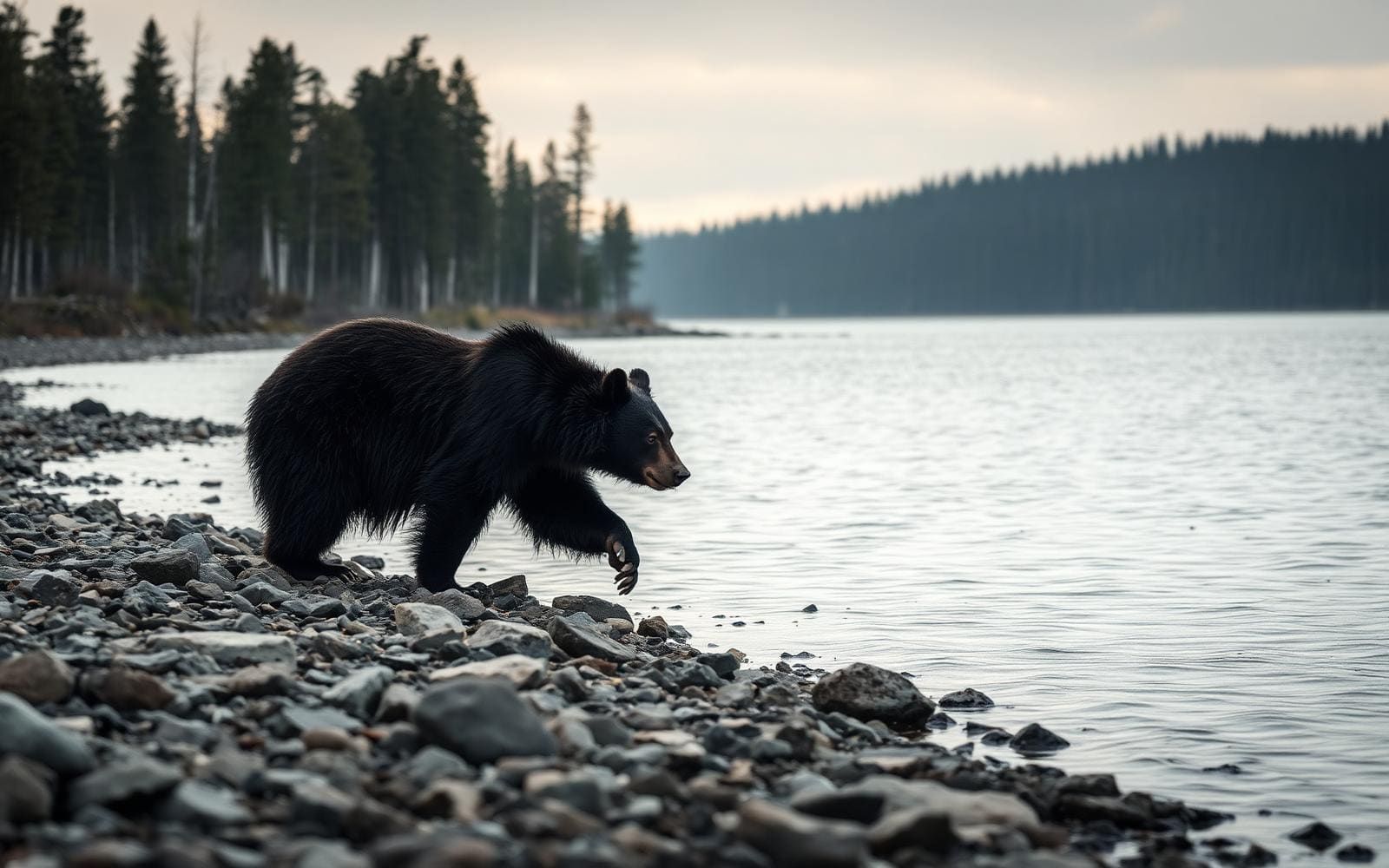
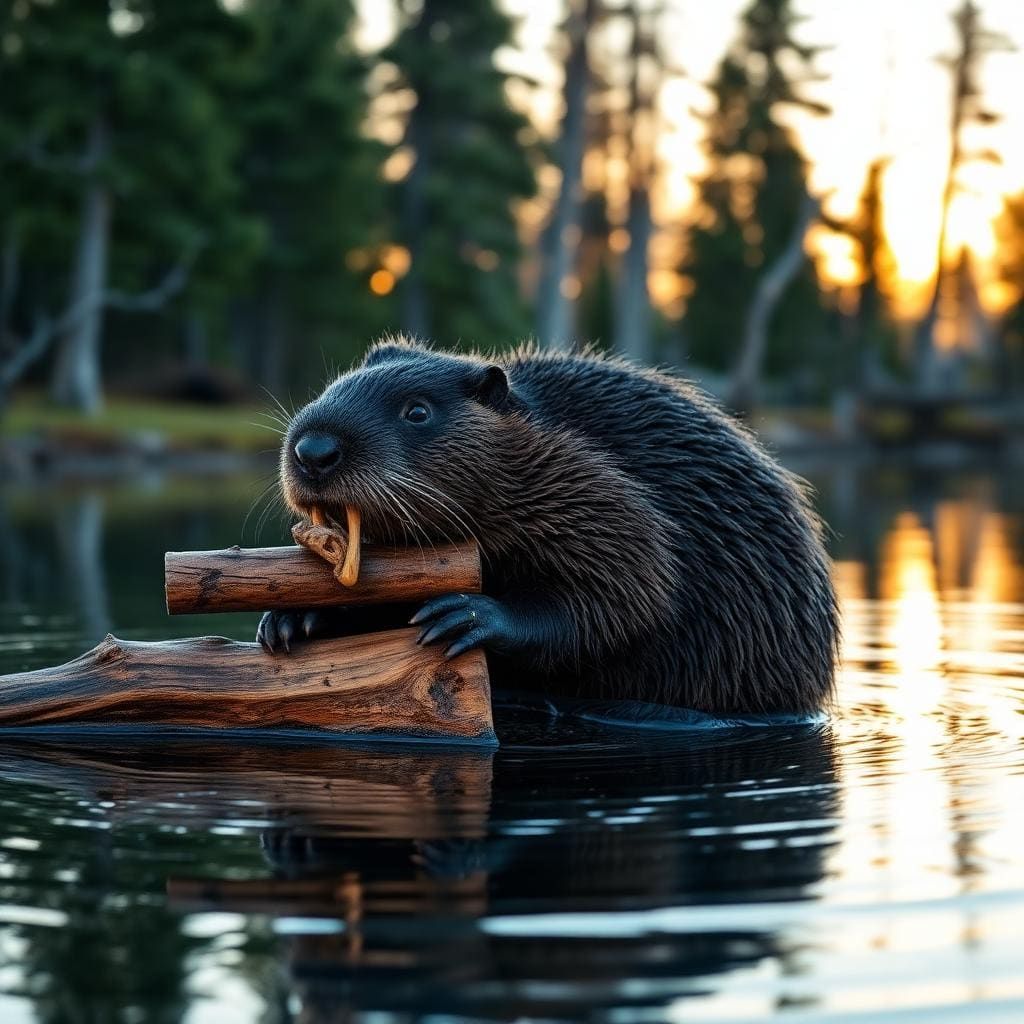
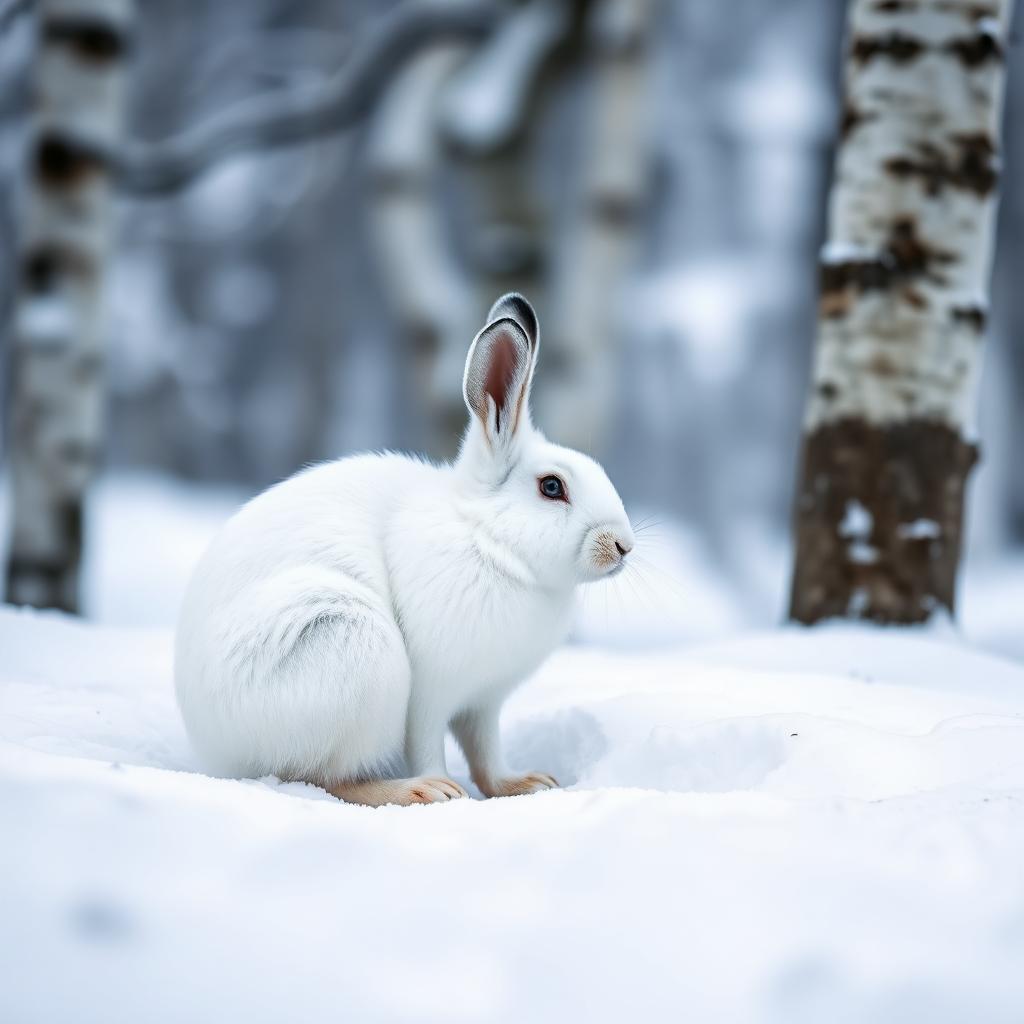
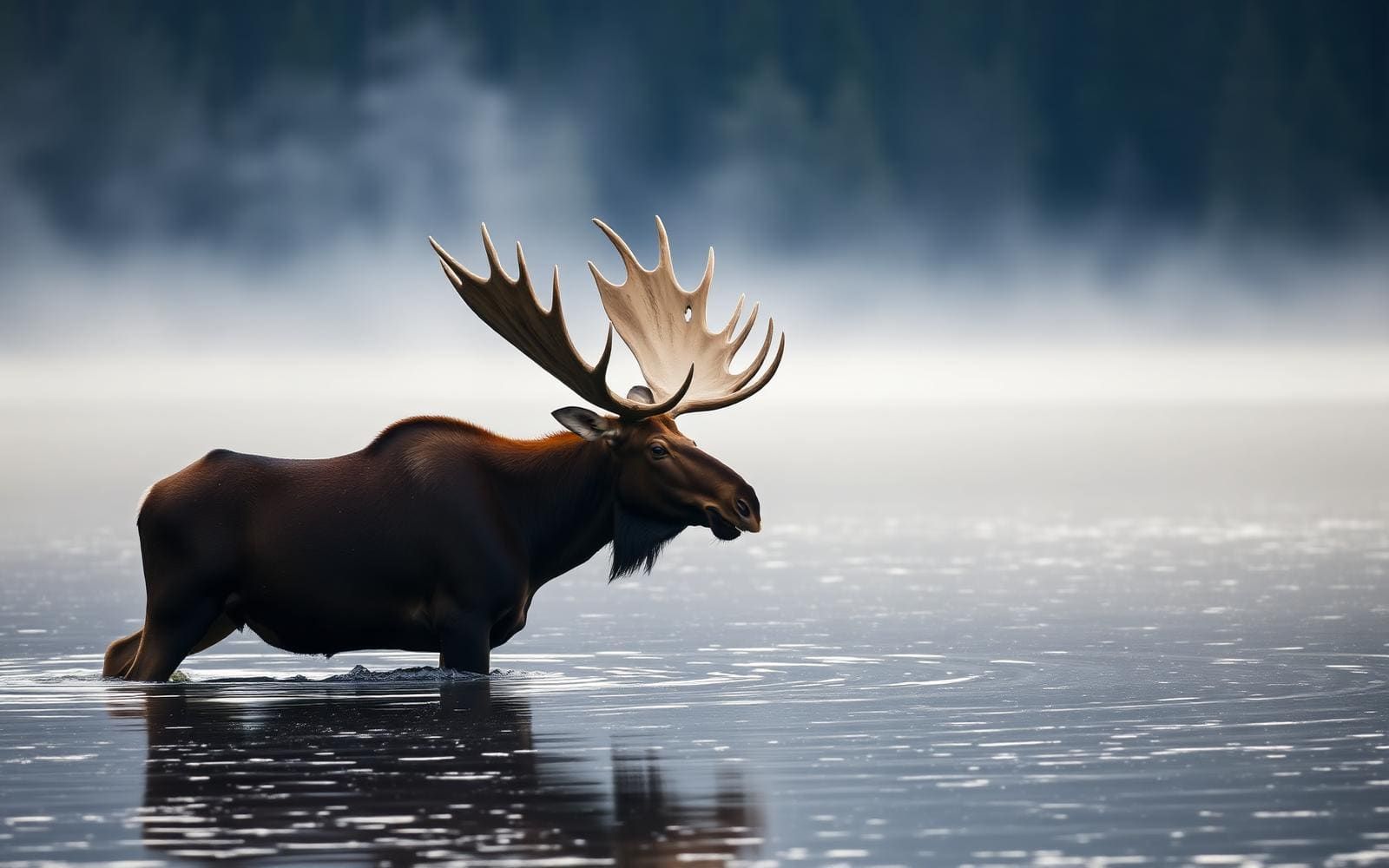
Isle Royale is famed for its wolf and moose populations. While wolf sightings are rare, their presence is felt, and fresh tracks or scat are common. Moose, however, are frequently observed, often grazing in inland lakes or along trails. They are large, powerful animals, and proper backcountry etiquette around them is crucial. Other wildlife includes beaver, red fox, snowshoe hare, and a wide array of birds. The isolation of the island means fewer species diversity than mainland parks, but the opportunity to witness these animals in a relatively undisturbed environment is a major draw for many visitors.
Routes and Attractions
The Greenstone Ridge Trail is the island's backbone, a 40-mile hike spanning the length of the island and offering panoramic views. Numerous spur trails connect to coastal camps and inland lakes. For paddlers, the interior lakes provide sheltered routes, while experienced sea kayakers can circumnavigate the island or explore the many coves and smaller islands. Popular attractions include historic lighthouses, old copper mining sites, and fishing villages like Windigo and Rock Harbor, which also serve as ferry landings and offer limited services. Scuba diving on the numerous shipwrecks in Lake Superior is also a unique activity for qualified individuals.
Permits and Access
A park entrance fee is required, and all overnight backcountry stays require a permit, which must be obtained in person at one of the visitor centers upon arrival. Backcountry campsites are designated and have privies, but no other amenities. Reservations for ferry or seaplane transportation are essential, often needing to be made months in advance, especially for peak season travel. These services originate from Houghton or Copper Harbor, Michigan, and Grand Portage, Minnesota. Due to the park's remoteness, visitors must be self-sufficient and prepared for unexpected delays or changes in travel plans.
Trade-offs and Challenges
The primary trade-off for Isle Royale's pristine wilderness is its demanding nature. The ferry journey itself can be long and prone to delays due to weather. Once on the island, you're committed; emergency services are extremely limited. Trails are often rugged, wet, and root-filled, making for slower progress than anticipated. Lake Superior's changeable weather poses a significant hazard for paddlers, and hypothermia is a real concern. Insect pressure can be a significant nuisance. While crowds are never overwhelming, popular campsites, especially near ferry landings, can fill up during peak season. This isn't a place for those seeking luxury or easy access.
How we chose
We built this ranking from trip reports, agency data, permit records, and our editors' own time on the ground. 10 places made the final cut out of a much longer working list, and each one had to clear the same set of criteria before it earned a spot.
- Quality of the terrain
- Landscape, route variety, and whether the place rewards multiple days rather than one overlook.
- Season and weather windows
- How long the reliable window is, and how badly the shoulder seasons punish a bad forecast.
- Access and permits
- Trailhead logistics, permit odds, quotas, and how much lead time a trip realistically takes.
- Solitude vs. crowding
- How far you have to walk before the place feels like wilderness instead of a queue.
- Wildlife and ecology
- What you can reasonably expect to see, and what you have to plan around.
- Risk and skill required
- Navigation, water crossings, exposure, and rescue distance — stated plainly.
Isle Royale — frequently asked questions
- Is Isle Royale worth the trip?
- We rank it #6 in US National Parks. Ferry-in wilderness island. Wolves, moose, and world-class canoe camping.
- Who is Isle Royale best for?
- Best for multi-day backpacking trips, canoe camping on inland lakes, sea kayaking expeditions and wildlife observation (moose, wolves). Standouts: unparalleled isolation and true wilderness experience and unique wolf-moose ecosystem study destination.
- What are the drawbacks of Isle Royale?
- Difficult and time-consuming access via ferry or plane, Unpredictable and often harsh Lake Superior weather and Intense insect pressure possible early in the season.
- What are the key details for Isle Royale?
- Location: Michigan, Lake Superior · Access: Ferry (MI or MN), Seaplane (MI) · Primary Activity: Backpacking, Canoe/Kayak Camping · Wildlife: Moose, Wolves, Beaver, Fox, Birds · Best Season: June to early September
- Geography and Terrain — what should I know about the Isle Royale?
- Isle Royale is a glacial relic, a 45-mile-long and 9-mile-wide island, part of an archipelago of over 400 smaller islands. The terrain is characterized by a series of parallel ridges and valleys, formed by ancient lava flows, running southwest to northeast.
- Best Season and Weather — what should I know about the Isle Royale?
- The park's operating season runs from mid-May to late October, but the sweet spot for backcountry travel is late June through early September. July and August offer the most stable weather, though Lake Superior's influence means cool nights, even in summer, and sudden, dramatic weather shifts are common.
Where on earth
Satellite imagery flying in from a world view to Isle Royale, Michigan, United States. Use the + / − buttons, or click the map to zoom with your scroll wheel; drag to pan and pinch to zoom on touch.
Isle Royale, Michigan, USA · 47.976, -88.931
Wildlife found around Isle Royale
Compare side by side
Put the Isle Royale against any other pick on this list — specs, price, pros, cons and reader ratings.