


Adventure Locations · #6
Wrangell–St. Elias National Park
Alaska, USA
Reader rating
Rate it and you move it. Community ratings re-rank this product inside its Top 10 list.
Expert-picked, reader-ranked. Our editors choose the products and the launch order; member star ratings move picks up or down over time.
The largest US national park — braided rivers, glaciers, and true off-trail routes.
Pros
- Unparalleled wilderness solitude and vastness
- Stunning glacial landscapes and towering peaks
- Abundant opportunities for off-trail exploration
- Rich history at Kennecott mining town
- Diverse wildlife viewing opportunities
Cons
- Extremely remote with limited infrastructure
- Challenging terrain requires advanced skills
- Unpredictable and often harsh weather
- Long, rough drives for vehicle access
Best uses
- Multi-day backpacking expeditions
- Glacier travel and mountaineering
- Remote river rafting
- Wildlife photography
- Ultimate wilderness immersion
Specifications
- Location
- Southeast Alaska, USA
- Size
- 13.2 million acres (largest US NP)
- Highest Peak
- Mount St. Elias (18,008 ft)
- Primary Access
- McCarthy Road, Nabesna Road
- Key Features
- Glaciers, braided rivers, remote peaks
- Visitor Count
- Low (compared to other NPs)
Best for
Multi-day backpacking expeditions, Glacier travel and mountaineering, Remote river rafting, Wildlife photography, Ultimate wilderness immersion
Wrangell–St. Elias, located in Alaska, is a place of immense scale and wildness. It's the largest national park in the United States, covering over 13 million acres, which means opportunities for solitude are practically limitless. This isn't a park for casual day-trippers; it's a true backcountry experience where you need to be self-sufficient and prepared for anything. The landscape is dominated by some of North America's highest peaks, including Mount St. Elias, and an extensive network of glaciers, many of which are still actively flowing. Its remote location means fewer visitors than other national parks, preserving a rugged character that appeals to experienced adventurers looking for a genuine wilderness challenge. Access is limited, primarily via two gravel roads that penetrate the park's perimeter, leading to McCarthy/Kennecott and Nabesna. Beyond these points, travel is largely by foot, raft, or small aircraft. The park's sheer size and lack of established trails in many areas demand advanced navigation skills, a deep understanding of wilderness safety, and a healthy respect for the environment. Weather can change rapidly and dramatically, and encounters with large wildlife are common. Those who commit to exploring Wrangell–St. Elias are rewarded with unparalleled views of untouched landscapes and a profound sense of isolation.
Geography & Terrain
This park is a geological masterpiece, featuring a convergence of four major mountain ranges: the Wrangells, Chugach, St. Elias, and portions of the Alaska Range. The terrain is incredibly varied, from coastal fjords to active volcanoes and vast icefields. You'll find immense valley glaciers, like the Malaspina, which is larger than Rhode Island, carving through the landscape. Braided rivers, fed by glacial melt, are a defining feature, often requiring careful crossings or raft travel. Elevations range from sea level to over 18,000 feet, creating diverse ecosystems from tundra to alpine desert. Travel off-trail often means negotiating dense brush, rockfall, glacial moraines, and fast-flowing water, demanding high levels of physical fitness and route-finding ability.
Seasons & Weather
The short summer season, typically late June through early September, offers the best weather windows, though even then, conditions are unpredictable. Expect cool temperatures, frequent rain, and fog, especially at higher elevations or near the coast. Snow can fall at any time of year in the mountains. Spring and fall are characterized by longer periods of cold, wet weather and shorter daylight hours, making travel more challenging and requiring specialized gear. Winter is harsh, with extreme cold and heavy snow, limiting access almost entirely to experienced winter expeditioners. Planning should always account for rapid weather shifts and potential for extended periods of inclement conditions.
Wildlife Encounters
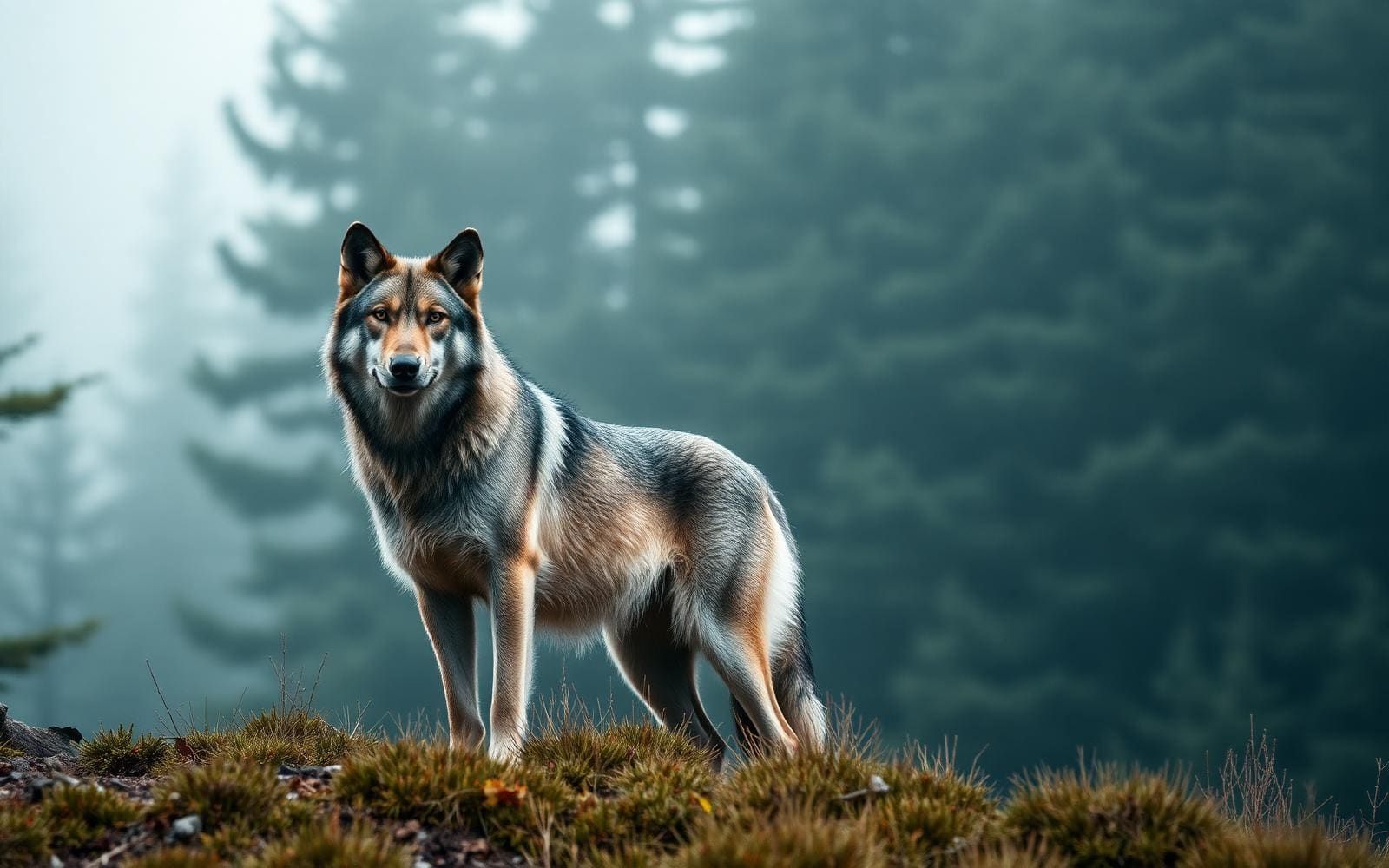
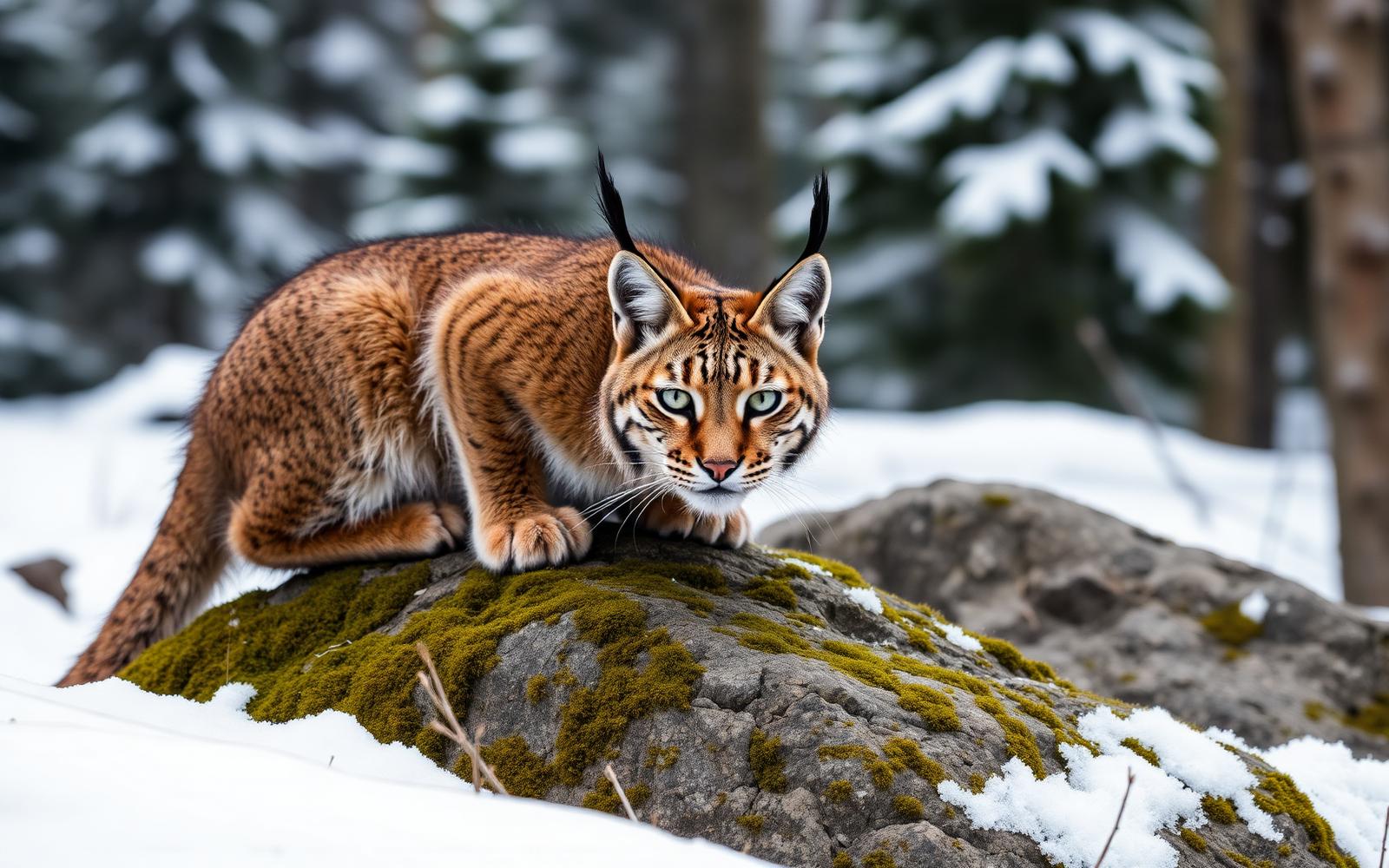
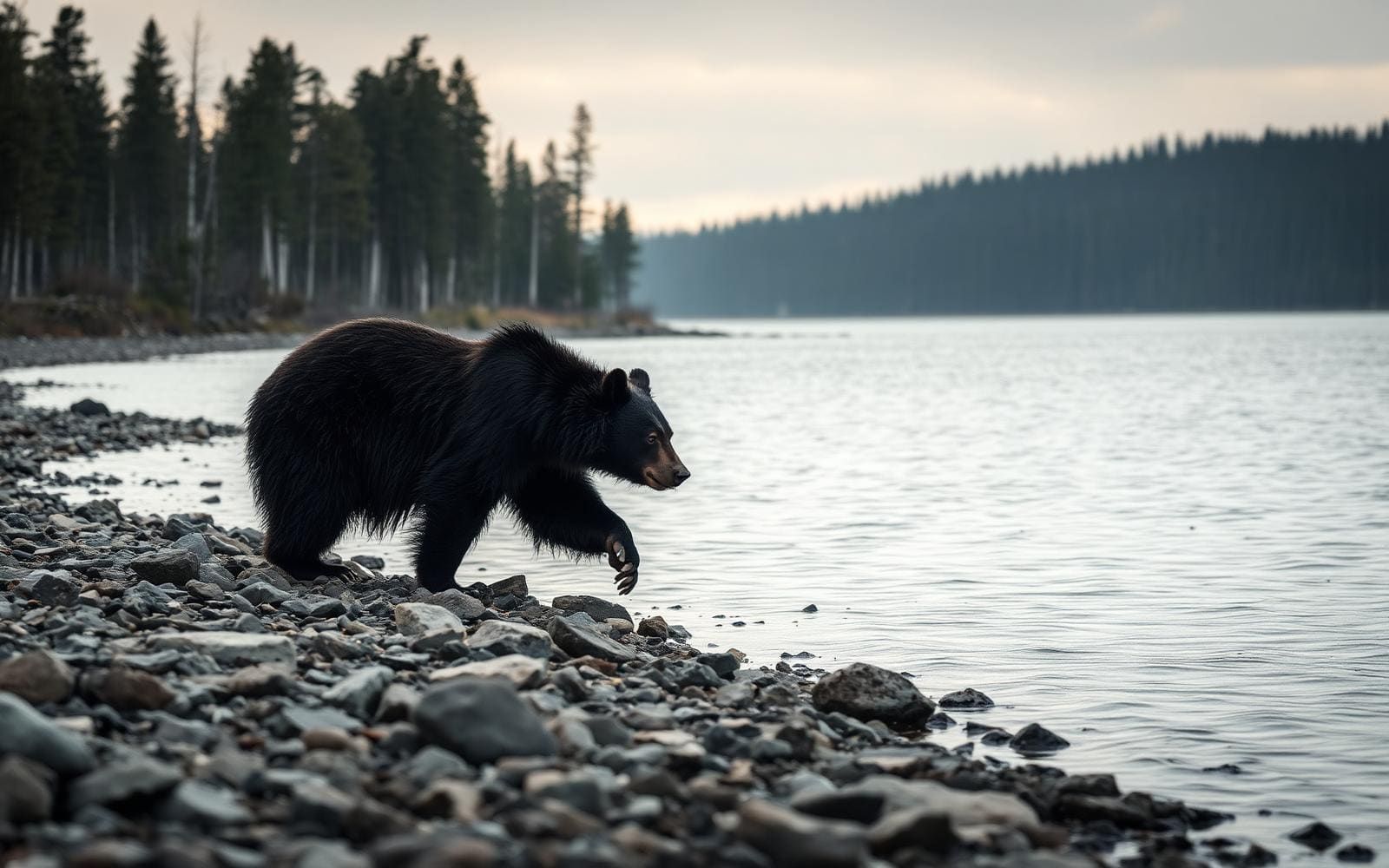
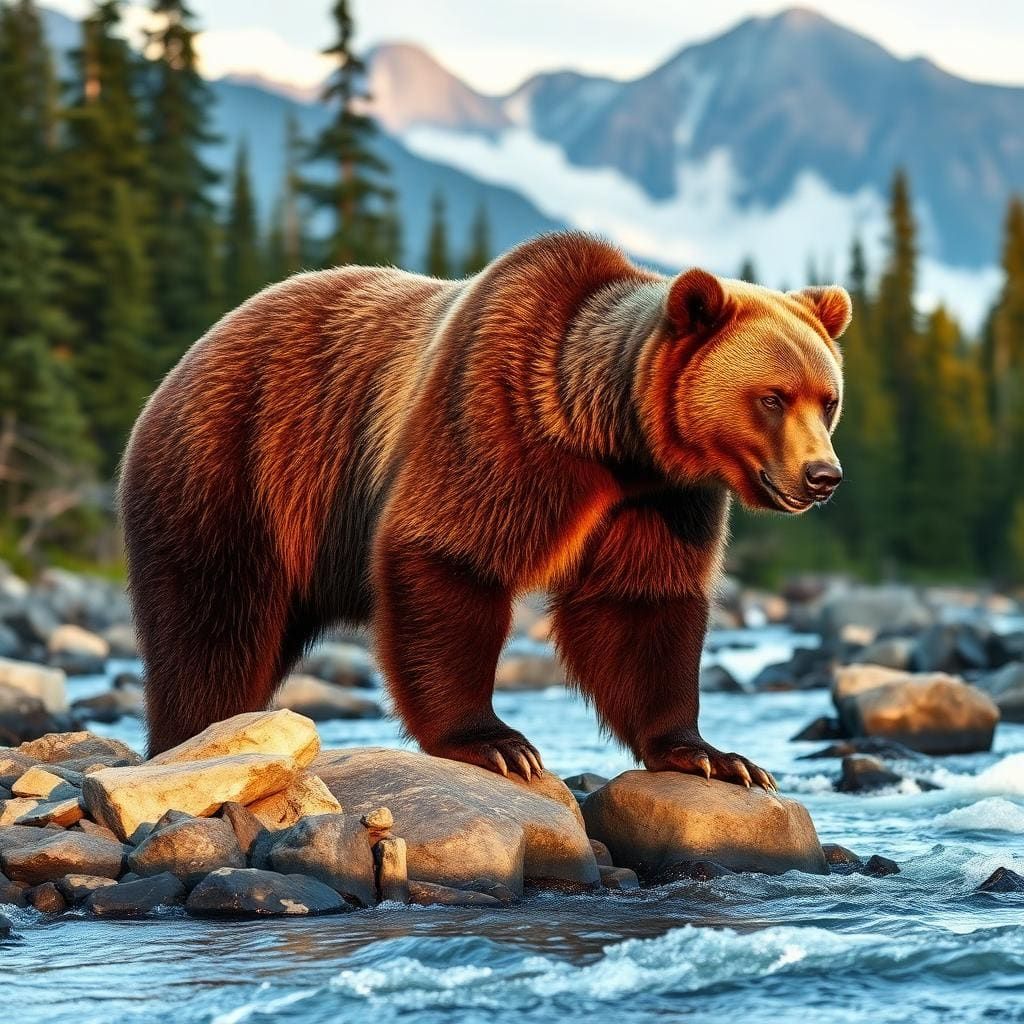
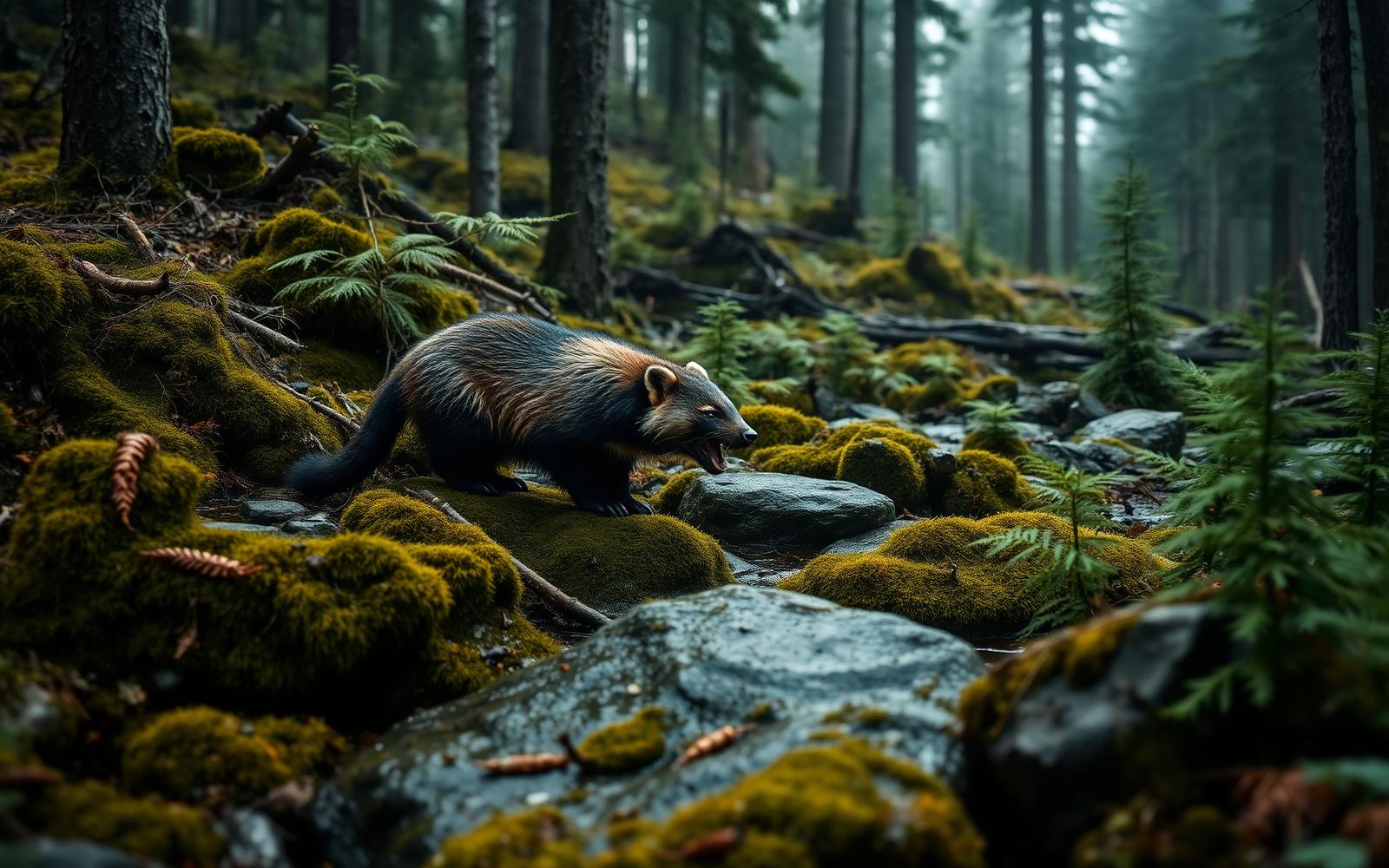
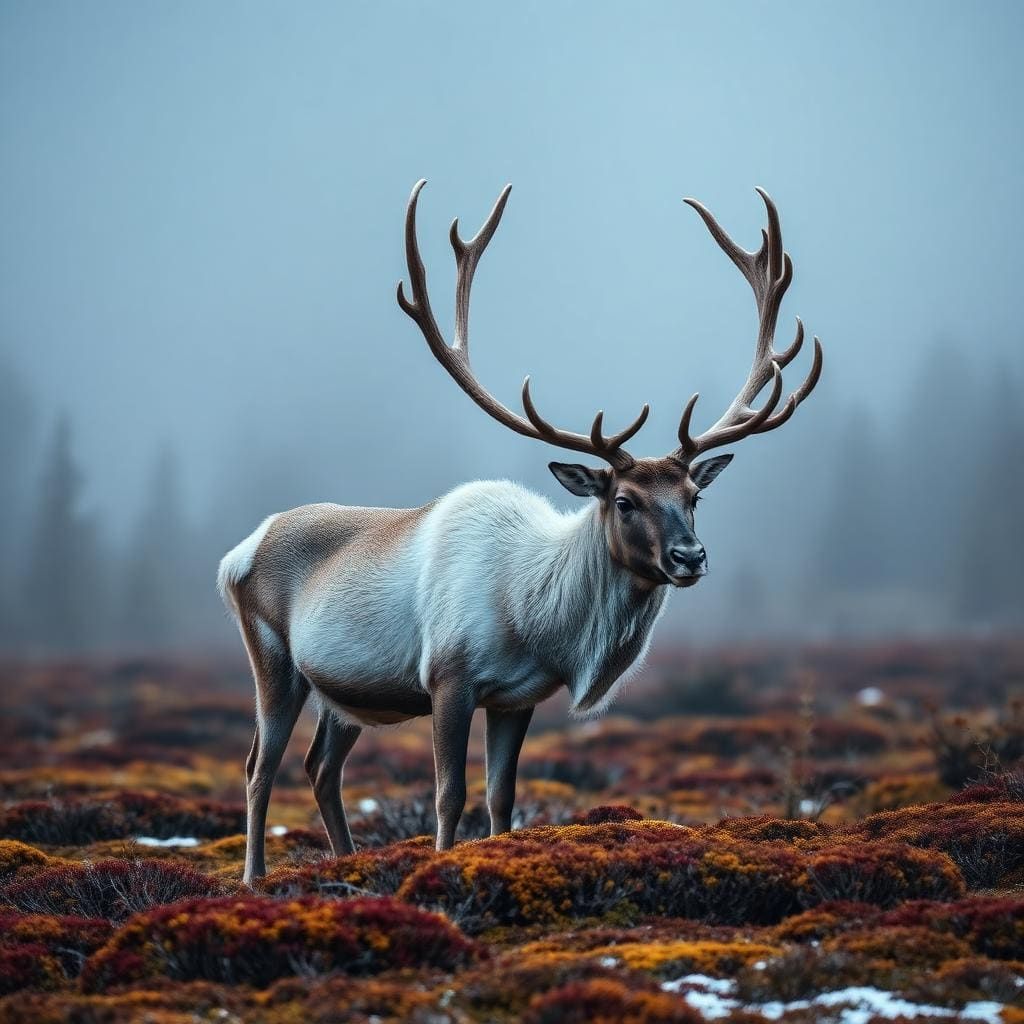
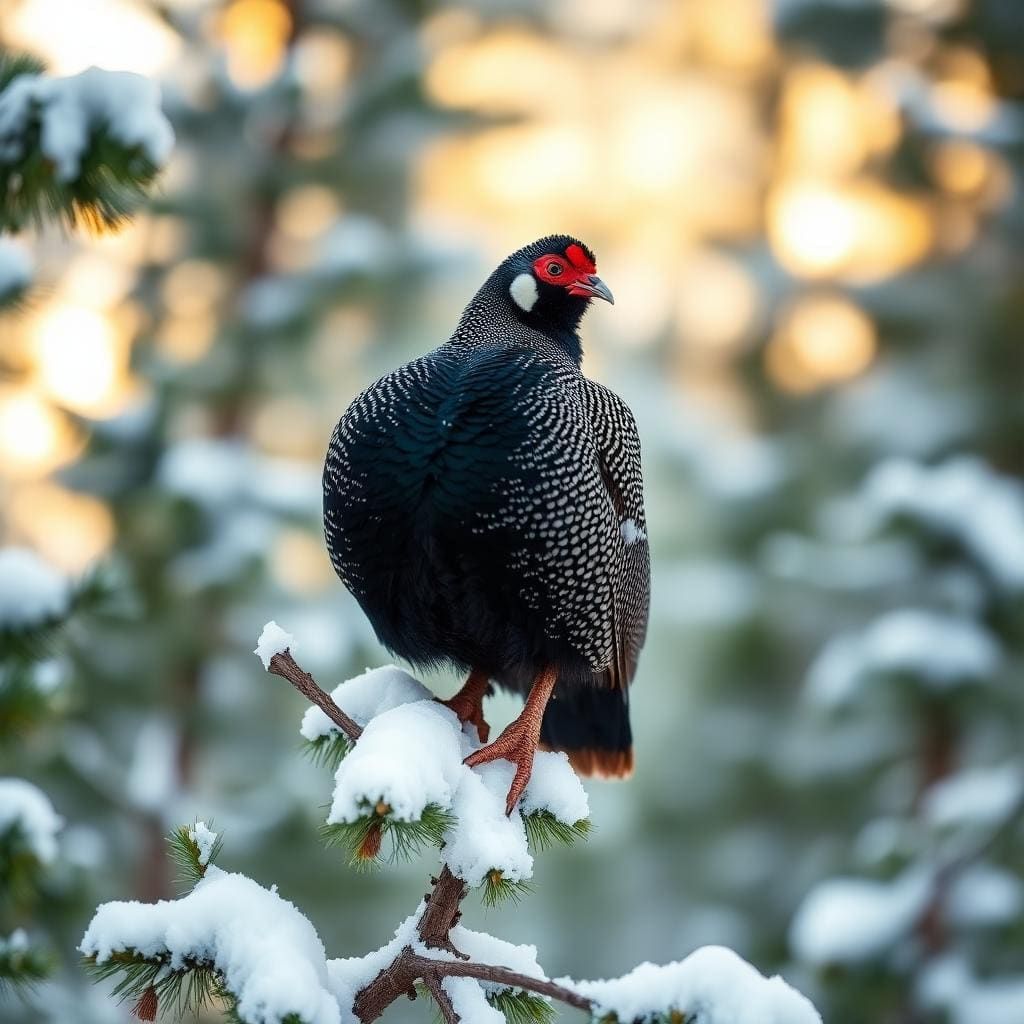
Wrangell–St. Elias is home to a robust population of Alaskan wildlife. Expect to see grizzly and black bears; proper food storage and bear awareness are not optional. Moose are common in lower elevations, and Dall sheep cling to mountain slopes. Caribou herds migrate through parts of the park, and smaller mammals like marmots, ground squirrels, and arctic foxes are frequently spotted. Birdwatching is also excellent, with eagles, falcons, and various waterfowl. Always carry bear spray, know how to use it, and maintain a safe distance from all wildlife. Remember, you are a visitor in their home.
Key Routes & Attractions
The McCarthy Road leads to the historic Kennecott mining town, offering guided tours and a glimpse into the park's past. From Kennecott, popular day hikes lead to the Root Glacier or Bonanza Mine. Beyond the roads, multi-day backpacking trips to areas like the Bremner Mines or Skolai Pass offer deep wilderness experiences, often requiring bush plane drop-offs. Rafting expeditions on rivers like the Copper or Chitina provide unique perspectives on the park's geology and wildlife. Climbing Mount St. Elias or other high peaks is a serious undertaking, requiring extensive mountaineering experience, permits, and expedition-level logistics. Many 'routes' are simply cross-country travel.
Permits & Access
There are no entrance fees for Wrangell–St. Elias National Park. However, specific activities, especially mountaineering on major peaks, may require registration with the park service and sometimes specialized permits. Backcountry camping generally doesn't require a permit, but visitors are strongly encouraged to register their trip plans with the park service for safety reasons. Access to the park is primarily via the unpaved McCarthy Road (seasonal) or Nabesna Road (less maintained). Small air taxis operate from various gateway communities, providing access to remote airstrips within the park. Expect long drives on rough roads and potential delays due to weather or road conditions.
How we chose
We built this ranking from trip reports, agency data, permit records, and our editors' own time on the ground. 10 places made the final cut out of a much longer working list, and each one had to clear the same set of criteria before it earned a spot.
- Quality of the terrain
- Landscape, route variety, and whether the place rewards multiple days rather than one overlook.
- Season and weather windows
- How long the reliable window is, and how badly the shoulder seasons punish a bad forecast.
- Access and permits
- Trailhead logistics, permit odds, quotas, and how much lead time a trip realistically takes.
- Solitude vs. crowding
- How far you have to walk before the place feels like wilderness instead of a queue.
- Wildlife and ecology
- What you can reasonably expect to see, and what you have to plan around.
- Risk and skill required
- Navigation, water crossings, exposure, and rescue distance — stated plainly.
Wrangell–St. Elias National Park — frequently asked questions
- Is Wrangell–St. Elias National Park worth the trip?
- We rank it #6 in Adventure Locations. The largest US national park — braided rivers, glaciers, and true off-trail routes.
- Who is Wrangell–St. Elias National Park best for?
- Best for multi-day backpacking expeditions, glacier travel and mountaineering, remote river rafting and wildlife photography. Standouts: unparalleled wilderness solitude and vastness and stunning glacial landscapes and towering peaks.
- What are the drawbacks of Wrangell–St. Elias National Park?
- Extremely remote with limited infrastructure, Challenging terrain requires advanced skills and Unpredictable and often harsh weather.
- What are the key details for Wrangell–St. Elias National Park?
- Location: Southeast Alaska, USA · Size: 13.2 million acres (largest US NP) · Highest Peak: Mount St. Elias (18,008 ft) · Primary Access: McCarthy Road, Nabesna Road · Key Features: Glaciers, braided rivers, remote peaks
- Geography & Terrain — what should I know about the Wrangell–St. Elias National Park?
- This park is a geological masterpiece, featuring a convergence of four major mountain ranges: the Wrangells, Chugach, St. Elias, and portions of the Alaska Range.
- Seasons & Weather — what should I know about the Wrangell–St. Elias National Park?
- The short summer season, typically late June through early September, offers the best weather windows, though even then, conditions are unpredictable. Expect cool temperatures, frequent rain, and fog, especially at higher elevations or near the coast.
Where on earth
Satellite imagery flying in from a world view to Wrangell–St. Elias National Park, Alaska, United States. Use the + / − buttons, or click the map to zoom with your scroll wheel; drag to pan and pinch to zoom on touch.
Wrangell-St. Elias National Park & Preserve, Alaska, USA · 60.923, -142.734
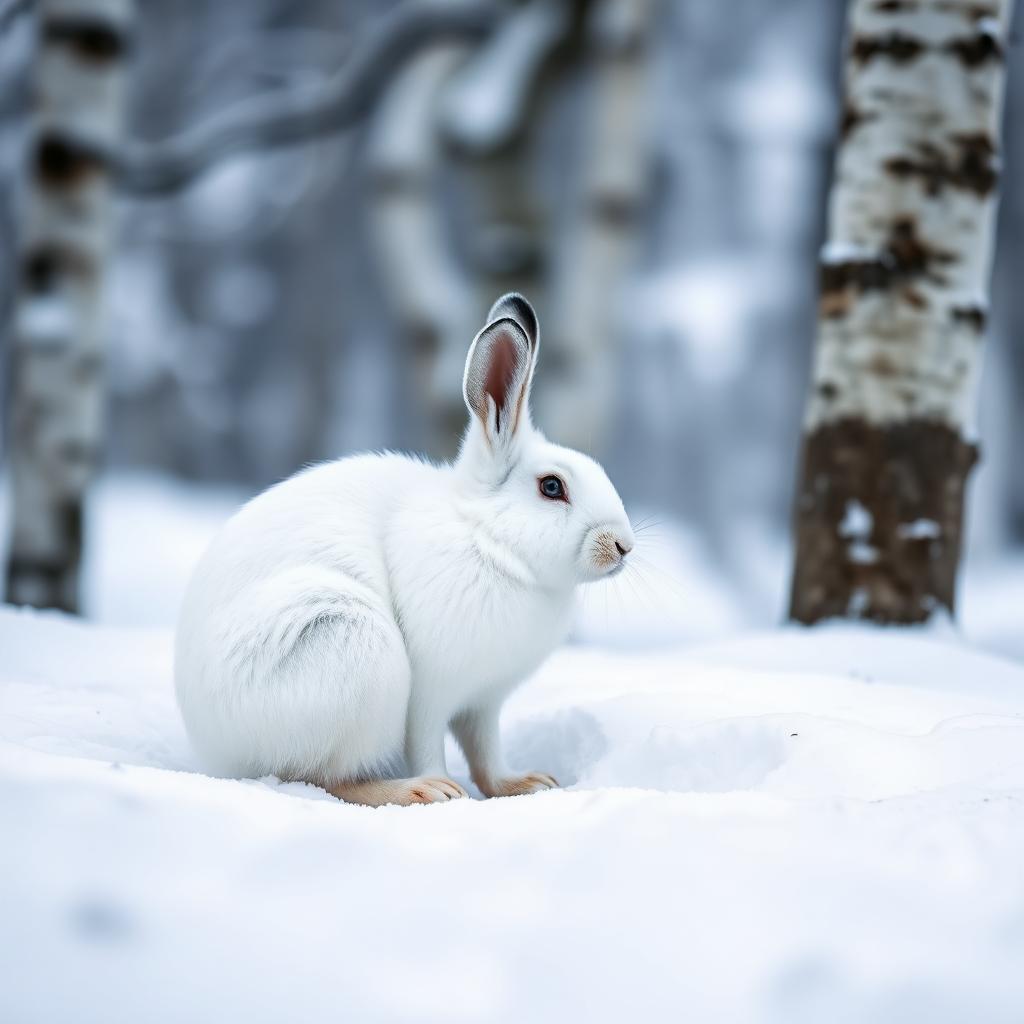
Wildlife found around Wrangell–St. Elias National Park
Compare side by side
Put the Wrangell–St. Elias National Park against any other pick on this list — specs, price, pros, cons and reader ratings.