


Where on earth
Satellite imagery flying in from a world view to Biscayne National Park, United States. Use the + / − buttons, or click the map to zoom with your scroll wheel; drag to pan and pinch to zoom on touch.
- Region
- Florida, USA
- Country
- United States
- Biome
- Subtropical marine + mangrove
- Best season
- December – April
- Difficulty
- moderate
- Backpacking
- Hiking
- Sea Kayaking
- Beachcombing
- Snorkeling
- Diving
Key takeaways
- Biome: Subtropical marine + mangrove
- Best season: December – April
- Difficulty: moderate
- Top activity: hiking
Topic summary
Ninety-five percent water — coral reefs, mangrove shoreline, and the northern Florida Keys a short boat ride from Miami.
Key takeaways
- Difficulty: moderate
- Best season: December – April
Intended uses
- hiking
- camping
- backpacking
Climate suitability
Subtropical marine + mangrove
Verification notes
Last verified January 1, 1970.
Tools for a trip here
Picked for how, when and where you're going. Free, no signup.
- Sleep System Temp CalculatorCold nights: check your bag and pad add up to a safe sleep.
- Base Weight CalculatorEvery ounce is carried — total your kit and find your base weight.
- Pack Volume SizerSize the pack for your trip length and season.
- Water Purification MatrixTreat water from streams and lakes on trail.
- Layering CalculatorCold-season miles: layer for climbs and camp.
Plan with verified data
Biscayne National Park trip tools
How to get there
Biscayne National Park is south of Miami in Miami-Dade County, Florida. The mainland visitor center and the jetty at Black Point Marina are the exceptions to the park’s otherwise boat-only access. Arrange boat transportation for island visits, including Boca Chita and Elliott Keys.
- Mainland visitor center
A mainland option for visiting the park without a boat. Travel beyond the mainland access areas requires boat transportation.
- Black Point Marina jetty
One of the park’s limited areas accessible without a boat. The jetty provides an alternative to the mainland visitor center for a land-based visit.
- Boca Chita Key
Boat-access island with a small beach, a historic mock lighthouse, docking and camping. Docking slips and campsites are first come, first served.
- Elliott Key
The park’s largest island, accessible by boat, with docking and camping available first come, first served. The island is formed from fossilized coral reef.
Sources: nps.gov · Wikipedia · Wikivoyage. Confirm road and trailhead conditions with the managing agency before you leave.
Popular pursuits at Biscayne National Park
- Backpacking
Multi-day travel with everything on your back — see the packing blocks below.
- Hiking
Day miles on marked trail, with route notes and trail links below.
Animals around Biscayne National Park
 Wildlife guideBlack bearUrsus americanus
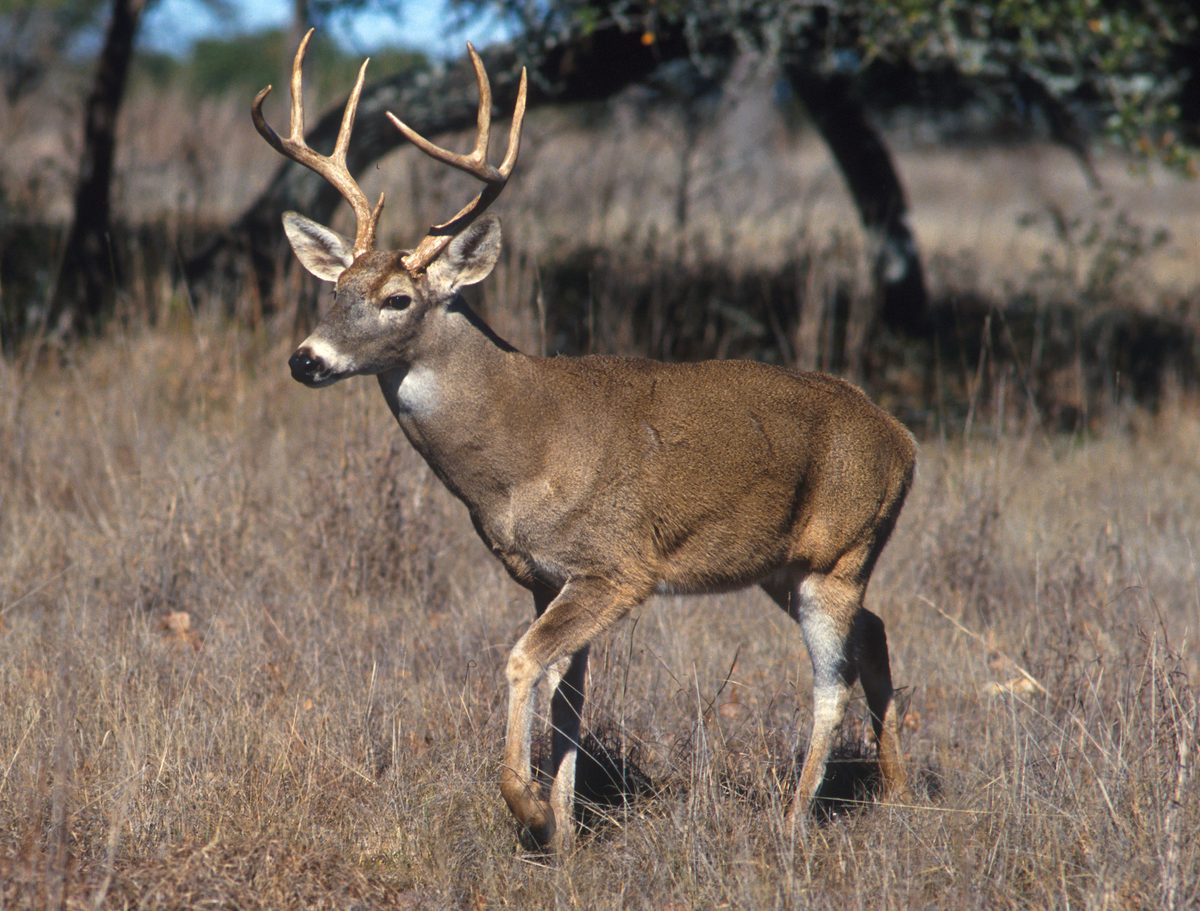 Big gameWhitetail DeerOdocoileus virginianus
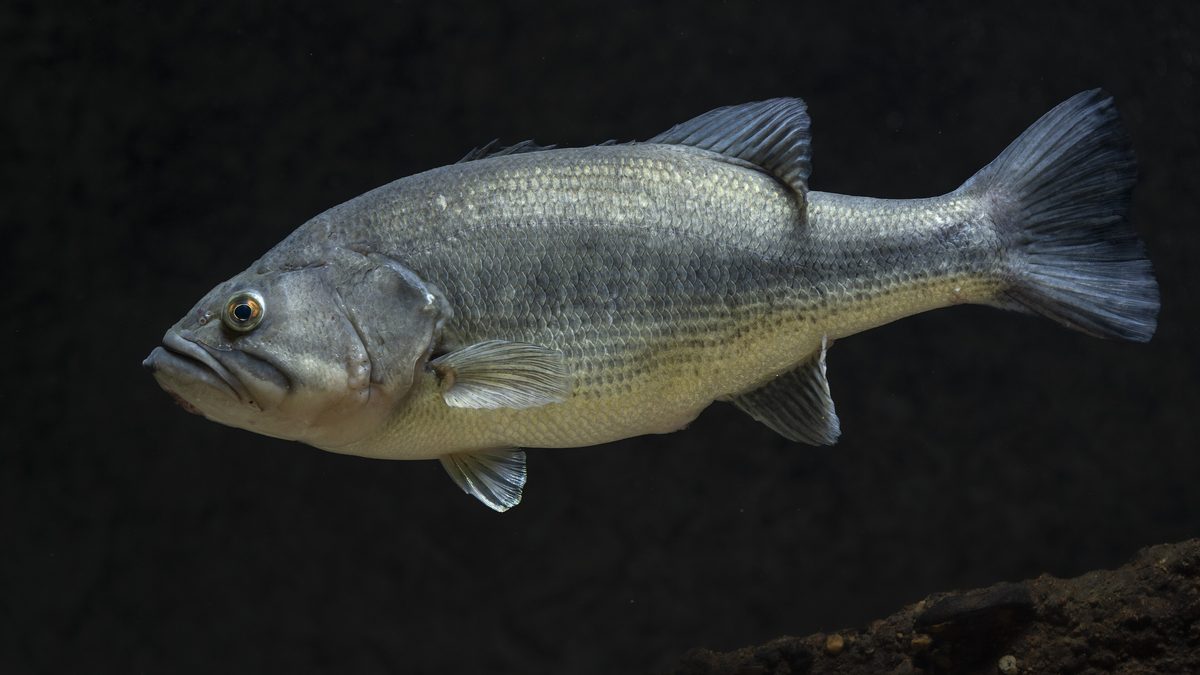 GamefishLargemouth BassMicropterus nigricans
 Wildlife guideCougarPuma concolor
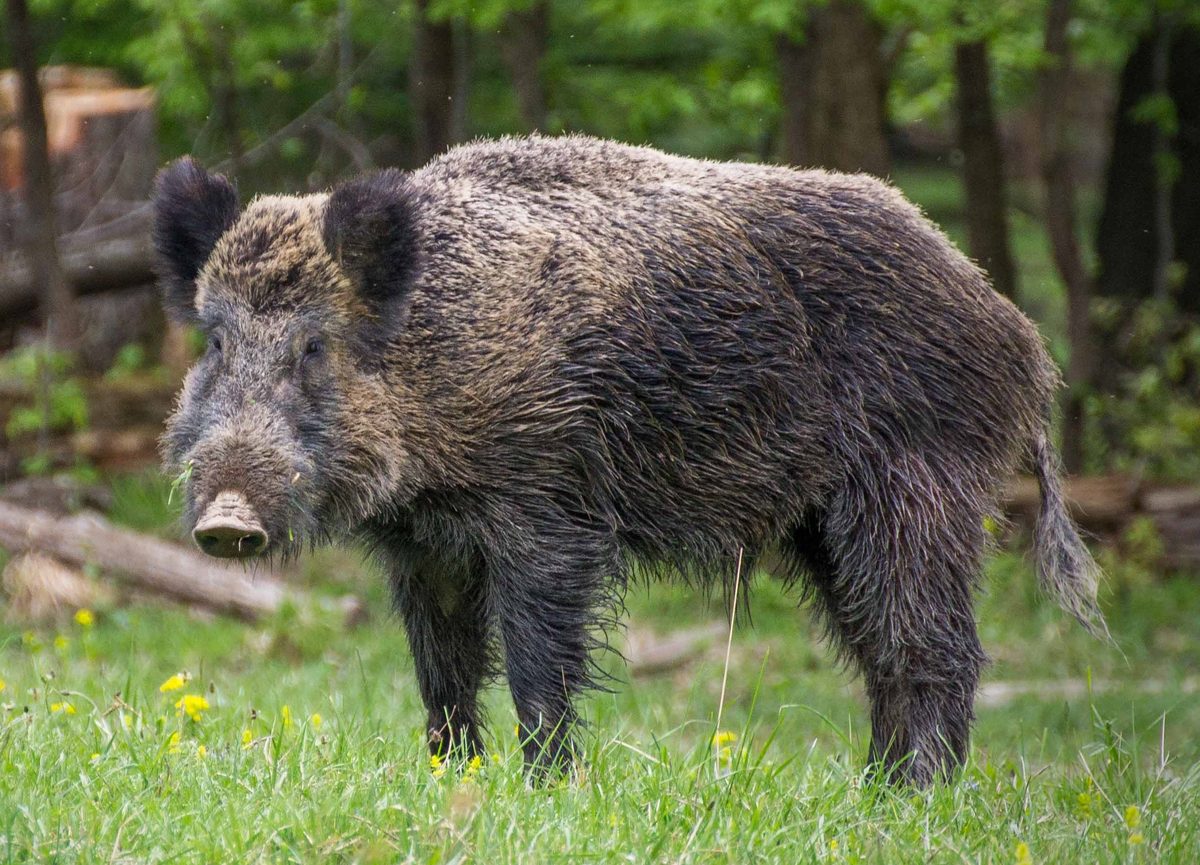 Big gameWild HogSus scrofa
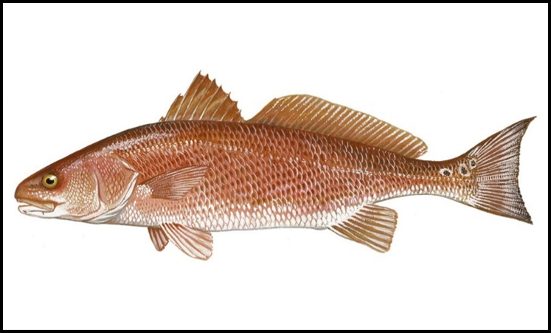 GamefishRed DrumSciaenops ocellatus
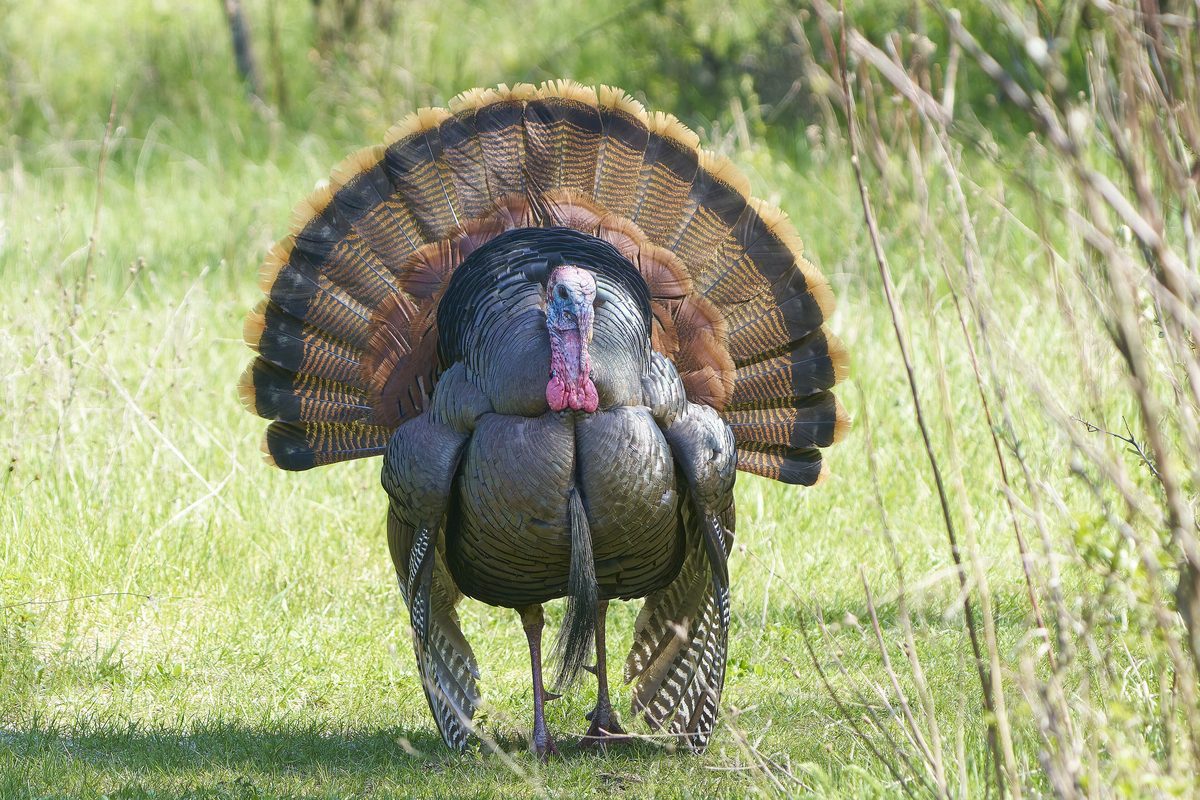 Wildlife guideWild turkeyMeleagris gallopavo
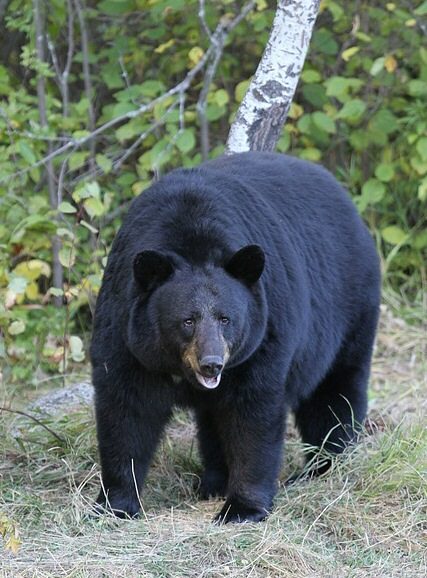 Big gameBlack BearUrsus americanus
Maps, GPS & compass for this trip
Carry a waterproof paper map and a compass you can steer by, and treat the GPS as the backup — not the other way round. Buying links go to Amazon; Wild10 earns a commission at no cost to you.
Waterproof topo maps
- Waterproof topographic map — Biscayne National ParkAmazon search for waterproof, tear-resistant topo maps covering this area.
- National Geographic Trails IllustratedThe waterproof Trails Illustrated series — check for a sheet covering this area.
- Waterproof map case & compass lanyardKeep a paper map readable in rain, spray and a swamped boat.
Fishing at Biscayne National Park
Planning to fish Biscayne National Park, Florida? Fishing licenses, open seasons and catch limits in Florida are set by the local wildlife authority and change every year — check the official source before you cast a line.
Do I need a fishing license at Biscayne National Park?
- A Florida fishing license is normally required for anyone over the local youth age.
- Read the current Florida fishing regulations for special waters, barbless-hook or catch-and-release rules.
- Clean, drain and dry boats and gear between waters to stop invasive species.
- Biscayne National Park may add its own fishing rules on top of Florida law — check the managing agency too.
Hunting near Biscayne National Park
Thinking about hunting Biscayne National Park, Florida? Hunting seasons, tags and draws in Florida are set by the wildlife authority each year. Confirm the rules for your species and unit before you go.
Is hunting allowed at Biscayne National Park?
- Hunting is prohibited or heavily restricted in many national parks, wilderness and protected areas — confirm with the Biscayne National Park land manager before planning a hunt, and look to surrounding public land.
What do I need to hunt in Florida?
- A Florida hunting license — most jurisdictions also require hunter education certification.
- Species tags or draw results for big game such as deer, elk, moose or bear where they occur.
- Knowledge of firearm and bow transport rules, which differ by land type and border crossing.
A park shaped by water
Biscayne National Park lies south of Miami in Miami-Dade County, protecting Biscayne Bay, offshore islands and the northernmost portion of the Florida Reef. Of its 172,971 acres, only 9,075 are land, so this is primarily a boating destination rather than a road-based park. Four ecosystems define the landscape: shoreline mangroves, shallow bay waters, coral limestone keys and offshore reefs. Elliott Key, the largest island, is the northernmost of the true Florida Keys and formed from fossilized coral reef. Islands farther north combine coral and sand. The mainland visitor center and the jetty at Black Point Marina offer access without a boat; beyond those exceptions, reaching the park’s land and sea areas requires travel on the water. Plan the visit around that distinction.
Habitats and human history
The mangrove margins shelter young fish, molluscs and crustaceans, while Biscayne Bay contains seagrass beds, sponges, soft corals and manatees. Offshore waters and reefs support more than 200 fish species, along with hard corals and pelagic birds. On the keys, tropical vegetation includes endangered palms and cacti, and beaches provide nesting habitat for sea turtles. Give wildlife space and avoid disturbing shallow-water habitats when boating. Human history is also visible across this landscape. The Tequesta occupied the islands and shoreline long before Spanish possession of Florida, and more than 40 shipwrecks are documented within park boundaries. Boca Chita Key’s mock lighthouse recalls its later use as a private retreat. These islands are both sensitive habitat and places with a long record of human use.
Island logistics and overnight planning
A boat is needed to reach Boca Chita and Elliott Keys. Both have docking and camping, with slips and campsites available first come, first served; reservations are not accepted. The park has no entrance fee. Day-use docking at these islands costs $25 Friday through Monday and on federal holidays. Overnight camping and docking costs $60 per night, including camping aboard a vessel, and covers up to two tents and six people. Payment must be made through the recreation.gov app, downloaded before arrival. Harbor kiosks on both islands have payment QR codes. Fees are due daily upon arrival or no later than official sunset. Keep island plans flexible because a campsite or slip is not guaranteed, and check weather before committing to a boat crossing.
Route options
- Mainland visit
Keep the outing land-based at the mainland visitor center or the jetty at Black Point Marina. This option avoids an island crossing but does not reach the keys or offshore reefs.
- Boca Chita Key boat outing
Plan a boat visit to Boca Chita Key for its small beach and historic mock lighthouse. Day-use docking and overnight camping are available, but slips and campsites cannot be reserved.
- Elliott Key boat outing
Make the park’s largest island the destination for a boat-based day visit or overnight stay. Its coral limestone setting and tropical vegetation offer a different focus from the mainland mangrove shore. Docking and camping are first come, first served.
Sample itineraries
- Mainland introduction to Biscayne Bay · 1 day
Start at the mainland visitor center for an introduction to Biscayne Bay, its mangrove shoreline, keys, and offshore reefs. Keep this a mainland visit if boat transport is unavailable; the park's islands and most of its waters require boat access.
- Boca Chita Key overnight · 2 days
Travel by boat to Boca Chita Key for its small beach and historic mock lighthouse. Camp overnight if space is available, then return the following day. Download the recreation.gov app before departure; campsites and docking slips cannot be reserved.
- Elliott Key and Biscayne Bay · 2 days
Arrange boat access to Elliott Key, the park's largest island, formed from fossilized coral reef. Spend an overnight exploring its tropical island setting, with time on Biscayne Bay during the outward or return journey. Keep plans flexible because docking and campsites are first come, first served.
Seasonal conditions
Spring
Spring visits
Plan around marine weather rather than the calendar. Island access depends on a boat trip across Biscayne Bay; check conditions before departure and retain a mainland alternative.
Summer
Summer visits
Prepare for sun exposure on open water with drinking water, protective clothing, and shade where possible. Check weather before committing to an island overnight; remote camps require a boat for the return journey.
Fall
Fall visits
Hurricanes have affected these islands. Review forecasts before traveling and avoid committing to remote island plans when severe weather threatens. Keep transport and overnight arrangements flexible.
Winter
Winter visits
Do not assume a winter date guarantees suitable boating conditions. Check the marine forecast, pack protection from wind and spray, and choose an outing suited to the boat and group's experience.
| Season | Window | Conditions |
|---|---|---|
| Spring | Spring visits | Plan around marine weather rather than the calendar. Island access depends on a boat trip across Biscayne Bay; check conditions before departure and retain a mainland alternative. |
| Summer | Summer visits | Prepare for sun exposure on open water with drinking water, protective clothing, and shade where possible. Check weather before committing to an island overnight; remote camps require a boat for the return journey. |
| Fall | Fall visits | Hurricanes have affected these islands. Review forecasts before traveling and avoid committing to remote island plans when severe weather threatens. Keep transport and overnight arrangements flexible. |
| Winter | Winter visits | Do not assume a winter date guarantees suitable boating conditions. Check the marine forecast, pack protection from wind and spray, and choose an outing suited to the boat and group's experience. |
Permits, fees & closures
No pass or fee is required for park entry. Confirm activity-specific permit requirements with the National Park Service.
Fees: No entrance fee. Boca Chita and Elliott Keys: day-use docking costs $25 Friday–Monday and federal holidays. Overnight camping and docking, including camping aboard a vessel, costs $60 per night and includes up to two tents and six people. Pay daily upon arrival or by official sunset.
Reservations: Boca Chita and Elliott Key docking slips and campsites are first come, first served; reservations are not accepted. Payment is through the recreation.gov app, which must be downloaded before arrival. Payment QR codes are at harbor kiosks on both islands.
Official source: Fees & Passes - Biscayne National Park (U.S. National Park Service) · Verified October 18, 2026
Hazards & regulations
- Hurricanes can affect the islands and surrounding waters. Check forecasts and avoid remote island travel when severe weather threatens.
- Shallow bay waters, reefs, and shoals demand careful navigation. More than 40 shipwrecks are documented within the park.
- Remote island access requires a boat. Plan the return journey and carry communication equipment appropriate to the outing.
- American crocodiles and American alligators occur in the park. Keep your distance and never feed or approach them.
- Open-water outings expose visitors to sun and weather. Carry drinking water and protection from sun, wind, and spray.
What to pack for Biscayne National Park
- Properly fitted life jacket
- Navigation equipment suitable for shallow bay and reef waters
- Marine communication equipment
- Waterproof bags
- Drinking water
- Sun-protective clothing and hat
- Sunscreen
- Wind and rain layer
- Tent and sleeping equipment
- Food for the full outing
- Headlamp
- Phone with recreation.gov app downloaded
- Backup phone power
- Waste bags
Wildlife you may see
- Manatees inhabit Biscayne Bay.
- Green and hawksbill sea turtles occur in the park; island beaches provide sea turtle nesting grounds.
- Smalltooth sawfish are among the park's endangered species.
- Schaus' swallowtail butterflies occur in the park.
- A small population of American crocodiles and a few American alligators live here.
- Offshore reefs and waters support more than 200 fish species.
- Pelagic birds use the offshore waters.
Biscayne National Park FAQ
- Where is Biscayne National Park?
- The park lies south of Miami in Miami-Dade County, Florida. It protects Biscayne Bay, offshore islands, mangrove shoreline, and the northernmost region of the Florida Reef.
- Can you visit without a boat?
- Yes, but access is limited. The mainland visitor center and a jetty at Black Point Marina are accessible without a boat. The islands and the park's other land and sea areas require boat access.
- Can island campsites be booked ahead?
- No. Campsites and docking slips at Boca Chita and Elliott Keys are first come, first served. Arrange boat transport separately and carry an alternative plan if space is unavailable.
- What distinguishes Boca Chita from Elliott Key?
- Boca Chita has a small beach and a historic mock lighthouse associated with Mark C. Honeywell's retreat. Elliott Key is the park's largest island and the northernmost true Florida Key, formed from fossilized coral reef.
- What habitats can visitors encounter?
- Biscayne protects four distinct ecosystems: shoreline mangroves, shallow Biscayne Bay, coral limestone keys, and offshore reefs. The bay contains seagrass beds, sponges, and soft corals; offshore waters support hard corals and abundant fish.