



- Region
- NJ, USA
- Country
- United States
- Best for
- hiking
- Best season
- Spring, Summer
- Permits
- Confirm current permit requirements and ac…
- Managed by
- U.S. Fish and Wildlife Service, Department of the Interior
Plan with verified data
Great Swamp National Wildlife Refuge Wilderness trip tools
Tools for a trip here
Picked for how, when and where you're going. Free, no signup.
Photos of Great Swamp National Wildlife Refuge Wilderness
How to get there
The refuge is in Morris County, New Jersey. For orientation, use the Helen Fenske Visitor Center at 32 Pleasant Plains Road, Basking Ridge, NJ 07920. From Interstate 78 westbound, take Exit 40 onto Hillcrest Road, cross Mountain Avenue, and continue as Hillcrest becomes Mountain Avenue beyond the Passaic River. Continue across Long Hill Road onto Meyersville Road, then turn left at the circle onto New Vernon Road and follow refuge signs. From Interstate 78 eastbound, turn left onto Hillcrest Road and follow the same approach. These directions lead toward the refuge, not a specified wilderness trailhead; confirm wilderness entry locations before starting a hike.
- Helen Fenske Visitor Center
At 32 Pleasant Plains Road, Basking Ridge, this refuge orientation stop has exhibits on wildlife, habitats, history, and recreation. Native plant gardens, the Bockoven Trail, and the Nature Detective Trail provide nearby exploration; it is not identified as a wilderness trailhead.
- Wildlife Observation Center
At 220 Long Hill Road, this refuge wildlife-viewing destination has approximately 1½ miles of boardwalks and trails, observation blinds, an informational kiosk, and restrooms. It offers a developed alternative to primitive wilderness walking.
- Overlook Parking Area
Located on Pleasant Plains Road, this viewing stop has two scopes for watching birds. Treat it as a refuge observation stop rather than an identified wilderness trail entrance.
Sources: fws.gov · University of Montana / federal agency partners · Wilderness Connect / federal wilderness boundary inventory. Confirm road and trailhead conditions with the managing agency before you leave.
NJ, USA · United States
- Hunting
- Mountaineering
- Birdwatching
- Hiking
- Wildlife Viewing
- Backpacking
A wetland wilderness in suburban New Jersey
Great Swamp National Wildlife Refuge Wilderness occupies the eastern half of a refuge in Morris County, New Jersey, about 26 miles west of Manhattan’s Times Square. The surrounding refuge covers 12 square miles, but the wilderness is a distinct, more primitive part of that landscape. Cattail marshes, wet meadows, swamp woodlands, and ridges carrying oak, beech, and laurel give a walk here considerable habitat variety. The swamp’s origins reach back roughly 25,000 years to the Wisconsin Glacier’s southern limit. Its modern protection followed grassroots efforts to prevent development of a major metropolitan airport. The refuge was established in 1960; Congress designated its eastern half as wilderness in 1968, making it the first wilderness designated on Department of the Interior lands. This is a place for foot travel and close observation rather than a developed recreation circuit.
Walking the wilderness and watching wildlife
Approximately 8½ miles of primitive trails provide access to the wilderness. That figure describes the trail network, not a single loop or recommended outing. Foot travel is the basis of access: hiking and cross-country travel are permitted, while motor vehicles, motorized equipment, and mechanized transportation such as bicycles are generally prohibited. Restoration has included removing roads, buildings, and dumps and returning drained wetlands to wetter conditions. Wildlife observation rewards an unhurried approach. Migrating waterfowl use the refuge to rest and feed, and 244 bird species have been identified at Great Swamp. Its habitats also support otters, foxes, white-tailed deer, and the endangered Indiana bat, along with turtles and salamanders. Keep observation unobtrusive and give animals space. For a more structured wildlife stop elsewhere in the refuge, the Wildlife Observation Center offers boardwalks, observation blinds, and an informational kiosk.
Prepare for wet footing, insects, and shared use
Waterproof footwear is recommended during most seasons, an important distinction between this wetland wilderness and a dry woodland walk. Mosquitoes, ticks, and deer flies may be a nuisance from May through September; pack insect protection and check for ticks after walking. Choose an outing that matches the conditions and the time available rather than treating the full trail network as a required itinerary. Hunting also matters when planning a visit. The refuge hosts Canada goose and white-tailed deer management hunts, and wilderness trails remain open in areas open to hunting. During those hunts, hikers are advised to stay on designated trails and wear blaze orange visible from every direction. Confirm current hunting activity with refuge staff before setting out. The Bockoven Trail and Nature Detective Trail are listed as areas open to non-hunters only, offering separate walking options within the refuge.
Where on earth
Satellite imagery flying in from a world view to Great Swamp National Wildlife Refuge Wilderness, United States. Use the + / − buttons, or click the map to zoom with your scroll wheel; drag to pan and pinch to zoom on touch.
Coordinates
- Decimal degrees
- 40.7188, -74.4561
- Latitude (DMS)
- 40° 43′ 7.5″ N
- Longitude (DMS)
- 74° 27′ 21.8″ W
Coordinates are an access-point reference for Great Swamp National Wildlife Refuge Wilderness, not a route. Carry a paper map and confirm trailhead or put-in access with the managing agency before you go.
Topic summary
Roughly 25,000 years ago, where the Wisconsin Glacier reached its furthest point south and stopped, the creation of Great Swamp began. With cattail marshes, wet meadows, swamp woodlands, and ridges thick...
Key takeaways
- Region: NJ, USA
- Country: United States
- Good for: hiking
- Coordinates: 40.719, -74.456
Intended uses
hiking
Keep planning
Popular pursuits at Great Swamp National Wildlife Refuge Wilderness
- Hunting
Seasons, tags, and the units that hold animals.
- Mountaineering
Glacier and high-route objectives with real consequence.
- Birdwatching
Migration windows and the habitat that concentrates birds.
- Hiking
Day miles on marked trail, with route notes and trail links below.
- Wildlife Viewing
Best light, best season, and where animals move.
- Backpacking
Multi-day travel with everything on your back — see the packing blocks below.
Animals around Great Swamp National Wildlife Refuge Wilderness
 Wildlife guideBlack bearUrsus americanus
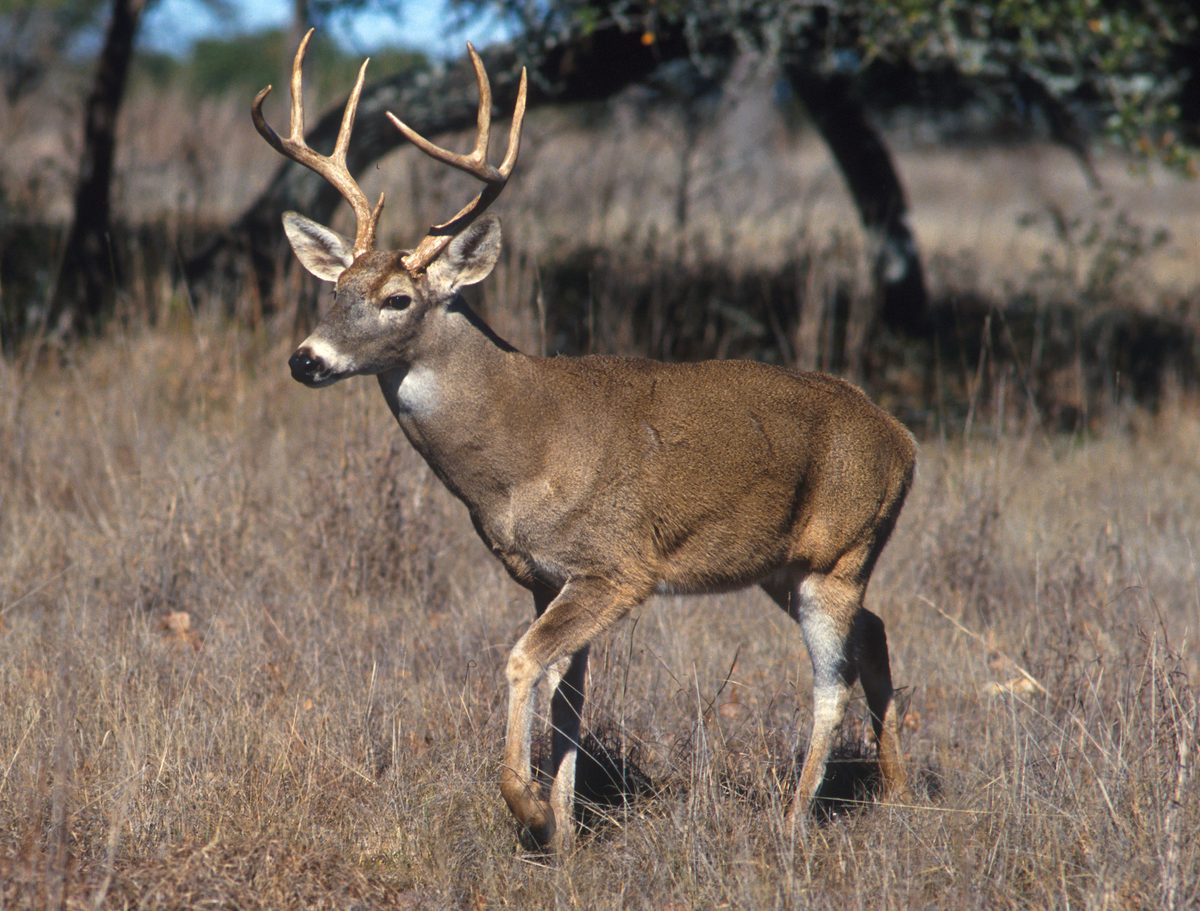 Big gameWhitetail DeerOdocoileus virginianus
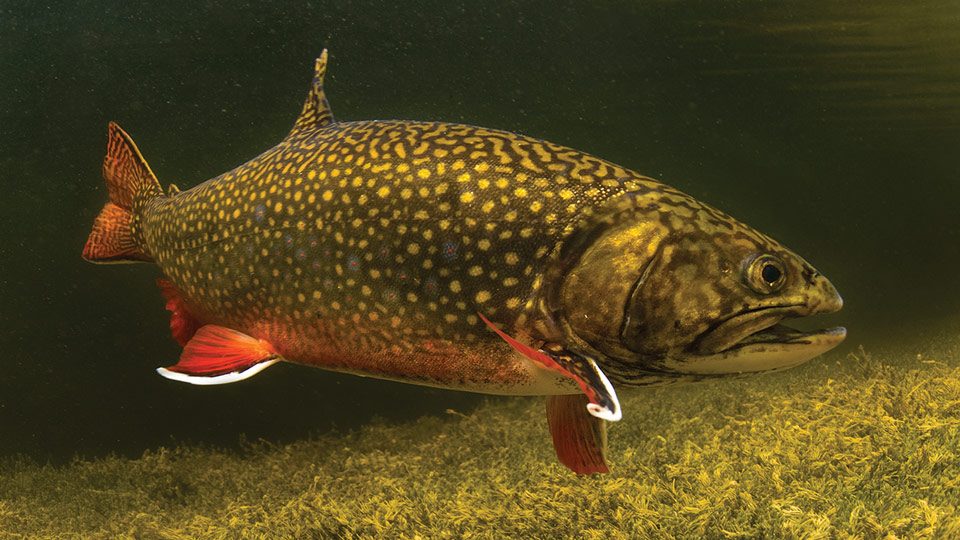 GamefishBrook TroutSalvelinus fontinalis
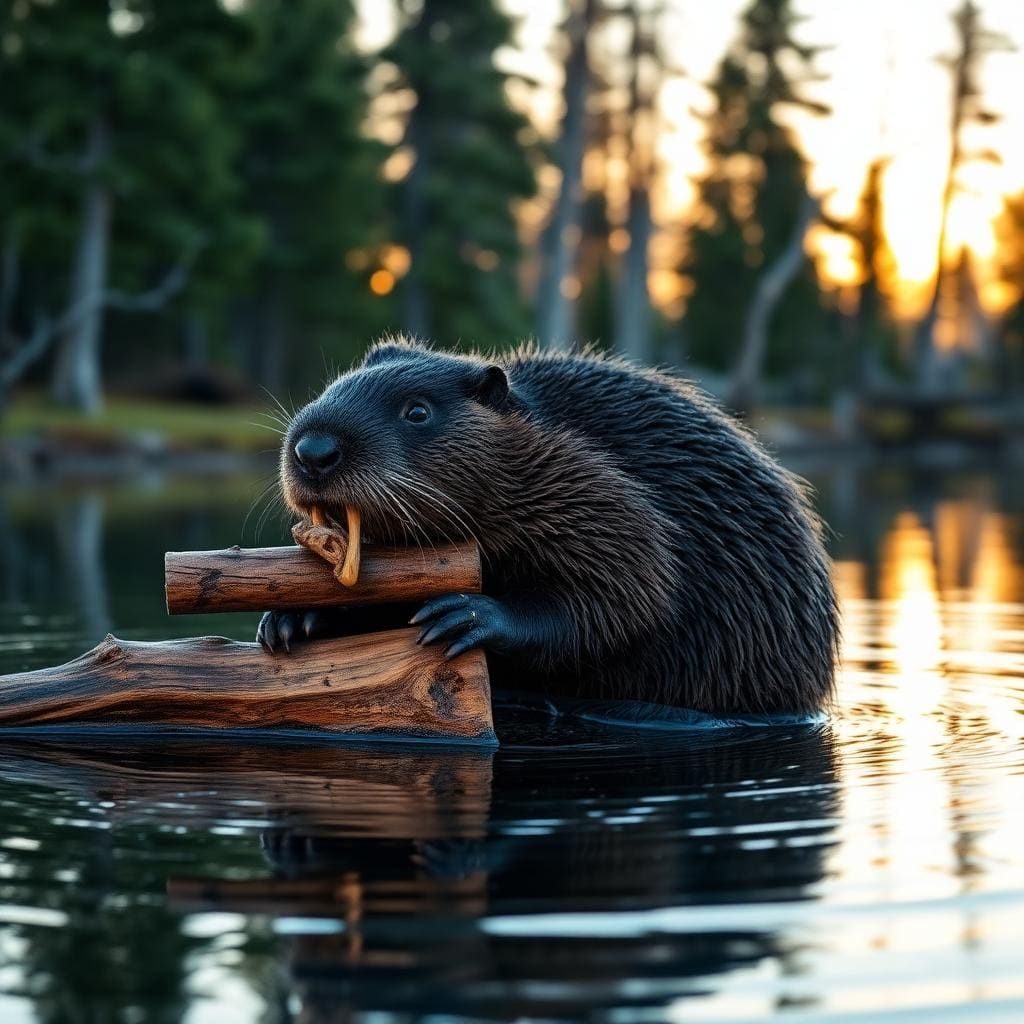 Wildlife guideNorth American beaverCastor canadensis
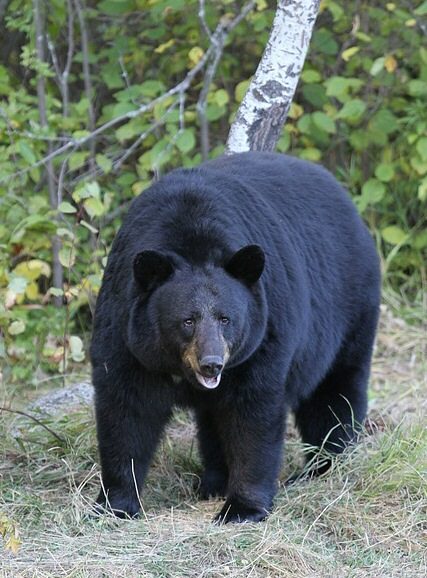 Big gameBlack BearUrsus americanus
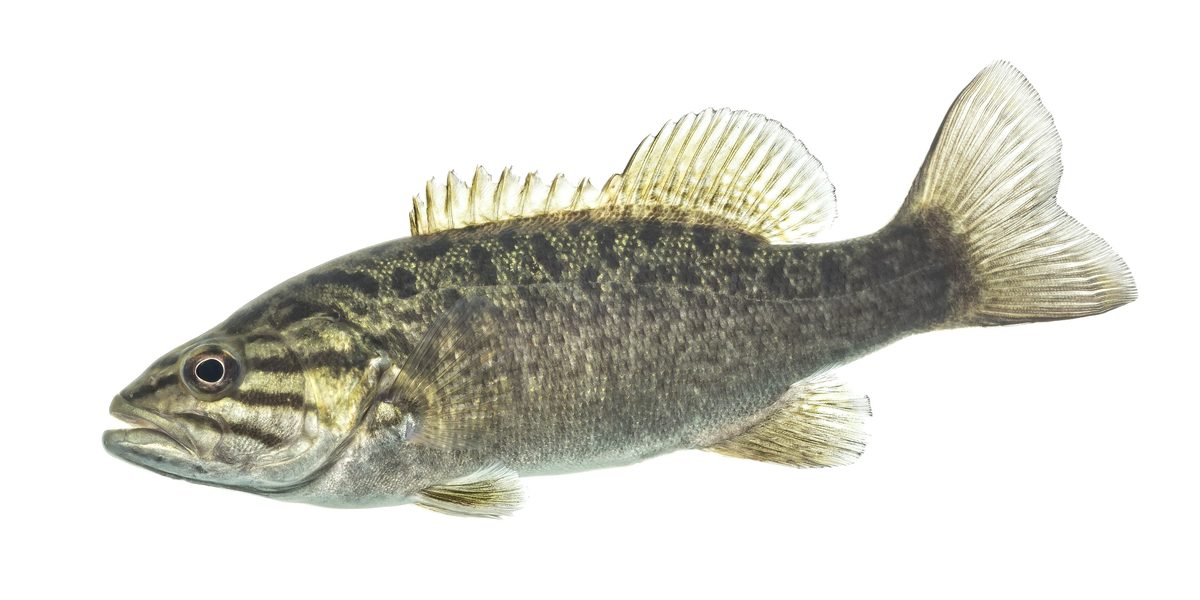 GamefishSmallmouth BassMicropterus dolomieu
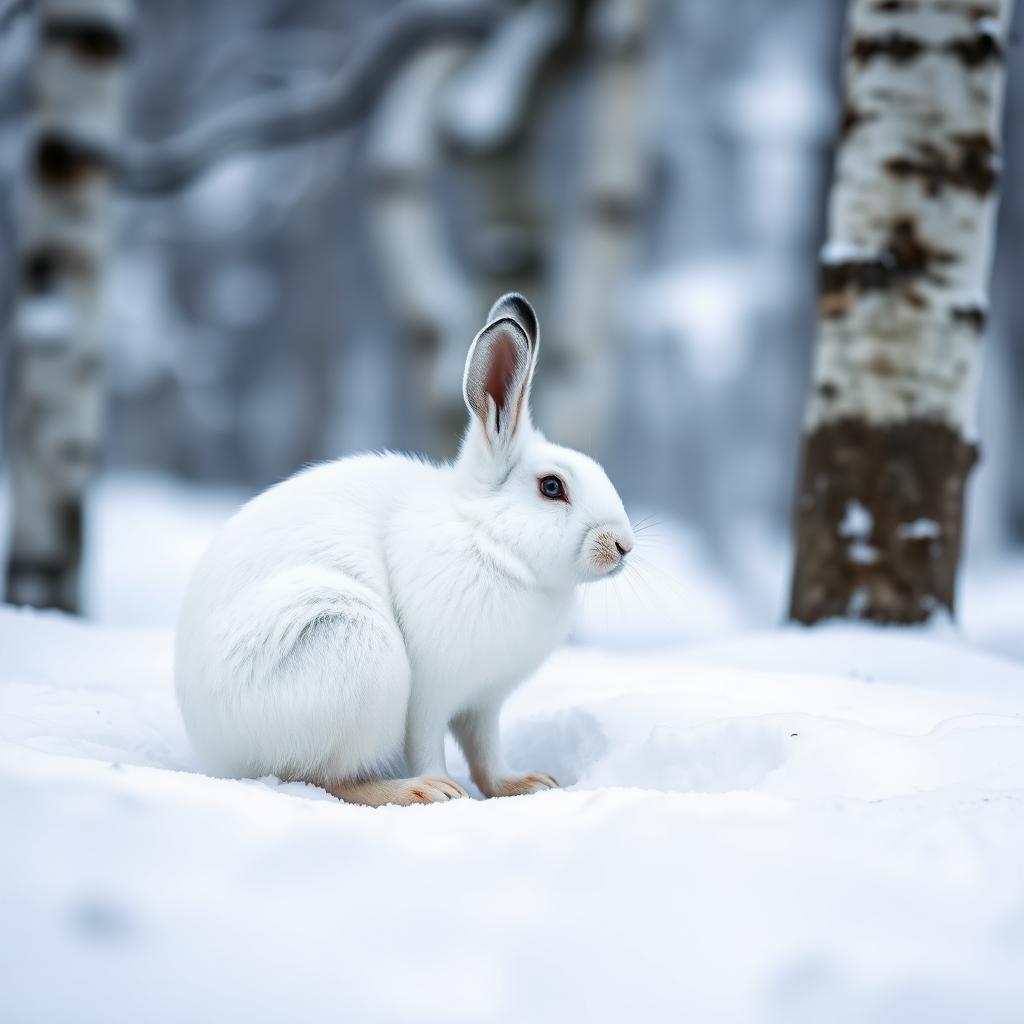 Wildlife guideSnowshoe hareLepus americanus
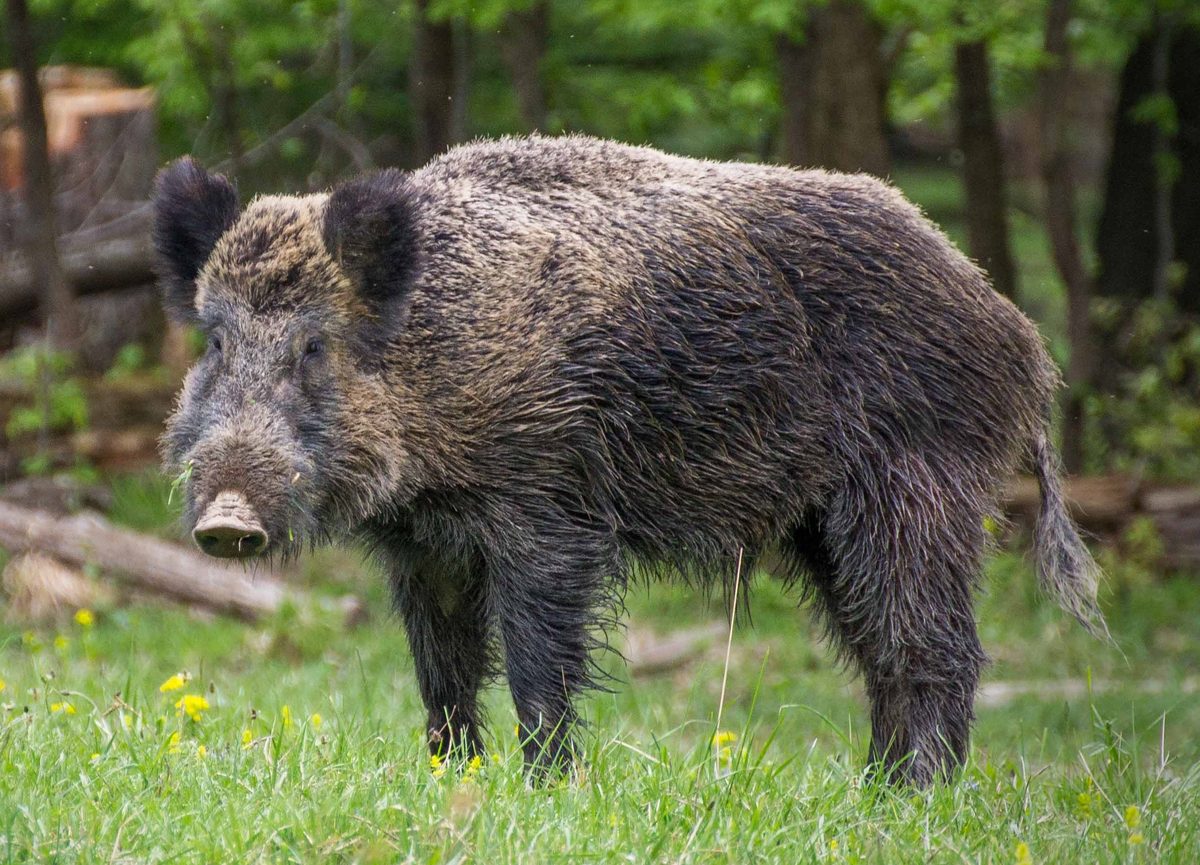 Big gameWild HogSus scrofa
A wetland wilderness in suburban New Jersey
Great Swamp National Wildlife Refuge Wilderness occupies the eastern half of a refuge in Morris County, New Jersey, about 26 miles west of Manhattan’s Times Square. The surrounding refuge covers 12 square miles, but the wilderness is a distinct, more primitive part of that landscape. Cattail marshes, wet meadows, swamp woodlands, and ridges carrying oak, beech, and laurel give a walk here considerable habitat variety. The swamp’s origins reach back roughly 25,000 years to the Wisconsin Glacier’s southern limit. Its modern protection followed grassroots efforts to prevent development of a major metropolitan airport. The refuge was established in 1960; Congress designated its eastern half as wilderness in 1968, making it the first wilderness designated on Department of the Interior lands. This is a place for foot travel and close observation rather than a developed recreation circuit.
Walking the wilderness and watching wildlife
Approximately 8½ miles of primitive trails provide access to the wilderness. That figure describes the trail network, not a single loop or recommended outing. Foot travel is the basis of access: hiking and cross-country travel are permitted, while motor vehicles, motorized equipment, and mechanized transportation such as bicycles are generally prohibited. Restoration has included removing roads, buildings, and dumps and returning drained wetlands to wetter conditions. Wildlife observation rewards an unhurried approach. Migrating waterfowl use the refuge to rest and feed, and 244 bird species have been identified at Great Swamp. Its habitats also support otters, foxes, white-tailed deer, and the endangered Indiana bat, along with turtles and salamanders. Keep observation unobtrusive and give animals space. For a more structured wildlife stop elsewhere in the refuge, the Wildlife Observation Center offers boardwalks, observation blinds, and an informational kiosk.
Prepare for wet footing, insects, and shared use
Waterproof footwear is recommended during most seasons, an important distinction between this wetland wilderness and a dry woodland walk. Mosquitoes, ticks, and deer flies may be a nuisance from May through September; pack insect protection and check for ticks after walking. Choose an outing that matches the conditions and the time available rather than treating the full trail network as a required itinerary. Hunting also matters when planning a visit. The refuge hosts Canada goose and white-tailed deer management hunts, and wilderness trails remain open in areas open to hunting. During those hunts, hikers are advised to stay on designated trails and wear blaze orange visible from every direction. Confirm current hunting activity with refuge staff before setting out. The Bockoven Trail and Nature Detective Trail are listed as areas open to non-hunters only, offering separate walking options within the refuge.
Route options
- Wilderness Area TrailsApproximately 8½ miles of trails in total
Explore the primitive trail network in the refuge’s eastern half on foot. The stated mileage is the network total, not a single route. Waterproof footwear is recommended during most seasons; stay on designated trails during hunts in areas open to hunting.
- Bockoven Trail½ mile
A short refuge walk from the visitor center leading to views of a vernal pool and the Passaic River. This is a visitor-center option rather than a wilderness itinerary.
- Nature Detective Trail
A short, self-guided woodland trail at the visitor center that encourages children to use their senses and examine nature closely.
- Wildlife Observation Center Boardwalks and TrailsApproximately 1½ miles of boardwalks and trails in total
Use the center’s boardwalk-and-trail network for photography and wildlife observation, with blinds available for watching animals unobtrusively. The mileage describes the combined network rather than a specified loop.
Sample itineraries
- Wilderness day walk · 1 day
Start at the Helen Fenske Visitor Center for orientation, then explore a portion of the eastern wilderness's approximately 8.5-mile trail network on foot. Expect primitive trails through a landscape of swamp woodlands, wet meadows, marshes, and wooded ridges. Choose the day's extent around conditions rather than trying to cover the entire network.
- Refuge wildlife and woodland sampler · 1 day
Explore the broader refuge at the Wildlife Observation Center, with approximately 1.5 miles of boardwalks and trails, observation blinds, and restrooms. Visit the Overlook Parking Area's viewing scopes, then walk the half-mile Bockoven Trail near the visitor center for views of a vernal pool and the Passaic River.
Seasonal conditions
Spring
Spring; insect nuisance period begins in May
Wetland terrain makes waterproof footwear a practical choice. The refuge provides resting and feeding habitat for migrating waterfowl. From May, prepare for mosquitoes, ticks, and deer flies.
Summer
Summer
Summer falls within the May–September nuisance period for mosquitoes, ticks, and deer flies. Bring insect protection and waterproof footwear for primitive wilderness trails through wetland habitats.
Fall
Fall; insect nuisance period extends through September
Prepare for wet footing and September insects. Wilderness trails are among the areas shared with hunters during scheduled hunts. Check the current hunting schedule, stay on designated trails in hunting areas, and wear blaze orange visible from all directions.
Winter
Winter
Waterproof footwear remains a sensible choice in this wetland landscape. Winter deer hunting is scheduled at the refuge; confirm active hunting areas before walking. In areas open to hunting, remain on designated trails and wear visible blaze orange.
| Season | Window | Conditions |
|---|---|---|
| Spring | Spring; insect nuisance period begins in May | Wetland terrain makes waterproof footwear a practical choice. The refuge provides resting and feeding habitat for migrating waterfowl. From May, prepare for mosquitoes, ticks, and deer flies. |
| Summer | Summer | Summer falls within the May–September nuisance period for mosquitoes, ticks, and deer flies. Bring insect protection and waterproof footwear for primitive wilderness trails through wetland habitats. |
| Fall | Fall; insect nuisance period extends through September | Prepare for wet footing and September insects. Wilderness trails are among the areas shared with hunters during scheduled hunts. Check the current hunting schedule, stay on designated trails in hunting areas, and wear blaze orange visible from all directions. |
| Winter | Winter | Waterproof footwear remains a sensible choice in this wetland landscape. Winter deer hunting is scheduled at the refuge; confirm active hunting areas before walking. In areas open to hunting, remain on designated trails and wear visible blaze orange. |
Permits, fees & closures
Confirm current permit requirements and activity-specific rules with the U.S. Fish and Wildlife Service before visiting.
Official source: Great Swamp National Wildlife Refuge | U.S. Fish & Wildlife Service · Verified October 30, 2026
Hazards & regulations
- Wet ground: waterproof footgear is recommended during most seasons, particularly for the primitive wilderness trails.
- Mosquitoes, ticks, and deer flies may be a nuisance from May through September. Carry insect protection and check for ticks after walking.
- Shared hunting areas include wilderness trails. During scheduled hunts, stay on designated trails and wear blaze orange visible from all directions.
What to pack for Great Swamp National Wildlife Refuge Wilderness
- Waterproof footwear
- Spare socks
- Drinking water
- Trail map
- Insect repellent
- Long sleeves and long pants
- Blaze-orange hat or clothing for visits during hunts
- Binoculars
- Camera
- Bird identification guide
Great Swamp National Wildlife Refuge Wilderness FAQ
- Where is the wilderness?
- It occupies the eastern half of Great Swamp National Wildlife Refuge in Morris County, New Jersey. The refuge lies about 26 miles west of Manhattan's Times Square. The wilderness was designated in 1968, becoming the first designated wilderness on Department of the Interior lands.
- How much hiking is available?
- The wilderness has approximately 8.5 miles of primitive trails. Foot travel, including cross-country travel, is permitted. During hunts, visitors in areas open to hunting are advised to stay on designated hiking trails.
- Are bicycles allowed in the wilderness?
- No. Wilderness travel is limited to foot travel. Bicycles and other mechanized transportation, motor vehicles, and motorized equipment are generally not allowed.
- Where can visitors get oriented?
- The Helen Fenske Visitor Center is at 32 Pleasant Plains Road, Basking Ridge. It offers exhibits about refuge wildlife, habitats, history, and recreation. Confirm current opening hours before planning a stop.
- Where are the boardwalks and wildlife blinds?
- The Wildlife Observation Center at 220 Long Hill Road has approximately 1.5 miles of boardwalks and trails, wildlife observation blinds, an informational kiosk, and restrooms. It is a broader-refuge option distinct from the primitive wilderness trail experience.
- What makes this a wetland-focused walking destination?
- The landscape includes cattail marshes, wet meadows, swamp woodlands, and ridges with oak, beech, and laurel. Waterproof footwear is recommended during most seasons. Wildlife observation and foot travel suit this sensitive habitat.