



Hoover Wilderness: Twenty Lakes Basin Loop from Saddlebag Lake Trailhead
High-altitude loop traversing granite basins and alpine lakes, requiring quota permits.
Where on earth
Satellite imagery flying in from a world view to Hoover Wilderness: Twenty Lakes Basin Loop from Saddlebag Lake Trailhead, United States. Use the + / − buttons, or click the map to zoom with your scroll wheel; drag to pan and pinch to zoom on touch.
- Region
- Sierra Nevada
- Country
- United States
- Trip length
- 8.5-10 miles (loop)
- Backpacking
- Hiking
- Climbing
- Mountaineering
- Winter Camping
- Skiing
- Birdwatching
- Wildlife Viewing
Key takeaways
- Trip length: 8.5-10 miles (loop)
- Top activity: backpacking
Topic summary
High-altitude loop traversing granite basins and alpine lakes, requiring quota permits.
Intended uses
- backpacking
- day hiking
Verification notes
Last verified September 2, 2026.
Plan with verified data
Hoover Wilderness: Twenty Lakes Basin Loop from Saddlebag Lake Trailhead trip tools
Popular pursuits at Hoover Wilderness: Twenty Lakes Basin Loop from Saddlebag Lake Trailhead
- Backpacking
Multi-day travel with everything on your back — see the packing blocks below.
- Hiking
Day miles on marked trail, with route notes and trail links below.
- Climbing
Rock and alpine lines with approach beta.
- Mountaineering
Glacier and high-route objectives with real consequence.
- Winter Camping
Cold-season travel and camp craft; layering matters more than mileage.
- Skiing
Ski-touring access when the road closes for the season.
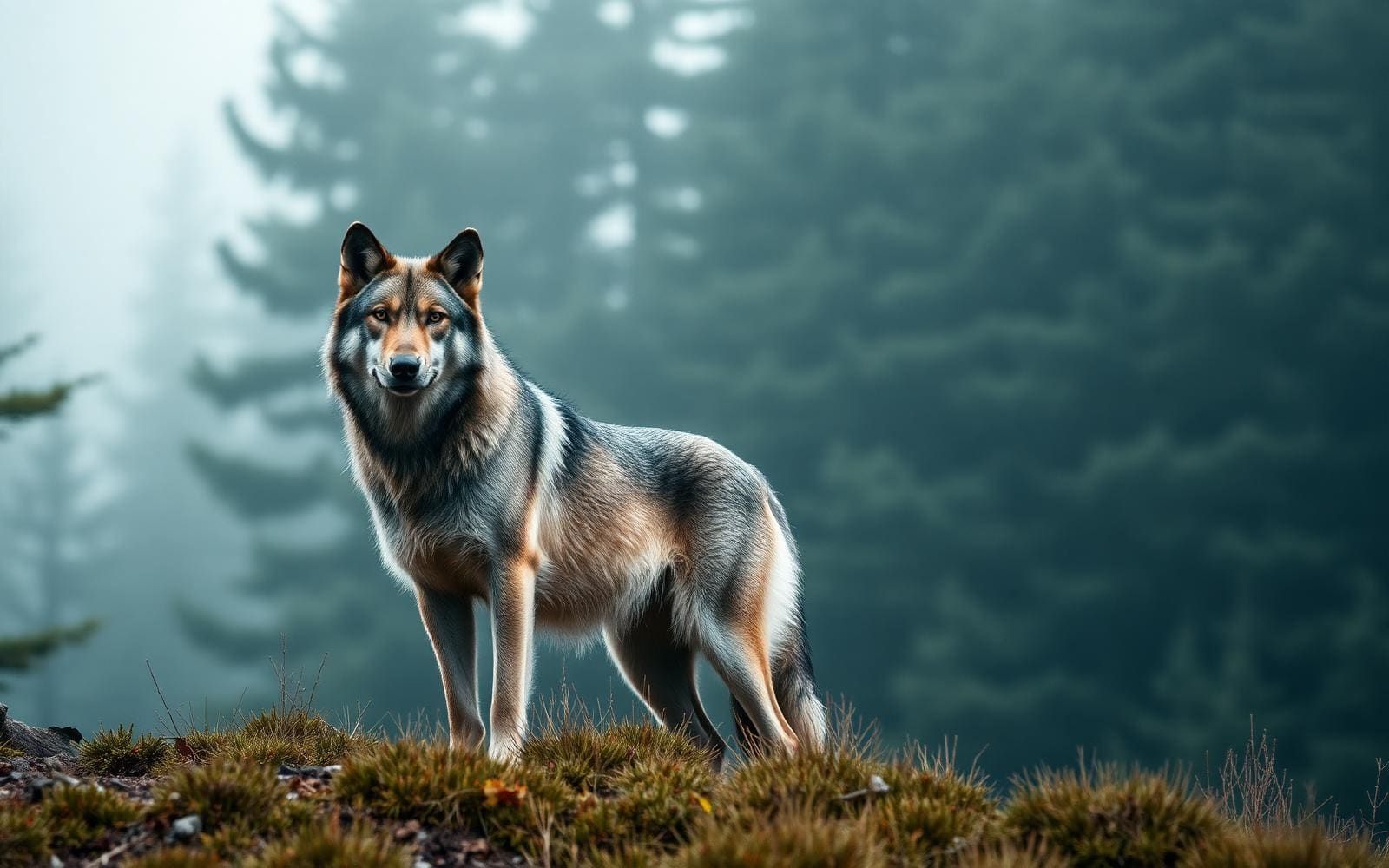
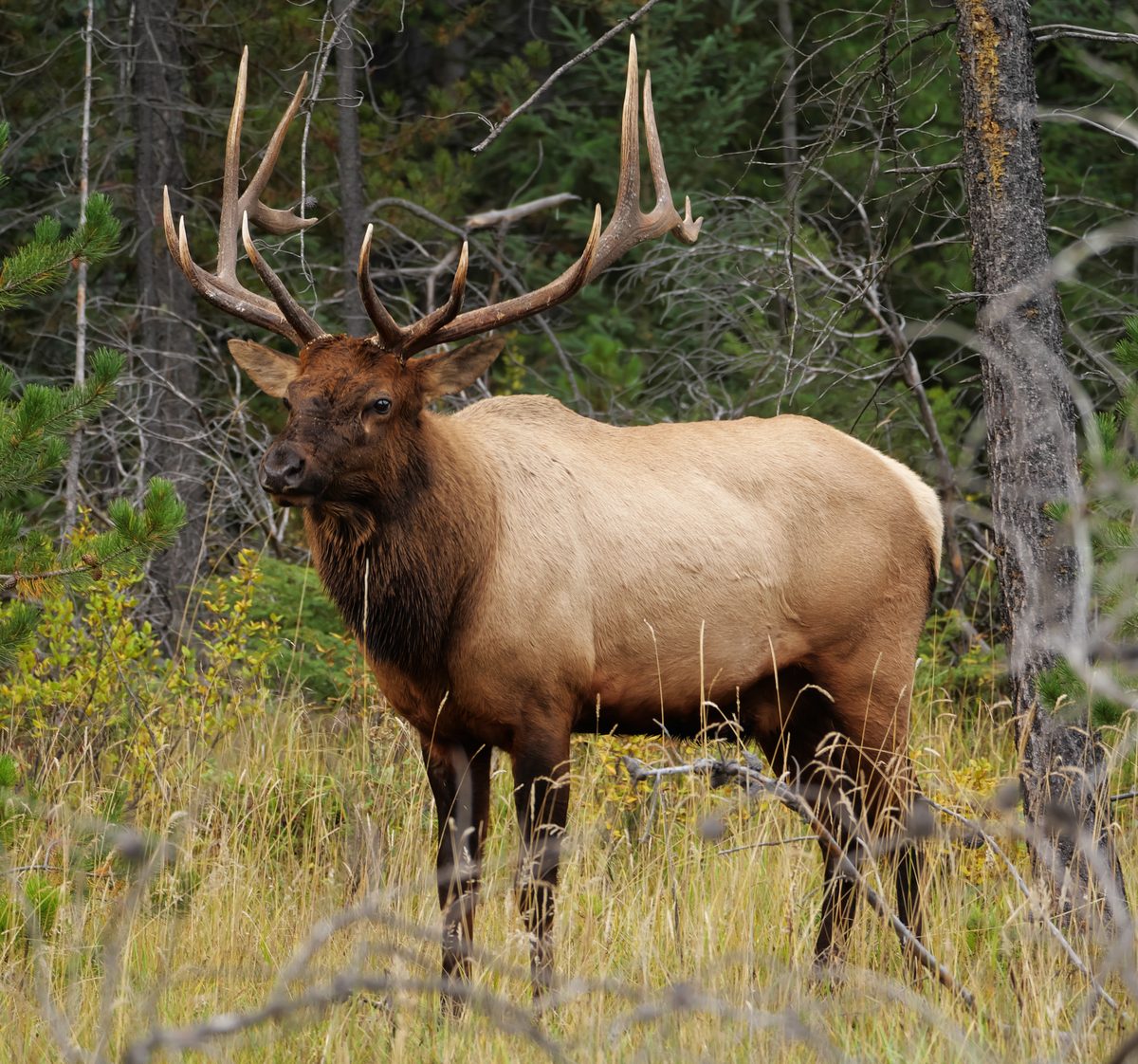
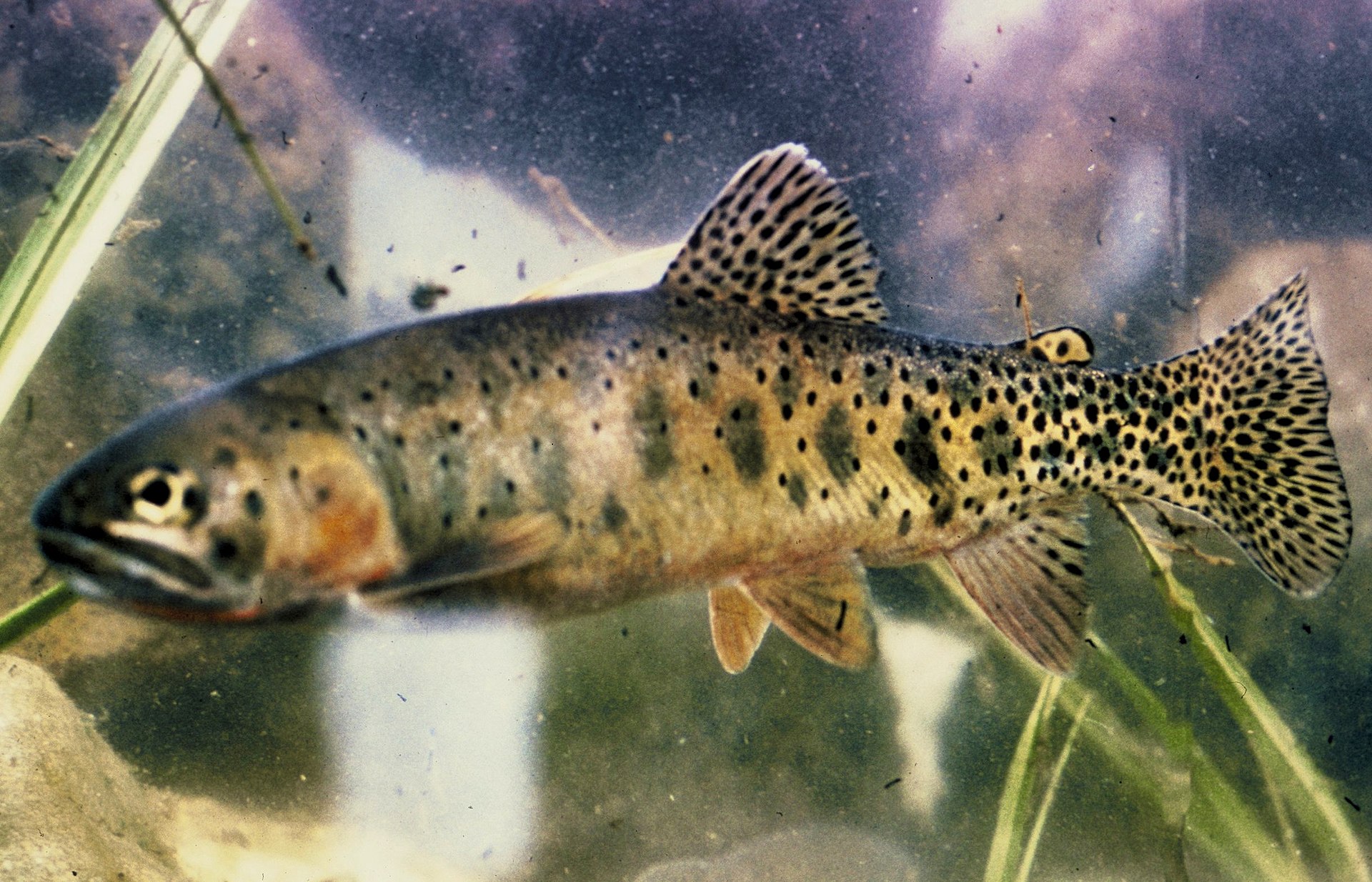
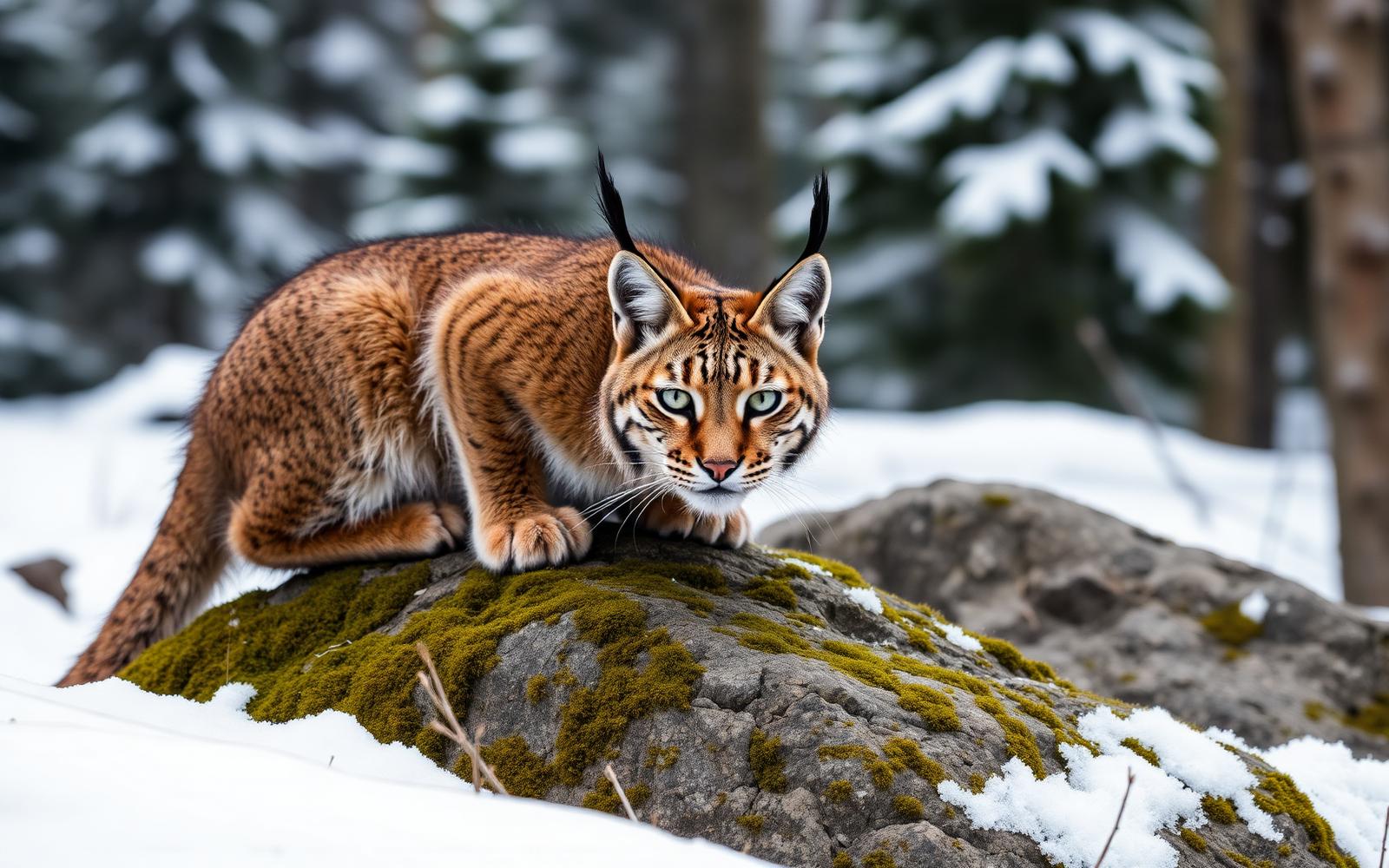
Animals around Hoover Wilderness: Twenty Lakes Basin Loop from Saddlebag Lake Trailhead
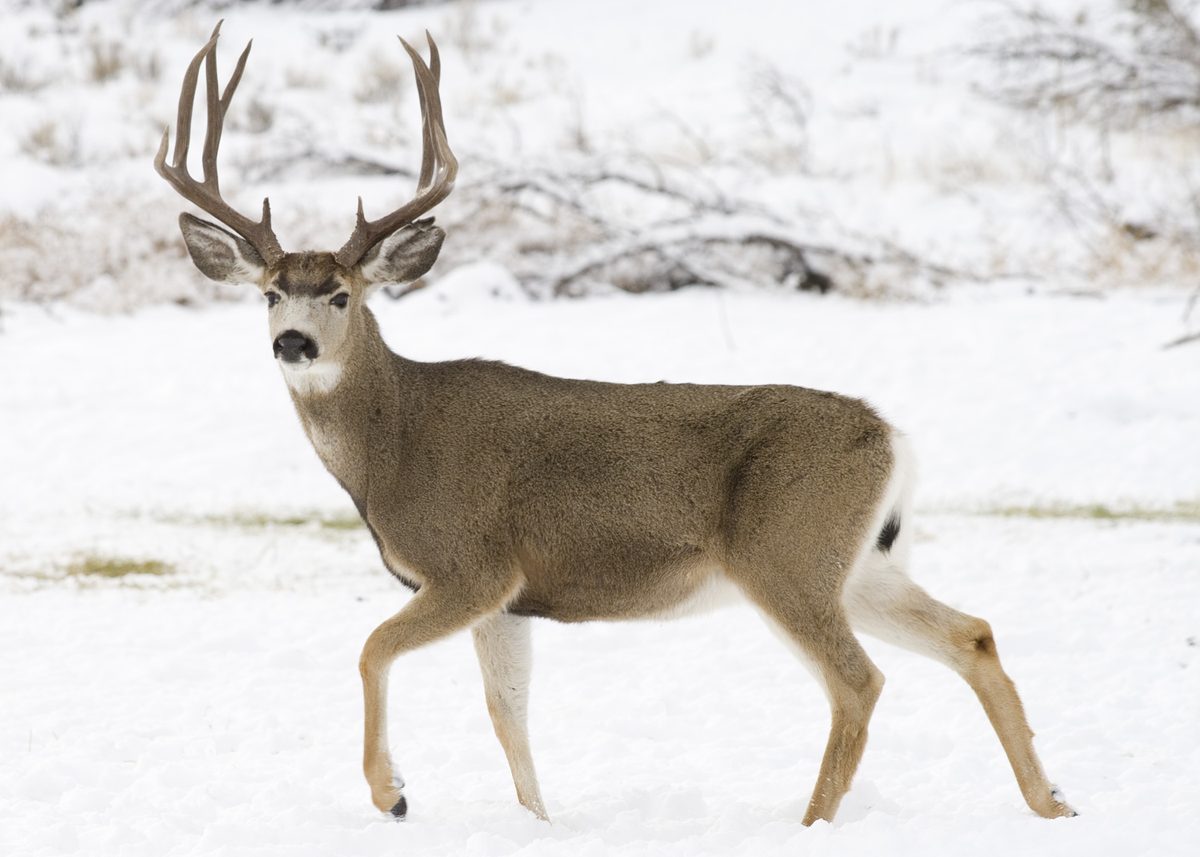
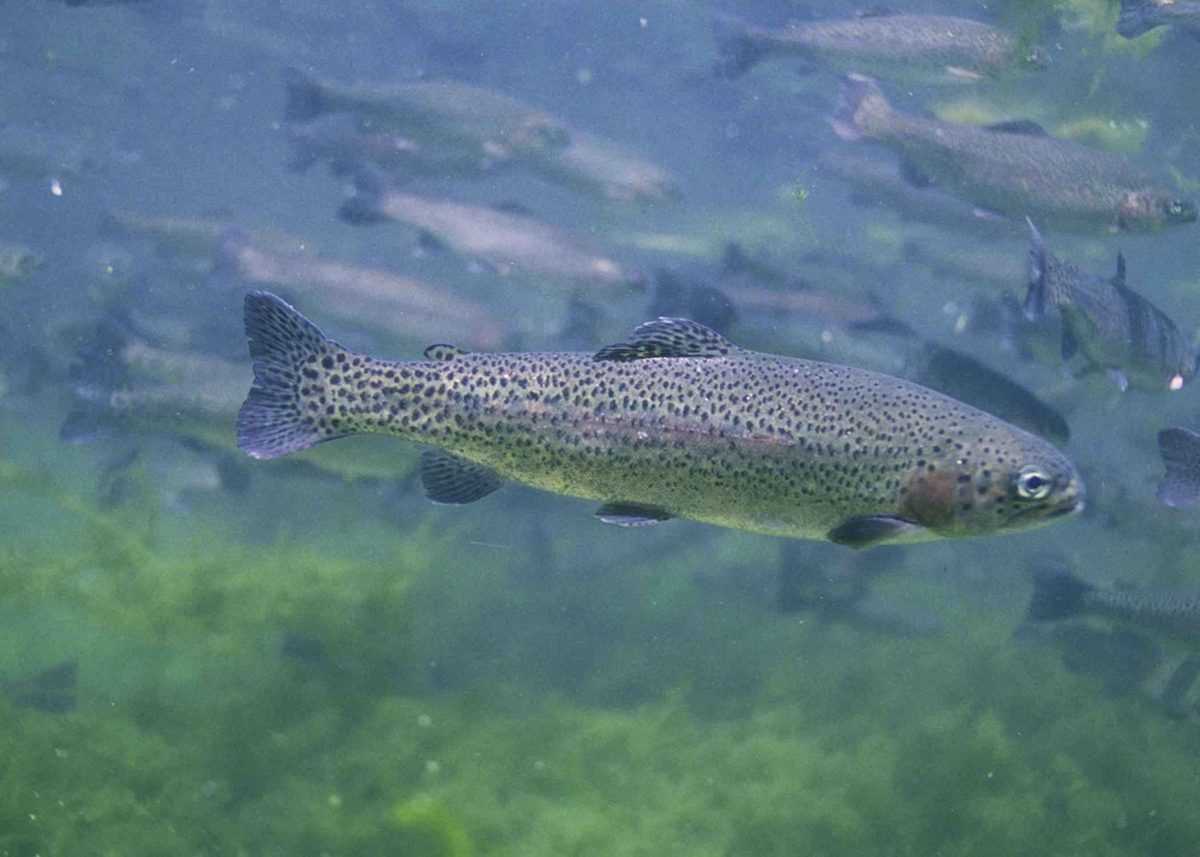
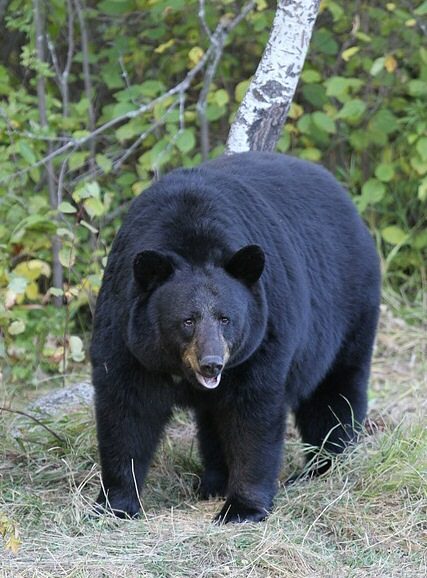
An Introduction to the Twenty Lakes Basin
The Twenty Lakes Basin, located just east of Yosemite National Park within the larger Sierra Nevada range, offers a pristine alpine environment accessible from the Saddlebag Lake Trailhead. This area is characterized by its numerous high-elevation lakes and rugged terrain. The Sierra Nevada is a significant mountain range in the Western United States, predominantly in California, spanning approximately 400 miles north-south. It is known for its dramatic landscapes, including notable features like Lake Tahoe and Mount Whitney, the highest point in the contiguous U.S. Formed over millions of years, the Sierra's granite mountains and cliffs were sculpted by ancient glaciers, creating a diverse ecosystem with various life zones. The Hoover Wilderness, home to the Twenty Lakes Basin, is part of this grand geological heritage, providing opportunities for both day hikes and extended backpacking trips into a truly wild setting. The region's natural beauty and relative inaccessibility have preserved much of its wilderness character.
Exploring Saddlebag Lake and Beyond
Saddlebag Lake serves as a primary access point for the Twenty Lakes Basin. It is a popular spot for day hikes, fishing, and serves as a gateway for backpackers venturing deeper into the wilderness. A loop trail circles Saddlebag Lake, offering opportunities for fishing and shorter excursions. Beyond the immediate vicinity of Saddlebag Lake, a network of trails extends into the Twenty Lakes Basin. Backpackers planning overnight stays must proceed past Saddlebag Lake, reaching Greenstone Lake or other areas deeper within the basin. Overnight camping is restricted near Saddlebag Lake itself, limited to the designated campground near the resort. The area is part of the larger Mono Basin Region, offering a remote high-country experience. Key destinations accessible from this trailhead include the Twenty Lakes Basin, as well as more distant peaks like Mt. Conness and North Peak, though these require careful planning and adherence to specific regulations.
Wilderness Regulations and Conservation
Operating within the Hoover Wilderness, visitors must adhere to specific regulations designed to protect the natural environment and ensure a sustainable wilderness experience. Important restrictions include a ban on campfires within the Twenty Lakes Basin and the Harvey Monroe Hall Natural Area, which encompasses Mt. Conness and North Peak and is designated for day use only. Camping is prohibited at numerous specific lakes, including Greenstone Lake (south side), Saddlebag Lake, Conness Lakes, Wasco, Alpine, Green Treble, Maul, Big Horn, Finger, Spuller, Fantail, and Shell Lakes, as well as near Bennettville or the Great Sierra Mine. Food, trash, and all scented items must be stored in bear-proof containers or properly counter-balanced to protect both wildlife and visitors. The area is also Sierra Nevada bighorn sheep habitat; visitors must not disturb this recovering species. These rules are crucial for preserving the delicate alpine ecosystem.
Getting to Hoover Wilderness: Twenty Lakes Basin Loop from Saddlebag Lake Trailhead
From Highway 395, turn onto Highway 120, then follow Tioga Pass Road towards Yosemite. Turn North onto a marked dirt road to Saddlebag Lake. The trailhead parking is a dirt lot at the end of this road, near the Saddlebag Lake campground and dam. During summer, a water taxi may be available from Saddlebag Lake Resort to the far end of the lake.
- Saddlebag Lake Trailhead
This trailhead provides access to the Saddlebag Lake loop and extends into the Twenty Lakes Basin. Parking is a dirt lot at the end of the road. A water taxi is available in summer to transport visitors to the far end of the lake, shortening the initial hike.
Seasonal conditions
| Season | Window | Conditions |
|---|---|---|
| Spring | Specific window not provided | Conditions are not specified, but the region is alpine, suggesting snowmelt and potentially muddy trails. |
| Summer | Specific window not provided | During the summer season, a water taxi operates on Saddlebag Lake. This suggests the area is generally accessible and popular during these months. |
| Fall | Specific window not provided | Conditions are not specified, but an alpine environment suggests colder temperatures and potential for early snow. |
| Winter | Specific window not provided | Conditions are not specified, but an alpine environment suggests heavy snow and difficult access. |
Permits, fees & closures
A wilderness permit is required year-round for all overnight trips. Day use does not require a permit. Confirm specific permit application processes, quotas, and reservation windows with Inyo National Forest.
Official source: Inyo National Forest | Saddlebag Lake Trail · Verified September 2, 2026
Hazards & regulations
- Untreated water sources
- Encounters with Sierra Nevada bighorn sheep
- Wildfire
- Lack of proper food storage attracting bears
- Challenging alpine terrain
What to pack for Hoover Wilderness: Twenty Lakes Basin Loop from Saddlebag Lake Trailhead
- Bear-proof food container or counter-balancing equipment
- Water treatment method
- Area map
- Guidebooks
- Awareness of fire restrictions
- First aid kit
Wildlife you may see
- Sierra Nevada bighorn sheep
- Bears
Hoover Wilderness: Twenty Lakes Basin Loop from Saddlebag Lake Trailhead FAQ
- Is a permit required for day hiking in the Twenty Lakes Basin?
- No, a permit is not required for day use in the Twenty Lakes Basin.
- Where can I camp overnight in the Twenty Lakes Basin area?
- Backpackers must go past the end of Saddlebag Lake, to Greenstone Lake or farther into the Twenty Lakes Basin area to stay overnight. Camping around Saddlebag Lake is limited to the campground near the resort. Specific lakes and areas are designated as 'no camping' zones.
- Are campfires allowed in the Twenty Lakes Basin?
- No, campfires are not allowed in the Twenty Lakes Basin or the Harvey Monroe Hall Natural Area.
- How should I store my food and scented items?
- Food, trash, and scented items must be stored in bear-proof containers or properly counter-balanced to prevent wildlife encounters.
- Is the water safe to drink from creeks and lakes?
- Water from creeks, lakes, and springs should be treated before drinking.
- What is the Harvey Monroe Hall Natural Area?
- The Harvey Monroe Hall Natural Area includes Mt. Conness and North Peak; this area is designated for day use only, with no camping or campfires allowed.