


Where on earth
Satellite imagery flying in from a world view to Joshua Tree National Park, United States. Use the + / − buttons, or click the map to zoom with your scroll wheel; drag to pan and pinch to zoom on touch.
- Region
- California, USA
- Country
- United States
- Biome
- Mojave + Colorado desert
- Best season
- October – April
- Difficulty
- moderate
- Backpacking
- Hiking
- Climbing
- Desert Hiking
- Canyoneering
Key takeaways
- Biome: Mojave + Colorado desert
- Best season: October – April
- Difficulty: moderate
- Top activity: hiking
Topic summary
Where the Mojave and Colorado deserts meet — Joshua trees, giant granite boulders, and world-class rock climbing.
Key takeaways
- Difficulty: moderate
- Best season: October – April
Intended uses
- hiking
- camping
- backpacking
Climate suitability
Mojave + Colorado desert
Verification notes
Last verified January 1, 1970.
Tools for a trip here
Picked for how, when and where you're going. Free, no signup.
- Sleep System Temp CalculatorCold nights: check your bag and pad add up to a safe sleep.
- Base Weight CalculatorEvery ounce is carried — total your kit and find your base weight.
- Pack Volume SizerSize the pack for your trip length and season.
- Water Purification MatrixTreat water from streams and lakes on trail.
- Layering CalculatorCold-season miles: layer for climbs and camp.
Plan with verified data
Joshua Tree National Park trip tools
How to get there
Plan arrival through a confirmed park entrance and check National Park Service directions and current conditions before departure. North Entrance Station and West Entrance Station are entrance-pass purchase locations; both accept credit or debit cards only.
- North Entrance Station
Park entrance station where entrance passes can be purchased. Payment is by credit or debit card only.
- West Entrance Station
Park entrance station offering entrance-pass purchases. Bring a credit or debit card rather than relying on cash.
- Cottonwood Visitor Center
Visitor-center stop where entrance passes can be purchased with cash or a credit/debit card.
Sources: nps.gov · Wikipedia · Wikivoyage. Confirm road and trailhead conditions with the managing agency before you leave.
Popular pursuits at Joshua Tree National Park
- Backpacking
Multi-day travel with everything on your back — see the packing blocks below.
- Hiking
Day miles on marked trail, with route notes and trail links below.
- Climbing
Rock and alpine lines with approach beta.
- Desert Hiking
Water carries and heat management drive the plan.
- Canyoneering
Narrows, downclimbs, and flash-flood timing.
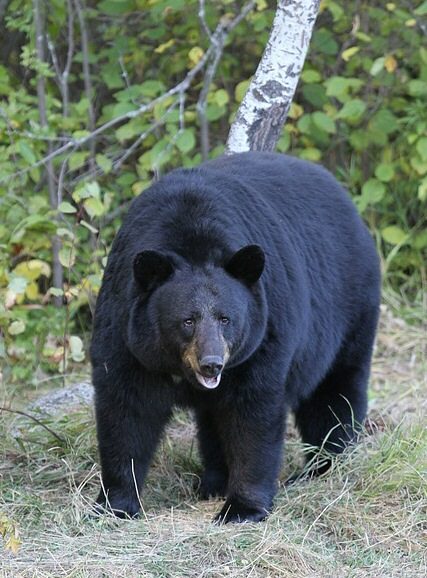
Animals around Joshua Tree National Park

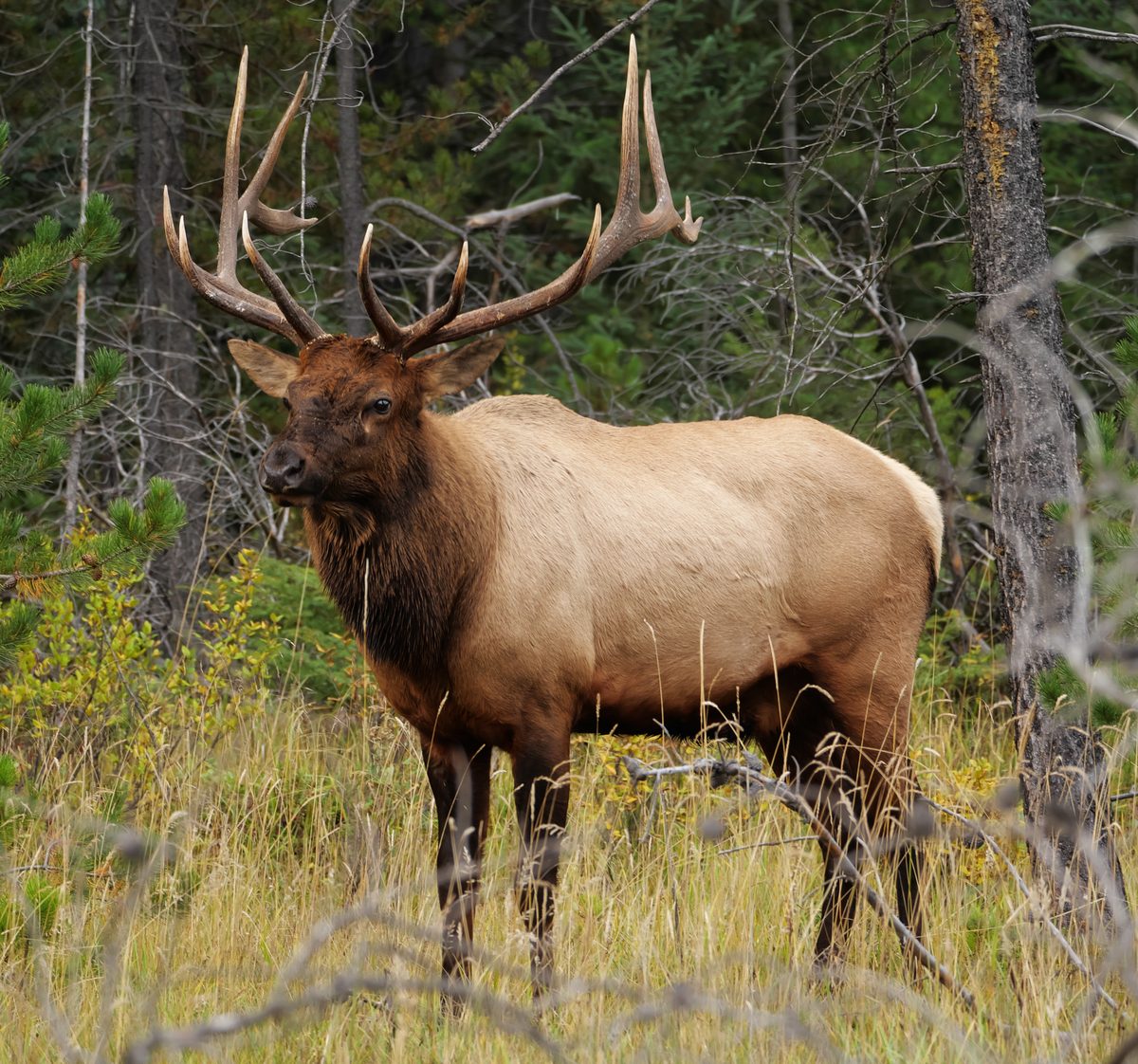
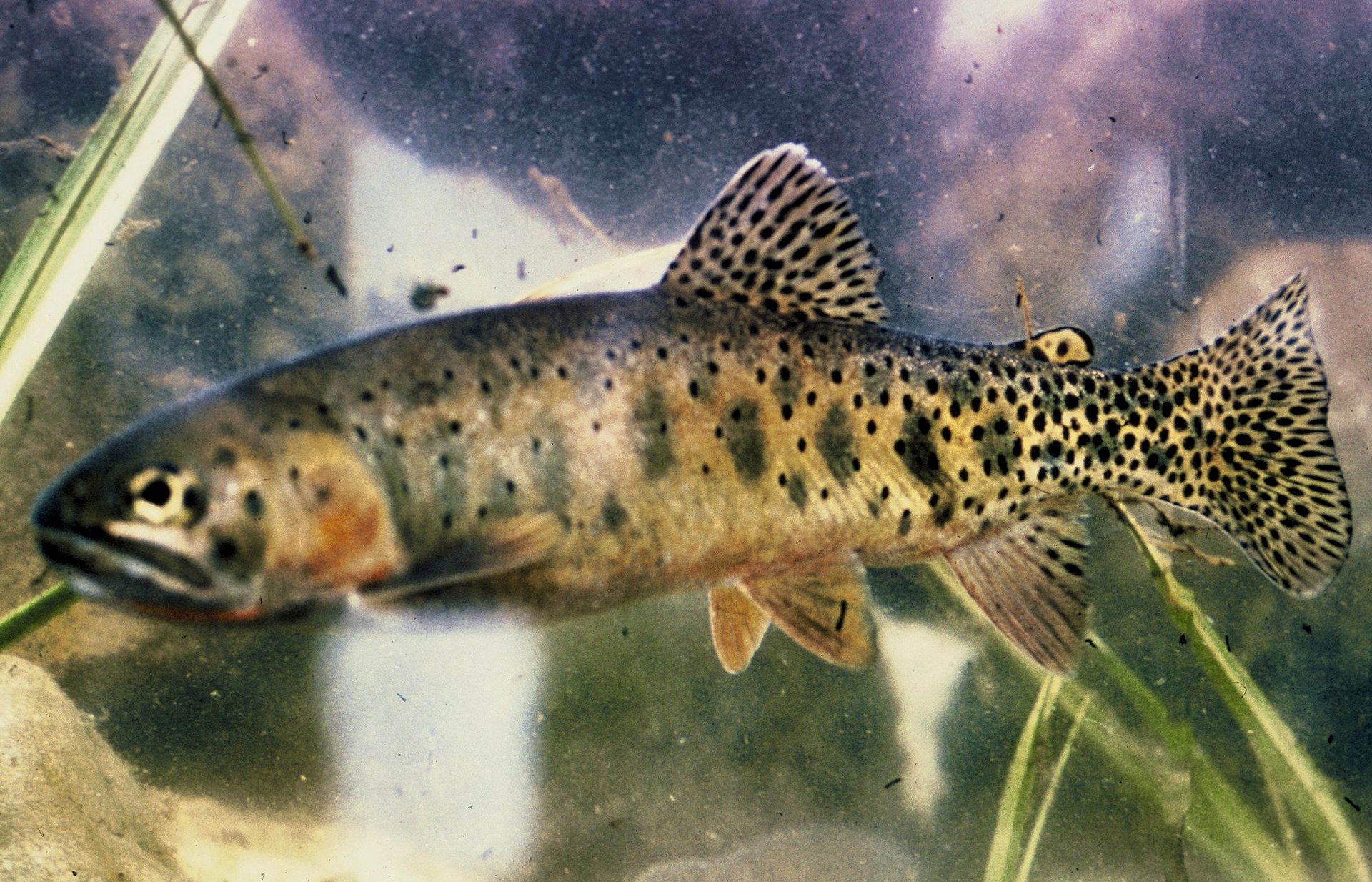

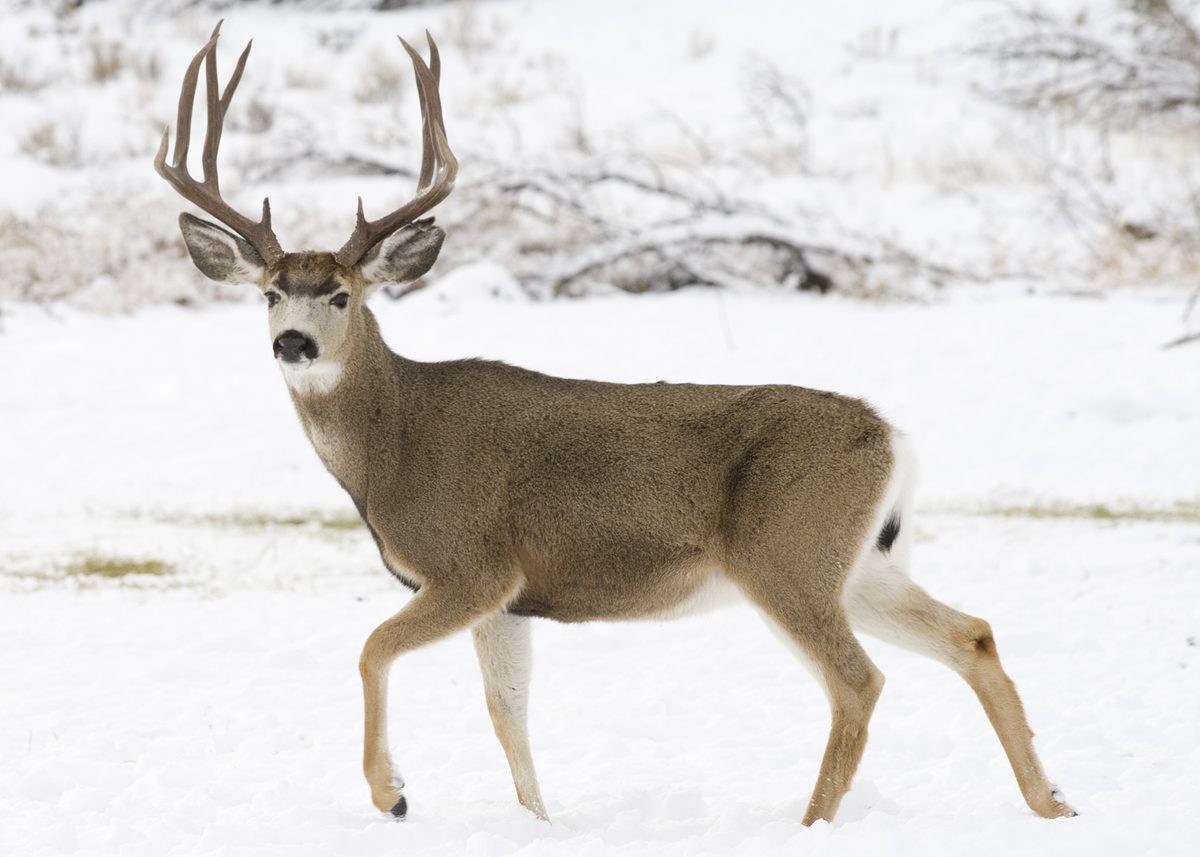
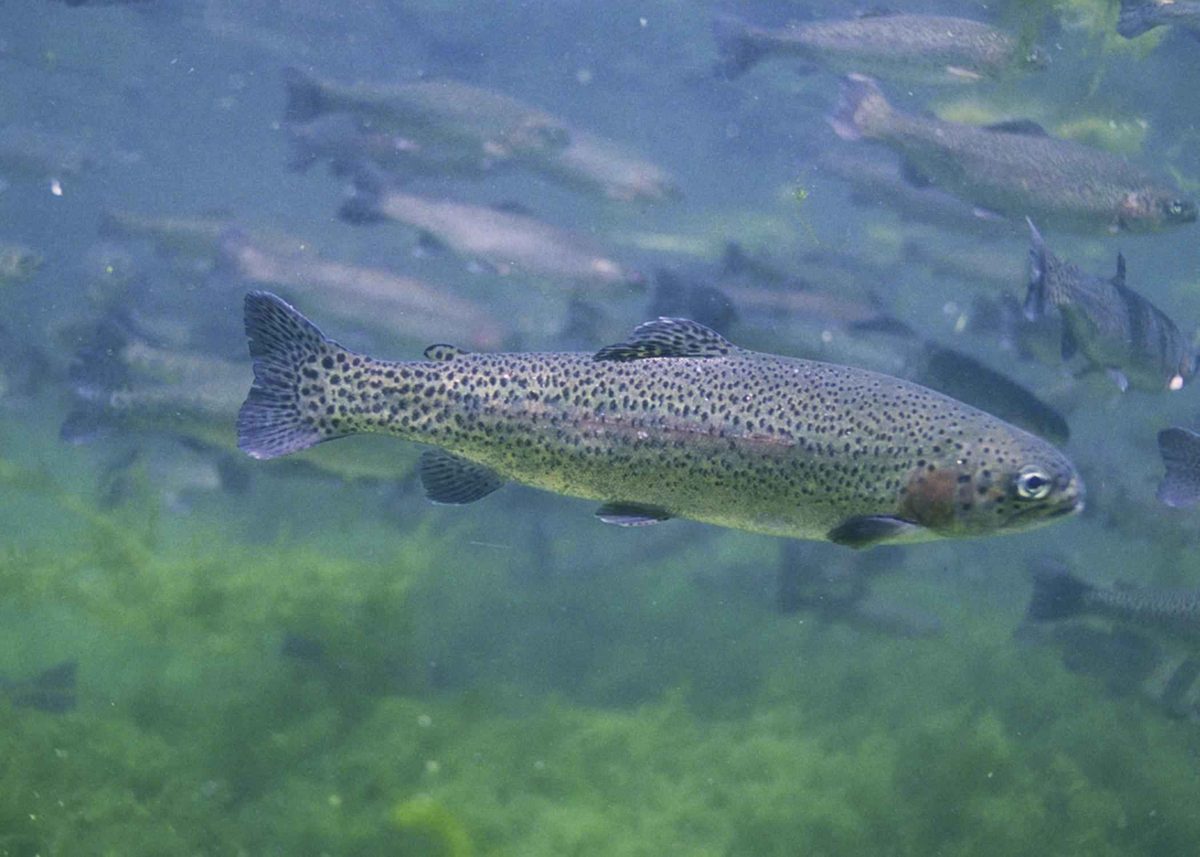

Maps, GPS & compass for this trip
Carry a waterproof paper map and a compass you can steer by, and treat the GPS as the backup — not the other way round. Buying links go to Amazon; Wild10 earns a commission at no cost to you.
Waterproof topo maps
- Waterproof topographic map — Joshua Tree National ParkAmazon search for waterproof, tear-resistant topo maps covering this area.
- National Geographic Trails IllustratedThe waterproof Trails Illustrated series — check for a sheet covering this area.
- Waterproof map case & compass lanyardKeep a paper map readable in rain, spray and a swamped boat.
Fishing at Joshua Tree National Park
Planning to fish Joshua Tree National Park, California? Fishing licenses, open seasons and catch limits in California are set by the local wildlife authority and change every year — check the official source before you cast a line.
Do I need a fishing license at Joshua Tree National Park?
- A California fishing license is normally required for anyone over the local youth age.
- Read the current California fishing regulations for special waters, barbless-hook or catch-and-release rules.
- Clean, drain and dry boats and gear between waters to stop invasive species.
- Joshua Tree National Park may add its own fishing rules on top of California law — check the managing agency too.
Hunting near Joshua Tree National Park
Thinking about hunting Joshua Tree National Park, California? Hunting seasons, tags and draws in California are set by the wildlife authority each year. Confirm the rules for your species and unit before you go.
Is hunting allowed at Joshua Tree National Park?
- Hunting is prohibited or heavily restricted in many national parks, wilderness and protected areas — confirm with the Joshua Tree National Park land manager before planning a hunt, and look to surrounding public land.
What do I need to hunt in California?
- A California hunting license — most jurisdictions also require hunter education certification.
- Species tags or draw results for big game such as deer, elk, moose or bear where they occur.
- Knowledge of firearm and bow transport rules, which differ by land type and border crossing.
Joshua trees and open desert grasslands
Joshua Tree National Park offers a place to look closely at the plant that gives the park its name. The Joshua tree, Yucca brevifolia, belongs to the yucca genus; despite names such as yucca palm, it is not a palm. Its native range extends across the arid southwestern United States and into northwestern Mexico, with most populations confined to the Mojave Desert. Within the park, Queen Valley and Lost Horse Valley support the trees in open grasslands. Those two areas provide a useful focus for a visit built around the park’s namesake vegetation. Rather than treating every stop as another landscape view, take time to notice the trees’ forms and their setting in the grassland. Keep viewing plans separate from assumptions about available trails or vehicle access.
Planning time outdoors
Build an outing around the demands of an arid, open landscape rather than a fixed list of stops. Carry drinking water, sun protection, and clothing suited to the forecast; do not depend on the presence of Joshua trees for reliable shade. In hot conditions, favor cooler parts of the day and keep walking ambitions conservative. Queen Valley and Lost Horse Valley are useful destination ideas for seeing Joshua trees, but an area name alone is not a trail plan. Confirm suitable access and walking options with the National Park Service before setting out. Check current park alerts before committing to a driving itinerary, too. Leave enough flexibility to shorten outdoor time when conditions make the original plan uncomfortable or unsafe.
Entrance passes and practical stops
An entrance pass is required for a visit. The private vehicle pass costs $30 and covers the passengers of one non-commercial vehicle for seven days, including the purchase day. Visitors entering on foot or by bicycle who are at least 16 need a $15 per-person pass, also valid for seven days; children under 16 do not need their own entrance pass. For repeat visits, the park annual pass costs $55 and is available to US citizens and residents. The park also honors America the Beautiful passes. North Entrance Station and West Entrance Station accept credit or debit cards only for pass purchases. Joshua Tree Visitor Center, Joshua Tree National Park Visitor Center, and Cottonwood Visitor Center accept cash or credit/debit cards.
Route options
- Queen Valley area visit
Focus a vegetation-viewing outing on the open grasslands where Joshua trees thrive. Confirm an appropriate access route and walking options with the National Park Service; this is an area-based outing, not a specified trail.
- Lost Horse Valley area visit
Choose this valley as another focus for seeing Joshua trees in open grasslands. Confirm access and a suitable itinerary before departure rather than assuming a particular trail or loop.
Sample itineraries
- Queen Valley Joshua Trees · 1 day
Start at Joshua Tree Visitor Center to confirm access and conditions, then focus on Queen Valley's open grasslands and Joshua trees. Keep outdoor time flexible around desert temperatures and carry water rather than assuming it will be available.
- Two Valleys, Two Days · 2 days
Spend one day exploring Queen Valley and another focused on Lost Horse Valley. Both support Joshua trees in open grasslands. Confirm access before setting out, choose outings suited to conditions, and arrange overnight accommodations separately.
Seasonal conditions
Spring
Spring
Plan for exposed desert outings with water and sun protection. Check temperatures before choosing how long to spend in Queen Valley or Lost Horse Valley; do not assume mild conditions throughout the day.
Summer
Summer
Treat heat as a central planning concern in this arid setting. Favor cooler parts of the day, shorten outings when necessary, and carry enough water for the full outing.
Fall
Fall
Use current forecasts rather than the season alone to judge comfortable outdoor hours. Desert sun and dry air still call for water, sun protection, and flexible plans.
Winter
Winter
Pack layers for cold conditions and check the forecast before departure. Cooler weather does not remove the need for water and sun protection in exposed grasslands.
| Season | Window | Conditions |
|---|---|---|
| Spring | Spring | Plan for exposed desert outings with water and sun protection. Check temperatures before choosing how long to spend in Queen Valley or Lost Horse Valley; do not assume mild conditions throughout the day. |
| Summer | Summer | Treat heat as a central planning concern in this arid setting. Favor cooler parts of the day, shorten outings when necessary, and carry enough water for the full outing. |
| Fall | Fall | Use current forecasts rather than the season alone to judge comfortable outdoor hours. Desert sun and dry air still call for water, sun protection, and flexible plans. |
| Winter | Winter | Pack layers for cold conditions and check the forecast before departure. Cooler weather does not remove the need for water and sun protection in exposed grasslands. |
Permits, fees & closures
An entrance pass is required. A vehicle pass covers its passengers, and qualifying federal interagency passes are honored. Confirm activity-specific permit requirements with the National Park Service.
Fees: Seven-day entrance: $30 per private non-commercial vehicle; $25 for up to two private non-commercial motorcycles with four total passengers; $15 per person entering on foot or bicycle, age 16 or older. The Joshua Tree annual pass costs $55 and is available to US citizens and residents.
Official source: Fees & Passes - Joshua Tree National Park (U.S. National Park Service) · Verified October 18, 2026
Hazards & regulations
- Desert heat can make exposed outings demanding. Adjust activity to the forecast and turn back before heat becomes difficult to manage.
- Dry conditions increase the importance of carrying water. Do not plan an outing around unconfirmed water sources.
- Open grasslands offer exposure to direct sun. Carry sun protection even when temperatures feel comfortable.
- Cold conditions can affect comfort and safety. Carry layers rather than relying on daytime warmth.
What to pack for Joshua Tree National Park
- Water for the entire outing
- Extra drinking water
- Snacks
- Sun hat
- Sunscreen
- Sunglasses
- Lightweight covering clothing
- Warm layers
- Park map
- Entrance pass
- Photo identification when using an interagency pass
- Credit or debit card for entrance-station purchases
Joshua Tree National Park FAQ
- Where can Joshua trees be seen in the park?
- Joshua trees thrive in the open grasslands of Queen Valley and Lost Horse Valley. Confirm current access before planning an outing.
- Is a Joshua tree a palm?
- No. Despite common names such as yucca palm, the Joshua tree is Yucca brevifolia, a species in the genus Yucca associated primarily with the Mojave Desert.
- Does each passenger need an entrance pass?
- No. A private vehicle entrance pass covers everyone riding in that vehicle. People entering on foot or bicycle need individual passes if they are at least 16 years old.
- Where can an entrance pass be purchased?
- Purchase locations include Joshua Tree Visitor Center, Joshua Tree National Park Visitor Center, Cottonwood Visitor Center, North Entrance Station, and West Entrance Station. The listed visitor centers accept cash or cards; North and West entrance stations accept credit or debit cards only.
- Does an America the Beautiful pass cover entry?
- Yes. Joshua Tree honors America the Beautiful passes. Passholders must show valid photo identification with the pass.
- How long is the private vehicle pass valid?
- The $30 private vehicle pass admits a single non-commercial vehicle and its passengers on the purchase day and the following six days.