


Where on earth
Satellite imagery flying in from a world view to Petrified Forest National Park, United States. Use the + / − buttons, or click the map to zoom with your scroll wheel; drag to pan and pinch to zoom on touch.
- Region
- Arizona, USA
- Country
- United States
- Biome
- Painted Desert badlands
- Best season
- October – April
- Difficulty
- moderate
- Backpacking
- Hiking
- Desert Hiking
- Canyoneering
- Wildlife Viewing
Key takeaways
- Biome: Painted Desert badlands
- Best season: October – April
- Difficulty: moderate
- Top activity: hiking
Topic summary
Rainbow petrified wood scattered across painted badlands along Route 66 — 225-million-year-old logs turned to stone.
Key takeaways
- Difficulty: moderate
- Best season: October – April
Intended uses
- hiking
- camping
- backpacking
Climate suitability
Painted Desert badlands
Verification notes
Last verified January 1, 1970.
Tools for a trip here
Picked for how, when and where you're going. Free, no signup.
- Sleep System Temp CalculatorCold nights: check your bag and pad add up to a safe sleep.
- Base Weight CalculatorEvery ounce is carried — total your kit and find your base weight.
- Pack Volume SizerSize the pack for your trip length and season.
- Water Purification MatrixTreat water from streams and lakes on trail.
- Layering CalculatorCold-season miles: layer for climbs and camp.
Plan with verified data
Petrified Forest National Park trip tools
How to get there
Petrified Forest National Park is in northeastern Arizona. Park headquarters is about 26 miles east of Holbrook along Interstate 40. Interstate 40 and historic U.S. Route 66 cross the park roughly east–west; confirm entrance directions with the National Park Service before travel.
- Interstate 40 corridor
Interstate 40 crosses the park roughly east–west and provides the main geographic reference for approaching from Holbrook. Confirm the appropriate park entrance before leaving the highway.
- Park headquarters
Headquarters is located about 26 miles east of Holbrook along Interstate 40. Use it as an orientation point when planning arrival, rather than assuming it is a wilderness trailhead.
Sources: nps.gov · Wikipedia · Wikivoyage. Confirm road and trailhead conditions with the managing agency before you leave.
Popular pursuits at Petrified Forest National Park
- Backpacking
Multi-day travel with everything on your back — see the packing blocks below.
- Hiking
Day miles on marked trail, with route notes and trail links below.
- Desert Hiking
Water carries and heat management drive the plan.
- Canyoneering
Narrows, downclimbs, and flash-flood timing.
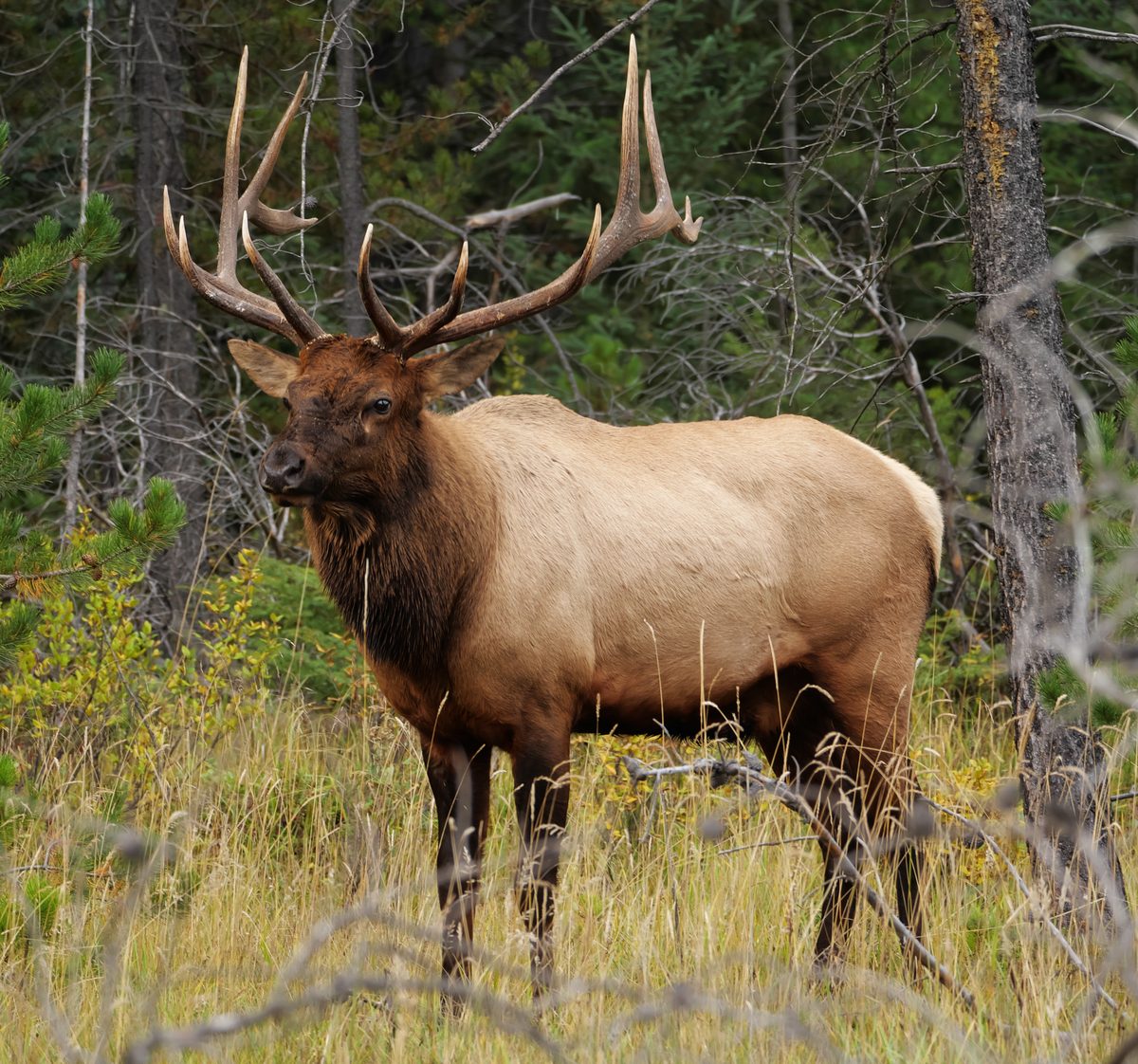
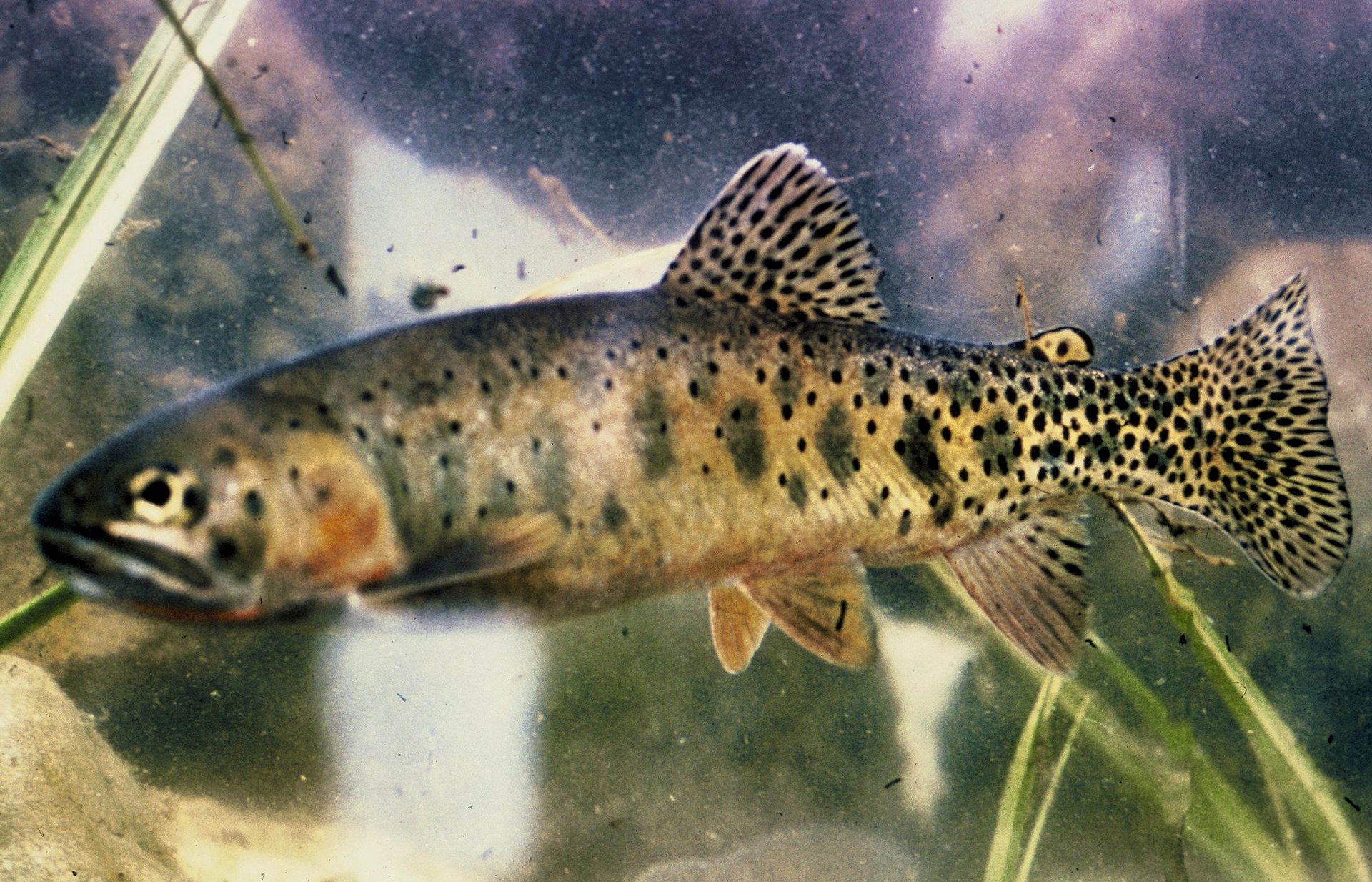
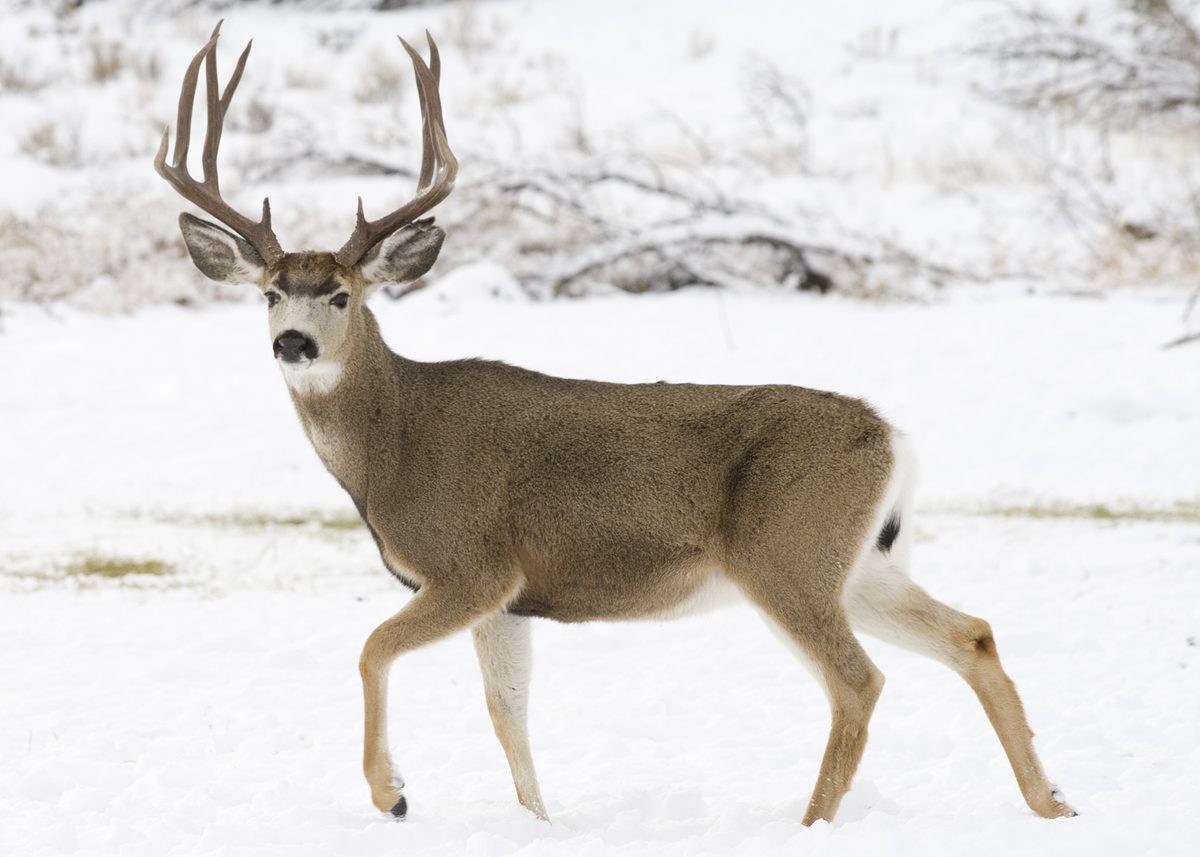
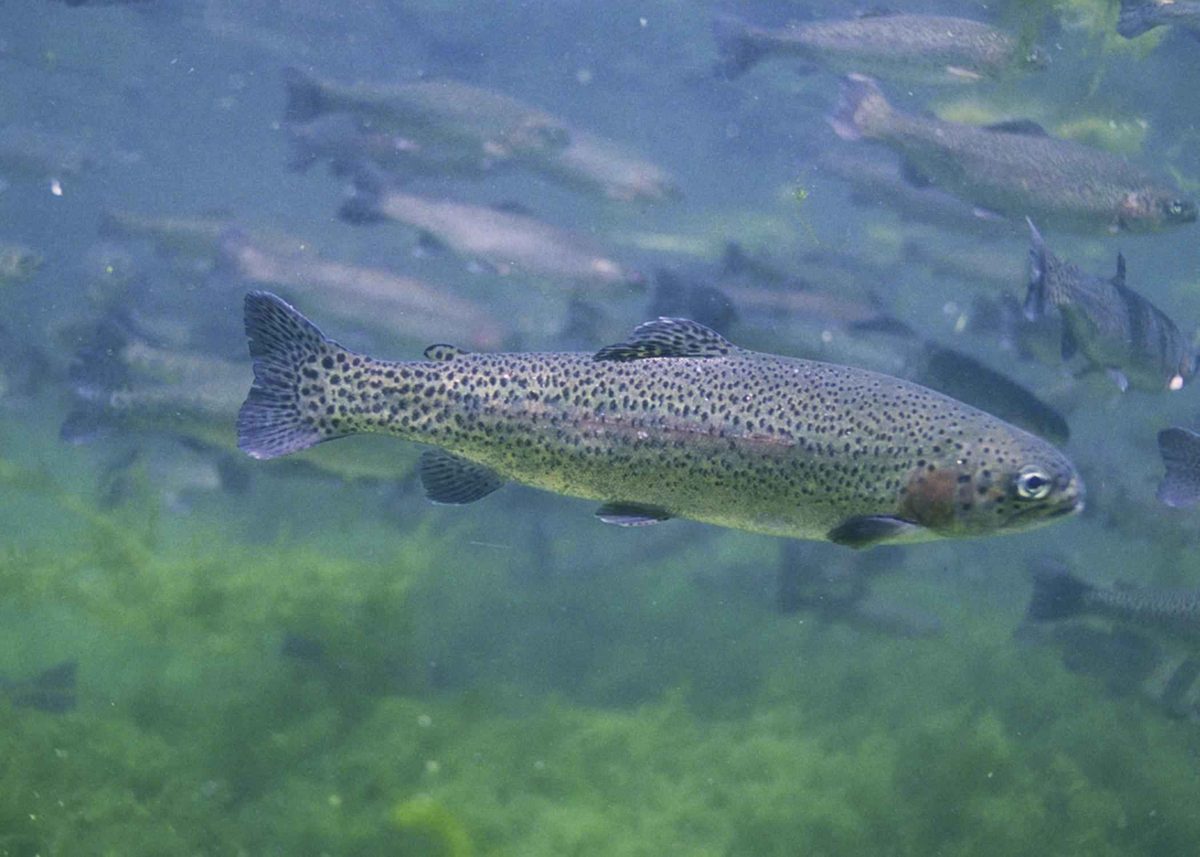
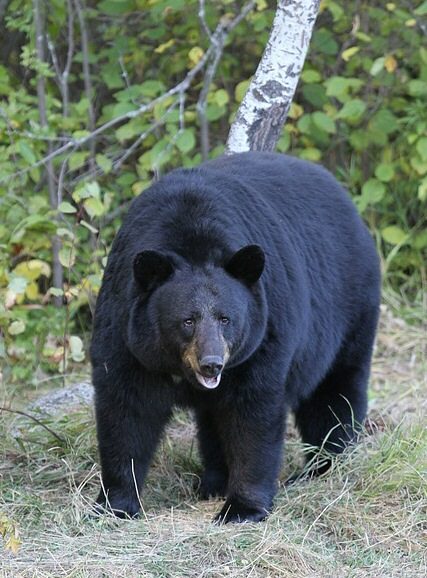
Animals around Petrified Forest National Park



Maps, GPS & compass for this trip
Carry a waterproof paper map and a compass you can steer by, and treat the GPS as the backup — not the other way round. Buying links go to Amazon; Wild10 earns a commission at no cost to you.
Waterproof topo maps
- Waterproof topographic map — Petrified Forest National ParkAmazon search for waterproof, tear-resistant topo maps covering this area.
- National Geographic Trails IllustratedThe waterproof Trails Illustrated series — check for a sheet covering this area.
- Waterproof map case & compass lanyardKeep a paper map readable in rain, spray and a swamped boat.
Fishing at Petrified Forest National Park
Planning to fish Petrified Forest National Park, Arizona? Fishing licenses, open seasons and catch limits in Arizona are set by the local wildlife authority and change every year — check the official source before you cast a line.
Do I need a fishing license at Petrified Forest National Park?
- A Arizona fishing license is normally required for anyone over the local youth age.
- Read the current Arizona fishing regulations for special waters, barbless-hook or catch-and-release rules.
- Clean, drain and dry boats and gear between waters to stop invasive species.
- Petrified Forest National Park may add its own fishing rules on top of Arizona law — check the managing agency too.
Hunting near Petrified Forest National Park
Thinking about hunting Petrified Forest National Park, Arizona? Hunting seasons, tags and draws in Arizona are set by the wildlife authority each year. Confirm the rules for your species and unit before you go.
Is hunting allowed at Petrified Forest National Park?
- Hunting is prohibited or heavily restricted in many national parks, wilderness and protected areas — confirm with the Petrified Forest National Park land manager before planning a hunt, and look to surrounding public land.
What do I need to hunt in Arizona?
- A Arizona hunting license — most jurisdictions also require hunter education certification.
- Species tags or draw results for big game such as deer, elk, moose or bear where they occur.
- Knowledge of firearm and bow transport rules, which differ by land type and border crossing.
Petrified wood and Painted Desert badlands
Petrified Forest National Park occupies northeastern Arizona’s Navajo and Apache counties, protecting large deposits of petrified wood alongside semi-desert shrub steppe and deeply eroded, colorful badlands. Its northern portion extends into the Painted Desert. The fossil logs came from trees that lived about 225 million years ago during the Late Triassic Epoch; they lie in the colorful sediments of the Chinle Formation. Fossils of ferns, cycads, ginkgoes, early dinosaurs, large amphibians, and phytosaurs add to the picture of that ancient landscape. Plan a visit around looking closely rather than simply covering ground: the wood, sediment layers, and erosion patterns tell different parts of the park’s story. Leave petrified wood and other fossils where they lie. Removal has damaged this landscape in the past, and theft remains a problem.
Planning for an exposed, high-desert landscape
The park averages about 5,400 feet in elevation and has a dry, windy climate. Summer highs can reach about 100°F, while winter lows fall well below freezing. Those conditions call for drinking water, sun protection, and clothing that can handle wind and substantial temperature changes. Match the length of an outing to the weather rather than assuming a desert walk will be mild. The landscape is not barren: more than 400 plant species grow here, with grasses including bunchgrass, blue grama, and sacaton prominent in the vegetation. Pronghorns, coyotes, bobcats, snakes, and lizards inhabit the park, and more than 200 bird species have been recorded. Give wildlife space and carry binoculars if watching birds or scanning the shrub steppe is part of the plan.
Ancestral places and overnight travel
More than 1,000 archaeological sites, including petroglyphs, have been identified in the park. Human history here reaches back about 13,000 years, and later Ancestral Pueblo communities farmed corn and built pit houses, masonry pueblos, and great kivas. These ancestral places remain important to descendant communities, including those on the Hopi Mesas and at the Pueblo of Zuni. Treat archaeological remains as places to observe without disturbing. For overnight visitors, the park allows stays only by backpacking or hiking into the designated Petrified Forest National Wilderness Area. This is a different undertaking from a roadside visit: prepare for self-sufficient travel in dry, windy country with strong temperature extremes. Confirm backcountry camping permit requirements and trip details with the National Park Service before setting out.
Route options
- Northern park: Painted Desert exploration
Focus a daytime outing on the northern portion of the park, which extends into the Painted Desert, with attention to colorful badlands and exposed sediment layers. This is an area-based outing rather than a specified trail; confirm walking options locally.
- Petrified Forest National Wilderness Area backpacking
Plan a hiking or backpacking trip into the designated wilderness for an overnight stay, the only form of overnight accommodation allowed in the park. Confirm backcountry camping permit requirements and an appropriate access route with the National Park Service, and prepare for dry, windy conditions and temperature extremes.
Sample itineraries
- Petrified Wood and Painted Desert · 1 day
Divide a day between the park’s petrified wood deposits and its northern Painted Desert landscape. Focus on fossil logs, colorful Chinle Formation sediments, and eroded badlands. Adjust walking plans to wind and temperature rather than trying to cover everything.
- Two Days of Geology and Human History · 2 days
Spend the first day exploring petrified wood and the park’s Late Triassic story. Use the second for Painted Desert scenery and learning about ancestral Pueblo communities and their continuing connections to this landscape. Stay outside the park unless undertaking a permitted wilderness backpack.
- Wilderness Overnight · 2 days
After confirming backcountry permit arrangements with the park, hike into the designated Petrified Forest National Wilderness Area for an overnight trip. Plan conservatively for dry, windy conditions, carry water and navigation equipment, and hike out the following day.
Seasonal conditions
Spring
Spring
Prepare for the park’s dry, windy climate. Check the forecast before choosing walking distances, and carry layers and sun protection across the exposed shrub steppe and badlands.
Summer
Summer
High temperatures can reach about 100 °F (38 °C). Favor cooler parts of the day for walking, carry ample water, and shorten outings when heat makes travel strenuous.
Fall
Fall
Use the current forecast rather than assuming mild conditions. The park averages about 5,400 feet in elevation and has a dry, windy climate; pack layers and maintain a conservative water plan.
Winter
Winter
Lows can fall well below freezing. Carry insulating layers and wind protection, and assess overnight temperatures carefully before planning a wilderness backpack.
| Season | Window | Conditions |
|---|---|---|
| Spring | Spring | Prepare for the park’s dry, windy climate. Check the forecast before choosing walking distances, and carry layers and sun protection across the exposed shrub steppe and badlands. |
| Summer | Summer | High temperatures can reach about 100 °F (38 °C). Favor cooler parts of the day for walking, carry ample water, and shorten outings when heat makes travel strenuous. |
| Fall | Fall | Use the current forecast rather than assuming mild conditions. The park averages about 5,400 feet in elevation and has a dry, windy climate; pack layers and maintain a conservative water plan. |
| Winter | Winter | Lows can fall well below freezing. Carry insulating layers and wind protection, and assess overnight temperatures carefully before planning a wilderness backpack. |
Permits, fees & closures
Backcountry camping permits apply to overnight trips. Overnight stays in the park are allowed only by backpacking or hiking into the designated Petrified Forest National Wilderness Area. Confirm application arrangements with the National Park Service.
Official source: Permits & Reservations - Petrified Forest · Verified October 18, 2026
Hazards & regulations
- Summer heat can reach about 100 °F (38 °C). Reduce exertion and carry enough water for the full outing.
- Dry, windy conditions increase exposure and water needs. Bring wind protection and do not rely on finding drinking water while hiking.
- Winter temperatures can fall well below freezing. Overnight trips require insulation suited to the forecast.
- Highly eroded badlands call for careful footing and conservative route choices, especially when carrying an overnight pack.
What to pack for Petrified Forest National Park
- Water sufficient for the planned outing
- Sun hat
- Sunscreen
- Sunglasses
- Wind-resistant outer layer
- Insulating layers matched to the forecast
- Sturdy walking footwear
- Map and navigation equipment
- Shelter suitable for wind
- Sleeping system suited to forecast temperatures
- Food, headlamp, and first-aid supplies
Wildlife you may see
- Pronghorns
- Coyotes
- Bobcats
- Deer mice
- Snakes
- Lizards
- Seven kinds of amphibians
- More than 200 bird species, including residents and migrants
Petrified Forest National Park FAQ
- Where is Petrified Forest National Park?
- The park is in northeastern Arizona, in Navajo and Apache counties. Its headquarters is about 26 miles east of Holbrook along Interstate 40. The northern portion extends into the Painted Desert.
- What makes the petrified wood significant?
- The fossil logs come from trees that lived about 225 million years ago during the Late Triassic. Their surrounding sediments belong to the colorful Chinle Formation. The park also preserves fossils of other plants, giant reptiles, amphibians, and early dinosaurs.
- Can visitors stay overnight inside the park?
- Only by backpacking or hiking into the designated Petrified Forest National Wilderness Area. Check backcountry camping permit arrangements with the park before planning an overnight stay.
- What human history does the park preserve?
- More than 1,000 archaeological sites, including petroglyphs, record a long human history. Ancestral Pueblo communities farmed and built homes here. These ancestral places remain important to descendant communities, including those at the Hopi Mesas and Pueblo of Zuni.
- Should visitors take petrified wood home?
- Leave petrified wood where it lies. Fossil removal has damaged the park’s resources, and theft remains a problem. Photograph finds without moving them.
- Is this a low-elevation desert trip?
- No. The park averages about 5,400 feet in elevation. Its semi-desert shrub steppe and badlands experience summer heat, persistent exposure to dry and windy conditions, and winter lows well below freezing.