



- Region
- WI, USA
- Country
- United States
- Best for
- hiking
- Best season
- Spring, Summer
- Permits
- Confirm wilderness permit requirements wit…
- Managed by
- United States Forest Service, Chequamegon-Nicolet National Forest, Washburn Ranger District
Plan with verified data
Rainbow Lake Wilderness trip tools
Tools for a trip here
Picked for how, when and where you're going. Free, no signup.
Photos of Rainbow Lake Wilderness
How to get there
Rainbow Lake Wilderness is four miles north of Drummond in Bayfield County, Wisconsin. Forest Service roads border the wilderness. Confirm road approaches, trail entry locations, current conditions, and any permit requirements with the Washburn Ranger District at 715-373-2667 before traveling.
- North Country National Scenic Trail
A cross-wilderness access corridor that follows portions of former logging railroad grades and passes close to Rainbow Lake. Confirm the appropriate road approach and entry location with the Washburn Ranger District.
- Anderson Grade Trail
An east–west access corridor following portions of old railroad grades. It is the wilderness's only maintained pathway besides the North Country National Scenic Trail; confirm its road approach before setting out.
Sources: fs.usda.gov · University of Montana / federal agency partners · Wilderness Connect / federal wilderness boundary inventory · Wikipedia. Confirm road and trailhead conditions with the managing agency before you leave.
WI, USA · United States
- Canoeing
- Kayaking
- Hunting
- Winter Camping
- Skiing
- Hiking
- Wildlife Viewing
- Backpacking
Forest, lakes, and old railroad grades
Rainbow Lake Wilderness lies in Bayfield County in northern Wisconsin, four miles north of Drummond within the Chequamegon-Nicolet National Forest. Designated in 1975, it was among the first eastern wilderness areas. Northern hardwoods, balsam fir, pine, and paper birch cover mostly flat to gently rolling ground, interrupted by some steep hills, lakes, and bogs. Narrow-gauge railroad grades left from early-1900s logging still shape travel here: both maintained trails follow portions of those grades. The North Country National Scenic Trail crosses the wilderness, while Anderson Grade provides an east–west route. This is a destination for woodland walking, lake fishing, and low-impact overnight trips rather than developed recreation. Although Forest Service roads surround the wilderness, travel inside requires a detailed map, a compass, and preparation for changing weather.
Walking, fishing, and watching wildlife
The North Country National Scenic Trail offers slightly more than six miles of walking through the wilderness and passes close to Rainbow Lake. Anderson Grade, the only other maintained pathway, crosses east to west for about four miles. Hiking is generally relatively easy, but the occasional steep hill and the need to navigate lake approaches deserve attention. Rainbow Lake, fifteen other lakes, and nine small ponds provide fishing opportunities; panfish are a particular draw. Canoeists also visit the lakes, but boats and equipment cannot be transported with wheeled devices inside the wilderness. Bring binoculars for waterfowl on Reynard and Wishbone Lakes, along with loons, bald eagles, and woodland birds. Spring and fall bring migrating birds, while winter snow draws cross-country skiers. Deer, black bears, red foxes, and coyotes inhabit the forest.
Backcountry preparation and camping rules
There is no potable water at the site. Carry safe drinking water and properly treat any water collected from lakes or streams. Pack bug repellent from spring through fall, check regularly for ticks that can carry Lyme disease, and bring a first-aid kit. Hypothermia is possible in any season, so carry weather protection and leave travel plans with someone. Store food securely away from animals and never keep it in a tent. Camping within 200 feet of water or the North Country National Scenic Trail is prohibited, and stays are limited to 14 consecutive days. Use a portable stove to reduce campfire impacts, pack out trash, and avoid altering campsites. Motorized and mechanized equipment, including bicycles and canoe carts, is prohibited. Wisconsin fishing and hunting regulations and license requirements apply.
Where on earth
Satellite imagery flying in from a world view to Rainbow Lake Wilderness, United States. Use the + / − buttons, or click the map to zoom with your scroll wheel; drag to pan and pinch to zoom on touch.
Coordinates
- Decimal degrees
- 46.4158, -91.2993
- Latitude (DMS)
- 46° 24′ 56.9″ N
- Longitude (DMS)
- 91° 17′ 57.4″ W
Coordinates are an access-point reference for Rainbow Lake Wilderness, not a route. Carry a paper map and confirm trailhead or put-in access with the managing agency before you go.
Topic summary
Slightly more than six miles of the North Country National Scenic Trail cross this Wilderness from northwest to southeast, passing close to Rainbow Lake itself. Anderson Grade is the only other maintained...
Key takeaways
- Region: WI, USA
- Country: United States
- Good for: hiking
- Coordinates: 46.416, -91.299
Intended uses
hiking
Keep planning
Popular pursuits at Rainbow Lake Wilderness
- Canoeing
Paddle routes, portages, and put-ins.
- Kayaking
Sheltered and open-water paddling lines.
- Hunting
Seasons, tags, and the units that hold animals.
- Winter Camping
Cold-season travel and camp craft; layering matters more than mileage.
- Skiing
Ski-touring access when the road closes for the season.
- Hiking
Day miles on marked trail, with route notes and trail links below.
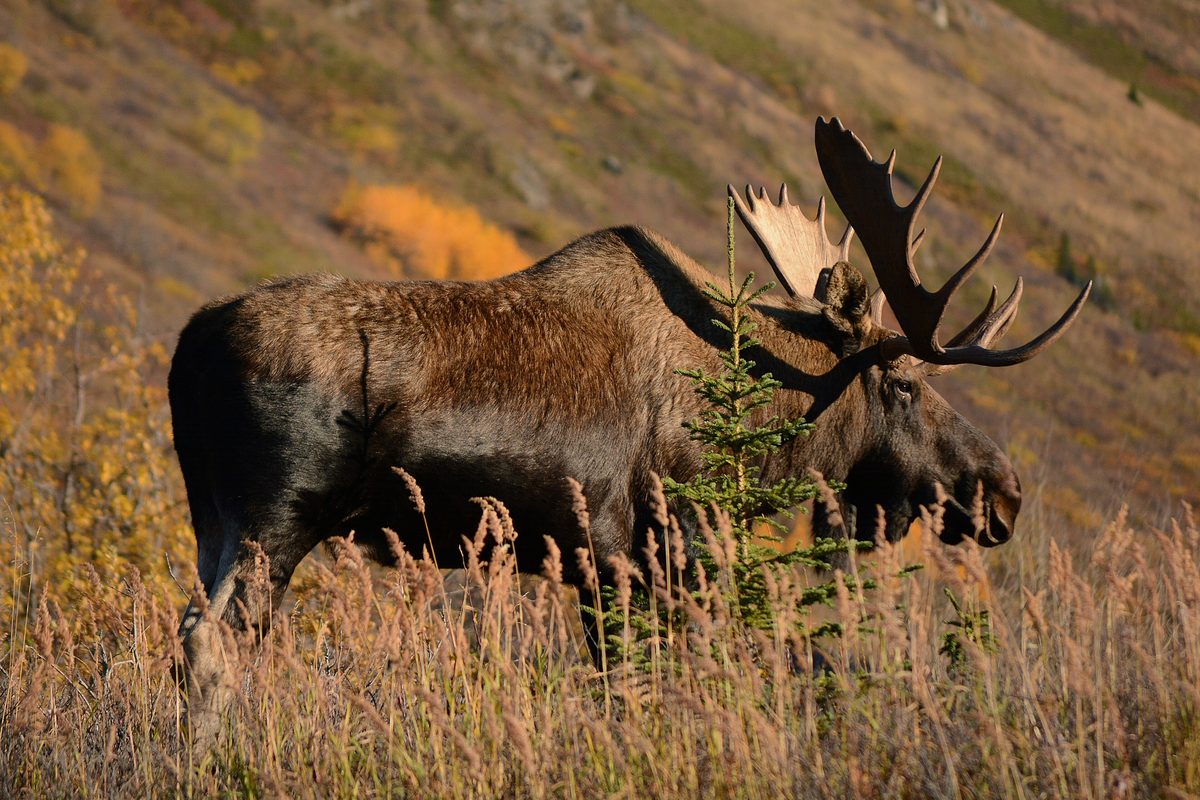
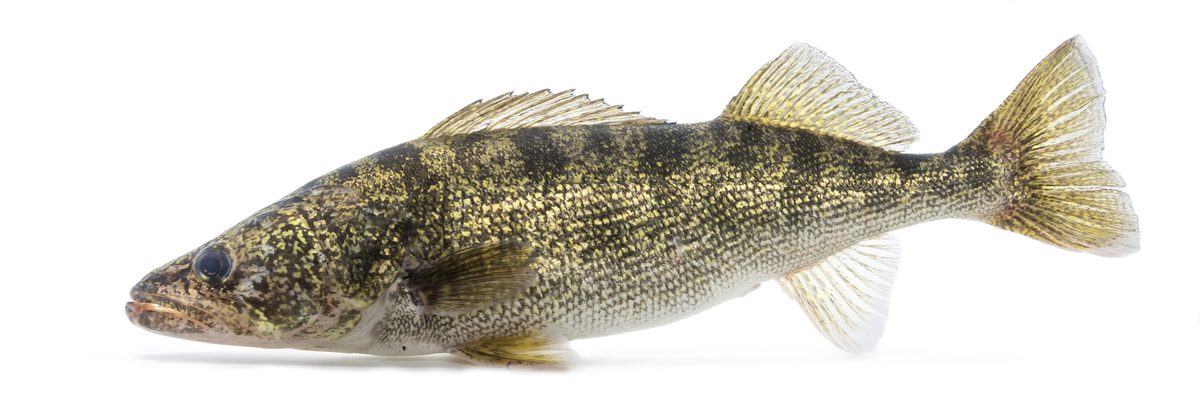
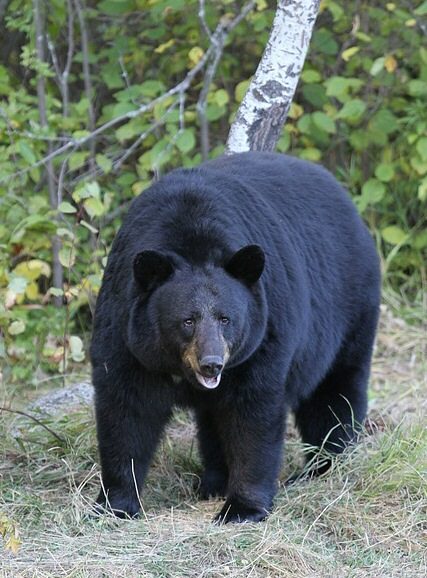
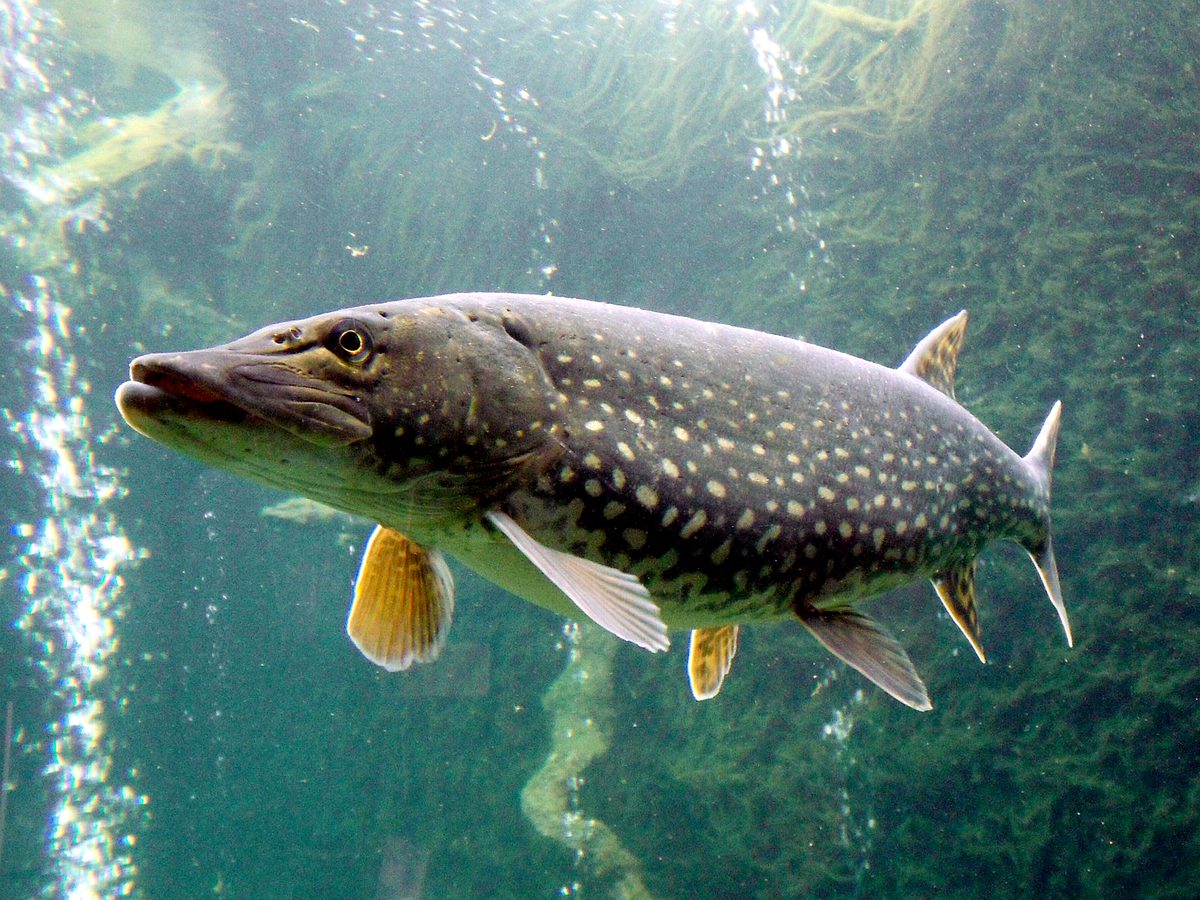
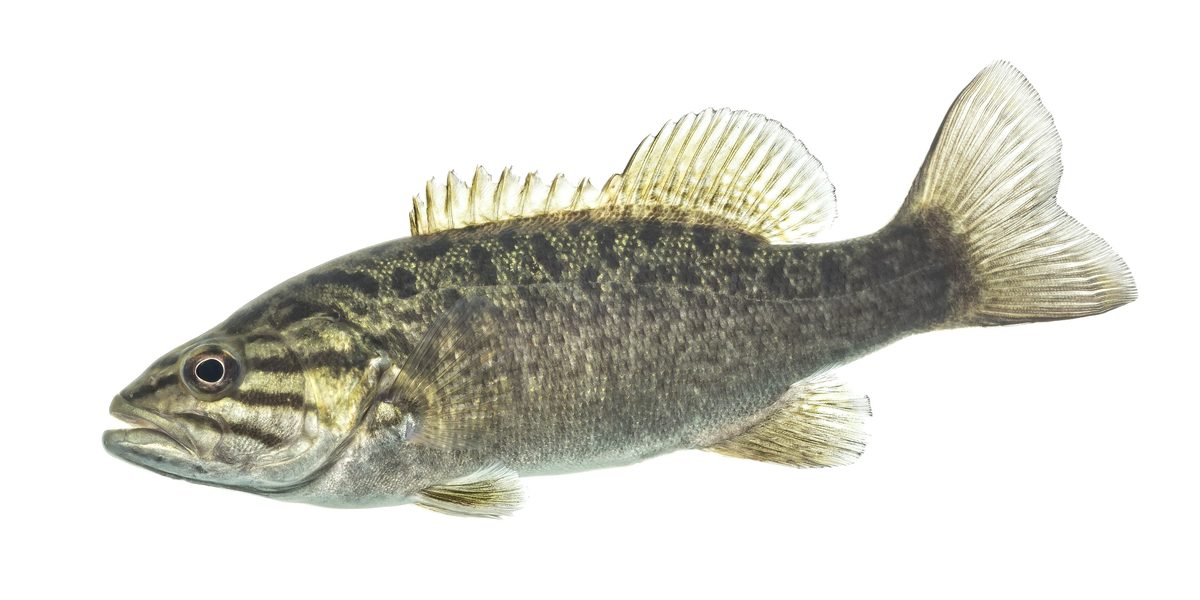
Animals around Rainbow Lake Wilderness
Forest, lakes, and old railroad grades
Rainbow Lake Wilderness lies in Bayfield County in northern Wisconsin, four miles north of Drummond within the Chequamegon-Nicolet National Forest. Designated in 1975, it was among the first eastern wilderness areas. Northern hardwoods, balsam fir, pine, and paper birch cover mostly flat to gently rolling ground, interrupted by some steep hills, lakes, and bogs. Narrow-gauge railroad grades left from early-1900s logging still shape travel here: both maintained trails follow portions of those grades. The North Country National Scenic Trail crosses the wilderness, while Anderson Grade provides an east–west route. This is a destination for woodland walking, lake fishing, and low-impact overnight trips rather than developed recreation. Although Forest Service roads surround the wilderness, travel inside requires a detailed map, a compass, and preparation for changing weather.
Walking, fishing, and watching wildlife
The North Country National Scenic Trail offers slightly more than six miles of walking through the wilderness and passes close to Rainbow Lake. Anderson Grade, the only other maintained pathway, crosses east to west for about four miles. Hiking is generally relatively easy, but the occasional steep hill and the need to navigate lake approaches deserve attention. Rainbow Lake, fifteen other lakes, and nine small ponds provide fishing opportunities; panfish are a particular draw. Canoeists also visit the lakes, but boats and equipment cannot be transported with wheeled devices inside the wilderness. Bring binoculars for waterfowl on Reynard and Wishbone Lakes, along with loons, bald eagles, and woodland birds. Spring and fall bring migrating birds, while winter snow draws cross-country skiers. Deer, black bears, red foxes, and coyotes inhabit the forest.
Backcountry preparation and camping rules
There is no potable water at the site. Carry safe drinking water and properly treat any water collected from lakes or streams. Pack bug repellent from spring through fall, check regularly for ticks that can carry Lyme disease, and bring a first-aid kit. Hypothermia is possible in any season, so carry weather protection and leave travel plans with someone. Store food securely away from animals and never keep it in a tent. Camping within 200 feet of water or the North Country National Scenic Trail is prohibited, and stays are limited to 14 consecutive days. Use a portable stove to reduce campfire impacts, pack out trash, and avoid altering campsites. Motorized and mechanized equipment, including bicycles and canoe carts, is prohibited. Wisconsin fishing and hunting regulations and license requirements apply.
Route options
- North Country National Scenic Trail wilderness crossingSlightly more than 6 miles within the wildernessGenerally relatively easy hiking, with some steep hills in the wilderness
Cross the wilderness on a maintained trail using portions of historic logging railroad grades. The route passes close to Rainbow Lake and provides access to the lake-and-bog landscape. The stated distance covers the wilderness segment, not a round trip.
- Anderson Grade Trail crossingAbout 4 miles across the wildernessGenerally relatively easy hiking
Follow the maintained east–west pathway across the wilderness along portions of former railroad grades. This is the alternative to the North Country National Scenic Trail for exploring the wooded interior and accessing lakes.
Sample itineraries
- North Country Trail day hike · 1 day
Follow a chosen section of the North Country National Scenic Trail toward Rainbow Lake, then retrace your route. The trail follows portions of old logging railroad grades through wooded, rolling terrain. Carry a detailed map to select access and a turnaround suited to your group.
- Anderson Grade overnight · 2 days
Walk the east–west Anderson Grade Trail, allowing time to explore lake access along old railroad grades. Camp outside the prohibited 200-foot zones around water and the North Country National Scenic Trail, out of sight and sound of other camps and trails. Return the next day.
- Rainbow Lake fishing overnight · 2 days
Use the North Country National Scenic Trail to approach Rainbow Lake for pan fishing. Choose a low-impact camp more than 200 feet from water and the trail. Spend the second morning fishing or watching wildlife before hiking out. Wisconsin fishing regulations and license requirements apply.
Seasonal conditions
Spring
Spring migration
Migrating birds stop throughout the wilderness. Bring binoculars for lakeside observation, plus insect repellent. Check for ticks and prepare for changing weather; hypothermia is possible even outside winter.
Summer
Summer hiking and lake trips
Plan hiking, fishing, or carry-in canoe outings around wooded terrain, lakes, and bogs. Bring insect repellent and check for ticks. Potable water is unavailable, so carry safe water and purify any lake or stream water.
Fall
Fall migration
Migrating birds again use the wilderness as a stopover. Keep insect repellent in the kit through fall and continue tick checks. Carry layers and weather protection for changing conditions and hypothermia prevention.
Winter
When winter snow supports skiing
Cross-country skiers use the wilderness in winter snow. Check conditions before choosing a route, carry navigation tools, and prepare for cold exposure. Mostly gentle terrain still includes some steep hills.
| Season | Window | Conditions |
|---|---|---|
| Spring | Spring migration | Migrating birds stop throughout the wilderness. Bring binoculars for lakeside observation, plus insect repellent. Check for ticks and prepare for changing weather; hypothermia is possible even outside winter. |
| Summer | Summer hiking and lake trips | Plan hiking, fishing, or carry-in canoe outings around wooded terrain, lakes, and bogs. Bring insect repellent and check for ticks. Potable water is unavailable, so carry safe water and purify any lake or stream water. |
| Fall | Fall migration | Migrating birds again use the wilderness as a stopover. Keep insect repellent in the kit through fall and continue tick checks. Carry layers and weather protection for changing conditions and hypothermia prevention. |
| Winter | When winter snow supports skiing | Cross-country skiers use the wilderness in winter snow. Check conditions before choosing a route, carry navigation tools, and prepare for cold exposure. Mostly gentle terrain still includes some steep hills. |
Permits, fees & closures
Confirm wilderness permit requirements with the Washburn Ranger District. Wisconsin fishing and hunting regulations and license requirements apply.
Official source: Chequamegon-Nicolet National Forest | Rainbow Lake Wilderness · Verified November 3, 2026
Hazards & regulations
- Deer ticks can carry Lyme disease. Use insect repellent and check yourself periodically from spring through fall.
- Changing weather can cause hypothermia in any season. Carry insulating layers and weather protection.
- Potable water is unavailable. Carry adequate safe drinking water and properly purify all lake or stream water.
- Black bears and other animals can be attracted to food. Store food securely away from sleeping areas; never keep it in a tent.
- Terrain includes bogs and some steep hills despite generally gentle relief. Carry a detailed map and compass rather than relying on old railroad grades alone.
What to pack for Rainbow Lake Wilderness
- Detailed wilderness map
- Compass
- First-aid kit
- Travel plan left with a trusted contact
- Safe drinking water
- Water purification supplies
- Portable camp stove
- Food storage and hanging equipment
- Trash bags
- Insulating layers
- Rain protection
- Bug repellent
- Season-appropriate footwear
- Binoculars
- Camera
- Fishing tackle for planned angling
- Cross-country skis for suitable winter snow
Rainbow Lake Wilderness FAQ
- Where is Rainbow Lake Wilderness?
- It lies in the Chequamegon-Nicolet National Forest in Bayfield County, northern Wisconsin, four miles north of Drummond. The Washburn Ranger District is the managing contact.
- What trails cross the wilderness?
- Slightly more than six miles of the North Country National Scenic Trail cross the wilderness, passing near Rainbow Lake. Anderson Grade Trail runs east–west for about four miles. Both follow portions of narrow-gauge railroad grades once used for hauling logs.
- Where can visitors camp?
- Camping within 200 feet of water or the North Country National Scenic Trail is prohibited. Stays are limited to 14 consecutive days. Choose an existing low-impact spot out of sight and sound of trails and other camps, and avoid altering vegetation.
- Are bicycles, boat motors, or canoe carts allowed?
- No. Motorized and mechanized equipment is prohibited, including bicycles, outboard and electric motors, and wheeled devices for transporting canoes or equipment. Canoe outings require carrying equipment without wheels. Boats and supplies cannot be stored or left in the wilderness.
- Are campfires allowed?
- Campfires are permitted under the wilderness guidance, but check current forest orders and fire restrictions before departure. A portable stove is preferred. If having a fire, keep it small, use dead and down wood, and restore the site afterward.
- Is drinking water available?
- There is no potable water at the site. Carry safe drinking water; the Forest Service recommends about one gallon per person per day. Properly purify any water collected from lakes or streams before drinking.