



Where on earth
Satellite imagery flying in from a world view to Svalbard — Longyearbyen Trek, Polar Regions. Use the + / − buttons, or click the map to zoom with your scroll wheel; drag to pan and pinch to zoom on touch.
- Region
- Norway
- Country
- Polar Regions
- Biome
- Arctic tundra (0–1,000 m)
- Best season
- July – August
- Difficulty
- moderate
- Backpacking
- Hiking
- Wildlife Viewing
- Winter Camping
Key takeaways
- Biome: Arctic tundra (0–1,000 m)
- Best season: July – August
- Difficulty: moderate
- Top activity: backpacking
Photos of Svalbard — Longyearbyen Trek
Topic summary
A guided 3-5 day summer trek near Longyearbyen with polar bear protection.
Key takeaways
- Difficulty: moderate
- Best season: July – August
Intended uses
backpacking
Climate suitability
Arctic tundra (0–1,000 m)
Tools for a trip here
Picked for how, when and where you're going. Free, no signup.
- Sleep System Temp CalculatorCold nights: check your bag and pad add up to a safe sleep.
- Base Weight CalculatorEvery ounce is carried — total your kit and find your base weight.
- Pack Volume SizerSize the pack for your trip length and season.
- Water Purification MatrixTreat water from streams and lakes on trail.
- Layering CalculatorCold-season miles: layer for climbs and camp.
Plan with verified data
Svalbard — Longyearbyen Trek trip tools
How to get there
Longyearbyen airport provides an air-access point for Svalbard and has regular civilian traffic. Arrange onward travel to Longyearbyen before beginning any walking plans; infrastructure is concentrated in the settlements.
- Longyearbyen airport
The air-arrival point identified for Svalbard, with regular civilian traffic. It is an arrival facility, not an established trekking trailhead.
- Longyearbyen
Use the settlement as the planning base for a walking visit. Confirm the intended route and requirements for leaving the settlement before setting out.
Sources: Wikipedia · Wikivoyage. Confirm road and trailhead conditions with the managing agency before you leave.
Popular pursuits at Svalbard — Longyearbyen Trek
- Backpacking
Multi-day travel with everything on your back — see the packing blocks below.
- Hiking
Day miles on marked trail, with route notes and trail links below.
- Wildlife Viewing
Best light, best season, and where animals move.
- Winter Camping
Cold-season travel and camp craft; layering matters more than mileage.
Animals around Svalbard — Longyearbyen Trek
 Wildlife guideTimber wolfCanis lupus
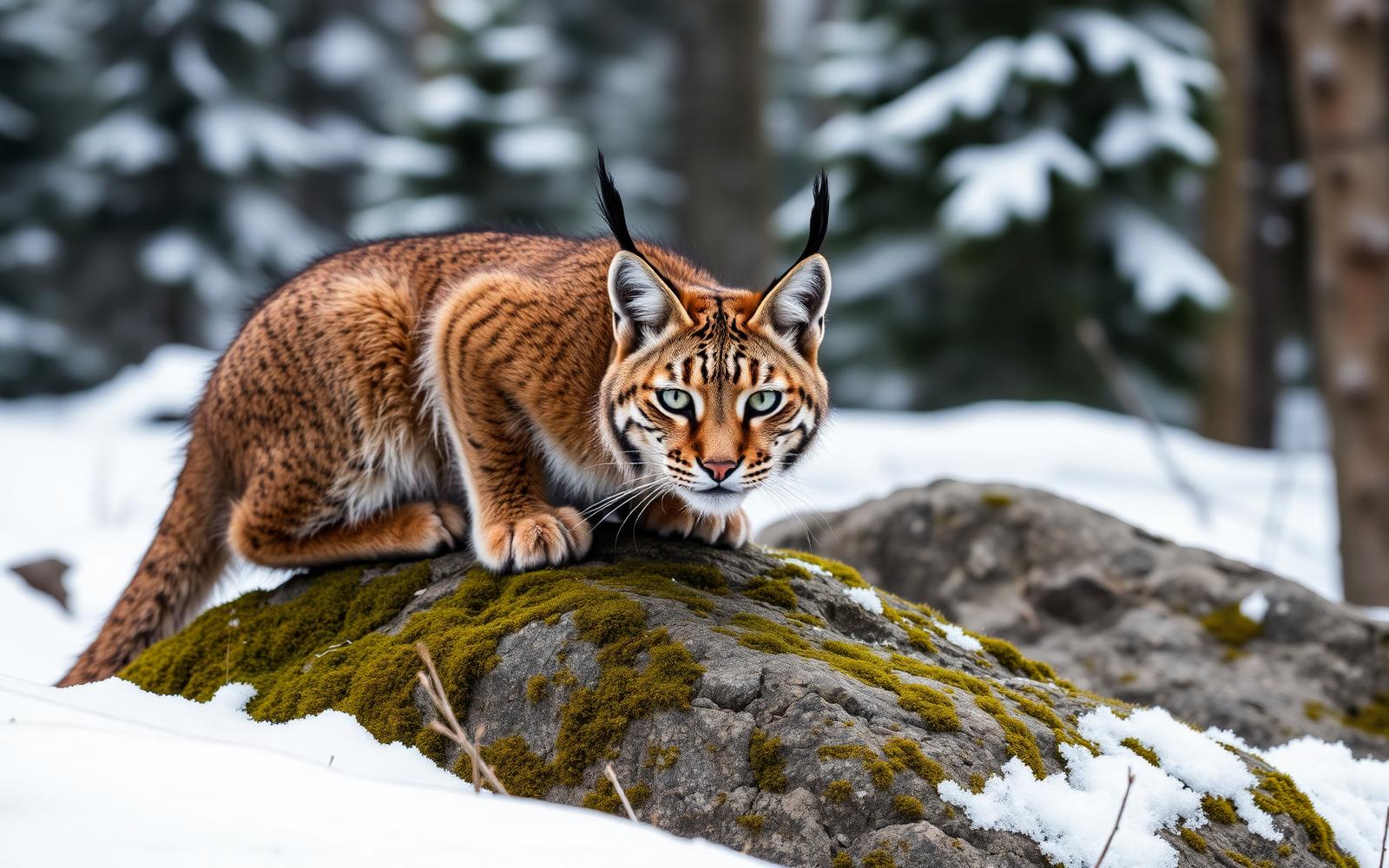 Wildlife guideCanada lynxLynx canadensis
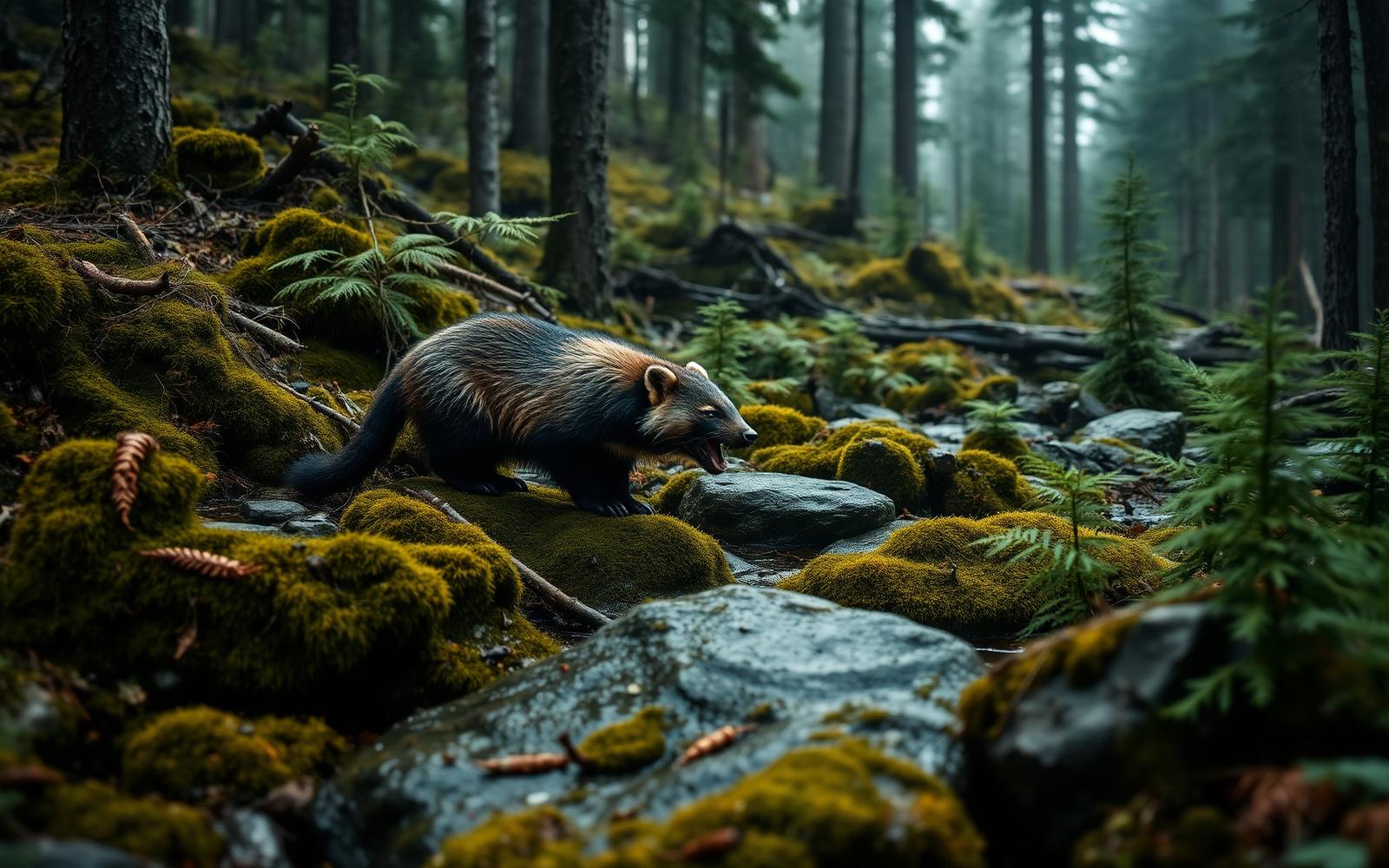 Wildlife guideWolverineGulo gulo
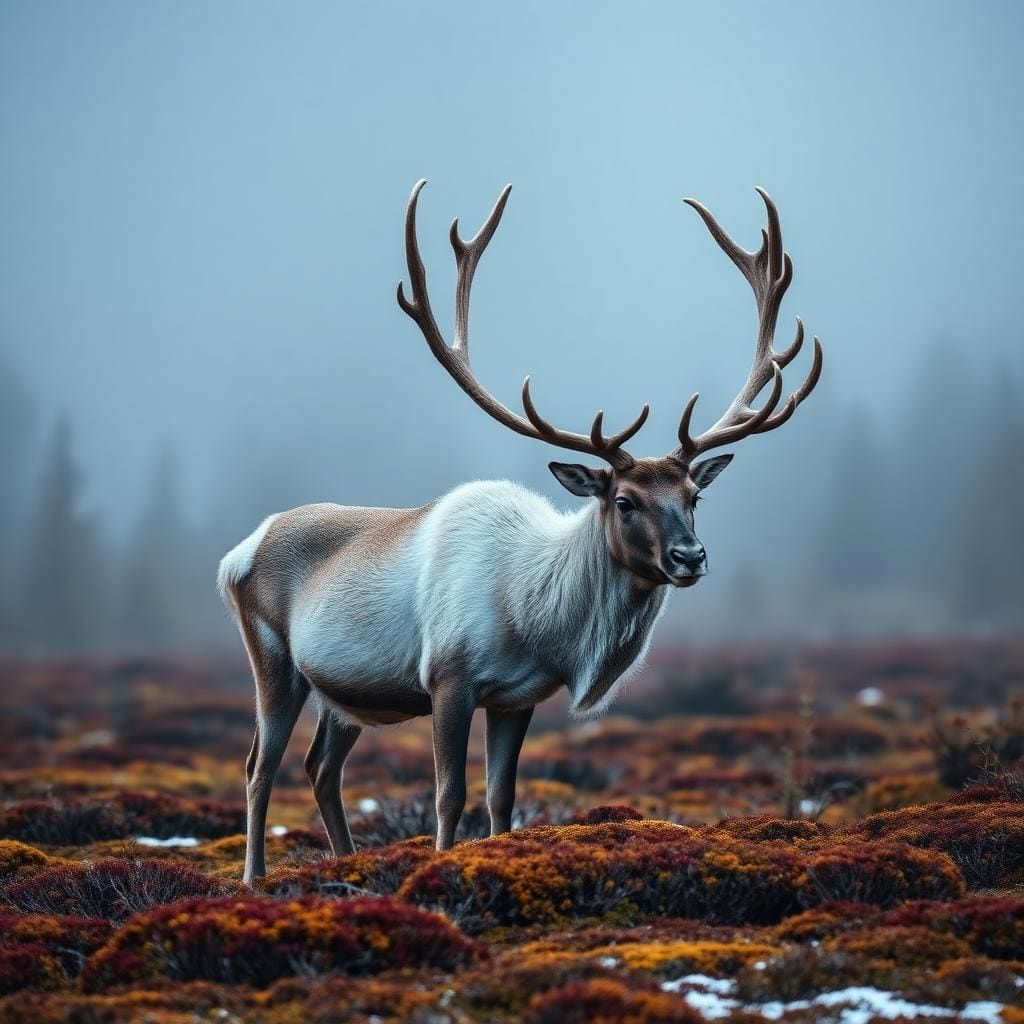 Wildlife guideWoodland caribouRangifer tarandus caribou
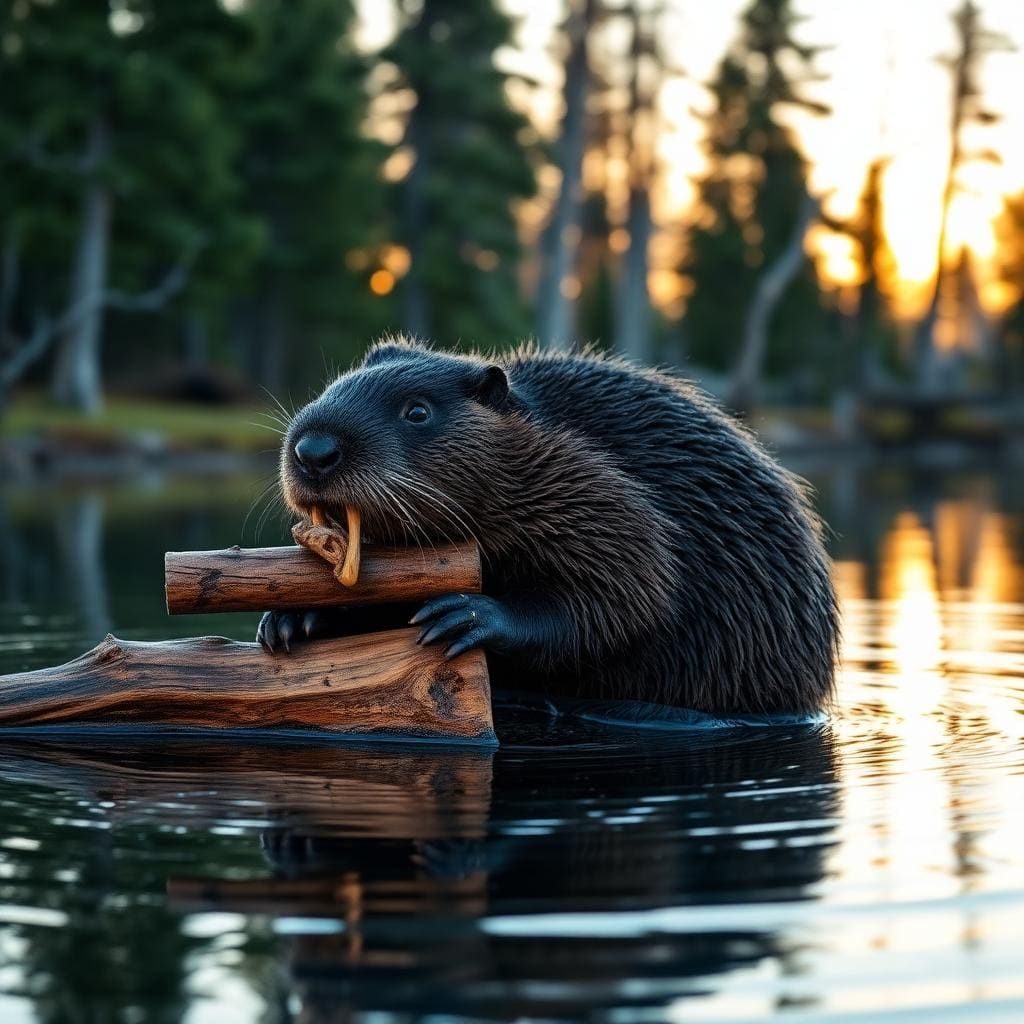 Wildlife guideNorth American beaverCastor canadensis
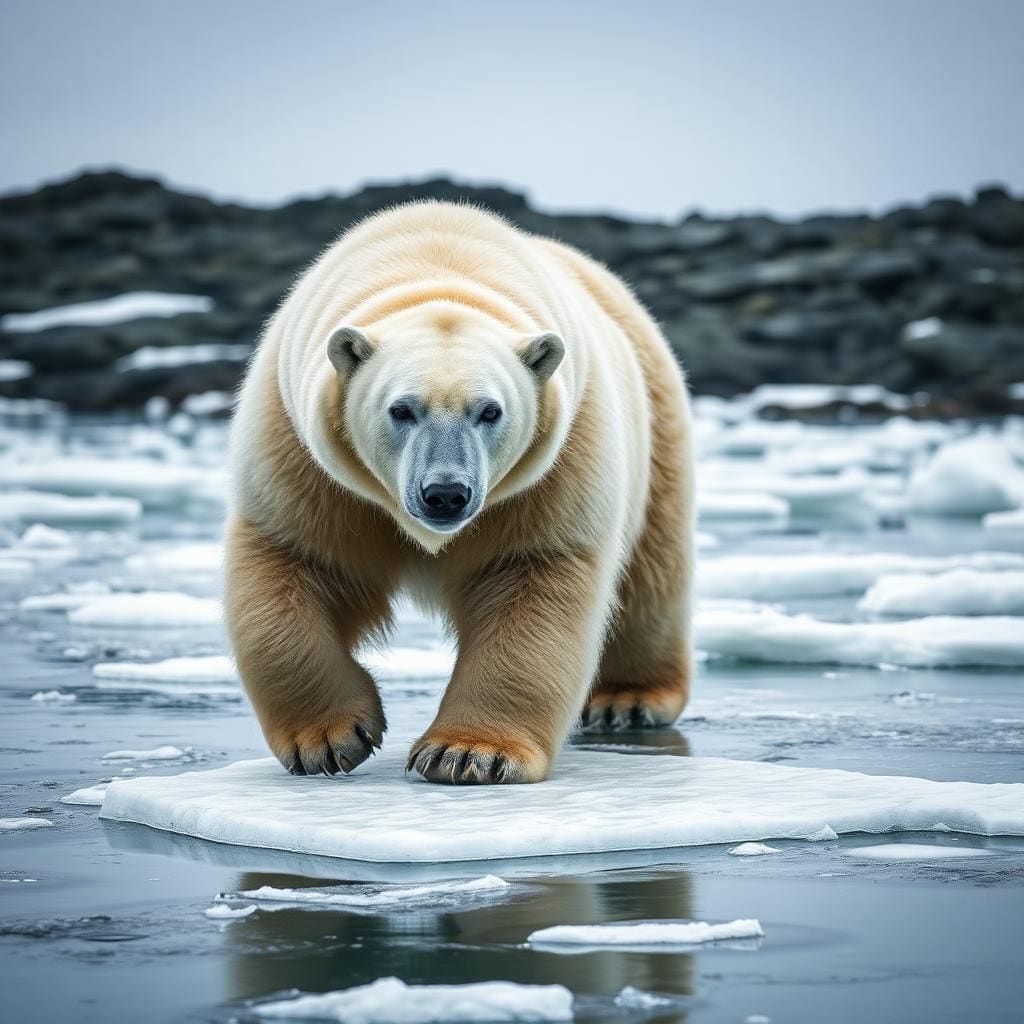 Wildlife guidePolar bearUrsus maritimus
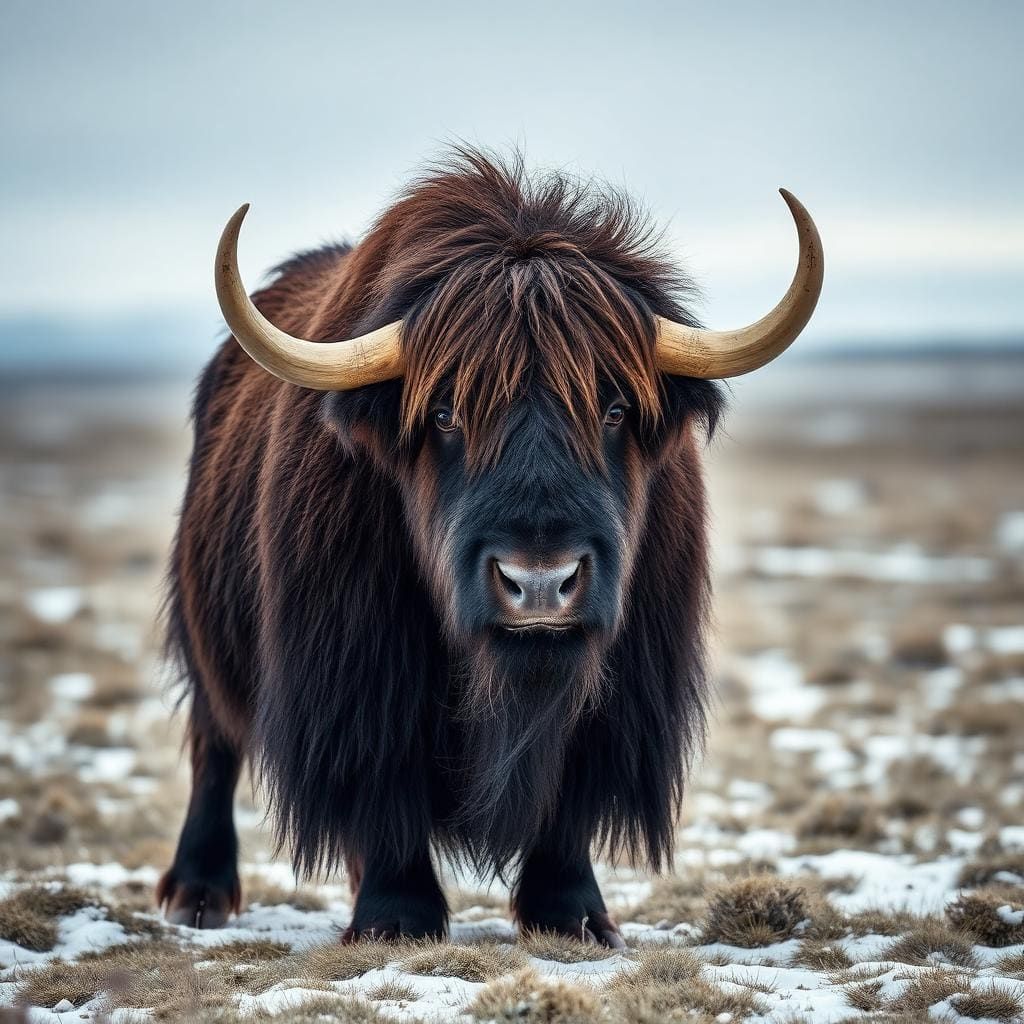 Wildlife guideMuskoxOvibos moschatus
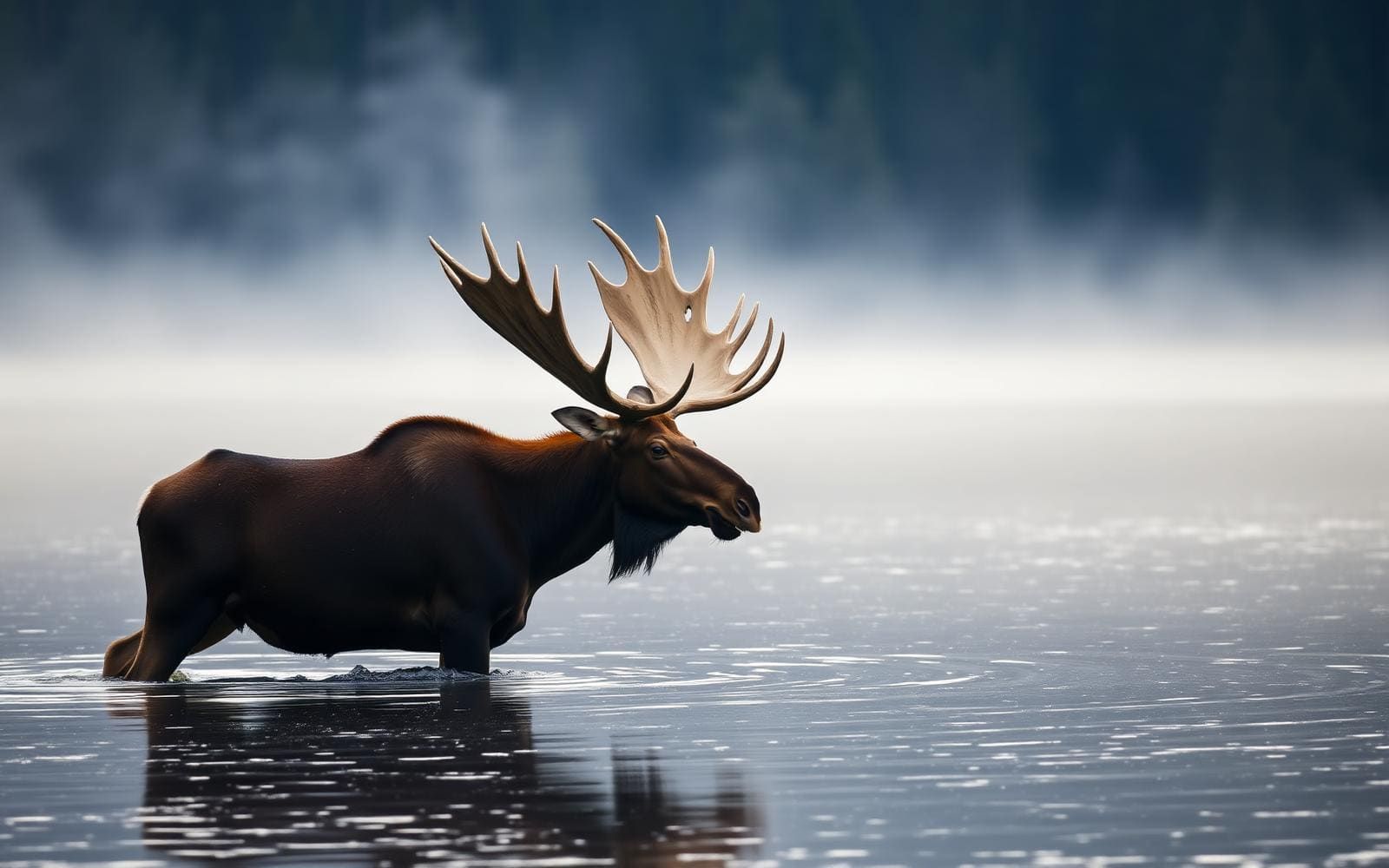 Wildlife guideMooseAlces alces
Maps, GPS & compass for this trip
Carry a waterproof paper map and a compass you can steer by, and treat the GPS as the backup — not the other way round. Buying links go to Amazon; Wild10 earns a commission at no cost to you.
Waterproof topo maps
- Waterproof topographic map — Svalbard — Longyearbyen TrekAmazon search for waterproof, tear-resistant topo maps covering this area.
- National Geographic Trails IllustratedThe waterproof Trails Illustrated series — check for a sheet covering this area.
- Waterproof map case & compass lanyardKeep a paper map readable in rain, spray and a swamped boat.
Fishing at Svalbard — Longyearbyen Trek
Planning to fish Svalbard — Longyearbyen Trek, Norway? Fishing licences, open seasons and catch limits in Norway are set by the local wildlife authority and change every year — check the official source before you cast a line.
Do I need a fishing licence at Svalbard — Longyearbyen Trek?
- A Norway fishing licence is normally required for anyone over the local youth age.
- Read the current Norway fishing regulations for special waters, barbless-hook or catch-and-release rules.
- Clean, drain and dry boats and gear between waters to stop invasive species.
Hunting near Svalbard — Longyearbyen Trek
Thinking about hunting Svalbard — Longyearbyen Trek, Norway? Hunting seasons, tags and draws in Norway are set by the wildlife authority each year. Confirm the rules for your species and unit before you go.
Is hunting allowed at Svalbard — Longyearbyen Trek?
- Confirm the land around Svalbard — Longyearbyen Trek is open to hunting and which management unit it falls in.
What do I need to hunt in Norway?
- A Norway hunting licence — most jurisdictions also require hunter education certification.
- Species tags or draw results for big game such as deer, elk, moose or bear where they occur.
- Knowledge of firearm and bow transport rules, which differ by land type and border crossing.
Longyearbyen in the Svalbard landscape
Longyearbyen is a settlement base for a trip to Svalbard, an Arctic archipelago directly north of mainland Norway. Spitsbergen is the main island and contains the settlements. The surrounding landscape is overwhelmingly glacier and bare rock: about 60% of Svalbard is glaciated, 30% is barren rock, and only 10% carries vegetation. Those proportions matter when imagining a trek here. This is not a destination where a town-edge walk should be assumed to connect with a developed trail network or another settlement. Infrastructure is concentrated in a handful of small communities, with virtually none outside them. Treat Longyearbyen as the place to organize the practical details of an outing, rather than assuming facilities or support will be available along the way.
Cold conditions and sharply different light
Svalbard's seasons change both the temperature and the available light. Midnight sun lasts from late April to late August, while polar night extends from late October to February. Weather is generally cold, with temperatures above freezing for only a couple of summer months. A summer visit therefore does not remove the need for insulation and weather protection. Equally, continuous daylight should not be mistaken for a reason to extend a walk beyond the group's capacity or its agreed plan. Precipitation is low enough for parts of the archipelago to resemble a desert, but low precipitation does not mean mild conditions. Choose the season with the light regime in mind, and make clothing, navigation preparation, and turnaround decisions appropriate to a cold Arctic setting.
Wildlife, protection, and the limits of an itinerary
Polar bears and fragile natural environments are central considerations for travel outside Svalbard's settlements. Movement beyond those communities is strictly regulated, and seven national parks together with 23 nature reserves cover 70% of the archipelago. Confirm current access requirements and appropriate polar-bear precautions with the managing authority before committing to an outing. A destination description alone is not enough to establish a safe trekking line: a usable plan needs a confirmed starting point, route, and arrangements suited to conditions. The absence of infrastructure outside settlements also means that onward services or shelter should not be assumed. Keep any proposed trek provisional until its access and safety arrangements are established, and avoid treating the broad name “Longyearbyen Trek” as a defined, waymarked route.
Route options
- Longyearbyen settlement-based walking
A settlement-focused alternative to a remote trek. No specific walking circuit is established here; obtain local directions and confirm settlement boundaries rather than assuming a walk remains within them.
- Trekking beyond Longyearbyen
An outing outside the settlement requires a separately confirmed itinerary, access arrangements, and polar-bear precautions. No named trail or trekking line is established here, so this is a planning category rather than a route to follow.
Sample itineraries
- Longyearbyen base and trek assessment · 2 days
Use Longyearbyen as a settlement-based base. Spend the first day checking weather, current access rules and polar-bear safety arrangements. Reserve the second day for a trek only if those checks support it; otherwise stay within the settlement. This is a planning outline, not a specified trail.
- Longyearbyen stay with a flexible trekking day · 3 days
Allow one day for preparation in Longyearbyen, one potential trekking day and one weather-buffer day. Confirm a suitable route and safety arrangements locally before leaving the settlement. Do not treat the extra day as a reason to push into poor conditions.
Seasonal conditions
Spring
Spring; midnight sun begins in late April
Increasing daylight does not mean warm trekking conditions. Svalbard is generally cold, with temperatures above freezing for only a couple of summer months. Plan conservatively and assess conditions before leaving Longyearbyen.
Summer
Summer; midnight sun lasts until late August
Summer offers continuous daylight during the midnight-sun period, but the above-freezing season is brief. Glaciers and barren rock dominate the wider archipelago. Long daylight does not remove weather, terrain or polar-bear risks.
Fall
Fall; polar night begins in late October
Daylight decreases toward winter darkness. Expect cold conditions and plan outings around available light rather than summer expectations. Keep plans flexible where weather or visibility makes travel unsuitable.
Winter
Polar night from late October to February
Prolonged darkness and cold make this a poor default choice for an ordinary trekking trip. Lighting, insulation and conservative travel decisions matter. Do not assume summer walking plans translate to winter conditions.
| Season | Window | Conditions |
|---|---|---|
| Spring | Spring; midnight sun begins in late April | Increasing daylight does not mean warm trekking conditions. Svalbard is generally cold, with temperatures above freezing for only a couple of summer months. Plan conservatively and assess conditions before leaving Longyearbyen. |
| Summer | Summer; midnight sun lasts until late August | Summer offers continuous daylight during the midnight-sun period, but the above-freezing season is brief. Glaciers and barren rock dominate the wider archipelago. Long daylight does not remove weather, terrain or polar-bear risks. |
| Fall | Fall; polar night begins in late October | Daylight decreases toward winter darkness. Expect cold conditions and plan outings around available light rather than summer expectations. Keep plans flexible where weather or visibility makes travel unsuitable. |
| Winter | Polar night from late October to February | Prolonged darkness and cold make this a poor default choice for an ordinary trekking trip. Lighting, insulation and conservative travel decisions matter. Do not assume summer walking plans translate to winter conditions. |
Permits, fees & closures
Confirm current access rules and any permit or reservation requirements with the managing agency before planning travel outside Longyearbyen.
Confirm current permits, fees, and closures with the managing agency before you go.
Hazards & regulations
- Polar bears are a serious concern outside settlements. Establish appropriate safety arrangements before departure; do not improvise a response in the field.
- There is virtually no infrastructure outside the settlements. Do not count on finding shelter, supplies or support along a trek.
- Cold conditions persist through most of the year. Even summer has only a short period with temperatures generally above freezing.
- Glaciers cover about 60% of Svalbard and barren rock about 30%. Do not assume an unverified route is ordinary walking terrain.
- Polar night brings prolonged winter darkness. Continuous summer daylight can also encourage outings longer than fitness or supplies support.
- Vegetation is sparse and the environment delicate. Avoid damaging plant cover and confirm where travel is allowed.
What to pack for Svalbard — Longyearbyen Trek
- Insulating layers
- Windproof and waterproof outer layers
- Warm hat and gloves
- Sturdy walking footwear
- Navigation tools suitable for the confirmed route
- Communication equipment suitable for remote travel
- Food and drinking water for the outing
- First-aid kit and emergency insulation
- Headlamp and spare power when darkness is expected
- Eye protection for prolonged daylight
- Confirmed access guidance
- Polar-bear safety equipment selected with qualified local advice
Wildlife you may see
- Polar bears occur in Svalbard and are a key consideration for travel outside settlements. Keep distance and arrange appropriate safety support before a trek.
Svalbard — Longyearbyen Trek FAQ
- Where should a Longyearbyen trekking trip be based?
- Use Longyearbyen as the base for preparation and local checks. Svalbard has very little infrastructure outside its small settlements, so a trek should not depend on finding services along the way.
- How is Svalbard reached by air?
- Longyearbyen airport has regular civilian air traffic. Confirm current flight arrangements separately when planning the trip.
- When is there continuous daylight?
- Svalbard has midnight sun from late April to late August. That provides daylight, not a guarantee of warm weather or suitable trekking conditions.
- Can a trek simply head out from town?
- Do not assume unrestricted access or safe independent travel. Confirm current rules with the managing agency and establish a route, weather assessment and polar-bear safety plan before leaving the settlement.
- Is Svalbard a green walking landscape?
- Only about 10% of the archipelago is vegetated. Roughly 60% is glacier-covered and 30% is barren rock. Those regional proportions do not establish the conditions on any particular route near Longyearbyen.
- Does low precipitation make packing simpler?
- No. Parts of Svalbard are desert-like in precipitation, but the climate remains cold. Carry protection from wind and wet weather, adequate insulation and your own drinking water rather than assuming conditions will be forgiving.