



Where on earth
Satellite imagery flying in from a world view to Padjelanta National Park Trek (Sweden), Polar Regions. Use the + / − buttons, or click the map to zoom with your scroll wheel; drag to pan and pinch to zoom on touch.
- Region
- Sweden
- Country
- Polar Regions
- Biome
- Arctic tundra (400–1,000 m)
- Best season
- July – September
- Difficulty
- moderate
- Backpacking
- Hiking
- Winter Camping
- Wildlife Viewing
Key takeaways
- Biome: Arctic tundra (400–1,000 m)
- Best season: July – September
- Difficulty: moderate
- Top activity: backpacking
Photos of Padjelanta National Park Trek (Sweden)
Topic summary
A 150-km 7-10 day trek across Sweden's Sarek/Padjelanta Sami country.
Key takeaways
- Difficulty: moderate
- Best season: July – September
Intended uses
backpacking
Climate suitability
Arctic tundra (400–1,000 m)
Tools for a trip here
Picked for how, when and where you're going. Free, no signup.
- Sleep System Temp CalculatorCold nights: check your bag and pad add up to a safe sleep.
- Base Weight CalculatorEvery ounce is carried — total your kit and find your base weight.
- Pack Volume SizerSize the pack for your trip length and season.
- Water Purification MatrixTreat water from streams and lakes on trail.
- Layering CalculatorCold-season miles: layer for climbs and camp.
Plan with verified data
Padjelanta National Park Trek (Sweden) trip tools
How to get there
Plan access around Kvikkjokk and Ritsem, the two endpoints of Padjelantaleden in northern Sweden. The northbound itinerary starts at Kvikkjokk and finishes at Ritsem; confirm transport arrangements for both ends before setting the walking schedule.
- Kvikkjokk
Southern endpoint of Padjelantaleden and the start for the northbound trek through Padjelanta National Park to Ritsem.
- Ritsem
Northern endpoint of Padjelantaleden, serving as the finish for the northbound traverse or the start for the reverse itinerary.
Sources: Wikipedia · Wikivoyage. Confirm road and trailhead conditions with the managing agency before you leave.
Popular pursuits at Padjelanta National Park Trek (Sweden)
- Backpacking
Multi-day travel with everything on your back — see the packing blocks below.
- Hiking
Day miles on marked trail, with route notes and trail links below.
- Winter Camping
Cold-season travel and camp craft; layering matters more than mileage.
- Wildlife Viewing
Best light, best season, and where animals move.
Animals around Padjelanta National Park Trek (Sweden)
 Wildlife guideTimber wolfCanis lupus
 Wildlife guideCanada lynxLynx canadensis
 Wildlife guideWolverineGulo gulo
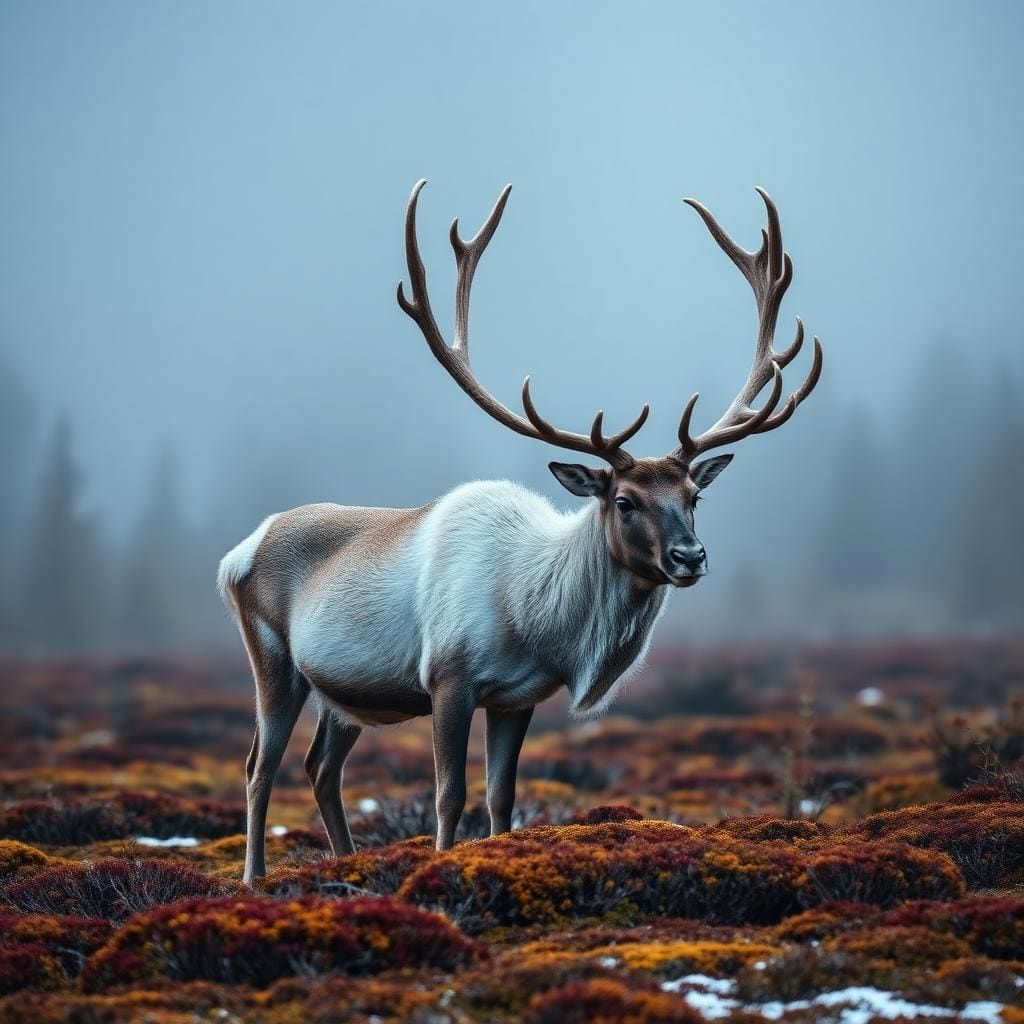 Wildlife guideWoodland caribouRangifer tarandus caribou
 Wildlife guideNorth American beaverCastor canadensis
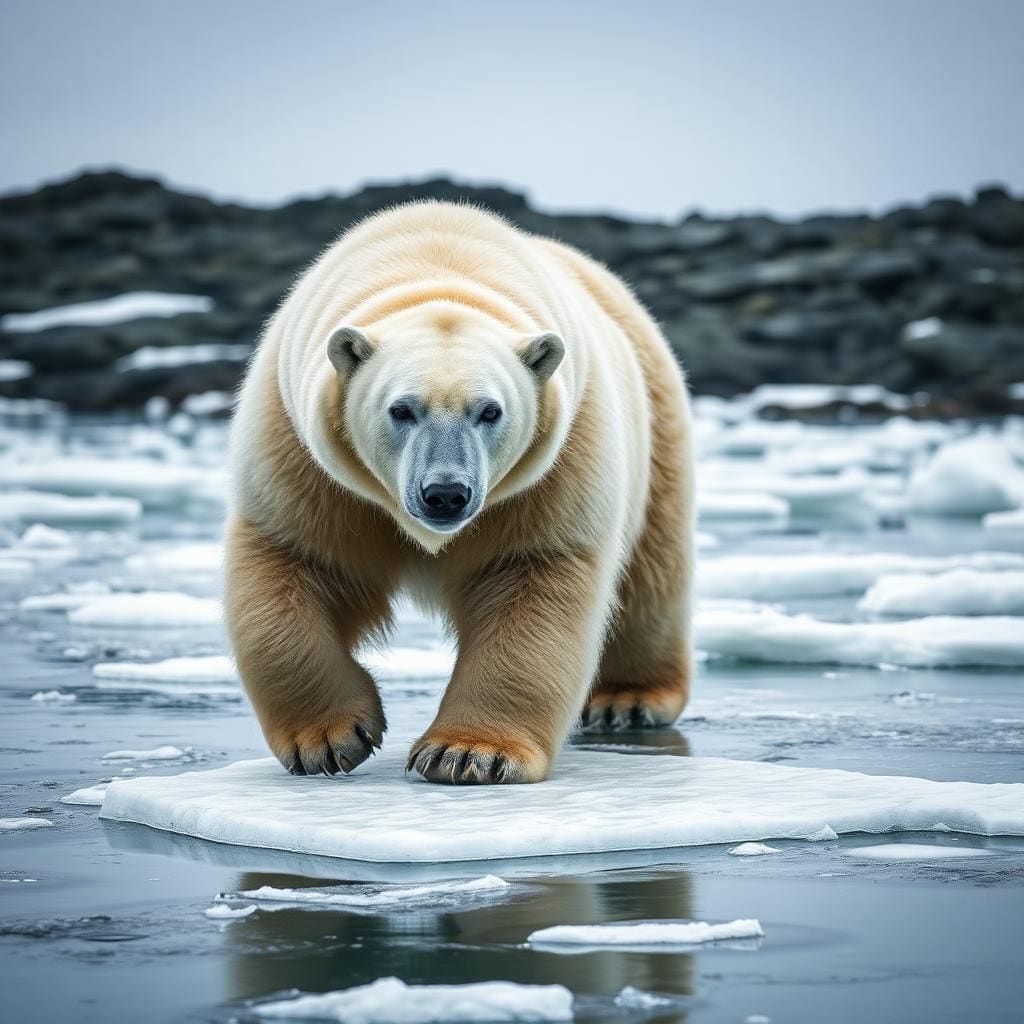 Wildlife guidePolar bearUrsus maritimus
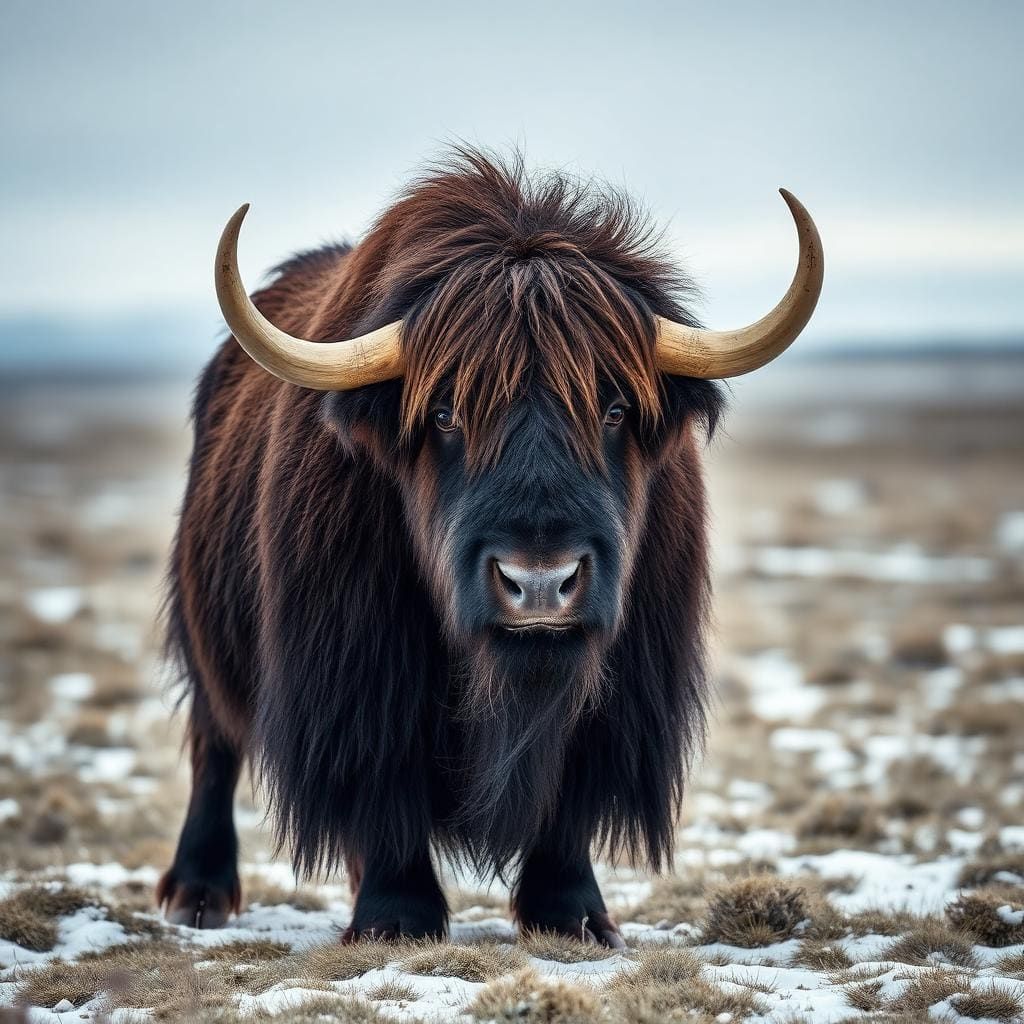 Wildlife guideMuskoxOvibos moschatus
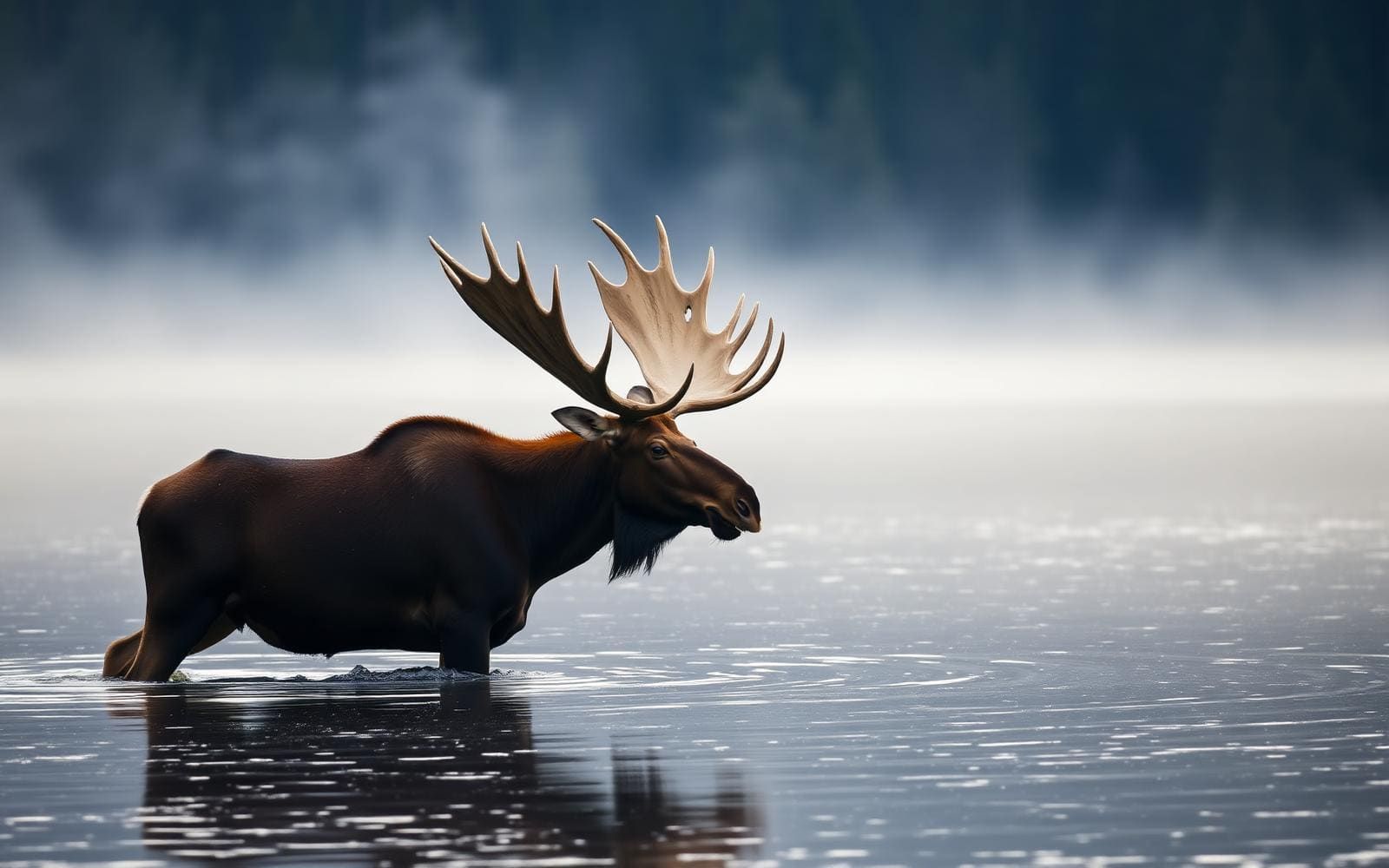 Wildlife guideMooseAlces alces
Maps, GPS & compass for this trip
Carry a waterproof paper map and a compass you can steer by, and treat the GPS as the backup — not the other way round. Buying links go to Amazon; Wild10 earns a commission at no cost to you.
Waterproof topo maps
- Waterproof topographic map — Padjelanta National Park Trek (Sweden)Amazon search for waterproof, tear-resistant topo maps covering this area.
- National Geographic Trails IllustratedThe waterproof Trails Illustrated series — check for a sheet covering this area.
- Waterproof map case & compass lanyardKeep a paper map readable in rain, spray and a swamped boat.
Fishing at Padjelanta National Park Trek (Sweden)
Planning to fish Padjelanta National Park Trek (Sweden)? Fishing licences, open seasons and catch limits in Sweden are set by the local wildlife authority and change every year — check the official source before you cast a line.
Do I need a fishing licence at Padjelanta National Park Trek (Sweden)?
- A Sweden fishing licence is normally required for anyone over the local youth age.
- Read the current Sweden fishing regulations for special waters, barbless-hook or catch-and-release rules.
- Clean, drain and dry boats and gear between waters to stop invasive species.
- Padjelanta National Park Trek (Sweden) may add its own fishing rules on top of Sweden law — check the managing agency too.
Hunting near Padjelanta National Park Trek (Sweden)
Thinking about hunting Padjelanta National Park Trek (Sweden)? Hunting seasons, tags and draws in Sweden are set by the wildlife authority each year. Confirm the rules for your species and unit before you go.
Is hunting allowed at Padjelanta National Park Trek (Sweden)?
- Hunting is prohibited or heavily restricted in many national parks, wilderness and protected areas — confirm with the Padjelanta National Park Trek (Sweden) land manager before planning a hunt, and look to surrounding public land.
What do I need to hunt in Sweden?
- A Sweden hunting licence — most jurisdictions also require hunter education certification.
- Species tags or draw results for big game such as deer, elk, moose or bear where they occur.
- Knowledge of firearm and bow transport rules, which differ by land type and border crossing.
A long-distance trek through Padjelanta
Padjelantaleden runs for 140 km between Kvikkjokk and Ritsem in Lappland, northern Sweden, passing through Padjelanta National Park in the Laponia park system. The usual walking time is around nine to ten days, with additional time worth allowing for planned rests and unexpected delays. This is a sustained remote trek rather than a short introduction to national-park walking. Its relatively modest daily elevation gain makes the physical challenge different from a steep mountain itinerary: repeated days on foot and managing equipment matter more than a single demanding ascent. Use the full trail length as the starting point for planning, rather than assuming that modest climbing means short days. The endpoint-to-endpoint format also means arranging arrival and onward travel separately.
Suitability and preparation
Padjelantaleden can suit a beginner trekking group, provided someone in the party already has experience with outdoor camping, hiking and staying in remote areas. Daily elevation gain is described as no more than 300 m, but that does not remove the demands of a journey lasting more than a week. Plan around the pace of the least experienced walker and leave room for breaks rather than treating nine to ten days as a deadline. Preparation should include carrying a manageable load, keeping clothing and sleeping equipment dry, and knowing how the group will handle a delay. Build a food and equipment plan around the intended itinerary. The key distinction is between being new to long-distance trekking and having nobody along who understands remote travel.
Keep Padjelanta and Sarek plans distinct
Padjelanta borders Sarek National Park, but the neighbouring park should not be treated as an interchangeable extension of this trail. Sarek has no marked trails or accommodations, and bridges are scarce away from its borders. It also receives heavy rainfall and contains turbulent streams that can be hazardous to cross without proper training. Those conditions make a move into Sarek a different undertaking from following Padjelantaleden. Beginners considering hiking or mountaineering there are advised to accompany a guide. For a Padjelanta trip, keep the route choice clear when discussing navigation, equipment and group experience. Proximity alone does not make an off-trail addition straightforward, and the suitability of Padjelantaleden for supported beginners should not be read as a recommendation for independent travel through Sarek.
Route options
- Padjelantaleden: Kvikkjokk to Ritsem140 kmSuitable for beginner trekkers when someone in the group has remote hiking and camping experience.
Follow the trail north through Padjelanta National Park. Allow around nine to ten walking days, with extra time for breaks and delays. Daily elevation gain is described as no more than 300 m.
- Padjelantaleden: Ritsem to Kvikkjokk140 kmA sustained remote trek requiring hiking and camping experience within the group.
Walk the same endpoint-to-endpoint trail in reverse, heading south through Padjelanta National Park. This changes the arrival and departure arrangements rather than providing a shorter alternative.
Sample itineraries
- Nine-day Padjelantaleden traverse · 9 days
Follow the 140 km Padjelantaleden from Kvikkjokk north through Padjelanta National Park to Ritsem. Nine days fits the usual trekking range but leaves less room for breaks. At least one group member should have experience with camping, hiking and remote travel.
- Ten-day Padjelantaleden traverse · 10 days
Allow ten days for the same Kvikkjokk-to-Ritsem route through Padjelanta. Use the additional time for a steadier pace and breaks rather than extra distance. Keep travel arrangements flexible enough to accommodate unexpected delays.
Seasonal conditions
Spring
Confirm seasonal trail conditions before departure
For this northern Swedish trek, check snow cover, temperatures and route accessibility before committing to a spring departure. Modest elevation gain does not establish whether the trail is suitable in spring.
Summer
Confirm a suitable hiking period locally
Plan around a remote, multi-day hike rather than assuming easy conditions. Check the forecast and current trail status, carry weather protection and allow time for unexpected breaks.
Fall
Confirm conditions for the intended departure
Check temperatures, daylight and the possibility of snow before setting daily targets. Keep enough flexibility to shorten a day when weather or group pace requires it.
Winter
Confirm winter suitability with the managing agency
Do not treat the usual nine-to-ten-day hiking duration as a winter schedule. Assess snow, cold and daylight requirements separately; the trail's suitability for beginner trekking does not establish winter suitability.
| Season | Window | Conditions |
|---|---|---|
| Spring | Confirm seasonal trail conditions before departure | For this northern Swedish trek, check snow cover, temperatures and route accessibility before committing to a spring departure. Modest elevation gain does not establish whether the trail is suitable in spring. |
| Summer | Confirm a suitable hiking period locally | Plan around a remote, multi-day hike rather than assuming easy conditions. Check the forecast and current trail status, carry weather protection and allow time for unexpected breaks. |
| Fall | Confirm conditions for the intended departure | Check temperatures, daylight and the possibility of snow before setting daily targets. Keep enough flexibility to shorten a day when weather or group pace requires it. |
| Winter | Confirm winter suitability with the managing agency | Do not treat the usual nine-to-ten-day hiking duration as a winter schedule. Assess snow, cold and daylight requirements separately; the trail's suitability for beginner trekking does not establish winter suitability. |
Permits, fees & closures
Confirm current permits, park rules and any booking requirements with the managing agency before departure.
Confirm current permits, fees, and closures with the managing agency before you go.
Hazards & regulations
- Remote travel: at least one group member should have experience with outdoor camping, hiking and staying in remote areas.
- Cumulative fatigue: 140 km over roughly nine to ten days requires sustained walking, even with relatively modest daily elevation gain.
- Unexpected delays: build flexibility into food supplies and onward travel rather than relying on an uninterrupted schedule.
- Adjacent Sarek is a different undertaking: it has no marked trails or accommodations, few bridges and turbulent streams that are hazardous to cross without proper training.
What to pack for Padjelanta National Park Trek (Sweden)
- Weatherproof outer layers
- Insulating clothing suited to the forecast
- Shelter and sleeping equipment suited to remote camping
- Route map and compass
- Navigation skills practiced before departure
- First-aid kit
- Emergency communication plan
- Food for the planned trek and unexpected delays
- Water containers and a treatment method
- Broken-in walking footwear
- Foot-care supplies
Padjelanta National Park Trek (Sweden) FAQ
- Where does the trek start and finish?
- Padjelantaleden runs from Kvikkjokk northward through Padjelanta National Park to Ritsem, in Lappland in northern Sweden. Padjelanta belongs to the Laponia park system.
- How long is Padjelantaleden?
- The trail is 140 km long. The usual hiking duration is around nine to ten days, with additional flexibility useful for planned breaks and unexpected delays.
- Is this trek suitable for beginners?
- It can suit beginner trekkers because elevation gain is relatively modest, described as at most 300 m per day. However, someone in the group should have experience with camping, hiking and staying in remote areas.
- Does modest elevation gain mean an easy trip?
- No. The main commitment is sustained travel over 140 km in a remote setting. Fitness, camping competence, weather preparation and a realistic daily pace still matter.
- Can Sarek be treated as a straightforward extension?
- No. Adjacent Sarek has no marked trails or accommodations, few bridges, heavy rainfall and hazardous turbulent streams. Beginners are advised to accompany a guide there; do not apply Padjelantaleden's beginner-friendly assessment to Sarek.