


Where on earth
Satellite imagery flying in from a world view to White Sands National Park, United States. Use the + / − buttons, or click the map to zoom with your scroll wheel; drag to pan and pinch to zoom on touch.
- Region
- New Mexico, USA
- Country
- United States
- Biome
- Gypsum dune field
- Best season
- October – April
- Difficulty
- moderate
- Backpacking
- Hiking
Key takeaways
- Biome: Gypsum dune field
- Best season: October – April
- Difficulty: moderate
- Top activity: hiking
Topic summary
The world's largest gypsum dune field — 275 square miles of brilliant white sand in the Tularosa Basin.
Key takeaways
- Difficulty: moderate
- Best season: October – April
Intended uses
- hiking
- camping
- backpacking
Climate suitability
Gypsum dune field
Verification notes
Last verified January 1, 1970.
Tools for a trip here
Picked for how, when and where you're going. Free, no signup.
- Sleep System Temp CalculatorCold nights: check your bag and pad add up to a safe sleep.
- Base Weight CalculatorEvery ounce is carried — total your kit and find your base weight.
- Pack Volume SizerSize the pack for your trip length and season.
- Water Purification MatrixTreat water from streams and lakes on trail.
- Layering CalculatorCold-season miles: layer for climbs and camp.
Plan with verified data
White Sands National Park trip tools
How to get there
White Sands National Park is in New Mexico, USA, United States. Its center point is 32.7872, -106.3257. Use these links for live turn-by-turn directions from where you are, then confirm road, trailhead and access conditions with the managing agency before you leave.
- Dunes Drive
Check the park's Dunes Drive Safety Corridor alert and current conditions before planning access along this road.
- Group Use Area
A reservable location for private functions and larger gatherings, rather than a general hiking departure point. Confirm arrangements with the park before organizing a group visit.
Popular pursuits at White Sands National Park
- Backpacking
Multi-day travel with everything on your back — see the packing blocks below.
- Hiking
Day miles on marked trail, with route notes and trail links below.
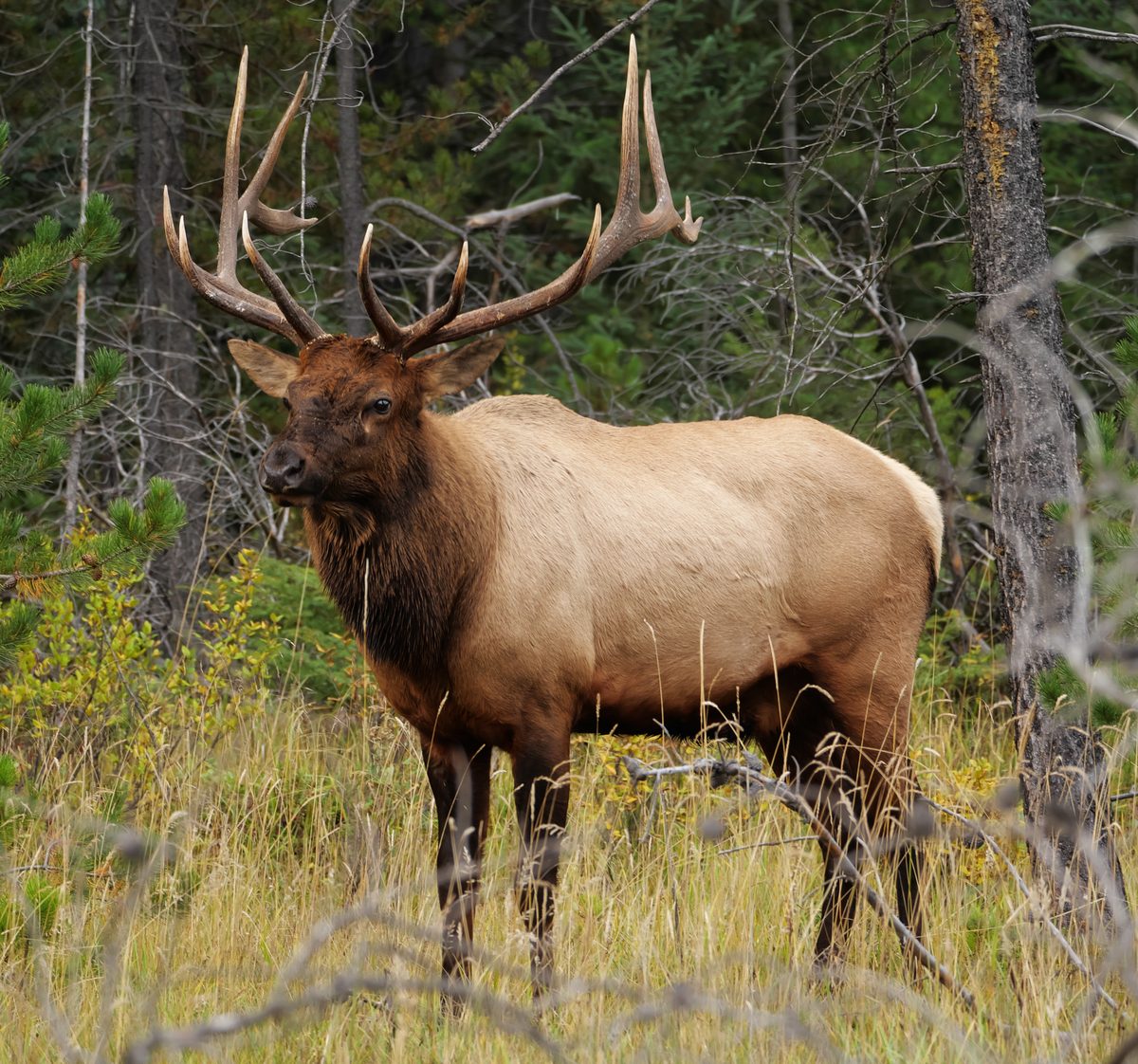
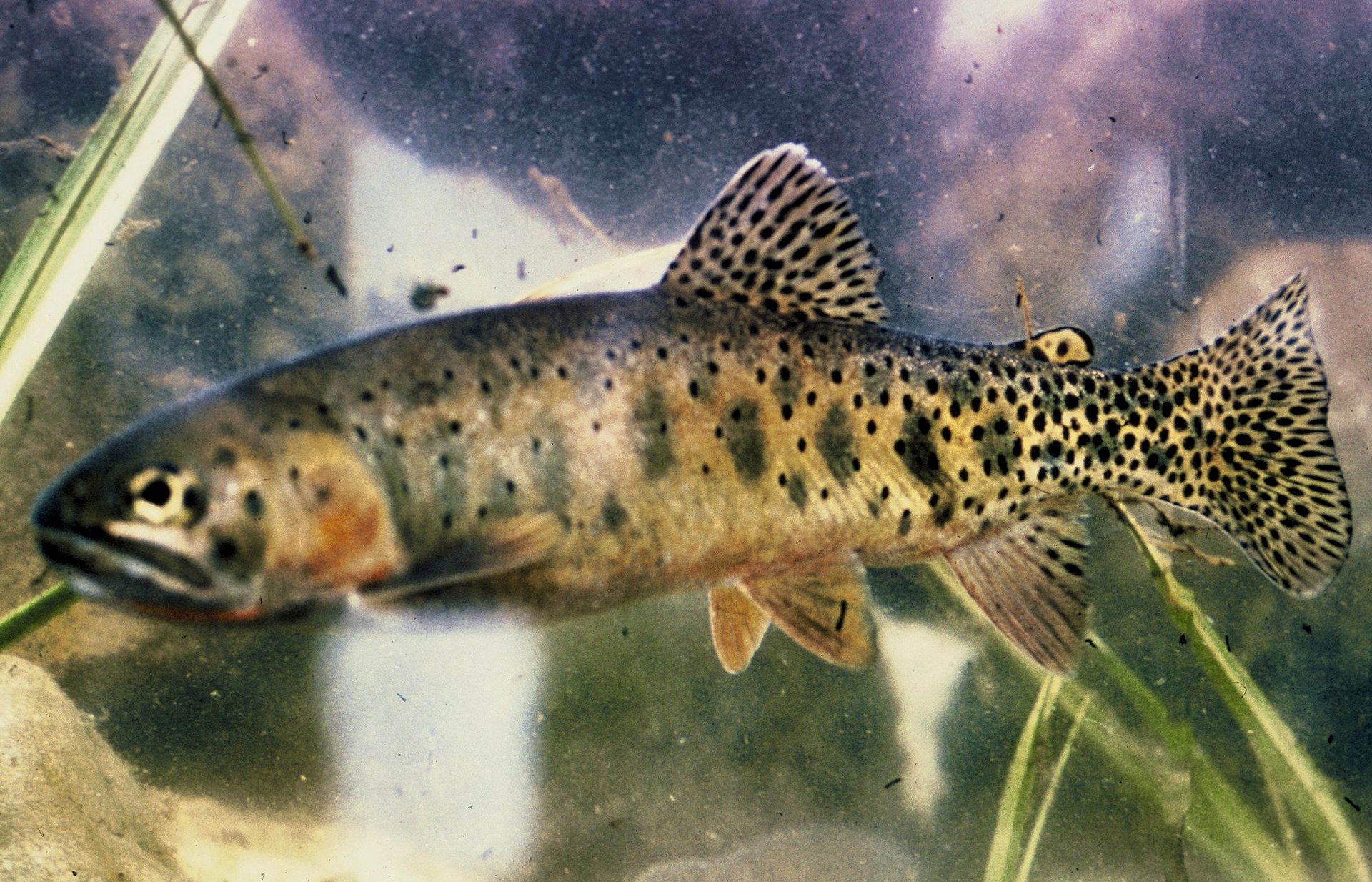
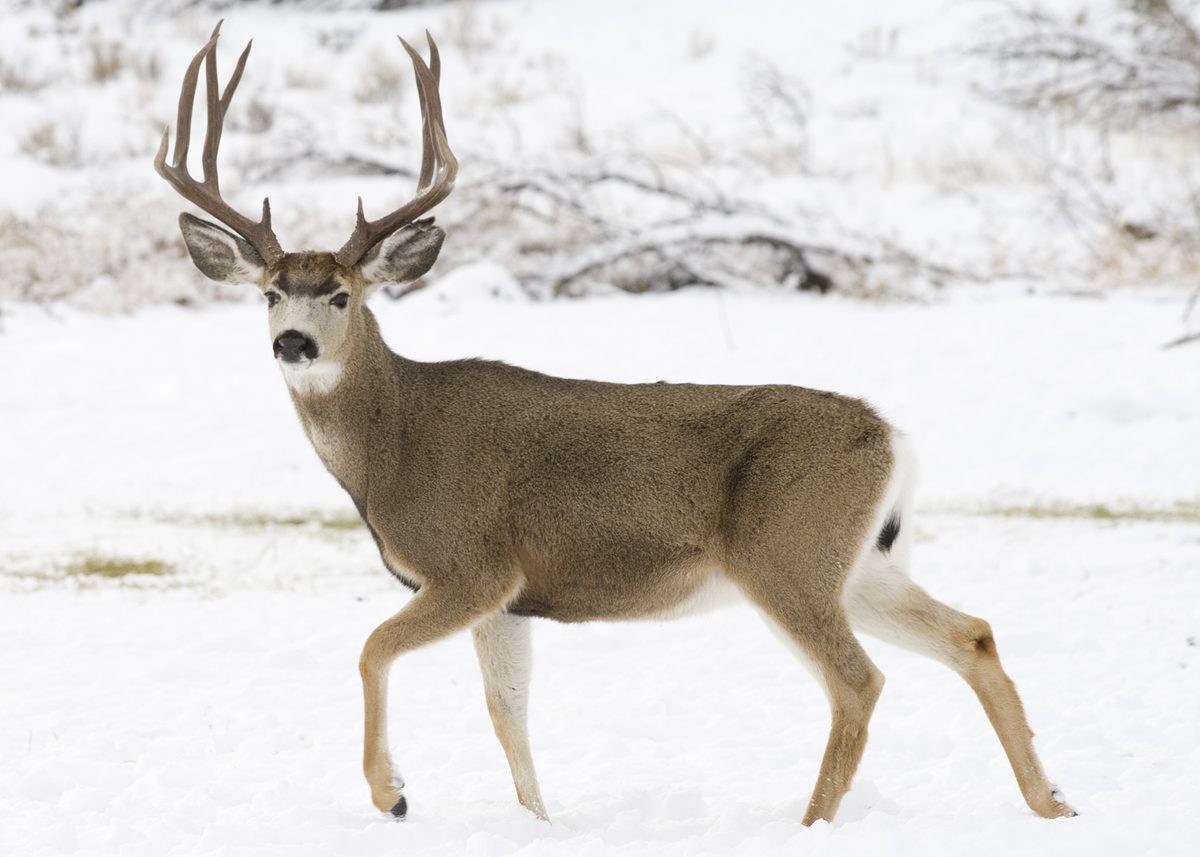
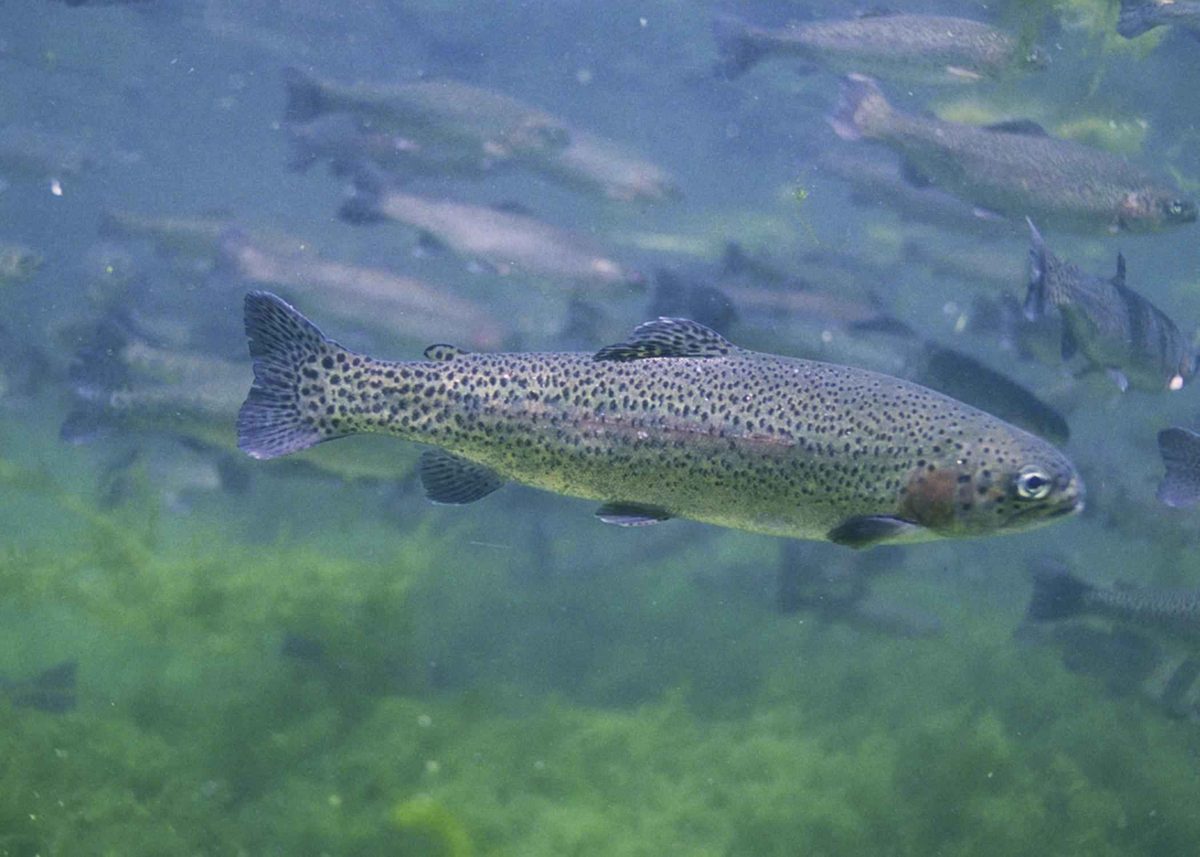
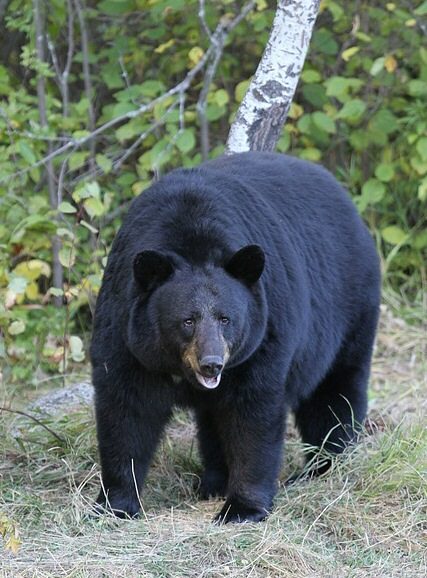
Animals around White Sands National Park



Maps, GPS & compass for this trip
Carry a waterproof paper map and a compass you can steer by, and treat the GPS as the backup — not the other way round. Buying links go to Amazon; Wild10 earns a commission at no cost to you.
Waterproof topo maps
- Waterproof topographic map — White Sands National ParkAmazon search for waterproof, tear-resistant topo maps covering this area.
- National Geographic Trails IllustratedThe waterproof Trails Illustrated series — check for a sheet covering this area.
- Waterproof map case & compass lanyardKeep a paper map readable in rain, spray and a swamped boat.
Fishing at White Sands National Park
Planning to fish White Sands National Park, New Mexico? Fishing licenses, open seasons and catch limits in New Mexico are set by the local wildlife authority and change every year — check the official source before you cast a line.
Do I need a fishing license at White Sands National Park?
- A New Mexico fishing license is normally required for anyone over the local youth age.
- Read the current New Mexico fishing regulations for special waters, barbless-hook or catch-and-release rules.
- Clean, drain and dry boats and gear between waters to stop invasive species.
- White Sands National Park may add its own fishing rules on top of New Mexico law — check the managing agency too.
Hunting near White Sands National Park
Thinking about hunting White Sands National Park, New Mexico? Hunting seasons, tags and draws in New Mexico are set by the wildlife authority each year. Confirm the rules for your species and unit before you go.
Is hunting allowed at White Sands National Park?
- Hunting is prohibited or heavily restricted in many national parks, wilderness and protected areas — confirm with the White Sands National Park land manager before planning a hunt, and look to surrounding public land.
What do I need to hunt in New Mexico?
- A New Mexico hunting license — most jurisdictions also require hunter education certification.
- Species tags or draw results for big game such as deer, elk, moose or bear where they occur.
- Knowledge of firearm and bow transport rules, which differ by land type and border crossing.
A landscape built from gypsum
White Sands National Park in New Mexico protects part of the world's largest gypsum dunefield. The bright white dunes are the central reason to visit, whether the plan is walking, photography, or a ranger-led outing. Gypsum is calcium sulfate dihydrate, a mineral whose structure includes water. Selenite is its mostly clear, transparent crystalline variety; the similar-sounding name does not mean it contains selenium. For visitors interested in how this material became a dunefield, the park's Lake Lucero program offers a focused starting point. Lake Lucero is described as the birthplace of the dunes. Build a visit around observing the sand and learning about its formation rather than treating the landscape only as a photographic backdrop.
Plan a day visit, not a camping trip
Backcountry camping is currently closed for rehabilitation of camping sites, and no reopening date has been determined. Plan around a day visit or a scheduled ranger-led program rather than an overnight stay among the dunes. Before setting out, check current park alerts, including the Dunes Drive Safety Corridor notice, and confirm operating hours with the National Park Service. For time on the sand, carry drinking water, sun protection, and footwear suited to walking in loose material. Keep the outing within the group's ability and allow enough time to return before closing. A moonlight program is a separate planning option, not a reason to assume that unrestricted nighttime access is available.
Ranger programs and organized gatherings
The park offers ranger-led Lake Lucero and Moonlight Hike programs, with tickets available through Recreation.gov. Choose Lake Lucero for an outing centered on the origins of the dunes, or the Moonlight Hike for a guided experience under the full moon. Confirm the available program before making it the centerpiece of a trip. Larger gatherings require a different kind of planning: the Group Use Area is available by reservation for private functions, including reunions and weddings. Gatherings, ceremonies, scattering of ashes, and activities extending beyond operating hours often require a special use permit. Commercial visitor services require a Commercial Use Authorization. Contact the National Park Service about the requirements for the specific activity rather than assuming an ordinary visit covers an organized event.
Route options
- Lake Lucero ranger-led program
A guided program exploring the place described as the birthplace of the dunes and how the white sands formed. Tickets are available through Recreation.gov; confirm program availability and meeting instructions before traveling.
- Moonlight Hike
A ranger-led hike in the dunes under the full moon. Purchase tickets through Recreation.gov and confirm the scheduled outing's details rather than assuming independent after-hours access.
Sample itineraries
- Gypsum Dunes Day · 1 day
Spend a day exploring the white gypsum dunes, taking photographs and allowing time for breaks. Keep outings within your ability and the park's operating hours. Check current conditions before heading out.
- Lake Lucero and Dunes · 2 days
Build two day visits around a ticketed, ranger-led Lake Lucero program. Use the other day for dune photography and exploration. Confirm program availability before arranging the trip; backcountry camping is closed.
- Moonlight Hike Visit · 1 day
Plan a visit around a ticketed, ranger-led Moonlight Hike. Spend daytime exploring the gypsum landscape, then join the scheduled program. Confirm tickets and arrival instructions rather than assuming independent after-hours access.
Seasonal conditions
Spring
Spring
Check the forecast and current park alerts before choosing a dune outing. Carry water, sun protection and layers; keep plans flexible rather than assuming mild conditions.
Summer
Summer
Plan dune exploration around the day's weather and permitted visiting hours. Bring drinking water and sun protection, and shorten outings if conditions exceed your comfort or ability.
Fall
Fall
Match clothing and outing length to the forecast. For a Moonlight Hike, confirm the program schedule and pack layers appropriate for time outside after dark.
Winter
Winter
Check weather and park alerts before departure. Bring layers suited to the forecast and confirm operating hours before planning photography or a ranger-led outing.
| Season | Window | Conditions |
|---|---|---|
| Spring | Spring | Check the forecast and current park alerts before choosing a dune outing. Carry water, sun protection and layers; keep plans flexible rather than assuming mild conditions. |
| Summer | Summer | Plan dune exploration around the day's weather and permitted visiting hours. Bring drinking water and sun protection, and shorten outings if conditions exceed your comfort or ability. |
| Fall | Fall | Match clothing and outing length to the forecast. For a Moonlight Hike, confirm the program schedule and pack layers appropriate for time outside after dark. |
| Winter | Winter | Check weather and park alerts before departure. Bring layers suited to the forecast and confirm operating hours before planning photography or a ranger-led outing. |
Permits, fees & closures
Weddings, organized gatherings and some First Amendment activities require special use permits. Commercial visitor services require a Commercial Use Authorization. Backcountry camping is closed for campsite rehabilitation, with no reopening date determined.
Fees: Administrative application costs: commercial filming, still photography and weddings are each $100, with additional fees possible. Group Use Area Reservation is $100. Permit fees are non-refundable.
Reservations: The Group Use Area is available by reservation. Tickets for ranger-led Lake Lucero and Moonlight Hike programs can be purchased through Recreation.gov. Confirm availability before planning around a program.
Official source: Permits & Reservations - White Sands - National Park Service · Verified October 18, 2026
Hazards & regulations
- Walking on dune sand can be tiring; choose an outing that leaves enough energy for the return.
- For dune outings, carry drinking water and sun protection rather than relying on comfort at the start.
- After-dark dune travel calls for extra care with footing and visibility; follow ranger instructions during Moonlight Hikes.
What to pack for White Sands National Park
- Drinking water
- Sun hat
- Sunscreen
- Sunglasses
- Comfortable walking footwear
- Layers matched to the forecast
- Light source for an evening program
- Program arrival instructions
- Camera
- Protective camera bag
- Spare battery
White Sands National Park FAQ
- What makes White Sands distinctive?
- White Sands protects the world's largest gypsum dunefield. Its white dunes are made of gypsum, a mineral composed of calcium sulfate dihydrate.
- Can visitors camp in the dunes?
- Backcountry camping is currently closed for campsite rehabilitation. No reopening date has been determined. Plan day visits rather than an overnight stay in the dunes.
- How can visitors learn how the dunes formed?
- Book a ranger-led Lake Lucero program through Recreation.gov. Lake Lucero is described as the birthplace of the dunes; confirm program availability before building an itinerary around it.
- Can visitors hike under the moonlight?
- The park offers ticketed, ranger-led Moonlight Hikes through Recreation.gov. Confirm the scheduled program and its instructions; a program listing does not establish unrestricted after-hours access.
- Can a wedding or group event be held here?
- Weddings and many organized events require special use permits. The Group Use Area is available by reservation. Coordinate with the park before making arrangements.
- What should be checked before arrival?
- Check current park alerts, including information about the Dunes Drive Safety Corridor, along with operating hours, weather and any booked program's instructions.