Skip to content
Wild10
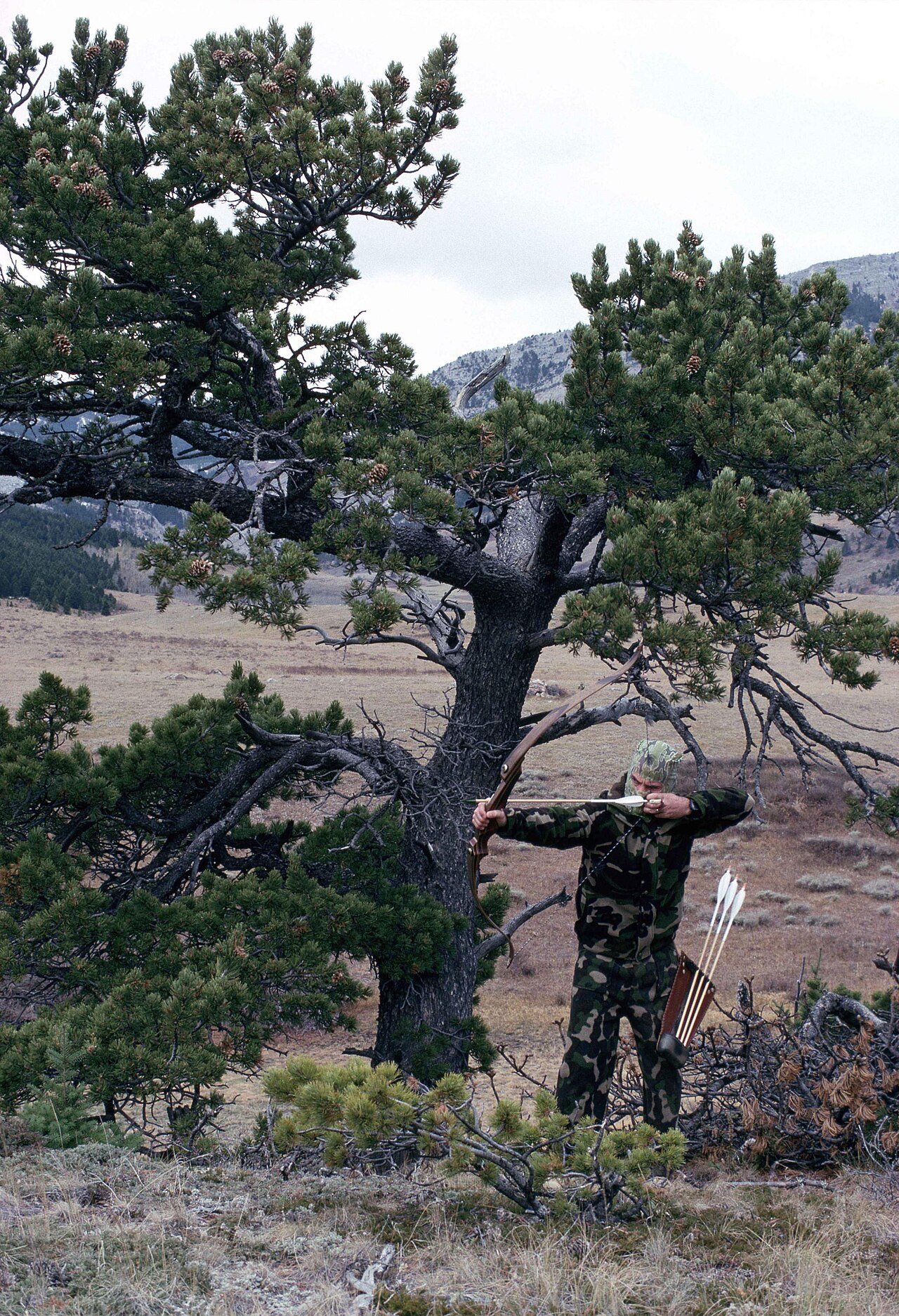
Camouflaged hunter at full draw with a traditional recurve bow in high country pine

Recurve hunting school

Learn to hunt with a recurve bow

Eight in-depth masterclasses covering everything from stance to the shot on game — each with original instruction and five to six embedded video lessons from the best traditional archery teachers alive.

A recurve has no sights, no let-off and no excuses. This school builds the whole skill — form, grip, fingers, aim, tuning and the shot on game — in the order it should be learned.

Work the topics in sequence if you are new; jump straight to tuning or silencing if you already shoot. Every page pairs written instruction with hand-picked lessons from teachers like Clay Hayes, Jake Kaminski and Fred Eichler, embedded right on the page.

Masterclass topics
8
Expert video lessons
46
Expert instructors
10+
Cost
Free

The curriculum

Every masterclass, in learning order

Start with form if you are new, grip if your groups wander left and right, and hunting shots if you are already grouping at 20 yards.

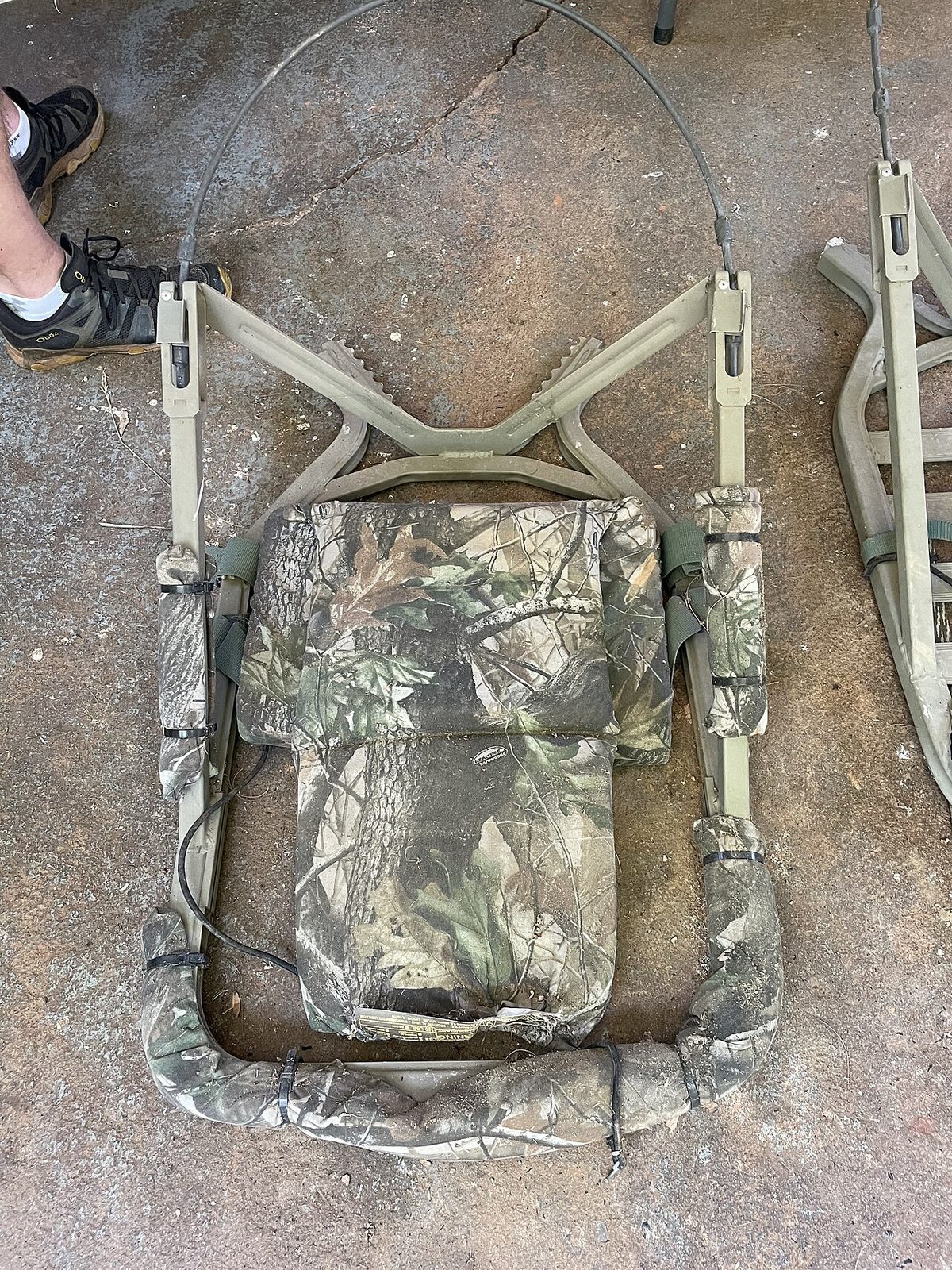
Camouflage tree stand set in hardwood timberStart here

Posture & Shooting Form

Stance, posture, draw, anchor, and follow-through — the full shot sequence built to work kneeling, seated, and twisted around a tree. Includes 6 expert video lessons.

Open guide →

How to use this school

Four rules for actually getting good

The difference between shooters who improve and shooters who plateau is almost never talent — it is how they practice.

Learn it in this order

Form first, then grip, then fingers, then aiming — each skill assumes the one before it. A shooter with solid form and a mediocre aiming system outshoots a brilliant aimer with collapsing form every single time. Setup and tuning come after the shooter is consistent, because tuning a bow to inconsistent form is tuning to a moving target.

Twenty arrows a day beats two hundred on Saturday

Traditional accuracy is physical calibration, not knowledge. Twenty deliberate arrows daily will beat a marathon weekend session every time — and stop the moment form slips, because arrows shot with a collapsing draw teach a collapsing draw.

Practice the way you hunt

Kneeling, seated, leaning around a trunk, at steep angles, in your hunting coat and facemask, with your heart rate up. The version of your form that matters is the one that works at eighteen yards with a deer watching.

The videos are the course

Every topic page embeds five to six lessons from the best traditional archery teachers on YouTube — Clay Hayes, Jake Kaminski, Jeff Kavanagh, NUSensei, Fred Eichler and more. Watch them with a bow in your hand; pause and drill each point before moving on.

Questions

Frequently asked

Where should a beginner start in the recurve hunting school?
With Posture & Shooting Form, then Bow Grip, then Finger Placement. Aiming comes fourth because it builds on the previous three. Setup and tuning come last — they only make sense once your shot is repeatable.
How long does it take to get hunting-ready with a recurve?
With near-daily practice, most shooters are genuinely hunting-ready in one to two seasons: form in the first months, reliable groups at 20 yards by mid-season, and field-position confidence after a full year. There are no shortcuts — the skill is physical calibration.
Who are the experts in the video lessons?
Teachers like Clay Hayes (bowyer and Alone winner), Jake Kaminski (two-time Olympic silver medalist), Jeff Kavanagh, NUSensei, Fred Eichler (traditional Super Slam), Armin Hirmer, and the staff at 3Rivers Archery and Shatterproof Archery — the most respected traditional archery instructors on YouTube.
Do these topics apply to longbows too?
Yes — every topic applies to longbows and selfbows. The only recurve-specific details are takedown hardware and slightly different tuning ranges. Read 'recurve' as 'any traditional bow shot off the shelf' unless a page says otherwise.