Recurve hunting school · Aiming
How to aim a recurve bow for hunting
No pins, no reticle, no peep. Aiming a bare recurve is a trained skill — here is how each system actually works and how to build one that holds up on a deer.
Aiming a recurve is not one technique — it is a family of systems, and every successful traditional bowhunter has settled on one through thousands of arrows. The four you will hear about are instinctive, gap, split-vision and fixed crawl. None is magic; each trades conscious reference against subconscious calibration in a different ratio.
What all four share is non-negotiable: your eye must lock on the exact spot you want to hit — a specific tuft of hair, not 'the deer' — from before the draw begins until the arrow lands. Target focus is the constant. The aiming system is just how your brain positions the bow to satisfy it.
- Main systems
- 4 — instinctive, gap, split-vision, crawl
- Best for hunting
- The one you have shot 1,000+ times
- Constant across all
- Hard target focus
- Effective hunting range
- Inside 20 yards
01
The four aiming systems, honestly assessed
Instinctive aiming is throwing a ball: total focus on the spot, no conscious reference to the arrow or bow, and a subconscious built by volume. It is the fastest system on moving or surprise targets and the slowest to build — figure a full season of daily practice before it is trustworthy, and it decays within weeks if you stop shooting.
Gap shooting keeps the arrow point consciously in your peripheral picture. You learn the vertical distance — the gap — between your point and the spot at each distance, and you place the point that far below or above the kill zone. It is more deliberate and more verifiable than pure instinctive, which is why many hunters shoot their best groups with gap at known yardage.
Split-vision sits between them: soft awareness of the arrow shaft and point in your periphery while your primary focus stays on the target. Most experienced traditional shooters who claim to shoot instinctively are actually here — and that is fine, because it works.
Fixed crawl puts the point directly on the spot at every distance and moves the arrow's nocking point on the string — crawling it down to shoot farther. It is precise and slow, beloved by target shooters, and awkward in hunting because your point sitting on the deer at full draw spooks some shooters into peeking.
02
Choosing your system
| System | Conscious reference | Learning curve | Best hunting use |
|---|---|---|---|
| Instinctive | None — target only | Slowest, needs daily reps | Fast shots, grouse, jumping deer |
| Gap | Arrow point vs. spot | Moderate — gaps must be measured | Deliberate shots at known range |
| Split-vision | Soft peripheral shaft awareness | Moderate | All-around hunting |
| Fixed crawl | Point on spot, string walked | Fast to learn, slow to shoot | Stump shooting, target work |
03
Build your gap the right way
If you choose gap, the gaps must be measured with your hunting arrow, from your hunting anchor — not guessed from a chart.
- 1Shoot bare shafts or your hunting arrows at 5-yard intervals from 5 to 25 yards, aiming the point directly at a spot.
- 2At each distance, note where the group lands relative to the point — that offset is your gap.
- 3Find your point-on distance, where gap is zero. With a heavy hunting arrow it is usually 20–35 yards with a split-finger anchor.
- 4Write the gaps down and tape them inside your quiver hood until they are automatic.
- 5Re-measure any time you change arrow weight, point weight, anchor, or string — every one of those moves point-on.
04
The hunting difference: aim small, and aim before you draw
On game, the aiming sequence starts before the bow moves. Pick the spot — a crease behind the shoulder, a tuft, a shadow line — while the deer is still feeding and your hands are at your sides. Your eyes should already be burning a hole in it when you begin the draw, because the draw is when a deer's ear is most likely to catch you.
At twenty yards a whitetail's kill zone is roughly an eight-inch circle. Hunters who aim at 'the deer' hit the deer — somewhere. Hunters who aim at a two-inch spot inside the circle hit inside the circle, even when their form degrades under pressure. Miss small is not a slogan; it is the whole mechanism.
Whatever system you settle on, test it the way you will use it: kneeling, seated, leaning around a trunk, at steep angles from a stand, and with your heart rate up. An aiming system that only works standing flat-footed on mowed grass is a range accessory, not a hunting skill.
Learn from the experts
6 expert video lessons on aiming a recurve
We hand-picked the best instruction on this topic from the most respected traditional archery teachers on YouTube — each embedded here with our notes on what to watch for.
Gap Shooting with Traditional Archery — How to Find Your Gap
Clay Hayes — A bowyer and Alone alum walks through measuring your personal gap with a hunting bow — the exact process outlined above.
Focus on the Target? Or Not! Recurve Bow Shooting Tips
Clay Hayes — Where your conscious focus belongs during the shot — the piece most instinctive shooters get wrong.
Instinctive Shooting — Solid Archery Mechanics Excerpt
The Push Archery — The Push's coaching staff breaks down instinctive aiming as trained mechanics, not magic.
Traditional Archery — How to Find Your Gap
Trad Archery 101 — A second, beginner-friendly walkthrough of gap measurement — useful contrast to Clay's method.
How to Aim a Traditional Bow — Instinctive / Split Vision / Gap / Fixed Crawl / String Walk
Feel the Spirit — All four aiming systems demonstrated back to back so you can see the differences before committing.
How to Aim in Traditional Archery
Armin Hirmer — Malta Archery's famously thorough take on aiming — long, detailed, and worth the time.
Questions
Frequently asked
- Is instinctive or gap shooting better for hunting?
- Whichever you have practiced more. Instinctive is faster on snap shots but demands daily maintenance; gap is more deliberate and verifiable at known ranges. Many seasoned traditional hunters use split-vision — a soft peripheral awareness of the arrow — which is a practical blend of both.
- How long does it take to learn to aim a recurve instinctively?
- Expect a full season of near-daily practice — several thousand arrows — before instinctive aiming is trustworthy on game. It is physical calibration like throwing a ball, and it fades within weeks without reps.
- What is point-on distance?
- The distance at which your arrow point, held directly on the target, is where the arrow lands — your gap is zero. For most split-finger hunting setups it falls between 20 and 35 yards. Knowing it anchors your whole gap table.
- Should I look at the arrow or the target?
- Primary focus always on the exact spot you want to hit. Gap and split-vision add conscious or soft peripheral awareness of the arrow point, but the moment the target becomes secondary, accuracy collapses.
Every hunting guide
Hunting Hub
Where every hunting guide on The Wild10 starts.
Types of Game
Big game, small game, upland birds, and waterfowl — habitat and season.
Big Game
Deer, elk, moose, bear, hog and sheep — where to hunt, tags, and what to expect.
Small Game & Birds
Turkey, pheasant, grouse, quail, ducks, geese, rabbits, squirrels and predators.
Deer Hunting by State
All 50 states — seasons, tags, laws, public land and tactics.
Turkey Hunting
Calling, shotguns, bows, camo, blinds, scouting, and spring vs fall.
Species Finder
Search every species and filter by tracks, droppings and sign, harvest, or skinning.
Rifle Hunting
Cartridges, zero, field positions, wind, and shot placement.
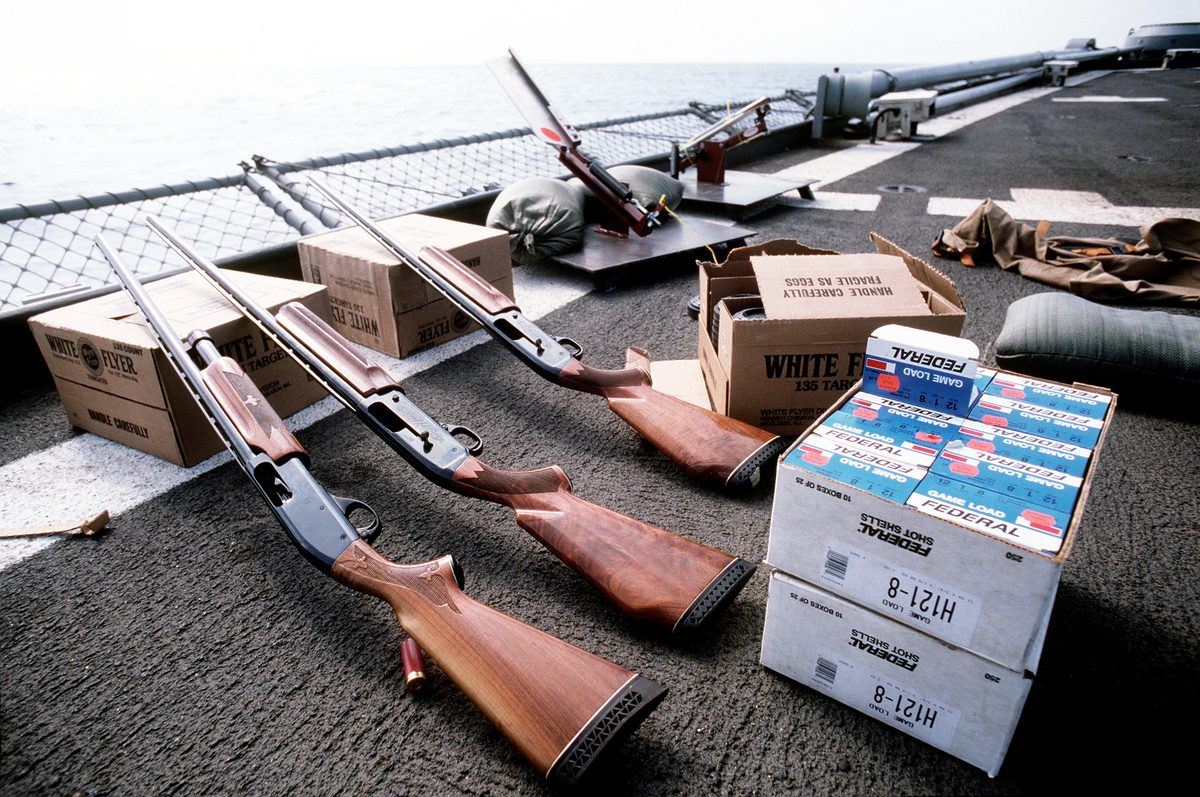
Shotgun Hunting
Gauges, chokes, shot size, and lead for birds and slug country.
Recurve & Traditional Bow
Instinctive shooting, draw weight, arrow spine, and close-range craft.
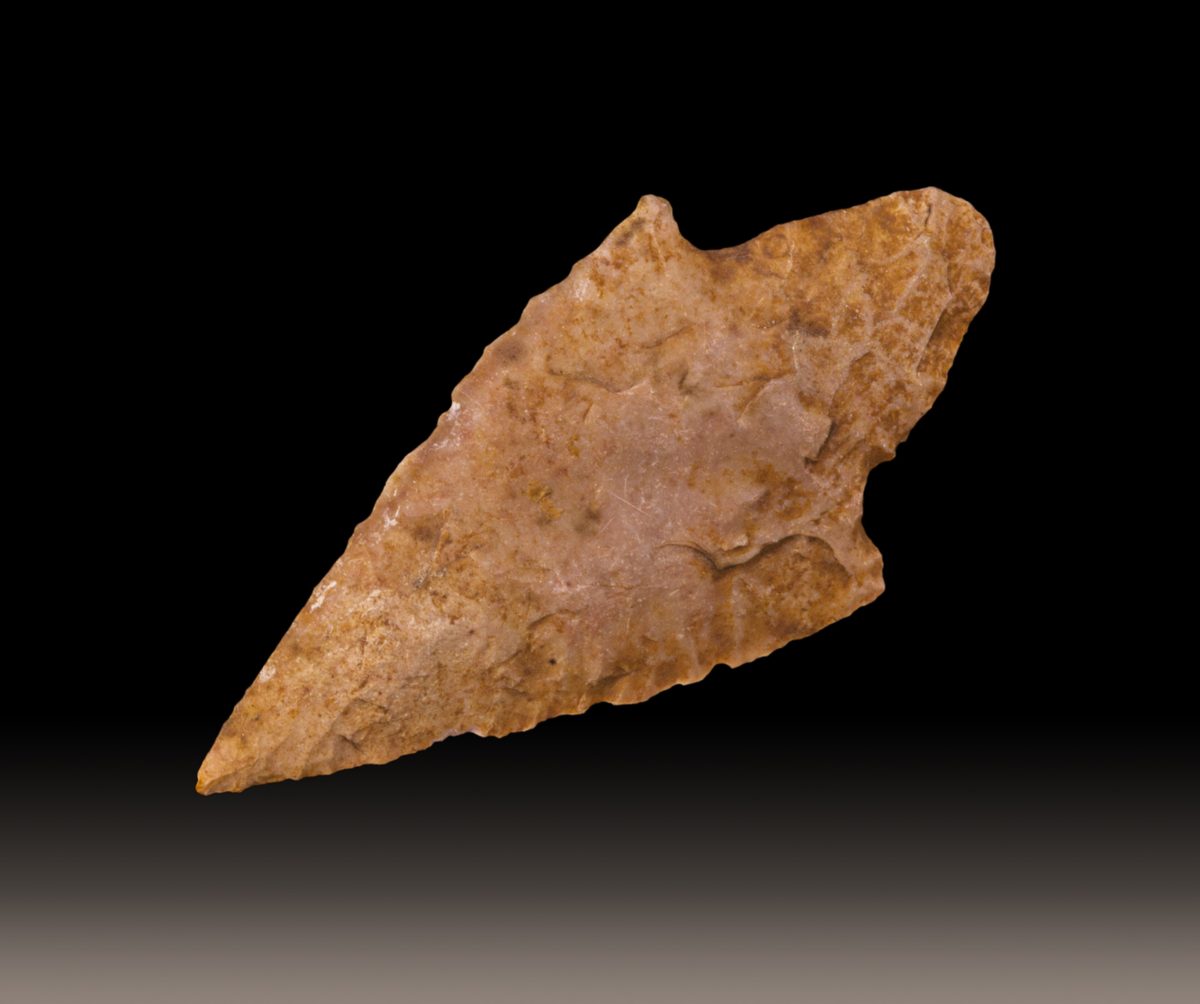
Traditional Archery Hub
Eleven recurve and longbow guides: form, aiming, spine, tuning, and building tackle.
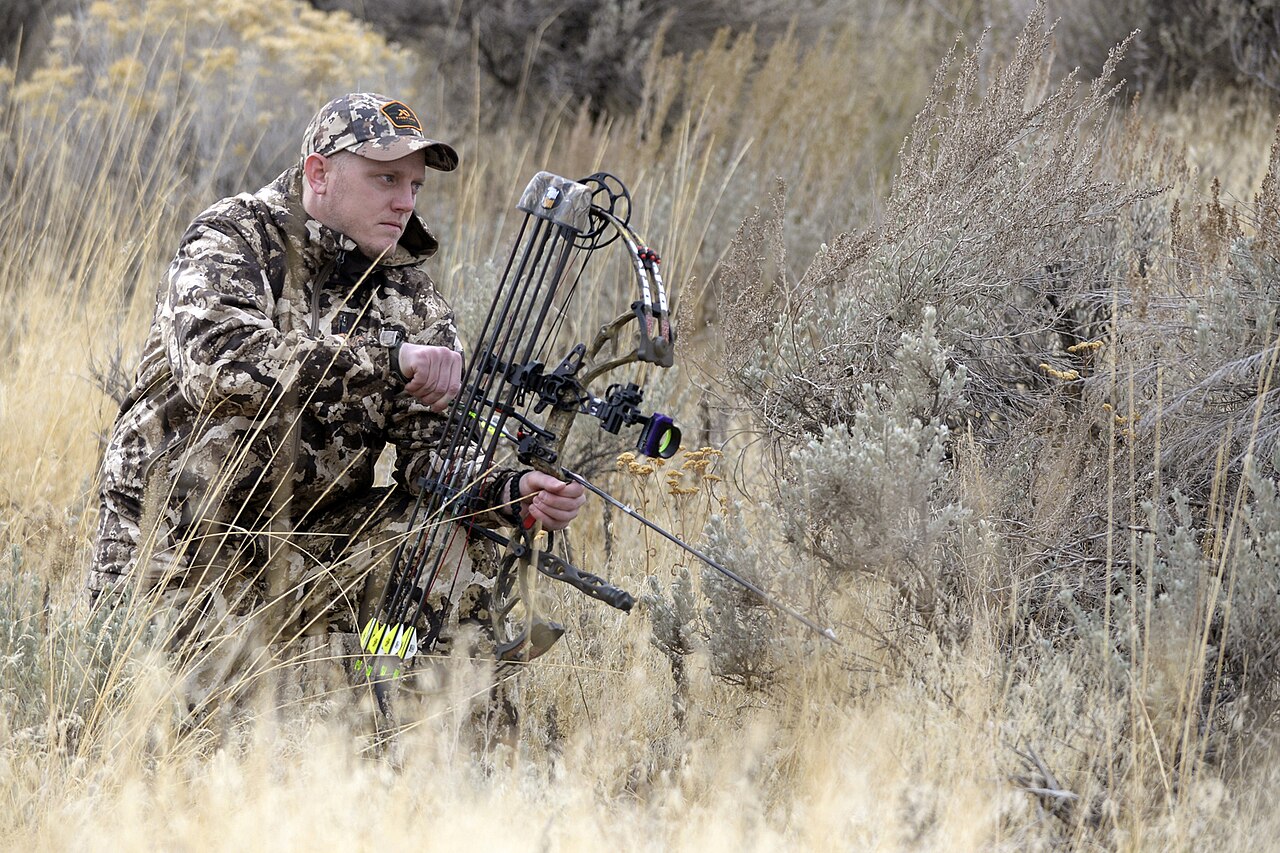
Compound Bow Hunting
Draw length, sight and rest setup, broadhead tuning, and shot process.
Hunting Tips
Wind discipline, stand placement, blood trailing, and meat care.
Keep going
Related reading
Recurve Hunting School
Every recurve hunting skill topic — form, aiming, tuning and more — in one place.
Read →Bow Grip & Hold
Where the grip sits in your hand, how much pressure, and how to stop torquing the riser — the single biggest accuracy killer in traditional archery.
Read →Finger Placement & Release
Split finger vs three-under, the deep hook, tabs vs gloves, and a clean release — everything below the nock, dialed.
Read →Posture & Shooting Form
Stance, posture, draw, anchor, and follow-through — the full shot sequence built to work kneeling, seated, and twisted around a tree.
Read →Top 10 lists
Best in category: hunting gear
Ranked picks with real product photos, specs, and editor notes — the buying side of everything covered in these guides.
Best Hunting Rifles
Bolt guns from budget workhorses to mountain rifles.
See the ranking →Best Upland Shotguns
Over-unders and light autos built to carry all day.
See the ranking →Best Waterfowl Shotguns
3.5-inch guns that keep cycling through mud and ice.
See the ranking →Best Deer Hunting Shotguns
Rifled slug guns for shotgun-only whitetail country.
See the ranking →Best Compound Bows
Forgiving, quiet compounds that tune without a fight.
See the ranking →Best Recurve Bows
Hunting recurves that shoot quiet and hold up outside.
See the ranking →Also on The Wild10
Fishing Guides
Fish identification, the knots that hold, lure selection by conditions, and the habits that fill a stringer.
Open the fishing hub →