Skip to content
Wild10
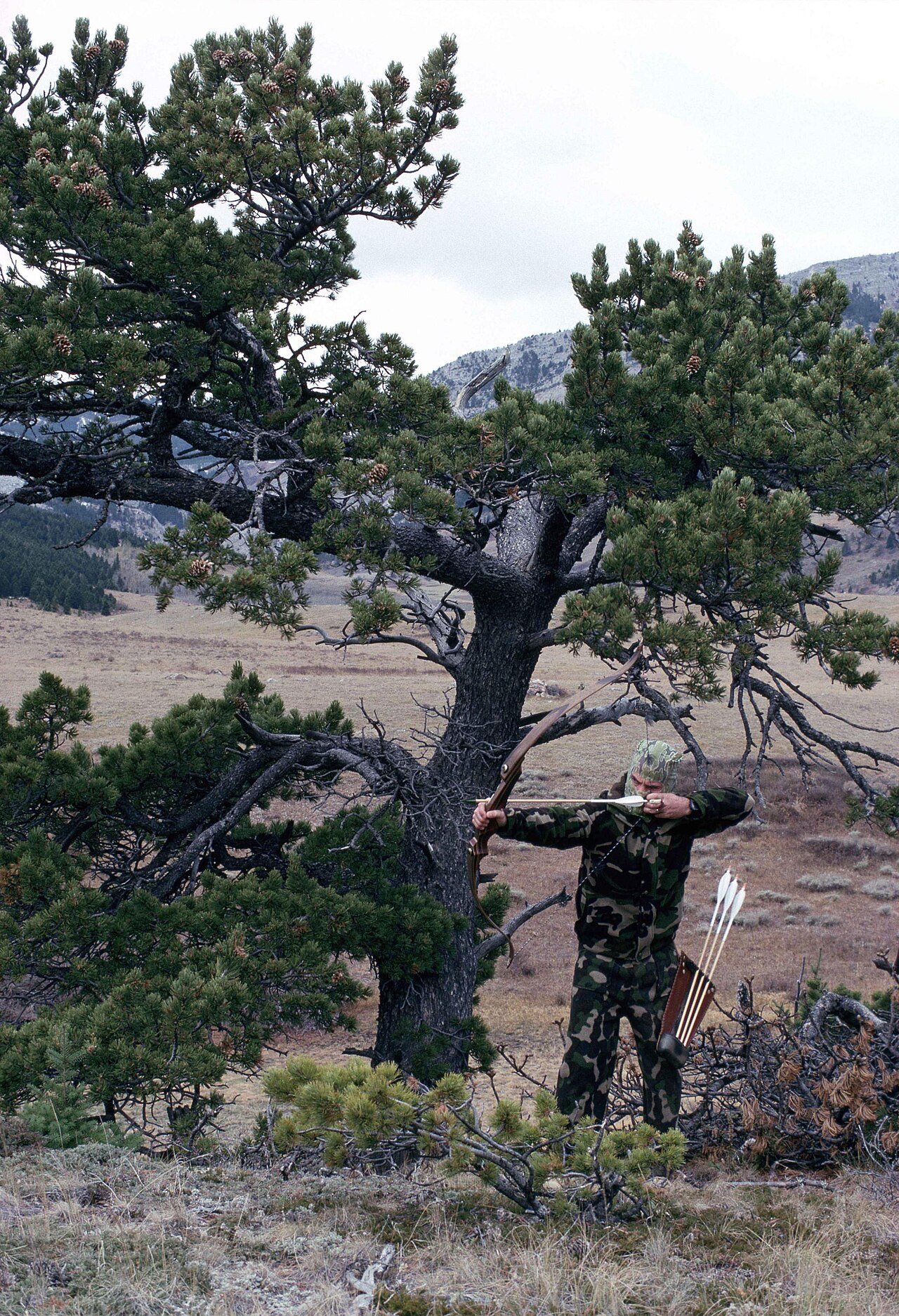
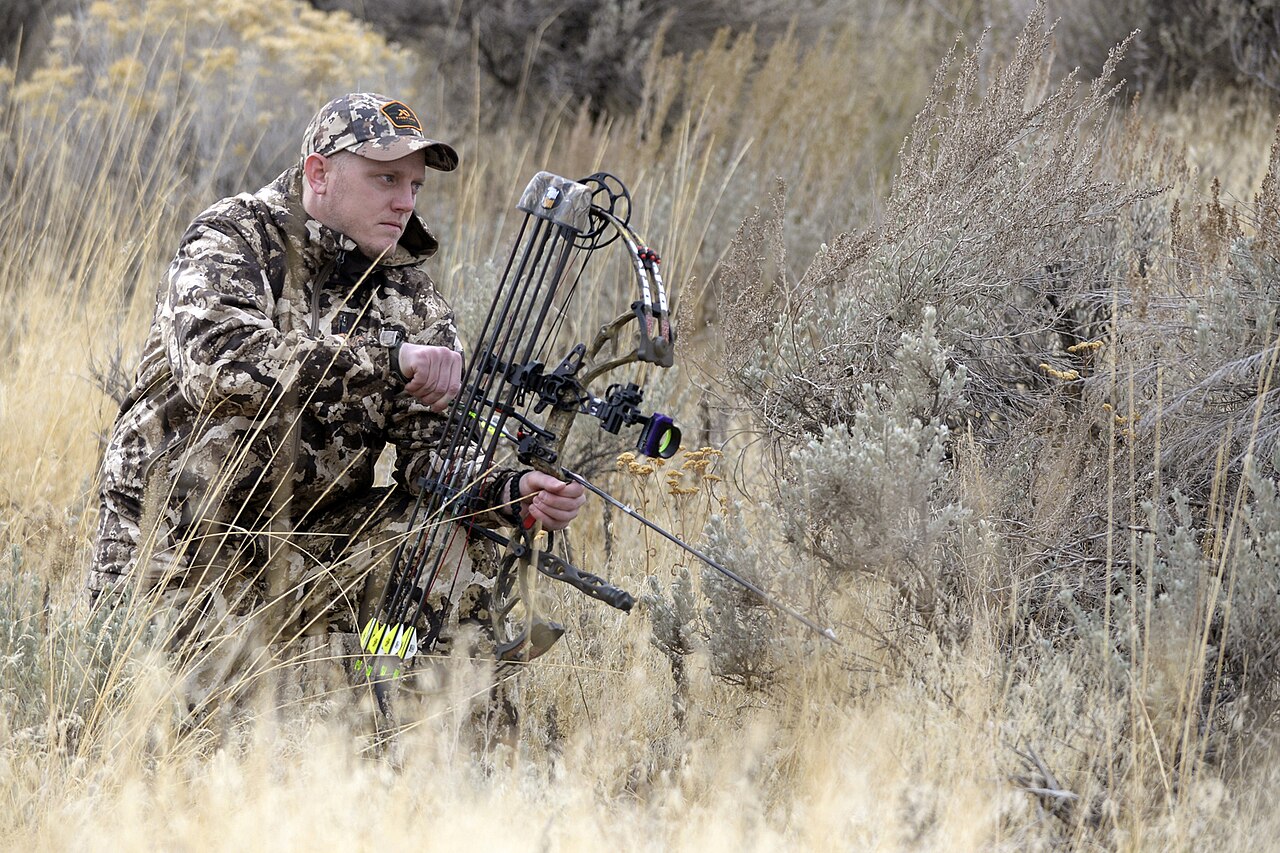
Camouflaged hunter at full draw with a traditional recurve bow in high country pine

Recurve hunting school · Silencing

Make your recurve quiet enough to beat a deer's reflexes

A deer inside fifteen yards can begin dropping before your arrow arrives. Bow noise is the problem — here is every fix, in the order that works.

At whitetail range, string jump is real: a deer hears the shot and starts dropping before the arrow covers fifteen yards. You cannot make a recurve silent, but you can move it from a crack to a thump — and a thump does not trigger the same alarm.

The order of operations matters. Most bow noise is not a silencer problem; it is a tuning and contact problem. Fix the source first, then add dampening. Silencers layered on top of an untuned bow just make a loud, slow bow.

First fix
Tuning, not gadgets
String silencers
Fur quietest, rubber fastest
Placement
⅓–¼ down from the loops
Speed cost
1–5 fps, worth it

01

Fix the noise at its source first

The loudest recurve problems are mechanical: brace height outside the sweet spot, a nocking point set so the string slaps, an untuned arrow rattling off the shelf, or something loose on the bow. A bow that is tuned — correct brace height, correct nock point, matched arrow spine — is already most of the way to quiet.

Check the contact surfaces. The shelf and side plate should be covered in a soft, dead material: moleskin, velour, or seal fur. A bare plastic or wood shelf clicks every time the arrow leaves, and at deer range that click is a sentence.

Only after the bow is tuned and the contact surfaces are dead do add-on silencers earn their keep. Think of them as the last ten percent, not the fix.

Camouflaged hunter at full draw with a traditional recurve bow in high country pine
Mishler, N and MJ, U.S. Fish and Wildlife Service / Public domain · Wikimedia Commons

02

The silencing toolkit, piece by piece

Hardwood forest in peak autumn color
Unknown photographer / Wikimedia Commons · Wikimedia Commons

String silencers — fur (beaver, muskrat, otter)

Quietest

Natural fur puffs are the traditional standard and still the quietest option. Tie them a third of the string length down from each loop. They shed water poorly — carry a spare set or treat them — and cost a couple of feet per second.

String silencers — rubber (cat whiskers, leeches)

All-weather

Rubber whiskers and adhesive string leeches are faster than fur, immune to rain, and nearly as quiet on a tuned bow. String leeches (LimbSaver and similar) are the easiest to install and the most consistent.

Limb dampeners

Vibration

Small rubber or gel buttons stuck to the limb faces absorb the post-shot buzz you feel more than hear. Modest effect on game-audible noise; noticeable effect on hand shock and bow longevity.

Rest, shelf and sight window silencing

Contact noise

Moleskin or velour on the shelf and side plate, plus a feather rest or fur rest instead of hard plastic, removes the click of the arrow leaving. This is cheap, weightless, and mandatory on a hunting rig.

Brace height and string choice

Free fixes

Raising brace height toward the top of the bowyer's range often quiets a bow noticeably. A string with more strands (14–16 for Dacron-style) damps vibration better than a minimal fast string, at a small speed cost.

03

A one-hour silencing session

Do this at home with a phone recording, then confirm at the range. Work in order — each step assumes the previous one is done.

  1. 1Set brace height to the middle of the maker's range and re-check your nocking point.
  2. 2Cover the shelf and side plate with moleskin or velour; pad the quiver hood so arrows cannot rattle.
  3. 3Shoot five arrows over a phone recording to get a baseline noise.
  4. 4Install string silencers a third of the way down from each loop; shoot five more and compare.
  5. 5Add limb dampeners if the bow still buzzes; move silencers an inch up or down the string to find the quietest position.
  6. 6Re-check your point of impact at 15 yards — silencers can shift it slightly — and you are done.

04

The honest limits of quiet

A perfectly silenced recurve still announces itself, and a string-jumping deer is mostly a close-range problem. The real defense is shot selection: take the relaxed, head-down, feeding animal, and pass on the alert, staring one. No silencer beats a deer's startle reflex — but silencing absolutely buys you the arrow's flight time against a calm animal.

Mind the tradeoffs. Heavy silencing costs speed — typically one to five feet per second — and wet fur silencers cost more. Recheck your gaps and your point of impact after any silencing change, and treat water-shedding (or carrying dry spares) as part of the system, not an afterthought.

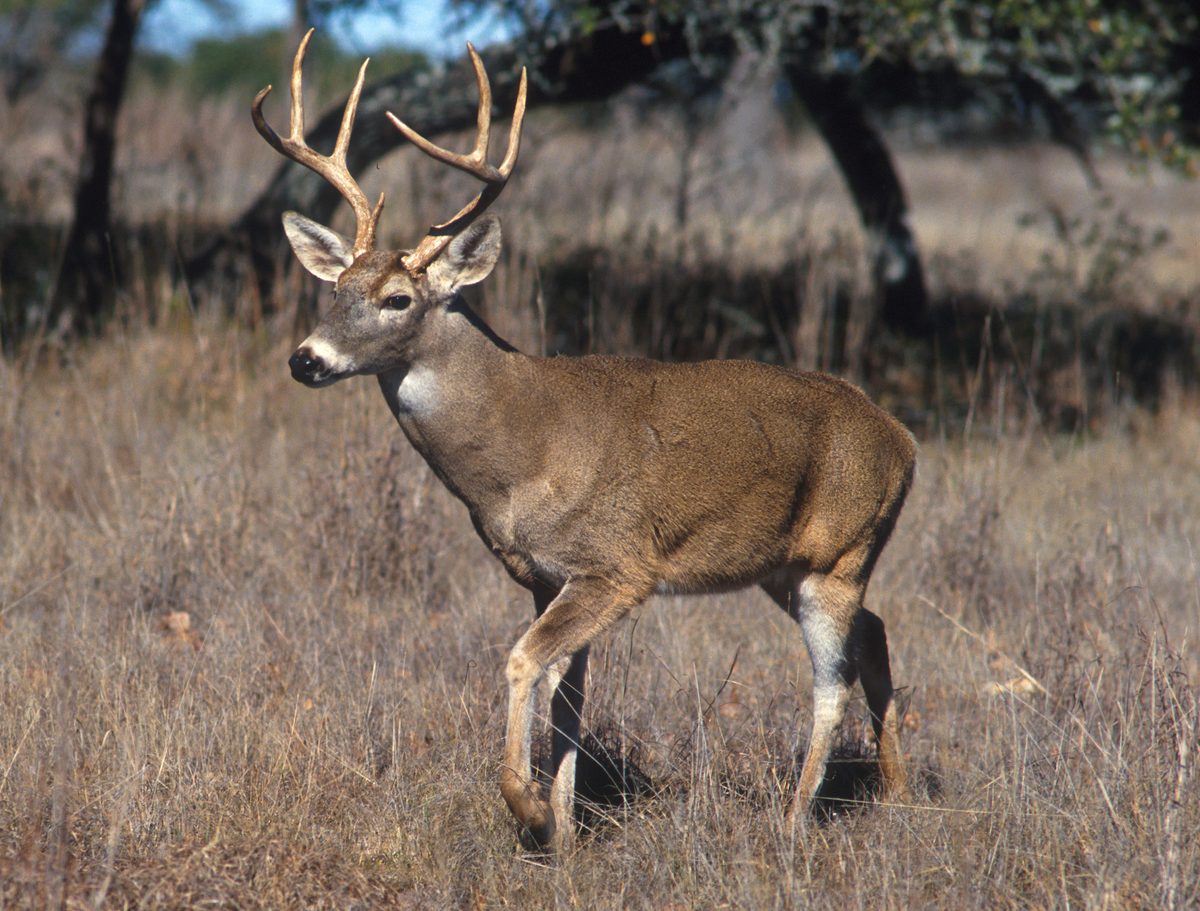
White-tailed deer buck standing at a field edge
USDA photo by Scott Bauer / Public domain · Wikimedia Commons

Learn from the experts

6 expert video lessons on silencers & dampeners

We hand-picked the best instruction on this topic from the most respected traditional archery teachers on YouTube — each embedded here with our notes on what to watch for.

Video embedded from YouTubeShatterproof Archery

After Testing 8 Silencers I Was Shocked — The BEST String Silencers

Shatterproof ArcheryA controlled comparison of eight silencer types with decibel testing — the most useful data in this list.

Video embedded from YouTubeShatterproof Archery

How To: SUPER SILENCE Your Recurve Bow

Shatterproof ArcheryThe full-system approach: string, limbs, and contact surfaces in one build.

Video embedded from YouTubeClay Hayes

How to Install Fur String Silencers

Clay HayesTraditional fur silencers tied correctly, with placement that actually works.

Video embedded from YouTubeJake Kaminski

7 Fixes For a Loud Bow — Make Your Recurve Quieter

Jake KaminskiSeven noise sources and their fixes, in the fix-the-source-first order described above.

Video embedded from YouTube3RiversArchery

Let's Talk About Bow String Silencers!

3RiversArcheryTypes, tradeoffs, and installation from the largest traditional archery retailer.

Video embedded from YouTubeShatterproof Archery

Testing Beaver Bowstring Silencers & Installation

Shatterproof ArcheryBeaver fur specifically — what to expect before you buy, with measured results.

Questions

Frequently asked

What are the quietest recurve string silencers?
Natural fur puffs — beaver, muskrat, or otter — are the quietest option and the traditional standard, tied a third of the string length down from each loop. Rubber string leeches and cat whiskers are nearly as quiet on a tuned bow, faster, and far better in wet weather.
Do string silencers slow my arrows down?
Yes, typically one to five feet per second depending on type and weight. On a hunting recurve shooting inside 20 yards that trade is almost always worth it — a slightly slower, quiet arrow beats a fast, loud one against a deer's reflexes.
Why is my recurve so loud even with silencers?
Silencers are the last ten percent, not the fix. Loud bows are usually untuned: brace height off, nocking point wrong, arrow spine mismatched, or a bare shelf clicking at the shot. Tune first, deaden the shelf with moleskin, then add silencers.
Where do you put string silencers on a recurve?
Start a third of the string length down from each loop (roughly six to eight inches), then move them an inch up or down while shooting over a phone recording to find your bow's quietest position. Placement that works on one bow is not universal.


Also on The Wild10

Fishing Guides

Fish identification, the knots that hold, lure selection by conditions, and the habits that fill a stringer.

Open the fishing hub →
Fly angler casting on a clear northern river