Skip to content
Wild10
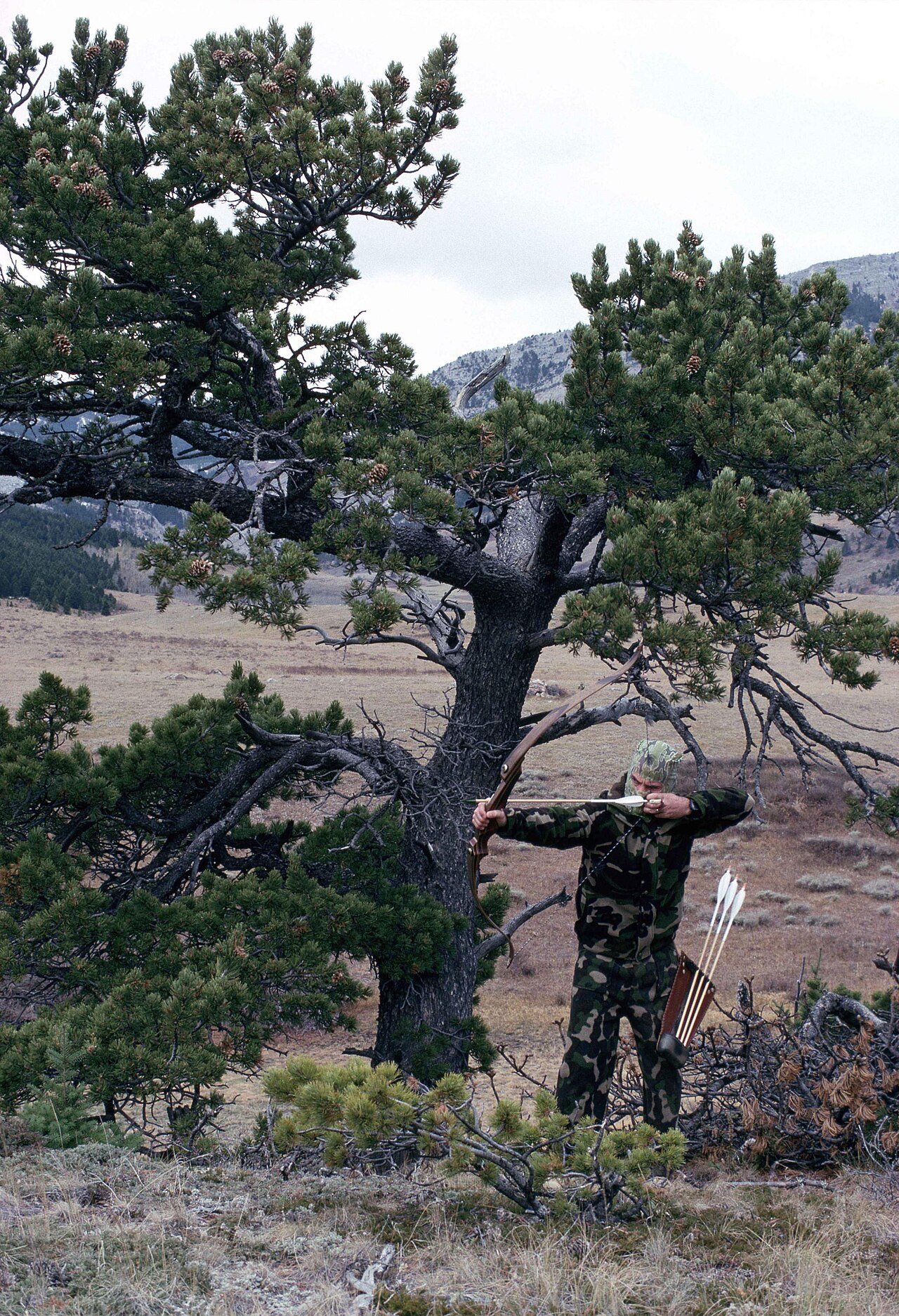
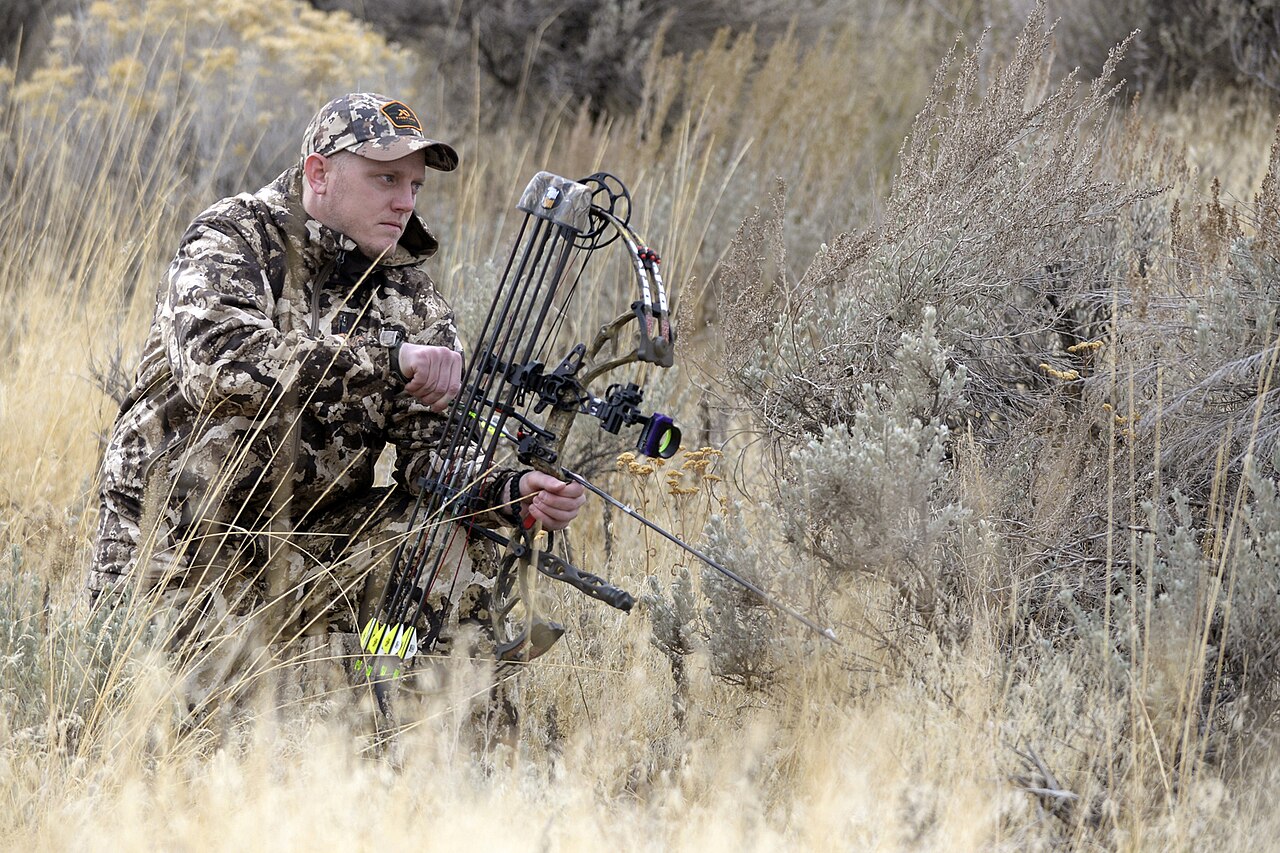
Camouflaged hunter at full draw with a traditional recurve bow in high country pine

Recurve hunting school · Bow hand

How to hold a recurve bow without torquing it

Your bow hand touches the bow longer than any other part of you. Get the grip right and half your accuracy problems disappear.

The bow hand is the only part of your body still touching the bow when the arrow leaves. Every inconsistency in how you hold the grip — where the pressure sits, how tight your fingers are, whether your wrist is canted — goes straight into the arrow. Traditional shooters call it torquing the riser, and it is the most common reason arrows group sideways instead of straight.

The correct hold feels wrong at first: the grip rides high on the pad at the base of your thumb, your knuckles angle off at roughly 45 degrees, and your fingers stay relaxed enough that the bow could jump free at the shot. You are not holding the bow. You are pushing it, and catching it after.

Pressure point
Pad at base of thumb
Knuckle angle
~45° off vertical
Fingers
Relaxed — no death grip
Insurance
Finger or wrist sling

01

Anatomy of a torque-free grip

Set the grip's throat against the fleshy pad at the base of your thumb — the thenar eminence — so the pressure line runs from the pad straight up the bones of your forearm. If the grip sits across your palm or into your fingers, every degree of hand movement becomes riser movement.

Rotate your knuckles out to roughly 45 degrees. This drops the web of your hand and the meat of your fingers away from the riser, and it locks the wrist so it cannot collapse or roll at the shot. Your thumb points at the target; your fingers hang loose or wrap with feather weight.

At the shot, do not grab. A recurve held correctly will roll forward out of a relaxed hand — which is why every traditional hunter shoots with a finger sling or wrist sling. The sling catches the bow; your hand never has to.

Camouflaged hunter at full draw with a traditional recurve bow in high country pine
Mishler, N and MJ, U.S. Fish and Wildlife Service / Public domain · Wikimedia Commons

02

The four grip mistakes that wreck groups

Hardwood forest in peak autumn color
Unknown photographer / Wikimedia Commons · Wikimedia Commons

The death grip

Most common

Squeezing the riser with all four fingers. It feels stable and it torques differently on every shot — especially when a deer is close and your adrenaline is up. Fix: shoot ten arrows with your fingers fully open, trusting the sling.

Palm contact

Low grip

Letting the grip sink into the palm instead of riding the thumb pad. Now the whole heel of your hand is a lever on the riser. Fix: raise the contact point until only the pad touches.

Knuckles vertical

Wrist position

A straight-up knuckle line leaves the wrist free to roll at the shot and crowds fingers into the shelf. Fix: rotate knuckles to 45° and feel the wrist lock.

The flinch-grab

Shot anticipation

Grabbing the bow the instant the string leaves your fingers, usually paired with dropping the bow arm to watch the arrow. Fix: keep eyes on the spot and let the sling do its job — the follow-through is part of the shot.

03

Set your grip in five seconds, every time

Consistency comes from a repeatable placement ritual. Run this sequence before every shot until it is automatic.

  1. 1Hold your bow hand up, palm away, and spread your thumb and fingers wide to open the web.
  2. 2Slide the grip throat onto the thumb pad — high in the hand, never into the palm.
  3. 3Rotate knuckles out to about 45 degrees and let the fingers relax.
  4. 4Confirm the pressure line: pad → wrist → forearm bones, all in one column pointing at the target.
  5. 5Draw without changing anything. If your grip moved during the draw, your draw length or technique is the real problem.

04

Grip in hunting conditions

Cold hands change everything. A numb hand cannot feel pad placement, and a thick glove between your palm and the riser adds a squirming layer of torque. Most traditional hunters shoot with a thin merino or leather glove on the bow hand, or none at all with hand warmers in a muff until the moment of truth.

Grips themselves are worth attention. Many hunting recurves ship with a target-style low-wrist grip; some shooters prefer a high-wrist traditional grip that forces the pad-only contact automatically. If you fight your grip for a whole season, have it re-shaped or wrapped — a bow that fits your hand is not a luxury.

Practice the grip from hunting positions. Kneeling, leaning, and twisting shots all change the geometry between your arm and the riser. The pad-only, relaxed-fingers hold survives those positions; a muscle-locked grip does not.


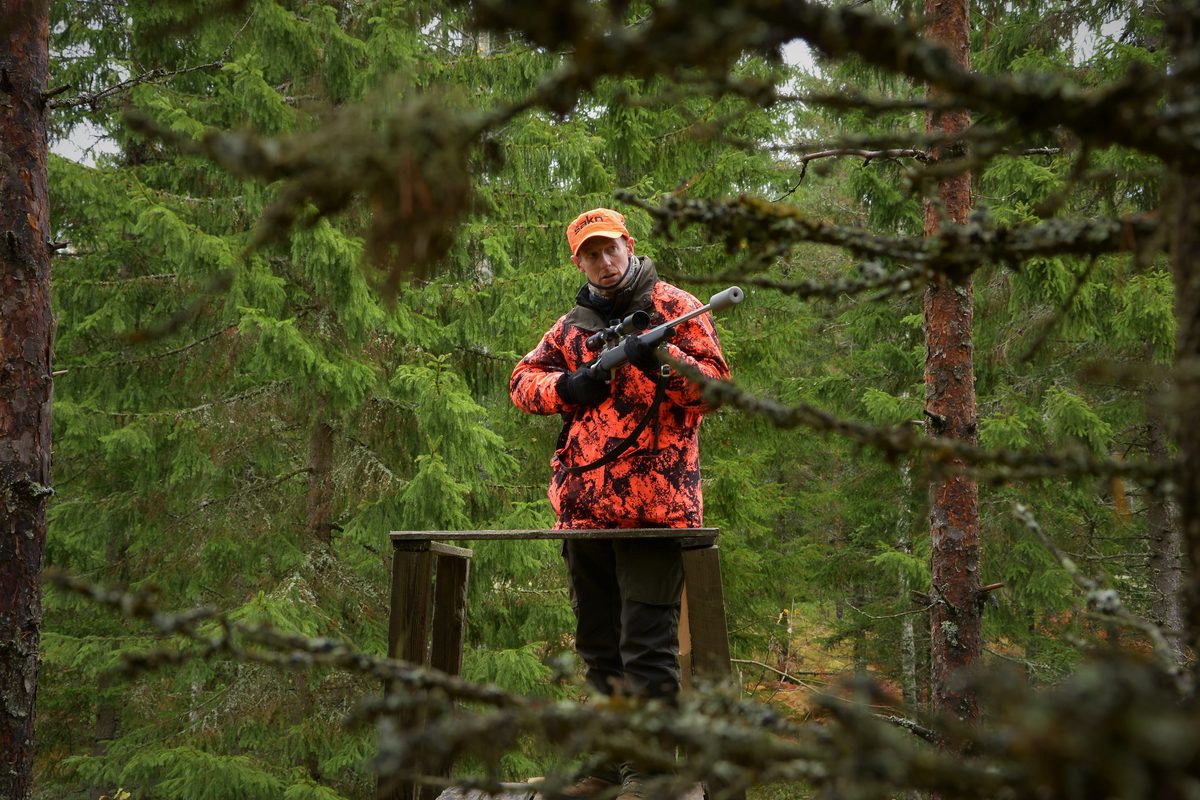
Hunter in blaze orange working a timbered ridge
Unknown photographer / Wikimedia Commons · Wikimedia Commons

Learn from the experts

5 expert video lessons on bow grip & hold

We hand-picked the best instruction on this topic from the most respected traditional archery teachers on YouTube — each embedded here with our notes on what to watch for.

Video embedded from YouTubeJake Kaminski

The BEST Bow Grip Position — Zero Torque Hand Placement

Jake KaminskiTwo-time Olympic silver medalist on placing the hand so torque is structurally impossible.

Video embedded from YouTubeJake Kaminski

How To Grip Your Bow The Right Way!

Jake KaminskiKaminski's companion piece on the grip — different angle on the same fundamentals.

Video embedded from YouTubeClay Hayes

Traditional Archery Tips — Bow Hand Position

Clay HayesThe traditional-hunting specific version: high grip, relaxed fingers, and why it matters off the shelf.

Video embedded from YouTubeArmin Hirmer

How To Hold Your Bow — Archery FAQ

Armin HirmerArmin answers the grip question with his trademark slow-motion detail across bow styles.

Video embedded from YouTubeJeff Kavanagh

Instinctive Archery — Gripping the Bow

Jeff KavanaghA hunting-first take on the grip from one of traditional archery's most respected teachers.

Questions

Frequently asked

Where should a recurve grip sit in your hand?
High in the hand, on the fleshy pad at the base of the thumb, with the pressure line running straight up the forearm bones. The grip should never sink into the palm or fingers — that contact is what lets you torque the riser.
Why does my recurve jump out of my hand when I shoot?
Because you are holding it correctly — a relaxed, torque-free hand cannot hold the bow at the shot. That is exactly why traditional archers use a finger or wrist sling: the sling catches the bow so your hand never has to grab, which would torque the shot.
Do I need a sling on a hunting recurve?
Effectively, yes. Shooting with a relaxed bow hand — which accuracy demands — means the bow rolls forward at every shot. A simple leather finger sling or paracord wrist sling costs almost nothing and removes the temptation to grab.
Can a glove cause bow torque?
Yes. A thick or slippery glove on the bow hand adds an unstable layer between palm and riser. Use a thin merino or leather glove, or keep the hand bare with a muff and warmers until the shot.

Also on The Wild10

Fishing Guides

Fish identification, the knots that hold, lure selection by conditions, and the habits that fill a stringer.

Open the fishing hub →
Fly angler casting on a clear northern river