Skip to content
Wild10
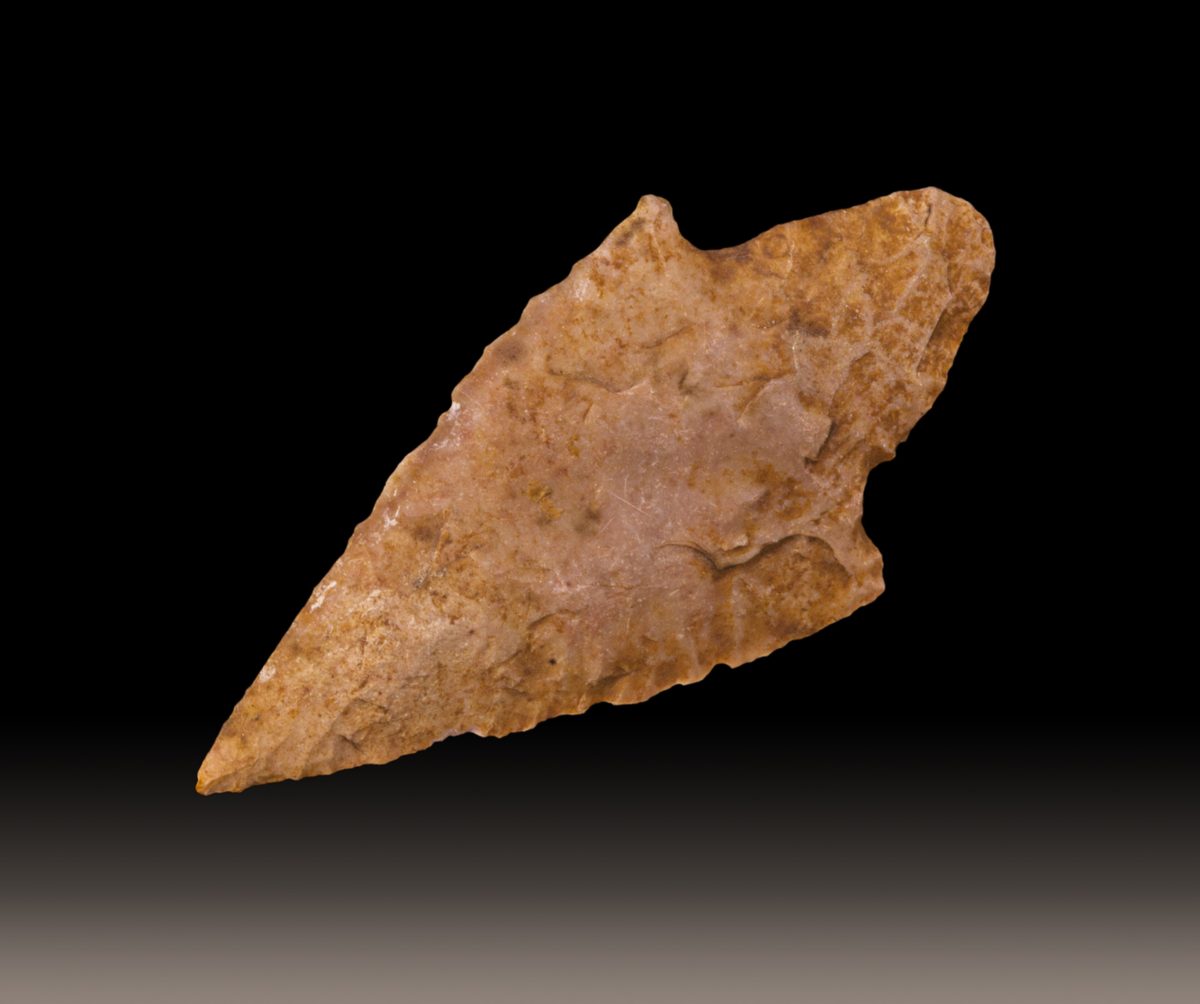
Hunting broadhead points showing cutting edges

Recurve hunting school · Tuning

Tune your hunting arrows until broadheads hit with field points

A recurve shot off the shelf magnifies every tuning error. The fix is a process — spine first, bare shaft second, broadhead last.

An untuned arrow leaves a recurve sideways, and it never fully recovers — at twenty yards a poorly tuned shaft can be inches off your point of aim with a broadhead steering it worse. Tuning is not optional for hunting, because a broadhead's blades act as wings on any arrow that is not flying perfectly straight.

The sequence matters more than any single step. Static spine gets you the right shaft, bare-shaft tuning matches the arrow to your bow and your release, and broadhead tuning is the final proof. Skip a step and you will chase ghosts all season.

Sequence
Spine → bare shaft → broadhead
Bare-shaft distance
15 yards
Adjust first
Point weight (25 gr steps)
Goal
Heads and fields, one group

01

Why a recurve is harder to tune than a compound

Shot off the shelf, the arrow must bend around the riser as it leaves — the archer's paradox. The string also travels slightly off-center relative to the riser, and your fingers roll the string sideways at the release. A compound with a cut-past-center rest and a mechanical release hides tuning sins; a finger-shot recurve exposes all of them.

That is why spine is non-negotiable. Too stiff and the shaft cannot flex clear of the riser — it prints left of your fletched group (for a right-handed shooter). Too weak and it slaps the riser on the way past and prints right. No grip change or aiming fix corrects a wrongly spined arrow.

Start from your real numbers: actual draw weight at your draw length, arrow length, and point weight. Our arrow spine calculator turns those into a starting static spine, and a test kit or half-dozen shafts confirms it before you commit to a dozen.

Hunting broadhead points showing cutting edges
Unknown photographer / Wikimedia Commons · Wikimedia Commons

02

Bare-shaft tune in one session

You need one fletched arrow and one bare shaft of identical spine, length and point weight — plus a calm hour at 15 yards.

  1. 1Shoot the fletched arrow at a spot, then the bare shaft at the same spot, same form. Repeat for three honest groups.
  2. 2Read the bare shaft's strike relative to the fletched group and how it is angled in the target.
  3. 3Nock-left of the group (right-handed): shaft too stiff. Reduce point weight 25 gr, or raise brace height slightly.
  4. 4Nock-right of the group: shaft too weak. Add point weight 25 gr, or shorten the arrow half an inch.
  5. 5High or low bare shaft: adjust the nocking point an eighth-inch at a time, not the spine.
  6. 6Repeat until the bare shaft groups with the fletched arrow and buries straight — then the arrow matches your bow.

03

The adjustment order — cheapest first

Hardwood forest in peak autumn color
Unknown photographer / Wikimedia Commons · Wikimedia Commons

1. Point weight

Fine adjustment

Swapping between 100/125/150/200 grain points moves dynamic spine a quarter group at a time and changes FOC. This is where 90% of tuning happens. Hunting setups usually want the heavy end anyway — more FOC, more momentum.

2. Arrow length

Fine adjustment

Shortening stiffens; leaving long weakens. Cut in half-inch steps. Leave at least an inch of shaft past the rest at full draw so a broadhead never sits over your fingers.

3. Brace height

Bow adjustment

A twist or two on the string changes how long the string pushes the arrow. Small moves — an eighth to a quarter inch — nudge tune and noise. Stay within the bowyer's specified range.

4. Spine

Last resort

If point weight, length, and brace height cannot close the gap, the shaft itself is wrong. This is why you test with two arrows before buying a dozen.

04

Broadhead tuning: the proof that matters

Once bare shafts fly true, screw on your hunting broadheads and shoot them against field points at 15 and 20 yards, into a broadhead-safe target. A fixed-blade head on a tuned arrow will group with your field points. If it planes off, the arrow is still steering — go back one step, or index the head to the shaft (mark and rotate until that head flies true on that shaft).

Use the exact arrows you will hunt with, spun for straightness, with heads sharpened after tuning. A shaving-sharp head you have not shot is an unknown. Every arrow in your quiver should be one you have personally watched fly straight with a broadhead on it.

Expect to spend a dozen arrows and one afternoon. That afternoon is the difference between a pass-through at eighteen yards and a wounded deer with a story about deflection.

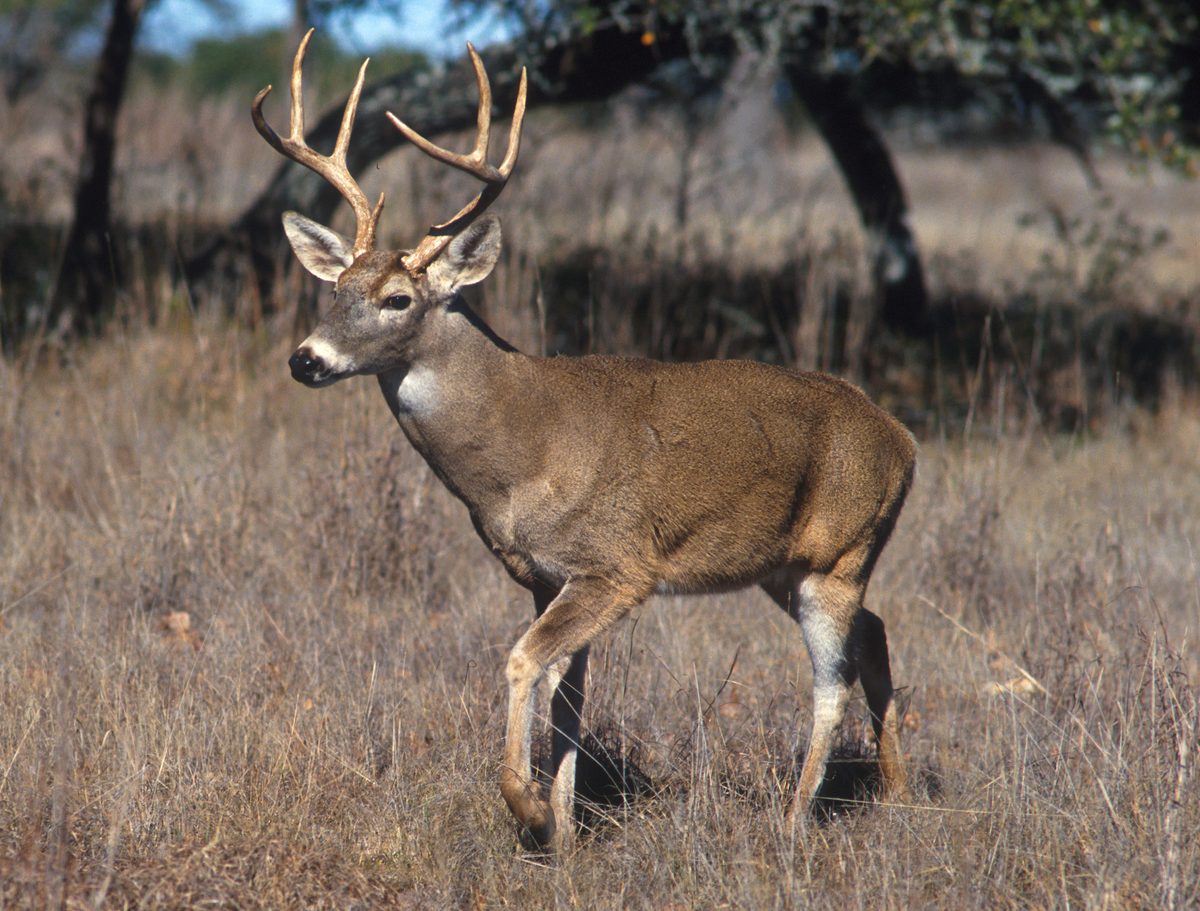
White-tailed deer buck standing at a field edge
USDA photo by Scott Bauer / Public domain · Wikimedia Commons

Learn from the experts

5 expert video lessons on arrow tuning

We hand-picked the best instruction on this topic from the most respected traditional archery teachers on YouTube — each embedded here with our notes on what to watch for.

Video embedded from YouTubeClay Hayes

Tuning a Recurve, Longbow, or Selfbow for Perfect Arrow Flight

Clay HayesThe complete traditional tuning process from a bowyer who tunes for a living.

Video embedded from YouTubeJake Kaminski

Bare Shaft Tuning a Recurve Bow — Tuning Series Ep. 10

Jake KaminskiOlympic-level bare-shaft method — rigorous, measurable, and directly transferable to hunting bows.

Video embedded from YouTubeBlack Widow Bows

Arrow Tuning with Ken Beck

Black Widow BowsKen Beck of Black Widow — one of the most respected traditional bowyers alive — on tuning in eleven minutes.

Video embedded from YouTubeTTT Archery

Traditional Archery Bare-Shaft Tuning — You're Probably Doing It Wrong!

TTT ArcheryThe common bare-shaft misreadings that send tuners in circles — worth watching before your first session.

Video embedded from YouTubeInstinctive Addiction Archery

How To Tune Your Hunting Arrows The Easy Way!

Instinctive Addiction ArcheryA hunter's simplified version of the same process — good for a second pass once the theory is clear.

Questions

Frequently asked

How do I know if my recurve arrows are too stiff or too weak?
Shoot a bare shaft and a fletched shaft at the same spot at 15 yards. For a right-handed shooter, a bare shaft striking left of the fletched group is too stiff; striking right is too weak. Also read the angle the bare shaft buries at — nock-left means stiff, nock-right means weak.
What should I adjust first when tuning?
Point weight, in 25-grain steps — it is cheap, reversible, and moves dynamic spine more than any other easy change. Then arrow length, then brace height. Changing shaft spine is the last resort, which is why you test before buying a dozen.
Why do my broadheads hit differently than field points?
The blades steer any arrow that is not flying perfectly straight. Field points forgive a slightly untuned arrow; broadheads do not. Bare-shaft tune until shafts bury straight, then broadhead-tune — indexing each head to its shaft — until both group together at hunting distance.
Do I need a test kit before buying arrows?
Strongly recommended. Every bow-and-shooter combination is different, and your release is the biggest variable. Calculate your starting spine, then test two arrows of the recommended spine (and ideally one either side) before committing to a full dozen.


Also on The Wild10

Fishing Guides

Fish identification, the knots that hold, lure selection by conditions, and the habits that fill a stringer.

Open the fishing hub →
Fly angler casting on a clear northern river