Skip to content
Wild10
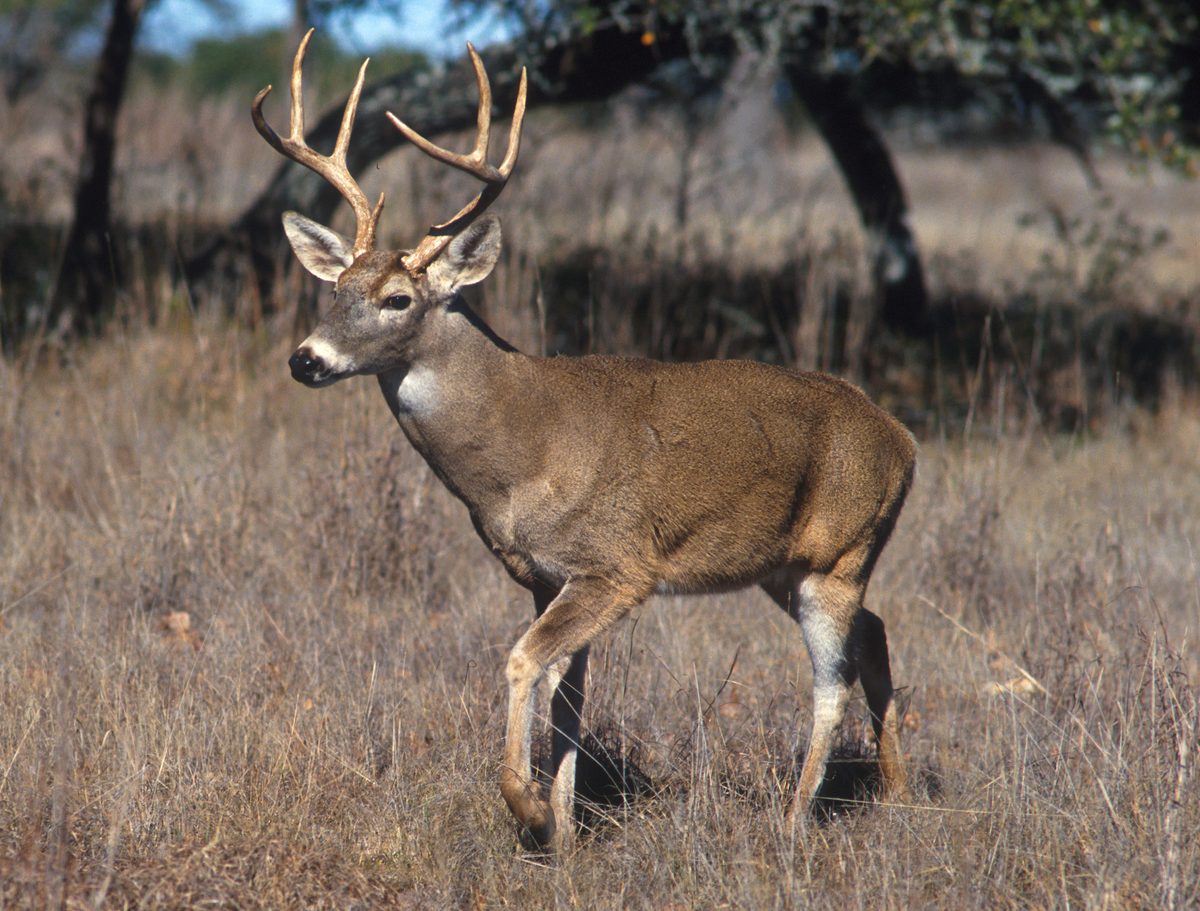
White-tailed deer buck standing at a field edge

Recurve hunting school · On game

The twenty-yard problem: shooting at live game

Everything in this school exists for this moment. Here is how the shot actually works when the target has ears.

Range skill is table stakes. The hunting shot adds a clock, an audience, and consequences: the animal can move, the window can close, and a marginal decision wounds instead of kills. Traditional bowhunters live inside twenty yards, which means everything — the draw, the aim, the release — happens inside the animal's senses.

This page is about the decisions around the shot more than the mechanics, because by the time a deer is standing in your lane the mechanics must already be subconscious.

Ethical cap
20 yards (15 is better)
Best angle
Slightly quartering away
Draw when
Eyes covered or behind you
Minimum draw wt.
40 lb (45–55 ideal)

01

When to draw — the whole chess game

Draw when the animal's eyes are covered or pointed away: head behind a tree, head down feeding with you outside its peripheral cone, or looking away. You will not outdraw a staring deer — the motion of a rising bow is exactly what thirty million years of predation taught it to notice.

This is why the slow draw is a core hunting skill: practice taking ten full seconds to come to anchor while an animal feeds. Motion that slow reads as environment, not threat. The fast draw is for the alert animal already committed to leaving — and that is usually a shot you should pass anyway.

If the shot window does not open in your two-to-four-second anchor, let down. Slowly. A held recurve past its window produces shaky, rushed, gut-level shots. The discipline to let down and wait is what separates traditional hunters from traditional shooters.

White-tailed deer buck standing at a field edge
USDA photo by Scott Bauer / Public domain · Wikimedia Commons

02

The scenarios you will actually face

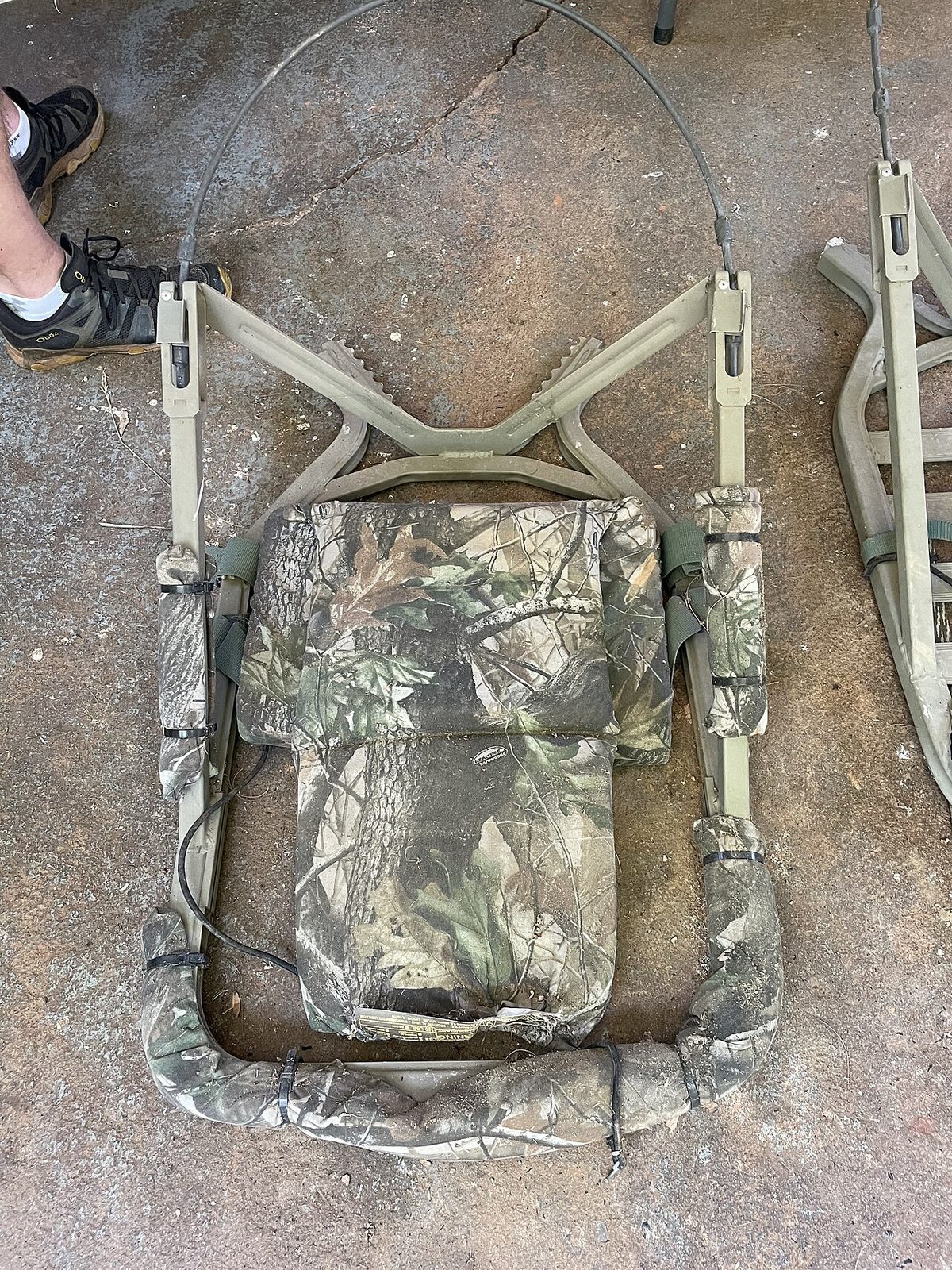
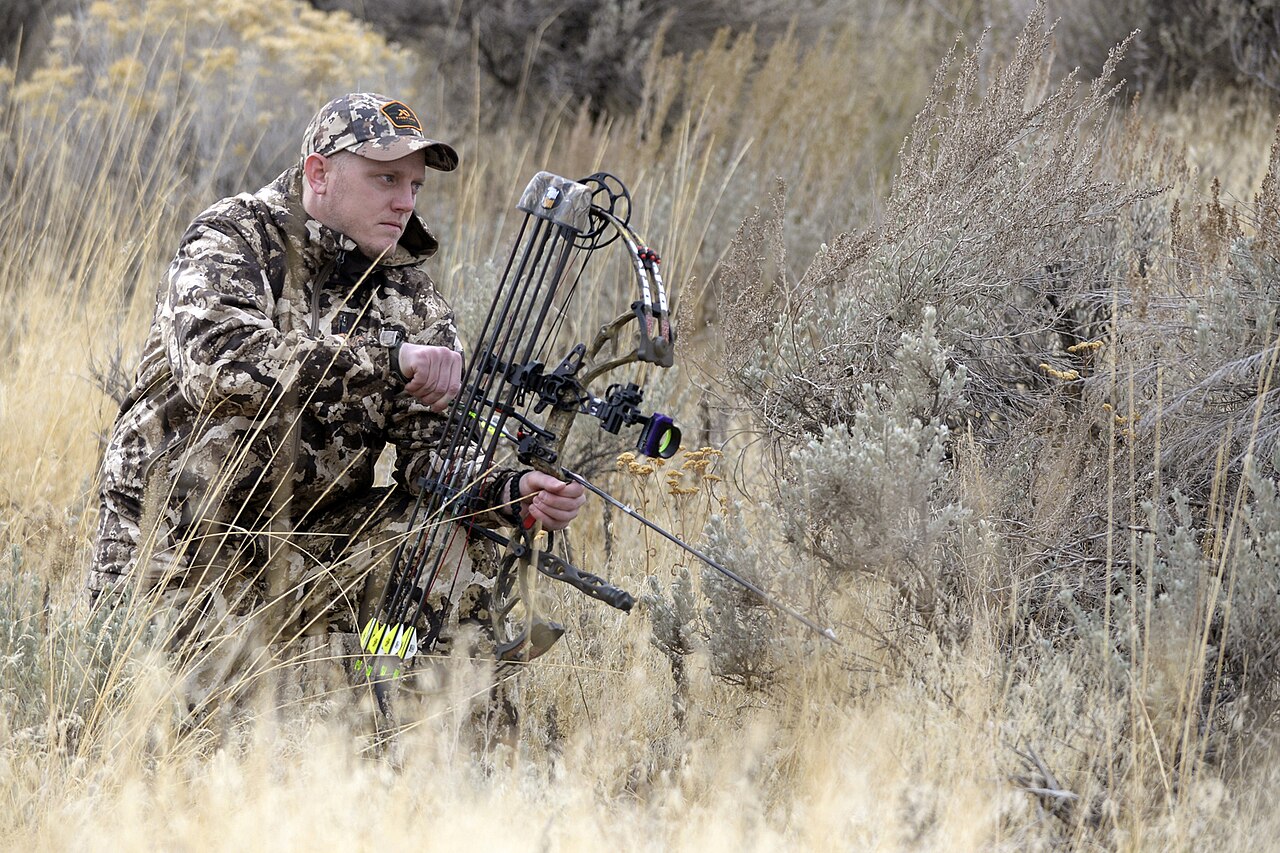
Camouflage tree stand set in hardwood timber
Jackmalott / CC BY-SA 4.0 · Wikimedia Commons

Treestand, steep angle, close deer

Most common miss

The classic error is dropping the bow arm to reach the angle, which destroys your anchor and shoots high. Instead: draw level at full form, then bend at the waist — hinge, keeping the T — onto the target. Practice from a stand or roof before season, because your 20-yard pin-point is not your 20-yard-at-30-degrees point.

Ground hunting, seated or kneeling

Traditional strength

This is where the recurve shines — no cables or cams to foul on brush, shootable from any contorted position. Practice seated with legs crossed and kneeling on both knees. Your upper-body sequence must be identical to standing; only your base changes.

The walking shot

Advanced

A deer walking through your lane at 15 yards: pick the spot, draw as its head passes behind cover, and release as the shoulder enters the lane — leading nothing at walking pace inside 20 yards; the arrow arrives before the animal takes another step. If it is trotting, that is not your shot.

The alert, staring animal

Usually a pass

Head up, eyes locked on you, inside 15 yards: this deer will drop or spin on the string. Silencing buys you time on calm animals, not alarmed ones. The honest play is to hold at anchor a beat, and if it does not relax, let down. Some seasons that is the hardest and best decision you make.

03

Shot placement with a traditional bow

The target is the same as any archery tackle — both lungs, tight behind the shoulder — but the margin is thinner because you carry less energy. The money angle is slightly quartering away: the arrow enters behind the ribs and exits forward through the chest, opening two holes and a blood trail.

Broadside is good. Hard quartering-to is a pass — the near shoulder and the heavy brisket bone eat traditional arrows. Straight-away is a pass, always. At traditional distances you can afford to be choosy, because another opportunity at fifteen yards is what the whole discipline is built to create.

Aim at the exit, not the entry: visualize the arrow's path through to the far side and place your spot where it must go in to come out right. Then stay in the shot — eyes on the spot, bow arm up, until you hear the hit. Dropping to watch the arrow is the final form fault that kills deer.

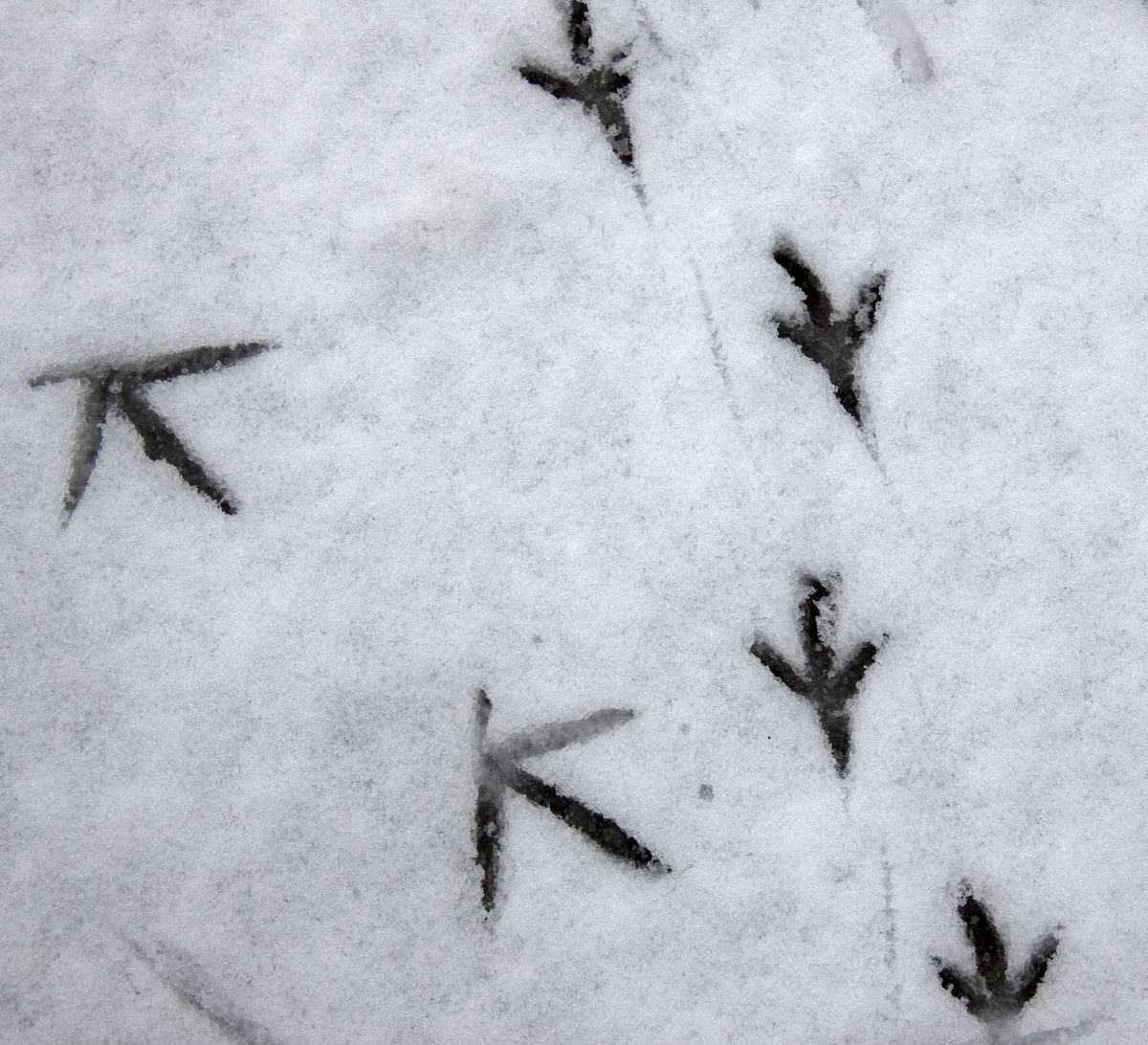
Fresh deer tracks pressed into soft ground
Tony Hisgett from Birmingham, UK / CC BY 2.0 · Wikimedia Commons

04

Angles at traditional range

AngleVerdictWhy
Slightly quartering awayTake itEntry behind ribs, exit through chest, two holes
BroadsideTake itFull lung exposure, classic shot
Quartering away, hard angleCarefulEntry far back; aim for far-side exit, expect liver
Quartering toPassNear shoulder and brisket stop trad arrows
Straight away / Texas heartPass, alwaysNo ethical margin at any poundage

Learn from the experts

6 expert video lessons on hunting shots & scenarios

We hand-picked the best instruction on this topic from the most respected traditional archery teachers on YouTube — each embedded here with our notes on what to watch for.

Video embedded from YouTubeBass Pro Shops

Recurve Bow Hunting Tips For Beginners — Fred Eichler

Bass Pro ShopsFred Eichler — the first person to take the North American Super Slam with a traditional bow — on the fundamentals that put game on the ground.

Video embedded from YouTubeInstinctive Addiction Archery

How To Shoot Deer From A Tree Stand With Traditional Bows

Instinctive Addiction ArcheryThe bend-at-the-waist fix for steep stand angles, demonstrated from an actual stand.

Video embedded from YouTubeInstinctive Addiction Archery

Traditional Bowhunting — Shot Placement And Equipment Tips That Work

Instinctive Addiction ArcheryPlacement and equipment decisions for real hunting distances, from a full-time traditional hunter.

Video embedded from YouTubeSubmission Archery

Traditional Bow Draw Weight — How Much Do You Really Need To Hunt Deer?

Submission ArcheryAn evidence-based answer to the draw-weight question — less mystical than the forum version.

Video embedded from YouTubeSamko Trad Bow

How Much Bow Weight To Pass Through A Deer

Samko Trad BowWhat actually produces pass-throughs — arrow weight, FOC and sharp heads versus raw poundage.

Video embedded from YouTubeFeel the Spirit

How To Consistently Get Stickbow Close To Deer

Feel the SpiritThe approach skills that create the shot — because inside twenty yards is earned, not given.

Questions

Frequently asked

What is the maximum ethical range for recurve hunting?
Twenty yards for most traditional hunters, and many cap themselves at fifteen. It is not about what the bow can do — it is about what you can do, from field positions, under pressure, on an animal that can move during the arrow's flight. Your honest limit is the distance where you can keep every arrow in a paper plate, from your knees, with your heart rate up.
When should I draw on a deer?
When its eyes are covered or pointed away: head behind a tree, head down feeding outside its peripheral cone, or looking the other direction. Practice a ten-second slow draw for feeding animals. You will not beat a staring deer's eyes — if it is locked on you, wait or let down.
Why do I miss high from my treestand?
Because you are dropping your bow arm to reach the angle instead of bending at the waist. Draw at full T-form, then hinge at the hips onto the target. Also confirm your actual horizontal distance — the steep angle shortens the effective range slightly.
How much draw weight do I need to kill a deer with a recurve?
Forty pounds meets most states' legal minimum, and 45–55 lb at your draw length is the practical window for deer. Arrow weight, FOC, and a shaving-sharp cut-on-contact head matter more than the last five pounds — a heavy, well-tuned arrow from 45 lb passes through; a light arrow from 60 lb may not.


Also on The Wild10

Fishing Guides

Fish identification, the knots that hold, lure selection by conditions, and the habits that fill a stringer.

Open the fishing hub →
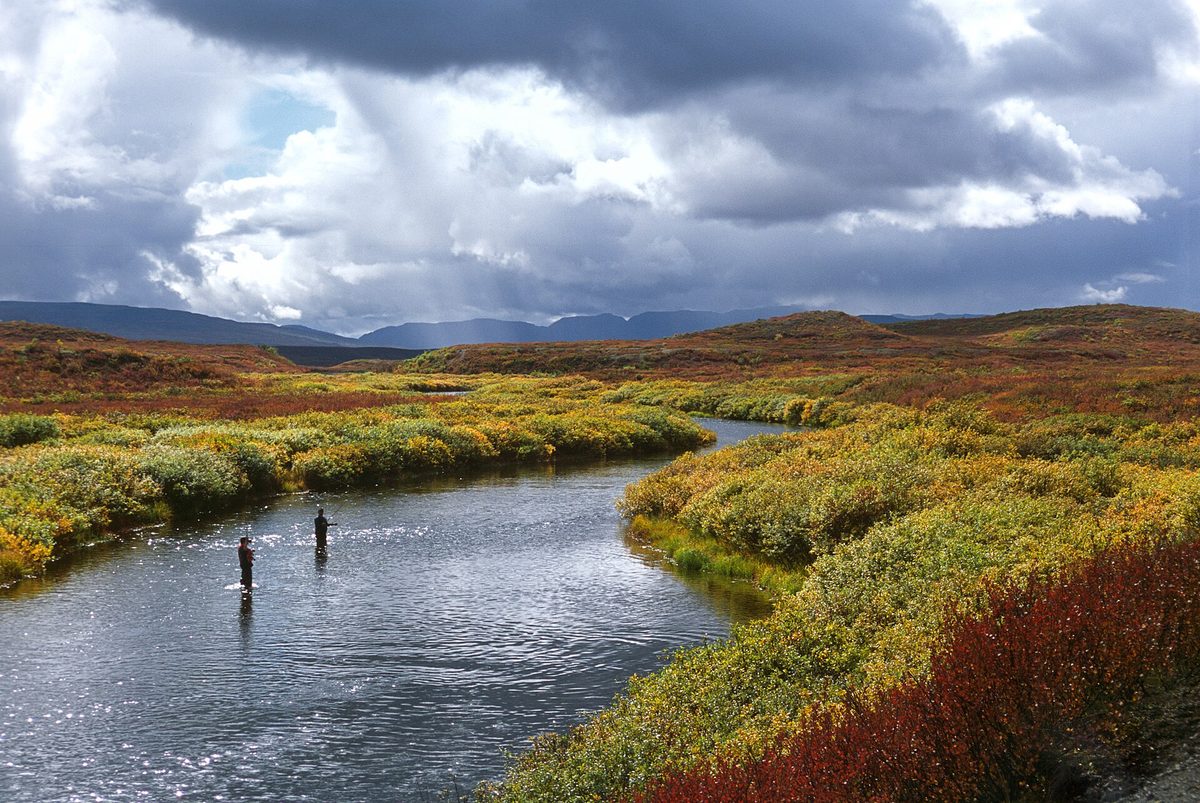
Fly angler casting on a clear northern river