



Maine
Acadia National Park
Must-see: Cadillac Mountain · Jordan Pond
Designation: National park
Wild10 · Protected places
America’s remarkable landscapes and shared stories — protected for the generations still to come.
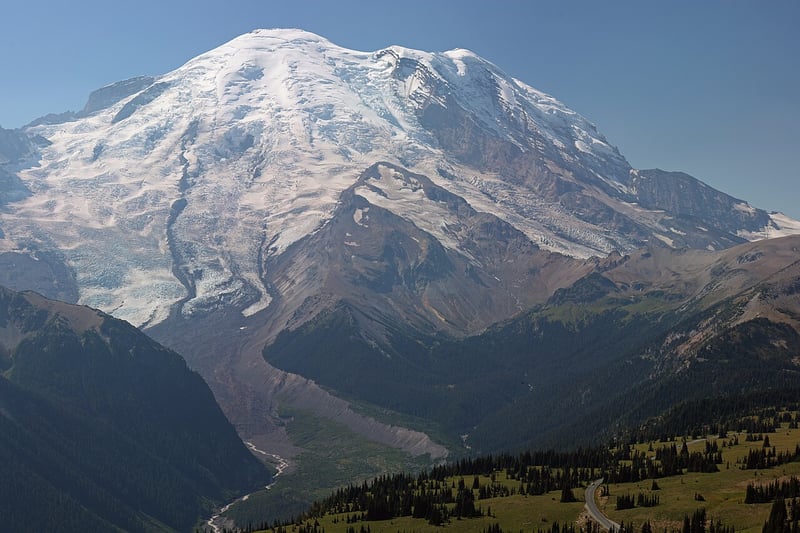
Mount Rainier photograph: Walter Siegmund (talk) · CC BY-SA 3.0
63
designated national parks
30
states with national parks
2
US territories with parks
9
parks in California
A national park is more than a beautiful stop on a road trip. It protects landscapes, wildlife and cultural resources that belong to a larger national story. The National Park Service’s mission combines conservation with public enjoyment, while leaving those resources unimpaired for future generations. NPS mission
Parks conserve habitats and ecological processes, from Everglades wetlands and Biscayne reefs to Arctic tundra. Protection matters beyond a scenic viewpoint: wildlife needs habitat, water and room to move.
Volcanic landscapes, caves, glaciers and fossil beds preserve evidence of how Earth changes. Parks support research, monitoring and learning in the places where those stories can be seen.
Mesa Verde’s ancestral places, American Samoa’s living cultural landscape and Gateway Arch’s historical setting show that parks are not only wilderness. Indigenous peoples’ connections to these lands extend long before park designation.
Walking, paddling, learning and quiet observation connect people with the outdoors. Public access comes with responsibilities: protect wildlife, respect cultural places and leave natural objects where they belong.
The name is a legal designation, not a score for scenery. Congress establishes national parks through legislation. A president can proclaim national monuments on federally managed land under the Antiquities Act; that does not automatically make a monument a national park. Congress can later redesignate an area.
Potential additions are often studied for national significance, suitability, feasibility and whether direct NPS management is needed. These are evaluation criteria, not an automatic checklist that guarantees designation. Congress is not required to commission a study before passing a designation law.
Sources: Congressional Research Service: establishing units · NPS designation studies.
Usually protects diverse natural features and broad scenic or scientific values. Local laws and regulations still determine visitor activities.
Protects significant natural, historic or scientific resources. Monuments can be established by Congress or presidential proclamation, and are not all managed by NPS.
Can protect resources similar to a park while allowing uses, such as hunting, where its legislation permits them. A combined park-and-preserve title does not mean identical rules everywhere.
The 63 designated national parks are only part of the much larger National Park System, which also includes historic sites, battlefields, recreation areas and other designations. A state with zero national parks may still have NPS-managed places. Official system list · NPS designation guide
California leads with nine, Alaska has eight and Utah has five. Count a park in every state it occupies: Yellowstone appears in Wyoming, Montana and Idaho; Death Valley in California and Nevada; Great Smoky Mountains in Tennessee and North Carolina. These state counts therefore add to more than 63. Territories are listed separately below.
Open a Wild10 park or featured-region guide, then check the official park page for current conditions.
63 of 63 parks
Maine
Must-see: Cadillac Mountain · Jordan Pond
Designation: National park
American Samoa
Must-see: Rainforest ridges · coral reefs
Designation: National park
Utah
Must-see: Delicate Arch · the Windows
Designation: National park
South Dakota
Must-see: Badlands Loop · Sage Creek
Designation: National park
Texas
Must-see: Chisos Mountains · river canyons
Designation: National park
Florida
Must-see: Boca Chita Key · coral reefs
Designation: National park
Colorado
Must-see: Painted Wall · South Rim
Designation: National park
Utah
Must-see: Bryce Amphitheater · Rim Trail
Designation: National park
Utah
Must-see: The Needles · Island in the Sky
Designation: National park
Utah
Must-see: Waterpocket Fold · Fruita
Designation: National park
New Mexico
Must-see: Big Room · Natural Entrance
Designation: National park
California
Must-see: Santa Cruz Island · sea caves
Designation: National park
South Carolina
Must-see: Floodplain forest · Cedar Creek
Designation: National park
Oregon
Must-see: Rim views · Wizard Island
Designation: National park
Ohio
Must-see: Brandywine Falls · the Ledges
Designation: National park
California & Nevada
Must-see: Badwater Basin · Panamint Range
Designation: National park
Alaska
Must-see: Tundra landscapes · mountain views
Designation: National park
Florida
Must-see: Fort Jefferson · marine wildlife
Designation: National park
Florida
Must-see: Shark Valley · mangrove waterways
Designation: National park
Alaska
Must-see: Brooks Range · Arctic rivers
Designation: National park
Missouri
Must-see: Gateway Arch · riverfront
Designation: National park
Montana
Must-see: Going-to-the-Sun Road · alpine lakes
Designation: National park
Alaska
Must-see: Tidewater glaciers · coastal wildlife
Designation: National park
Arizona
Must-see: South Rim overlooks · canyon geology
Designation: National park
Wyoming
Must-see: Teton skyline · Jenny Lake
Designation: National park
Nevada
Must-see: Lehman Caves · bristlecone pines
Designation: National park
Colorado
Must-see: Dune field · Sangre de Cristo peaks
Designation: National park
Tennessee & North Carolina
Must-see: Old-growth forest · mountain overlooks
Designation: National park
Texas
Must-see: Guadalupe Peak · McKittrick Canyon
Designation: National park
Hawaii
Must-see: Volcanic crater · summit sky
Designation: National park
Hawaii
Must-see: Kīlauea · Kaʻū Desert
Designation: National park
Arkansas
Must-see: Bathhouse Row · forest trails
Designation: National park
Indiana
Must-see: Lake Michigan beaches · dune habitats
Designation: National park
Michigan
Must-see: Greenstone Ridge · Lake Superior shoreline
Designation: National park
California
Must-see: Desert rock formations · Joshua trees
Designation: National park
Alaska
Must-see: Brooks Falls · Valley of Ten Thousand Smokes
Designation: National park
Alaska
Must-see: Exit Glacier · Harding Icefield
Designation: National park
California
Must-see: General Grant Grove · Cedar Grove
Designation: National park
Alaska
Must-see: Great Kobuk Sand Dunes · Kobuk River
Designation: National park
Alaska
Must-see: Twin Lakes · Tanalian Falls
Designation: National park
California
Must-see: Lassen Peak · Manzanita Lake
Designation: National park
Kentucky
Must-see: Cave tours · Green River
Designation: National park
Colorado
Must-see: Cliff Palace · mesa-top views
Designation: National park
Washington
Must-see: Paradise · Sunrise
Designation: National park
West Virginia
Must-see: New River Gorge Bridge · Endless Wall
Designation: National park
Washington
Must-see: Cascade Pass · mountain lakes
Designation: National park
Washington
Must-see: Temperate rainforest · wilderness coast
Designation: National park
Arizona
Must-see: Blue Mesa · Painted Desert
Designation: National park
California
Must-see: High Peaks · Bear Gulch
Designation: National park
California
Must-see: Old-growth groves · coastal forest
Designation: National park
Colorado
Must-see: Bear Lake · Trail Ridge Road
Designation: National park
Arizona
Must-see: Cactus Forest · desert sunsets
Designation: National park
California
Must-see: Giant Forest · General Sherman Tree
Designation: National park
Virginia
Must-see: Skyline Drive · Blue Ridge overlooks
Designation: National park
North Dakota
Must-see: Painted Canyon · badlands wildlife
Designation: National park
US Virgin Islands
Must-see: Trunk Bay · Annaberg ruins
Designation: National park
Minnesota
Must-see: Kabetogama Lake · Rainy Lake
Designation: National park
New Mexico
Must-see: Gypsum dunes · sunset views
Designation: National park
South Dakota
Must-see: Boxwork formations · prairie wildlife
Designation: National park
Alaska
Must-see: Glaciers · mountain wilderness
Designation: National park
Wyoming, Montana & Idaho
Must-see: Geyser basins · Lamar Valley
Designation: National park
California
Must-see: Yosemite Valley · high-country granite
Designation: National park
Utah
Must-see: Zion Canyon · the Narrows
Designation: National park
Entrance passes, timed entry, campsites, backcountry permits and guided tours are separate arrangements. Check the official park page; a pass does not replace a reservation.
Snow closes mountain roads; desert heat changes safe travel hours; boats and aircraft serve some remote parks. Monthly suggestions are not weather forecasts or promises of access.
Follow posted viewing distances, food-storage rules and pet restrictions. Do not feed wildlife, disturb archaeological sites or take natural objects home.
Check alerts and conditions before leaving, and plan an alternative for weather or closures. Choose outings that fit your group, bring navigation and do not count on phone service.
NPS trip planning · NPS safety guidance. Inventory checked against the NPS designated-park list; October 19, 2026. State counts cover national parks, not every federal protected area.