


Where on earth
Satellite imagery flying in from a world view to Kobuk Valley National Park, United States. Use the + / − buttons, or click the map to zoom with your scroll wheel; drag to pan and pinch to zoom on touch.
- Region
- Alaska, USA
- Country
- United States
- Biome
- Arctic tundra + sand dunes
- Best season
- June – August
- Difficulty
- moderate
- Backpacking
- Hiking
- Hunting
- Winter Camping
- Wildlife Viewing
- Canoeing
- Fishing
Key takeaways
- Biome: Arctic tundra + sand dunes
- Best season: June – August
- Difficulty: moderate
- Top activity: hiking
Topic summary
Arctic sand dunes and a half-million-strong caribou migration in roadless northwest Alaska — no trails, no facilities, true wilderness.
Key takeaways
- Difficulty: moderate
- Best season: June – August
Intended uses
- hiking
- camping
- backpacking
Climate suitability
Arctic tundra + sand dunes
Verification notes
Last verified January 1, 1970.
Tools for a trip here
Picked for how, when and where you're going. Free, no signup.
- Sleep System Temp CalculatorCold nights: check your bag and pad add up to a safe sleep.
- Base Weight CalculatorEvery ounce is carried — total your kit and find your base weight.
- Pack Volume SizerSize the pack for your trip length and season.
- Water Purification MatrixTreat water from streams and lakes on trail.
- Layering CalculatorCold-season miles: layer for climbs and camp.
Plan with verified data
Kobuk Valley National Park trip tools
How to get there
There is no road access to Kobuk Valley National Park. Arrange a chartered air taxi from Kotzebue, Nome, or Bettles. Flights operate year-round but depend on weather; coordinate drop-off and pickup with the operator. For planning assistance, contact the Northwest Arctic Heritage Center at 907-318-2230.
- Kotzebue
A departure town for chartered air taxis into the park and a base for contacting park staff before backcountry travel.
- Nome
An alternative departure town for chartered air taxi access. Confirm arrangements for the intended park visit directly with an operator.
- Bettles
Another departure option for chartered air taxis into the park. Access is weather-dependent rather than road-based.
Sources: nps.gov · Wikipedia · Wikivoyage. Confirm road and trailhead conditions with the managing agency before you leave.
Popular pursuits at Kobuk Valley National Park
- Backpacking
Multi-day travel with everything on your back — see the packing blocks below.
- Hiking
Day miles on marked trail, with route notes and trail links below.
- Hunting
Seasons, tags, and the units that hold animals.
- Winter Camping
Cold-season travel and camp craft; layering matters more than mileage.
- Wildlife Viewing
Best light, best season, and where animals move.
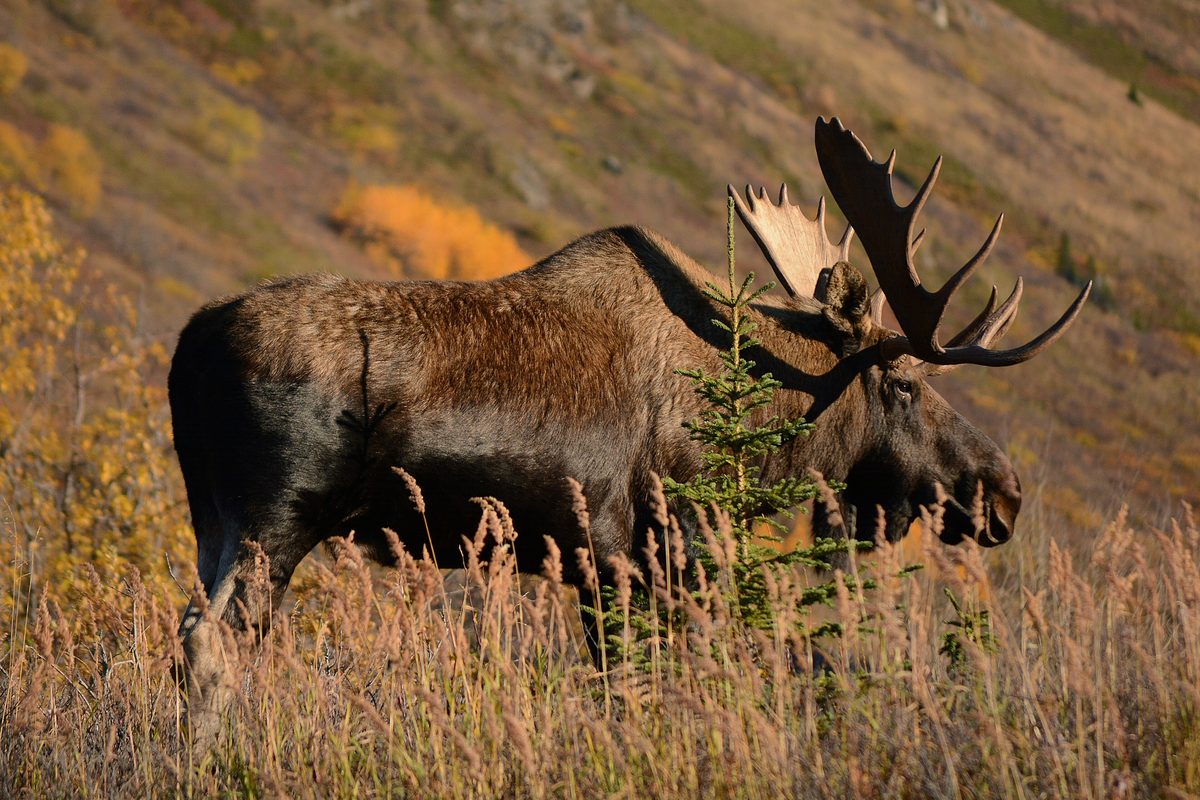
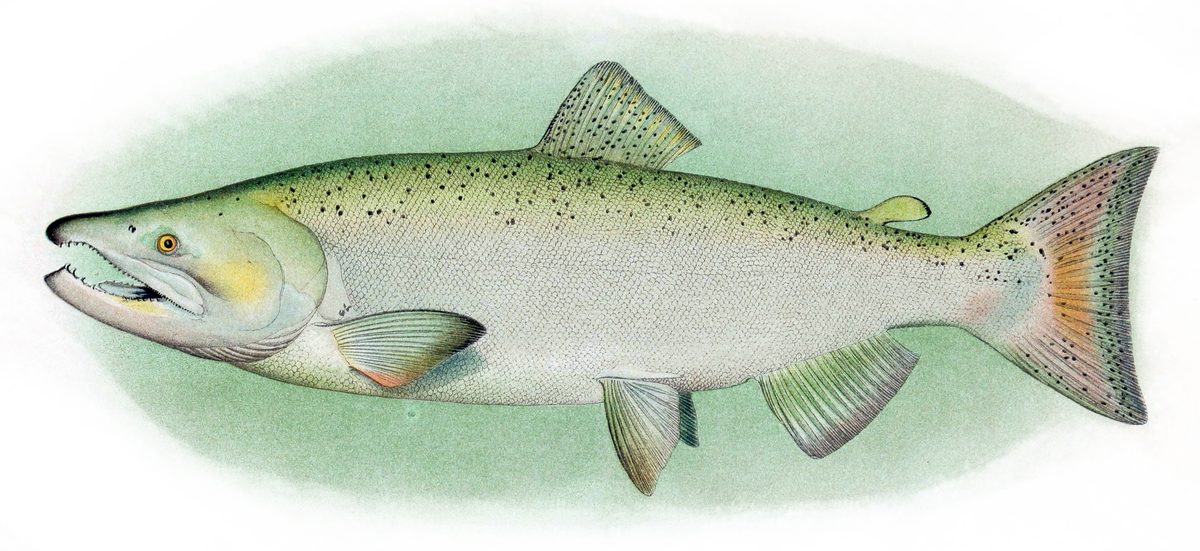
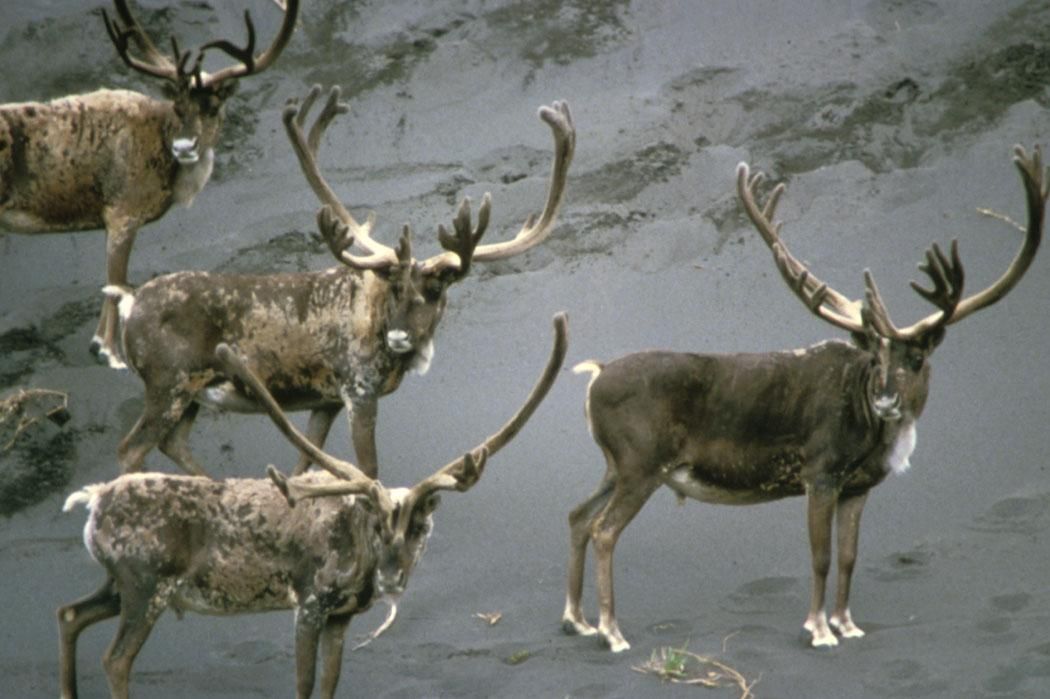
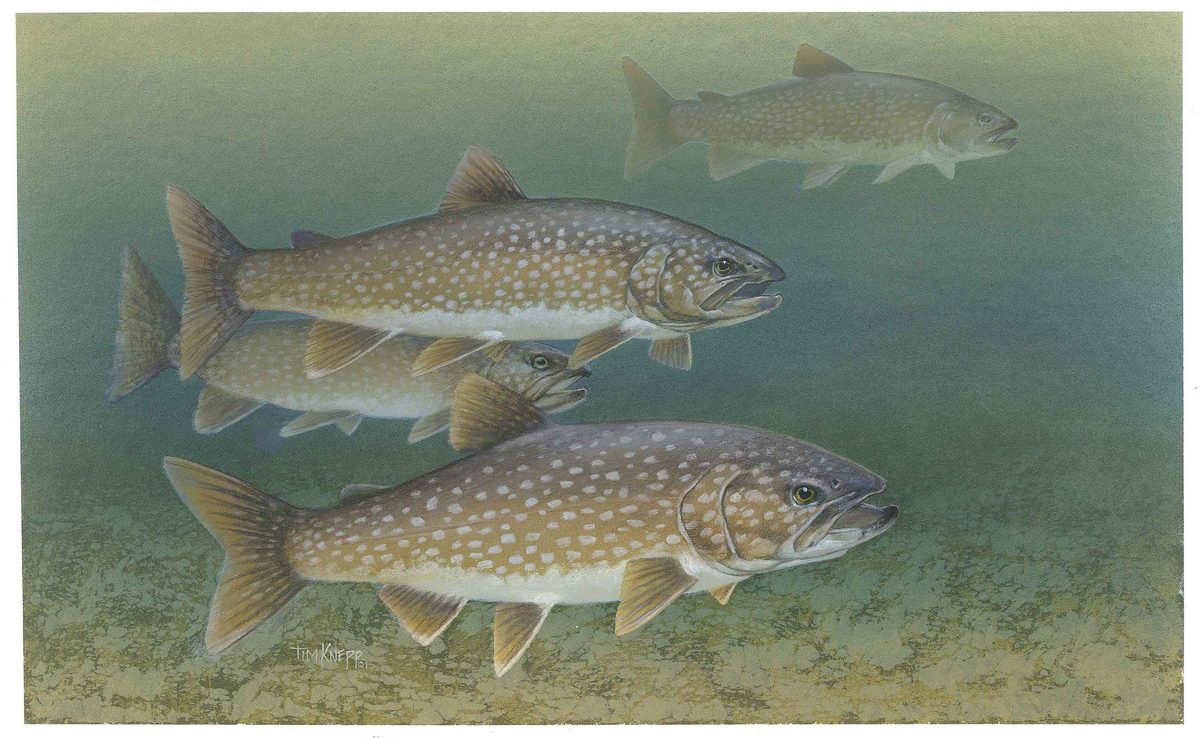
Animals around Kobuk Valley National Park



Maps, GPS & compass for this trip
Carry a waterproof paper map and a compass you can steer by, and treat the GPS as the backup — not the other way round. Buying links go to Amazon; Wild10 earns a commission at no cost to you.
Waterproof topo maps
- Waterproof topographic map — Kobuk Valley National ParkAmazon search for waterproof, tear-resistant topo maps covering this area.
- National Geographic Trails IllustratedThe waterproof Trails Illustrated series — check for a sheet covering this area.
- Waterproof map case & compass lanyardKeep a paper map readable in rain, spray and a swamped boat.
Fishing at Kobuk Valley National Park
Planning to fish Kobuk Valley National Park, Alaska? Fishing licenses, open seasons and catch limits in Alaska are set by the local wildlife authority and change every year — check the official source before you cast a line.
Do I need a fishing license at Kobuk Valley National Park?
- A Alaska fishing license is normally required for anyone over the local youth age.
- Read the current Alaska fishing regulations for special waters, barbless-hook or catch-and-release rules.
- Clean, drain and dry boats and gear between waters to stop invasive species.
- Kobuk Valley National Park may add its own fishing rules on top of Alaska law — check the managing agency too.
Hunting near Kobuk Valley National Park
Thinking about hunting Kobuk Valley National Park, Alaska? Hunting seasons, tags and draws in Alaska are set by the wildlife authority each year. Confirm the rules for your species and unit before you go.
Is hunting allowed at Kobuk Valley National Park?
- Hunting is prohibited or heavily restricted in many national parks, wilderness and protected areas — confirm with the Kobuk Valley National Park land manager before planning a hunt, and look to surrounding public land.
What do I need to hunt in Alaska?
- A Alaska hunting license — most jurisdictions also require hunter education certification.
- Species tags or draw results for big game such as deer, elk, moose or bear where they occur.
- Knowledge of firearm and bow transport rules, which differ by land type and border crossing.
Sand dunes in an Arctic landscape
Kobuk Valley National Park lies in northwestern Alaska, about 25 miles north of the Arctic Circle. Its defining feature is the Great Kobuk Sand Dunes, where sand rises as much as 100 feet above a landscape of tundra and trees. The park protects the dunes, surrounding country, and caribou migration routes across roughly 1.75 million acres. This is not a destination organized around roadside overlooks or marked walking circuits: there are no roads or designated trails within the park. Hiking and backpacking therefore call for independent navigation rather than following a maintained route. A dunes-focused visit offers a clear geographic objective, but the walking plan still needs to match the group's abilities and transport arrangements. Treat the landscape as backcountry from the outset, not as a developed recreation area.
Access and self-sufficient travel
No roads lead into Kobuk Valley. Visitors arrive by chartered air taxi from Kotzebue, Nome, or Bettles, with flights available year-round but dependent on weather. Arrange both arrival and pickup before setting out, and allow flexibility around flying conditions rather than building a tightly timed itinerary. Visitors must bring all their own gear for camping, hiking, backpacking, boating, or dog sledding. The absence of designated trails makes navigation equipment and the ability to use it central to a walking trip. Pack for the conditions expected during the visit, with enough supplies to accommodate a delayed departure. The Northwest Arctic Heritage Center serves as park headquarters and a museum, making it a useful planning contact. Confirm current access arrangements and any permit requirements with the National Park Service.
Living traditions and wildlife
Kobuk Valley is also a living cultural landscape. People along the Kobuk River carry on Inupiaq subsistence traditions spanning more than 8,000 years. Onion Portage, also called Paatitaaq, is an important place for understanding the area's cultural history, ecology, and natural history. Give that context as much attention as the dunes when deciding what to see, and respect people engaged in subsistence activities. Caribou migration routes are part of the landscape the park protects; wildlife should be observed without crowding or interfering with movement. Bears also require preparation. Learn appropriate encounter behavior and plan food storage before entering the backcountry. A visit should combine independent outdoor skills with care for the people, animals, and cultural places that make this more than an expanse of undeveloped land.
Route options
- Great Kobuk Sand Dunes exploration
Make the dunes the focus of a self-directed hiking or backpacking visit. There is no designated trail to follow; coordinate access and pickup, and choose the extent of walking according to navigation skills, conditions, and supplies.
- Onion Portage — Paatitaaq visit
Plan a place-focused visit to Onion Portage to explore its cultural and ecological significance. This is not a marked hiking route; discuss access and an appropriate visit plan with park staff before committing to an itinerary.
Sample itineraries
- Great Kobuk Sand Dunes Backcountry Camp · 3 days
Suggested trip length: arrange air-taxi access, establish a self-sufficient backcountry camp, and explore the Great Kobuk Sand Dunes on foot. There are no designated trails. Carry all camping and navigation equipment, and allow flexibility beyond this outline for weather-dependent flights.
- Kotzebue Orientation and Dunes Visit · 2 days
Suggested outline: begin at the Northwest Arctic Heritage Center in Kotzebue, then arrange a guided or independent visit focused on the Great Kobuk Sand Dunes. Confirm transport arrangements before committing to this short schedule; weather can disrupt air access.
Seasonal conditions
Spring
Spring; confirm conditions before departure
Treat this as an Arctic backcountry trip rather than a predictable hiking season. Ask the park and your transport provider about current ground conditions and suitable equipment. Air-taxi flights are weather-dependent.
Summer
Summer; confirm conditions before departure
Plan hiking and camping around a landscape without roads or designated trails. Bring all your own equipment and check the forecast before departure. A summer itinerary still needs flexibility for weather-dependent flights.
Fall
Fall; confirm conditions before departure
Use current weather and local advice to decide whether your backcountry plan is suitable. The park protects caribou migration routes, but wildlife sightings should not determine a fixed schedule. Keep flight arrangements flexible.
Winter
Winter; confirm conditions before departure
Dog sledding is among the park's backcountry activities. Seek local advice on conditions and the equipment needed for Arctic winter travel. Flights are available year-round but remain weather-dependent; do not assume a fixed pickup will be possible.
| Season | Window | Conditions |
|---|---|---|
| Spring | Spring; confirm conditions before departure | Treat this as an Arctic backcountry trip rather than a predictable hiking season. Ask the park and your transport provider about current ground conditions and suitable equipment. Air-taxi flights are weather-dependent. |
| Summer | Summer; confirm conditions before departure | Plan hiking and camping around a landscape without roads or designated trails. Bring all your own equipment and check the forecast before departure. A summer itinerary still needs flexibility for weather-dependent flights. |
| Fall | Fall; confirm conditions before departure | Use current weather and local advice to decide whether your backcountry plan is suitable. The park protects caribou migration routes, but wildlife sightings should not determine a fixed schedule. Keep flight arrangements flexible. |
| Winter | Winter; confirm conditions before departure | Dog sledding is among the park's backcountry activities. Seek local advice on conditions and the equipment needed for Arctic winter travel. Flights are available year-round but remain weather-dependent; do not assume a fixed pickup will be possible. |
Permits, fees & closures
Confirm current permit requirements and any charges with the National Park Service before arranging your trip.
Official source: Kobuk Valley - National Park Service · Verified October 18, 2026
Hazards & regulations
- Bear encounters: learn appropriate bear behavior before departure and keep a respectful distance.
- Weather-dependent air access: disrupted flights can affect both arrival and pickup. Carry supplies for delays.
- Navigation without designated trails: do not expect marked hiking routes or road access.
- Remote backcountry travel: visitors must bring their own gear. Plan for self-sufficiency rather than roadside support.
What to pack for Kobuk Valley National Park
- Map and compass
- GPS with backup power
- Satellite communication device
- First-aid kit
- Shelter and sleeping system suited to the forecast
- Stove and cooking equipment
- Food with a reserve for flight delays
- Water containers and treatment equipment
- Food-storage system appropriate for bear country
- Insulating layers
- Windproof and waterproof outerwear
- Footwear suited to off-trail travel
- Season-appropriate hand and head protection
Wildlife you may see
- Caribou: the park protects migration routes; observe without obstructing animal movement.
- Bears: prepare for encounters by learning bear-safety practices before entering the backcountry.
Kobuk Valley National Park FAQ
- How do visitors reach Kobuk Valley National Park?
- No roads lead into the park. Visitors arrive by chartered air taxi from Nome, Bettles, or Kotzebue. Flights operate year-round but depend on weather.
- Are there marked hiking trails?
- No designated trails or roads exist within the park. Hiking and backpacking require independent navigation and all necessary backcountry equipment.
- What makes the Great Kobuk Sand Dunes distinctive?
- The dunes rise out of tundra and trees in Arctic northwestern Alaska. They reach 100 feet high and are a central feature of the park.
- Why is Onion Portage important?
- Onion Portage, also called Paatitaaq, has historical, cultural, and ecological significance. Communities along the Kobuk River maintain Inupiaq subsistence traditions spanning more than 8,000 years. Respect local activities and cultural places.
- Where can visitors get park information?
- The Northwest Arctic Heritage Center in Kotzebue serves as park headquarters and a museum. Contact the National Park Service there at 907 318-2230 for current planning advice.
- What activities can a trip include?
- Backcountry camping, hiking, backpacking, boating, and dog sledding are park activities. Choose an activity that matches current conditions and your skills, and bring all required gear.