



Where on earth
Satellite imagery flying in from a world view to Tunnel Mountain (Banff), Worldwide. Use the + / − buttons, or click the map to zoom with your scroll wheel; drag to pan and pinch to zoom on touch.
- Region
- Alberta, Canada
- Country
- Worldwide
- Biome
- Rocky Mountain (1,400 m)
- Best season
- May – September
- Difficulty
- moderate
- Backpacking
- Hiking
- Hunting
- Mountaineering
Key takeaways
- Biome: Rocky Mountain (1,400 m)
- Best season: May – September
- Difficulty: moderate
- Top activity: backpacking
Photos of Tunnel Mountain (Banff)
Topic summary
Banff townsite base camp — three campgrounds with 1,000+ sites.
Key takeaways
- Difficulty: moderate
- Best season: May – September
Intended uses
backpacking
Climate suitability
Rocky Mountain (1,400 m)
Tools for a trip here
Picked for how, when and where you're going. Free, no signup.
- Sleep System Temp CalculatorCold nights: check your bag and pad add up to a safe sleep.
- Bear Country Food StorageBear country: canister, Ursack or hang, and the local rules.
- Base Weight CalculatorEvery ounce is carried — total your kit and find your base weight.
- Pack Volume SizerSize the pack for your trip length and season.
- Water Purification MatrixTreat water from streams and lakes on trail.
Plan with verified data
Tunnel Mountain (Banff) trip tools
How to get there
Banff lies along the Trans-Canada Highway in Alberta, 126 km west of Calgary and 58 km east of Lake Louise. The drive from Calgary to Banff is approximately an hour and a half; Banff is also described as four hours south of Jasper. These are approaches to Banff, not directions to a Tunnel Mountain trailhead.
- Banff
Regional arrival point within Banff National Park. Its sidewalks support exploring town on foot; confirm the specific Tunnel Mountain trailhead and onward approach separately.
- Calgary
Regional gateway east of Banff. Banff is 126 km west along the Trans-Canada Highway; this approach ends at the town rather than an identified trail access point.
Sources: Wikipedia · Wikivoyage. Confirm road and trailhead conditions with the managing agency before you leave.
Popular pursuits at Tunnel Mountain (Banff)
- Backpacking
Multi-day travel with everything on your back — see the packing blocks below.
- Hiking
Day miles on marked trail, with route notes and trail links below.
- Hunting
Seasons, tags, and the units that hold animals.
- Mountaineering
Glacier and high-route objectives with real consequence.
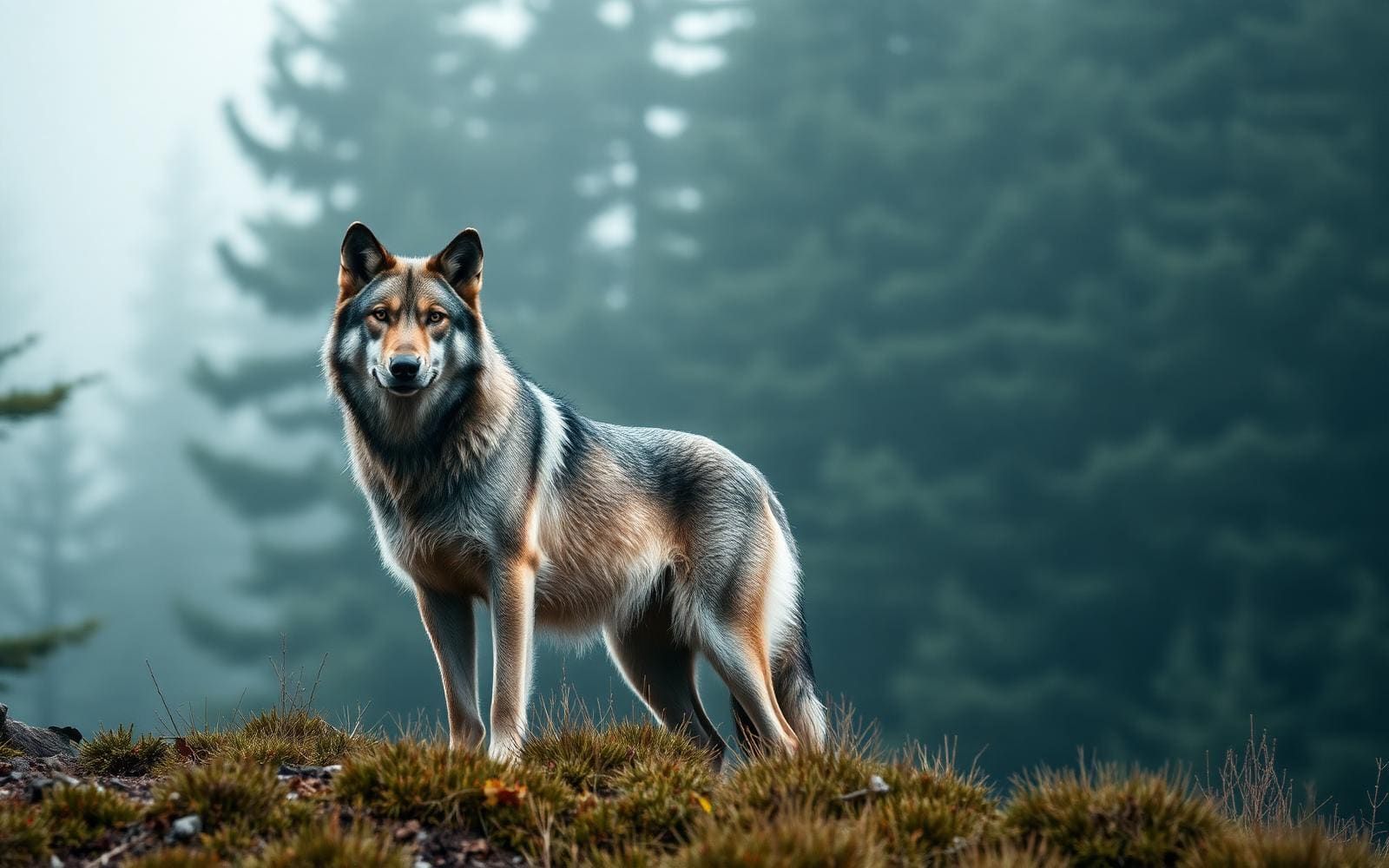
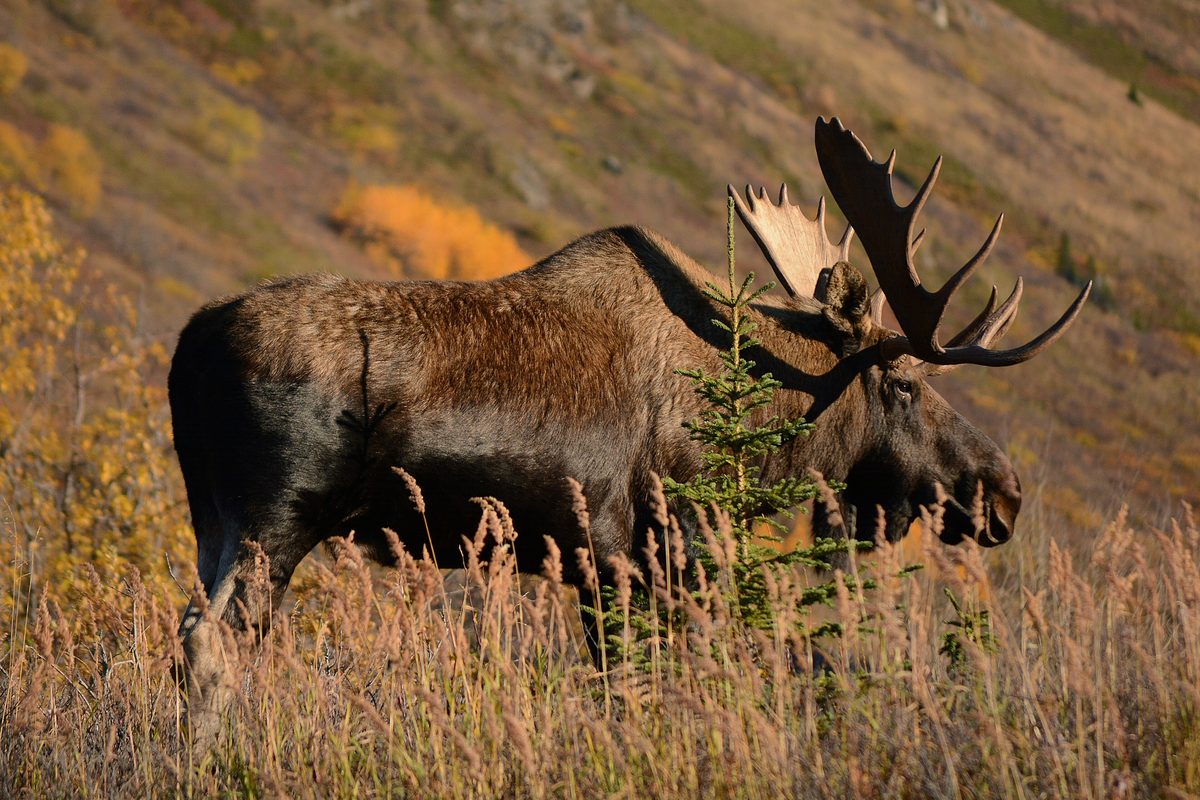
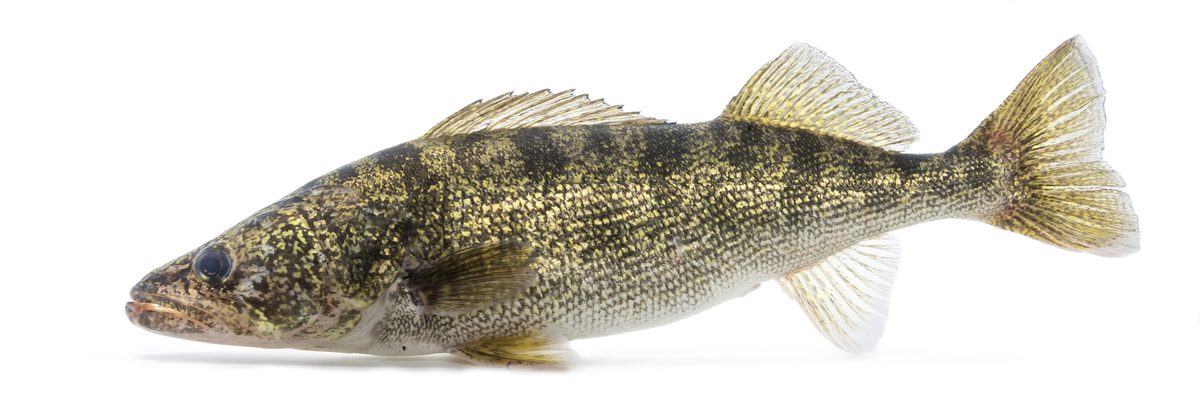
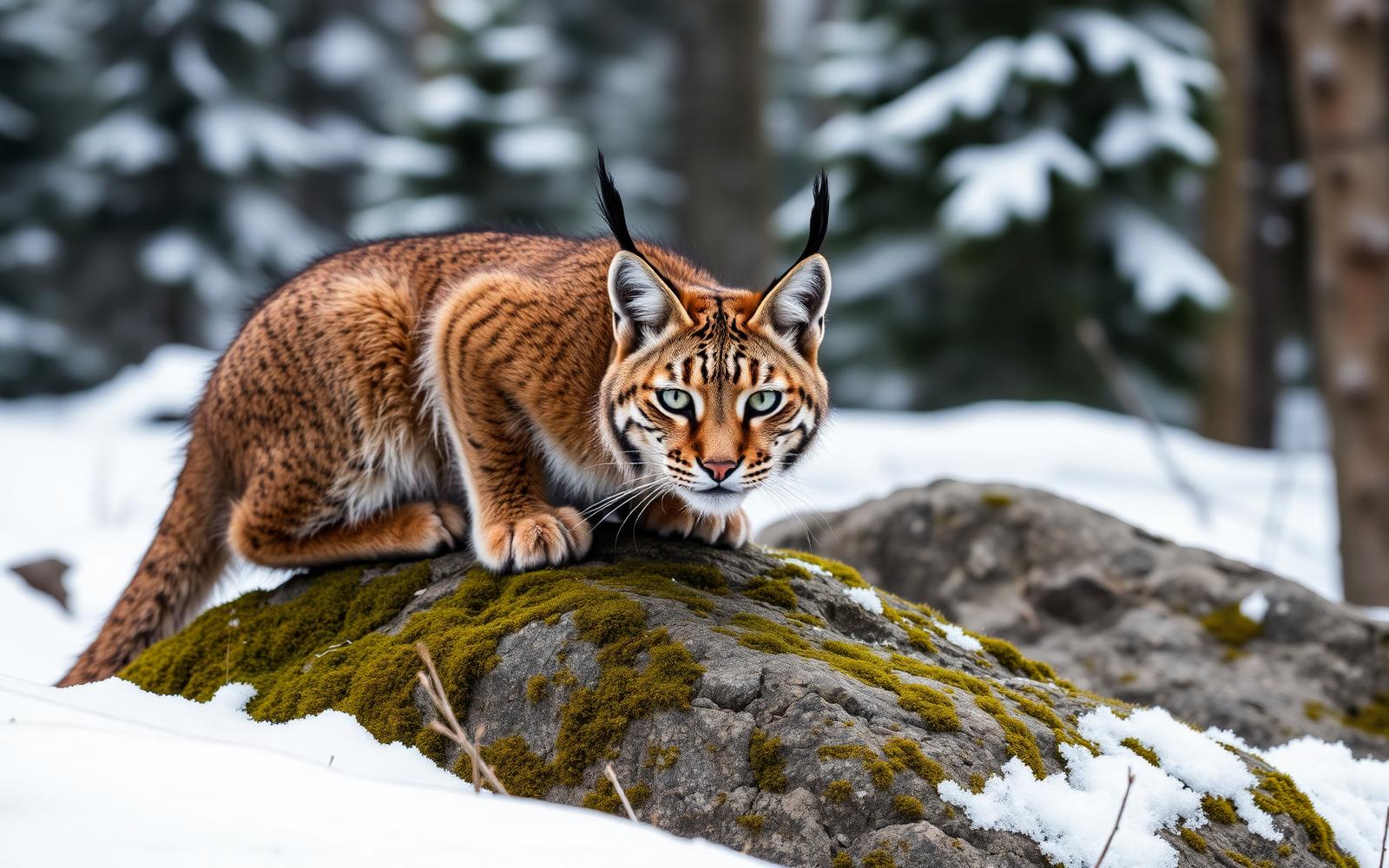
Animals around Tunnel Mountain (Banff)
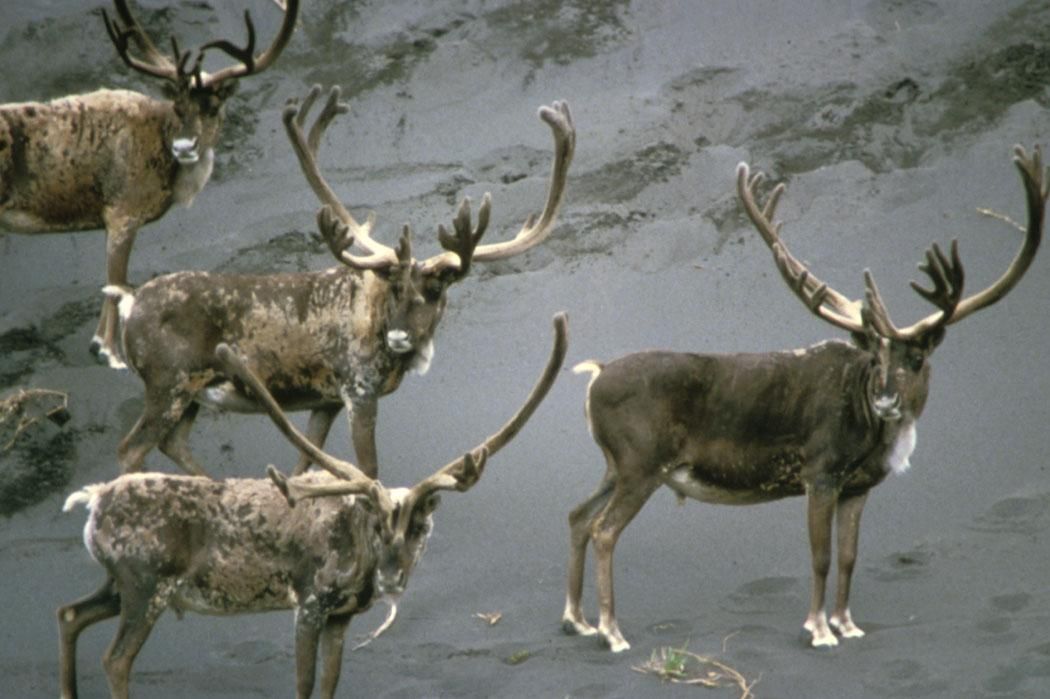
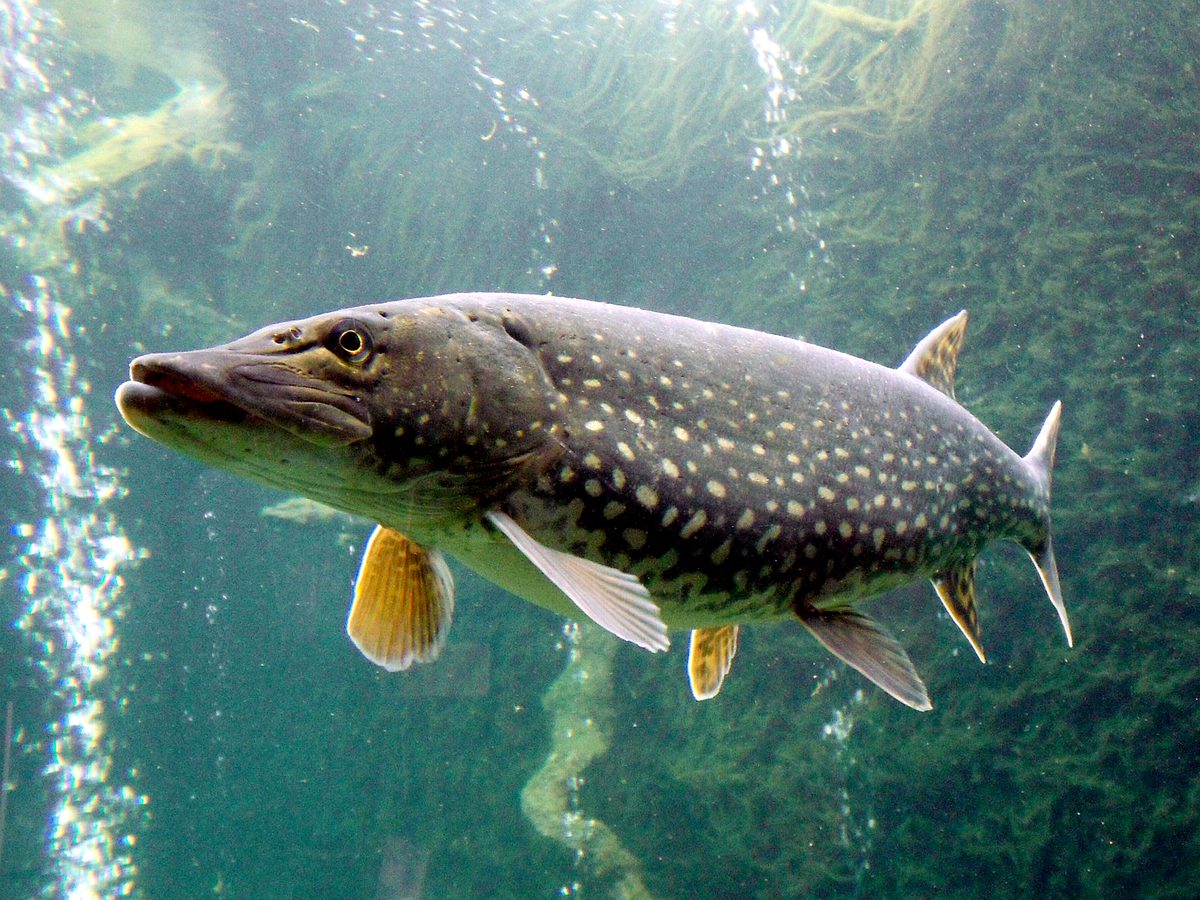

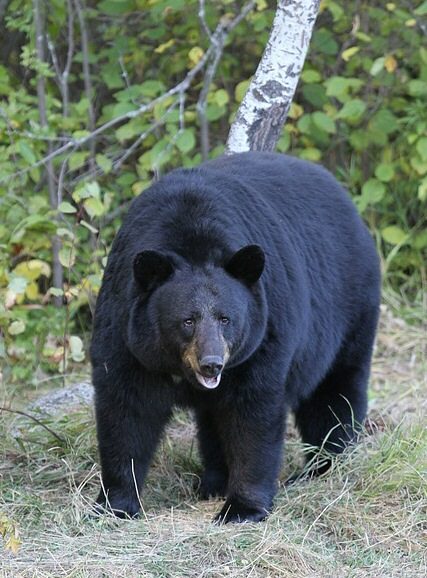
Maps, GPS & compass for this trip
Carry a waterproof paper map and a compass you can steer by, and treat the GPS as the backup — not the other way round. Buying links go to Amazon; Wild10 earns a commission at no cost to you.
Waterproof topo maps
- Waterproof topographic map — Tunnel Mountain (Banff)Amazon search for waterproof, tear-resistant topo maps covering this area.
- National Geographic Trails IllustratedThe waterproof Trails Illustrated series — check for a sheet covering this area.
- Waterproof map case & compass lanyardKeep a paper map readable in rain, spray and a swamped boat.
Fishing at Tunnel Mountain (Banff)
Planning to fish Tunnel Mountain (Banff), Alberta? Fishing licences, open seasons and catch limits in Alberta are set by the local wildlife authority and change every year — check the official source before you cast a line.
Do I need a fishing licence at Tunnel Mountain (Banff)?
- A Alberta fishing licence is normally required for anyone over the local youth age.
- Read the current Alberta fishing regulations for special waters, barbless-hook or catch-and-release rules.
- Clean, drain and dry boats and gear between waters to stop invasive species.
Hunting near Tunnel Mountain (Banff)
Thinking about hunting Tunnel Mountain (Banff), Alberta? Hunting seasons, tags and draws in Alberta are set by the wildlife authority each year. Confirm the rules for your species and unit before you go.
Is hunting allowed at Tunnel Mountain (Banff)?
- Confirm the land around Tunnel Mountain (Banff) is open to hunting and which management unit it falls in.
What do I need to hunt in Alberta?
- A Alberta hunting licence — most jurisdictions also require hunter education certification.
- Species tags or draw results for big game such as deer, elk, moose or bear where they occur.
- Knowledge of firearm and bow transport rules, which differ by land type and border crossing.
Tunnel Mountain in the Banff setting
For a Tunnel Mountain trip, Banff is the regional planning anchor: a town within Banff National Park in Alberta’s Canadian Rockies. Banff sits along the Trans-Canada Highway, 126 km west of Calgary and 58 km east of Lake Louise. Those distances describe the town’s location, not the distance to a Tunnel Mountain trailhead. The surrounding mountains make hiking a central part of Banff’s outdoor identity, alongside biking, scrambling and skiing. Keep that broad setting separate from the details needed for a particular walk. A town-level orientation does not establish a trail’s length, elevation gain or difficulty. Before choosing a Tunnel Mountain outing, confirm its exact starting point and current trail information with the managing agency.
A mountain town as a trip base
Banff combines a national park setting with the services and streets of a resort town. It is the larger of the two populated areas in Banff National Park, with restaurants, shops and sidewalks that make exploring town on foot practical. That pedestrian access is useful for time spent in Banff itself; it should not be treated as confirmation of a walking connection to a particular trailhead. The town lies between 1,400 and 1,630 m above sea level, a useful indication of its mountain setting rather than a measure of the Tunnel Mountain climb. Separate town logistics from hiking logistics: plan meals and time in Banff, then verify the trail approach before setting out.
Seasonal context and planning limits
Banff has a markedly different character in winter and summer, so a Tunnel Mountain plan should begin with the season rather than an assumption of year-round walking conditions. The wider area supports hiking, biking, scrambling and skiing, but those activities describe Banff as a destination, not what is suitable on every route. Nearby Sunshine Village, Ski Norquay and Lake Louise Ski Resort underline the region’s winter-sports setting without establishing winter access on Tunnel Mountain. For an outdoor day, match clothing and equipment to the weather and verify conditions before departure. Banff is also part of the Canadian Rocky Mountain Parks UNESCO World Heritage Site. Treat the town’s attractions as context, while keeping trail-specific access and safety checks central to the hiking plan.
Route options
- Calgary to Banff regional approach126 km to Banff
Approach Banff from the east along the Trans-Canada Highway. This is a town-arrival option, not a Tunnel Mountain hiking route.
- Lake Louise to Banff regional approach58 km to Banff
Banff lies east of Lake Louise along the Trans-Canada Highway. Use this as regional orientation and confirm the onward directions to Tunnel Mountain separately.
Sample itineraries
- One-day Banff orientation · 1 day
Use Banff as a base for planning a Tunnel Mountain outing. Explore the town on foot using its sidewalks, and confirm current mountain access and conditions with the managing agency before choosing a route.
- Two-day flexible mountain visit · 2 days
Spend the first day exploring Banff and checking local mountain conditions. Keep the second day flexible for hiking suited to the weather and your experience. Confirm Tunnel Mountain trailhead, route and access details before setting out; retain a town-based alternative.
Seasonal conditions
Spring
Spring transition
Treat this as a mountain-season transition rather than assuming summer hiking conditions. Check current footing and weather before committing to a mountain outing, and carry layers for changing temperatures.
Summer
Summer
Banff supports hiking and other outdoor activities, but mountain weather still deserves attention. Carry water, sun protection and an extra layer. Choose the day's objective after checking local conditions.
Fall
Fall transition
Plan conservatively as temperatures and available daylight change. Check the forecast, carry insulating layers and leave enough time to return before dark.
Winter
Winter
Banff has a distinctly different winter character and nearby ski resorts. Do not assume summer walking plans suit winter conditions. Confirm mountain access and footing, and pack for cold weather.
| Season | Window | Conditions |
|---|---|---|
| Spring | Spring transition | Treat this as a mountain-season transition rather than assuming summer hiking conditions. Check current footing and weather before committing to a mountain outing, and carry layers for changing temperatures. |
| Summer | Summer | Banff supports hiking and other outdoor activities, but mountain weather still deserves attention. Carry water, sun protection and an extra layer. Choose the day's objective after checking local conditions. |
| Fall | Fall transition | Plan conservatively as temperatures and available daylight change. Check the forecast, carry insulating layers and leave enough time to return before dark. |
| Winter | Winter | Banff has a distinctly different winter character and nearby ski resorts. Do not assume summer walking plans suit winter conditions. Confirm mountain access and footing, and pack for cold weather. |
Permits, fees & closures
Confirm current park entry requirements and any activity-specific permissions with the agency managing Banff National Park.
Confirm current permits, fees, and closures with the managing agency before you go.
Hazards & regulations
- Changing mountain weather: carry protective layers and adjust plans to the forecast.
- Cold exposure: prepare for temperatures appropriate to the season rather than relying on town conditions alone.
- Elevation-related exertion: Banff sits at 1,400–1,630 metres; pace activity to your fitness and response to elevation.
What to pack for Tunnel Mountain (Banff)
- Insulating layer
- Weather-resistant outer layer
- Season-appropriate hat and gloves
- Footwear appropriate to confirmed conditions
- Drinking water
- Food
- Sun protection
- Current route information
- Charged phone
- Headlamp
- Basic first-aid kit
Tunnel Mountain (Banff) FAQ
- Where should a Tunnel Mountain visit be based?
- Banff provides a town base in Banff National Park, Alberta, in the Canadian Rockies. It has sidewalks for exploring on foot and a selection of restaurants.
- How far is Banff from Calgary?
- Banff lies along the Trans-Canada Highway, 126 kilometres west of Calgary. Allow travel time appropriate to current road and weather conditions.
- Which Tunnel Mountain trailhead and route should be used?
- Confirm the trailhead, route, distance, elevation gain and current access with the managing agency before departure. Do not treat general Banff visitor information as a route description.
- Can the same plan be used in summer and winter?
- No. Banff's winter and summer character differs substantially. Adjust clothing, equipment and objectives to current conditions, and verify whether the intended mountain outing is suitable.
- What is a practical alternative to a mountain outing?
- Explore Banff on foot using its sidewalks and stop at a restaurant. A town-based day lets mountain plans remain flexible when weather or access is uncertain.