



Where on earth
Satellite imagery flying in from a world view to Havasu Falls (Havasupai), Worldwide. Use the + / − buttons, or click the map to zoom with your scroll wheel; drag to pan and pinch to zoom on touch.
- Region
- Arizona, USA
- Country
- Worldwide
- Biome
- Sonoran canyon (500 m)
- Best season
- February – November
- Difficulty
- moderate
- Backpacking
- Hiking
- Desert Hiking
- Canyoneering
Key takeaways
- Biome: Sonoran canyon (500 m)
- Best season: February – November
- Difficulty: moderate
- Top activity: backpacking
Photos of Havasu Falls (Havasupai)
Topic summary
Turquoise waterfalls on Havasupai reservation — 10-mile hike in through Grand Canyon.
Key takeaways
- Difficulty: moderate
- Best season: February – November
Intended uses
backpacking
Climate suitability
Sonoran canyon (500 m)
Tools for a trip here
Picked for how, when and where you're going. Free, no signup.
- Sleep System Temp CalculatorCold nights: check your bag and pad add up to a safe sleep.
- Base Weight CalculatorEvery ounce is carried — total your kit and find your base weight.
- Pack Volume SizerSize the pack for your trip length and season.
- Water Purification MatrixTreat water from streams and lakes on trail.
- Layering CalculatorCold-season miles: layer for climbs and camp.
Plan with verified data
Havasu Falls (Havasupai) trip tools
How to get there
Confirm the destination-specific approach with the Havasupai Indian Reservation’s managing authority before traveling. Do not assume directions to Grand Canyon National Park or Grand Canyon West lead to Havasu Falls.
- South Rim
A more accessible, well-equipped visitor area of Grand Canyon National Park. It is a regional orientation point, not an established access point for Havasu Falls.
- North Rim
A more remote visitor area of Grand Canyon National Park. Do not treat it as an approach to Havasu Falls without destination-specific directions.
Sources: Wikipedia · Wikivoyage. Confirm road and trailhead conditions with the managing agency before you leave.
Popular pursuits at Havasu Falls (Havasupai)
- Backpacking
Multi-day travel with everything on your back — see the packing blocks below.
- Hiking
Day miles on marked trail, with route notes and trail links below.
- Desert Hiking
Water carries and heat management drive the plan.
- Canyoneering
Narrows, downclimbs, and flash-flood timing.
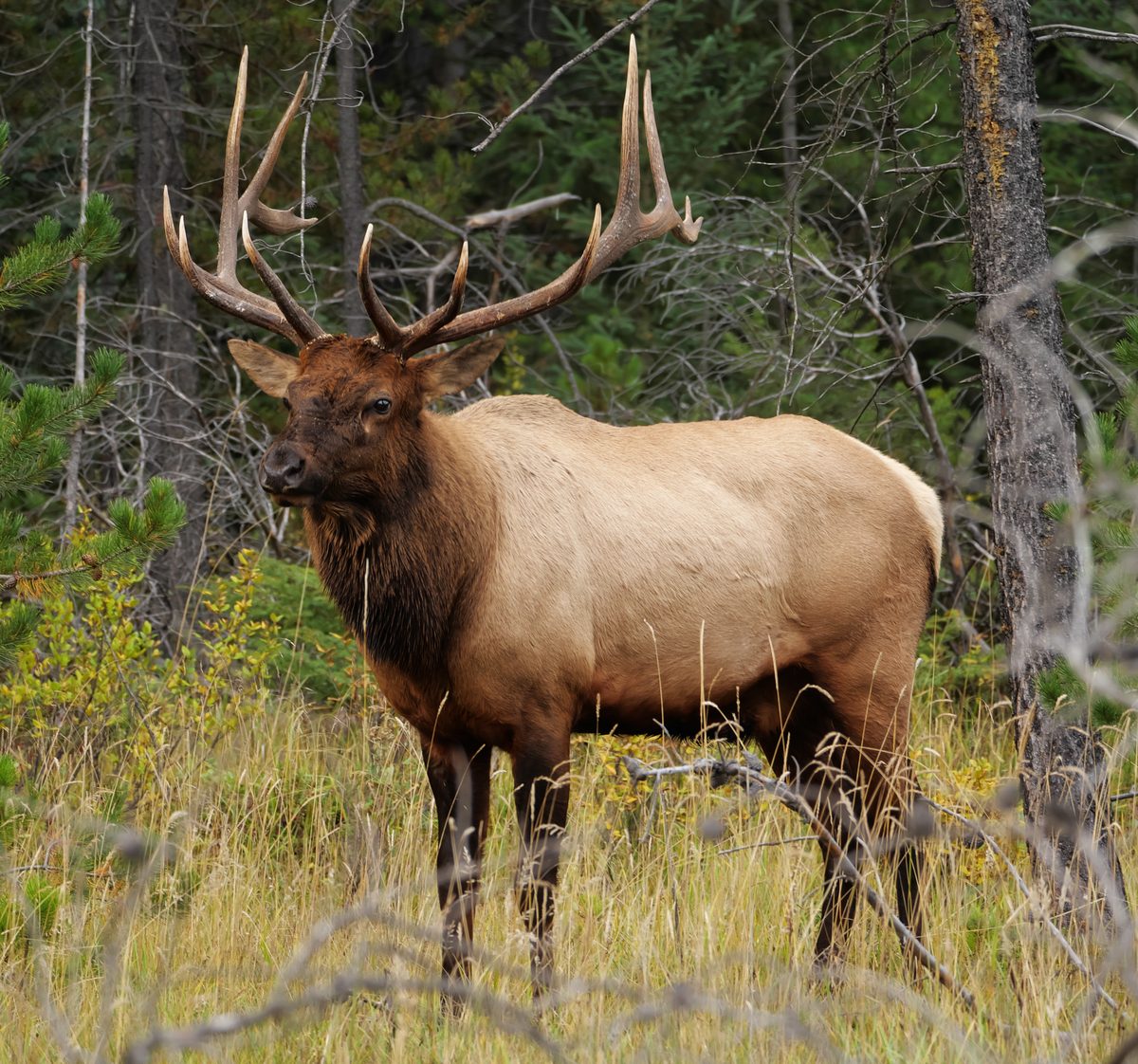
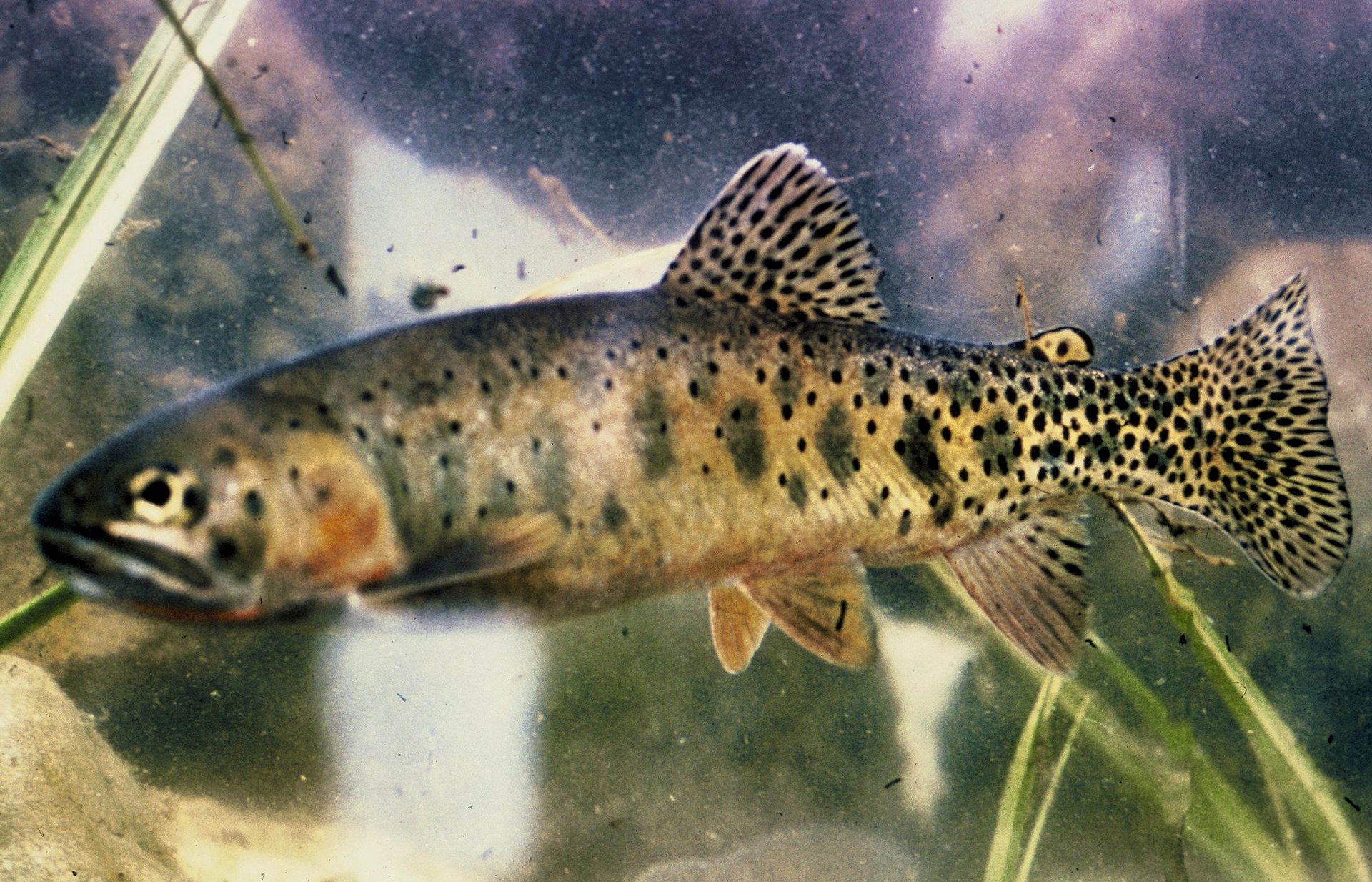
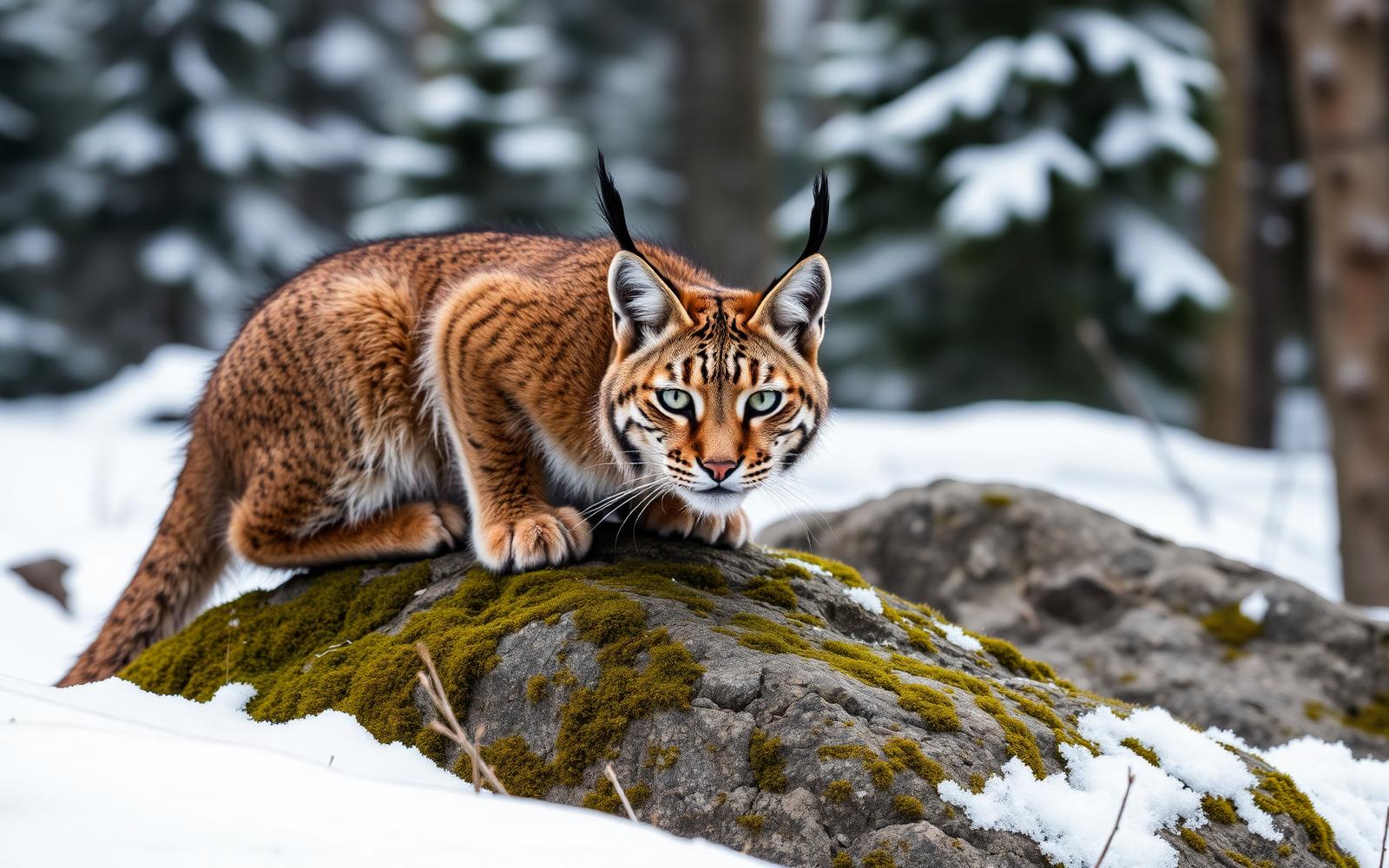
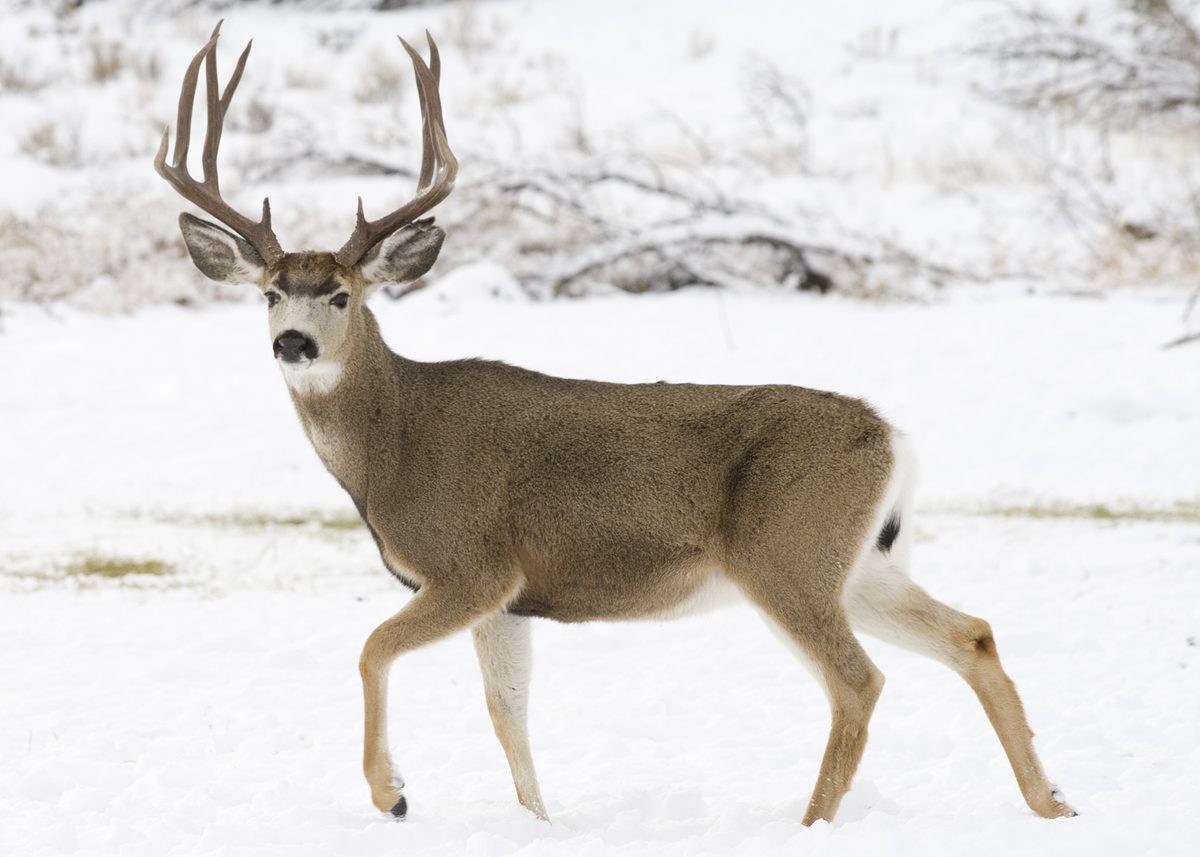
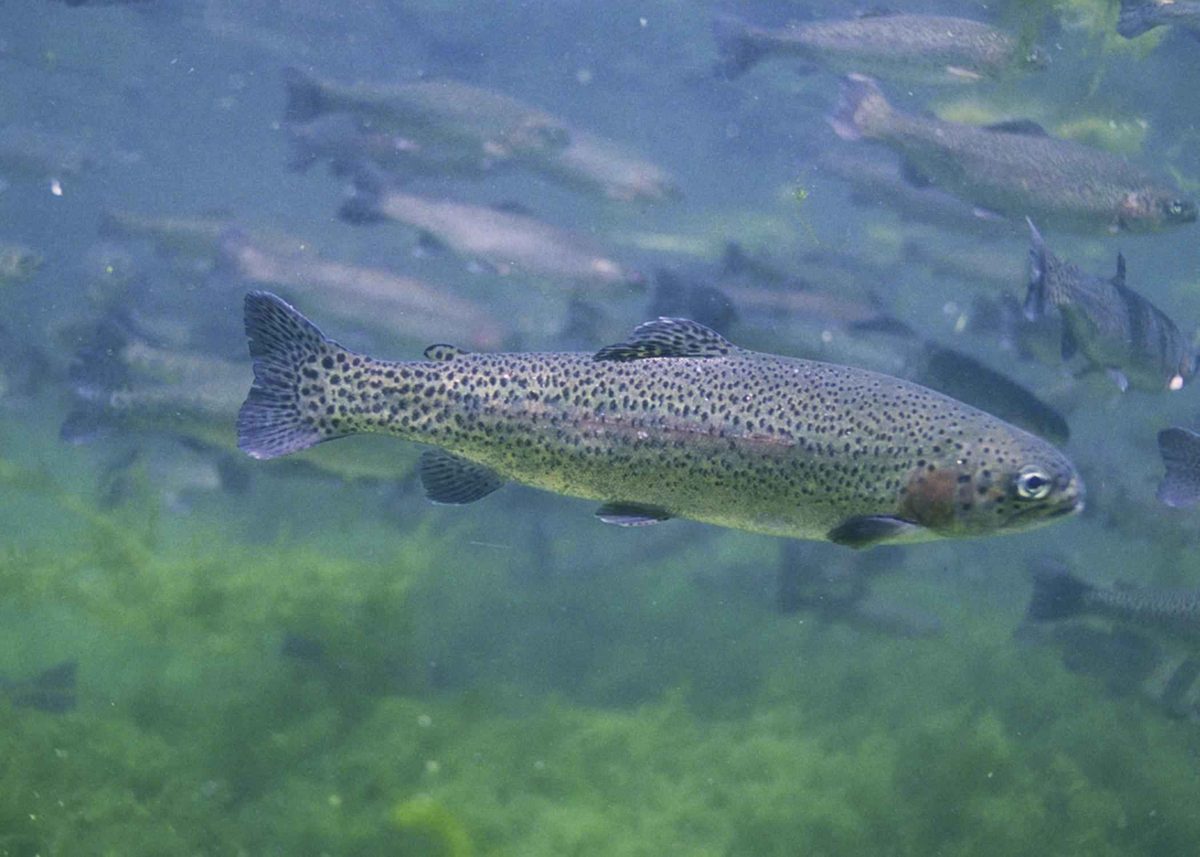
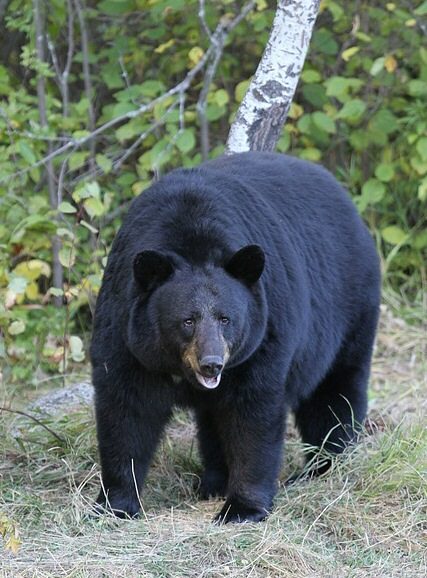
Animals around Havasu Falls (Havasupai)


Maps, GPS & compass for this trip
Carry a waterproof paper map and a compass you can steer by, and treat the GPS as the backup — not the other way round. Buying links go to Amazon; Wild10 earns a commission at no cost to you.
Waterproof topo maps
- Waterproof topographic map — Havasu Falls (Havasupai)Amazon search for waterproof, tear-resistant topo maps covering this area.
- National Geographic Trails IllustratedThe waterproof Trails Illustrated series — check for a sheet covering this area.
- Waterproof map case & compass lanyardKeep a paper map readable in rain, spray and a swamped boat.
Fishing at Havasu Falls (Havasupai)
Planning to fish Havasu Falls (Havasupai), Arizona? Fishing licenses, open seasons and catch limits in Arizona are set by the local wildlife authority and change every year — check the official source before you cast a line.
Do I need a fishing license at Havasu Falls (Havasupai)?
- A Arizona fishing license is normally required for anyone over the local youth age.
- Read the current Arizona fishing regulations for special waters, barbless-hook or catch-and-release rules.
- Clean, drain and dry boats and gear between waters to stop invasive species.
Hunting near Havasu Falls (Havasupai)
Thinking about hunting Havasu Falls (Havasupai), Arizona? Hunting seasons, tags and draws in Arizona are set by the wildlife authority each year. Confirm the rules for your species and unit before you go.
Is hunting allowed at Havasu Falls (Havasupai)?
- Confirm the land around Havasu Falls (Havasupai) is open to hunting and which management unit it falls in.
What do I need to hunt in Arizona?
- A Arizona hunting license — most jurisdictions also require hunter education certification.
- Species tags or draw results for big game such as deer, elk, moose or bear where they occur.
- Knowledge of firearm and bow transport rules, which differ by land type and border crossing.
Havasupai’s place in the Grand Canyon
Plan Havasu Falls as a Havasupai destination, rather than treating it as another stop within Grand Canyon National Park. The Grand Canyon spans northern Arizona and includes several distinct areas with different jurisdictions. Parts of its southwestern end lie within the Havasupai Indian Reservation and the neighboring Hualapai Indian Reservation. The national park is only one part of that larger landscape. This distinction matters when choosing where to stay, which visitor services to rely on, and whose guidance to follow. A general Grand Canyon itinerary does not establish an approach to Havasu Falls. Start with destination-specific access information from the managing authority, and keep national park sightseeing separate from the practical arrangements for a Havasupai visit.
Separate nearby destinations from actual access
Several familiar Grand Canyon names describe places other than Havasupai. The South Rim is the more accessible and more heavily visited national park destination, while the North Rim is more remote. Phantom Ranch and the Colorado River are other canyon destinations, with boating trips taking place on the river. Grand Canyon West belongs to the Hualapai Indian Reservation, not the Havasupai Indian Reservation. These are useful distinctions when reading maps or comparing trips, but none should be assumed to provide access to Havasu Falls. The South Rim has the strongest visitor infrastructure in the broader canyon region; that does not establish what services are available for a Havasupai trip. Confirm the actual approach before arranging transport or accommodation.
Conditions and planning checks
Arizona’s climate varies substantially with geography and elevation. Southern Arizona has extremely hot summers and mild winters, while northern Arizona includes the Colorado Plateau, mountain ranges, forests, and deep canyons, with more moderate summer temperatures and significant winter snowfall in some areas. That statewide contrast is a reason to avoid using a forecast for a distant Arizona city as a substitute for local conditions. For Havasu Falls, check conditions for the intended destination and approach, then choose clothing, water capacity, and equipment accordingly. Confirm current access requirements directly with the managing authority before committing to travel. Keep the plan flexible until the approach, available services, and applicable visitor requirements are clear; broad Grand Canyon travel information is not enough to settle those details.
Route options
- South Rim visit
A separate national park sightseeing option in the broader Grand Canyon region, with more visitor infrastructure and heavier visitation. This is not a route to Havasu Falls.
- North Rim visit
A separate option for visiting the more remote side of Grand Canyon National Park. This is not a Havasupai access route.
Sample itineraries
- Havasupai planning day · 1 day
Use a preparation day to confirm Havasupai visitor access, authorized routes, and current conditions with the managing authority. Establish the permitted trip length before arranging travel. This is a planning outline, not a one-day falls excursion.
- Grand Canyon orientation and trip preparation · 2 days
Day one: distinguish Havasupai Indian Reservation access from Grand Canyon National Park and Hualapai Indian Reservation access. Day two: confirm Havasupai arrangements and prepare for canyon weather and terrain. Set the actual falls itinerary only after local requirements are confirmed.
Seasonal conditions
Spring
Spring; confirm local conditions before travel
Arizona spans desert, plateau, and mountain climates. Statewide conditions are not a reliable guide to Havasu Falls. Check the local forecast and access status before choosing clothing or committing to an itinerary.
Summer
Summer; assess heat before outdoor travel
Arizona's desert areas experience extremely hot summers, while northern Arizona is generally more moderate. Do not assume regional averages describe the canyon. Plan water, sun protection, and exertion around the local forecast.
Fall
Fall; verify weather close to departure
A destination-specific fall weather pattern is not established here. Check local temperatures and conditions rather than assuming comfortable hiking weather. Pack adaptable layers for a canyon trip.
Winter
Winter; check travel and destination conditions separately
Northern Arizona can receive significant winter snowfall, unlike the milder deserts farther south. Check conditions along the travel route as well as at the destination; regional snowfall does not establish snow conditions at the falls.
| Season | Window | Conditions |
|---|---|---|
| Spring | Spring; confirm local conditions before travel | Arizona spans desert, plateau, and mountain climates. Statewide conditions are not a reliable guide to Havasu Falls. Check the local forecast and access status before choosing clothing or committing to an itinerary. |
| Summer | Summer; assess heat before outdoor travel | Arizona's desert areas experience extremely hot summers, while northern Arizona is generally more moderate. Do not assume regional averages describe the canyon. Plan water, sun protection, and exertion around the local forecast. |
| Fall | Fall; verify weather close to departure | A destination-specific fall weather pattern is not established here. Check local temperatures and conditions rather than assuming comfortable hiking weather. Pack adaptable layers for a canyon trip. |
| Winter | Winter; check travel and destination conditions separately | Northern Arizona can receive significant winter snowfall, unlike the milder deserts farther south. Check conditions along the travel route as well as at the destination; regional snowfall does not establish snow conditions at the falls. |
Permits, fees & closures
Confirm current Havasupai access, permit, and booking requirements with the managing tribal authority before making travel plans.
Confirm current permits, fees, and closures with the managing agency before you go.
Hazards & regulations
- Heat exposure: Arizona's desert summers can be extremely hot. Use destination-specific forecasts to plan water and exertion.
- Canyon terrain: the region contains large, deep canyons. Confirm the authorized route and its difficulty rather than improvising access.
- Winter travel conditions: northern Arizona can receive significant snow. Check the approach journey separately from conditions at the falls.
What to pack for Havasu Falls (Havasupai)
- Water-carrying capacity suited to confirmed route conditions
- Sun hat
- Sunscreen
- Sun-protective clothing
- Footwear appropriate for the confirmed canyon route
- Adjustable clothing layers
- Weather protection matched to the local forecast
- Managing authority contact details
- Confirmed access instructions
- Map of the authorized route
- Basic first-aid supplies
Havasu Falls (Havasupai) FAQ
- How does Havasupai relate to the Grand Canyon?
- The Havasupai Indian Reservation occupies part of the southwestern Grand Canyon. The broader canyon includes national park land and several tribal jurisdictions, so access arrangements must match the specific destination.
- Is Grand Canyon West the same as Havasupai?
- No. Grand Canyon West is within the Hualapai Indian Reservation. Havasupai is a separate reservation; do not treat their visitor arrangements as interchangeable.
- Can national park visitor information establish Havasupai access?
- Do not assume it does. Grand Canyon National Park and the Havasupai Indian Reservation are distinct areas. Confirm Havasupai requirements directly with the managing tribal authority.
- What trip length should be booked?
- Confirm the authorized visit length and available arrangements before booking transportation or lodging. The planning outlines above do not establish an allowed stay or the time needed to reach the falls.
- Can Arizona's general climate guide packing?
- Only broadly. Arizona includes hot deserts, higher plateaus, mountains, and deep canyons. Use the local forecast and confirmed route conditions for final decisions about water, layers, and footwear.