



- Region
- AK, USA
- Country
- United States
- Best for
- hiking
- Best season
- Spring, Summer
- Permits
- Confirm current permit, camping, access, a…
- Managed by
- U.S. Fish and Wildlife Service, Innoko National Wildlife Refuge
Plan with verified data
Innoko Wilderness trip tools
Tools for a trip here
Picked for how, when and where you're going. Free, no signup.
Photos of Innoko Wilderness
How to get there
Start planning with Innoko National Wildlife Refuge headquarters at 101 Front Street, Galena, Alaska, telephone (907) 524-3251. Headquarters is a contact location, not a wilderness trailhead. Confirm transportation and specific entry and exit locations with refuge staff; do not treat an interior map point as an access site.
- Innoko National Wildlife Refuge Headquarters
Planning contact in Galena at 101 Front Street. Ask about wilderness access and land boundaries before arranging travel; this is not a wilderness entry point.
- Lower Iditarod River
Much of this river lies within the wilderness. It is a geographic focus for access planning, not an identified launch or landing site; confirm a specific entry location and transportation arrangements with the refuge.
Sources: fws.gov · University of Montana / federal agency partners · Wilderness Connect / federal wilderness boundary inventory · Wikipedia. Confirm road and trailhead conditions with the managing agency before you leave.
AK, USA · United States
- Fishing
- Hunting
- Climbing
- Winter Camping
- Skiing
- Hiking
- Wildlife Viewing
- Backpacking
A wetland wilderness between forest and tundra
Innoko Wilderness occupies 1,240,000 acres in the southeastern part of Innoko National Wildlife Refuge in western Alaska. Designated in 1980, it protects a transition between interior Alaska’s boreal forest and the open tundra farther west. More than half the landscape is wetland: muskeg, marsh, lakes, winding rivers, and streams broken by islands of black spruce. Mosses, lichens, and shrubs fill the forest understory, while paper birch and white spruce grow on rolling hills. Elevations range from about 100 to 700 feet, so the defining challenge is wet ground rather than steep climbing. Much of the lower Iditarod River lies within the wilderness, along with many lakes and ponds. Plan around this broad, water-dominated landscape rather than expecting a network of hiking trails.
Wildlife and a living subsistence landscape
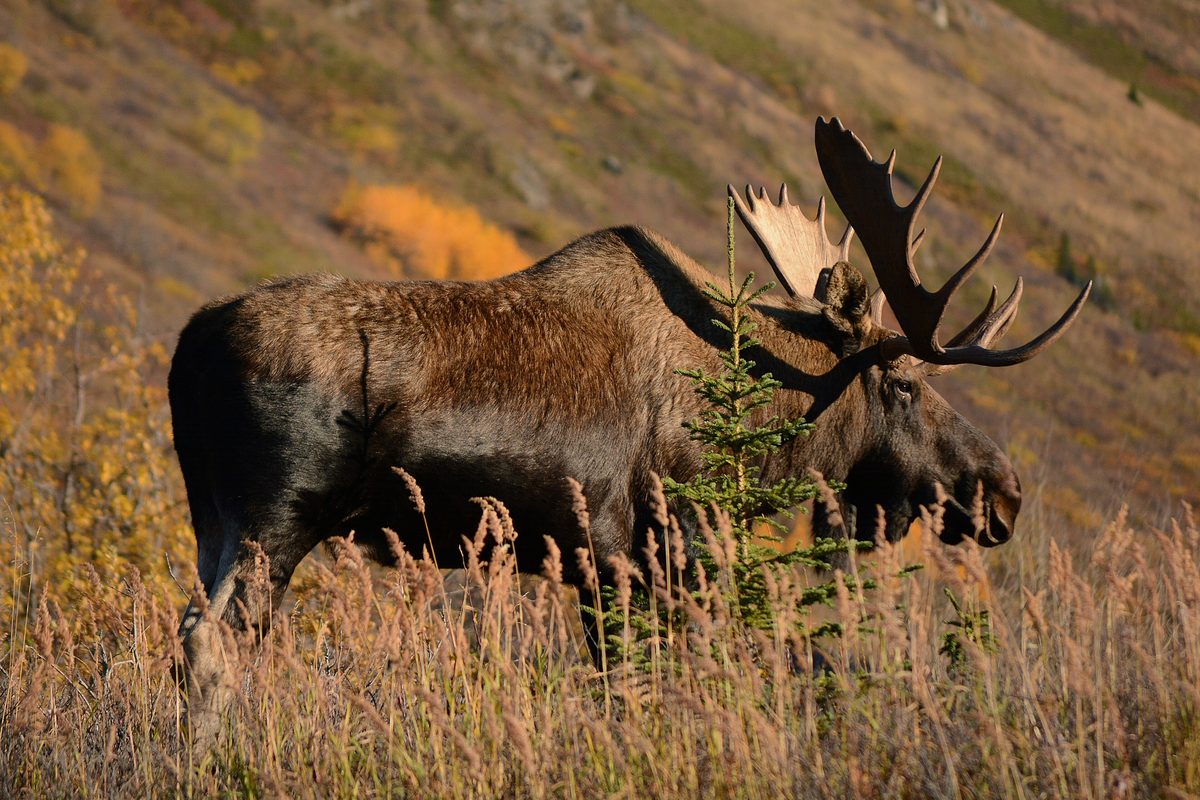
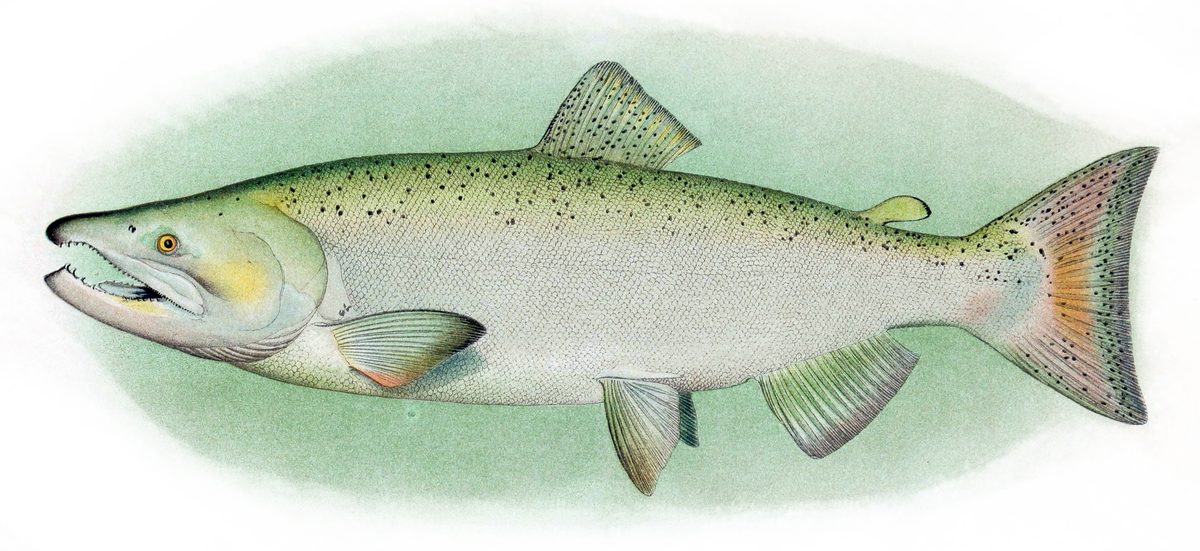
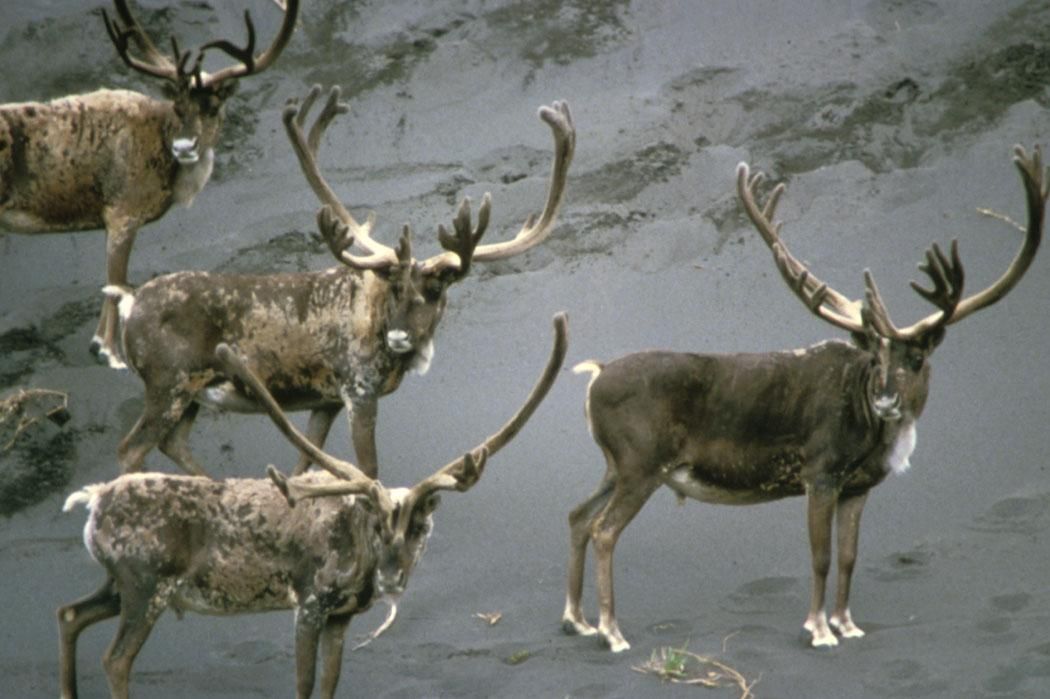
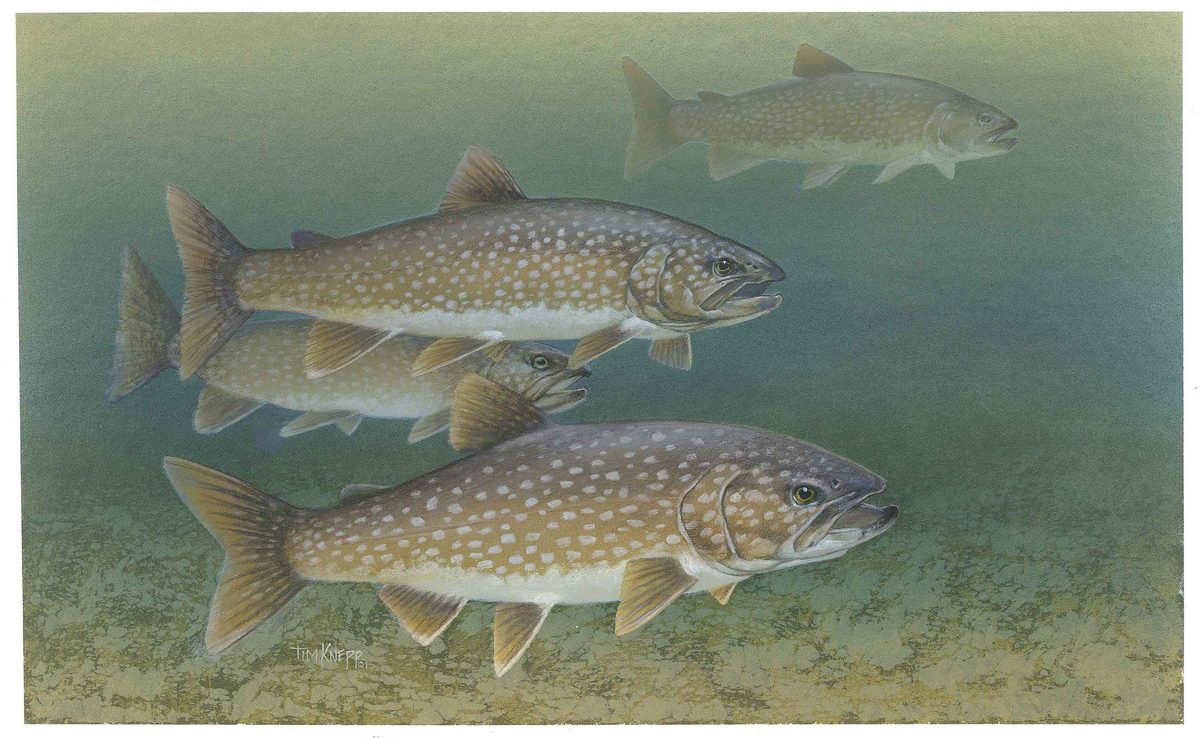
Innoko’s wetlands support beavers, moose, caribou, black and brown bears, wolves, lynx, otters, and other mammals. Summer brings large numbers of geese, other waterfowl, and shorebirds; species include white-fronted geese, lesser Canada geese, red-necked grebes, lesser yellowlegs, and Hudsonian godwits. Binoculars are useful for watching animals without approaching them, and food storage and bear-aware camp habits belong in any trip plan. Rivers hold salmon, whitefish, sheefish, grayling, and northern pike, with pike also inhabiting many lakes. This is also a lived-in landscape on the traditional homelands of Athabascan people. Privately owned subsistence camps along the Yukon and Innoko Rivers are used periodically by Alaska Natives for hunting and fishing. Do not assume a riverside clearing or camp is available for public use; confirm land ownership before choosing a stopping place.
Prepare for wet ground and independent travel
There are no trails or visitor facilities in Innoko Wilderness, and immediate assistance should not be part of the plan. Travel requires independent navigation, suitable communication equipment, and enough supplies to handle delays. Rubber boots suit the wet ground, while rain protection, insulating layers, and dry storage matter even in summer. Summer temperatures average in the 50s and 60s Fahrenheit, but freezing temperatures can occur on any night of the year. Mosquitoes are a major summer consideration; pack protective clothing and insect protection rather than relying on exposed skin. Winter is severely cold and demands a different level of preparation. Before committing to an itinerary, contact Innoko National Wildlife Refuge to confirm access arrangements, land boundaries, current conditions, and any permit or activity requirements.
Where on earth
Satellite imagery flying in from a world view to Innoko Wilderness, United States. Use the + / − buttons, or click the map to zoom with your scroll wheel; drag to pan and pinch to zoom on touch.
Coordinates
- Decimal degrees
- 63.1823, -158.2395
- Latitude (DMS)
- 63° 10′ 56.1″ N
- Longitude (DMS)
- 158° 14′ 22.1″ W
Coordinates are an access-point reference for Innoko Wilderness, not a route. Carry a paper map and confirm trailhead or put-in access with the managing agency before you go.
Topic summary
The Innoko Wilderness is located in the southeastern portion of the Innoko National Wildlife Refuge and makes up roughly one-third of the total area. A transition zone between the boreal forestland of...
Key takeaways
- Region: AK, USA
- Country: United States
- Good for: hiking
- Coordinates: 63.182, -158.239
Intended uses
hiking
Keep planning
Popular pursuits at Innoko Wilderness
- Fishing
Resident gamefish, seasons, and the water that holds them.
- Hunting
Seasons, tags, and the units that hold animals.
- Climbing
Rock and alpine lines with approach beta.
- Winter Camping
Cold-season travel and camp craft; layering matters more than mileage.
- Skiing
Ski-touring access when the road closes for the season.
- Hiking
Day miles on marked trail, with route notes and trail links below.
Animals around Innoko Wilderness



A wetland wilderness between forest and tundra
Innoko Wilderness occupies 1,240,000 acres in the southeastern part of Innoko National Wildlife Refuge in western Alaska. Designated in 1980, it protects a transition between interior Alaska’s boreal forest and the open tundra farther west. More than half the landscape is wetland: muskeg, marsh, lakes, winding rivers, and streams broken by islands of black spruce. Mosses, lichens, and shrubs fill the forest understory, while paper birch and white spruce grow on rolling hills. Elevations range from about 100 to 700 feet, so the defining challenge is wet ground rather than steep climbing. Much of the lower Iditarod River lies within the wilderness, along with many lakes and ponds. Plan around this broad, water-dominated landscape rather than expecting a network of hiking trails.
Wildlife and a living subsistence landscape
Innoko’s wetlands support beavers, moose, caribou, black and brown bears, wolves, lynx, otters, and other mammals. Summer brings large numbers of geese, other waterfowl, and shorebirds; species include white-fronted geese, lesser Canada geese, red-necked grebes, lesser yellowlegs, and Hudsonian godwits. Binoculars are useful for watching animals without approaching them, and food storage and bear-aware camp habits belong in any trip plan. Rivers hold salmon, whitefish, sheefish, grayling, and northern pike, with pike also inhabiting many lakes. This is also a lived-in landscape on the traditional homelands of Athabascan people. Privately owned subsistence camps along the Yukon and Innoko Rivers are used periodically by Alaska Natives for hunting and fishing. Do not assume a riverside clearing or camp is available for public use; confirm land ownership before choosing a stopping place.
Prepare for wet ground and independent travel
There are no trails or visitor facilities in Innoko Wilderness, and immediate assistance should not be part of the plan. Travel requires independent navigation, suitable communication equipment, and enough supplies to handle delays. Rubber boots suit the wet ground, while rain protection, insulating layers, and dry storage matter even in summer. Summer temperatures average in the 50s and 60s Fahrenheit, but freezing temperatures can occur on any night of the year. Mosquitoes are a major summer consideration; pack protective clothing and insect protection rather than relying on exposed skin. Winter is severely cold and demands a different level of preparation. Before committing to an itinerary, contact Innoko National Wildlife Refuge to confirm access arrangements, land boundaries, current conditions, and any permit or activity requirements.
Route options
- Lower Iditarod River
Use the wilderness portion of the lower Iditarod as the focus for a river-based itinerary. No fixed put-in, take-out, or marked route is identified here; establish those details and verify boundaries with refuge staff before travel.
- Innoko River
A river-based planning option in the broader refuge landscape, with coffee-colored water and northern pike. Confirm how a proposed itinerary relates to the wilderness boundary rather than assuming the whole river is within it. Respect privately owned subsistence camps along the river.
Sample itineraries
- Wetland Wildlife Observation · 3 days
A planning outline, not an established route: devote arrival and departure days to confirmed access arrangements, with a full day observing lakes and marshes from a suitable camp. Bring binoculars for waterfowl and watch for beavers and moose. Confirm access and camping requirements with refuge staff; avoid private subsistence camps.
- Lower Iditarod River Exploration · 5 days
Build a self-supported trip around the lower Iditarod River, much of which lies within the wilderness. Allow time for wetland observation and weather delays rather than fixed daily mileage. Confirm transport, landing locations, boundaries, and camping requirements before committing. This is a trip concept, not a verified travel route.
Seasonal conditions
Spring
Spring
Precipitation can occur throughout spring, and freezing temperatures are possible any night. Extensive muskeg, marshes, and waterways make waterproof footwear important. Confirm local conditions before choosing travel methods or camps.
Summer
Summer; near-constant light May through July
Temperatures average in the 50s and 60s Fahrenheit, but nights can reach freezing. Mosquitoes are abundant. Large numbers of waterfowl and shorebirds spend summer here. Long daylight does not remove the need for weather protection or a conservative travel plan.
Fall
Fall
Precipitation remains possible, and freezing nights require warm layers and suitable sleeping gear. Wetland terrain remains a central planning concern. Confirm current conditions rather than assuming summer travel arrangements will still work.
Winter
Winter
Temperatures average between -15°F and 0°F, with extremes reaching -60°F. Some shallow lakes freeze to the bottom. Severe cold and limited daylight demand specialized equipment and conservative decisions; frozen water should never be assumed safe for travel.
| Season | Window | Conditions |
|---|---|---|
| Spring | Spring | Precipitation can occur throughout spring, and freezing temperatures are possible any night. Extensive muskeg, marshes, and waterways make waterproof footwear important. Confirm local conditions before choosing travel methods or camps. |
| Summer | Summer; near-constant light May through July | Temperatures average in the 50s and 60s Fahrenheit, but nights can reach freezing. Mosquitoes are abundant. Large numbers of waterfowl and shorebirds spend summer here. Long daylight does not remove the need for weather protection or a conservative travel plan. |
| Fall | Fall | Precipitation remains possible, and freezing nights require warm layers and suitable sleeping gear. Wetland terrain remains a central planning concern. Confirm current conditions rather than assuming summer travel arrangements will still work. |
| Winter | Winter | Temperatures average between -15°F and 0°F, with extremes reaching -60°F. Some shallow lakes freeze to the bottom. Severe cold and limited daylight demand specialized equipment and conservative decisions; frozen water should never be assumed safe for travel. |
Permits, fees & closures
Confirm current permit, camping, access, and activity requirements with Innoko National Wildlife Refuge at (907) 524-3251.
Official source: Innoko National Wildlife Refuge · Verified November 1, 2026
Hazards & regulations
- Remote travel without trails or facilities leaves little margin for mistakes. Immediate assistance is not available; carry emergency communications and leave a trip plan.
- Muskeg, marshes, lakes, and meandering waterways cover more than half the wilderness. Expect difficult footing and avoid committing to unverified overland routes.
- Freezing temperatures can occur any night, and winter cold can be extreme. Wet clothing increases exposure risk.
- Summer mosquitoes are abundant. Carry effective insect protection rather than relying on clothing alone.
- Black bears, brown bears, and moose inhabit the area. Keep your distance, secure food, and avoid approaching animals for photographs.
What to pack for Innoko Wilderness
- Rubber boots for wet ground
- Waterproof jacket and pants
- Insulating layers and dry spare clothing
- Sleeping system suited to freezing nights
- Dry bags
- Maps showing wilderness boundaries and private inholdings
- Compass and offline navigation
- Satellite emergency communication device
- First-aid and repair supplies
- Water-treatment equipment
- Binoculars
- Mosquito head net
- Insect repellent
- Long-sleeved clothing
- Wildlife-resistant food storage
Innoko Wilderness FAQ
- Where is Innoko Wilderness, and what is the landscape like?
- It occupies the southeastern portion of Innoko National Wildlife Refuge in western Alaska. Its 1,240,000 acres bridge interior boreal forest and western tundra. More than half is wetland, with black spruce islands, lakes, marshes, and meandering rivers. Much of the lower Iditarod River lies within the wilderness.
- Are there hiking trails or visitor facilities?
- There are no trails or facilities in the wilderness. Plan for self-supported travel across wet, often difficult ground rather than maintained hiking routes. Refuge staff cannot provide immediate assistance.
- How should access be arranged?
- Contact Innoko National Wildlife Refuge to confirm suitable access arrangements and applicable transport rules. Do not treat an inventory map point as a trailhead, campsite, or landing location. Establish arrival, departure, and emergency plans before traveling.
- Can riverside camps be used?
- Do not assume an existing camp is public. Numerous privately owned subsistence camps along the Yukon and Innoko Rivers are used by Alaska Native families for hunting and fishing. Respect private property and confirm land ownership before selecting a camp.
- What makes summer distinctive?
- Summer brings long daylight, abundant waterfowl and shorebirds, and heavy mosquito activity. Average temperatures are in the 50s and 60s Fahrenheit, but freezing nights remain possible. Pack binoculars, insect protection, rain gear, and warm layers.
- Who manages the wilderness?
- The U.S. Fish and Wildlife Service manages it within Innoko National Wildlife Refuge. Refuge headquarters is at 101 Front Street in Galena; call (907) 524-3251 for planning guidance. The refuge lies on the traditional homelands of the Athabascan people.