



Where on earth
Satellite imagery flying in from a world view to Jasper — Tonquin Valley, Canada. Use the + / − buttons, or click the map to zoom with your scroll wheel; drag to pan and pinch to zoom on touch.
- Region
- Alberta, Canada
- Country
- Canada
- Biome
- Rocky Mountain alpine (1,700–2,300 m)
- Best season
- July – September
- Difficulty
- moderate
- Backpacking
- Hiking
- Hunting
- Climbing
- Mountaineering
Key takeaways
- Biome: Rocky Mountain alpine (1,700–2,300 m)
- Best season: July – September
- Difficulty: moderate
- Top activity: backpacking
Photos of Jasper — Tonquin Valley
Topic summary
A 44-km loop through Amethyst Lakes below the Ramparts — Jasper's classic short backpack.
Key takeaways
- Difficulty: moderate
- Best season: July – September
Intended uses
backpacking
Climate suitability
Rocky Mountain alpine (1,700–2,300 m)
Tools for a trip here
Picked for how, when and where you're going. Free, no signup.
- Sleep System Temp CalculatorCold nights: check your bag and pad add up to a safe sleep.
- Bear Country Food StorageBear country: canister, Ursack or hang, and the local rules.
- Base Weight CalculatorEvery ounce is carried — total your kit and find your base weight.
- Pack Volume SizerSize the pack for your trip length and season.
- Water Purification MatrixTreat water from streams and lakes on trail.
Plan with verified data
Jasper — Tonquin Valley trip tools
How to get there
Jasper — Tonquin Valley is in Alberta, Canada, Canada. Its center point is 52.7000, -118.3000. Use these links for live turn-by-turn directions from where you are, then confirm road, trailhead and access conditions with the managing agency before you leave.
- Tonquin Valley
The backcountry destination within Jasper National Park. Confirm the appropriate entry point and current access arrangements with the park before travelling.
- Amethyst Lakes
A named landscape feature within the Tonquin setting, beneath The Ramparts. Treat the lakes as an itinerary objective, not an assumed road-access point or trailhead.
Popular pursuits at Jasper — Tonquin Valley
- Backpacking
Multi-day travel with everything on your back — see the packing blocks below.
- Hiking
Day miles on marked trail, with route notes and trail links below.
- Hunting
Seasons, tags, and the units that hold animals.
- Climbing
Rock and alpine lines with approach beta.
- Mountaineering
Glacier and high-route objectives with real consequence.
Animals around Jasper — Tonquin Valley
 Wildlife guideTimber wolfCanis lupus
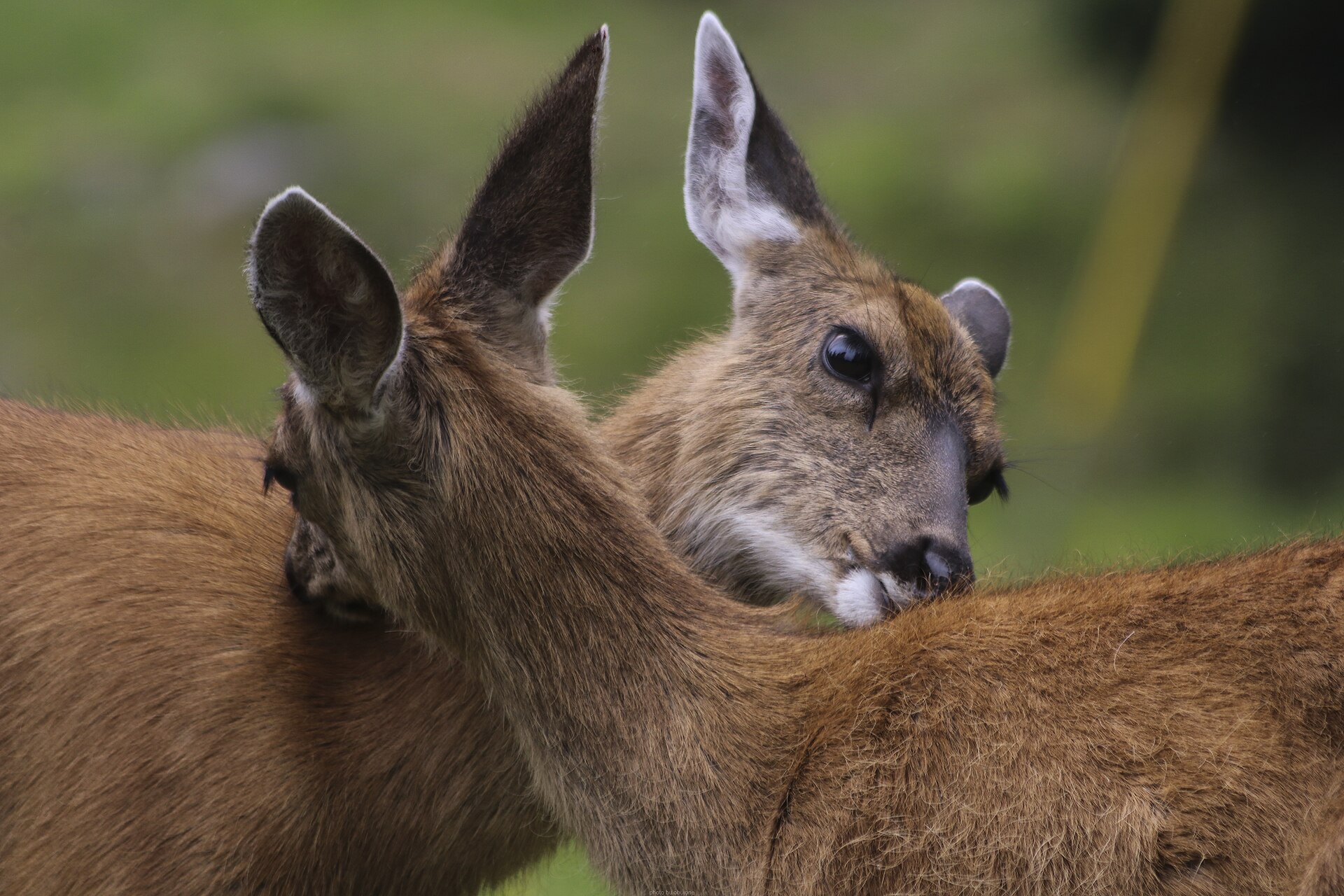 Big gameBlacktail DeerOdocoileus hemionus columbianus
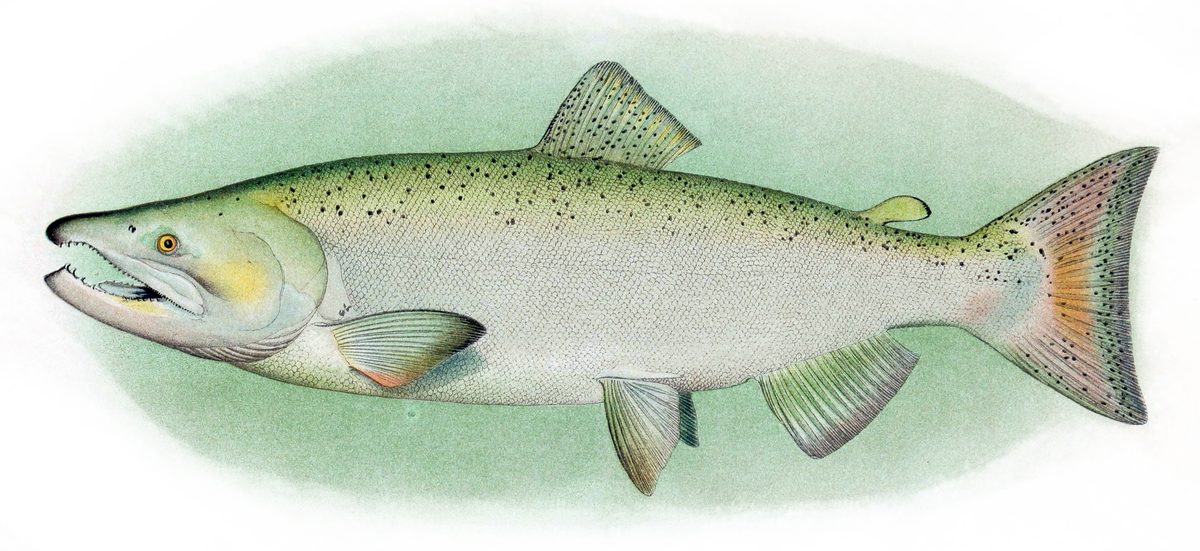 GamefishPacific SalmonOncorhynchus spp.
 Wildlife guideCanada lynxLynx canadensis
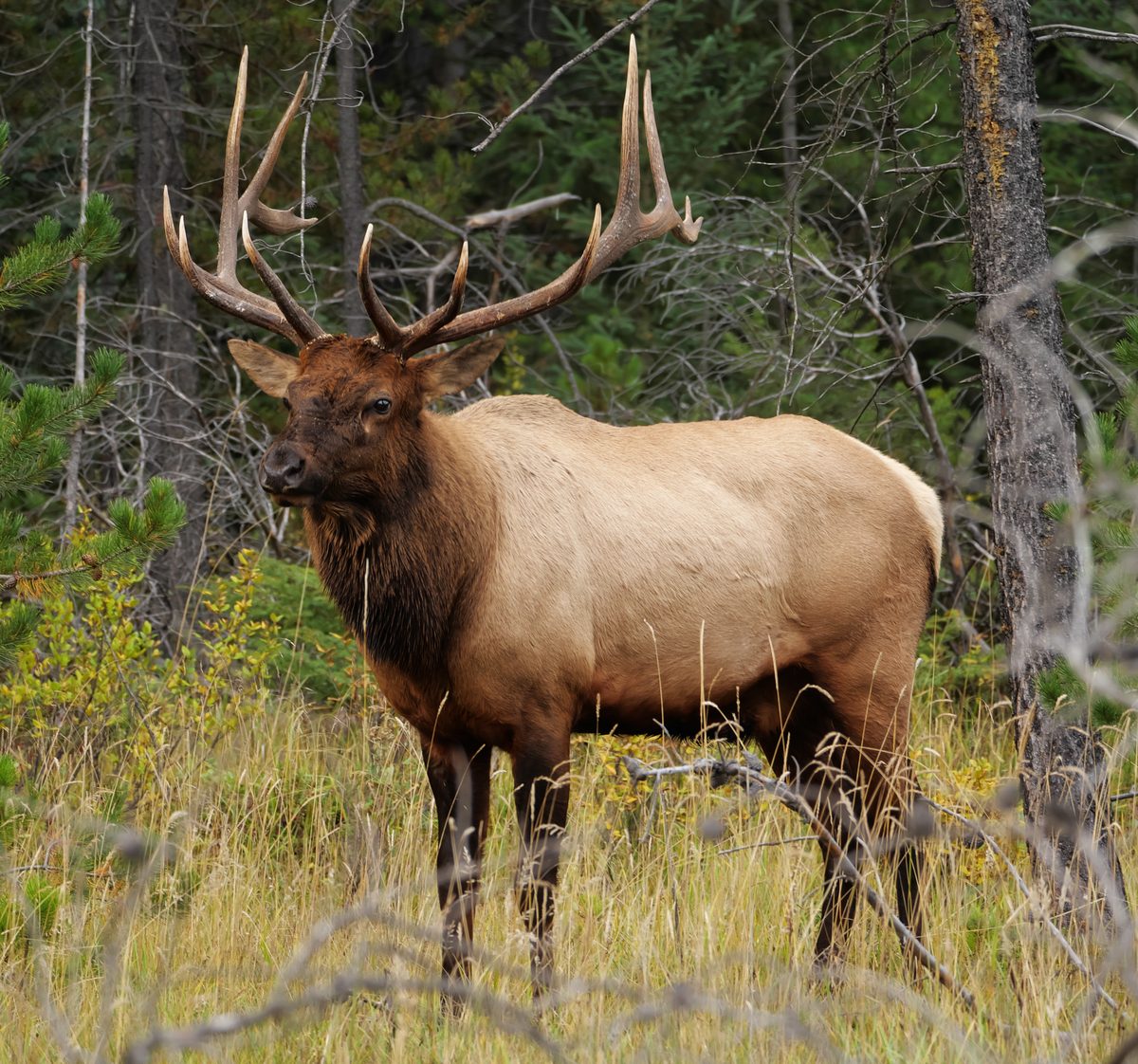 Big gameElkCervus canadensis
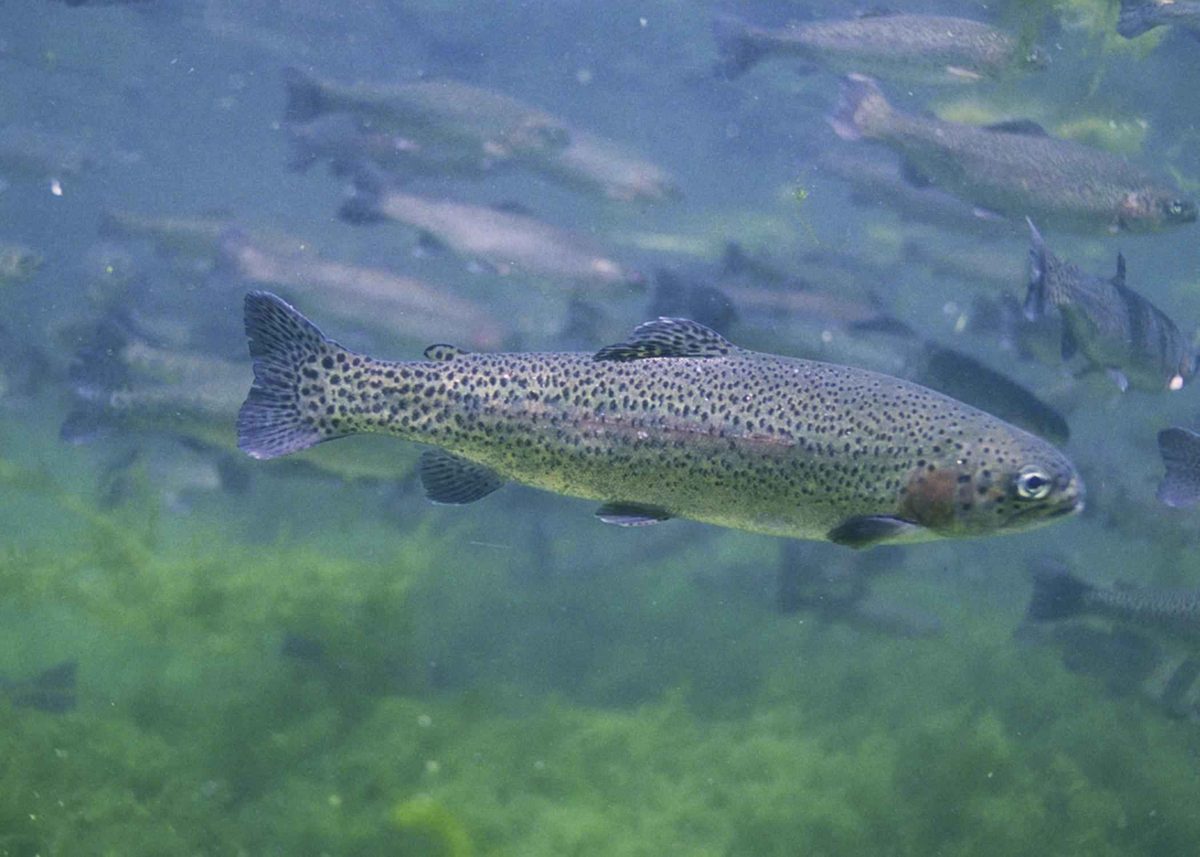 GamefishRainbow TroutOncorhynchus mykiss
 Wildlife guideBlack bearUrsus americanus
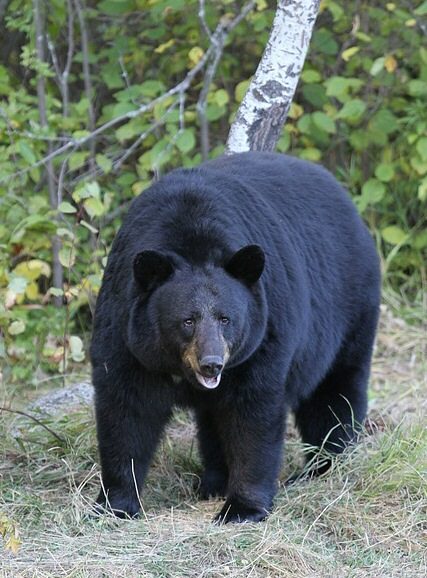 Big gameBlack BearUrsus americanus
Maps, GPS & compass for this trip
Carry a waterproof paper map and a compass you can steer by, and treat the GPS as the backup — not the other way round. Buying links go to Amazon; Wild10 earns a commission at no cost to you.
Waterproof topo maps
- Waterproof topographic map — Jasper — Tonquin ValleyAmazon search for waterproof, tear-resistant topo maps covering this area.
- National Geographic Trails IllustratedThe waterproof Trails Illustrated series — check for a sheet covering this area.
- Waterproof map case & compass lanyardKeep a paper map readable in rain, spray and a swamped boat.
Fishing at Jasper — Tonquin Valley
Planning to fish Jasper — Tonquin Valley, Alberta? Fishing licences, open seasons and catch limits in Alberta are set by the local wildlife authority and change every year — check the official source before you cast a line.
Do I need a fishing licence at Jasper — Tonquin Valley?
- A Alberta fishing licence is normally required for anyone over the local youth age.
- Read the current Alberta fishing regulations for special waters, barbless-hook or catch-and-release rules.
- Clean, drain and dry boats and gear between waters to stop invasive species.
Hunting near Jasper — Tonquin Valley
Thinking about hunting Jasper — Tonquin Valley, Alberta? Hunting seasons, tags and draws in Alberta are set by the wildlife authority each year. Confirm the rules for your species and unit before you go.
Is hunting allowed at Jasper — Tonquin Valley?
- Confirm the land around Jasper — Tonquin Valley is open to hunting and which management unit it falls in.
What do I need to hunt in Alberta?
- A Alberta hunting licence — most jurisdictions also require hunter education certification.
- Species tags or draw results for big game such as deer, elk, moose or bear where they occur.
- Knowledge of firearm and bow transport rules, which differ by land type and border crossing.
The valley and its mountain setting
Tonquin Valley is a backcountry destination in Jasper National Park, Alberta, with hiking, backpacking, and mountaineering among its established activities. Its defining landscape is the relationship between Amethyst Lakes and The Ramparts, the mountain range rising above them. For trip planning, that lake-and-mountain setting provides a clear focus without making every outing a climbing objective. A hiking or backpacking visit can centre on the valley scenery; mountaineering calls for a separate assessment of skills, equipment, and conditions. Treat the Tonquin as a backcountry trip rather than a roadside sightseeing stop. Choose an itinerary that fits the group’s experience, and obtain current access and route information before committing to a starting point or overnight plan.
Wildlife and conservation shape recreation
The Tonquin supports mountain caribou, grizzly bears, and wolverines, making wildlife awareness part of the trip rather than an optional consideration. Give animals space, avoid approaching them for photographs, and plan food storage and bear-safety practices before departure. Conservation of the Tonquin caribou herd has substantially changed recreation in the valley. Horseback riding and ski touring have a long history here, but those historical uses should not be treated as evidence that either activity is currently available. Confirm present access rules with Jasper National Park before choosing an activity or travel season. Wildlife sightings are never assured; an appropriate visit is one that allows animals to continue feeding, moving, or resting without disturbance.
Building a realistic backcountry plan
Plan a Tonquin visit around the demands of a mountain backcountry environment, not just the prospect of seeing The Ramparts above Amethyst Lakes. Hiking, backpacking, and mountaineering require different levels of preparation, so settle the type of trip before selecting a route. Carry navigation tools, clothing for changing mountain weather, and supplies appropriate to the outing. For an overnight visit, confirm current camping arrangements and permit requirements with Jasper National Park before finalising plans. Do not assume that a familiar activity remains permitted simply because it has a history in the valley. Current park guidance should determine access and timing, while the group’s ability, equipment, and conditions should determine how ambitious the itinerary becomes.
Route options
- Tonquin Valley hiking
Hiking is an established activity in the valley, with Amethyst Lakes and The Ramparts providing the main scenic focus. Confirm a specific route and its suitability with Jasper National Park; this is an activity option rather than a turn-by-turn itinerary.
- Tonquin Valley backpacking
Backpacking offers an overnight approach to exploring the valley. Confirm the route, camping arrangements, and applicable requirements before building a schedule.
Sample itineraries
- Tonquin Valley Overnight · 2 days
Plan a short backpacking visit centered on Amethyst Lakes and views of The Ramparts. Confirm a suitable approach, overnight arrangements and current access with Jasper National Park before committing; this outline does not establish trail distances or daily hiking times.
- Tonquin Valley Three-Day Backpack · 3 days
Allow three days for a backpacking visit, leaving a middle day to enjoy the valley's mountain scenery without moving all your gear. Build the route around confirmed overnight arrangements and an approach suited to your ability. Keep wildlife viewing distant and incidental.
Seasonal conditions
Spring
Spring; confirm current opening dates
A closure extension introduced in 2022 kept the valley closed until May 15 to protect caribou. Confirm the current schedule before planning. An opening date does not guarantee snow-free mountain travel.
Summer
Summer; subject to current access
Hiking and backpacking are established activities in the valley. Prepare for changing mountain weather and check trail conditions rather than assuming every approach is suitable. Give caribou and other wildlife ample space.
Fall
Fall; confirm closure timing
Plan conservatively for colder mountain conditions and shorter daylight. Check current access before departure: the valley has a history of seasonal closures intended to protect its caribou herd.
Winter
Winter closure period; verify current dates
Ski touring was historically important here, but the closure extension introduced in 2022 effectively eliminated the ski season. Do not plan winter recreation without confirming whether access is allowed.
| Season | Window | Conditions |
|---|---|---|
| Spring | Spring; confirm current opening dates | A closure extension introduced in 2022 kept the valley closed until May 15 to protect caribou. Confirm the current schedule before planning. An opening date does not guarantee snow-free mountain travel. |
| Summer | Summer; subject to current access | Hiking and backpacking are established activities in the valley. Prepare for changing mountain weather and check trail conditions rather than assuming every approach is suitable. Give caribou and other wildlife ample space. |
| Fall | Fall; confirm closure timing | Plan conservatively for colder mountain conditions and shorter daylight. Check current access before departure: the valley has a history of seasonal closures intended to protect its caribou herd. |
| Winter | Winter closure period; verify current dates | Ski touring was historically important here, but the closure extension introduced in 2022 effectively eliminated the ski season. Do not plan winter recreation without confirming whether access is allowed. |
Permits, fees & closures
Confirm backcountry permit requirements, overnight arrangements and current access restrictions with Jasper National Park.
Confirm current permits, fees, and closures with the managing agency before you go.
Hazards & regulations
- Grizzly bears inhabit the valley. Use appropriate bear-country food storage and keep a safe distance from wildlife.
- Mountain weather can change quickly. Carry layers and be prepared to turn back when conditions exceed your equipment or experience.
- Backcountry travel requires a route matched to your fitness and navigation skills; do not treat an itinerary outline as a verified trail plan.
- Disturbing rare mountain caribou is a serious conservation concern. Respect closures and avoid approaching or following animals.
What to pack for Jasper — Tonquin Valley
- Map and reliable navigation tools
- First-aid kit
- Emergency communication device
- Headlamp
- Waterproof outer layers
- Insulating layers
- Sturdy hiking footwear
- Sun protection
- Shelter and sleeping system suited to expected conditions
- Water treatment
- Food storage that meets current park requirements
- Bear spray and knowledge of its safe use
Wildlife you may see
- Mountain caribou: the Tonquin herd is a central reason for recreation restrictions. Avoid disturbance and respect all protective closures.
- Grizzly bears: present in the valley; maintain distance and follow bear-country practices.
- Wolverines: among the valley's rare wildlife. Do not approach or follow them.
Jasper — Tonquin Valley FAQ
- Where is the Tonquin Valley?
- It is a backcountry area in Jasper National Park, Alberta, Canada.
- What are the main landscape features?
- Amethyst Lakes and The Ramparts mountain range define the valley's scenery, with the mountains rising above the lakes.
- What activities suit a visit?
- The valley is known for hiking, backpacking and mountaineering. Mountaineering requires skills and equipment beyond a standard hiking trip; choose objectives appropriate to your experience.
- Can visitors ride horses or ski tour?
- Jasper National Park banned recreational horse use in the area in 2021. A winter closure extended until May 15 starting in 2022 effectively eliminated the ski season. Confirm current restrictions with the park before making plans.
- Why are there access restrictions?
- Concerns about the Tonquin caribou herd have driven restrictions on recreation. Treat wildlife protection as part of trip planning, not simply an access detail.
- Are the suggested itineraries fixed routes?
- No. They are trip-length outlines, not verified routes or campsite sequences. Confirm approaches, trail conditions, overnight arrangements and realistic daily travel with Jasper National Park before departure.