



Where on earth
Satellite imagery flying in from a world view to Jenny Lake Campground, Worldwide. Use the + / − buttons, or click the map to zoom with your scroll wheel; drag to pan and pinch to zoom on touch.
- Region
- Wyoming, USA
- Country
- Worldwide
- Biome
- Sub-alpine (2,050 m)
- Best season
- May – September
- Difficulty
- moderate
- Backpacking
- Hiking
- Climbing
- Wildlife Viewing
- Canoeing
- Fishing
Key takeaways
- Biome: Sub-alpine (2,050 m)
- Best season: May – September
- Difficulty: moderate
- Top activity: backpacking
Photos of Jenny Lake Campground
Topic summary
Tent-only sites beside Jenny Lake with the Cathedral Group towering overhead.
Key takeaways
- Difficulty: moderate
- Best season: May – September
Intended uses
backpacking
Climate suitability
Sub-alpine (2,050 m)
Tools for a trip here
Picked for how, when and where you're going. Free, no signup.
- Sleep System Temp CalculatorCold nights: check your bag and pad add up to a safe sleep.
- Base Weight CalculatorEvery ounce is carried — total your kit and find your base weight.
- Pack Volume SizerSize the pack for your trip length and season.
- Water Purification MatrixTreat water from streams and lakes on trail.
- Layering CalculatorCold-season miles: layer for climbs and camp.
Plan with verified data
Jenny Lake Campground trip tools
How to get there
Grand Teton National Park is in northwestern Wyoming, 10 miles south of Yellowstone National Park. The John D. Rockefeller Jr. Memorial Parkway connects the two parks. Confirm the final approach to Jenny Lake Campground with the park before travel.
- Grand Teton National Park
The regional destination for planning the campground stay and surrounding outings. National Park Service visitor centers offer a place to confirm local access information; obtain campground-specific directions before arrival.
- John D. Rockefeller Jr. Memorial Parkway
The connection between Yellowstone and Grand Teton national parks. This is a regional approach, not a campground entrance or a verified final route to the campsite.
Sources: Wikipedia · Wikivoyage. Confirm road and trailhead conditions with the managing agency before you leave.
Popular pursuits at Jenny Lake Campground
- Backpacking
Multi-day travel with everything on your back — see the packing blocks below.
- Hiking
Day miles on marked trail, with route notes and trail links below.
- Climbing
Rock and alpine lines with approach beta.
- Wildlife Viewing
Best light, best season, and where animals move.
- Canoeing
Paddle routes, portages, and put-ins.
- Fishing
Resident gamefish, seasons, and the water that holds them.
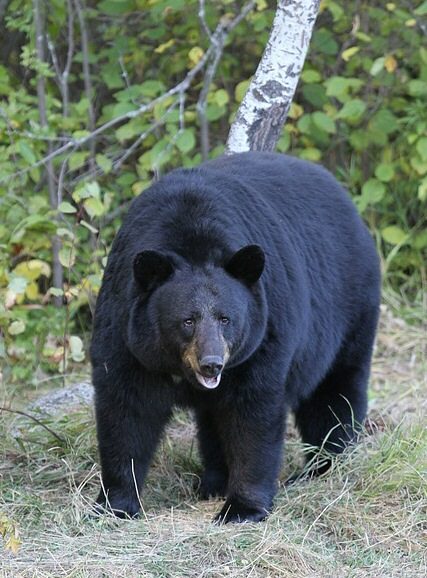
Animals around Jenny Lake Campground

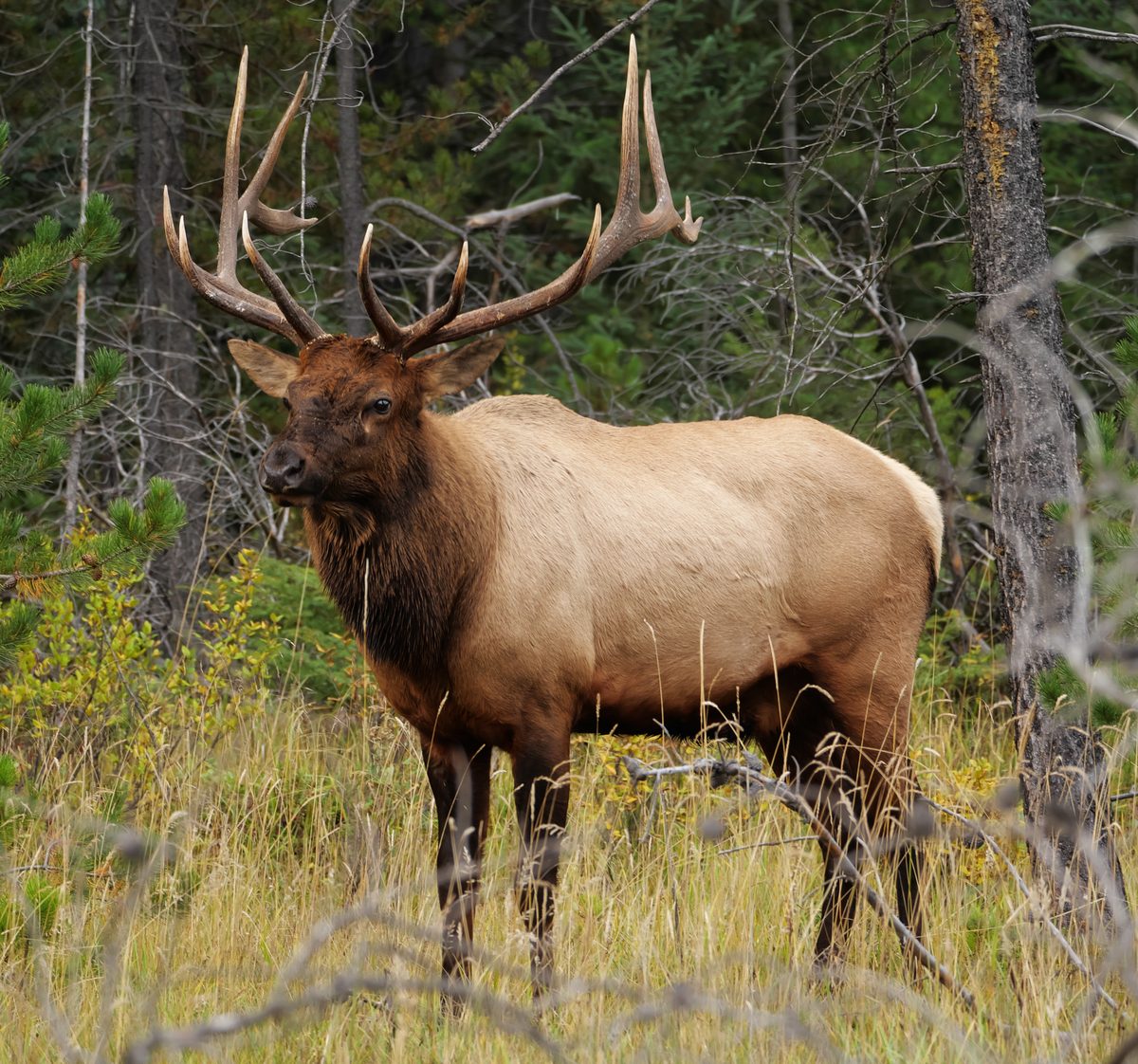
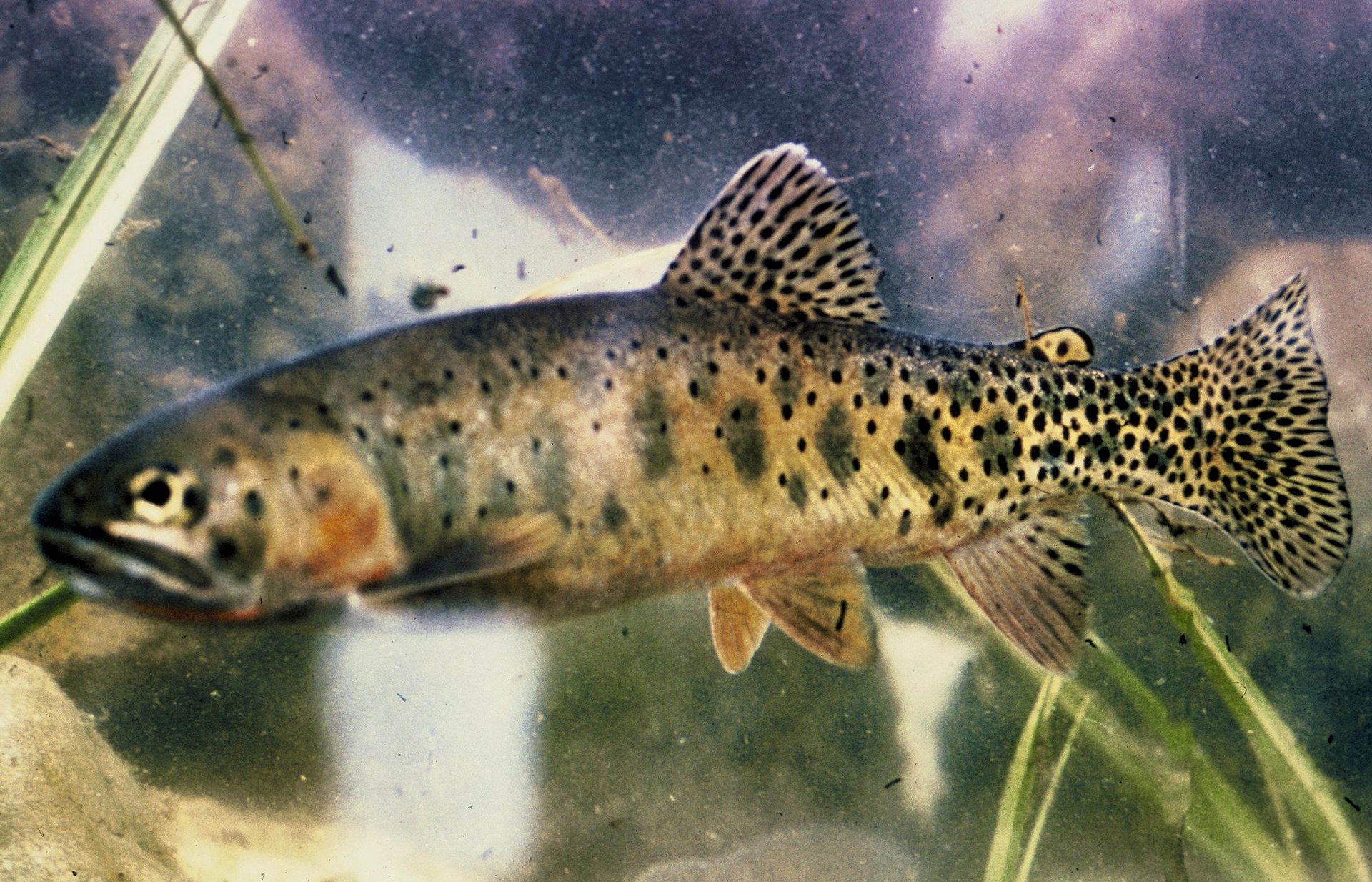

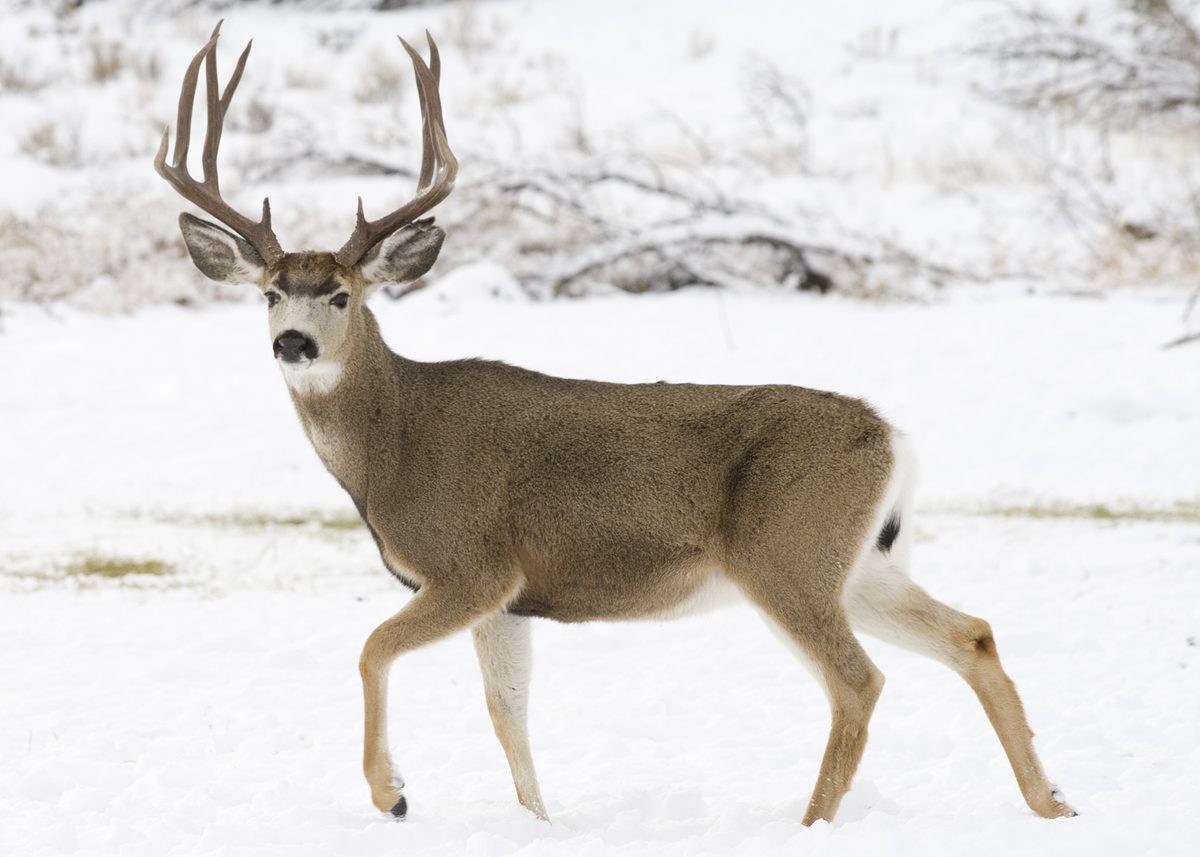
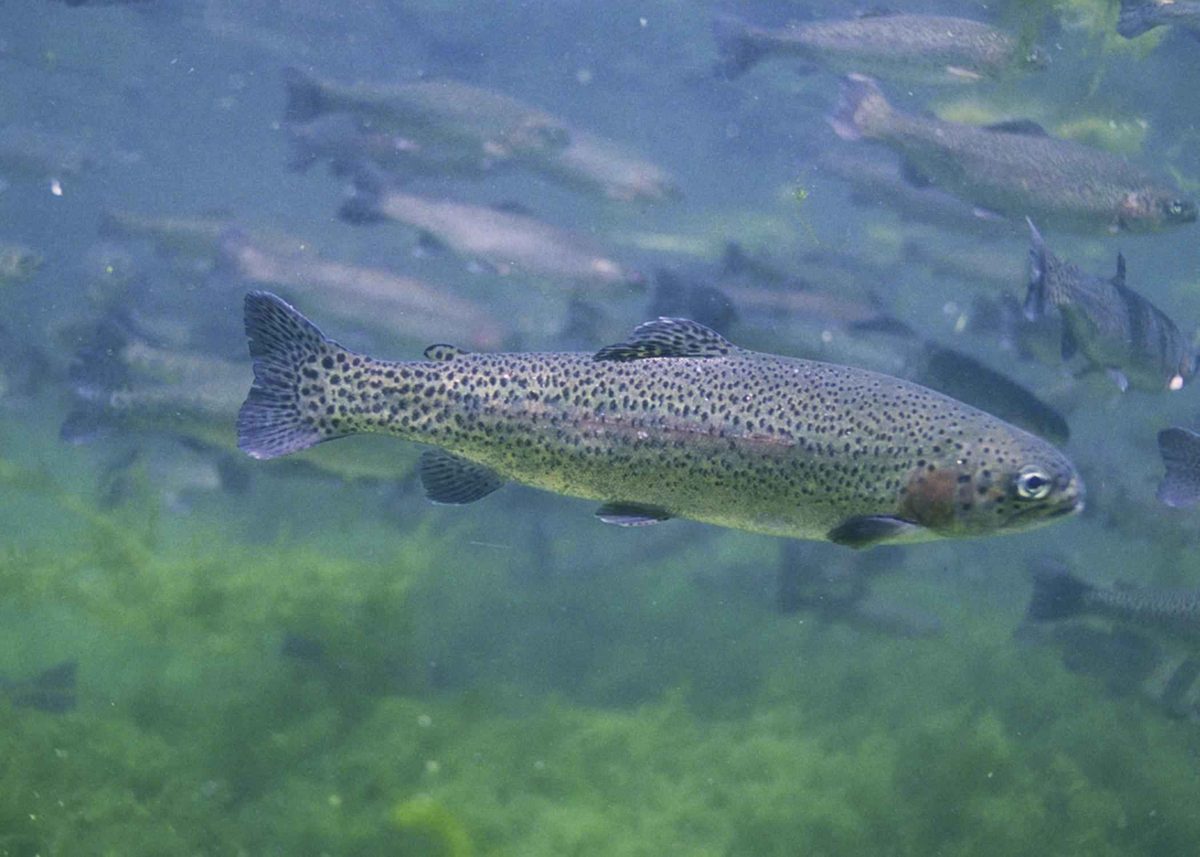

Maps, GPS & compass for this trip
Carry a waterproof paper map and a compass you can steer by, and treat the GPS as the backup — not the other way round. Buying links go to Amazon; Wild10 earns a commission at no cost to you.
Waterproof topo maps
- Waterproof topographic map — Jenny Lake CampgroundAmazon search for waterproof, tear-resistant topo maps covering this area.
- National Geographic Trails IllustratedThe waterproof Trails Illustrated series — check for a sheet covering this area.
- Waterproof map case & compass lanyardKeep a paper map readable in rain, spray and a swamped boat.
Fishing at Jenny Lake Campground
Planning to fish Jenny Lake Campground, Wyoming? Fishing licenses, open seasons and catch limits in Wyoming are set by the local wildlife authority and change every year — check the official source before you cast a line.
Do I need a fishing license at Jenny Lake Campground?
- A Wyoming fishing license is normally required for anyone over the local youth age.
- Read the current Wyoming fishing regulations for special waters, barbless-hook or catch-and-release rules.
- Clean, drain and dry boats and gear between waters to stop invasive species.
Hunting near Jenny Lake Campground
Thinking about hunting Jenny Lake Campground, Wyoming? Hunting seasons, tags and draws in Wyoming are set by the wildlife authority each year. Confirm the rules for your species and unit before you go.
Is hunting allowed at Jenny Lake Campground?
- Confirm the land around Jenny Lake Campground is open to hunting and which management unit it falls in.
What do I need to hunt in Wyoming?
- A Wyoming hunting license — most jurisdictions also require hunter education certification.
- Species tags or draw results for big game such as deer, elk, moose or bear where they occur.
- Knowledge of firearm and bow transport rules, which differ by land type and border crossing.
Jenny Lake Campground: plan around the wider park
For a trip centered on Jenny Lake Campground, Grand Teton National Park provides the wider outdoor setting: the major peaks of the Teton Range, much of northern Jackson Hole, and a landscape of lakes, streams, and high mountain terrain in northwestern Wyoming. Grand Teton itself reaches 13,775 feet and rises more than 7,000 feet above the valley. That contrast matters when planning outings: time in the valley and travel into the mountains call for different levels of preparation. Keep campground arrangements separate from the day-trip plan, and confirm campsite facilities, access instructions, and current operating details with the park before departure. The regional options below describe the surrounding park rather than verified routes starting at the campground.
Choosing outings without overcommitting
Grand Teton has more than 200 miles of hiking trails, with opportunities for hiking, mountaineering, fishing, and backcountry camping across the park. Those park-wide possibilities are useful context, but they do not establish a particular trail connection from Jenny Lake Campground. Choose a specific outing only after checking its trailhead, terrain, and current conditions with the park. The broader water landscape includes Jackson Lake, streams, and the upper main stem of the Snake River; do not assume that water access or services are available at the campsite itself. For mountain travel, carry layers, water, and navigation appropriate to the intended terrain, and leave room to change plans with the weather. Confirm permit requirements and camping arrangements with the managing agency.
Wildlife, geology, and the larger landscape
The park belongs to the Greater Yellowstone Ecosystem, a protected landscape encompassing Grand Teton, Yellowstone, the connecting parkway, and surrounding national forests. Its ecological variety includes more than 1,000 species of vascular plants, dozens of mammal species, and roughly 300 bird species. Give wildlife space, keep food secure, and ask the park about appropriate food storage before settling into camp. The mountains also hold a long geological record: some park rocks are nearly 2.7 billion years old, while small glaciers persist near the highest peaks. Human history in the region extends back at least 11,000 years, and eastern Shoshone people were present when European colonizers arrived. Treat a stay here as time in a living landscape, not just a backdrop for mountain views.
Route options
- Grand Teton National Park hiking network
Choose a park hike from a network totaling more than 200 miles. Confirm an individual trail and its starting point before setting out; no campground-to-trail connection is specified here.
- John D. Rockefeller Jr. Memorial Parkway connection
Use the parkway to link Grand Teton and Yellowstone as part of a broader park-to-park itinerary, rather than treating it as a local campground outing.
Sample itineraries
- Two-day Grand Teton introduction · 2 days
Plan a Jenny Lake Campground stay only after confirming availability and access. Spend the first day getting oriented at a Grand Teton National Park visitor center. On the second, choose a park hike suited to current conditions and the group's ability; confirm the route locally.
- Three-day park sampler · 3 days
Allow one day for visitor-center orientation, one for hiking, and one for exploring Jackson Hole or viewing Jackson Lake. Use Jenny Lake Campground as a proposed base, subject to confirmed access and availability. Keep mountaineering separate from a casual sightseeing itinerary.
Seasonal conditions
Spring
Spring; confirm campground access before travel
Plan conservatively for cold and lingering snow in this high-mountain setting. Conditions near the Teton peaks may differ substantially from those in Jackson Hole. Select hikes using current local advice.
Summer
Summer; check conditions for the intended elevation
Prepare for changing mountain weather rather than assuming warmth throughout the park. Small glaciers persist near the highest peaks. A valley-based camping trip does not establish readiness for high-elevation travel.
Fall
Fall; confirm access and services
Carry insulation and leave room to shorten outdoor plans if cold or unsettled weather develops. Do not assume campground operations or visitor services continue throughout the season.
Winter
Winter; verify access before planning a stay
Treat a winter visit as a cold-weather mountain trip. Confirm whether camping and intended routes are accessible before departure. Ordinary camping equipment may not suit the conditions.
| Season | Window | Conditions |
|---|---|---|
| Spring | Spring; confirm campground access before travel | Plan conservatively for cold and lingering snow in this high-mountain setting. Conditions near the Teton peaks may differ substantially from those in Jackson Hole. Select hikes using current local advice. |
| Summer | Summer; check conditions for the intended elevation | Prepare for changing mountain weather rather than assuming warmth throughout the park. Small glaciers persist near the highest peaks. A valley-based camping trip does not establish readiness for high-elevation travel. |
| Fall | Fall; confirm access and services | Carry insulation and leave room to shorten outdoor plans if cold or unsettled weather develops. Do not assume campground operations or visitor services continue throughout the season. |
| Winter | Winter; verify access before planning a stay | Treat a winter visit as a cold-weather mountain trip. Confirm whether camping and intended routes are accessible before departure. Ordinary camping equipment may not suit the conditions. |
Permits, fees & closures
Confirm camping requirements, current rules, and any activity permits with the National Park Service before planning a Jenny Lake Campground stay.
Confirm current permits, fees, and closures with the managing agency before you go.
Hazards & regulations
- Cold and changing mountain weather can affect comfort and decision-making; carry layers and adjust plans to current conditions.
- The Teton Range rises sharply above Jackson Hole. Choose terrain and elevation appropriate to the group's fitness and experience.
- Lakes, streams, and the Snake River require caution around water; do not assume an unfamiliar crossing or shoreline is safe.
- Grand Teton supports many wild mammals and birds. Keep your distance, avoid feeding animals, and confirm local food-storage requirements.
What to pack for Jenny Lake Campground
- Shelter suited to the forecast
- Sleeping bag and insulated sleeping pad
- Warm layers
- Rain protection
- Navigation tools for the chosen route
- Sturdy footwear
- Drinking water and treatment method
- Food
- Headlamp
- First-aid kit
- Food-storage equipment meeting current park requirements
- Binoculars for distant wildlife viewing
- Current campground and route information
Wildlife you may see
- Grand Teton National Park supports dozens of mammal species and roughly 300 bird species; sightings at any particular campsite are not guaranteed.
- Snake River fine-spotted cutthroat trout occur in the park. Confirm current fishing rules before planning to fish.
- The park forms part of the Greater Yellowstone Ecosystem, a large connected landscape of protected areas and surrounding national forests.
Jenny Lake Campground FAQ
- What should be confirmed before booking Jenny Lake Campground?
- Check the campground's operating status, reservation process, site suitability, facilities, and current rules with the managing agency. Do not assume a particular camping setup or service is available.
- What outdoor activities can anchor a trip?
- Grand Teton National Park offers hiking, fishing, and mountaineering. For a straightforward camping visit, prioritize hikes matched to current conditions and the group's ability. Mountaineering requires separate preparation.
- How can visitors choose a hike?
- The park has more than 200 miles of hiking trails. Ask at a National Park Service visitor center about routes appropriate to your fitness, available time, and current conditions rather than assuming every trail is suitable.
- Can this trip be combined with Yellowstone?
- Yes. Grand Teton National Park lies south of Yellowstone National Park, connected by the John D. Rockefeller Jr. Memorial Parkway. Confirm road conditions and accommodation separately; campground-to-destination travel times require additional planning.
- What makes the surrounding landscape distinctive?
- The Teton Range rises above Jackson Hole, with Grand Teton reaching 13,775 feet. The park includes lakes, the upper Snake River, small high-elevation glaciers, and rocks dated to nearly 2.7 billion years.