



Where on earth
Satellite imagery flying in from a world view to Teton River (ID), Worldwide. Use the + / − buttons, or click the map to zoom with your scroll wheel; drag to pan and pinch to zoom on touch.
- Region
- Idaho, USA
- Country
- Worldwide
- Biome
- Rocky Mountain (1,800 m)
- Best season
- June – October
- Difficulty
- moderate
- Backpacking
- Hiking
- Mountaineering
- Canoeing
- Fishing
Key takeaways
- Biome: Rocky Mountain (1,800 m)
- Best season: June – October
- Difficulty: moderate
- Top activity: backpacking
Photos of Teton River (ID)
Topic summary
Cutthroat river below the Grand Tetons — a fishy alternative to the Snake.
Key takeaways
- Difficulty: moderate
- Best season: June – October
Intended uses
backpacking
Climate suitability
Rocky Mountain (1,800 m)
Tools for a trip here
Picked for how, when and where you're going. Free, no signup.
- Sleep System Temp CalculatorCold nights: check your bag and pad add up to a safe sleep.
- Bear Country Food StorageBear country: canister, Ursack or hang, and the local rules.
- Base Weight CalculatorEvery ounce is carried — total your kit and find your base weight.
- Pack Volume SizerSize the pack for your trip length and season.
- Water Purification MatrixTreat water from streams and lakes on trail.
Plan with verified data
Teton River (ID) trip tools
How to get there
Teton River (ID) is in Idaho, USA, Worldwide. Its center point is 43.7500, -111.4500. Use these links for live turn-by-turn directions from where you are, then confirm road, trailhead and access conditions with the managing agency before you leave.
Popular pursuits at Teton River (ID)
- Backpacking
Multi-day travel with everything on your back — see the packing blocks below.
- Hiking
Day miles on marked trail, with route notes and trail links below.
- Mountaineering
Glacier and high-route objectives with real consequence.
- Canoeing
Paddle routes, portages, and put-ins.
- Fishing
Resident gamefish, seasons, and the water that holds them.
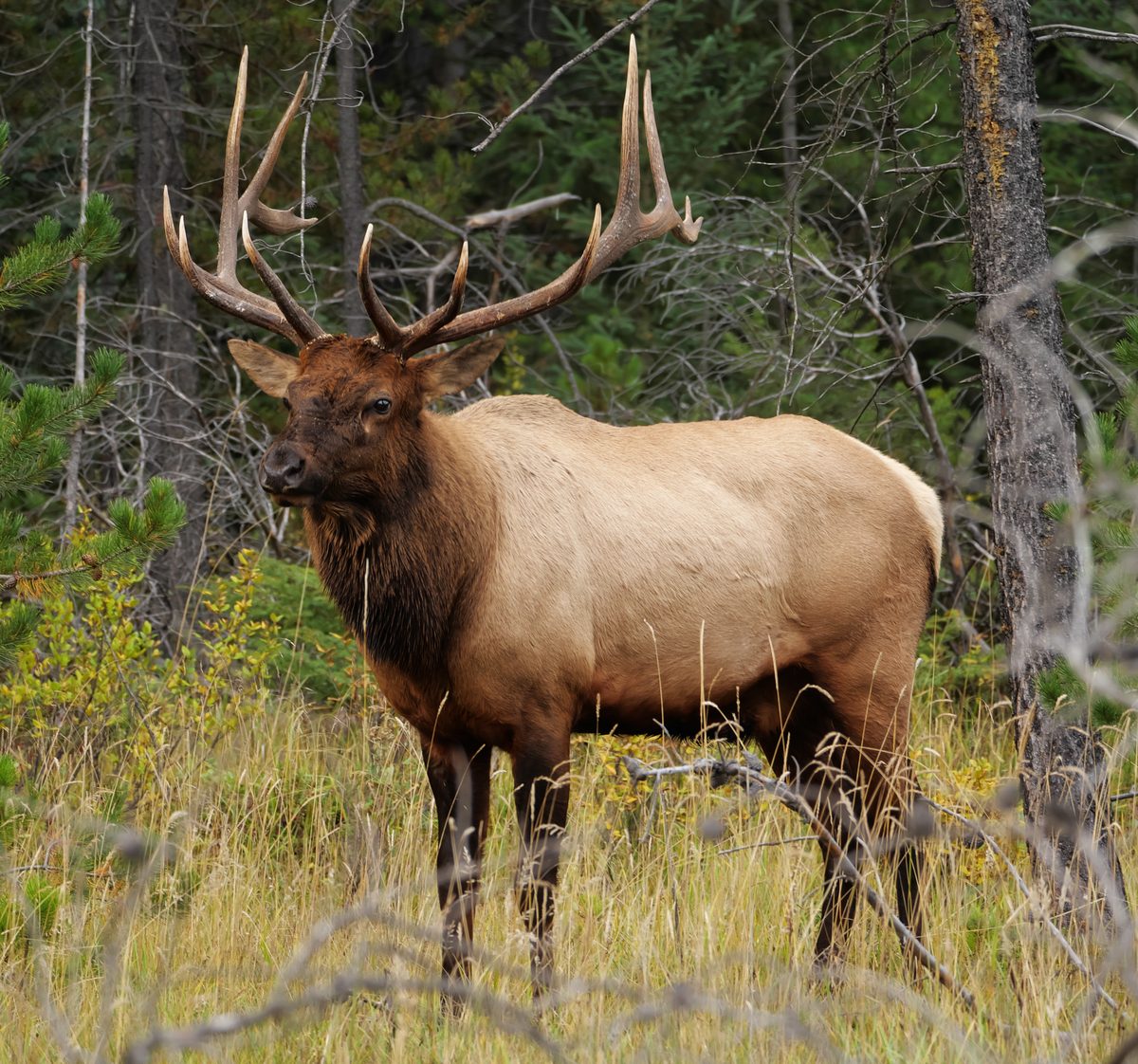
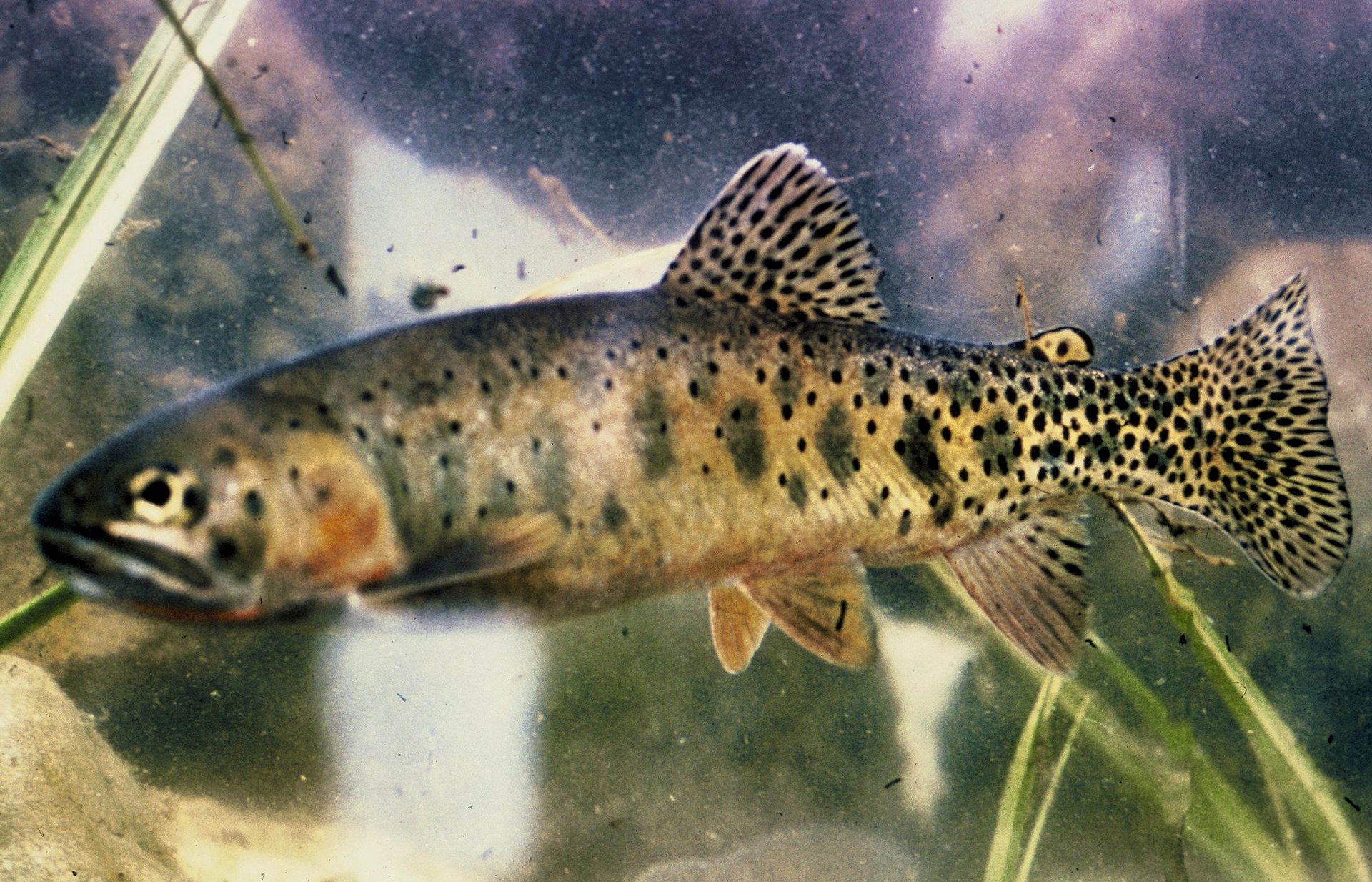
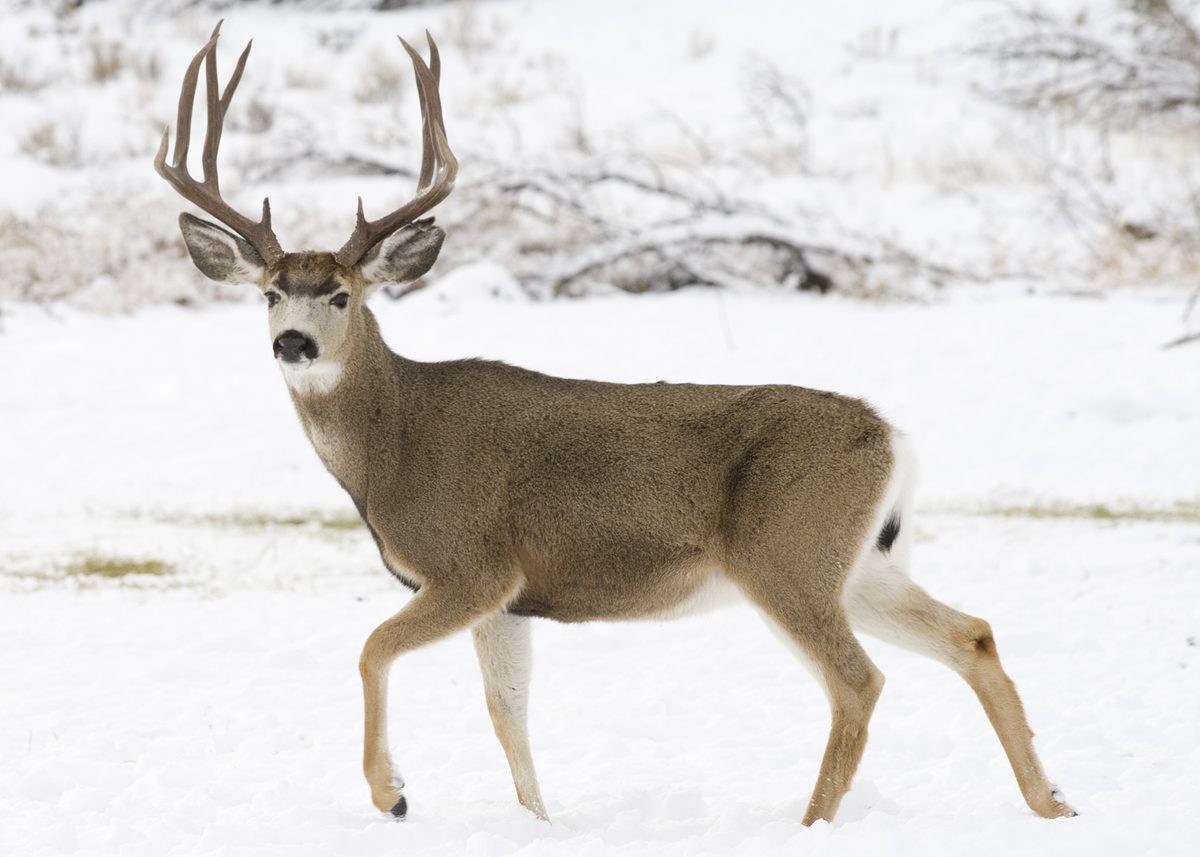
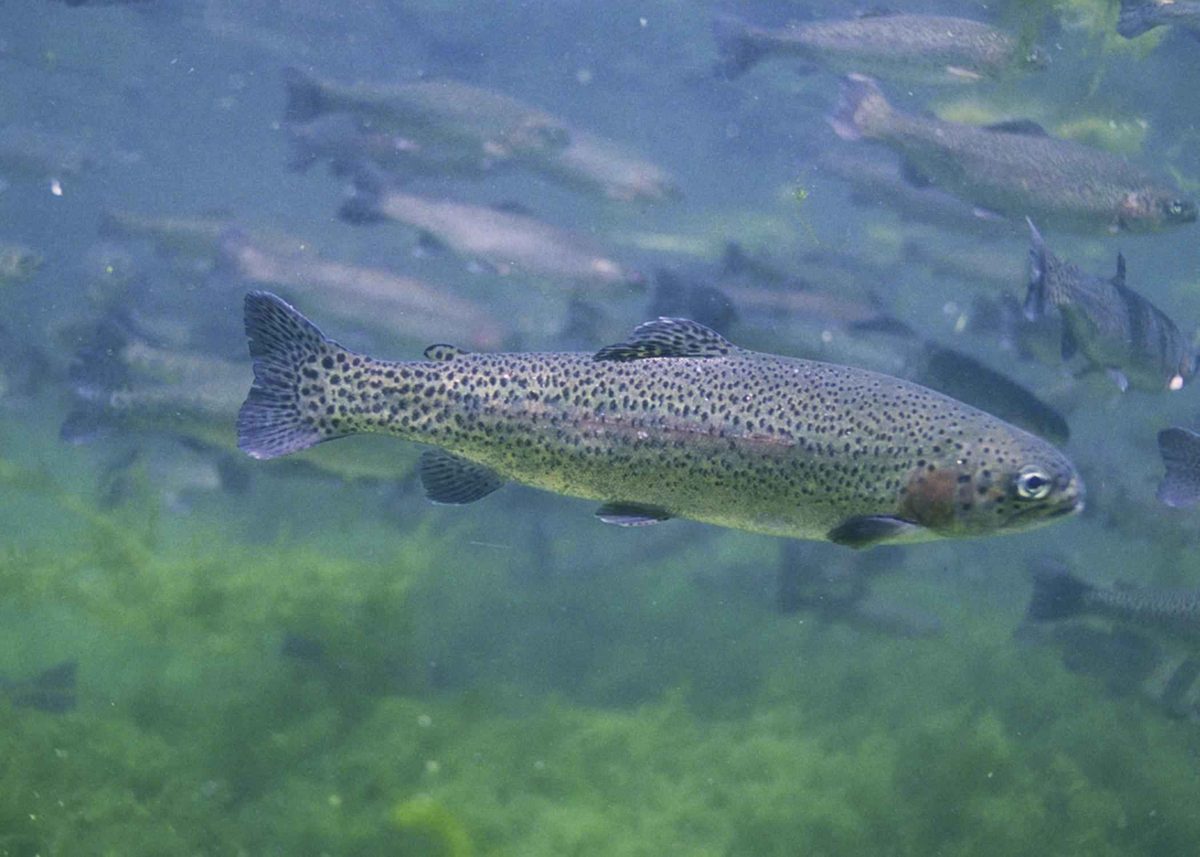
Animals around Teton River (ID)



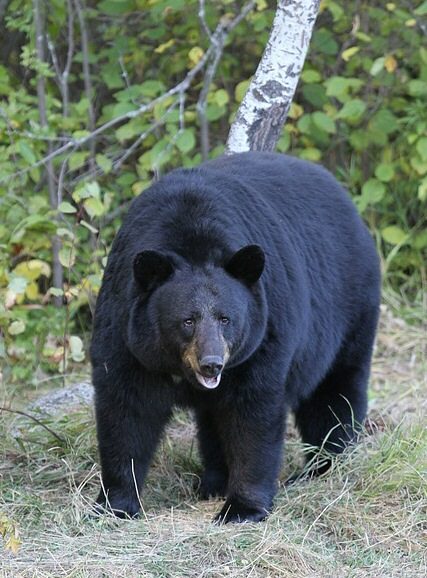
Maps, GPS & compass for this trip
Carry a waterproof paper map and a compass you can steer by, and treat the GPS as the backup — not the other way round. Buying links go to Amazon; Wild10 earns a commission at no cost to you.
Waterproof topo maps
- Waterproof topographic map — Teton River (ID)Amazon search for waterproof, tear-resistant topo maps covering this area.
- National Geographic Trails IllustratedThe waterproof Trails Illustrated series — check for a sheet covering this area.
- Waterproof map case & compass lanyardKeep a paper map readable in rain, spray and a swamped boat.
Fishing at Teton River (ID)
Planning to fish Teton River (ID), Idaho? Fishing licenses, open seasons and catch limits in Idaho are set by the local wildlife authority and change every year — check the official source before you cast a line.
Do I need a fishing license at Teton River (ID)?
- A Idaho fishing license is normally required for anyone over the local youth age.
- Read the current Idaho fishing regulations for special waters, barbless-hook or catch-and-release rules.
- Clean, drain and dry boats and gear between waters to stop invasive species.
Hunting near Teton River (ID)
Thinking about hunting Teton River (ID), Idaho? Hunting seasons, tags and draws in Idaho are set by the wildlife authority each year. Confirm the rules for your species and unit before you go.
Is hunting allowed at Teton River (ID)?
- Confirm the land around Teton River (ID) is open to hunting and which management unit it falls in.
What do I need to hunt in Idaho?
- A Idaho hunting license — most jurisdictions also require hunter education certification.
- Species tags or draw results for big game such as deer, elk, moose or bear where they occur.
- Knowledge of firearm and bow transport rules, which differ by land type and border crossing.
Destination and geographic context
The Teton River destination requested here is in Idaho, a landlocked state spanning the Pacific Northwest and Mountain West. Idaho includes mountainous country, stretches of the Rocky Mountains, and the Snake River Plain, but that broad setting does not establish the character of a particular river reach. A useful river itinerary needs more precise information: where the intended outing begins and ends, how the banks can legally be reached, and what conditions apply to that section. Those details cannot be established here. Treat this profile as a planning outline rather than a navigation guide. It does not identify a verified launch, takeout, riverside trail, or driving approach, and it should not be used to select one.
Access and trip selection
Start trip planning by identifying the exact stretch of the Teton River intended for the outing. A river name alone is not enough to establish public access, a suitable route, or permission to cross adjoining land. Before committing to travel, confirm the location and legal status of both the arrival point and the departure point with the relevant managing agency. For a boating trip, separately verify that each location supports the intended launch or takeout; for a walking visit, confirm that a public route actually reaches the river. No specific access points or route options can be established here. Driving times, distances, difficulty ratings, and shuttle arrangements therefore remain unspecified rather than being estimated from Idaho's general geography.
Conditions and permissions to confirm
Idaho's varied geography and climate make statewide descriptions a poor substitute for local trip information. No river-specific season, water condition, or hazard assessment can be established here, so this profile does not recommend a best month or assign a boating difficulty. Before departure, obtain current information for the exact reach and the activity being considered. Confirm any applicable access restrictions, permit requirements, and fees directly with the managing agency. Do not assume that Idaho's substantial federal land holdings mean a particular riverbank is public or that one agency manages every part of the outing. Carry navigation and safety equipment appropriate to the activity once the route and its conditions have been verified. Leave enough flexibility to change plans if access or conditions are unsuitable.
Sample itineraries
- Teton River day-trip planning · 1 day
Keep this a planning outline rather than a confirmed route. Before committing to a river outing, verify the intended section, legal public access, current conditions and a suitable return plan.
- Two-day Teton River scouting plan · 2 days
Use the first day to confirm access and assess conditions from a verified public location. Reserve the second for an outing matched to those findings and the group's skills. No specific river route or overnight location is established here.
Seasonal conditions
Spring
Verify locally before selecting dates
River-specific spring conditions are not established here. Confirm current water conditions, weather and access before choosing an activity.
Summer
Verify locally before selecting dates
No summer boating or swimming suitability is established here. Check conditions for the exact section rather than assuming the season makes it suitable.
Fall
Verify locally before selecting dates
Fall access and river conditions need local confirmation. Check the forecast and available daylight when setting the day's scope.
Winter
Verify locally before selecting dates
Winter access and water conditions are not established here. Confirm whether the intended outing is practical before traveling.
| Season | Window | Conditions |
|---|---|---|
| Spring | Verify locally before selecting dates | River-specific spring conditions are not established here. Confirm current water conditions, weather and access before choosing an activity. |
| Summer | Verify locally before selecting dates | No summer boating or swimming suitability is established here. Check conditions for the exact section rather than assuming the season makes it suitable. |
| Fall | Verify locally before selecting dates | Fall access and river conditions need local confirmation. Check the forecast and available daylight when setting the day's scope. |
| Winter | Verify locally before selecting dates | Winter access and water conditions are not established here. Confirm whether the intended outing is practical before traveling. |
Permits, fees & closures
Confirm permit requirements, access rules and any booking requirements with the managing agency for the intended river section.
Confirm current permits, fees, and closures with the managing agency before you go.
Hazards & regulations
- Water safety: river difficulty and section-specific hazards are unverified; obtain current local information before entering the water.
- Weather exposure: check the local forecast and carry protection suited to the expected conditions.
- Access uncertainty: confirm legal entry and exit locations before setting out; do not rely on an unverified river itinerary.
What to pack for Teton River (ID)
- Verified local map
- Confirmed access and return details
- Local agency contact information
- Drinking water
- Food
- Weather-appropriate layers
- First-aid kit
- Properly fitted personal flotation device
- Waterproof protection for essential gear
- Equipment selected after confirming river conditions
Teton River (ID) FAQ
- Where should a Teton River trip start?
- No specific public access point is established here. Confirm an appropriate legal entry and exit for the exact section before making travel arrangements.
- Is this a beginner-friendly river outing?
- That cannot be determined here. Obtain section-specific information about difficulty and current conditions, then match the outing to the group's skills.
- What is the best season to visit?
- A river-specific seasonal recommendation is not established. Choose dates only after checking local access, water conditions and weather.
- Can an overnight river trip be planned?
- No overnight route or camping location is established here. Confirm legal camping, access and a workable river itinerary before planning an overnight stay.
- Which wildlife should visitors expect?
- No Teton River wildlife species are established here. Ask the managing agency about local wildlife precautions and keep a respectful distance from any animals encountered.