



Where on earth
Satellite imagery flying in from a world view to Watchman Campground (Zion), Worldwide. Use the + / − buttons, or click the map to zoom with your scroll wheel; drag to pan and pinch to zoom on touch.
- Region
- Utah, USA
- Country
- Worldwide
- Biome
- Sandstone canyon (1,200 m)
- Best season
- Year-round
- Difficulty
- moderate
- Backpacking
- Hiking
- Desert Hiking
- Canyoneering
Key takeaways
- Biome: Sandstone canyon (1,200 m)
- Best season: Year-round
- Difficulty: moderate
- Top activity: backpacking
Photos of Watchman Campground (Zion)
Topic summary
Springdale-side campground under the Watchman spire — walking distance to visitor center.
Key takeaways
- Difficulty: moderate
- Best season: Year-round
Intended uses
backpacking
Climate suitability
Sandstone canyon (1,200 m)
Tools for a trip here
Picked for how, when and where you're going. Free, no signup.
- Sleep System Temp CalculatorCold nights: check your bag and pad add up to a safe sleep.
- Base Weight CalculatorEvery ounce is carried — total your kit and find your base weight.
- Pack Volume SizerSize the pack for your trip length and season.
- Water Purification MatrixTreat water from streams and lakes on trail.
- Layering CalculatorCold-season miles: layer for climbs and camp.
Plan with verified data
Watchman Campground (Zion) trip tools
How to get there
Zion National Park is in southwestern Utah near Springdale. Confirm the exact driving approach and campground entrance before travel; this regional orientation is not campground-level navigation.
- Springdale
The town near Zion National Park provides a geographic reference for approaching the destination. Confirm onward directions to Watchman Campground separately.
- Zion Canyon
The park’s principal canyon is a setting for canyon-floor exploration, not a specified campground entrance or trailhead. Check the access arrangements for the particular outing being considered.
Sources: Wikipedia · Wikivoyage. Confirm road and trailhead conditions with the managing agency before you leave.
Popular pursuits at Watchman Campground (Zion)
- Backpacking
Multi-day travel with everything on your back — see the packing blocks below.
- Hiking
Day miles on marked trail, with route notes and trail links below.
- Desert Hiking
Water carries and heat management drive the plan.
- Canyoneering
Narrows, downclimbs, and flash-flood timing.
Animals around Watchman Campground (Zion)



Maps, GPS & compass for this trip
Carry a waterproof paper map and a compass you can steer by, and treat the GPS as the backup — not the other way round. Buying links go to Amazon; Wild10 earns a commission at no cost to you.
Waterproof topo maps
- Waterproof topographic map — Watchman Campground (Zion)Amazon search for waterproof, tear-resistant topo maps covering this area.
- National Geographic Trails IllustratedThe waterproof Trails Illustrated series — check for a sheet covering this area.
- Waterproof map case & compass lanyardKeep a paper map readable in rain, spray and a swamped boat.
Fishing at Watchman Campground (Zion)
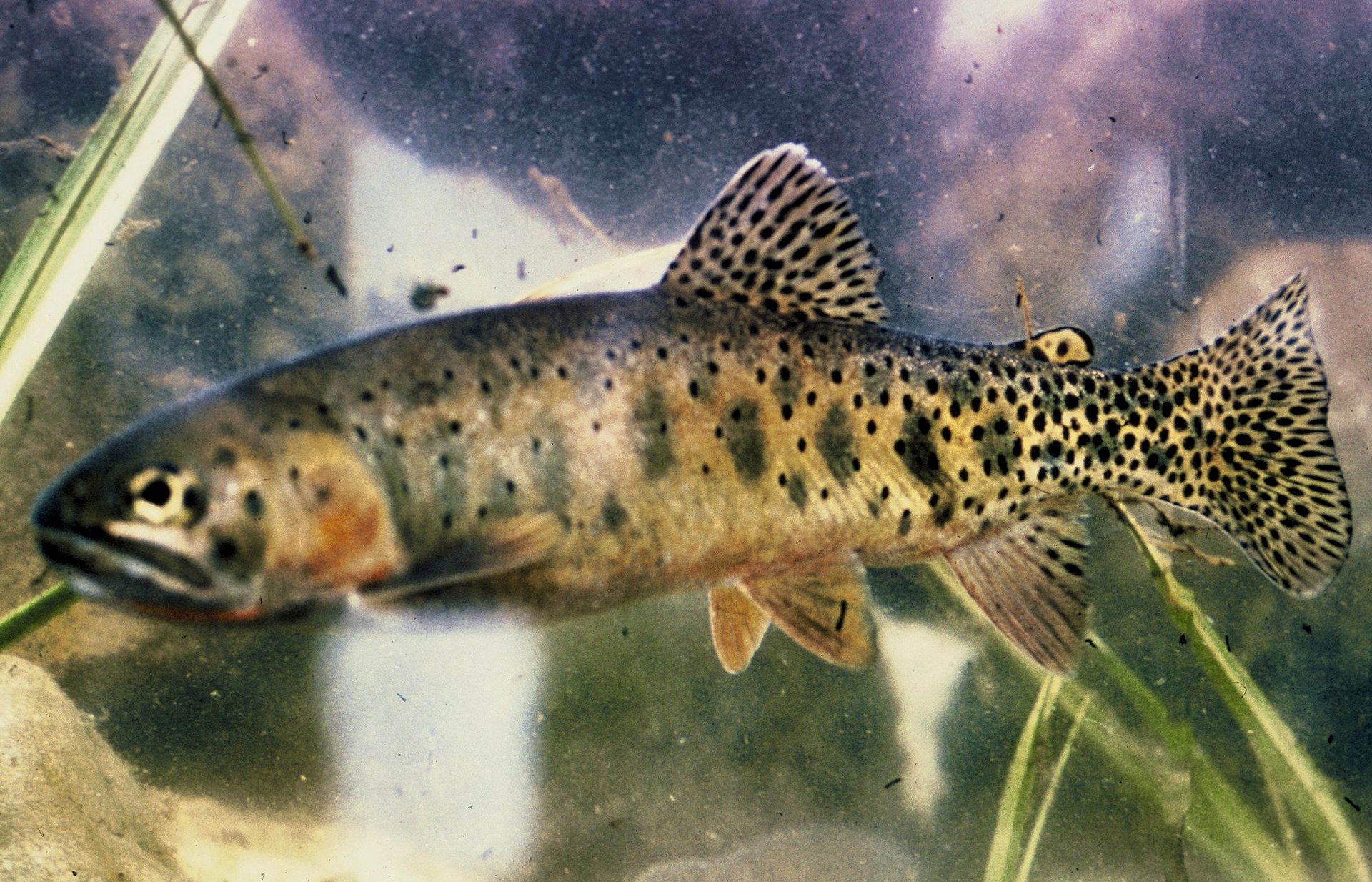
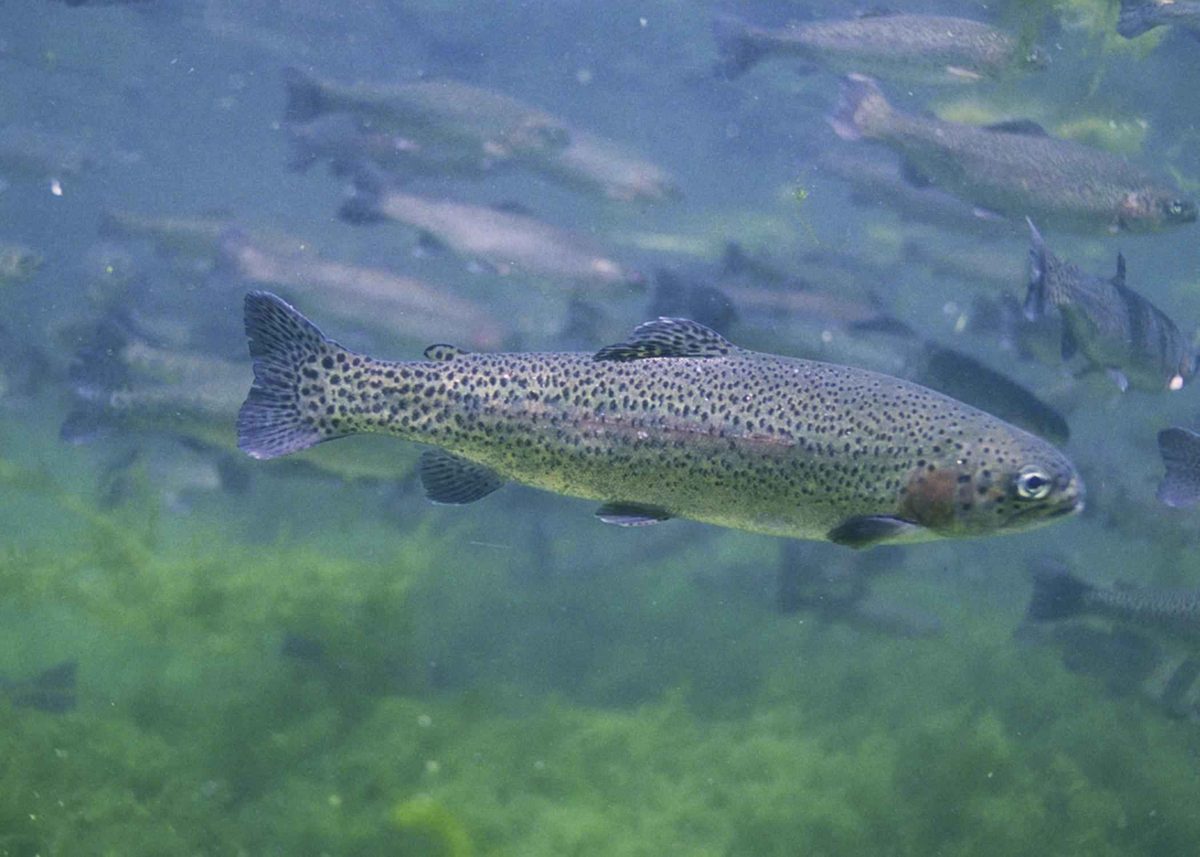
Planning to fish Watchman Campground (Zion), Utah? Fishing licenses, open seasons and catch limits in Utah are set by the local wildlife authority and change every year — check the official source before you cast a line.
Do I need a fishing license at Watchman Campground (Zion)?
- A Utah fishing license is normally required for anyone over the local youth age.
- Read the current Utah fishing regulations for special waters, barbless-hook or catch-and-release rules.
- Clean, drain and dry boats and gear between waters to stop invasive species.
Hunting near Watchman Campground (Zion)
Thinking about hunting Watchman Campground (Zion), Utah? Hunting seasons, tags and draws in Utah are set by the wildlife authority each year. Confirm the rules for your species and unit before you go.
Is hunting allowed at Watchman Campground (Zion)?
- Confirm the land around Watchman Campground (Zion) is open to hunting and which management unit it falls in.
What do I need to hunt in Utah?
- A Utah hunting license — most jurisdictions also require hunter education certification.
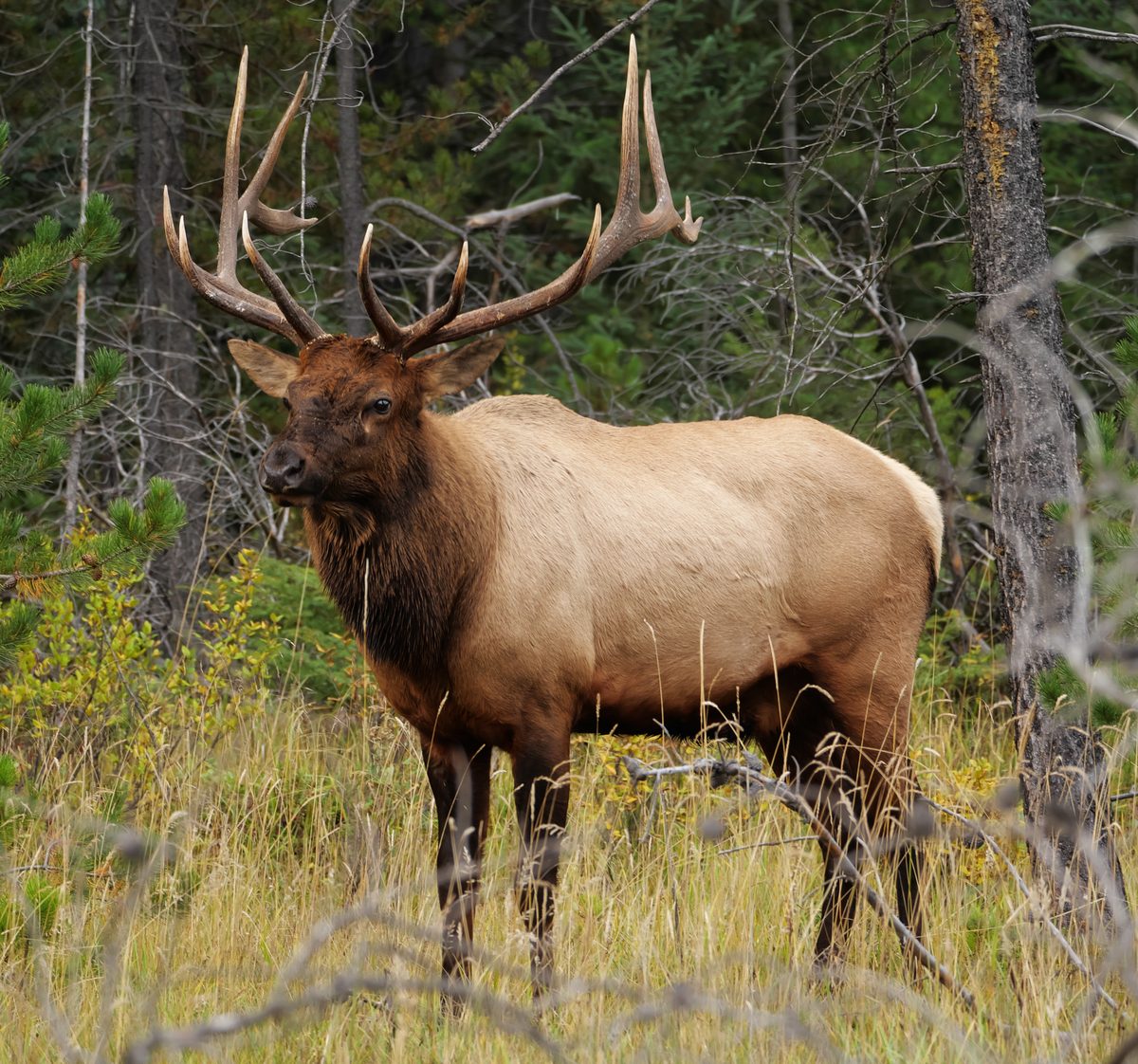
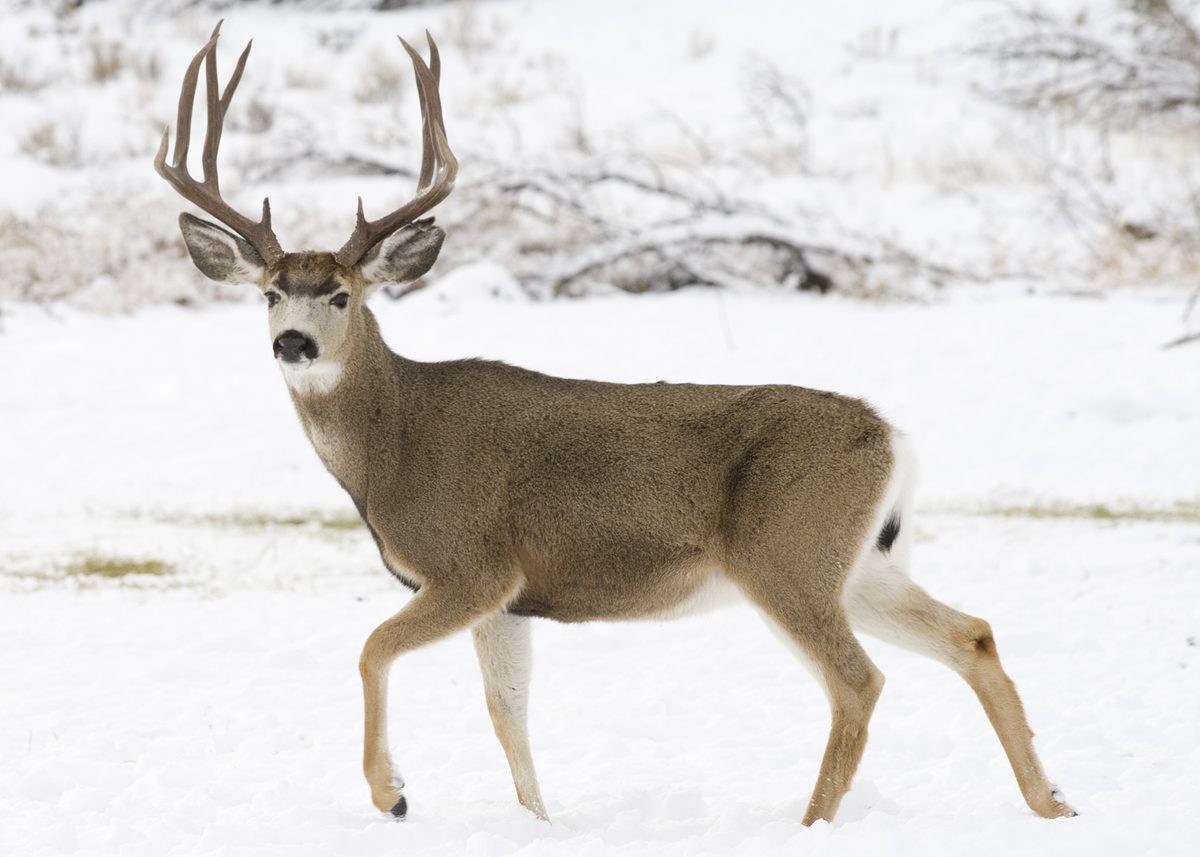
- Species tags or draw results for big game such as deer, elk, moose or bear where they occur.
- Knowledge of firearm and bow transport rules, which differ by land type and border crossing.
Watchman’s wider setting
For a trip centered on Watchman Campground, the defining landscape is Zion National Park in southwestern Utah, near Springdale. Zion is a place to experience sandstone country from below: walking on the canyon floor puts the cliffs overhead rather than across a distant rim. The park contains mountains, canyons, buttes, mesas, monoliths, rivers, slot canyons, and natural arches, so a camping trip here can focus on more than a single viewpoint. Keep campground logistics separate from that broader picture. Confirm the campground’s exact approach, site arrangements, facilities, and current operating conditions before committing to a stay. For day planning, distinguish a straightforward canyon-floor outing from the park’s more involved hiking, backpacking, climbing, and canyoneering activities; those are different undertakings, not interchangeable ways to fill an afternoon.
Sandstone walls and river country
Zion Canyon is the park’s prominent landform: 15 miles long and up to 2,640 feet deep, with reddish and tan Navajo Sandstone walls shaped by the North Fork of the Virgin River. Those dimensions describe the canyon, not a hiking route or a distance from the campground. The contrast between river corridor and high rock walls is central to understanding the landscape. An outing on the canyon floor offers a different perspective from exploring mesas or high plateaus, even within the same park. Choose plans by terrain and activity rather than scenery alone. Carry water, use sun protection in exposed desert terrain, and check weather before heading into canyon country. A campsite should be a base for deliberate day planning, not a reason to underestimate the surrounding terrain.
Habitats and a longer human history
Zion sits at the meeting of the Colorado Plateau, Great Basin, and Mojave Desert regions. Its four life zones—desert, riparian, woodland, and coniferous forest—support varied plant and animal communities, including 289 bird species, 75 mammal species, and 32 reptile species. These are park-wide figures, not a promise of sightings around Watchman. Keep wildlife viewing quiet and give animals space, particularly where outings bring people into river habitats. The landscape also has a long human history. Human habitation began about 8,000 years ago, followed by communities associated with Basketmaker Ancestral Puebloan and Fremont traditions, and later Southern Paiute groups including the Parrusits. Mormon settlers arrived in the nineteenth century. Treat the park as a cultural landscape as well as a place for outdoor recreation.
Route options
- Zion Canyon
Plan a canyon-floor walking outing focused on views up toward the reddish and tan Navajo Sandstone walls. This is an area-level option, not a defined trail itinerary; select a specific maintained route and verify its access before setting out.
- Zion National Park
For a broader hiking plan, consider the park’s sandstone canyons, mesas, and high-plateau landscapes. Choose an established itinerary suited to the group rather than treating these landforms as a connected route. Backpacking, climbing, and canyoneering require separate planning.
Sample itineraries
- Watchman Base: Zion Canyon · 2 days
Plan a Watchman Campground stay around Zion Canyon. Spend the first day taking in the canyon-floor perspective and sandstone walls. Use the second for hiking suited to current conditions and the group's ability. Confirm campground arrangements and hiking access before committing.
- Sandstone and Habitat · 3 days
Build a three-day Watchman-based visit around Zion's geology and varied habitats. Dedicate one day to Zion Canyon, one to a suitable hike among the sandstone formations, and one to slower birdwatching and observing desert and riparian environments. Choose specific outings after checking current access.
Seasonal conditions
Spring
Spring; check forecasts before departure
Plan for conditions to differ between canyon floors and higher terrain. Zion spans desert, riparian, woodland, and coniferous environments, so do not assume one forecast describes every outing. Carry layers and adjust hiking plans to current weather.
Summer
Summer; choose outings around current temperatures
Treat desert sun and heat as planning concerns. Carry water and sun protection, and shorten exposed outings when conditions warrant. A campground-based visit allows hiking ambitions to change with the forecast.
Fall
Fall; check conditions for the chosen elevation
Pack layers rather than relying on the desert setting for warmth. Canyon and high-plateau outings need separate weather checks. Keep the itinerary flexible enough to substitute a shorter outing.
Winter
Winter; confirm campground and outing access
Do not assume southern Utah means warm camping. Check overnight temperatures and conditions at the elevations you intend to visit. Bring sleeping equipment appropriate to the forecast and confirm access before traveling.
| Season | Window | Conditions |
|---|---|---|
| Spring | Spring; check forecasts before departure | Plan for conditions to differ between canyon floors and higher terrain. Zion spans desert, riparian, woodland, and coniferous environments, so do not assume one forecast describes every outing. Carry layers and adjust hiking plans to current weather. |
| Summer | Summer; choose outings around current temperatures | Treat desert sun and heat as planning concerns. Carry water and sun protection, and shorten exposed outings when conditions warrant. A campground-based visit allows hiking ambitions to change with the forecast. |
| Fall | Fall; check conditions for the chosen elevation | Pack layers rather than relying on the desert setting for warmth. Canyon and high-plateau outings need separate weather checks. Keep the itinerary flexible enough to substitute a shorter outing. |
| Winter | Winter; confirm campground and outing access | Do not assume southern Utah means warm camping. Check overnight temperatures and conditions at the elevations you intend to visit. Bring sleeping equipment appropriate to the forecast and confirm access before traveling. |
Permits, fees & closures
Confirm camping requirements and any activity permits with Zion National Park before traveling.
Confirm current permits, fees, and closures with the managing agency before you go.
Hazards & regulations
- Desert exposure: carry adequate drinking water and sun protection; adjust effort to the weather.
- High cliffs and steep canyon terrain: stay back from edges and choose outings within the group's ability.
- Rivers and slot canyons require conditions-specific judgment; seek current park guidance before entering confined terrain or water.
- Large elevation differences can mean different conditions between the canyon floor and higher terrain; check the forecast for the actual outing.
What to pack for Watchman Campground (Zion)
- Tent and secure anchoring
- Sleeping bag matched to forecast overnight temperatures
- Insulated sleeping pad
- Headlamp and spare power
- Drinking water and carrying capacity appropriate to the outing
- Sun hat, sunscreen, and sunglasses
- Comfortable hiking footwear
- Food and basic first-aid supplies
- Insulating layers and weather protection
- Navigation materials for the chosen outing
- Binoculars for birdwatching
Wildlife you may see
- Zion supports 289 bird species across its varied habitats; campground sightings are not guaranteed.
- The park's 75 mammal species include 19 species of bats.
- Thirty-two reptile species inhabit the park.
- Observe wildlife from a distance and keep food secured.
Watchman Campground (Zion) FAQ
- Where is Zion National Park?
- Zion is in southwestern Utah near Springdale, at the junction of the Colorado Plateau, Great Basin, and Mojave Desert regions.
- What should a Watchman-based visit focus on?
- Zion Canyon provides a clear focus: canyon-floor views of high reddish and tan sandstone walls, hiking, and observing the park's varied habitats. Select specific routes using current park guidance.
- What are Watchman's fees and booking rules?
- Confirm current fees, booking procedures, and camping requirements directly with Zion National Park before making travel plans.
- What facilities should campers expect?
- Check Watchman's current site details with the park, including water, toilets, cooking arrangements, and suitability for your camping setup. Plan supplies only after confirming those details.
- What makes Zion's landscape distinctive?
- The North Fork of the Virgin River eroded Zion Canyon's Navajo Sandstone walls. The wider park includes mountains, mesas, buttes, monoliths, rivers, slot canyons, and natural arches.
- Is there more to do than hiking?
- Birdwatching and observing geology fit a slower visit. Zion also supports backpacking, canyoneering, and climbing, but these require activity-specific planning, suitable skills, and confirmation of current requirements.