- What counts as small game?
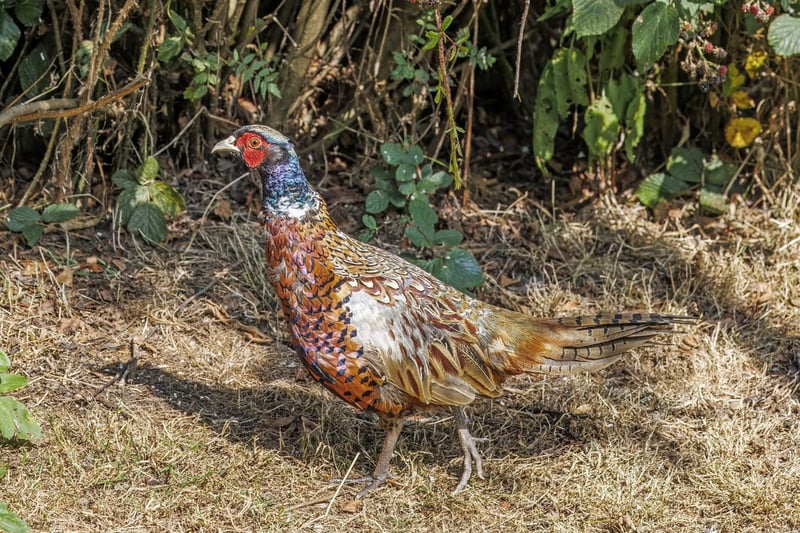
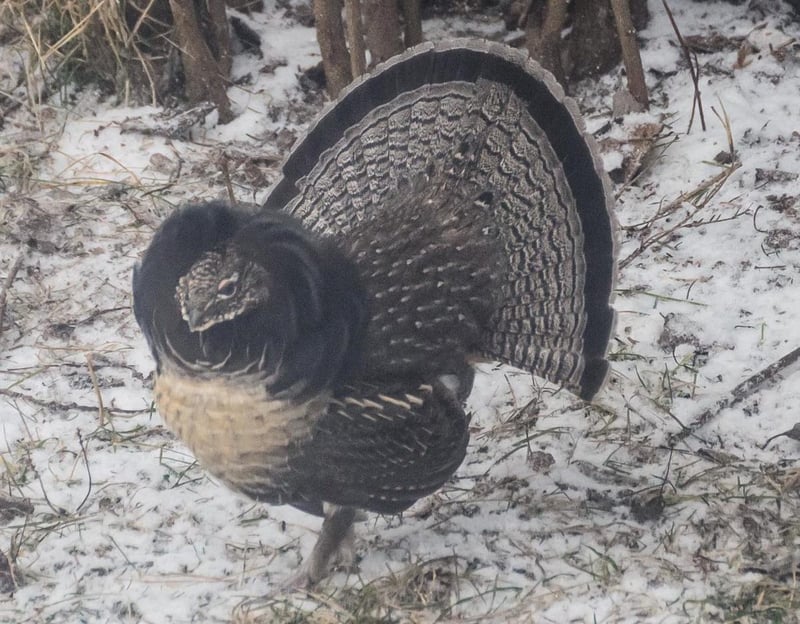
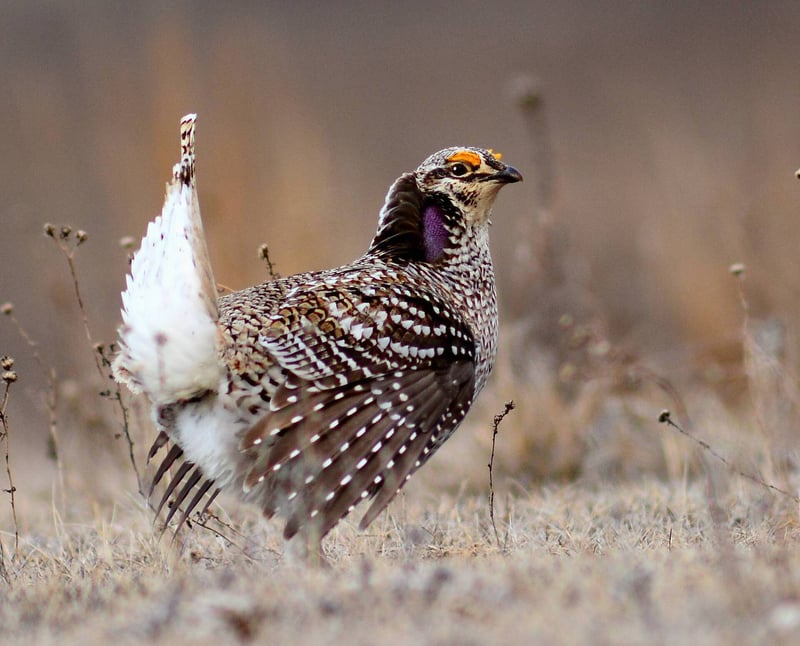
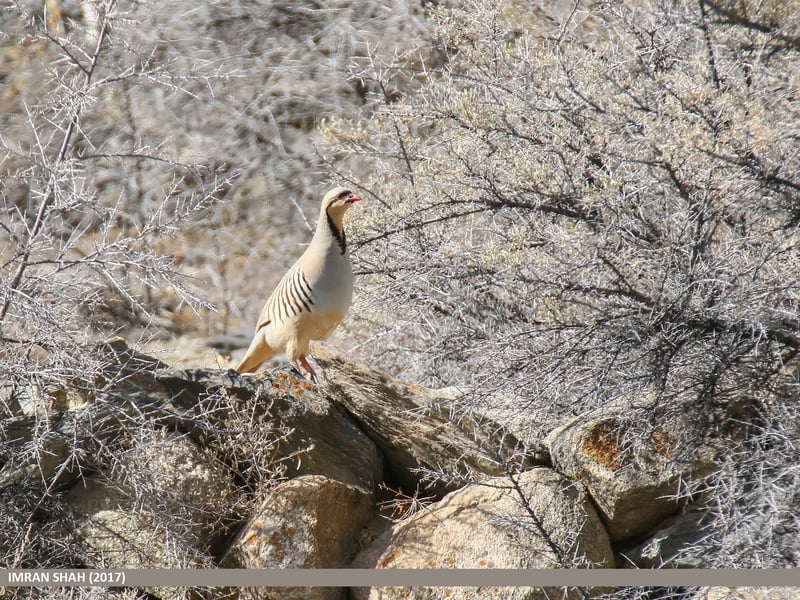
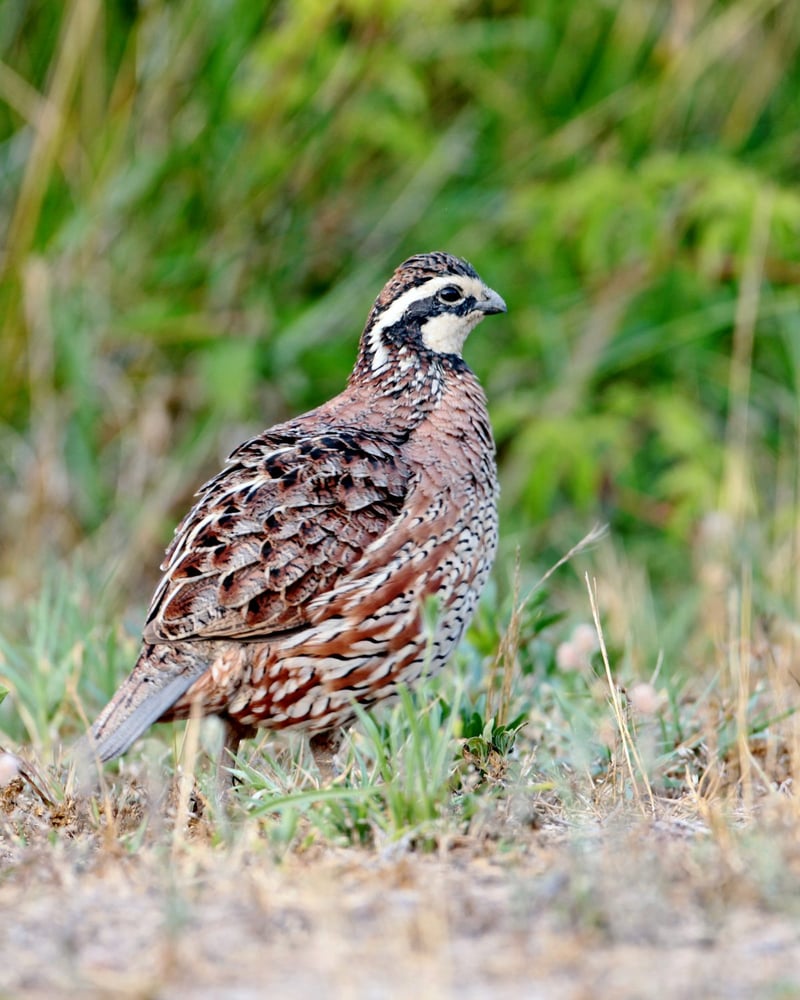
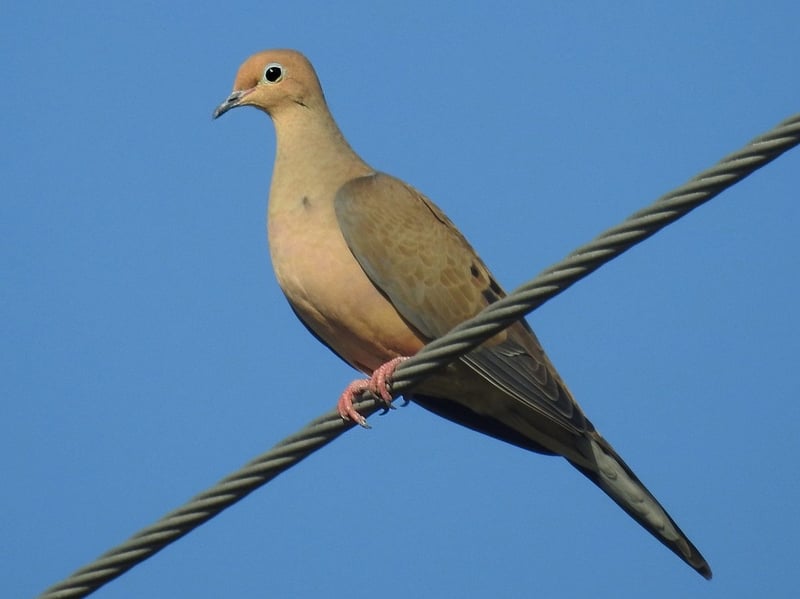
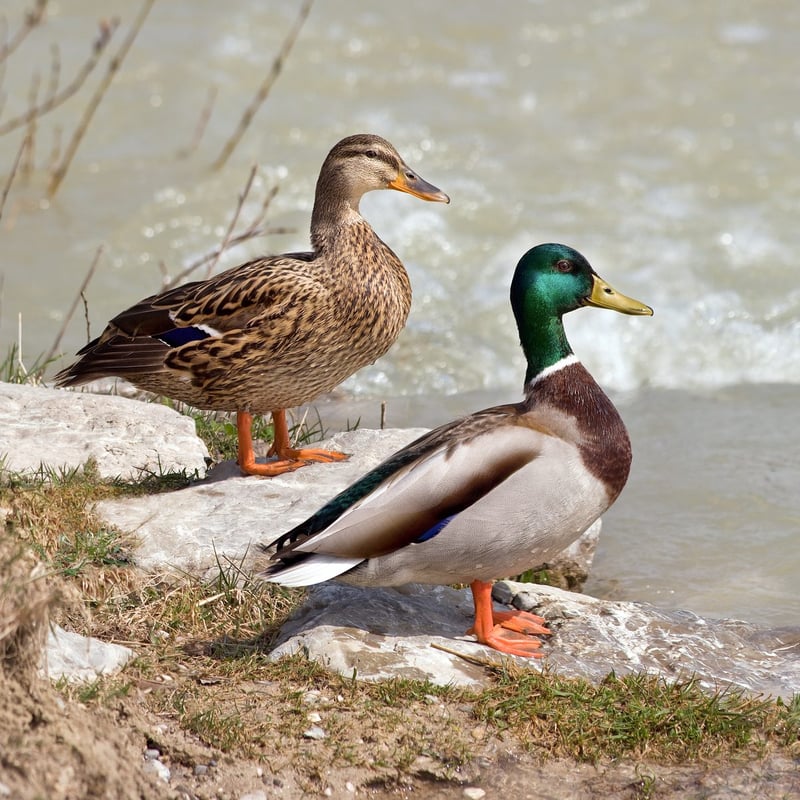
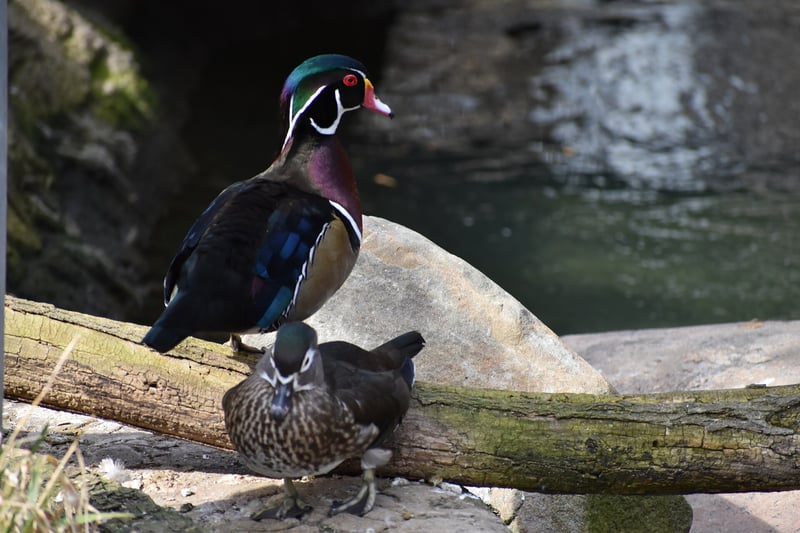
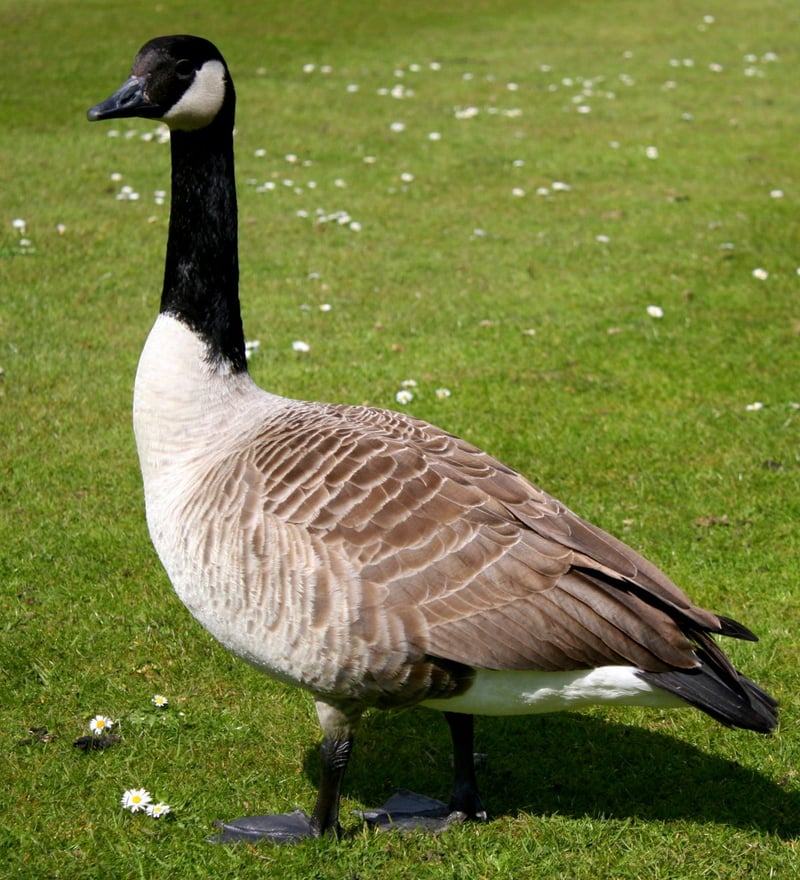
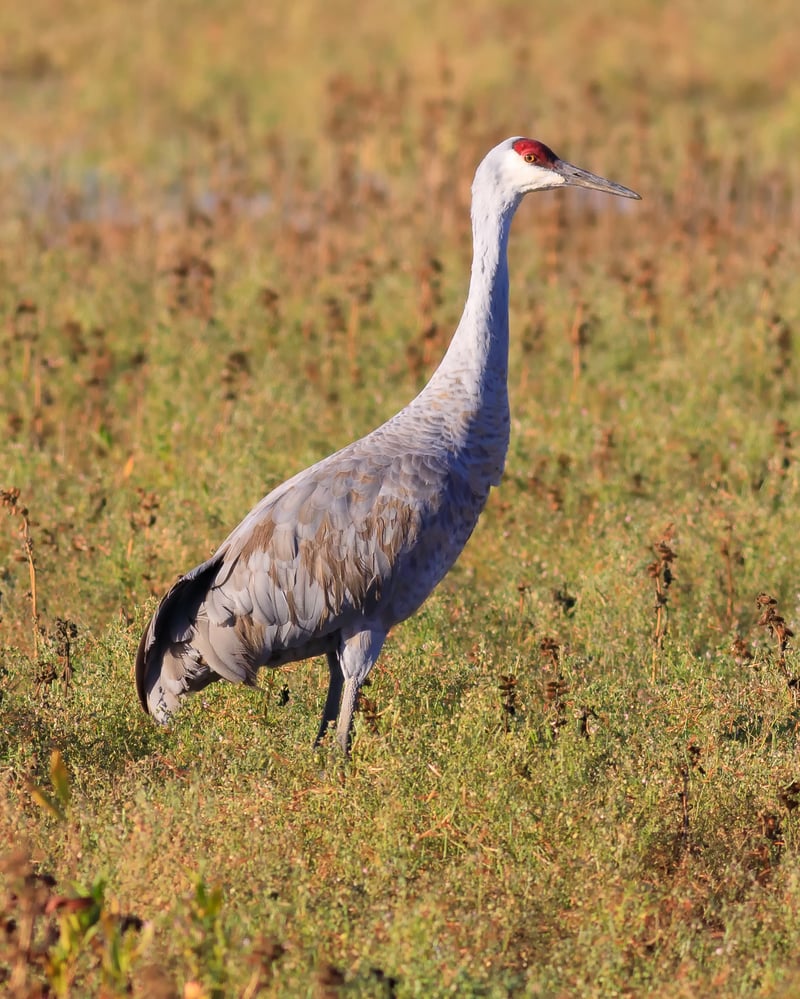
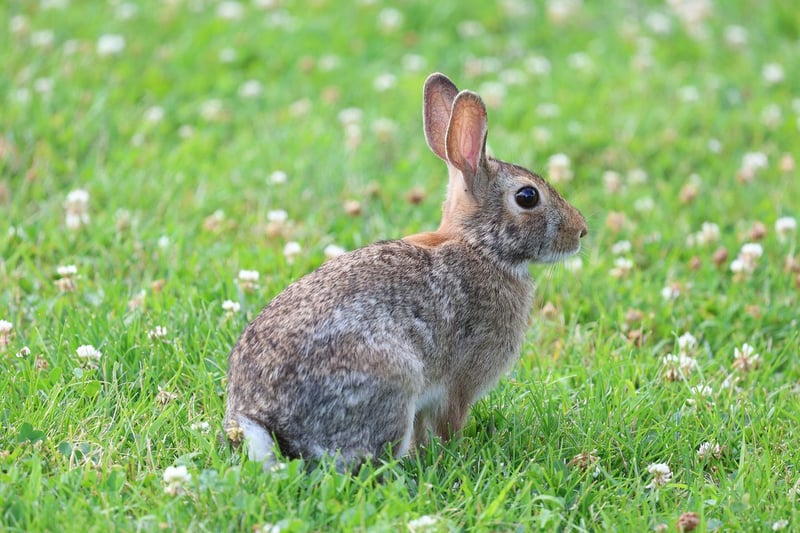
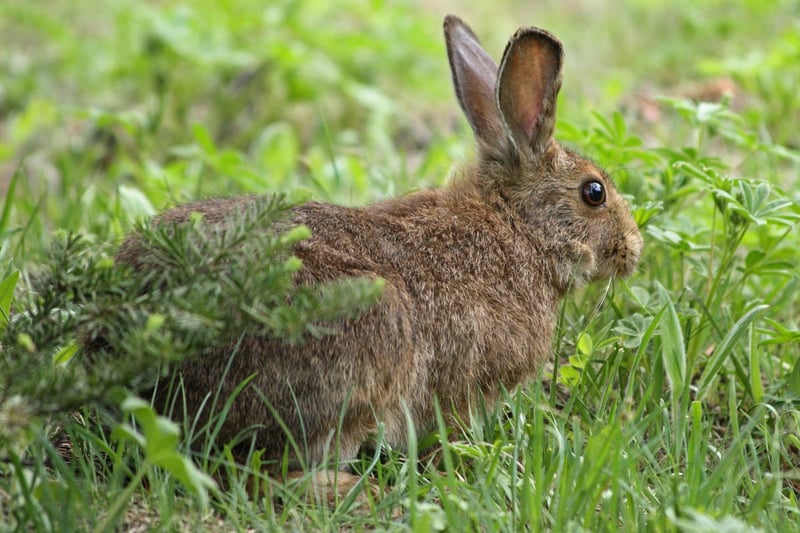
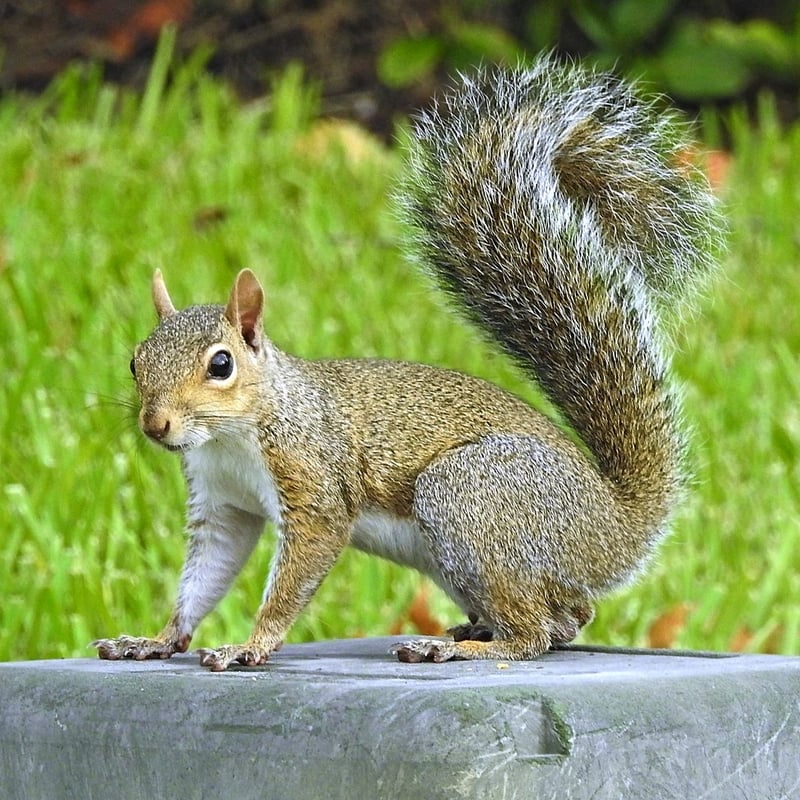
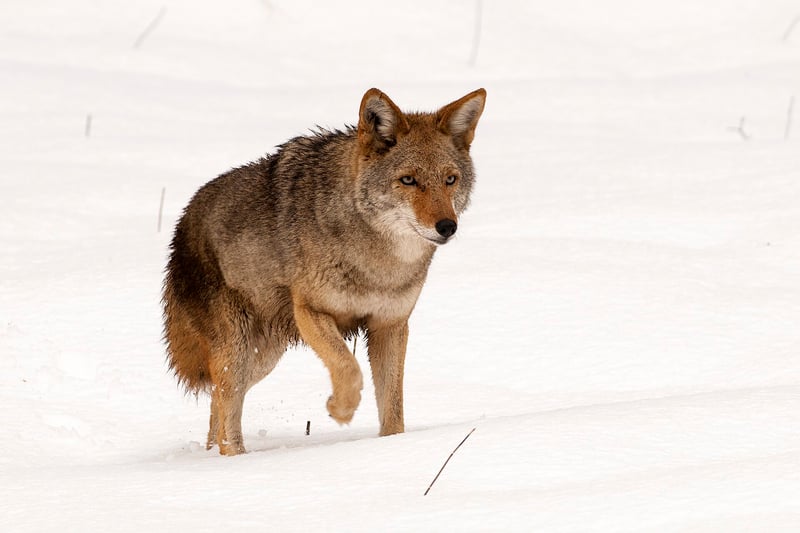
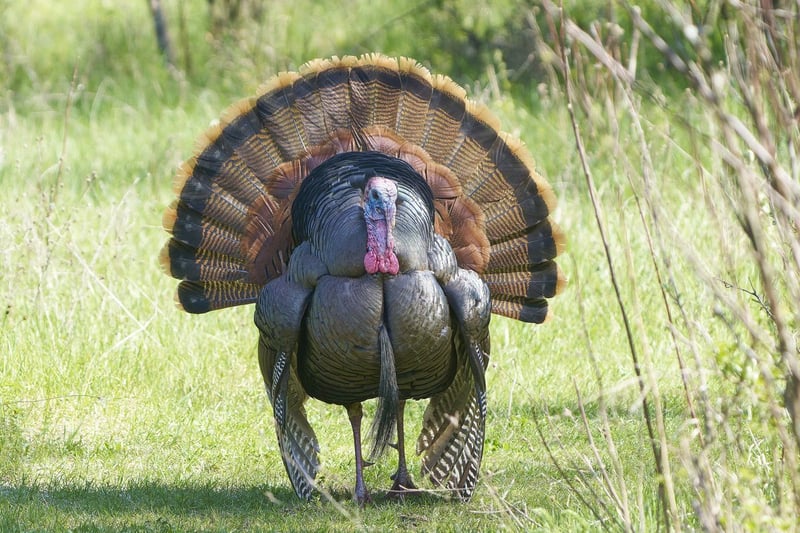
- Small game generally means rabbits, hares, squirrels, and other non-big-game mammals, plus upland birds like pheasant, grouse, quail, chukar and turkey. Migratory birds — dove, ducks, geese and sandhill crane — are licensed separately under federal migratory bird rules, and predators like coyote often fall under their own furbearer or unprotected-species framework.
- Is small game hunting a good place to start?
- It is the best place to start. Seasons are long, tags are usually included with a basic hunting license, the shots are close, and you can hunt a full day on public ground within an hour of most towns. Squirrels and rabbits in particular teach woodsmanship, safe gun handling, and game care with very low stakes.
- What gun do I need?
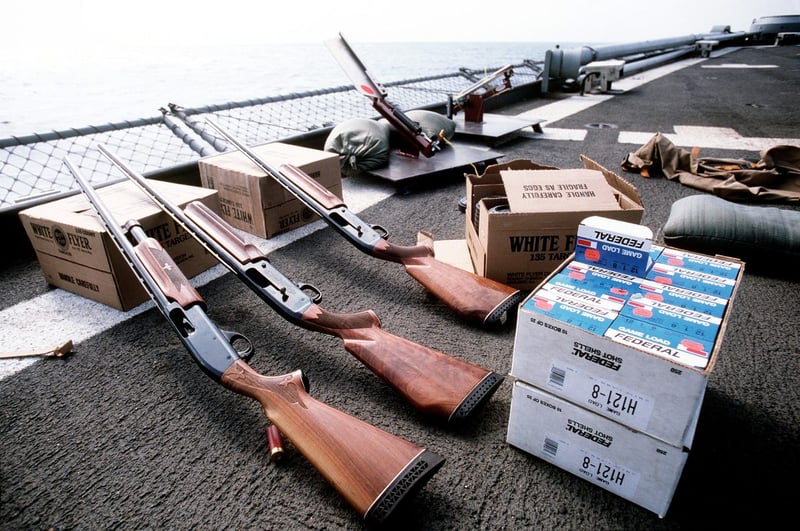
- A 12 or 20 gauge shotgun covers every bird on this page and rabbits too. A .22 LR rimfire covers squirrels, and a .223 or 6.5 class rifle covers coyotes. If you buy one gun, buy a 20 gauge with interchangeable chokes.
- Do I need a dog for upland birds?
- No, but a dog roughly doubles the birds you find and nearly eliminates lost cripples. Without one, hunt edges and heavy cover slowly, stop often to make birds nervous, and hunt with partners so you can pinch cover between you.
- What extra stamps do migratory birds require?
- In the United States, waterfowl hunters 16 and older need a federal Duck Stamp plus a state waterfowl stamp, and all migratory bird hunters need a HIP registration. Sandhill crane requires a separate permit in every state that offers a season. Confirm the current-year requirements with your state agency before opening day.
- Is small game good to eat?
- Excellent. Wild turkey breast, dove breasts, and cottontail are among the best wild protein you can put on a table, and even coyote-adjacent seasons keep you in the woods learning your ground. The key is cooling birds fast, plucking or skinning promptly, and not overcooking lean meat.



 Mostly over-the-counter