Skip to content
Wild10
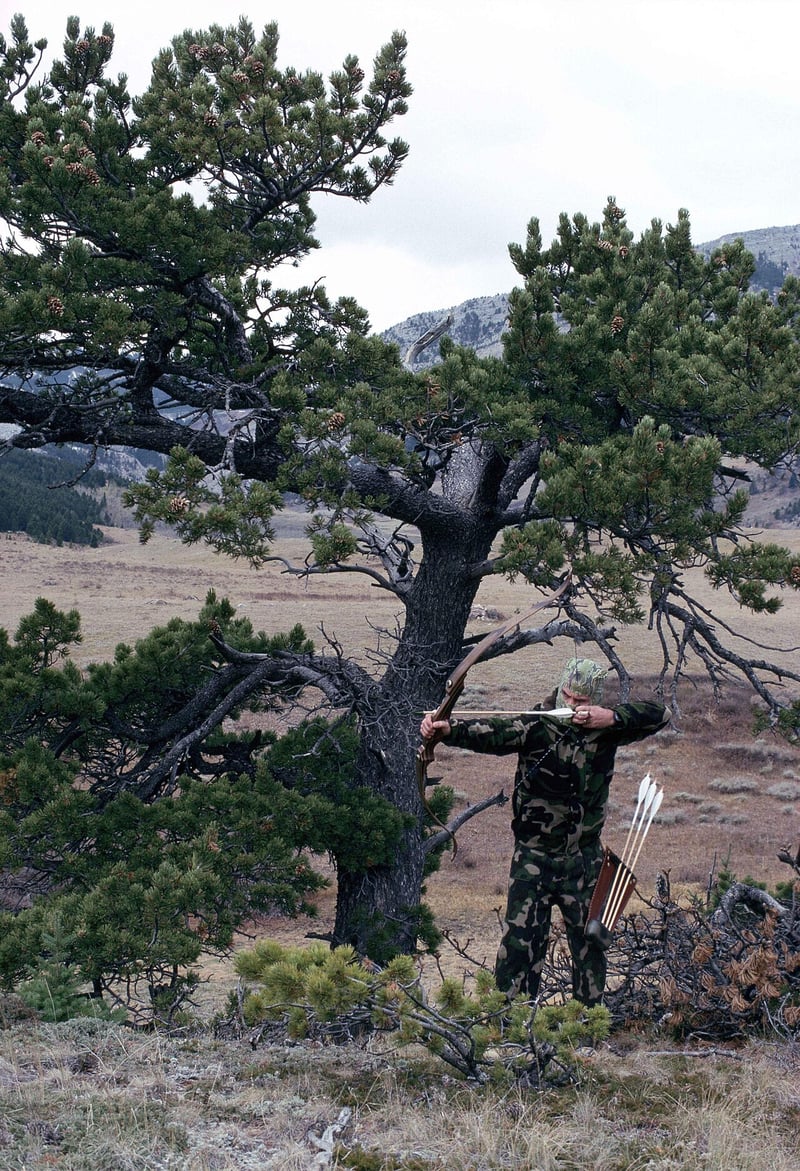
Camouflaged hunter at full draw with a traditional recurve bow in high country pine

Hunting · Traditional archery

Traditional archery: the bow, the arrow, and the twenty yards in between

Eleven guides on recurve and longbow shooting — form, aiming, spine, tuning, building your own tackle, and getting close enough to use it.

A recurve strips archery down to the archer. Nothing on it can be blamed, and nothing on it can fail — which is exactly why people keep coming back to it.

These guides cover the whole discipline in the order it should be learned: build a repeatable shot, choose an aiming method, get your arrows spined and tuned, then learn the woodsmanship that makes a twenty-yard weapon lethal.

Guides
11 in this hub
Tool
Spine calculator
Effective range
Inside 20 yd
Bows covered
Recurve · Longbow · Selfbow

The traditional archery library

Every guide in this section

Start with form if you are new, spine if your arrows will not group, and stalking if you already shoot well.

Camouflaged hunter at full draw with a traditional recurve bow in high country pineStart here

Shooting Form

Stance, hook, alignment, anchor, back tension and release — the repeatable shot cycle that everything else in traditional archery is built on.

Open guide →
Camouflaged hunter at full draw with a traditional recurve bow in high country pine

Aiming Methods

Instinctive, gap, split-vision and string walking — how each method works, what it costs in practice time, and how to choose.

Open guide →
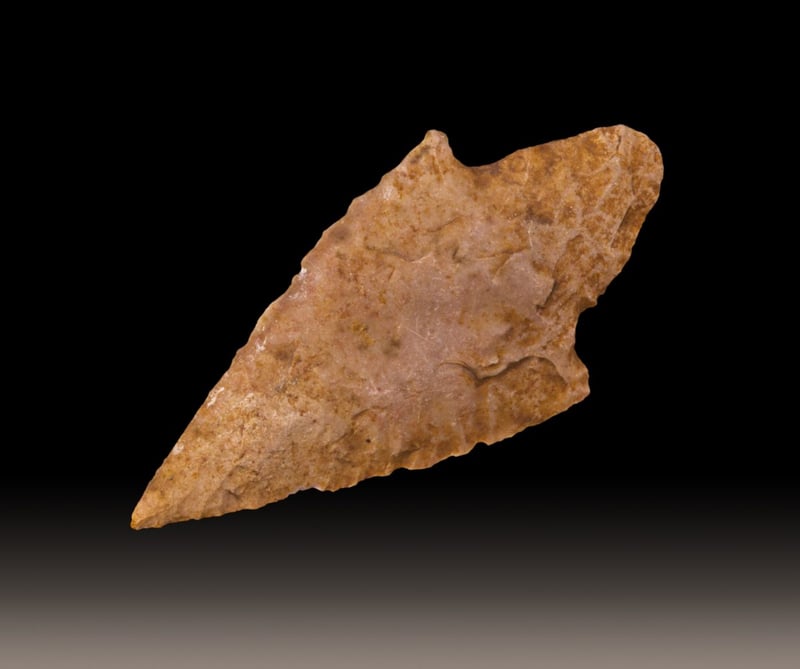
Hunting broadhead points showing cutting edges

Arrow Spine Calculator

Enter draw weight, draw length, arrow length and point weight — get the static spine a recurve or longbow shot off the shelf actually needs.

Open guide →
Camouflaged hunter at full draw with a traditional recurve bow in high country pine

Draw Weight & Draw Length

Measure your true draw length, convert marked bow weight to what you actually pull, and pick a poundage you can shoot cold in November.

Open guide →
Hunting broadhead points showing cutting edges

Arrow Anatomy & FOC

Shafts, points, inserts, nocks and fletching — what every component does, and how FOC actually changes arrow flight and penetration.

Open guide →
Hunting broadhead points showing cutting edges

Bare-Shaft Tuning

The 15-yard test that tells you whether your arrows are spined and nocked right — read the nock angle and fix it in the right order.

Open guide →
Hunting broadhead points showing cutting edges

Build Your Own Arrows

Cutting, squaring, inserts, fletching with a jig and finishing — build a matched dozen for a fraction of shop prices.

Open guide →
Camouflaged hunter at full draw with a traditional recurve bow in high country pine

Bow Tuning & Silencing

Brace height, nocking point, tiller and string silencers — how to make a recurve shoot flat, quiet and consistent.

Open guide →
Camouflaged hunter at full draw with a traditional recurve bow in high country pine

Bow & String Care

String wax, limb storage, humidity, travel and the pre-season inspection that catches a failure before it happens.

Open guide →
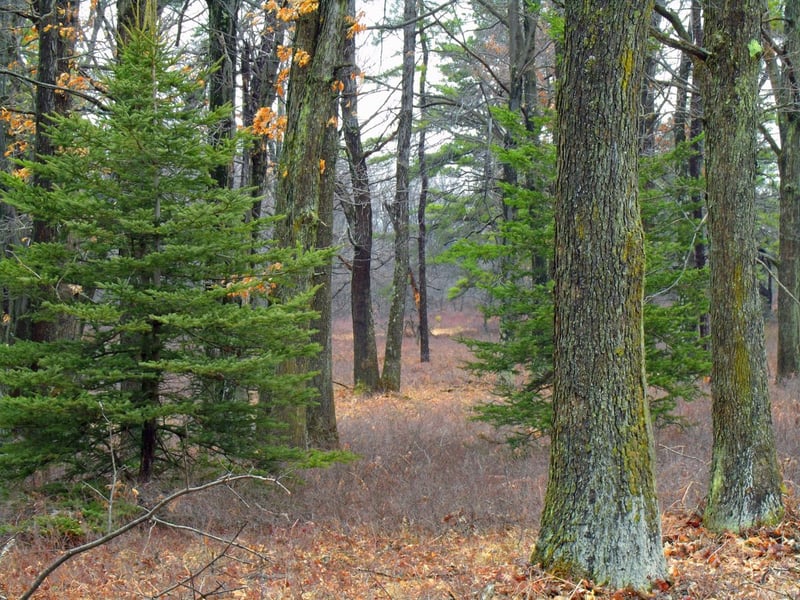
Hardwood forest in peak autumn color

Build Your Own Bow

Two realistic first projects: a red oak board bow you can finish in a weekend, and a hickory or osage stave selfbow.

Open guide →
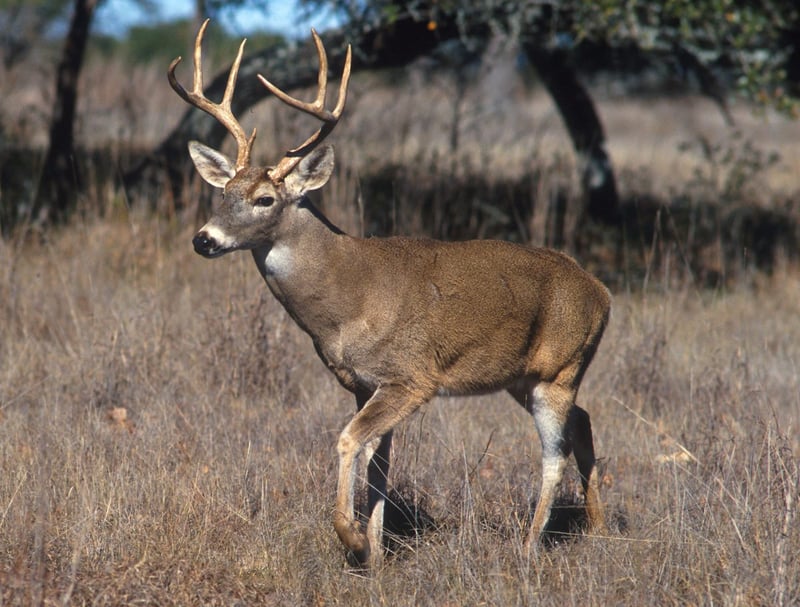
White-tailed deer buck standing at a field edge

Getting Inside 20 Yards

Wind, cover, pace and the draw itself — the woodsmanship half of traditional bowhunting, which is most of it.

Open guide →

Start here

What traditional archery actually asks of you

Six fundamentals that shape every recurve and longbow setup, from tackle choice and arrow spine to practice habits and ethical range.

Recurve or longbow?

A recurve stores more energy for its length and takes down into a pack, which is why most hunters start there. A longbow — straight-limbed or reflex-deflex — is quieter, more forgiving of a rough release, and slower. Both shoot off the shelf and both demand the same skills; the choice is feel, not performance.

Why spine matters more than anything you buy

Shot off the shelf, the arrow has to bend around the riser to fly straight. An incorrectly spined shaft cannot be fixed by better shooting, a better bow or a better broadhead. Calculate spine from your actual draw weight, arrow length and point weight, then prove it with a bare shaft at fifteen yards.

Practice frequency beats practice volume

Traditional accuracy is physical calibration, not knowledge. Twenty deliberate arrows every day will beat two hundred arrows every Saturday, every time. Stop the session the moment form slips — arrows shot with a collapsing draw teach a collapsing draw.

Heavy arrows, sharp two-blade heads

Traditional bows win on momentum, not speed. Nine to eleven grains of arrow per pound of draw weight, eighteen to twenty-five percent FOC, and a shaving-sharp cut-on-contact head are what produce pass-throughs from moderate poundage — and a pass-through is what leaves a blood trail on the ground.

Twenty yards is the whole game

Because the weapon caps at about twenty yards, the hunt becomes an approach problem: wind, thermals, pace, cover and timing the draw. Traditional bowhunters are woodsmen who shoot, and the skills that get you close matter more than the last five pounds of draw weight.

Build your own tackle

Arrow building takes an afternoon and pays for itself in a season, and a red oak board bow costs less than forty dollars to make. Both teach you why tackle behaves the way it does, which is knowledge you cannot buy off a shelf.

Questions

Frequently asked

How do I start in traditional archery?
Buy a takedown recurve of 30–35 lb at your draw length, one dozen correctly spined arrows, an armguard and a glove or tab. Shoot twenty arrows a day at three yards into a blank bale to build form, then move back once the shot cycle is automatic. Add poundage only when your form holds at the lighter weight.
What is the difference between a recurve and a longbow?
A recurve's limb tips curve away from the archer, storing more energy for a given length and producing a faster arrow from a shorter, packable bow. A longbow has straight or gently reflexed limbs, is quieter and more forgiving of an imperfect release, and is generally slower. Both are shot off the shelf without sights.
How accurate is a recurve bow?
A practiced traditional shooter holds a paper-plate group at twenty yards under hunting conditions, and target barebow archers shoot far tighter than that on known distances. Accuracy tracks practice frequency more than equipment — a plain bow shot daily outperforms an expensive one shot monthly.
Can you hunt big game with a traditional bow?
Yes, and it is legal in every North American archery season provided you meet the state's minimum draw weight — usually 40 lb. Pair moderate poundage with a heavy, high-FOC arrow and a sharp two-blade head, restrict yourself to broadside and quartering-away shots, and hold your range to about twenty yards.
How much does a traditional archery setup cost?
A serviceable takedown recurve runs $200–$450 new, a dozen built carbon arrows $90–$150, and a glove, armguard, stringer and target another $120. Building your own arrows drops the arrow cost by half, and a red oak board bow can be made for under forty dollars in materials.
Do traditional archers use sights?
Almost never. Traditional shooters aim with instinctive calibration, a gap between the arrow point and the target, split vision, or by string walking. Each is a genuine aiming system — the difference is whether the reference is conscious, and how much practice it demands to stay sharp.


Also on The Wild10

Fishing Guides

Fish identification, the knots that hold, lure selection by conditions, and the habits that fill a stringer.

Open the fishing hub →
Fly angler casting on a clear northern river