



Where on earth
Satellite imagery flying in from a world view to Everglades Tarpon, Worldwide. Use the + / − buttons, or click the map to zoom with your scroll wheel; drag to pan and pinch to zoom on touch.
- Region
- Florida, USA
- Country
- Worldwide
- Biome
- Mangrove (0 m)
- Best season
- March – July
- Difficulty
- moderate
- Backpacking
- Hiking
Key takeaways
- Biome: Mangrove (0 m)
- Best season: March – July
- Difficulty: moderate
- Top activity: backpacking
Photos of Everglades Tarpon
Topic summary
150-lb+ tarpon in the 10,000 Islands — sight fishing among mangroves.
Key takeaways
- Difficulty: moderate
- Best season: March – July
Intended uses
backpacking
Climate suitability
Mangrove (0 m)
Tools for a trip here
Picked for how, when and where you're going. Free, no signup.
- Sleep System Temp CalculatorCold nights: check your bag and pad add up to a safe sleep.
- Base Weight CalculatorEvery ounce is carried — total your kit and find your base weight.
- Pack Volume SizerSize the pack for your trip length and season.
- Water Purification MatrixTreat water from streams and lakes on trail.
- Layering CalculatorCold-season miles: layer for climbs and camp.
Plan with verified data
Everglades Tarpon trip tools
How to get there
Everglades Tarpon is in Florida, USA, Worldwide. Its center point is 25.8500, -81.3800. Use these links for live turn-by-turn directions from where you are, then confirm road, trailhead and access conditions with the managing agency before you leave.
- Everglades National Park
The broad destination for planning an Everglades outing, not a confirmed launch or entrance. Establish a specific legal access point before traveling.
- Florida Bay
The receiving waters southwest of the Everglades wetland system. This is a geographic planning area, not an identified boat ramp or shore-fishing access point.
Popular pursuits at Everglades Tarpon
- Backpacking
Multi-day travel with everything on your back — see the packing blocks below.
- Hiking
Day miles on marked trail, with route notes and trail links below.
Animals around Everglades Tarpon
 Wildlife guideBlack bearUrsus americanus
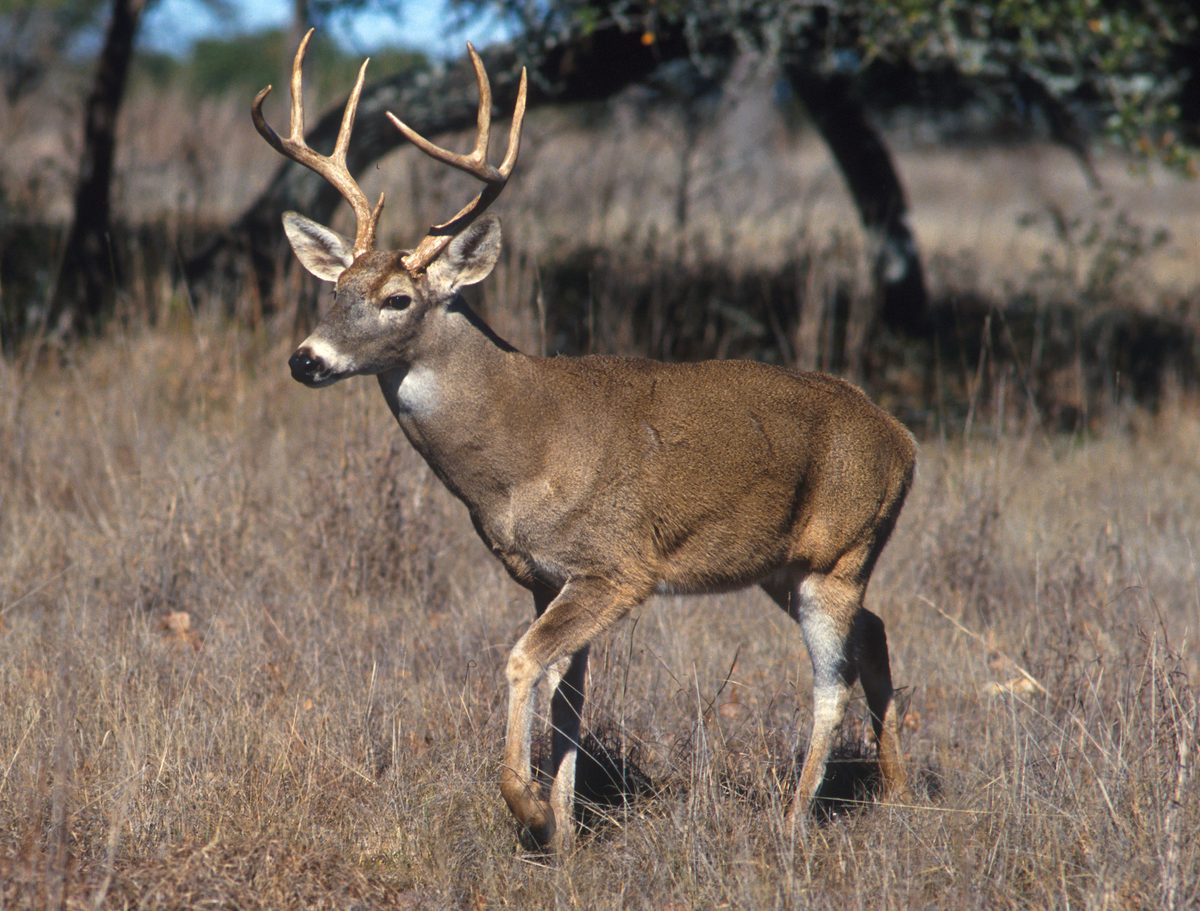 Big gameWhitetail DeerOdocoileus virginianus
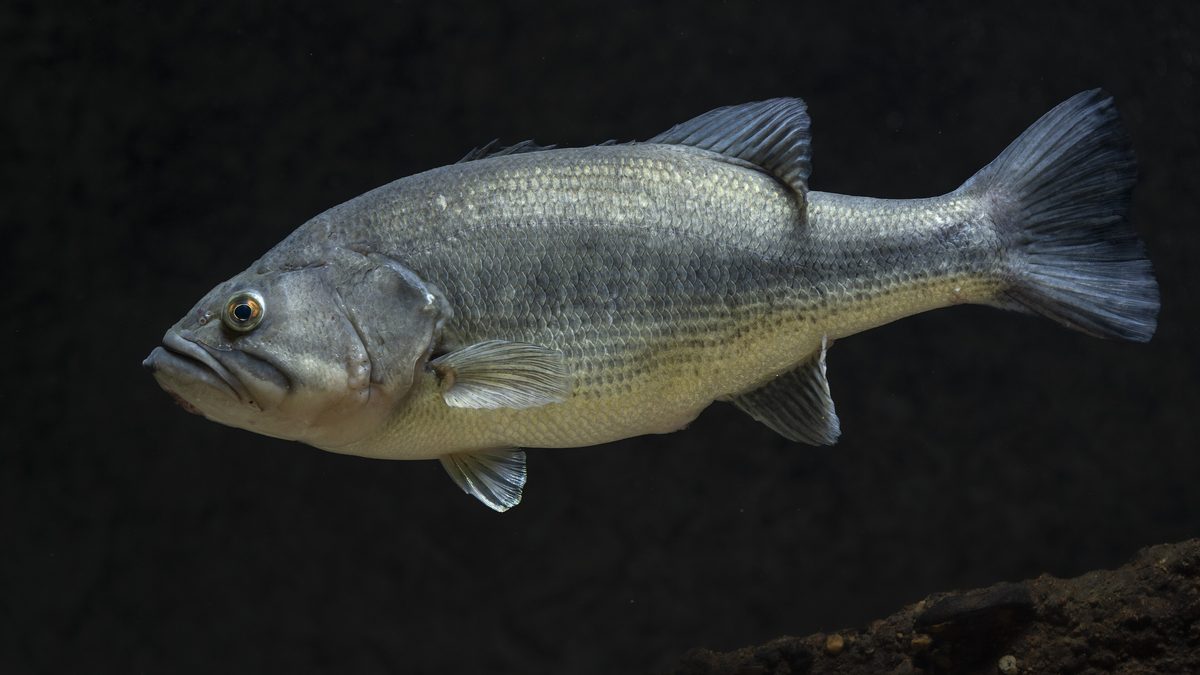 GamefishLargemouth BassMicropterus nigricans
 Wildlife guideCougarPuma concolor
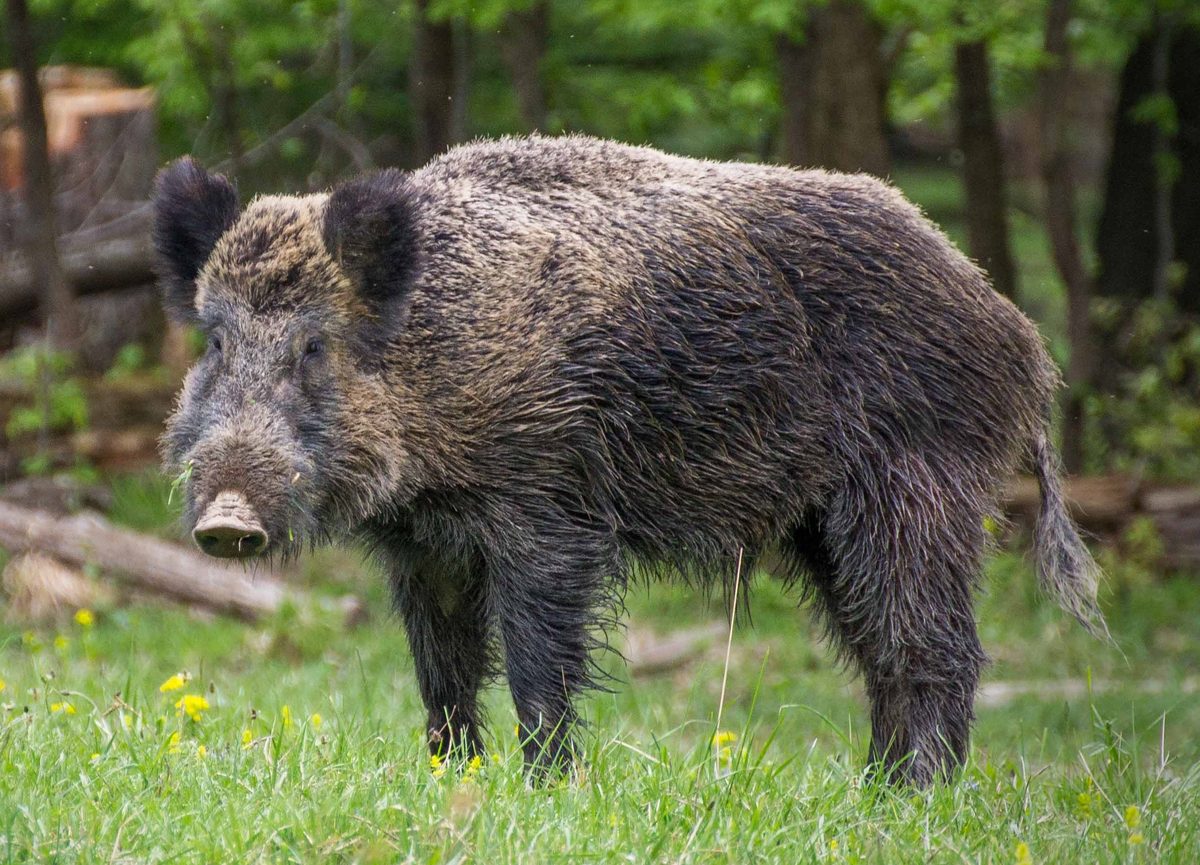 Big gameWild HogSus scrofa
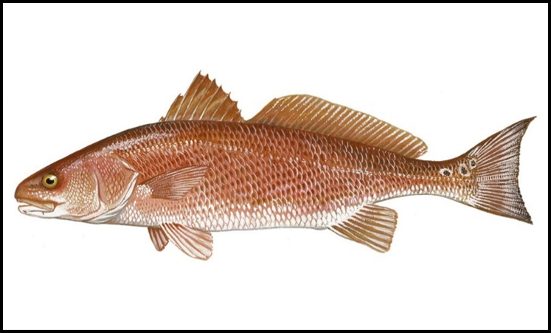 GamefishRed DrumSciaenops ocellatus
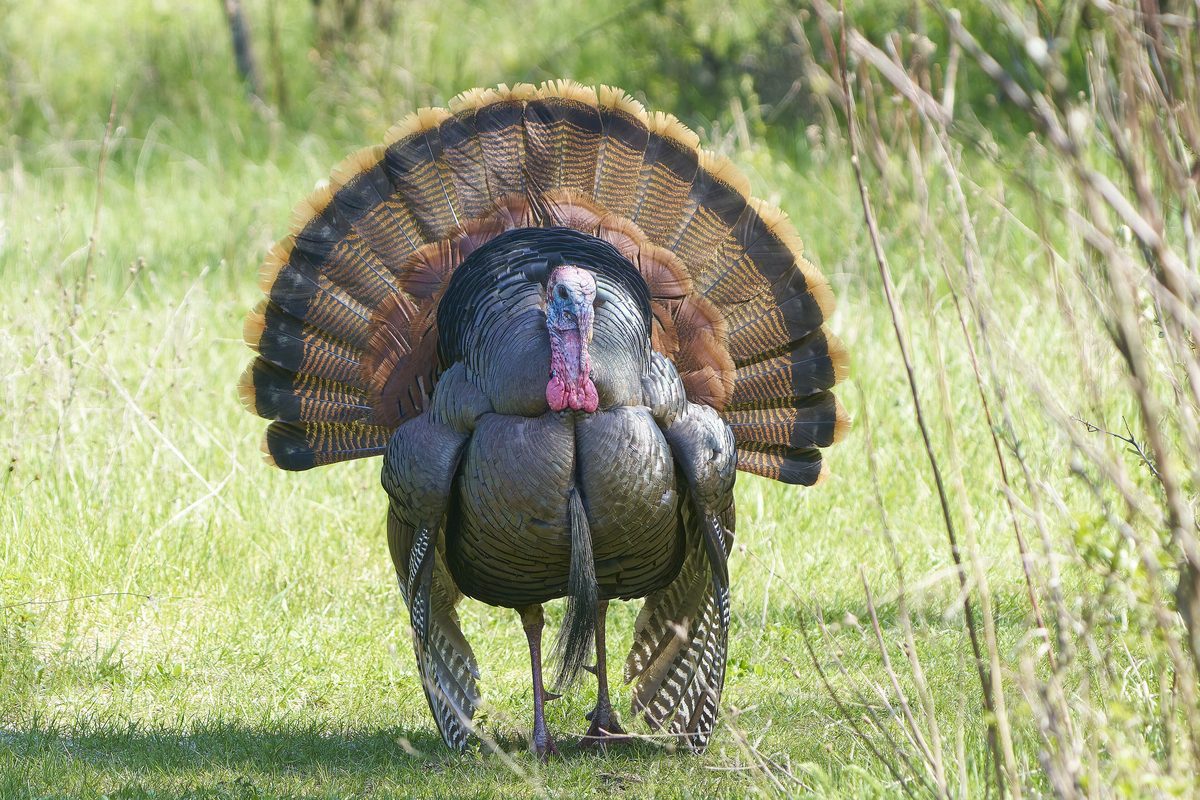 Wildlife guideWild turkeyMeleagris gallopavo
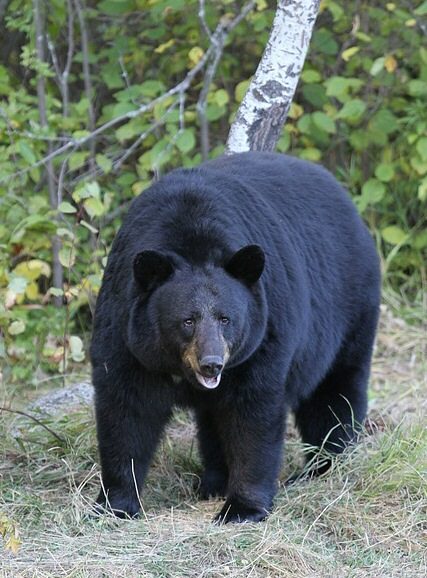 Big gameBlack BearUrsus americanus
Maps, GPS & compass for this trip
Carry a waterproof paper map and a compass you can steer by, and treat the GPS as the backup — not the other way round. Buying links go to Amazon; Wild10 earns a commission at no cost to you.
Waterproof topo maps
- Waterproof topographic map — Everglades TarponAmazon search for waterproof, tear-resistant topo maps covering this area.
- National Geographic Trails IllustratedThe waterproof Trails Illustrated series — check for a sheet covering this area.
- Waterproof map case & compass lanyardKeep a paper map readable in rain, spray and a swamped boat.
Fishing at Everglades Tarpon
Planning to fish Everglades Tarpon, Florida? Fishing licenses, open seasons and catch limits in Florida are set by the local wildlife authority and change every year — check the official source before you cast a line.
Do I need a fishing license at Everglades Tarpon?
- A Florida fishing license is normally required for anyone over the local youth age.
- Read the current Florida fishing regulations for special waters, barbless-hook or catch-and-release rules.
- Clean, drain and dry boats and gear between waters to stop invasive species.
Hunting near Everglades Tarpon
Thinking about hunting Everglades Tarpon, Florida? Hunting seasons, tags and draws in Florida are set by the wildlife authority each year. Confirm the rules for your species and unit before you go.
Is hunting allowed at Everglades Tarpon?
- Confirm the land around Everglades Tarpon is open to hunting and which management unit it falls in.
What do I need to hunt in Florida?
- A Florida hunting license — most jurisdictions also require hunter education certification.
- Species tags or draw results for big game such as deer, elk, moose or bear where they occur.
- Knowledge of firearm and bow transport rules, which differ by land type and border crossing.
A wetland destination, not a single fishing spot
An Everglades tarpon trip needs a more precise destination than the name alone provides. Everglades National Park protects the southern twenty percent of the original Everglades in Florida, encompassing a network of wetlands and forests rather than one clearly defined fishing area. Water moves slowly southwest from Lake Okeechobee toward Florida Bay, linking freshwater landscapes with coastal waters. The park supports 300 species of fresh and saltwater fish, but that broad diversity does not establish a particular tarpon location or fishing season. Treat the park as the geographic starting point for planning, then confirm the specific waters, legal access, and fishing rules before committing to an itinerary. No particular tarpon launch, fishing route, or catch expectation is established here.
Understand the connected landscape
The defining feature of the Everglades is its connected water system. The river feeding these wetlands flows only about 0.25 miles per day, and the resulting landscape includes forests, wetlands, and the largest mangrove ecosystem in the Western Hemisphere. Florida Bay lies at the southwest end of that flow. For an outdoor visitor, this makes the distinction between an inland wetland outing and a coastal-water trip important: they should not be treated as interchangeable plans. Choose the setting first, then establish a suitable access point and a realistic outing with current local guidance. Prepare for a tropical wetland environment with drinking water, sun protection, weather protection, and navigation appropriate to the activity. A regional place name alone is not enough to navigate this landscape.
Wildlife and responsible trip planning
Everglades National Park was created to protect a fragile ecosystem, and wildlife should shape how a trip is conducted. The park is a major breeding ground for tropical wading birds in North America and supports 350 bird species. Its threatened or protected animals include the Florida panther, American crocodile, and West Indian manatee. Observe animals without approaching, feeding, or disturbing them, and keep fishing activity clear of wildlife. The wider ecosystem has been altered by drainage, canals, and diverted water, making protection of habitat an essential part of visiting rather than a separate concern. Before departure, confirm access and any permit requirements with the managing agency, and verify the fishing regulations that apply to the exact waters and activity planned.
Route options
- Everglades National Park wetland outing
A broad itinerary concept focused on the park's wetlands and forests, rather than a documented fishing route. Confirm an established route, suitable access, and whether the intended activity is allowed before setting out.
- Florida Bay coastal-water outing
A coastal alternative centered on Florida Bay, where the Everglades water system flows southwest. No specific tarpon circuit or navigable connection is established here; arrange the actual itinerary around confirmed access and current local guidance.
Sample itineraries
- Everglades Wetlands Orientation · 1 day
Plan a daylight visit centered on wetland habitats and wading-bird observation. Confirm suitable public access with Everglades National Park before choosing a route. Keep the schedule flexible rather than trying to cover the park's extensive wetlands and forests in one outing.
- Mangroves and Florida Bay · 2 days
Use one day to explore accessible wetland and forest habitats, then dedicate another to the mangrove ecosystem and Florida Bay setting. Ask the park which access options suit your experience. If fishing is the goal, confirm tarpon opportunities and applicable rules before arranging the trip.
Seasonal conditions
Spring
Check local conditions before selecting dates.
Plan around the weather and water conditions in this tropical wetland landscape. Do not assume that a seasonal label establishes suitable access or tarpon fishing conditions.
Summer
Choose outing times using the current forecast.
Prepare for warmth and exposure in a tropical setting. Carry drinking water and sun protection, and adjust outdoor plans to the day's weather.
Fall
Confirm weather and access close to departure.
Keep wetland and mangrove outings flexible. Check current conditions rather than assuming a particular fishing pattern or reliable access throughout the season.
Winter
Check the forecast for your travel dates.
Florida is a long-established winter destination, but that does not guarantee suitable conditions for every outdoor activity. Confirm local weather, access, and fishing suitability separately.
| Season | Window | Conditions |
|---|---|---|
| Spring | Check local conditions before selecting dates. | Plan around the weather and water conditions in this tropical wetland landscape. Do not assume that a seasonal label establishes suitable access or tarpon fishing conditions. |
| Summer | Choose outing times using the current forecast. | Prepare for warmth and exposure in a tropical setting. Carry drinking water and sun protection, and adjust outdoor plans to the day's weather. |
| Fall | Confirm weather and access close to departure. | Keep wetland and mangrove outings flexible. Check current conditions rather than assuming a particular fishing pattern or reliable access throughout the season. |
| Winter | Check the forecast for your travel dates. | Florida is a long-established winter destination, but that does not guarantee suitable conditions for every outdoor activity. Confirm local weather, access, and fishing suitability separately. |
Permits, fees & closures
Confirm current access, fishing, and any overnight permit requirements with Everglades National Park and the relevant managing agency before making plans.
Confirm current permits, fees, and closures with the managing agency before you go.
Hazards & regulations
- Extensive wetlands and mangroves make route and access planning important; confirm an outing appropriate to your experience.
- American crocodiles inhabit the park. Keep your distance and avoid approaching wildlife at the water's edge.
- Tropical warmth and sun exposure call for drinking water, sun protection, and a pace suited to the conditions.
- Weather and water conditions can affect wetland outings. Check conditions before departure and keep an alternative plan.
What to pack for Everglades Tarpon
- Drinking water
- Sun-protective clothing
- Hat and sunscreen
- Weather-appropriate outer layer
- Map appropriate to the confirmed outing
- Charged communication device
- Waterproof storage for electronics
- Basic first-aid kit
- Binoculars
- Camera with a distance-friendly lens
- Bird identification guide
Wildlife you may see
- Tropical wading birds
- American crocodile
- West Indian manatee
- Florida panther
- Freshwater and saltwater fish
Everglades Tarpon FAQ
- Where is this destination?
- The Everglades setting is in southern Florida, USA. Everglades National Park protects the southern twenty percent of the original Everglades, including wetlands, forests, and mangrove habitats connected to Florida Bay.
- Can a tarpon fishing trip be planned from this profile?
- Treat this as landscape-level planning, not a confirmed tarpon itinerary. Verify target locations, fishing suitability, access, and current regulations with the managing agency before booking or bringing fishing equipment.
- What makes the landscape distinctive?
- The Everglades are a slow-moving network of wetlands and forests fed by water flowing from Lake Okeechobee toward Florida Bay. The park contains the largest mangrove ecosystem in the Western Hemisphere.
- What wildlife is worth planning around?
- Wading-bird observation is a strong focus: the park is a major breeding ground for tropical wading birds. American crocodiles, West Indian manatees, and Florida panthers also inhabit the park, but sightings should not be assumed.
- How should visitors limit their impact?
- Choose confirmed public access, avoid disturbing wildlife, and pack out waste. This park protects a fragile ecosystem whose water flow and habitats have been substantially affected by human activity.