



Where on earth
Satellite imagery flying in from a world view to Torngat Mountains Sea Kayak, Worldwide. Use the + / − buttons, or click the map to zoom with your scroll wheel; drag to pan and pinch to zoom on touch.
- Region
- Newfoundland/Labrador, Canada
- Country
- Worldwide
- Biome
- Sub-arctic fjord (0 m)
- Best season
- July – August
- Difficulty
- moderate
- Backpacking
- Hiking
- Canoeing
- Kayaking
- Mountaineering
- Sea Kayaking
- Beachcombing
- Wildlife Viewing
Key takeaways
- Biome: Sub-arctic fjord (0 m)
- Best season: July – August
- Difficulty: moderate
- Top activity: backpacking
Photos of Torngat Mountains Sea Kayak
Topic summary
Sea kayak among Torngat fjords and polar bears in Canada's northernmost mountain park.
Key takeaways
- Difficulty: moderate
- Best season: July – August
Intended uses
backpacking
Climate suitability
Sub-arctic fjord (0 m)
Tools for a trip here
Picked for how, when and where you're going. Free, no signup.
- Sleep System Temp CalculatorCold nights: check your bag and pad add up to a safe sleep.
- Base Weight CalculatorEvery ounce is carried — total your kit and find your base weight.
- Pack Volume SizerSize the pack for your trip length and season.
- Water Purification MatrixTreat water from streams and lakes on trail.
- Layering CalculatorCold-season miles: layer for climbs and camp.
Plan with verified data
Torngat Mountains Sea Kayak trip tools
How to get there
Torngat Mountains National Park is in Newfoundland and Labrador on the Quebec-Labrador Peninsula. Access is by charter air flight, cruise ship, or snowmobile. For a sea-kayak trip, confirm whether the chosen air or ship operator can support kayak transport, arrival, and pickup; access alone does not establish paddling support.
- Torngat Mountains National Park — charter air access
Charter air flight is an access method for the park. Confirm the actual arrival location and arrangements for paddlers and equipment before building an itinerary around it.
- Torngat Mountains National Park — cruise ship access
Cruise ships provide another way to reach the park. Confirm whether a particular trip accommodates kayaking and what shore access or onward travel it supports.
Sources: Wikipedia · Wikivoyage. Confirm road and trailhead conditions with the managing agency before you leave.
Popular pursuits at Torngat Mountains Sea Kayak
- Backpacking
Multi-day travel with everything on your back — see the packing blocks below.
- Hiking
Day miles on marked trail, with route notes and trail links below.
- Canoeing
Paddle routes, portages, and put-ins.
- Kayaking
Sheltered and open-water paddling lines.
- Mountaineering
Glacier and high-route objectives with real consequence.
- Sea Kayaking
Coastal crossings, tides, and protected camps.
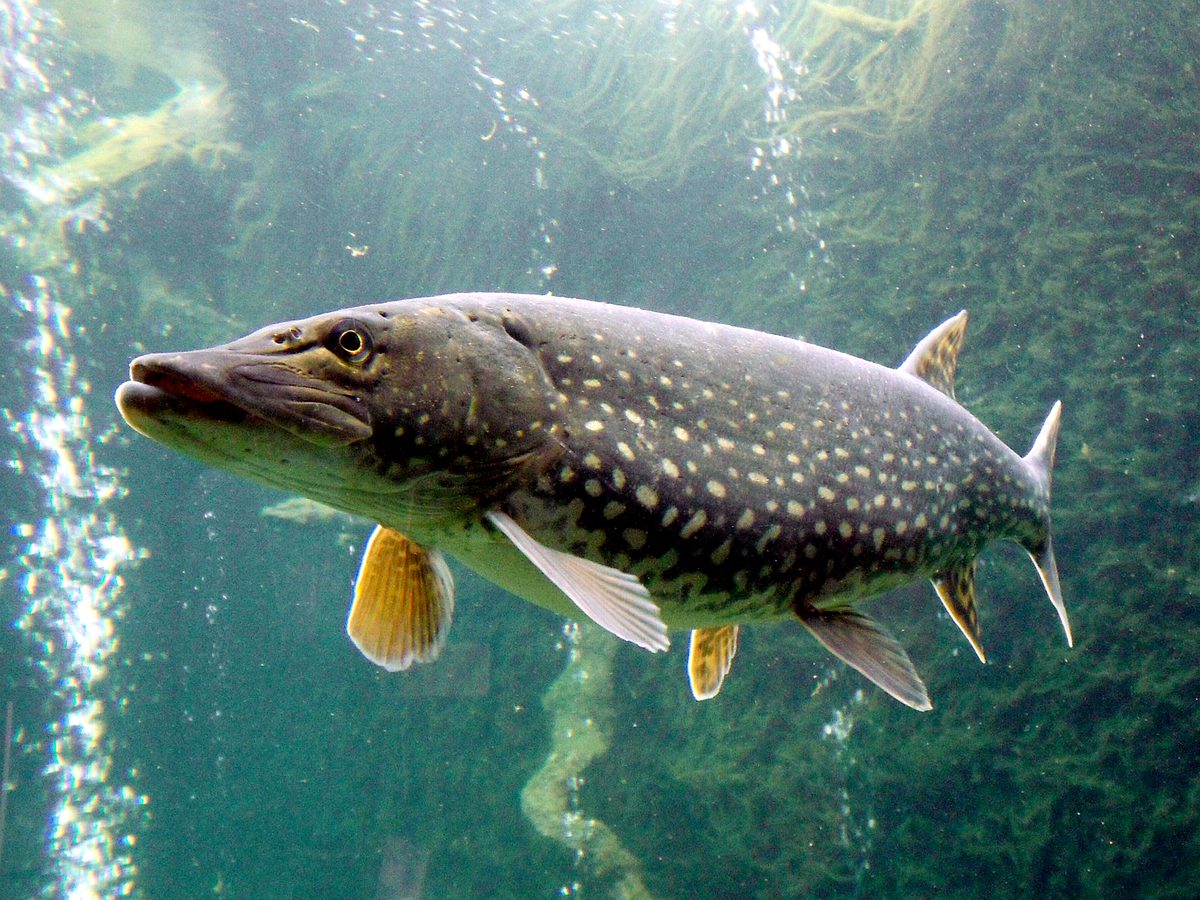
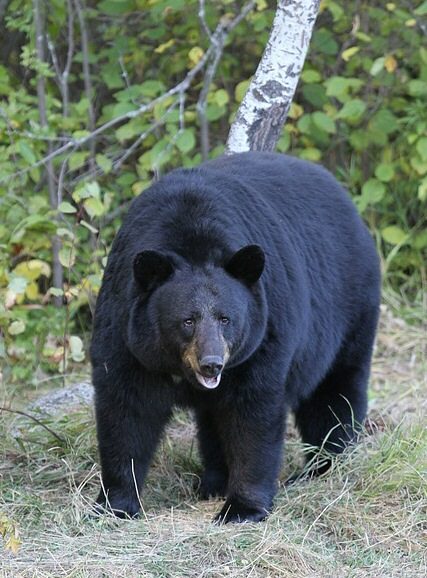
Animals around Torngat Mountains Sea Kayak

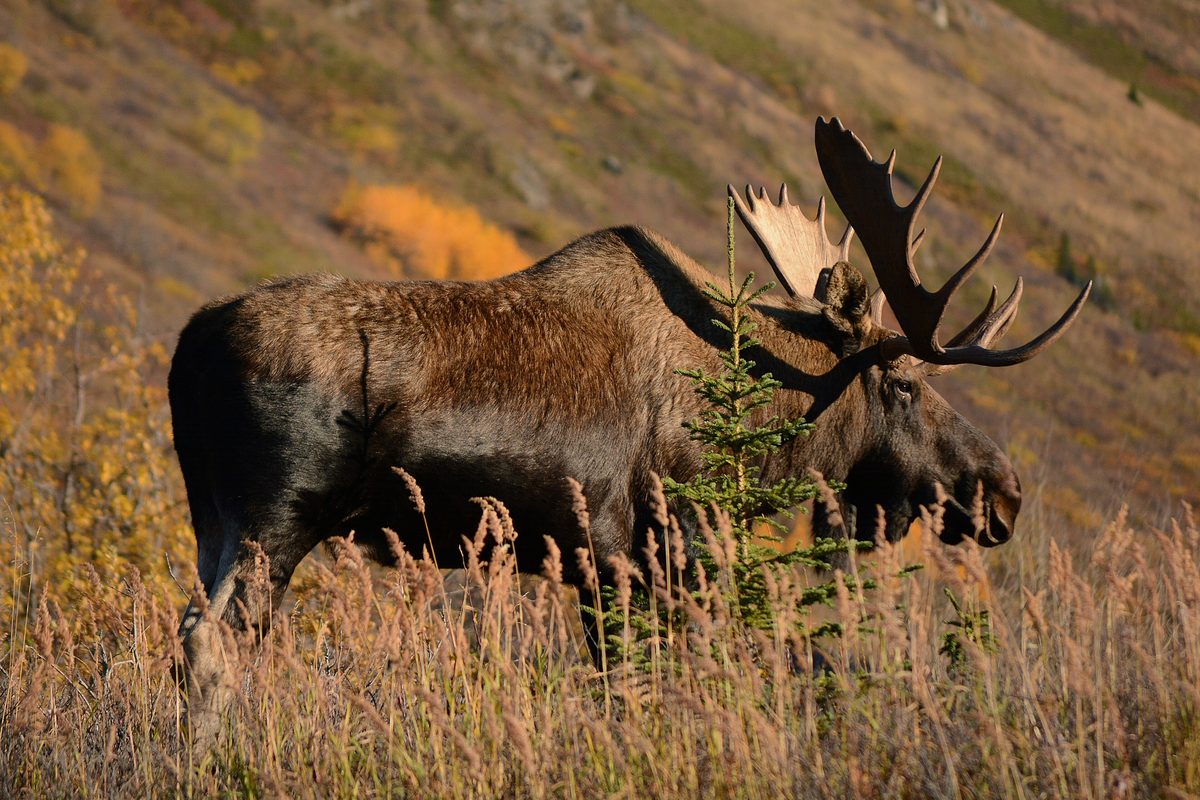
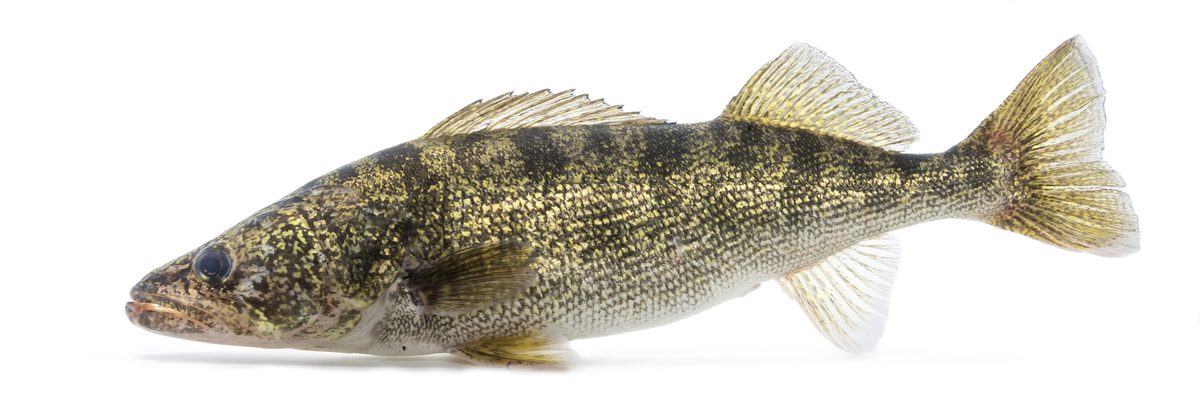
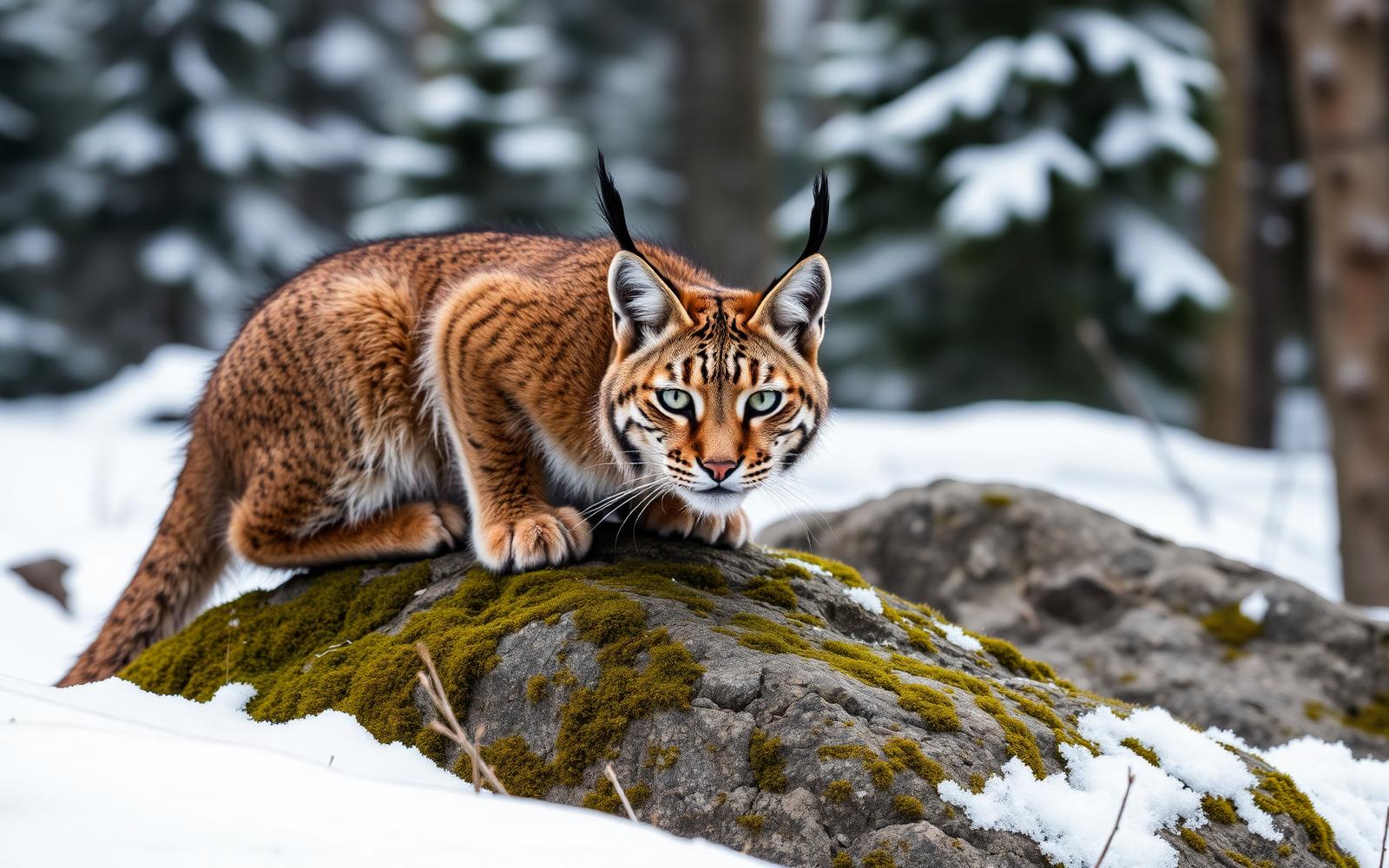
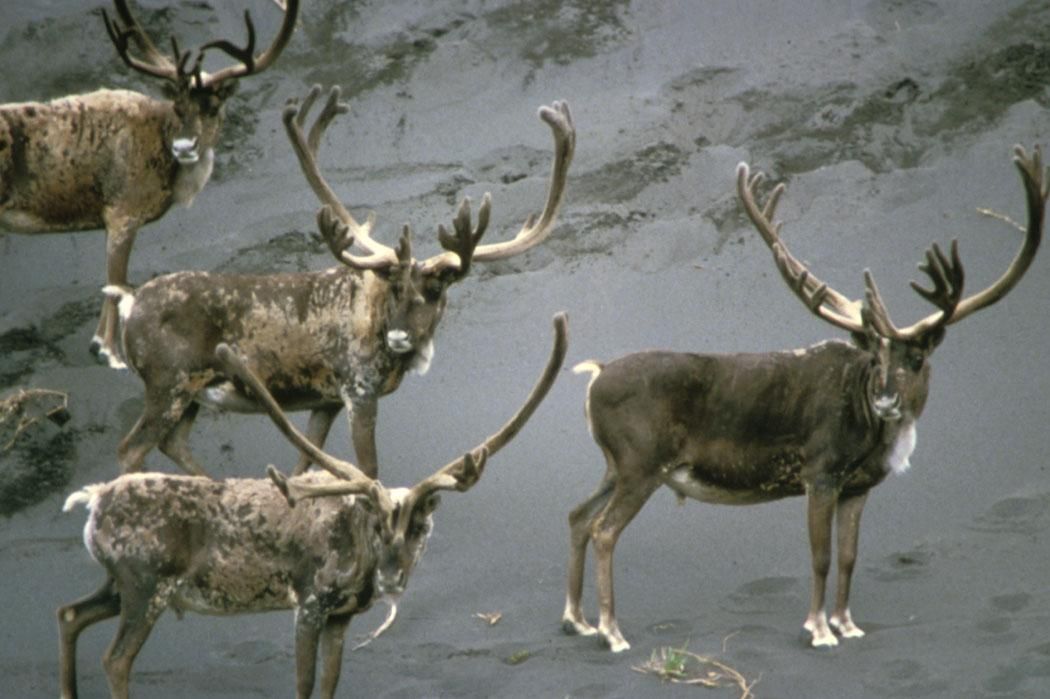

Maps, GPS & compass for this trip
Carry a waterproof paper map and a compass you can steer by, and treat the GPS as the backup — not the other way round. Buying links go to Amazon; Wild10 earns a commission at no cost to you.
Waterproof topo maps
- Waterproof topographic map — Torngat Mountains Sea KayakAmazon search for waterproof, tear-resistant topo maps covering this area.
- National Geographic Trails IllustratedThe waterproof Trails Illustrated series — check for a sheet covering this area.
- Waterproof map case & compass lanyardKeep a paper map readable in rain, spray and a swamped boat.
Fishing at Torngat Mountains Sea Kayak
Planning to fish Torngat Mountains Sea Kayak, Labrador? Fishing licences, open seasons and catch limits in Labrador are set by the local wildlife authority and change every year — check the official source before you cast a line.
Do I need a fishing licence at Torngat Mountains Sea Kayak?
- A Labrador fishing licence is normally required for anyone over the local youth age.
- Read the current Labrador fishing regulations for special waters, barbless-hook or catch-and-release rules.
- Clean, drain and dry boats and gear between waters to stop invasive species.
Hunting near Torngat Mountains Sea Kayak
Thinking about hunting Torngat Mountains Sea Kayak, Labrador? Hunting seasons, tags and draws in Labrador are set by the wildlife authority each year. Confirm the rules for your species and unit before you go.
Is hunting allowed at Torngat Mountains Sea Kayak?
- Confirm the land around Torngat Mountains Sea Kayak is open to hunting and which management unit it falls in.
What do I need to hunt in Labrador?
- A Labrador hunting licence — most jurisdictions also require hunter education certification.
- Species tags or draw results for big game such as deer, elk, moose or bear where they occur.
- Knowledge of firearm and bow transport rules, which differ by land type and border crossing.
A mountainous coast on the Labrador Sea
Torngat Mountains National Park occupies 9,700 square kilometres of mountainous terrain between Northern Quebec and the Labrador Sea, on the Quebec-Labrador Peninsula. For a sea-kayak trip, that meeting of mountains and sea is the defining setting. The park contains part of the Torngat Mountains, the highest mountains in mainland Canada east of the Rocky Mountains, and sits at the southern end of the Arctic Cordillera. Kayaking is among its wilderness activities, alongside hiking and scrambling. Treat this as a remote expedition destination rather than a shoreline with assumed services or straightforward road access. A workable paddling plan needs confirmed transport, a locally informed itinerary, and clear arrangements for getting both people and equipment into and out of the park.
An Inuit homeland
The Torngat Mountains are part of Inuit Nunangat, the Inuit homeland, and hold deep cultural importance for Inuit of Labrador and Nunavik. The park was created to honour their relationship with this land. Parks Canada works with these Inuit groups to conserve ecological integrity and help visitors understand that history. The mountains are known as a place of spirits, while Nunatsiavut translates as our beautiful land. This cultural setting belongs at the centre of trip planning, not as an aside to the paddling. Seek Inuit knowledge and guidance when shaping an itinerary, and approach time ashore with respect for a living homeland. Caribou, in particular, are connected to Indigenous food resources and culture as well as to the park's ecology.
Wildlife and expedition preparation
The park protects polar bears and black bears, along with caribou, Labrador wolves, red and Arctic foxes, peregrine falcons, and golden eagles. Bear safety therefore needs to be part of both paddling and shore planning; a landing is not simply a break from managing risk on the water. Obtain current local advice on wildlife precautions before committing to an itinerary. Labrador is remote and sparsely settled, so do not assume nearby supplies or assistance. Pack for cold water and changing weather, and build flexibility into transport and daily plans. Although the park is open year-round, that does not establish a year-round kayaking season. Confirm suitable paddling conditions, transport availability, and access requirements with Parks Canada before making firm arrangements.
Route options
- Labrador Sea coastal kayaking
Use the park's Labrador Sea setting as the starting point for a locally planned sea-kayak itinerary. This is a trip concept, not a specified route: launch and landing locations, daily stages, and pickup arrangements need confirmation before departure.
- Torngat Mountains kayaking and hiking
Consider combining the park's kayaking and hiking activities if local advice supports suitable landings and travel ashore. Do not assume a continuous trail or established paddle-and-hike circuit. Build wildlife precautions and return transport into the plan.
Sample itineraries
- Torngat Coastal Kayaking Outline · 2 days
Allow one day for a conditions assessment and a short coastal paddle, followed by another paddling day if conditions permit. This is a planning outline, not an established route. Confirm suitable launch sites, landings, bear precautions and transport with Parks Canada before committing.
- Torngat Paddle and Mountain Outline · 3 days
Plan two flexible kayaking days along the park’s Labrador Sea coast and one day for hiking if conditions allow. Arrange transport separately. Select paddling areas and shore excursions with local advice; mountainous terrain, bear presence and remote access should determine the plan.
Seasonal conditions
Spring
Spring transition
Treat a spring kayaking trip as conditional on local ice and weather assessments. In this subarctic mountain setting, do not assume open water or usable landings without checking.
Summer
Summer
Plan around actual coastal conditions rather than assuming summer means easy paddling. Cold-water protection, flexible transport and bear-aware shore plans remain important in this remote subarctic setting.
Fall
Fall transition
Build flexibility into paddling and pickup plans. Confirm local weather, water and ice conditions before departure; a fixed coastal itinerary leaves little room to respond to changing conditions.
Winter
Winter
Treat winter as a separate expedition-planning problem, not an extension of a summer kayak trip. Confirm ice conditions and suitable transport with local operators before considering travel.
| Season | Window | Conditions |
|---|---|---|
| Spring | Spring transition | Treat a spring kayaking trip as conditional on local ice and weather assessments. In this subarctic mountain setting, do not assume open water or usable landings without checking. |
| Summer | Summer | Plan around actual coastal conditions rather than assuming summer means easy paddling. Cold-water protection, flexible transport and bear-aware shore plans remain important in this remote subarctic setting. |
| Fall | Fall transition | Build flexibility into paddling and pickup plans. Confirm local weather, water and ice conditions before departure; a fixed coastal itinerary leaves little room to respond to changing conditions. |
| Winter | Winter | Treat winter as a separate expedition-planning problem, not an extension of a summer kayak trip. Confirm ice conditions and suitable transport with local operators before considering travel. |
Permits, fees & closures
Confirm current permits, visitor requirements and kayaking arrangements directly with Parks Canada before planning travel.
Confirm current permits, fees, and closures with the managing agency before you go.
Hazards & regulations
- Polar bears and black bears occur in the park. Obtain local bear-safety advice before choosing shore stops or overnight locations.
- Remote, sparsely settled surroundings make outside assistance and transport difficult to arrange quickly. Carry emergency communications and maintain a contingency plan.
- Cold water and changing coastal weather can make a capsize serious. Dress for immersion and paddle within the group’s rescue abilities.
- Ice and icebergs are considerations in Labrador waters. Check local conditions and keep clear of ice.
- Mountainous terrain can complicate shore excursions. Assess footing and difficulty before hiking or scrambling.
What to pack for Torngat Mountains Sea Kayak
- Properly fitted paddling flotation device
- Cold-water immersion clothing
- Spare paddle
- Kayak rescue equipment
- Dry bags and spare dry layers
- Satellite emergency communication device
- Navigation tools and backup
- First-aid and repair kits
- Emergency shelter
- Reserve food and drinking water
- Weatherproof outer layers
- Insulating clothing
- Footwear suitable for uneven terrain
- Food-storage equipment selected with local bear-safety advice
Wildlife you may see
- Boreal woodland caribou
- Polar bears
- Black bears
- Labrador wolves
- Red foxes
- Arctic foxes
- Peregrine falcons
- Golden eagles
Torngat Mountains Sea Kayak FAQ
- Where is this kayaking destination?
- Torngat Mountains National Park lies on the Quebec-Labrador Peninsula in Newfoundland and Labrador, Canada. Its mountainous terrain sits between Northern Quebec and the Labrador Sea.
- How can visitors reach the park?
- Access options include charter air flights, cruise ships and snowmobiles. These serve different travel needs; confirm arrangements specifically for transporting kayaks, reaching a suitable launch and returning from the trip.
- Are these established kayaking routes?
- No. The itineraries are flexible planning outlines, not verified routes. Launch points, landings, overnight locations and transport require local confirmation before departure.
- Is this suitable for a first sea-kayaking trip?
- Remote access, subarctic conditions and bears make this a demanding setting for learning independently. Seek experienced support and assess cold-water rescue skills before choosing a paddling plan.
- What cultural context should visitors understand?
- The park honours the relationship of Labrador and Nunavik Inuit with this land. These mountains belong to the greater Inuit homeland, Inuit Nunangat. Parks Canada works with Inuit groups on conservation and visitor understanding; seek local guidance for respectful travel.
- What activities can complement kayaking?
- Hiking, scrambling and wildlife viewing can complement paddling. Keep shore plans flexible, assess mountain terrain carefully and seek bear-safety guidance before leaving the water.