



Where on earth
Satellite imagery flying in from a world view to Mission Mountains Wilderness, United States. Use the + / − buttons, or click the map to zoom with your scroll wheel; drag to pan and pinch to zoom on touch.
- Region
- Montana, USA
- Country
- United States
- Biome
- Alpine granite (1,300–2,900 m)
- Best season
- July – September
- Difficulty
- moderate
- Backpacking
- Hiking
- Climbing
- Mountaineering
Key takeaways
- Biome: Alpine granite (1,300–2,900 m)
- Best season: July – September
- Difficulty: moderate
- Top activity: backpacking
Photos of Mission Mountains Wilderness
Topic summary
Steep granite peaks and glacial lakes above Flathead — tribal-managed wilderness on the west side.
Key takeaways
- Difficulty: moderate
- Best season: July – September
Intended uses
backpacking
Climate suitability
Alpine granite (1,300–2,900 m)
Tools for a trip here
Picked for how, when and where you're going. Free, no signup.
- Sleep System Temp CalculatorCold nights: check your bag and pad add up to a safe sleep.
- Base Weight CalculatorEvery ounce is carried — total your kit and find your base weight.
- Pack Volume SizerSize the pack for your trip length and season.
- Water Purification MatrixTreat water from streams and lakes on trail.
- Layering CalculatorCold-season miles: layer for climbs and camp.
Plan with verified data
Mission Mountains Wilderness trip tools
How to get there
Mission Mountains Wilderness is approximately 80 miles north of Missoula and 65 miles southeast of Kalispell, Montana. Primary access is from Montana Highway 83 and logging roads on the eastern side, followed by trail travel. Western routes lead through the adjoining Mission Mountains Tribal Wilderness; confirm access requirements with the tribal managing authority before using that approach.
- Montana Highway 83 and eastern logging roads
The primary access corridor. Surrounding logging roads provide approaches to trails entering the wilderness from the east; choose and verify the specific road-to-trail connection before departure.
- Mission Mountains Tribal Wilderness
The adjoining tribal wilderness provides several western routes into Mission Mountains Wilderness. Confirm requirements for travel through tribal lands separately from national forest requirements.
Sources: Wikipedia · Wikivoyage. Confirm road and trailhead conditions with the managing agency before you leave.
Popular pursuits at Mission Mountains Wilderness
- Backpacking
Multi-day travel with everything on your back — see the packing blocks below.
- Hiking
Day miles on marked trail, with route notes and trail links below.
- Climbing
Rock and alpine lines with approach beta.
- Mountaineering
Glacier and high-route objectives with real consequence.
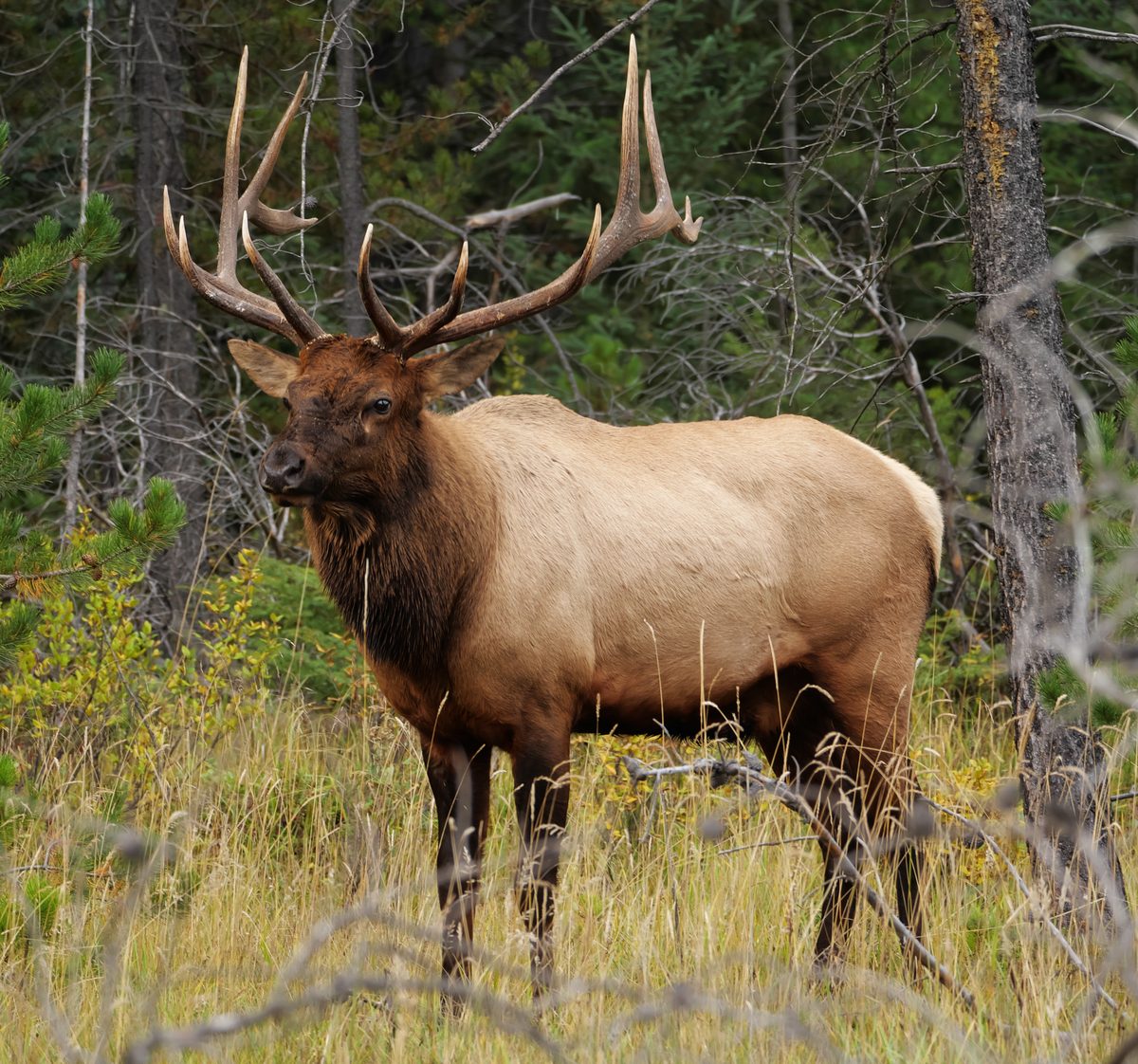
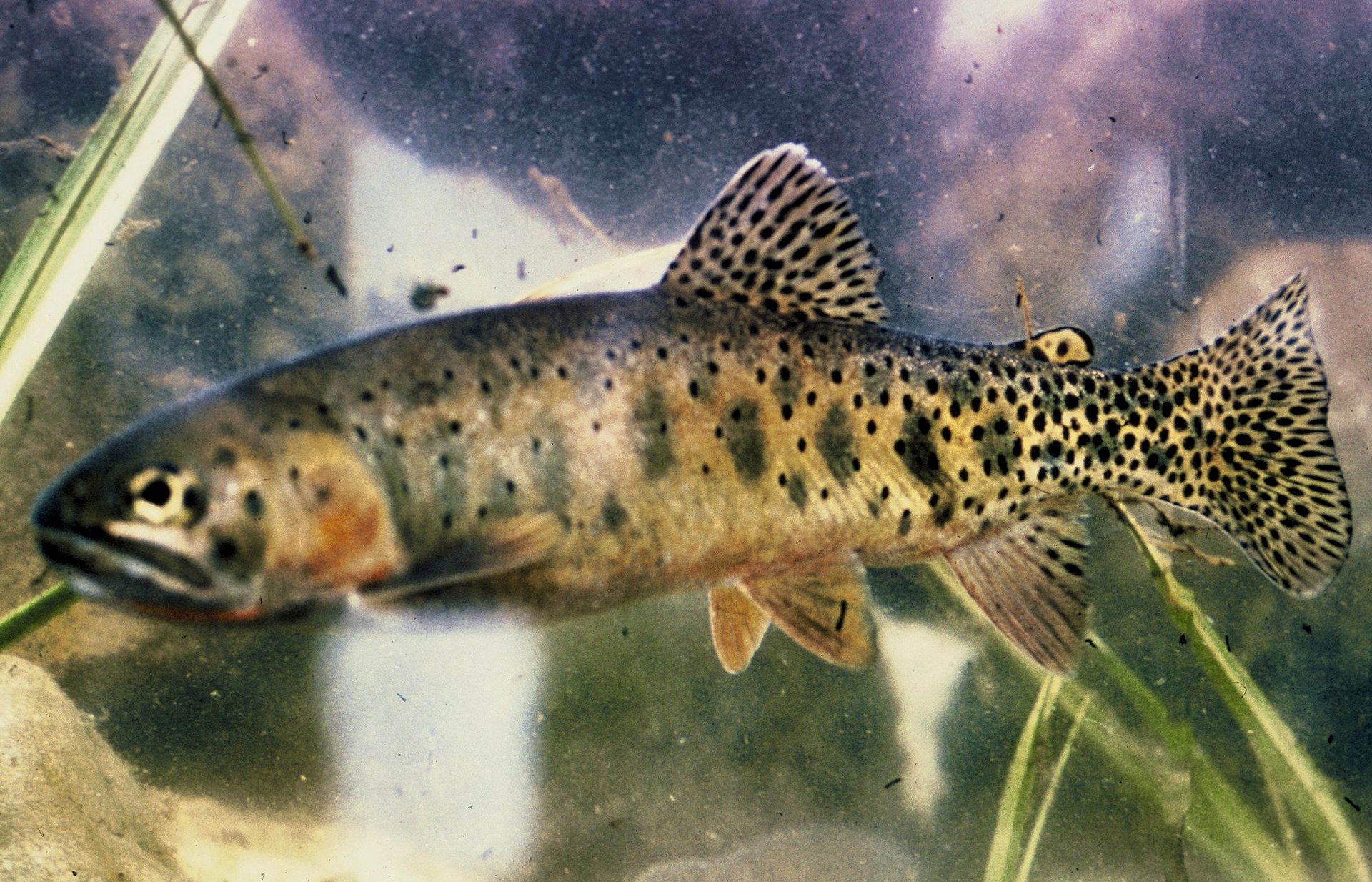
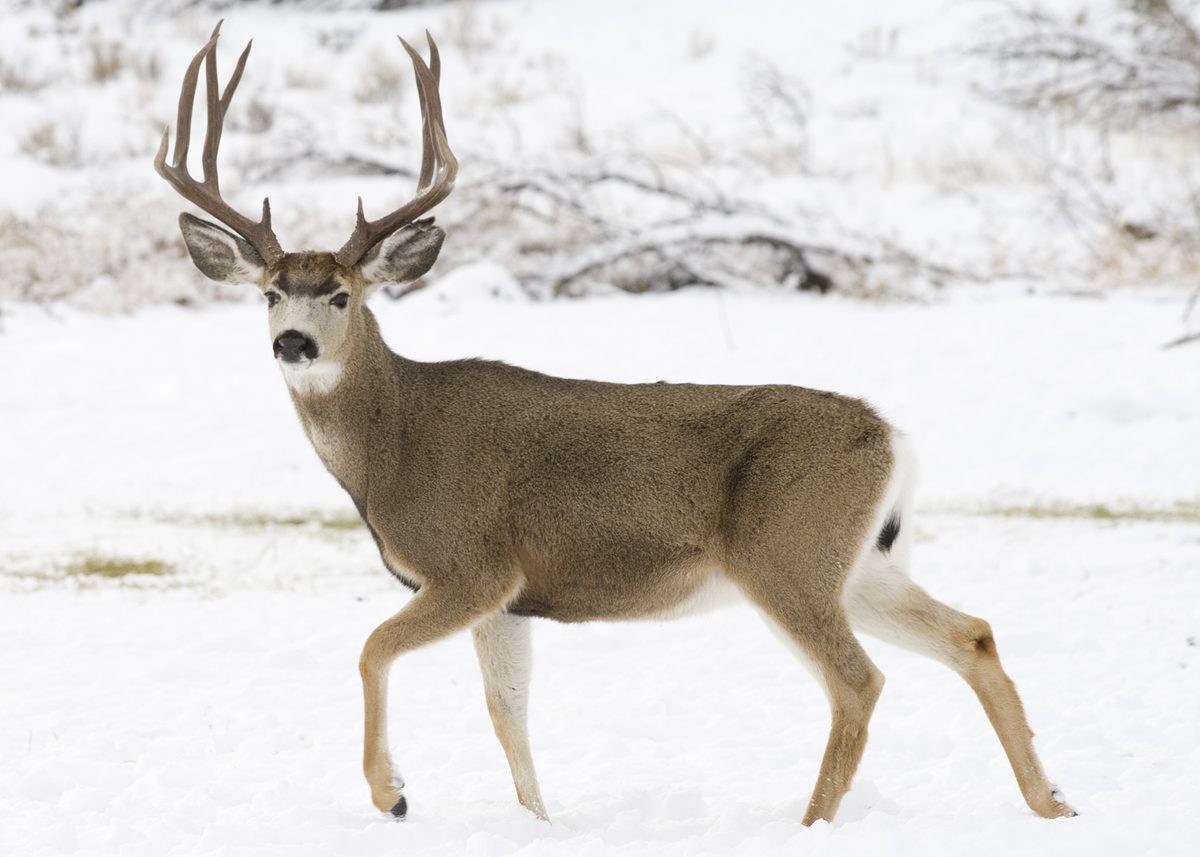
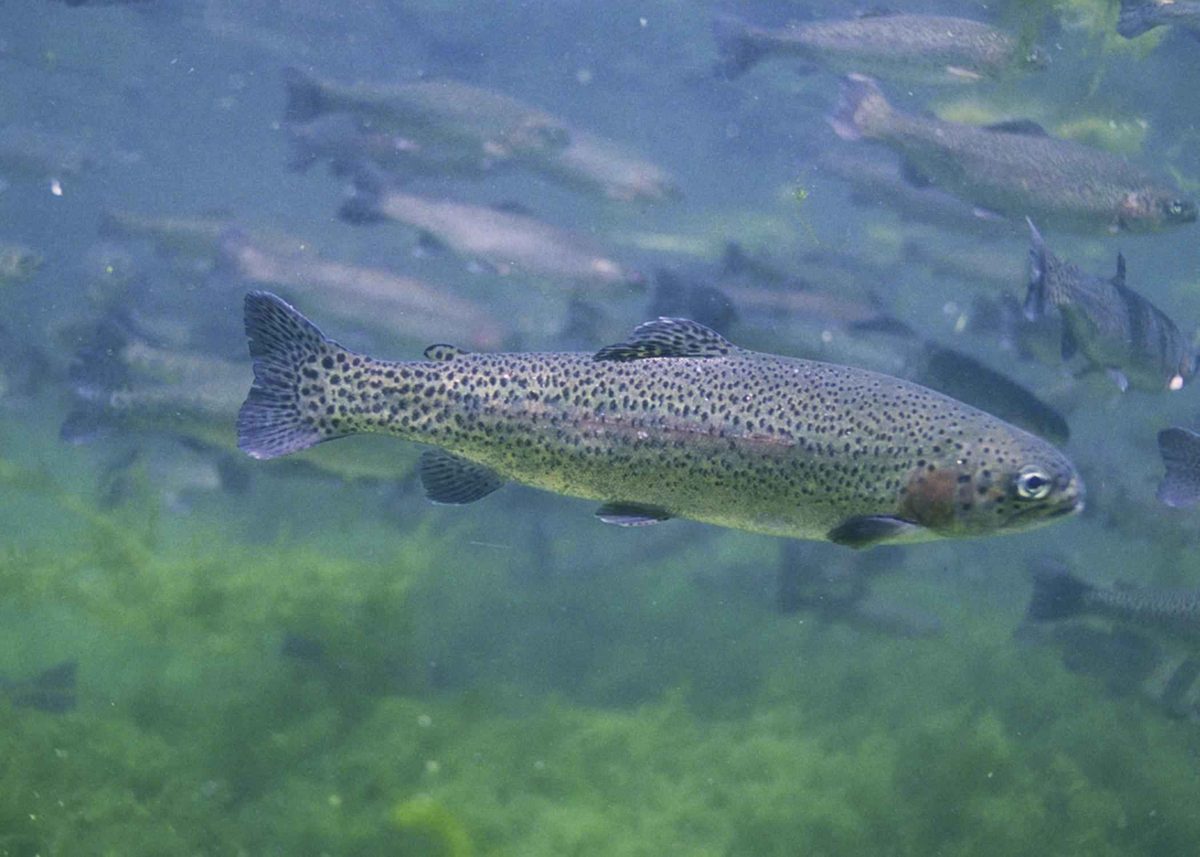
Animals around Mission Mountains Wilderness



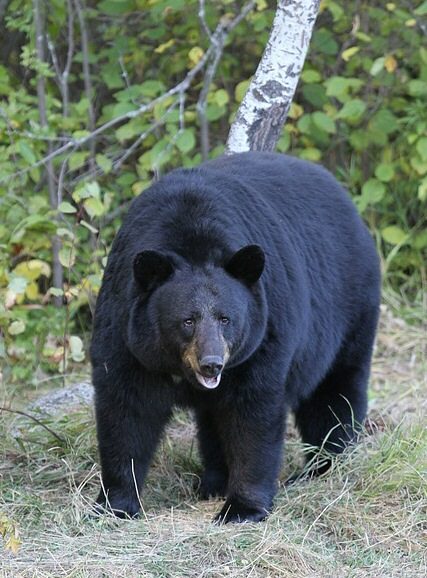
Maps, GPS & compass for this trip
Carry a waterproof paper map and a compass you can steer by, and treat the GPS as the backup — not the other way round. Buying links go to Amazon; Wild10 earns a commission at no cost to you.
Waterproof topo maps
- Waterproof topographic map — Mission Mountains WildernessAmazon search for waterproof, tear-resistant topo maps covering this area.
- National Geographic Trails IllustratedThe waterproof Trails Illustrated series — check for a sheet covering this area.
- Waterproof map case & compass lanyardKeep a paper map readable in rain, spray and a swamped boat.
Fishing at Mission Mountains Wilderness
Planning to fish Mission Mountains Wilderness, Montana? Fishing licenses, open seasons and catch limits in Montana are set by the local wildlife authority and change every year — check the official source before you cast a line.
Do I need a fishing license at Mission Mountains Wilderness?
- A Montana fishing license is normally required for anyone over the local youth age.
- Read the current Montana fishing regulations for special waters, barbless-hook or catch-and-release rules.
- Clean, drain and dry boats and gear between waters to stop invasive species.
- Mission Mountains Wilderness may add its own fishing rules on top of Montana law — check the managing agency too.
Hunting near Mission Mountains Wilderness
Thinking about hunting Mission Mountains Wilderness, Montana? Hunting seasons, tags and draws in Montana are set by the wildlife authority each year. Confirm the rules for your species and unit before you go.
Is hunting allowed at Mission Mountains Wilderness?
- Hunting is prohibited or heavily restricted in many national parks, wilderness and protected areas — confirm with the Mission Mountains Wilderness land manager before planning a hunt, and look to surrounding public land.
What do I need to hunt in Montana?
- A Montana hunting license — most jurisdictions also require hunter education certification.
- Species tags or draw results for big game such as deer, elk, moose or bear where they occur.
- Knowledge of firearm and bow transport rules, which differ by land type and border crossing.
A roadless wilderness in western Montana
Mission Mountains Wilderness lies in Montana within the Swan Lake Ranger District of Flathead National Forest. Congress designated it as wilderness in 1975. Its location—approximately 80 miles north of Missoula and 65 miles southeast of Kalispell—provides a regional starting point for planning, rather than a measure of the drive to any particular trail access. The defining feature for visitors is its roadless character: surrounding roads lead to trails, not into the wilderness itself. Motorized and mechanized vehicles, including bicycles, are not allowed within the wilderness. Plan for travel on foot once the road approach ends, and choose an outing around the return journey as well as the destination. This is protected backcountry, not a road-based sightseeing area.
Eastern access and the western boundary
The main approach is from the east, using Montana Highway 83 and logging roads that connect with trails into the wilderness. The other approach is from the west, where several routes lead through the adjoining Mission Mountains Tribal Wilderness of the Confederated Salish and Kootenai Tribes. These are distinct access choices, not interchangeable entrances under a single management arrangement. Before committing to a western approach, confirm access requirements with the tribal managing authority as well as the requirements for the national forest wilderness. For an eastern approach, use the Swan Lake Ranger District as the starting point for checking road and trail access. Select the actual trail before estimating driving time or deciding how much walking fits into the day.
Planning a self-contained visit
A visit here should be planned around the limits of a wilderness setting. Wilderness protections prohibit road and building construction, along with logging and mining, so the trip should not depend on developed facilities inside the boundary. Carry what is needed for the intended time out, including navigation, weather protection, food, and a way to treat drinking water. Keep the plan conservative until the chosen trail and current conditions have been checked. For camping, fishing, or seasonal hunting, confirm current requirements with the managing agency before departure. If the itinerary also enters Mission Mountains Tribal Wilderness, check those requirements separately. A practical plan starts with a verified access route and a realistic turnaround point, rather than assuming that neighboring roads or western connections will suit every trip.
Route options
- Eastern trail approach
Approach from Montana Highway 83 via the eastern logging-road network, then continue by trail. This is the primary direction of access; confirm a specific trail and its current conditions with the Swan Lake Ranger District before setting an itinerary.
- Western approach through Mission Mountains Tribal Wilderness
Use a western trail connection through the adjoining Mission Mountains Tribal Wilderness. Plan this as travel involving separate management areas, and verify the intended route and applicable access requirements before departure.
Sample itineraries
- Eastern-access day hike · 1 day
Approach from Montana Highway 83 using an eastern logging-road access. Choose a trail and turnaround point after confirming access and conditions with the Swan Lake Ranger District. Walk into the wilderness and return the same way; this plan does not assume a particular trail length.
- Eastern-access overnight · 2 days
Plan an out-and-back backpack from an eastern trail access. Confirm camping requirements and select a suitable route with the Swan Lake Ranger District before departure. Carry overnight equipment and return along the approach trail on the second day.
Seasonal conditions
Spring
Spring; confirm current access before departure
For a Montana mountain trip, plan conservatively around possible lingering snow and wet footing. Check both the logging-road approach and intended trail rather than assuming they become usable together.
Summer
Summer; check conditions for the intended route
Prepare for changing mountain weather rather than relying on warm conditions at the road. Carry layers, rain protection, water treatment, and enough supplies to manage delays on foot.
Fall
Fall; confirm weather and applicable hunting seasons
Allow for colder conditions and reduced daylight when setting a turnaround time. Hunting is allowed in season in national forest wilderness; check whether your visit overlaps hunting activity.
Winter
Winter; verify road and trail access
Treat winter travel as a separate planning task, not an extension of a summer itinerary. Confirm access and snow conditions with the managing agency, and match the route to cold-weather equipment and experience.
| Season | Window | Conditions |
|---|---|---|
| Spring | Spring; confirm current access before departure | For a Montana mountain trip, plan conservatively around possible lingering snow and wet footing. Check both the logging-road approach and intended trail rather than assuming they become usable together. |
| Summer | Summer; check conditions for the intended route | Prepare for changing mountain weather rather than relying on warm conditions at the road. Carry layers, rain protection, water treatment, and enough supplies to manage delays on foot. |
| Fall | Fall; confirm weather and applicable hunting seasons | Allow for colder conditions and reduced daylight when setting a turnaround time. Hunting is allowed in season in national forest wilderness; check whether your visit overlaps hunting activity. |
| Winter | Winter; verify road and trail access | Treat winter travel as a separate planning task, not an extension of a summer itinerary. Confirm access and snow conditions with the managing agency, and match the route to cold-weather equipment and experience. |
Permits, fees & closures
Confirm current trip requirements with the Swan Lake Ranger District of Flathead National Forest. For western approaches through Mission Mountains Tribal Wilderness, also consult the Confederated Salish and Kootenai Tribes.
Confirm current permits, fees, and closures with the managing agency before you go.
Hazards & regulations
- Changing mountain weather can leave hikers cold or wet; carry protective layers and leave room to turn back.
- There are no roads or buildings inside the wilderness. Carry supplies for delays rather than expecting roadside assistance or shelter.
- Eastern approaches use logging roads. Verify the chosen road's condition and suitability before committing to the drive.
- Seasonal hunting may overlap a visit. Check current seasons and wear conspicuous clothing when appropriate.
What to pack for Mission Mountains Wilderness
- Map showing wilderness boundaries and the chosen approach
- Compass or offline navigation
- Written route plan and turnaround time
- Current road and trail information
- Insulating layers
- Rain protection
- Water and water treatment
- Food and an emergency reserve
- Headlamp
- First-aid kit
- Shelter
- Sleeping bag suited to expected temperatures
- Sleeping pad
- Food-storage system appropriate to current agency guidance
- Waste supplies for packing out trash
Mission Mountains Wilderness FAQ
- Where is Mission Mountains Wilderness?
- It lies in Montana within the Swan Lake Ranger District of Flathead National Forest, approximately 80 miles north of Missoula and 65 miles southeast of Kalispell.
- How do you reach the wilderness?
- Trails enter from surrounding roads. Primary access is from Montana Highway 83 and logging roads to the east. Several western routes lead through the adjoining Mission Mountains Tribal Wilderness.
- Are the national forest and tribal wilderness the same area?
- No. Mission Mountains Wilderness is within Flathead National Forest. The adjoining Mission Mountains Tribal Wilderness belongs to the Confederated Salish and Kootenai Tribes. A western approach requires planning for that separate jurisdiction.
- Can bicycles or motorized vehicles enter?
- No. Motorized and mechanized vehicles, including bicycles, are not allowed in the wilderness. Plan to leave vehicles outside the boundary.
- Are there roads or buildings inside?
- No. Access within the wilderness is by trail rather than road. Plan a self-supported outing without relying on built shelter.
- Who should confirm trip requirements?
- Contact the Swan Lake Ranger District for the national forest wilderness. Consult the Confederated Salish and Kootenai Tribes if the approach crosses their adjoining wilderness.