



Where on earth
Satellite imagery flying in from a world view to Okefenokee Swamp Canoe Trails, United States. Use the + / − buttons, or click the map to zoom with your scroll wheel; drag to pan and pinch to zoom on touch.
- Region
- Georgia, USA
- Country
- United States
- Biome
- Blackwater cypress swamp (30 m)
- Best season
- November – April
- Difficulty
- moderate
- Backpacking
- Hiking
- Canoeing
- Kayaking
- Fishing
Key takeaways
- Biome: Blackwater cypress swamp (30 m)
- Best season: November – April
- Difficulty: moderate
- Top activity: backpacking
Photos of Okefenokee Swamp Canoe Trails
Topic summary
Blackwater canoe trails through cypress swamp on the GA-FL border — alligator country and midnight star camping.
Key takeaways
- Difficulty: moderate
- Best season: November – April
Intended uses
backpacking
Climate suitability
Blackwater cypress swamp (30 m)
Verification notes
Last verified January 1, 1970.
Tools for a trip here
Picked for how, when and where you're going. Free, no signup.
- Sleep System Temp CalculatorCold nights: check your bag and pad add up to a safe sleep.
- Base Weight CalculatorEvery ounce is carried — total your kit and find your base weight.
- Pack Volume SizerSize the pack for your trip length and season.
- Water Purification MatrixTreat water from streams and lakes on trail.
- Layering CalculatorCold-season miles: layer for climbs and camp.
Plan with verified data
Okefenokee Swamp Canoe Trails trip tools
How to get there
The main entrance is the Suwannee Canal Recreation Area in Folkston, Georgia. Kingfisher Landing is 13 miles north of Folkston on US Route 1/GA Highway 121. On the Fargo side, Okefenokee State Park, formerly Stephen C. Foster State Park, is at 17515 Highway 177, Fargo, GA 31631. The Suwannee River Sill launch is eight miles south of that park.
- Suwannee Canal Recreation Area
The refuge’s main entrance in Folkston has a boat ramp with water-trail access, the Richard S. Bolt Visitor Center, and canoe and kayak rentals through Okefenokee Adventures. Hiking trails and the Chesser Island attractions provide options before or after paddling.
- Kingfisher Landing
Located 13 miles north of Folkston on US Route 1/GA Highway 121, this landing has a boat ramp and restrooms. It serves motorized and non-motorized boats on the Red and Green trails and is a starting point for day-use and overnight paddling trips.
- Suwannee River Sill
Eight miles south of Okefenokee State Park near Fargo, the Sill has a launch area for canoes, kayaks, and small boats under 10 horsepower. Fishing and wildlife observation are also available here.
Sources: fws.gov · Wikipedia · Wikivoyage. Confirm road and trailhead conditions with the managing agency before you leave.
Popular pursuits at Okefenokee Swamp Canoe Trails
- Backpacking
Multi-day travel with everything on your back — see the packing blocks below.
- Hiking
Day miles on marked trail, with route notes and trail links below.
- Canoeing
Paddle routes, portages, and put-ins.
- Kayaking
Sheltered and open-water paddling lines.
- Fishing
Resident gamefish, seasons, and the water that holds them.
Animals around Okefenokee Swamp Canoe Trails
 Wildlife guideBlack bearUrsus americanus
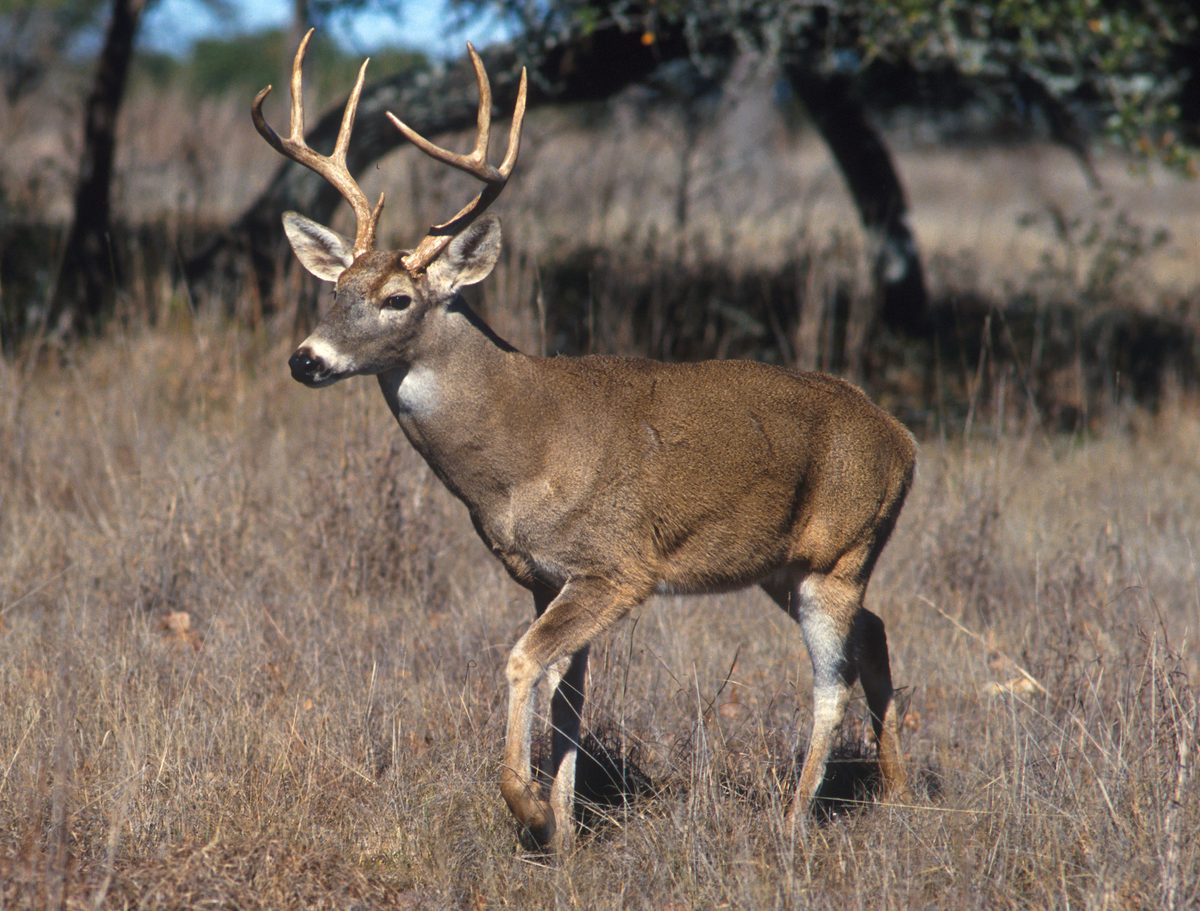 Big gameWhitetail DeerOdocoileus virginianus
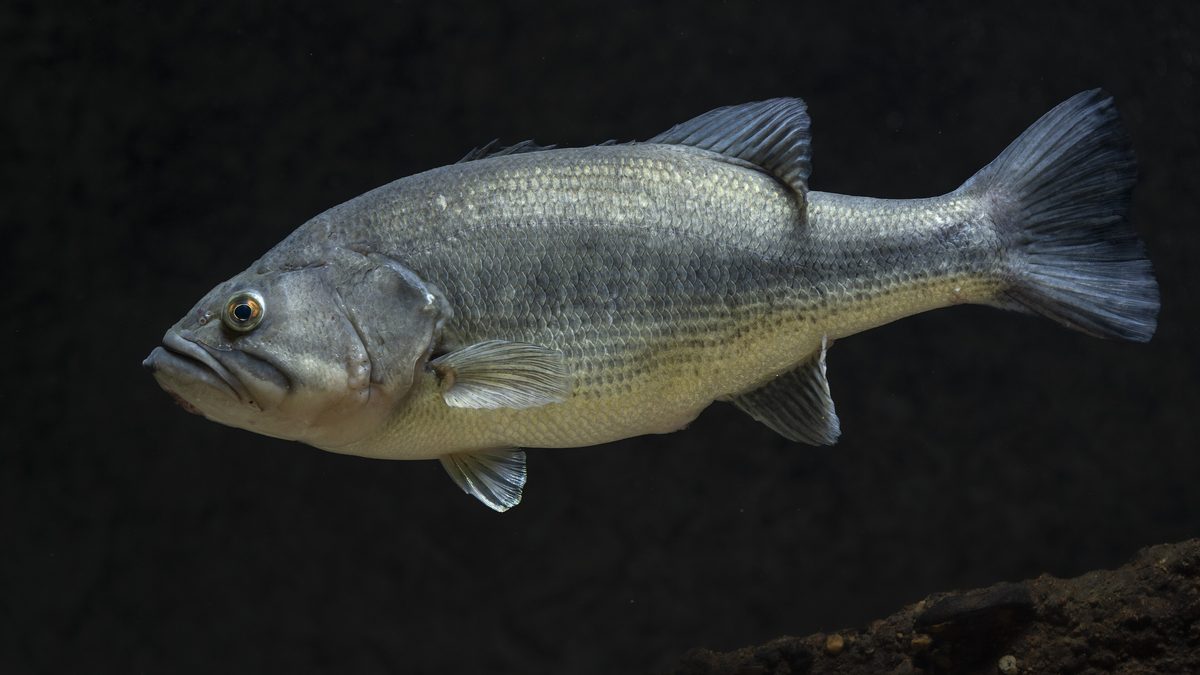 GamefishLargemouth BassMicropterus nigricans
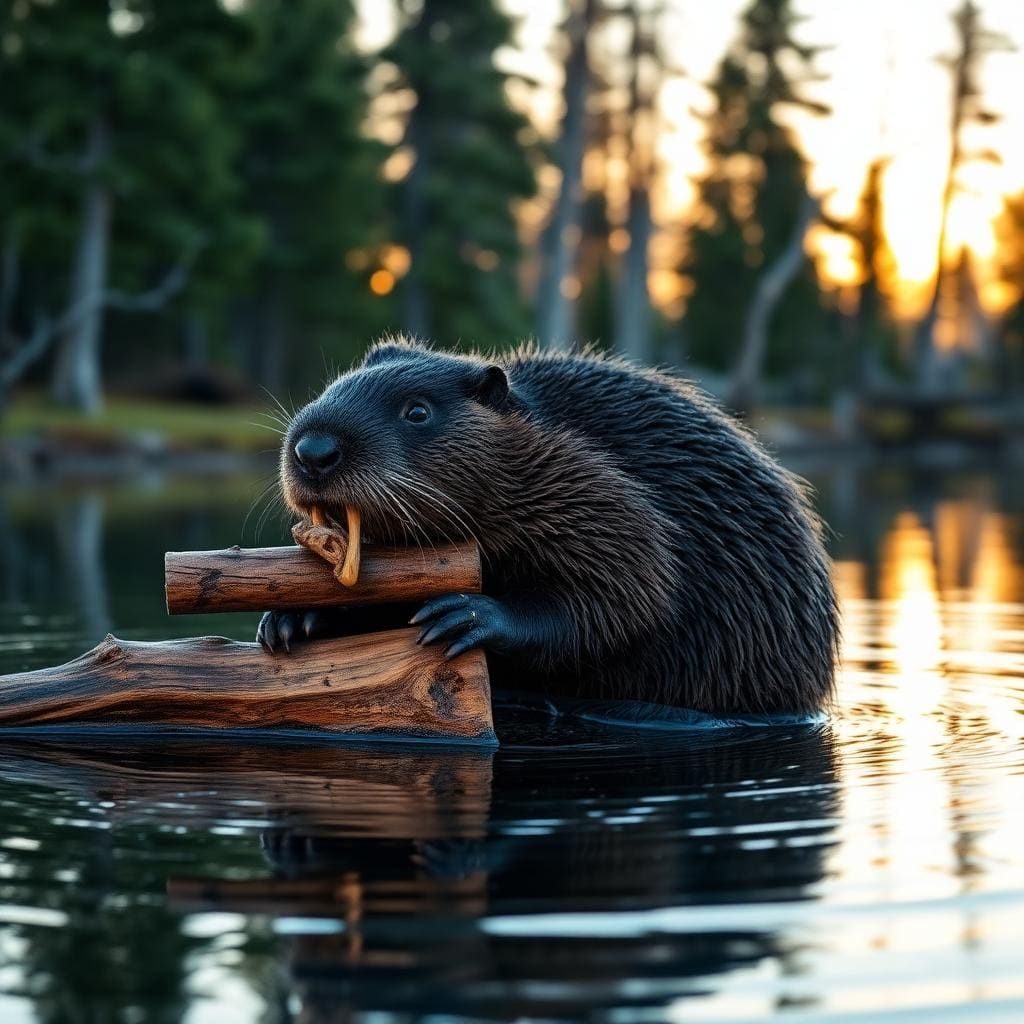 Wildlife guideNorth American beaverCastor canadensis
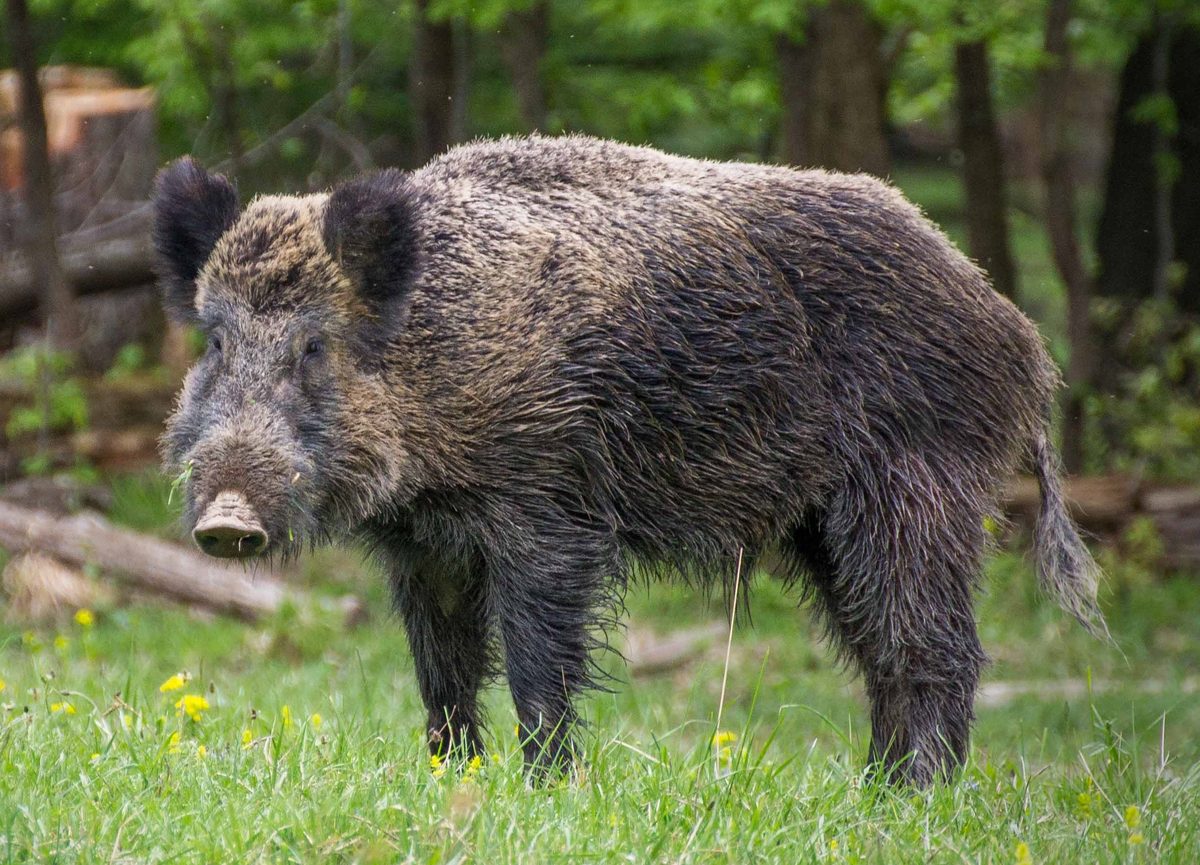 Big gameWild HogSus scrofa
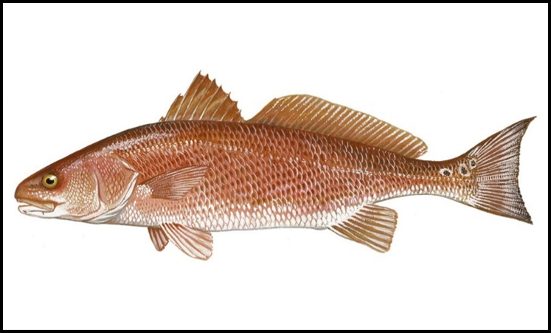 GamefishRed DrumSciaenops ocellatus
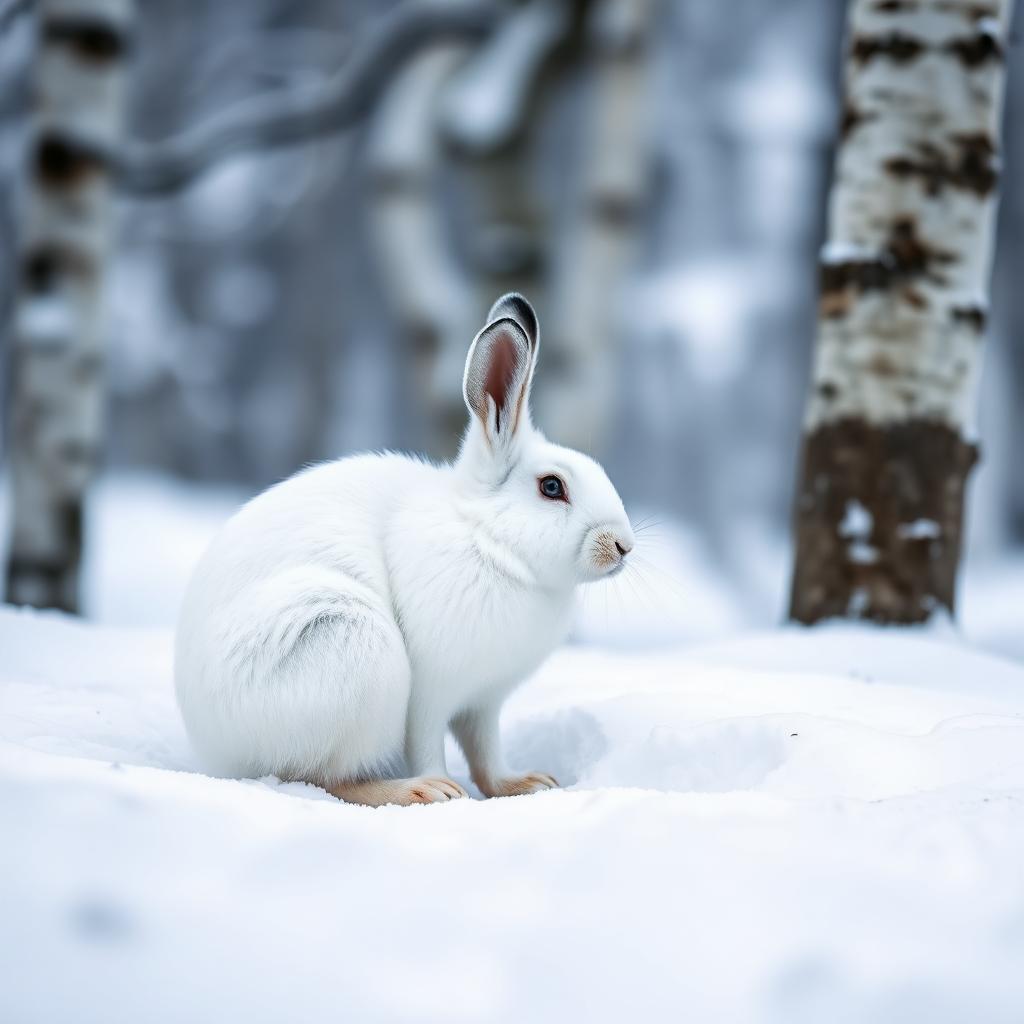 Wildlife guideSnowshoe hareLepus americanus
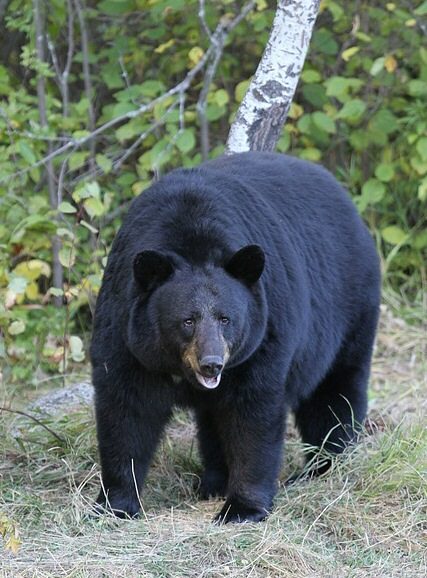 Big gameBlack BearUrsus americanus
Maps, GPS & compass for this trip
Carry a waterproof paper map and a compass you can steer by, and treat the GPS as the backup — not the other way round. Buying links go to Amazon; Wild10 earns a commission at no cost to you.
Waterproof topo maps
- Waterproof topographic map — Okefenokee Swamp Canoe TrailsAmazon search for waterproof, tear-resistant topo maps covering this area.
- National Geographic Trails IllustratedThe waterproof Trails Illustrated series — check for a sheet covering this area.
- Waterproof map case & compass lanyardKeep a paper map readable in rain, spray and a swamped boat.
Fishing at Okefenokee Swamp Canoe Trails
Planning to fish Okefenokee Swamp Canoe Trails, Georgia? Fishing licenses, open seasons and catch limits in Georgia are set by the local wildlife authority and change every year — check the official source before you cast a line.
Do I need a fishing license at Okefenokee Swamp Canoe Trails?
- A Georgia fishing license is normally required for anyone over the local youth age.
- Read the current Georgia fishing regulations for special waters, barbless-hook or catch-and-release rules.
- Clean, drain and dry boats and gear between waters to stop invasive species.
Hunting near Okefenokee Swamp Canoe Trails
Thinking about hunting Okefenokee Swamp Canoe Trails, Georgia? Hunting seasons, tags and draws in Georgia are set by the wildlife authority each year. Confirm the rules for your species and unit before you go.
Is hunting allowed at Okefenokee Swamp Canoe Trails?
- Confirm the land around Okefenokee Swamp Canoe Trails is open to hunting and which management unit it falls in.
What do I need to hunt in Georgia?
- A Georgia hunting license — most jurisdictions also require hunter education certification.
- Species tags or draw results for big game such as deer, elk, moose or bear where they occur.
- Knowledge of firearm and bow transport rules, which differ by land type and border crossing.
Paddling the refuge
The canoe trails at Okefenokee National Wildlife Refuge offer a water-level way to explore a landscape of wet prairies, wildlife habitat, and nearby upland forests. Canoeing and kayaking are established visitor activities, with both day-use paddling and overnight excursions available. The Suwannee Canal Recreation Area near Folkston is the main entrance and combines water-trail access with a visitor center, rentals, and land-based stops. Kingfisher Landing provides another starting point, with direct access to the Red and Green trails. Choose the launch around the paddling trip rather than treating the entrances as interchangeable. For a first visit, the Richard S. Bolt Visitor Center is a useful place to ask about canoeing opportunities and recent wildlife sightings. Its hours can vary seasonally; staff can be reached at 912-496-7836.
Weather, wildlife, and paddling preparation
Timing matters in the Okefenokee, particularly during summer. July through early September can bring hot, buggy afternoons, making an early-morning paddle a practical choice. Early morning and later evening are generally good periods for wildlife observation, but any outing must fit refuge operating hours. The refuge opens one half-hour before sunrise and closes at 7:30 pm from March through October and at 5:30 pm from November through February. Check the weather before leaving and prepare for afternoon storms. Bring a boat, paddle, and personal flotation device, along with plenty of water, snacks, insect repellent, and a first aid kit. Lightweight long sleeves, long pants, layers, and sun protection are sensible choices. Binoculars are useful for watching birds; the refuge offers opportunities to see sandhill cranes, owls, and red-cockaded woodpeckers.
Launch services, passes, and overnight planning
The main entrance is the most practical starting point for paddlers who need rentals or visitor services. Okefenokee Adventures, the refuge’s onsite concessionaire, rents canoes and kayaks and offers guided boat tours and overnight excursions. It also operates Camp Cornelia Café; call 912-496-7156 for service information. The refuge is a federal fee area, though visitors entering at Kingfisher Landing do not pay an entrance fee. Entrance fees are included in overnight camping permit fees, while concessionaire tours and rentals carry separate charges. Confirm overnight camping arrangements with the refuge before committing to an itinerary. Digital entrance passes can be purchased through Recreation.gov; download or print the pass beforehand because cellular service may be limited. For time off the water, the main entrance also has Chesser Island Homestead, Chesser Island Boardwalk, Swamp Island Drive, and hiking trails.
Route options
- Red Trail
Access the Red Trail from Kingfisher Landing. The landing supports both day-use and overnight paddling departures; confirm a suitable itinerary with refuge staff. Motorized boats also have access to this trail.
- Green Trail
The Green Trail is also reached from Kingfisher Landing, where a boat ramp and restrooms support trip preparation. Confirm the paddling itinerary with the refuge rather than assuming a particular length or overnight arrangement. Access is shared with motorized boats.
Sample itineraries
- Suwannee Canal paddle and boardwalk · 1 day
Begin at the Richard S. Bolt Visitor Center in Folkston for current paddling information. Launch onto a day-use water trail from Suwannee Canal Recreation Area, renting a canoe or kayak from Okefenokee Adventures if needed. Add a visit to Chesser Island Boardwalk or Chesser Island Homestead.
- Kingfisher Landing day paddle · 1 day
Launch at Kingfisher Landing for access to the Red and Green trails. Choose a day-use outing after confirming current trail conditions with refuge staff. The landing has a boat ramp and restrooms; carry water, snacks, sun protection, and a personal flotation device.
- Two days of paddling and wildlife observation · 2 days
Spend the first day paddling from Suwannee Canal Recreation Area and exploring its walking trails. On the second day, visit the Suwannee River Sill near Fargo for a separate canoe or kayak outing and wildlife observation. Plan these as independent day trips, not a connecting water route.
Seasonal conditions
Spring
Spring
Watch for seasonal changes in wet-prairie and upland-forest flowers and wildlife. Check the forecast, dress in layers, and prepare for changing weather. Early morning and later evening are generally better for wildlife observation; keep outings within refuge hours.
Summer
Summer
Afternoons can be hot and buggy. Early starts are especially recommended from July through early September. Carry plenty of water, insect repellent, and sun protection, and be prepared for afternoon storms.
Fall
Fall
Early September can still bring hot, buggy afternoons. Check weather before paddling and dress in layers. Refuge closing time changes from 7:30 pm through October to 5:30 pm in November; allow time to return before closing.
Winter
Winter
Check the forecast and wear layers suited to the day. During November through February, the refuge opens one half-hour before sunrise and closes at 5:30 pm. Plan paddling and wildlife observation around the earlier closing time.
| Season | Window | Conditions |
|---|---|---|
| Spring | Spring | Watch for seasonal changes in wet-prairie and upland-forest flowers and wildlife. Check the forecast, dress in layers, and prepare for changing weather. Early morning and later evening are generally better for wildlife observation; keep outings within refuge hours. |
| Summer | Summer | Afternoons can be hot and buggy. Early starts are especially recommended from July through early September. Carry plenty of water, insect repellent, and sun protection, and be prepared for afternoon storms. |
| Fall | Fall | Early September can still bring hot, buggy afternoons. Check weather before paddling and dress in layers. Refuge closing time changes from 7:30 pm through October to 5:30 pm in November; allow time to return before closing. |
| Winter | Winter | Check the forecast and wear layers suited to the day. During November through February, the refuge opens one half-hour before sunrise and closes at 5:30 pm. Plan paddling and wildlife observation around the earlier closing time. |
Permits, fees & closures
The refuge is a federal fee area, with entrance passes generally required. Kingfisher Landing and Cowhouse Island have no entrance fee. Overnight camping permit holders do not need a separate entrance pass. Confirm overnight camping arrangements with refuge staff before planning a multiday paddle.
Fees: Entrance fees are included in overnight camping permit fees. Concessionaire tours and rentals cost extra. Entrance fees are waived with a current, signed Federal Duck Stamp or America the Beautiful Interagency Pass, and on designated fee-free days.
Official source: Okefenokee National Wildlife Refuge | Visit Us · Verified September 18, 2026
Hazards & regulations
- Hot summer afternoons: start early and carry plenty of drinking water.
- Biting insects can be troublesome, especially on summer afternoons; bring repellent and lightweight long sleeves and pants.
- Afternoon storms and changing weather can affect paddling plans; check conditions before launching.
- Sun exposure calls for a hat, sunglasses, and sunscreen.
- Cellular service may be limited; download or print your entrance pass before arrival.
What to pack for Okefenokee Swamp Canoe Trails
- Canoe or kayak
- Paddle
- Personal flotation device
- Lightweight long sleeves and long pants
- Weather-appropriate layers
- Walking shoes
- Hat and sunglasses
- Sunscreen
- Insect repellent
- Plenty of drinking water
- Snacks
- First aid kit
- Printed or downloaded entrance pass where required
- Binoculars
- Camera
Wildlife you may see
- Red-cockaded woodpeckers
- Sandhill cranes
- Owls
Okefenokee Swamp Canoe Trails FAQ
- Where is the main canoe-trail access?
- Suwannee Canal Recreation Area in Folkston is the refuge's main entrance. It has a boat ramp accessing water trails, the Richard S. Bolt Visitor Center, and Okefenokee Adventures. Kingfisher Landing provides another launch with access to the Red and Green trails.
- Can canoes and kayaks be rented?
- Yes. Okefenokee Adventures, the onsite concessionaire in Folkston, rents canoes and kayaks and offers guided boat tours and overnight excursions. Call 912-496-7156 for details. Tours and rentals have separate fees.
- Where is Kingfisher Landing?
- Kingfisher Landing is 13 miles north of Folkston on US Route 1/GA Highway 121. It has a boat ramp and restrooms and serves both day-use and overnight paddlers. Visitors entering here do not pay an entrance fee.
- What are the refuge's opening hours?
- The refuge opens daily one half-hour before sunrise. It closes at 7:30 pm from March through October and at 5:30 pm from November through February. Visitor center hours may vary seasonally.
- Who can help with current paddling and camping plans?
- Contact the Richard S. Bolt Visitor Center at 912-496-7836 or ask at its front desk. Staff provide information about canoeing, kayaking, camping, and recent wildlife sightings. Confirm overnight arrangements before committing to a camping itinerary.
- When is wildlife observation best?
- Early morning and later evening are generally best for active wildlife, within refuge opening hours. Bring binoculars for birds such as red-cockaded woodpeckers, sandhill cranes, and owls. In July through early September, favor early mornings to avoid hot, buggy afternoons.