



Where on earth
Satellite imagery flying in from a world view to Three Sisters Wilderness, United States. Use the + / − buttons, or click the map to zoom with your scroll wheel; drag to pan and pinch to zoom on touch.
- Region
- Oregon, USA
- Country
- United States
- Biome
- Cascade volcanic (1,600–3,150 m)
- Best season
- Late July – September
- Difficulty
- moderate
- Backpacking
- Hiking
- Climbing
Key takeaways
- Biome: Cascade volcanic (1,600–3,150 m)
- Best season: Late July – September
- Difficulty: moderate
- Top activity: backpacking
Photos of Three Sisters Wilderness
Topic summary
Volcanic peaks, obsidian flows, and 260+ alpine lakes in central Oregon's premier wilderness.
Key takeaways
- Difficulty: moderate
- Best season: Late July – September
Intended uses
backpacking
Climate suitability
Cascade volcanic (1,600–3,150 m)
Tools for a trip here
Picked for how, when and where you're going. Free, no signup.
- Sleep System Temp CalculatorCold nights: check your bag and pad add up to a safe sleep.
- Base Weight CalculatorEvery ounce is carried — total your kit and find your base weight.
- Pack Volume SizerSize the pack for your trip length and season.
- Water Purification MatrixTreat water from streams and lakes on trail.
- Layering CalculatorCold-season miles: layer for climbs and camp.
Plan with verified data
Three Sisters Wilderness trip tools
How to get there
Sisters is the nearest town, about 10 miles north of the Three Sisters peaks. This is a geographic separation, not a driving distance to a trailhead. Confirm the approach to the chosen objective with the Willamette or Deschutes national forest before traveling.
- Sisters
The nearest town provides a geographic starting point for planning. Select and verify a specific wilderness approach before setting out; the town’s proximity does not establish trailhead access.
- Willamette National Forest
One of the two national forests at the wilderness’s location. Consult the forest for appropriate access information once a mountain objective has been selected.
- Deschutes National Forest
The other national forest at the wilderness’s location. Confirm the access point and current conditions for the intended outing with the forest.
Sources: Wikipedia · Wikivoyage. Confirm road and trailhead conditions with the managing agency before you leave.
Popular pursuits at Three Sisters Wilderness
- Backpacking
Multi-day travel with everything on your back — see the packing blocks below.
- Hiking
Day miles on marked trail, with route notes and trail links below.
- Climbing
Rock and alpine lines with approach beta.
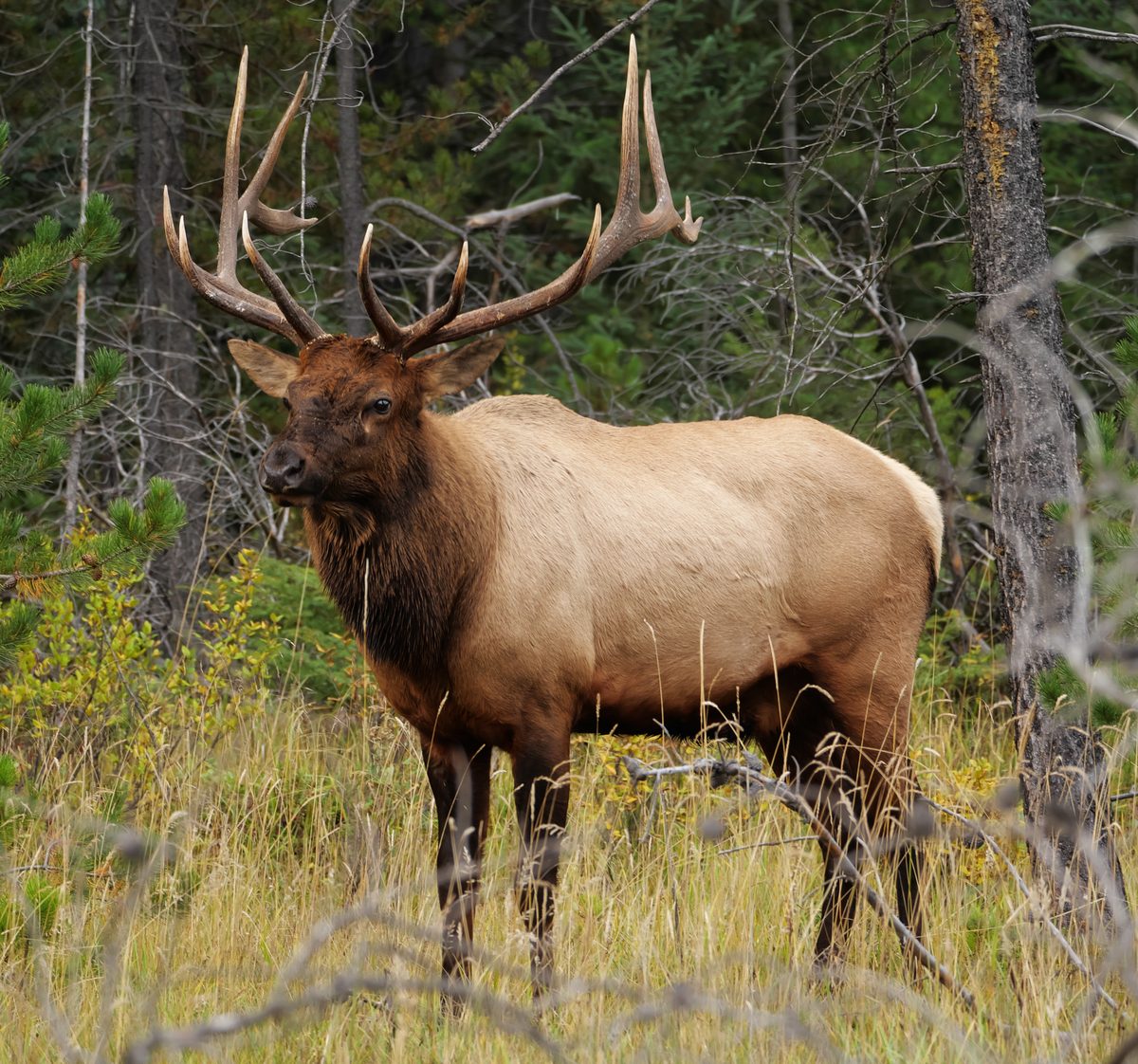
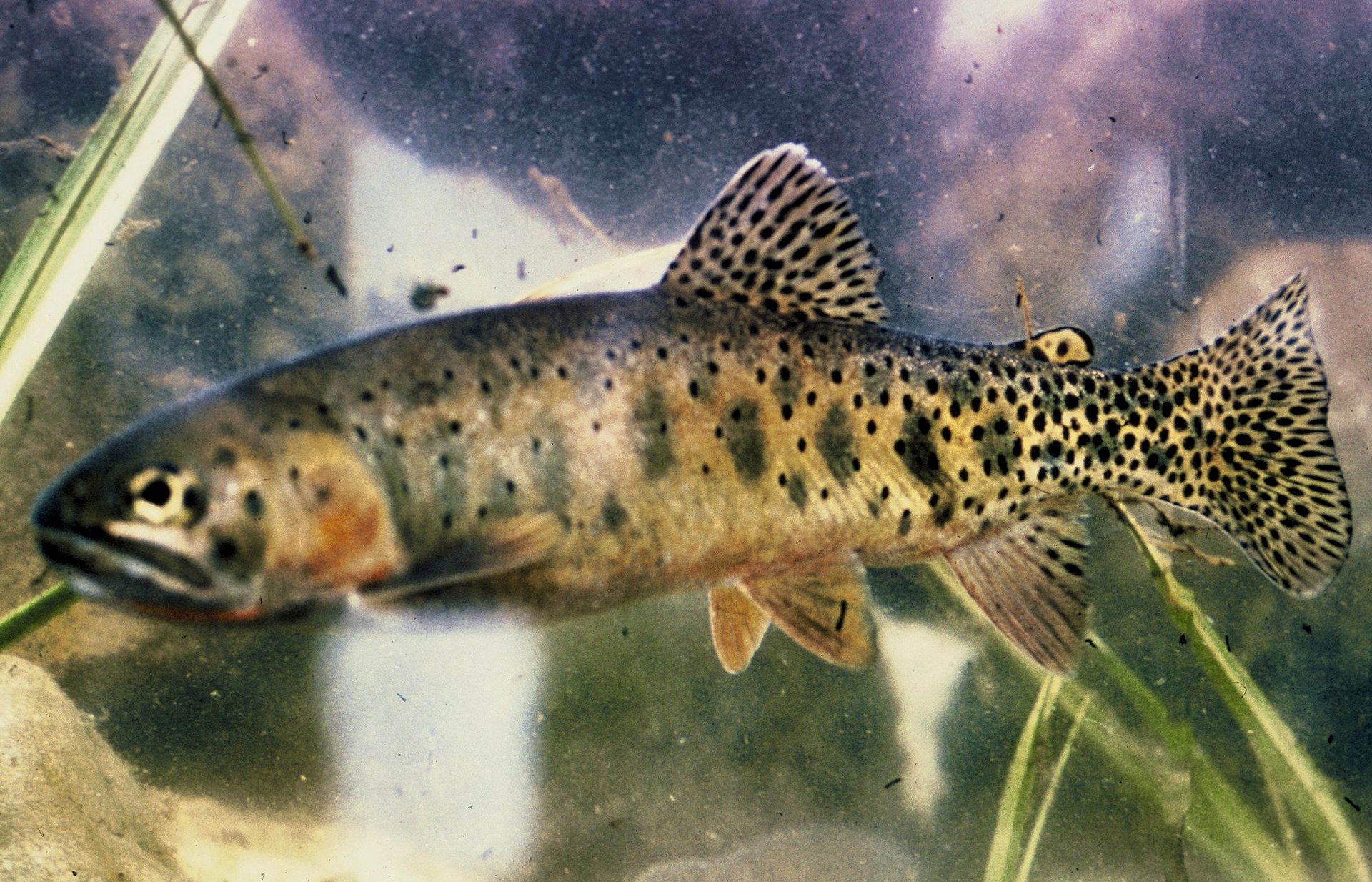
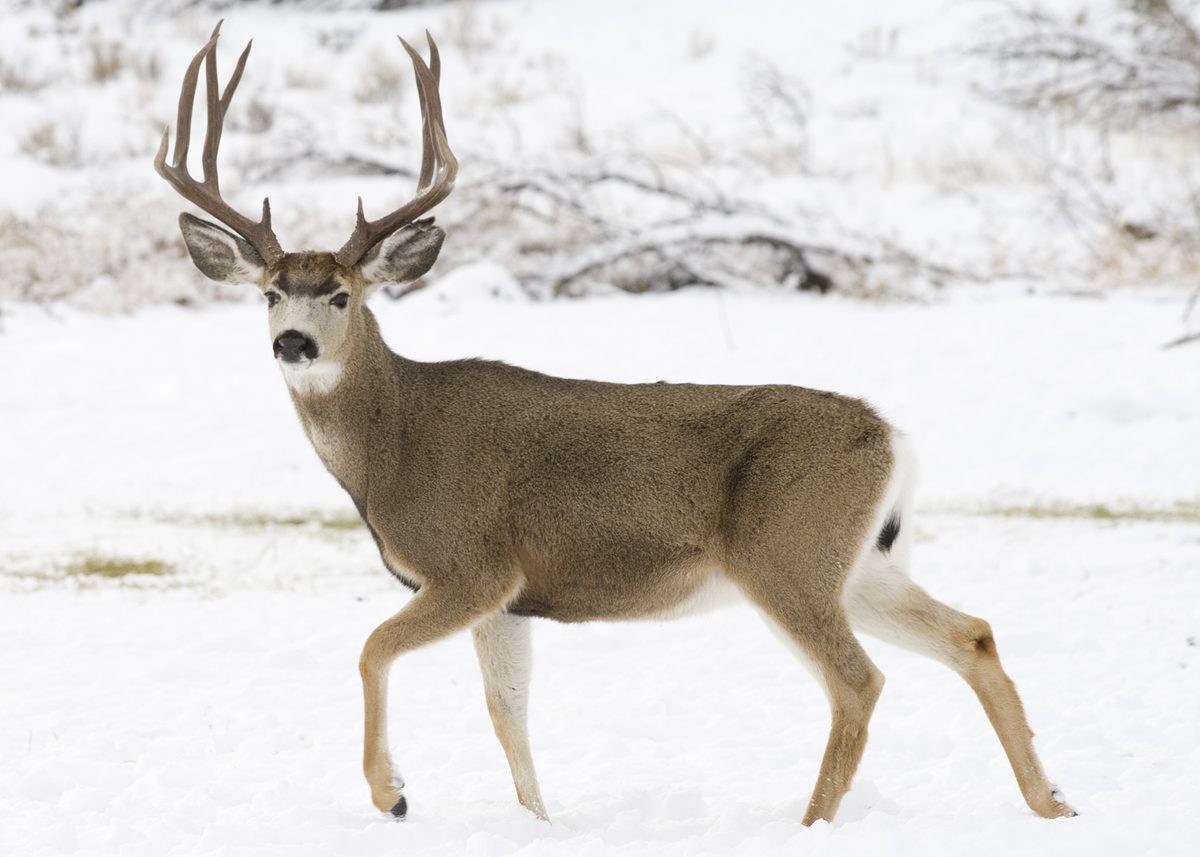
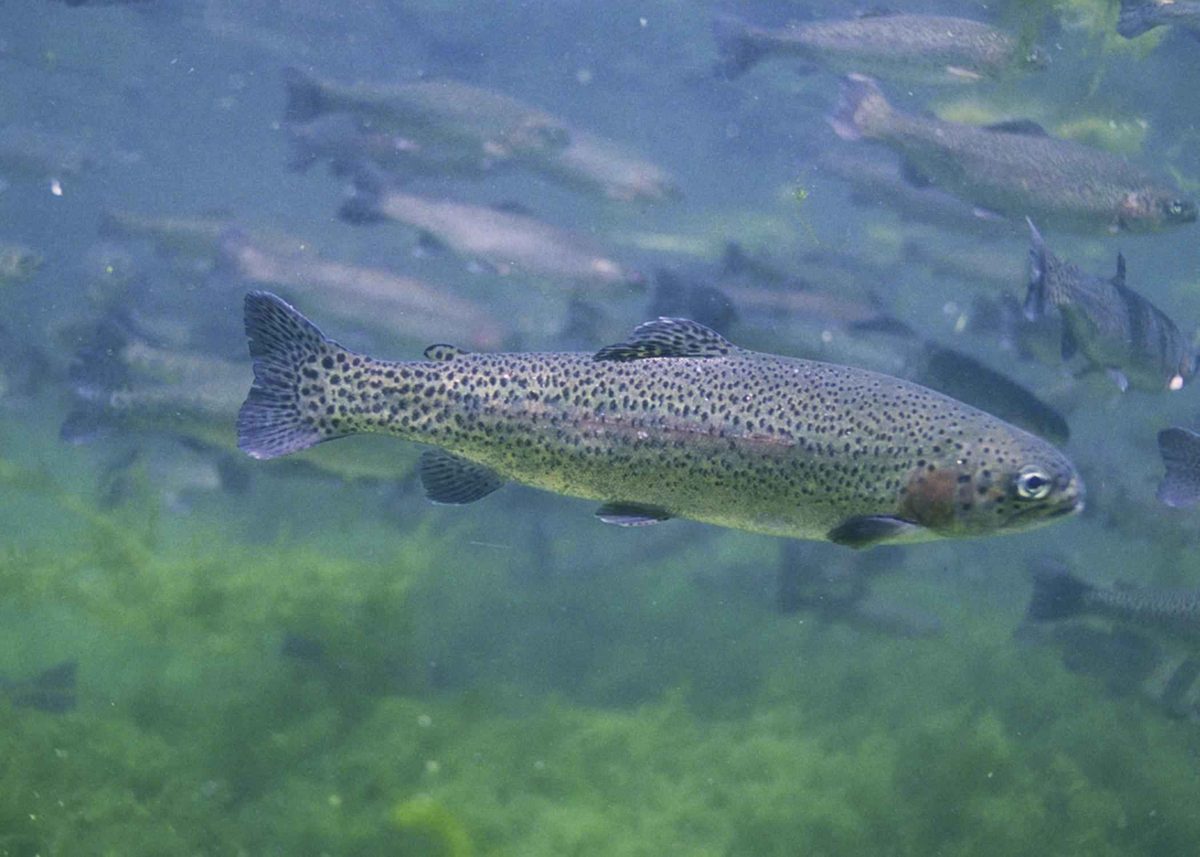
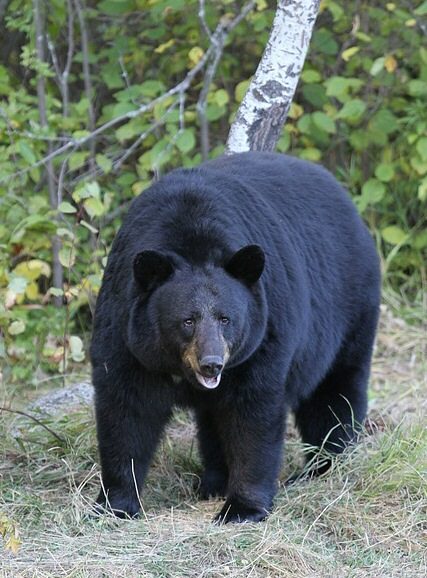
Animals around Three Sisters Wilderness



Maps, GPS & compass for this trip
Carry a waterproof paper map and a compass you can steer by, and treat the GPS as the backup — not the other way round. Buying links go to Amazon; Wild10 earns a commission at no cost to you.
Waterproof topo maps
- Waterproof topographic map — Three Sisters WildernessAmazon search for waterproof, tear-resistant topo maps covering this area.
- National Geographic Trails IllustratedThe waterproof Trails Illustrated series — check for a sheet covering this area.
- Waterproof map case & compass lanyardKeep a paper map readable in rain, spray and a swamped boat.
Fishing at Three Sisters Wilderness
Planning to fish Three Sisters Wilderness, Oregon? Fishing licenses, open seasons and catch limits in Oregon are set by the local wildlife authority and change every year — check the official source before you cast a line.
Do I need a fishing license at Three Sisters Wilderness?
- A Oregon fishing license is normally required for anyone over the local youth age.
- Read the current Oregon fishing regulations for special waters, barbless-hook or catch-and-release rules.
- Clean, drain and dry boats and gear between waters to stop invasive species.
- Three Sisters Wilderness may add its own fishing rules on top of Oregon law — check the managing agency too.
Hunting near Three Sisters Wilderness
Thinking about hunting Three Sisters Wilderness, Oregon? Hunting seasons, tags and draws in Oregon are set by the wildlife authority each year. Confirm the rules for your species and unit before you go.
Is hunting allowed at Three Sisters Wilderness?
- Hunting is prohibited or heavily restricted in many national parks, wilderness and protected areas — confirm with the Three Sisters Wilderness land manager before planning a hunt, and look to surrounding public land.
What do I need to hunt in Oregon?
- A Oregon hunting license — most jurisdictions also require hunter education certification.
- Species tags or draw results for big game such as deer, elk, moose or bear where they occur.
- Knowledge of firearm and bow transport rules, which differ by land type and border crossing.
Three volcanic peaks in the Oregon Cascades
Three Sisters Wilderness lies around a closely spaced group of volcanic peaks in Oregon’s Cascade Range, at the boundary of Lane and Deschutes counties and the Willamette and Deschutes national forests. North Sister, Middle Sister, and South Sister each rise above 10,000 feet; together, they are Oregon’s third-, fourth-, and fifth-highest peaks. The mountains sit about 10 miles south of Sisters, the nearest town. That proximity is useful geographic context, not a measure of the drive or walk to a climbing route. Treat the wilderness as a mountain destination rather than a single attraction with one entrance. A practical trip plan starts with a specific objective, then establishes the appropriate access, current conditions, and equipment for that outing.
Climbing, scrambling, and mountain conditions
Climbing and scrambling are established activities on the Three Sisters, with South Sister particularly popular. Popularity alone is not a useful measure of difficulty, and the three peaks should not be treated as interchangeable objectives. Their high elevations, frequent snowfall, occasional rain, and strong seasonal temperature differences make conditions central to planning. Choose an outing that fits the party’s mountain experience, and check the forecast and current snow conditions before committing to an ascent. Carry clothing for cold and wet weather, along with navigation tools and the equipment required by the chosen route. Build room into the plan to turn around if conditions exceed the group’s skills. Confirm access and any permit requirements with the managing national forests before departure.
Distinct geology and a living landscape
Although the Three Sisters are commonly discussed as one group, each mountain has its own geology and eruptive history. North Sister and Middle Sister have not erupted in the last 14,000 years, and future eruptions from either are considered unlikely. South Sister last erupted about 2,000 years ago and could erupt again. Ground inflation detected near South Sister in 2001 led the United States Geological Survey to improve monitoring in the immediate area. This volcanic setting also supports diverse plant and animal life, so a visit involves more than the summit landscape. Keep wildlife at a distance and avoid damaging vegetation while traveling or resting. For trip decisions, distinguish long-term volcanic history from current conditions: consult current agency information rather than assuming either danger or safety from the age of a mountain’s last eruption.
Route options
- South Sister climbing objective
South Sister is particularly popular for climbing and scrambling. This is a mountain objective rather than a specified route; establish the exact approach, terrain requirements, and current conditions before attempting an ascent.
- Three Sisters scrambling objectives
The mountain group offers scrambling objectives, but a particular line or traverse is not specified here. Choose a peak and verify a suitable route rather than treating the closely spaced mountains as one continuous outing.
Sample itineraries
- Three Sisters Wilderness day outing · 1 day
Plan a day in Three Sisters Wilderness around current conditions and the group's abilities. Choose an established route after confirming access with the managing national forest. Keep the objective flexible: these volcanic mountains experience frequent snowfall, occasional rain, and large seasonal temperature differences.
- South Sister climbing objective · 2 days
Use the first day to check conditions, confirm access, and assess equipment and fitness. Reserve the second for a South Sister climbing or scrambling objective appropriate to the group. South Sister exceeds 10,000 feet; reaching the summit should remain optional.
Seasonal conditions
Spring
Spring; plan around current snow conditions
Frequent snowfall characterizes these mountains. Do not assume spring brings snow-free travel. Check conditions at the elevation of the intended outing and carry protection against cold and rain.
Summer
Summer; verify conditions before climbing
All three peaks exceed 10,000 feet. Do not treat the season alone as evidence of easy mountain travel. Check snow and weather conditions, and pack layers and rain protection.
Fall
Fall; let the forecast guide objectives
The area has extreme temperature variation between seasons, frequent snowfall, and occasional rain. Plan conservatively around the forecast rather than assuming conditions from an earlier visit still apply.
Winter
Winter; assess snow and cold before departure
Frequent snowfall and substantial seasonal temperature differences call for conservative planning. Match the outing to winter skills and equipment rather than carrying a climbing objective forward regardless of conditions.
| Season | Window | Conditions |
|---|---|---|
| Spring | Spring; plan around current snow conditions | Frequent snowfall characterizes these mountains. Do not assume spring brings snow-free travel. Check conditions at the elevation of the intended outing and carry protection against cold and rain. |
| Summer | Summer; verify conditions before climbing | All three peaks exceed 10,000 feet. Do not treat the season alone as evidence of easy mountain travel. Check snow and weather conditions, and pack layers and rain protection. |
| Fall | Fall; let the forecast guide objectives | The area has extreme temperature variation between seasons, frequent snowfall, and occasional rain. Plan conservatively around the forecast rather than assuming conditions from an earlier visit still apply. |
| Winter | Winter; assess snow and cold before departure | Frequent snowfall and substantial seasonal temperature differences call for conservative planning. Match the outing to winter skills and equipment rather than carrying a climbing objective forward regardless of conditions. |
Permits, fees & closures
Confirm current permit requirements and access rules with the Willamette or Deschutes national forest for the intended outing.
Confirm current permits, fees, and closures with the managing agency before you go.
Hazards & regulations
- Frequent snowfall can complicate travel and navigation; check current conditions before selecting an objective.
- Extreme temperature variation between seasons makes clothing and equipment choices important.
- Occasional rain can leave travelers wet and cold without adequate protection.
- Each of the Three Sisters exceeds 10,000 feet. Account for elevation when setting pace and deciding whether to continue.
- Climbing and scrambling require an objective matched to the group's skills, equipment, and current conditions.
- South Sister could erupt again and is monitored by the United States Geological Survey. Check current volcanic information before travel.
What to pack for Three Sisters Wilderness
- Insulating layers appropriate to the forecast
- Waterproof outer layer
- Warm hat and gloves
- Map and navigation tools for the selected outing
- Headlamp
- First-aid supplies
- Food and drinking water
- Footwear suited to current conditions
- Climbing equipment appropriate to the chosen objective
- Snow-travel equipment when conditions require it
Three Sisters Wilderness FAQ
- Where is Three Sisters Wilderness?
- The Three Sisters stand in Oregon's Cascade Range, within Three Sisters Wilderness at the boundary of Lane and Deschutes counties and the Willamette and Deschutes national forests. The peaks are about 10 miles south of Sisters.
- How high are the Three Sisters?
- North Sister, Middle Sister, and South Sister each exceed 10,000 feet. Together, they are Oregon's third-, fourth-, and fifth-highest peaks.
- Is South Sister a climbing destination?
- Yes. The mountains, particularly South Sister, are popular for climbing and scrambling. Popularity does not establish route difficulty or suitability; confirm the demands and conditions of a specific objective before committing.
- Are the Three Sisters active volcanoes?
- Each mountain has a distinct eruptive history. North Sister and Middle Sister have not erupted in the last 14,000 years and are considered unlikely to erupt again. South Sister last erupted about 2,000 years ago and could erupt in the future.
- What weather should a trip plan account for?
- Expect planning to account for frequent snowfall, occasional rain, and extreme temperature variation between seasons. Check a forecast relevant to the intended elevation and adjust objectives to conditions.
- Who should confirm access and permit requirements?
- Contact the Willamette or Deschutes national forest, depending on the intended outing. Confirm current requirements before finalizing the plan.