Skip to content
Wild10
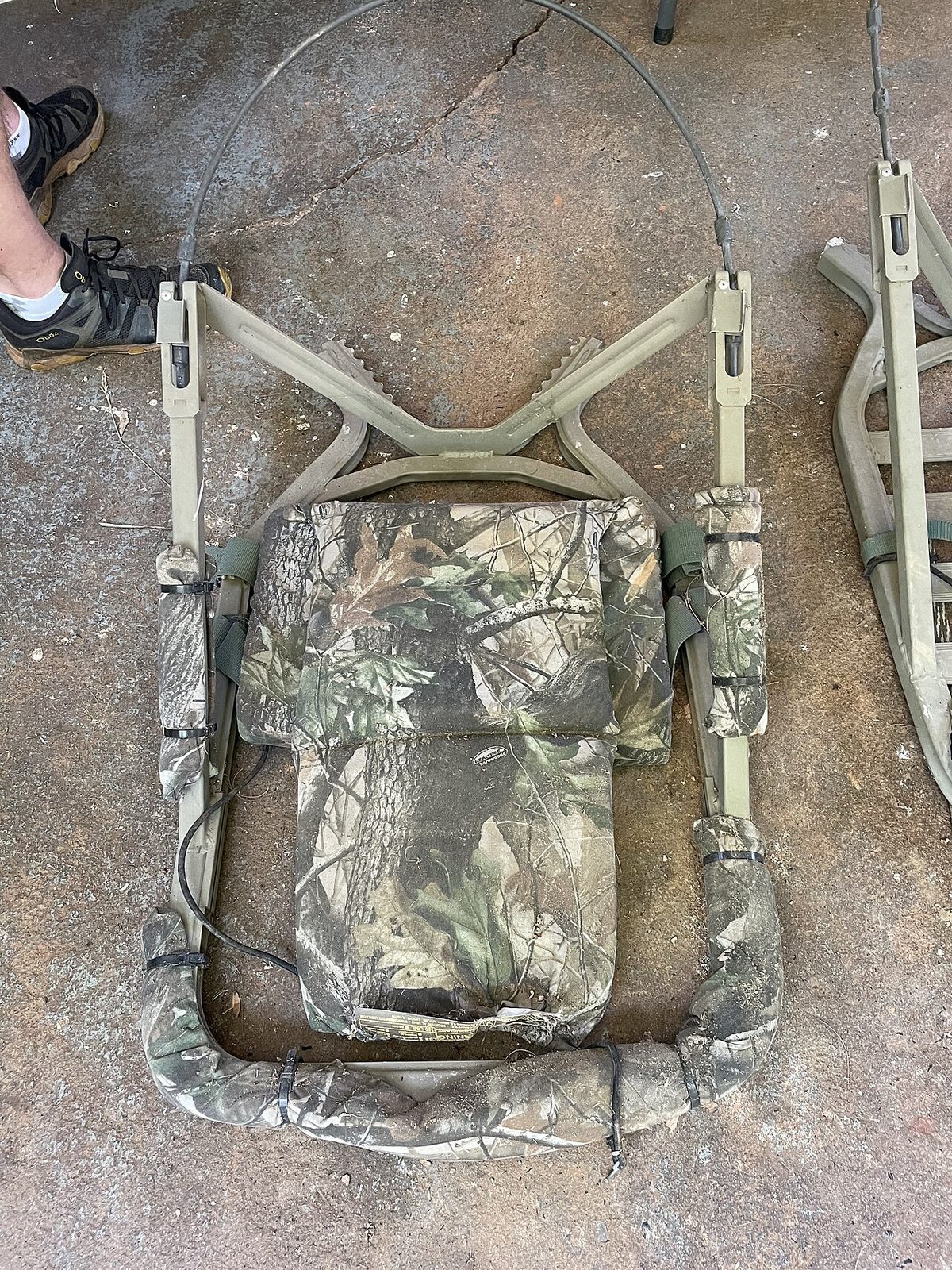
Camouflage tree stand set in hardwood timber

Hunting · Turkey · Camo

Turkey Hunting Camo

Turkeys see color and detect movement better than any game animal you hunt. Your camo choices should follow from that, not from a catalog.

Wild turkeys have excellent color vision — including some ultraviolet sensitivity — and a nearly 300-degree field of view. They resolve detail and movement at distances that would be a blur to you.

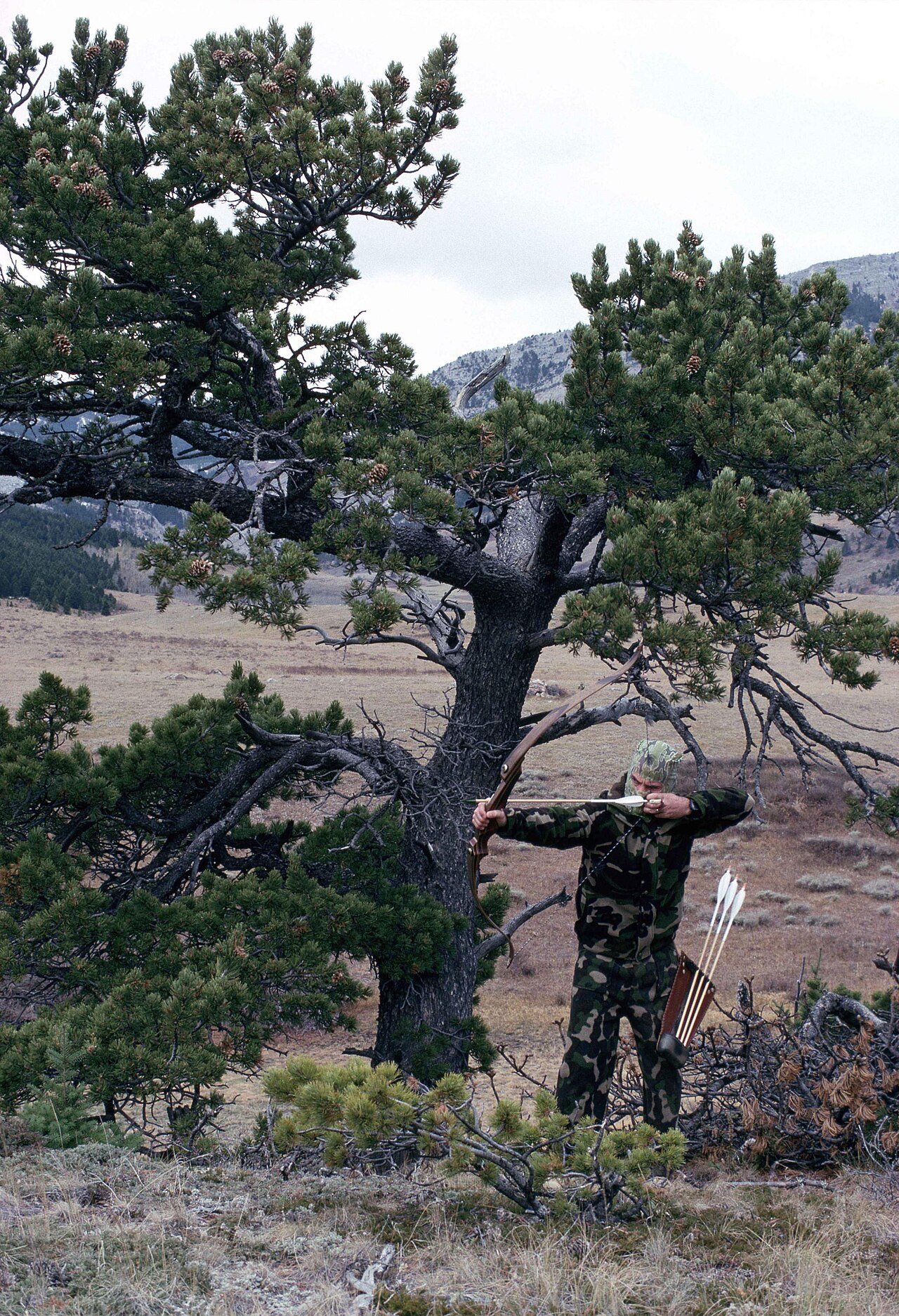
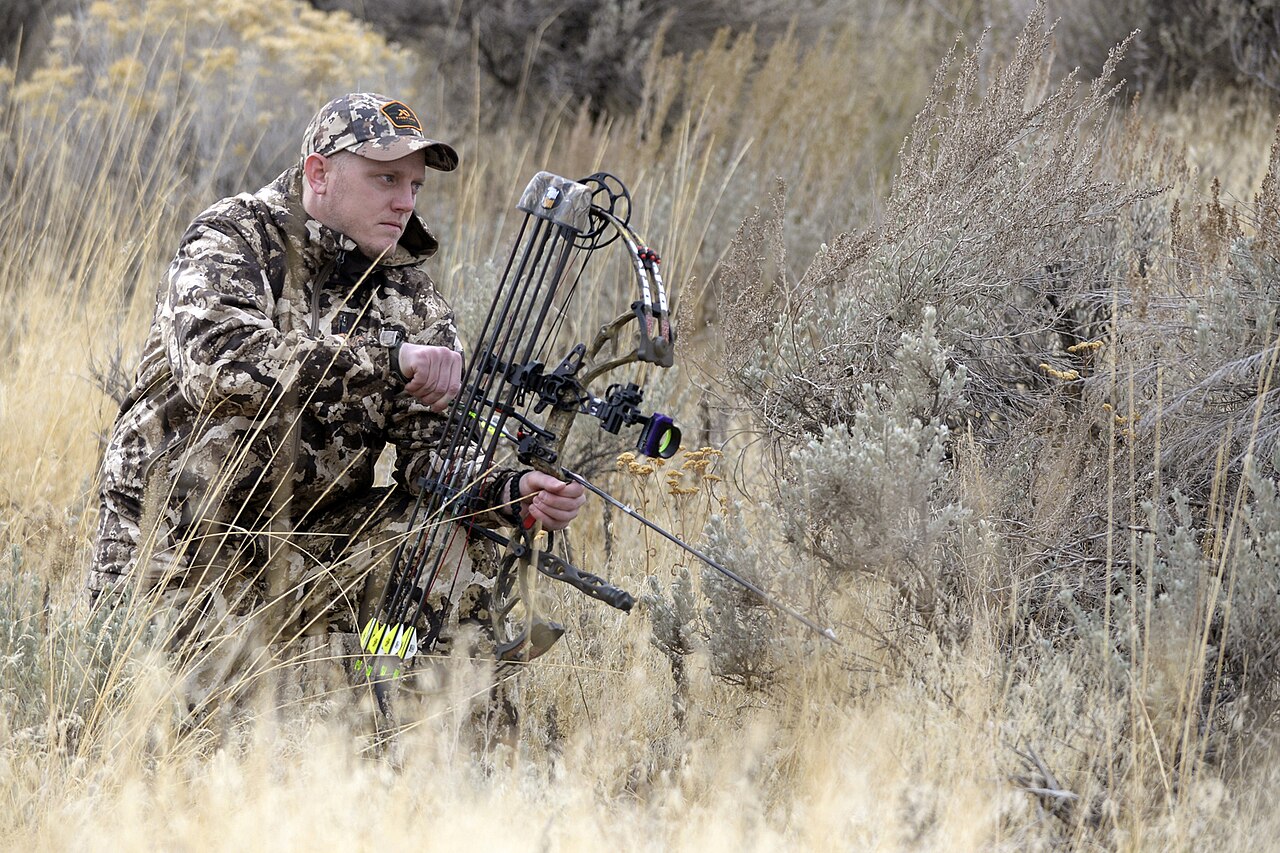
That means two rules: break up your outline with a pattern that matches the actual background, and cover the parts of you that move and shine. A hunter in perfect camo who waves a bare hand is busted; a hunter in old plaid who never moves often is not.

Camo does not replace stillness, and blaze orange is a legal requirement in some states and situations. Read your state's rules — safety comes before concealment every time.

Turkey field of view
~300 degrees
Color vision
Yes, incl. some UV
Must cover
Face and hands
Never wear
Red, white, blue

01

Never wear red, white, or blue in the turkey woods

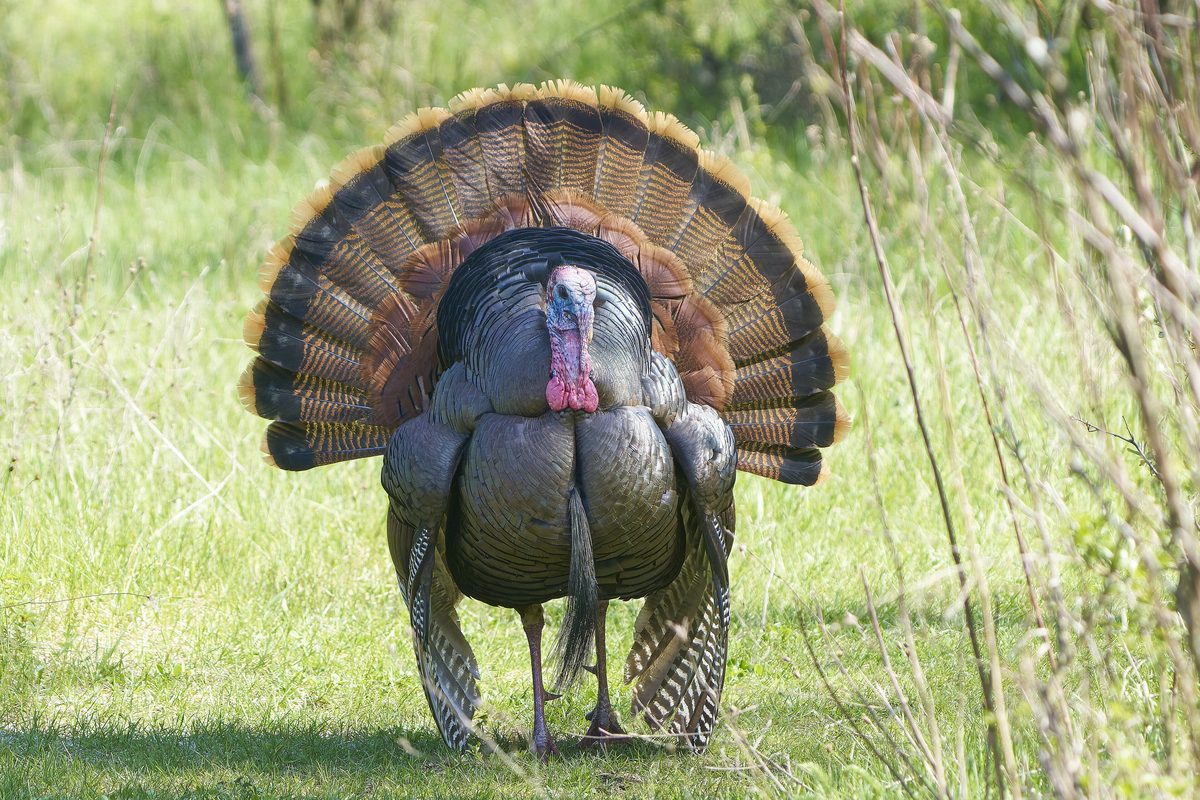
A gobbler's head displays red, white, and blue. Those three colors on a hunter are what a careless shooter is scanning for, which makes them the most dangerous thing you can wear during turkey season — including on a t-shirt under a jacket, on a hat logo, or on a water bottle sticking out of a vest pocket.

This is also why many experienced hunters wrap a strip of blaze orange around the tree they are sitting against, and always carry a blaze orange hat or vest to wear while walking in and out and while carrying a harvested bird.

Never stalk a gobble. The sound you are stalking is very often another hunter calling. Sit, call, and let birds come to you — the entire sport is built around that rule for a reason.


02

Choosing a pattern for your country

Hardwood timber

Vertical, high-contrast

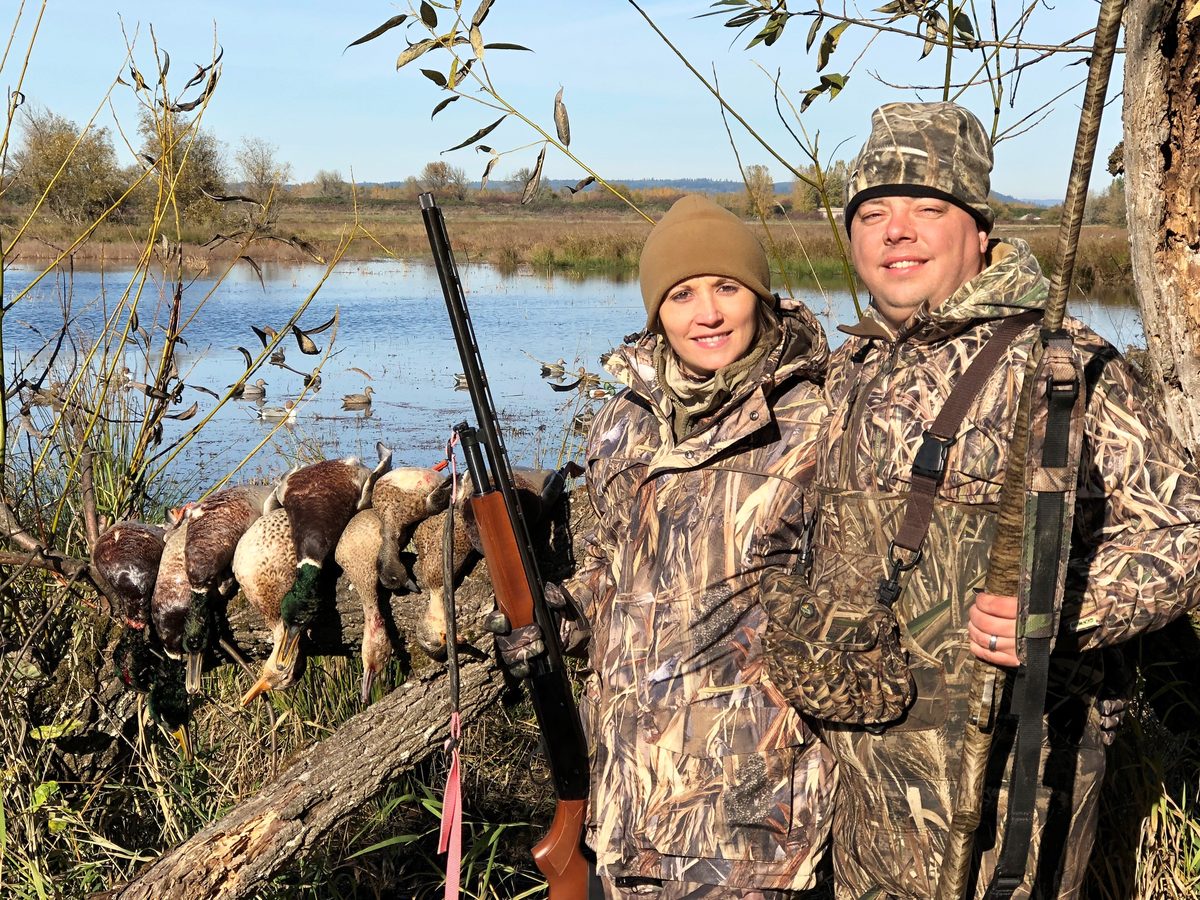
Bare-tree patterns with strong vertical elements and real branch shapes break up a seated human against a trunk. Early-spring hardwoods have little green, so green-heavy patterns stand out.

  • Vertical trunk elements
  • Grey and brown dominant

Green spring foliage

Leafy

Late-season southern woods are fully leafed out. Leaf-based patterns with mid-green and shadow blacks disappear where bare-tree patterns start to glow.

  • Mid-green base
  • Match the season, not the brand

Field edges and CRP

Grass patterns

Tall dead grass and stubble call for straw and tan patterns with vertical stem structure. Timber patterns look like a dark blob in a light field.

  • Tan and straw base
  • Vertical stems

Inside a blind

Solid black

Camo is irrelevant inside a blind; contrast is everything. Wear solid black including gloves and face cover, and keep only two windows open so you never become a silhouette.

  • Black beats camo in a blind
  • Close the back windows

Face and hands

Non-negotiable

A face mask or paint and thin camo gloves matter more than every other garment combined, because skin is bright, shiny, and attached to the parts of you that move.

  • Mask or paint
  • Thin gloves you can call through

Boots and legs

Often forgotten

A bird approaching from the side sees your legs first. Match the pattern to leaf litter, and avoid glossy rubber boot uppers that flash in low-angle morning light.

  • Matte finishes only
  • Leaf-litter tones on the lower half

03

Setting up so camo can do its job

  1. 1Sit against a tree wider than your shoulders — it breaks your outline and protects your back from another hunter.
  2. 2Put your back in shade, not sun. Shadow does more concealment work than any pattern.
  3. 3Clear leaves and sticks from a small area so shifting your weight later is silent.
  4. 4Set your gun up on your knee pointing where you expect the bird before he arrives. Raising a gun is the movement that ends hunts.
  5. 5Keep your head still and move only your eyes. Turkeys pick up head rotation at 100 yards.
  6. 6If a bird catches you mid-movement, freeze completely. Many gobblers relax again if nothing else happens.

Questions

Frequently asked

Does camo pattern really matter for turkeys?
It matters less than stillness and shadow, but it matters more for turkeys than for deer because turkeys see color. Match the general tone of your background and cover your face and hands.
Do I need to wear blaze orange turkey hunting?
Requirements vary by state and often apply while moving, on certain public lands, or in the fall season. Even where it is not required, wearing orange while walking in and while packing out a bird is standard safety practice.
Can turkeys see ultraviolet brighteners in laundry detergent?
Turkeys have UV-sensitive vision, and brighteners in ordinary detergent make fabric fluoresce. Washing hunting clothes in UV-free detergent is a cheap precaution that costs nothing to adopt.

Also on The Wild10

Fishing Guides

Fish identification, the knots that hold, lure selection by conditions, and the habits that fill a stringer.

Open the fishing hub →
Fly angler casting on a clear northern river