Hunting · Turkey · Spring vs Fall
Spring vs Fall Turkey Hunting
Spring is calling a gobbler to the gun. Fall is breaking up a flock and calling it back together. The tactics barely overlap.
Spring turkey hunting works because a gobbler will walk to a hen. Fall turkey hunting works because a scattered flock desperately wants to be a flock again. Everything else — the calls, the setups, the decoys, the legal birds — follows from that one difference.
In spring you are imitating a receptive hen and asking a breeding tom to make the last 100 yards himself. In fall you are locating a flock, deliberately scattering it, sitting down at the break site, and imitating the lost birds trying to regroup. A spring hunter who runs spring yelps at a fall flock usually watches turkeys walk away.
Most states run a spring season restricted to bearded birds and a shorter fall season that may allow either sex. Bag limits, legal hours, and whether decoys or dogs are allowed vary sharply between the two — always read your state's current regulations before the hunt.
- Spring target
- Bearded birds
- Spring key call
- Hen yelp + cutting
- Fall tactic
- Scatter and regroup
- Fall key call
- Kee-kee run
01
Spring and fall side by side
The same bird, two entirely different behavioral problems.
| Spring | Fall | |
|---|---|---|
| Bird's motivation | Breeding — a tom seeks hens | Flock security — birds seek each other |
| Legal bird (typical) | Bearded birds only | Either sex in many states |
| Primary call | Hen yelps, cutting, purrs | Kee-kee run, lost yelp, assembly yelp |
| Setup | Between roost and strut zone | At the scatter site, within an hour of the break |
| Decoys | Very effective (jake + hen) | Rarely used, sometimes illegal |
| Best time of day | First two hours of light | Midday through afternoon after a break |
| Typical shot distance | Inside 40 yards | Inside 30 yards |
02
How to hunt a fall flock
Fall hunting is a two-part hunt: find and break the flock, then be the most convincing lost bird at the break site.
- 1Locate a flock by scouting food — oak flats dropping acorns, standing corn edges, and green pasture in the last hours of daylight.
- 2Approach and deliberately scatter the birds so they fly in several directions. A flock that runs off together in one direction has not been broken and will not come back.
- 3Sit down within 20 yards of the break site, back against a tree wider than your shoulders, and wait a full 15 minutes in silence.
- 4Start with soft kee-kee runs — the whistled, three-note lost call of a young bird — every 5 to 10 minutes.
- 5If you broke a flock of hens and poults, use kee-kees and lost yelps. If you broke a gobbler group, use slow, coarse gobbler yelps and be patient; they regroup much more slowly.
- 6Stay for at least two hours. Fall regrouping can take 20 minutes or half a day.
03
Which season should a new turkey hunter start with?
Start in spring. A gobbling bird tells you where he is, what he thinks of your calling, and whether he is coming — feedback you simply do not get in the fall woods. That feedback loop is how calling skill is built.
Spring also has the advantage of predictable daily structure: birds roost, gobble at first light, fly down, and strut. You can plan a morning around it. Fall birds move on food and weather, and a hunt can be over before you find a flock.
Once you can call a spring gobbler inside 40 yards, fall hunting becomes the more interesting challenge. It rewards woodsmanship — reading sign, covering ground, and reacting fast — far more than call quality.
Questions
Frequently asked
- Can I shoot a hen in the spring?
- In nearly every state, no. Spring seasons are limited to bearded birds specifically to protect nesting hens. A small percentage of hens grow beards, which is why the rule is written around the beard and not the sex.
- Why do turkeys stop gobbling in late spring?
- Once most hens are on nests, toms are often henned up at first light and gobble less. Hunt later in the morning — between 9 a.m. and noon, hens leave to sit their nests and lonely gobblers become far more callable.
- Is a fall turkey worse to eat?
- No — fall birds, especially young-of-the-year jakes and jennies, are usually the best table turkeys of the year because they have been feeding on acorns and grain rather than running themselves ragged breeding.
Every hunting guide
Hunting Hub
Where every hunting guide on The Wild10 starts.
Types of Game
Big game, small game, upland birds, and waterfowl — habitat and season.
Big Game
Deer, elk, moose, bear, hog and sheep — where to hunt, tags, and what to expect.
Small Game & Birds
Turkey, pheasant, grouse, quail, ducks, geese, rabbits, squirrels and predators.
Deer Hunting by State
All 50 states — seasons, tags, laws, public land and tactics.
Species Finder
Search every species and filter by tracks, droppings and sign, harvest, or skinning.
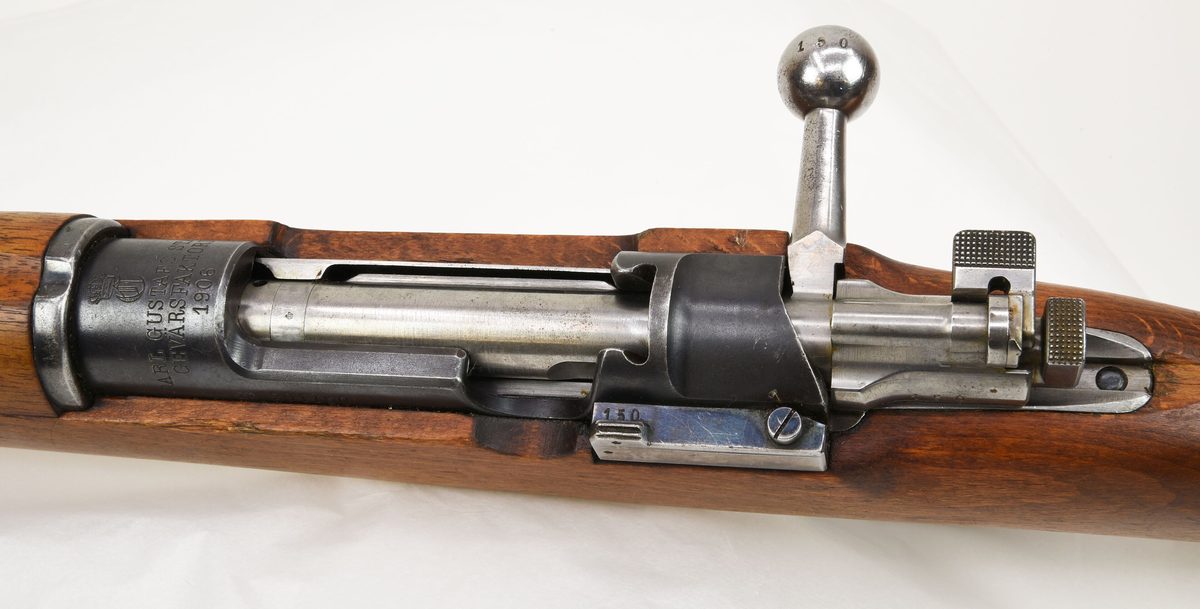
Rifle Hunting
Cartridges, zero, field positions, wind, and shot placement.
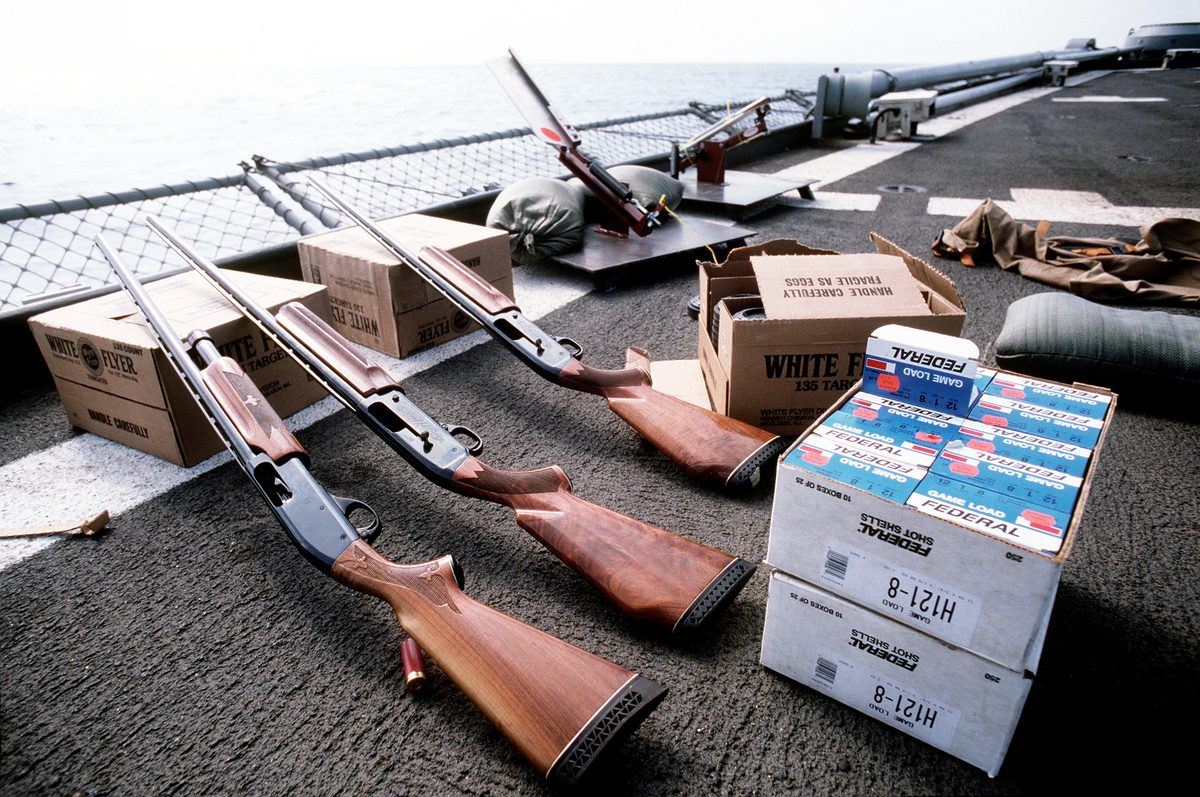
Shotgun Hunting
Gauges, chokes, shot size, and lead for birds and slug country.
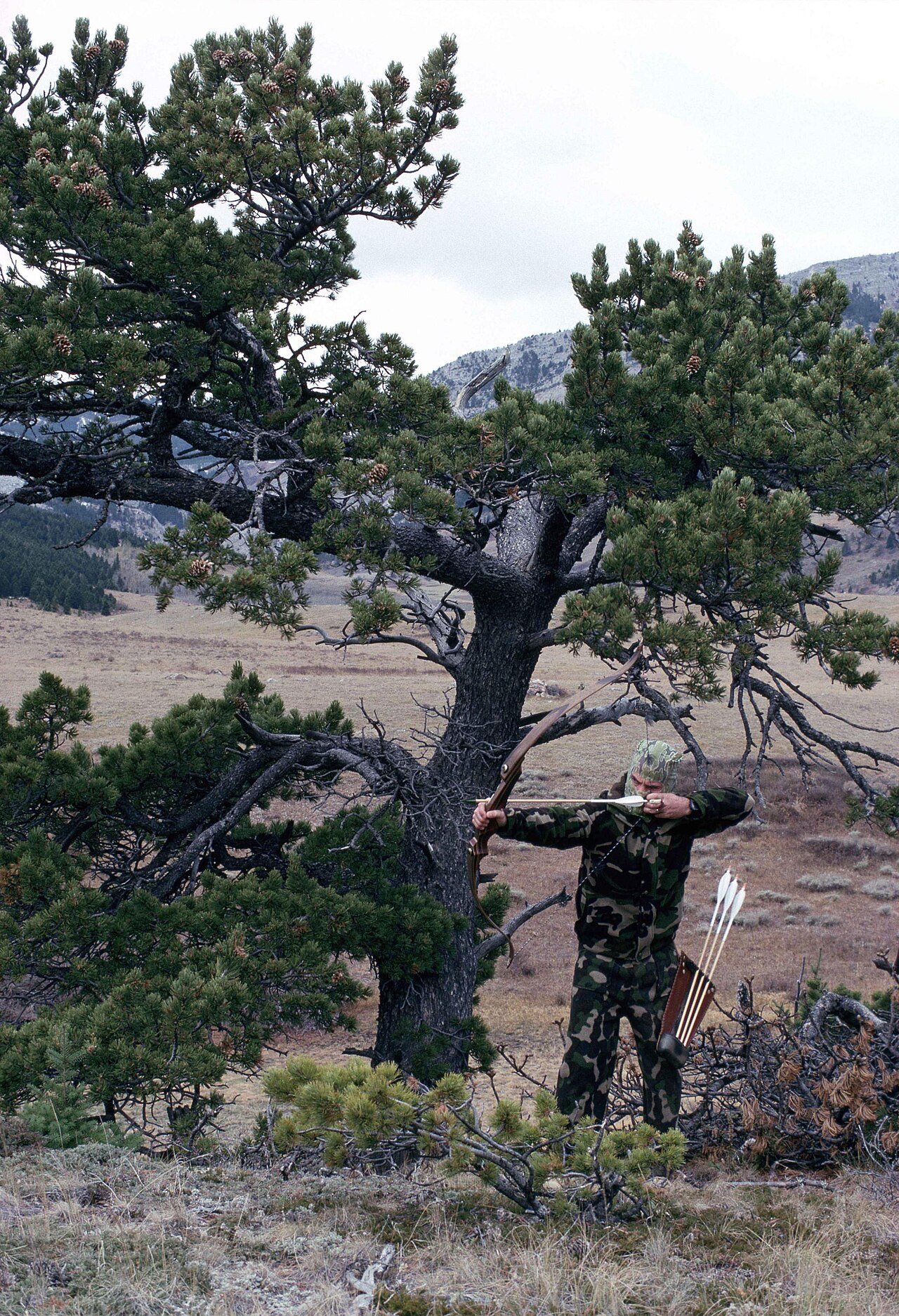
Recurve & Traditional Bow
Instinctive shooting, draw weight, arrow spine, and close-range craft.
Traditional Archery Hub
Eleven recurve and longbow guides: form, aiming, spine, tuning, and building tackle.
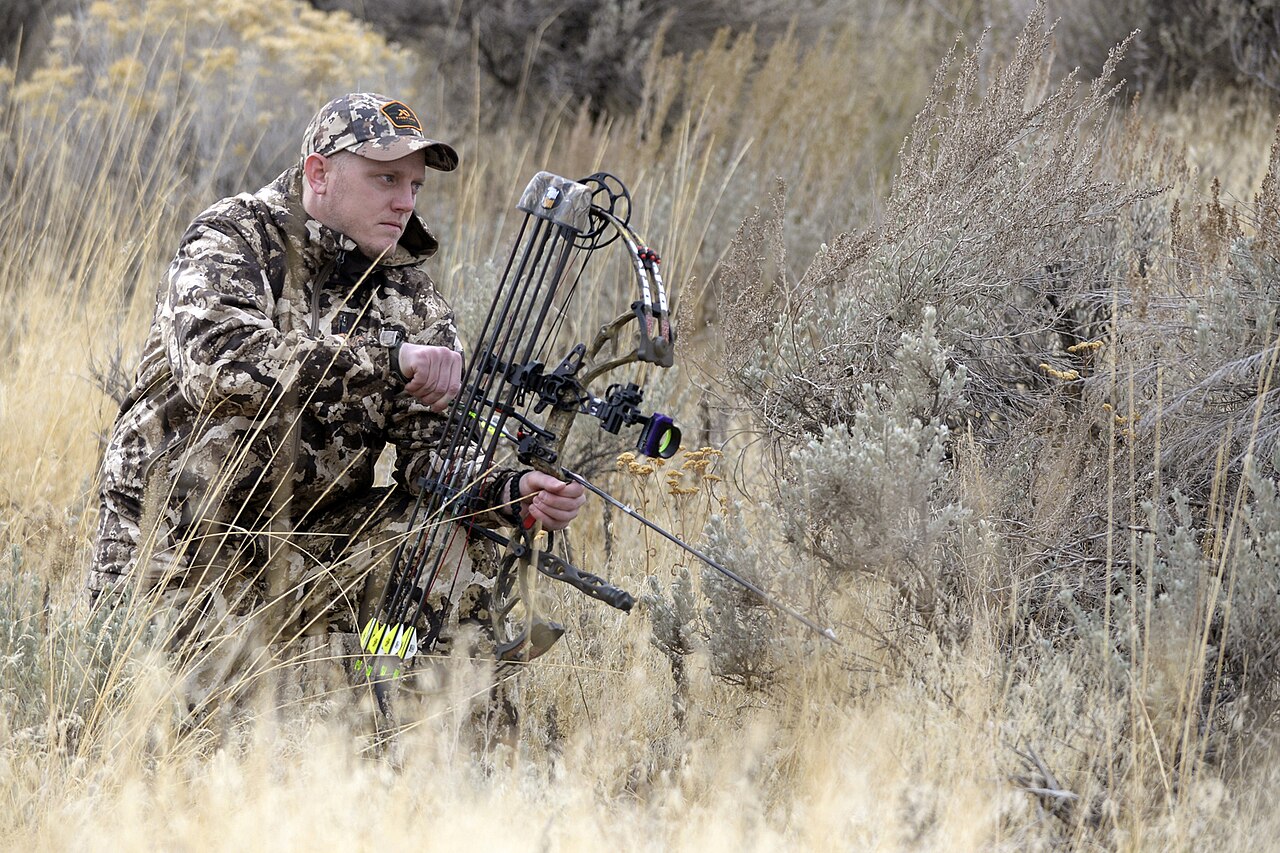
Compound Bow Hunting
Draw length, sight and rest setup, broadhead tuning, and shot process.
Hunting Tips
Wind discipline, stand placement, blood trailing, and meat care.
Keep going
Related reading
Turkey Hunting Hub
All nine turkey guides in one place, in reading order.
Read →Turkey Choke Picker
Pick a choke and shot size for your gauge and maximum range.
Read →Shotgun Hunting
Gauges, chokes, and patterning across every bird species.
Read →Small Game & Birds
Every upland bird and small game species profile.
Read →Wild Game Recipes
Cooking wild turkey breast, thighs, and legs.
Read →Top 10 lists
Best in category: hunting gear
Ranked picks with real product photos, specs, and editor notes — the buying side of everything covered in these guides.
Best Turkey Vests
Sitka and the rest: kickstands, call storage, all-day carry.
See the ranking →Best Turkey Calls
Mouth, slate, and box calls that hold pitch in the woods.
See the ranking →Best Turkey Ground Blinds
Mobile blinds with the room to draw a bow undetected.
See the ranking →Best Turkey Arrows & Broadheads
Expandables and decapitators built for a bird's vitals.
See the ranking →Best Softshell Jackets
Quiet, wind-blocking shells for spring and early season.
See the ranking →Best Hunting Pants
Softshell and brush pants that move quiet and shed weather.
See the ranking →Also on The Wild10
Fishing Guides
Fish identification, the knots that hold, lure selection by conditions, and the habits that fill a stringer.
Open the fishing hub →