Skip to content
Wild10
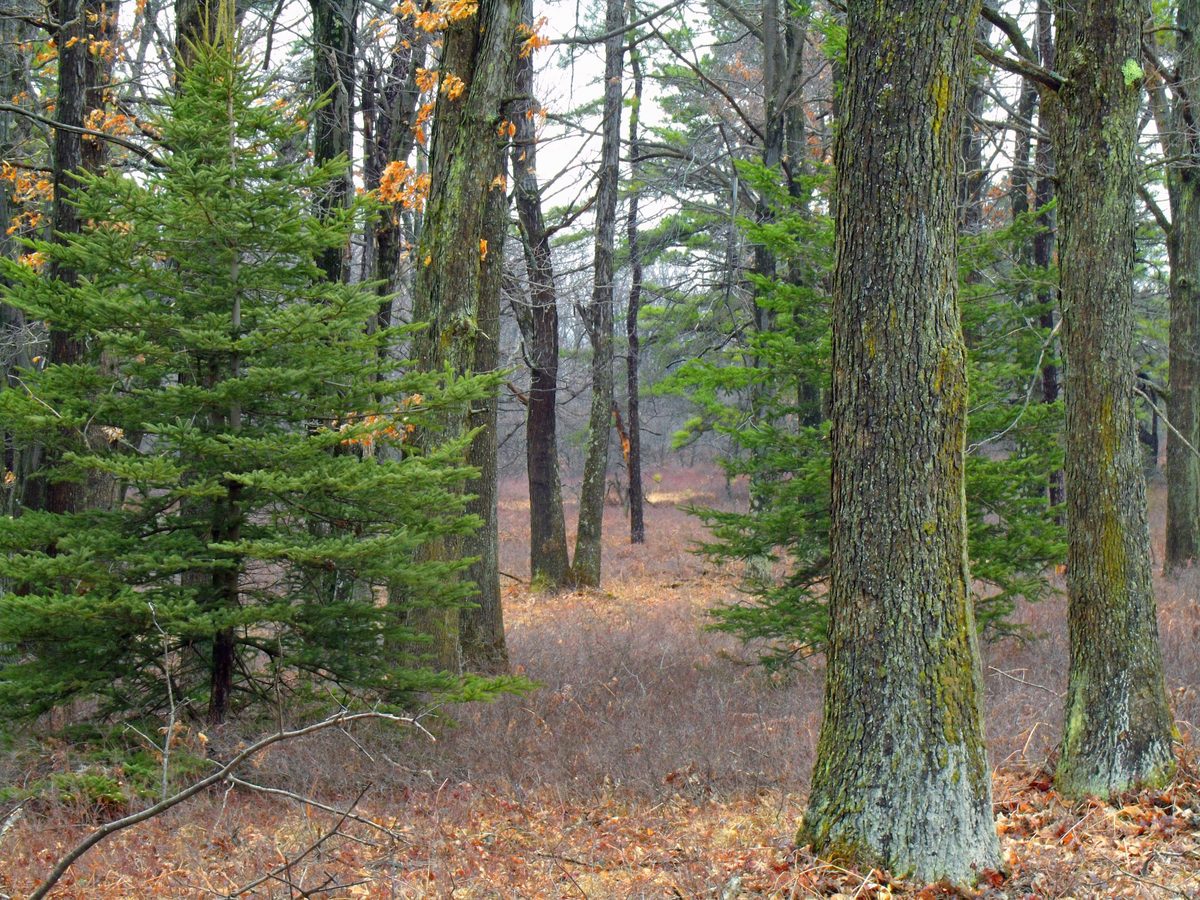
Hardwood forest in peak autumn color

Hunting · Turkey · Finding Birds

Finding Turkeys

You cannot call a bird that is not there. Scouting is the part of turkey hunting that decides the outcome before opening day.

Turkey hunting failure is usually a location problem disguised as a calling problem. Birds that hear a perfect yelp from 600 yards away, in the wrong drainage, do not come.

Find three things and you have a huntable property: where turkeys sleep, where they land and strut in the morning, and where they feed at midday. Everything you do on opening morning is an attempt to be sitting between two of those three.

Scouting is quiet work. Calling to birds in the week before the season teaches them your calls, teaches them where hunters sit, and costs you the hunt you were preparing for.

Best scouting hour
Last 30 min of light
Roost clue
Wing-tip drag marks
Gobbler dropping
J-shaped, 3/4 inch
Scratch direction
Points where they went

01

Turkey sign and what it tells you

Sign is dated information. Learn to age it and you can reconstruct a flock's daily routine without ever seeing a bird.

Scratchings

Feeding sign

Leaf litter raked back to bare dirt in patches the size of a dinner plate. Fresh scratchings have dark, damp soil and unbleached leaf edges. Turkeys scratch backwards, so the open, cleared side of the patch points in the direction the flock was traveling.

  • Fresh = dark damp soil
  • Cleared side points the way they went

Droppings

Sex and freshness

Gobbler droppings are firm and J-shaped or straight; hen droppings are looped or spiral piles. Fresh droppings are moist with a white cap. Concentrations of droppings under big limbs almost always mean a roost tree.

  • J-shape = gobbler
  • Spiral pile = hen

Tracks

Size and age

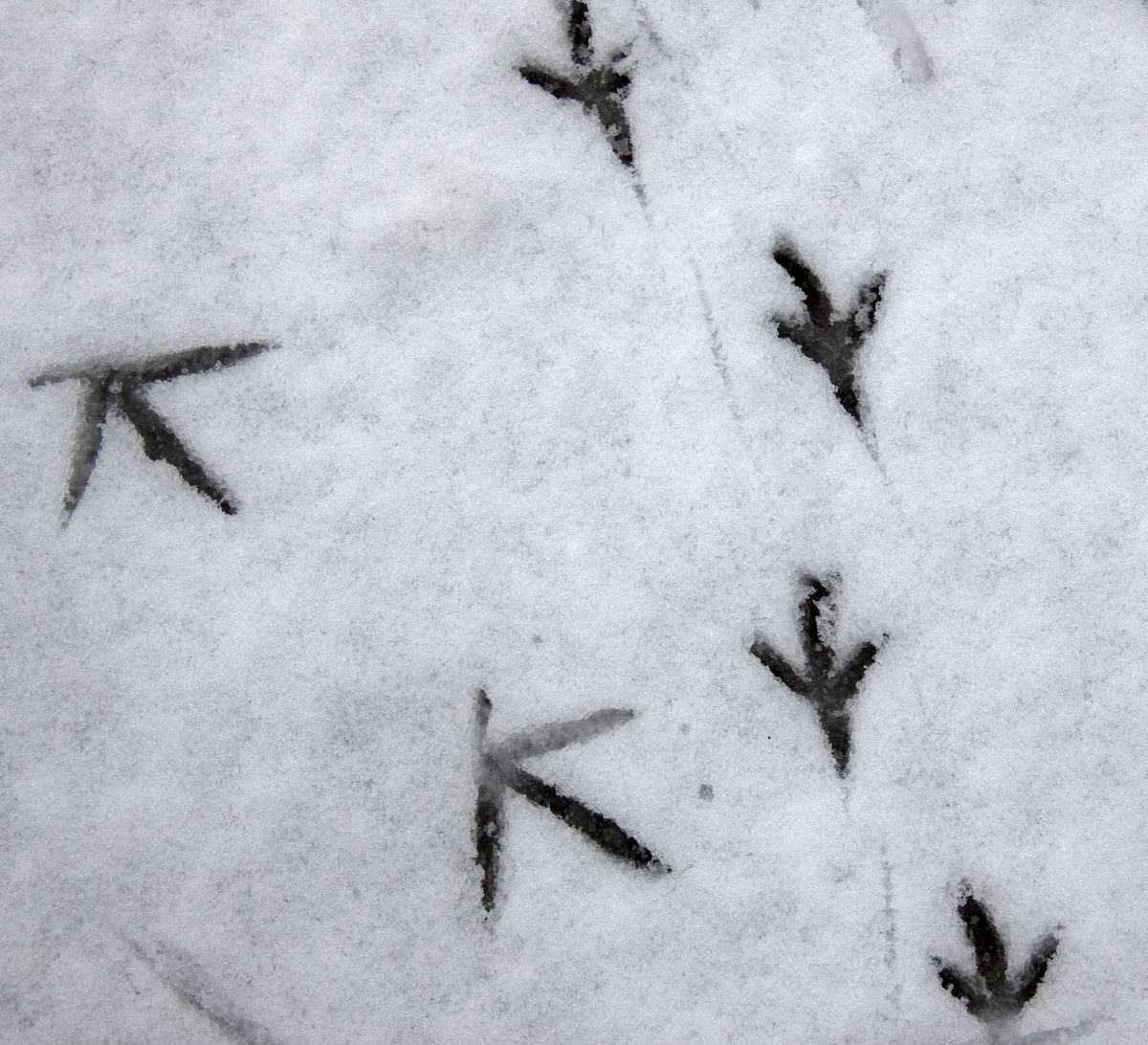
A gobbler's middle toe usually exceeds 2.5 inches; hens run smaller. Look in creek crossings, logging-road mud, and field edges after rain — a rain event resets the record and every track you find afterward is same-day fresh.

  • Middle toe over 2.5 in = likely gobbler
  • Scout roads the morning after rain

Dusting bowls

Midday loafing

Shallow, body-sized depressions of fine dry dirt on south-facing banks, old road beds, and field corners. Turkeys dust in midday warmth, so a fresh bowl with body feathers in it is a place to be sitting at 11 a.m.

  • Look for breast feathers in the bowl
  • Prime midday setup spot

Strut marks

Gobbler zone

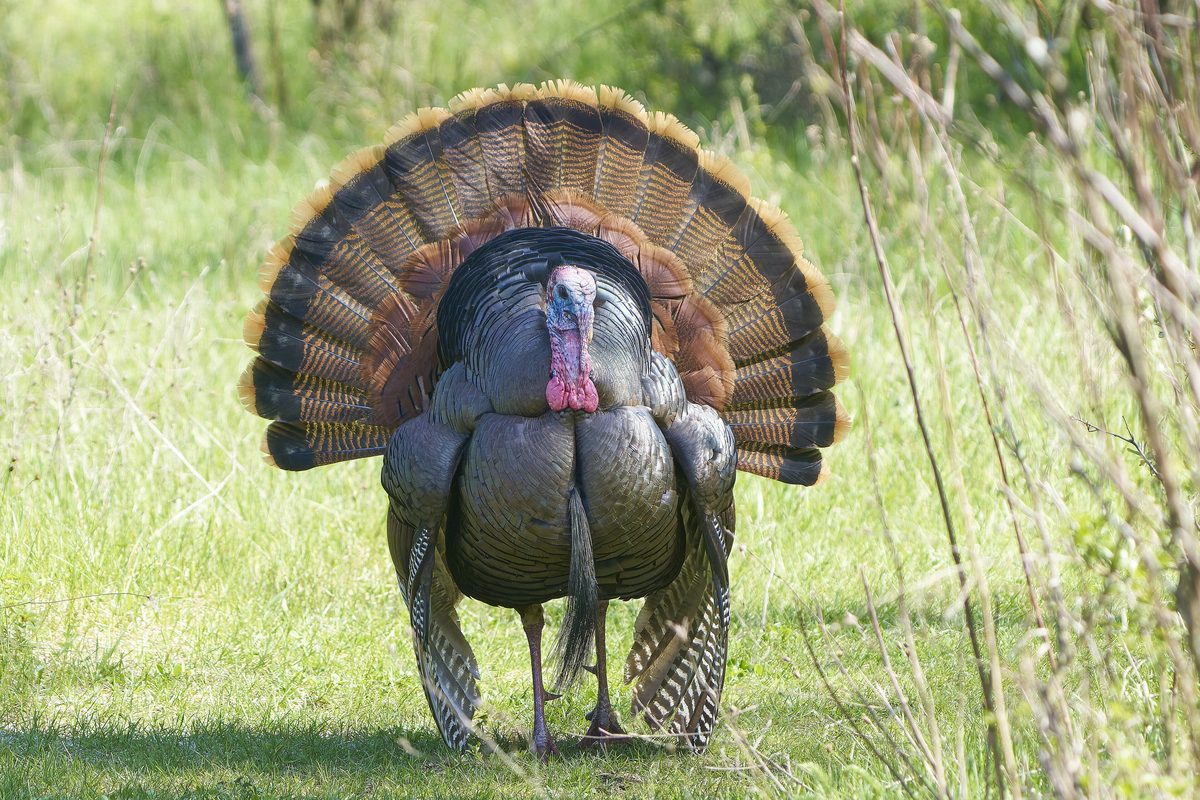
Two parallel lines dragged in dust or soft dirt where a strutting gobbler's wing tips scraped the ground. Strut marks mark a spot a tom returns to, sometimes daily for a whole season.

  • Parallel drag lines
  • Repeat locations — worth a blind

Roost trees

Where the day starts

Large, open-limbed trees — often mature pines, sycamores, or cottonwoods — usually on the leeward side of a ridge or above water. The ground beneath will be littered with droppings and body feathers.

  • Never set up directly under the roost
  • Set up 100–150 yards toward the feed

02

Roosting birds the evening before

Roosting is the single most effective thing a turkey hunter does. Twenty minutes at dusk beats three hours of blind calling at dawn.

  1. 1Get to a high point overlooking likely roost timber about 45 minutes before sunset and sit still.
  2. 2Listen first. Flying up is loud — wing beats, breaking twigs, and soft tree yelps carry a long way in still evening air.
  3. 3If you hear nothing by last light, use a locator: an owl hooter at dusk or a coyote howler right at dark. Never use turkey calls to roost a bird.
  4. 4Mark the exact tree on your phone map, then note the terrain between the roost and the nearest open feeding area — that is your morning setup corridor.
  5. 5Leave the way you came without walking under the roost. Bumping a roosted bird moves him a quarter mile overnight.
  6. 6In the morning, be in position 40 minutes before first light, 100 to 150 yards from the roost, on the side the birds want to travel.

03

Scouting new public ground in a single day

Start on a map, not in the woods. On satellite imagery, mark every open field, pasture, logging deck, and burn edge within a mile of mature timber. Turkeys need open ground to strut and see, and big trees to sleep in — the seam between the two holds birds.

Then walk roads and ridges rather than the timber itself. You are looking for tracks in mud, scratchings on oak flats, and droppings under big limbs. A mile of ridge road tells you more in an hour than a mile of thick creek bottom.

Finally, check pressure. Trailhead parking, fresh boot prints, and cut shooting lanes mean the birds have already been called at. On public land, the extra half mile past where the boot prints stop is worth more than any call in your vest.


Questions

Frequently asked

How far do turkeys travel in a day?
A flock commonly covers one to two miles between the roost, morning strut zones, midday loafing cover, and evening feed — more in open western country, less in food-rich timber. That daily loop is what you are trying to intercept.
Should I use a trail camera for turkeys?
Yes, on field edges, logging roads, and dusting areas. Turkey activity is heavily daylight-driven, so camera timestamps give you an unusually accurate schedule to hunt against — much more useful than deer camera data.
Do turkeys use the same roost every night?
They use the same general roost area repeatedly but rotate individual trees, especially after pressure or weather. Treat the roost as a neighborhood, not an address.

Also on The Wild10

Fishing Guides

Fish identification, the knots that hold, lure selection by conditions, and the habits that fill a stringer.

Open the fishing hub →
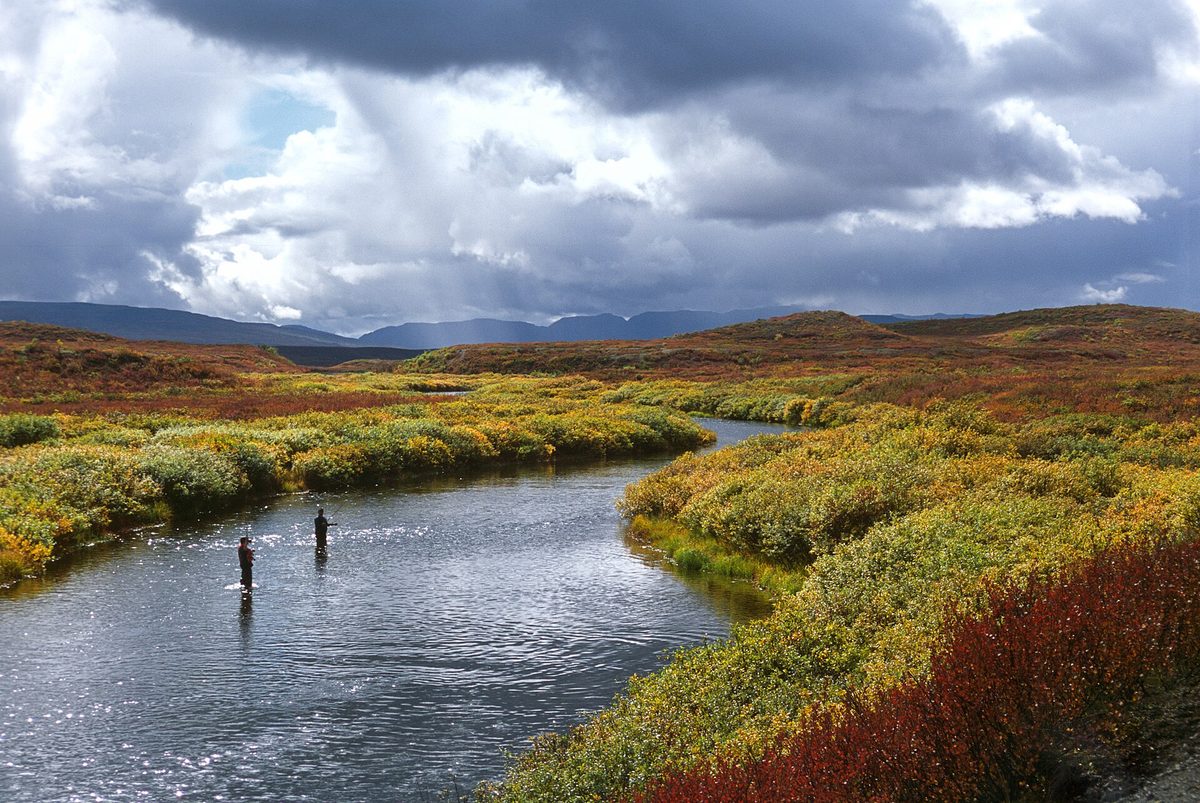
Fly angler casting on a clear northern river