
Skip to content
Wild10
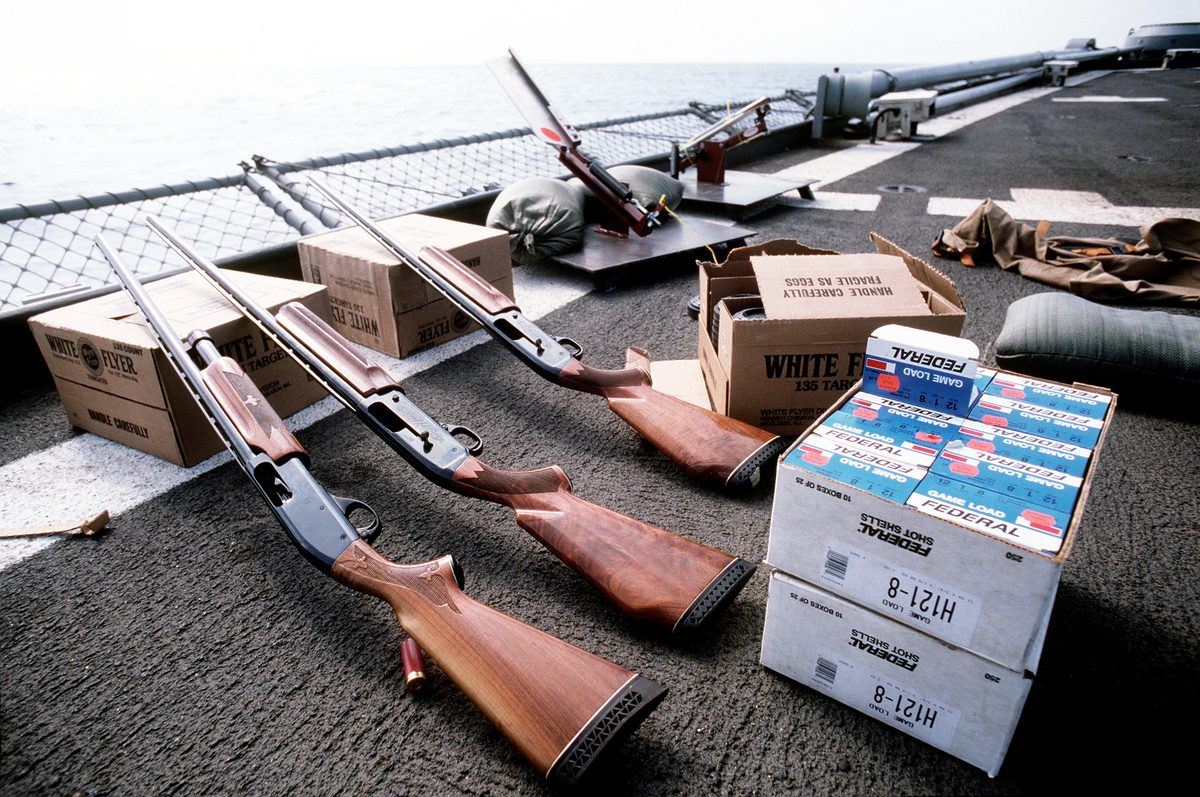
Shotgun shells in assorted loads and gauges

Hunting · Turkey · Calls

Turkey Calls & Calling

Nine sounds do all the work. Learn what each one means to a turkey and you stop guessing about what to say.

Turkey calling is a vocabulary problem, not a talent problem. There are roughly nine sounds worth knowing, and the plain hen yelp kills more turkeys than the other eight combined.

Call type determines how you make a sound; the sound itself determines what the bird hears. Carry a box call for volume, a pot call for realism at medium range, and a diaphragm for hands-free close work — each covers a range the others cannot.

The most common mistake in the woods is calling too much. A real hen calls, then goes quiet, then moves. A hunter who yelps every 45 seconds for an hour sounds like nothing that has ever lived in the timber.

Core call
Plain hen yelp
Loud locating
Box call
Close, hands-free
Diaphragm
Rule of thumb
Call less than you want to

01

The nine turkey sounds

What each sound means to a turkey, and when you should be making it.

Plain yelp

The workhorse

A series of three to eight notes with a rhythmic two-part 'kee-yowk' structure. It is a hen saying where she is. If you learn one sound, learn this one and learn to make it in a relaxed, unhurried cadence.

  • 3–8 notes
  • Use for locating and for closing
Tree yelp

First light

Three or four very soft, muffled yelps made from the roost before fly-down. Used at dawn to tell a gobbler a hen is nearby and awake. Keep it quiet — it should barely carry 80 yards.

  • Very soft
  • Before fly-down only

Cluck

Reassurance

One or two short, sharp notes meaning 'I'm here and content.' Perfect when a gobbler hangs up: a single cluck and then silence often tips a hesitating bird into committing.

  • 1–3 notes
  • Excellent for hung-up birds

Purr

Contentment

A soft rolling trill made by feeding birds. Combined with light scratching in the leaves, it is the most convincing close-range sound there is, because it says the danger is zero.

  • Pair with leaf scratching
  • Under 40 yards

Cutting

Excitement

Fast, loud, irregular clucks strung together. This is an excited hen, and it is the single best sound for pulling a gobble out of a bird that has gone quiet — or for firing up a hot mid-morning tom.

  • Loud and irregular
  • Can shock a gobble

Cackle

Fly-down

A rapid, broken series used as a bird flies down or crosses an opening. Combined with a few wing beats against your leg it simulates a hen hitting the ground, which is a powerful morning setup trick.

  • Use at fly-down time
  • Pair with wing flaps

Kee-kee run

Fall money call

Three whistled notes, often followed by two yelps — a young bird that cannot yelp properly yet and is lost. This is the primary call of fall hunting after a flock break.

  • Whistled, not raspy
  • Fall regroup call

Assembly yelp

Fall hen

A long, loud, demanding series of yelps from a boss hen calling her poults back. Used after a fall scatter when you have broken up a hen-and-poult flock.

  • Longer and louder than plain yelp
  • Fall only

Gobble

Use with caution

Aggressive, and it works on dominant toms during peak breeding — but it also announces a gobbler's location to every hunter within a half mile. Never gobble on public land.

  • Private land only
  • High risk, occasional reward

02

Call types and what each is for

Box call

Volume

The loudest and easiest call to run well. Best for locating birds across a drainage, calling in wind, and for new hunters who need a forgiving instrument. Requires chalk and dies in the rain.

  • Best beginner call
  • Loudest tool in the vest

Pot call (slate, glass, aluminum)

Realism

A striker on a friction surface — the most realistic mid-range call for most hunters. Slate is soft and best in calm woods; glass and aluminum are louder and keep working in damp weather.

  • Slate = soft; glass/aluminum = loud
  • Condition the surface before every hunt

Diaphragm (mouth call)

Hands-free

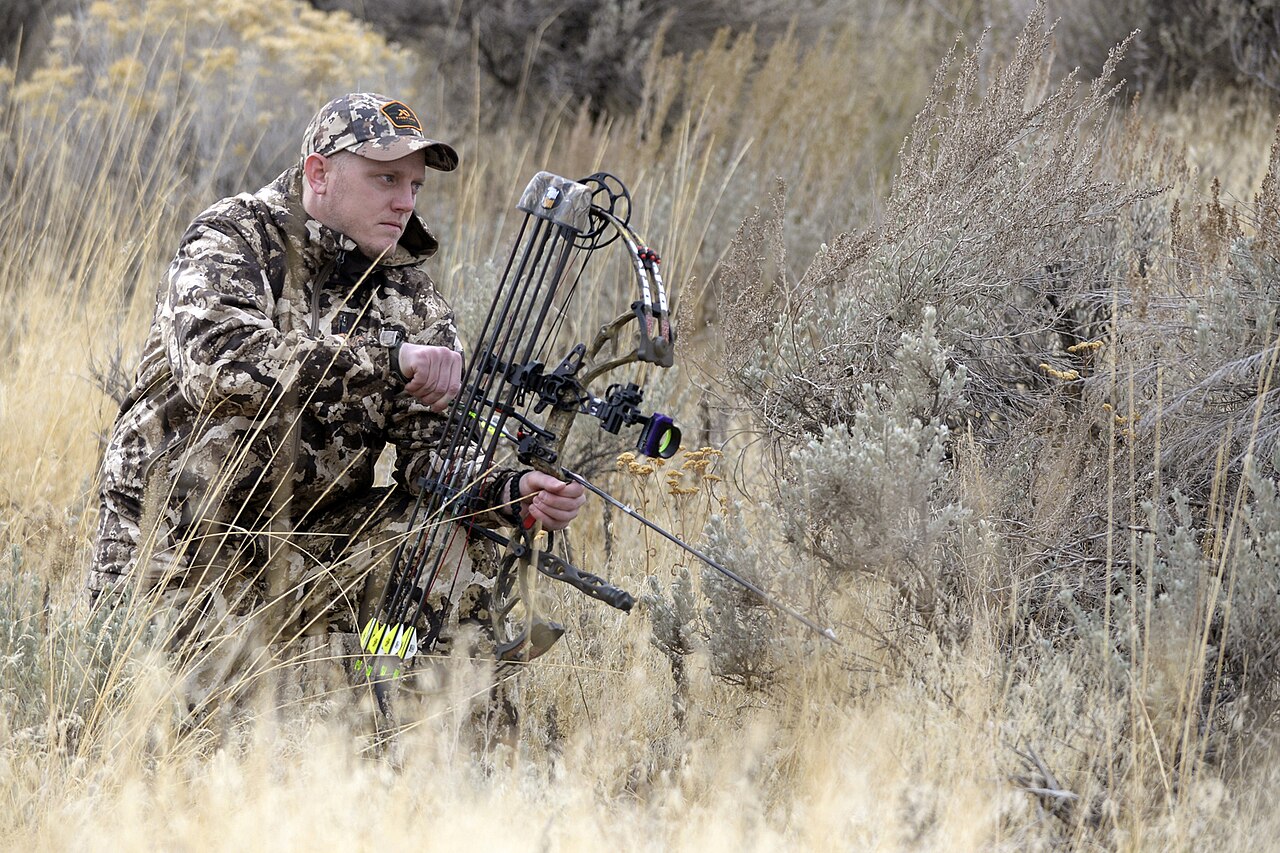
The only call you can run with a shotgun already mounted or a bow at half draw. Hardest to learn, and worth every hour of practice — most close-range kills happen with a mouth call.

  • Essential for bowhunting
  • Practice in the truck for a month

Push-button call

Easiest

One-handed, nearly foolproof, and can be mounted on a shotgun forend. The best call to hand a child or a first-time hunter, and a fine close-range cluck-and-purr tool for anyone.

  • One-handed operation
  • Great for kids

Locator calls

Shock gobbles

Crow, owl, coyote, and peacock calls make a gobbler shock-gobble and reveal his location without teaching him your turkey calls. Owl at dawn and dusk, crow through midday.

  • Never teaches birds your yelp
  • Owl at dark, crow at midday

03

A calling sequence that works on a morning gobbler

  1. 1In the dark, say nothing. Let the bird gobble on his own and confirm he is where you thought.
  2. 2At first grey light, give three soft tree yelps. If he answers, stop.
  3. 3At fly-down, cackle once and slap your hat against your thigh twice to imitate wings hitting the ground.
  4. 4Wait five full minutes. Then give one relaxed series of plain yelps.
  5. 5If he gobbles and closes distance, go silent. A hen that keeps calling is a hen he expects to come to him.
  6. 6If he hangs up outside range, cut once, hard, then go silent for ten minutes. Boredom and jealousy move more birds than volume.
  7. 7Once he is inside 60 yards, nothing louder than a cluck or purr, and only if he stalls.

Questions

Frequently asked

What is the best turkey call for a beginner?
A box call for volume and a slate pot call for realism. Both are forgiving, and together they cover everything except hands-free close-range calling. Add a diaphragm once you can run the pot cleanly.
How often should I call to a gobbler?
Far less than instinct suggests. A good default is a short series every 10 to 15 minutes while locating, and near silence once a bird is answering and closing.
Why did the gobbler answer and then leave?
Usually a live hen collected him, or he strutted at a distance waiting for the hen — you — to come to him and lost interest. If real hens are with him, back off and return mid-morning after they leave to nest.

Also on The Wild10

Fishing Guides

Fish identification, the knots that hold, lure selection by conditions, and the habits that fill a stringer.

Open the fishing hub →
Fly angler casting on a clear northern river