



Where on earth
Satellite imagery flying in from a world view to Mount Cardigan / Firescrew Loop, United States. Use the + / − buttons, or click the map to zoom with your scroll wheel; drag to pan and pinch to zoom on touch.
- Region
- New Hampshire, USA
- Country
- United States
- Biome
- Northern hardwood ridge (400–950 m)
- Best season
- May – October
- Difficulty
- moderate
- Backpacking
- Hiking
- Climbing
- Mountaineering
- Winter Camping
- Skiing
Key takeaways
- Biome: Northern hardwood ridge (400–950 m)
- Best season: May – October
- Difficulty: moderate
- Top activity: backpacking
Photos of Mount Cardigan / Firescrew Loop
Topic summary
A 4-hour open-summit loop with granite slabs and 360-degree views — the classic Central NH ridge day.
Key takeaways
- Difficulty: moderate
- Best season: May – October
Intended uses
backpacking
Climate suitability
Northern hardwood ridge (400–950 m)
Tools for a trip here
Picked for how, when and where you're going. Free, no signup.
- Sleep System Temp CalculatorCold nights: check your bag and pad add up to a safe sleep.
- Base Weight CalculatorEvery ounce is carried — total your kit and find your base weight.
- Pack Volume SizerSize the pack for your trip length and season.
- Water Purification MatrixTreat water from streams and lakes on trail.
- Layering CalculatorCold-season miles: layer for climbs and camp.
Plan with verified data
Mount Cardigan / Firescrew Loop trip tools
How to get there
Mount Cardigan / Firescrew Loop is in New Hampshire, USA, United States. Its center point is 43.6503, -71.9147. Use these links for live turn-by-turn directions from where you are, then confirm road, trailhead and access conditions with the managing agency before you leave.
Popular pursuits at Mount Cardigan / Firescrew Loop
- Backpacking
Multi-day travel with everything on your back — see the packing blocks below.
- Hiking
Day miles on marked trail, with route notes and trail links below.
- Climbing
Rock and alpine lines with approach beta.
- Mountaineering
Glacier and high-route objectives with real consequence.
- Winter Camping
Cold-season travel and camp craft; layering matters more than mileage.
- Skiing
Ski-touring access when the road closes for the season.
Animals around Mount Cardigan / Firescrew Loop
 Wildlife guideBlack bearUrsus americanus
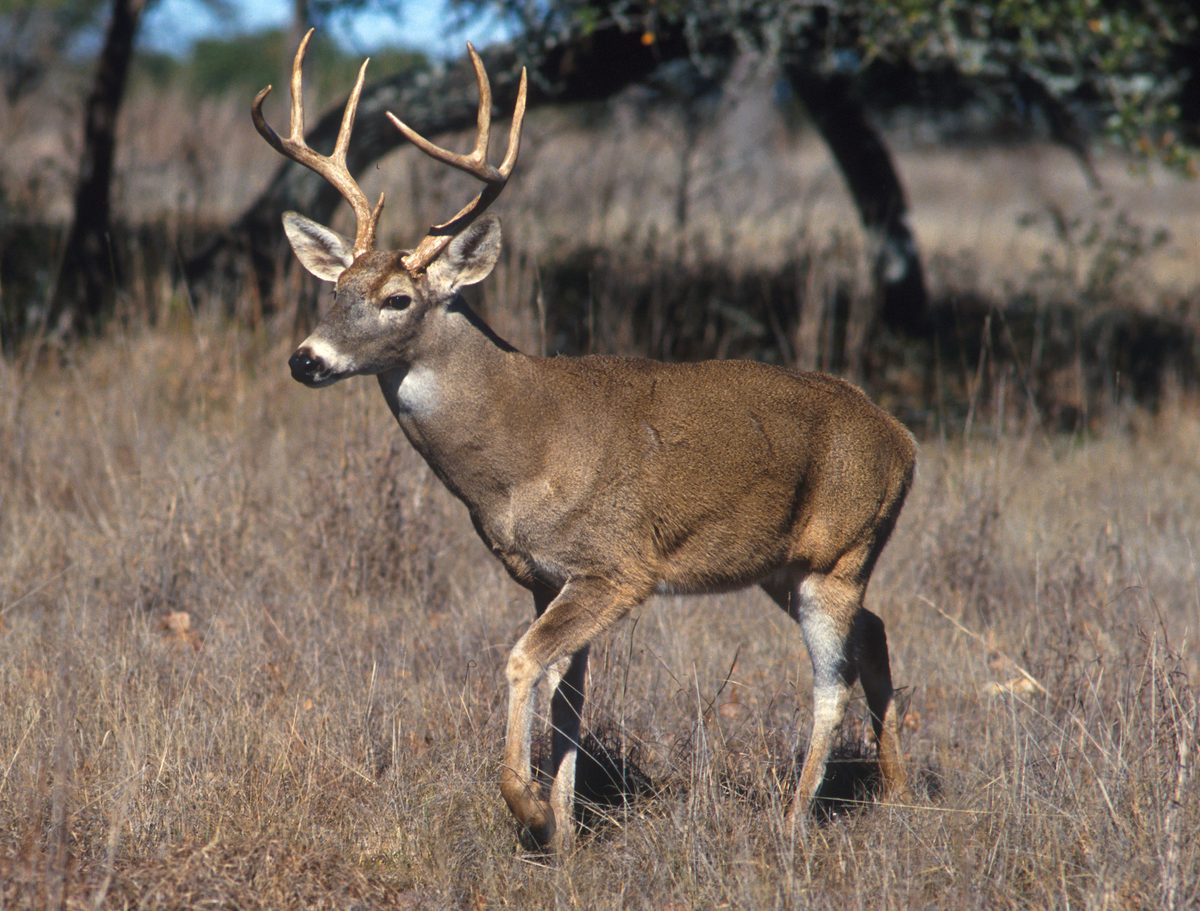 Big gameWhitetail DeerOdocoileus virginianus
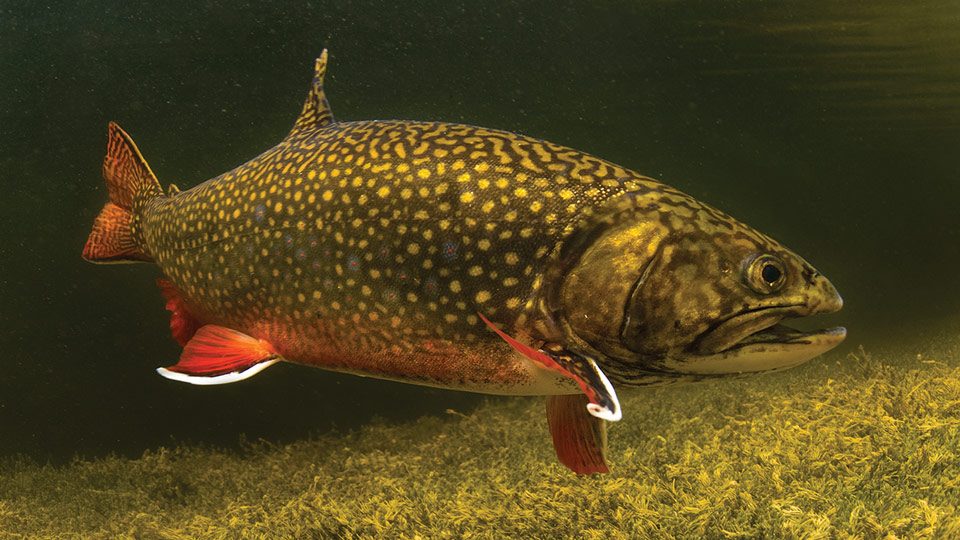 GamefishBrook TroutSalvelinus fontinalis
 Wildlife guideNorth American beaverCastor canadensis
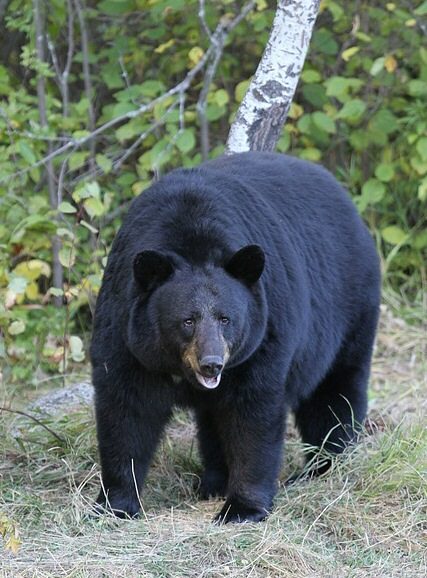 Big gameBlack BearUrsus americanus
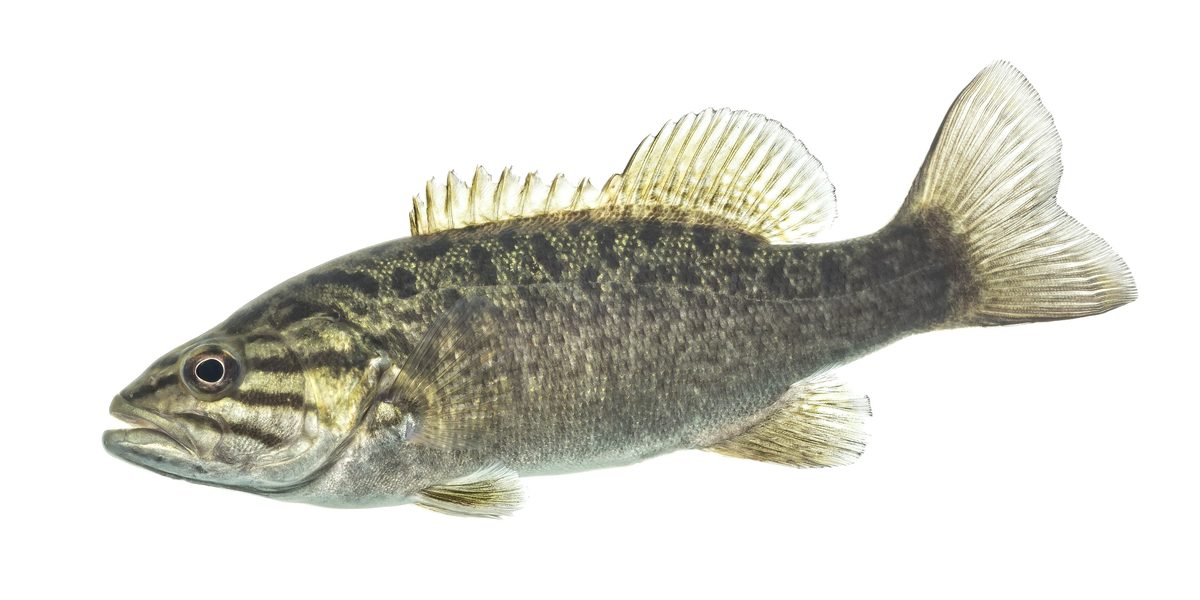 GamefishSmallmouth BassMicropterus dolomieu
 Wildlife guideSnowshoe hareLepus americanus
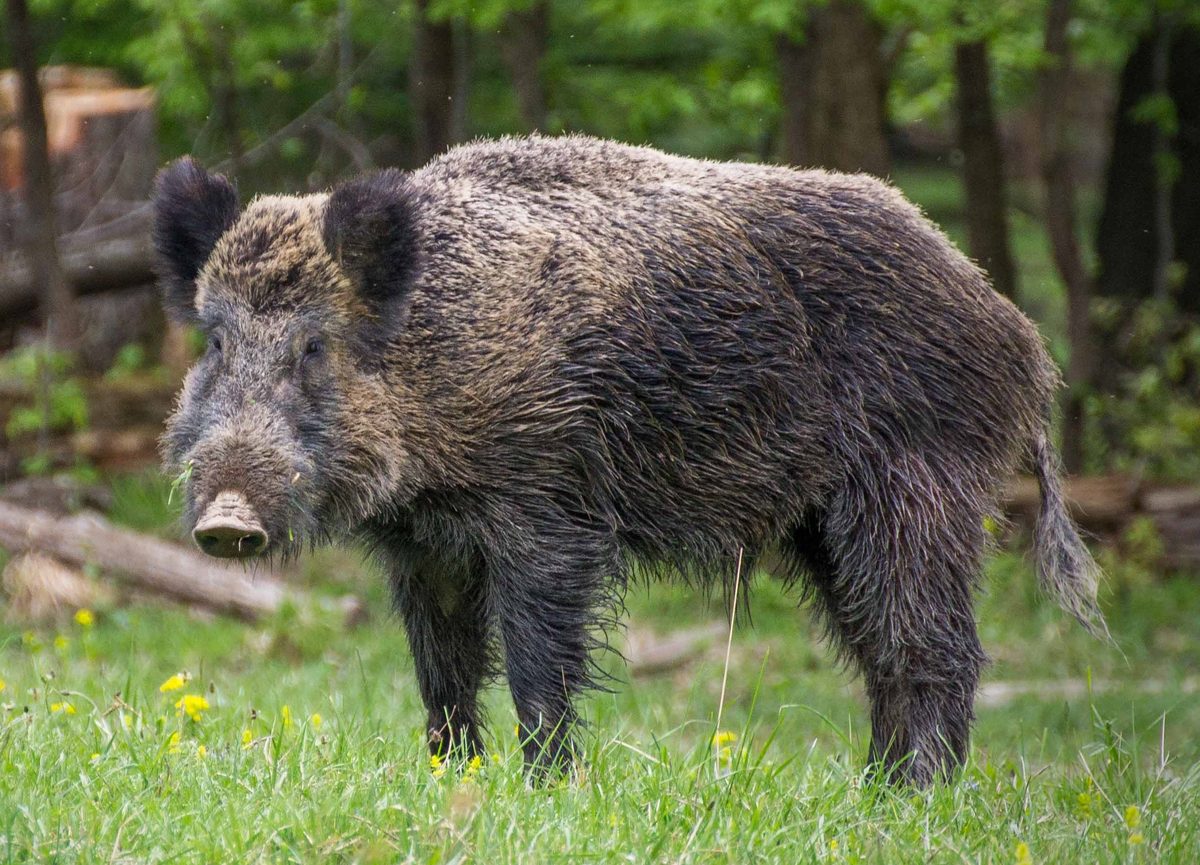 Big gameWild HogSus scrofa
Maps, GPS & compass for this trip
Carry a waterproof paper map and a compass you can steer by, and treat the GPS as the backup — not the other way round. Buying links go to Amazon; Wild10 earns a commission at no cost to you.
Waterproof topo maps
- Waterproof topographic map — Mount Cardigan / Firescrew LoopAmazon search for waterproof, tear-resistant topo maps covering this area.
- National Geographic Trails IllustratedThe waterproof Trails Illustrated series — check for a sheet covering this area.
- Waterproof map case & compass lanyardKeep a paper map readable in rain, spray and a swamped boat.
Fishing at Mount Cardigan / Firescrew Loop
Planning to fish Mount Cardigan / Firescrew Loop, New Hampshire? Fishing licenses, open seasons and catch limits in New Hampshire are set by the local wildlife authority and change every year — check the official source before you cast a line.
Do I need a fishing license at Mount Cardigan / Firescrew Loop?
- A New Hampshire fishing license is normally required for anyone over the local youth age.
- Read the current New Hampshire fishing regulations for special waters, barbless-hook or catch-and-release rules.
- Clean, drain and dry boats and gear between waters to stop invasive species.
Hunting near Mount Cardigan / Firescrew Loop
Thinking about hunting Mount Cardigan / Firescrew Loop, New Hampshire? Hunting seasons, tags and draws in New Hampshire are set by the wildlife authority each year. Confirm the rules for your species and unit before you go.
Is hunting allowed at Mount Cardigan / Firescrew Loop?
- Confirm the land around Mount Cardigan / Firescrew Loop is open to hunting and which management unit it falls in.
What do I need to hunt in New Hampshire?
- A New Hampshire hunting license — most jurisdictions also require hunter education certification.
- Species tags or draw results for big game such as deer, elk, moose or bear where they occur.
- Knowledge of firearm and bow transport rules, which differ by land type and border crossing.
Mount Cardigan / Firescrew: planning scope
Mount Cardigan / Firescrew is a New Hampshire hiking destination, but a usable loop plan requires more than the destination name. The starting point, connecting trails, junction sequence, and return route need to be established before departure. No specific trail connection, summit elevation, mileage, or difficulty rating is confirmed here. Treat this profile as a planning outline, not a navigation guide. New Hampshire has mountains both within and outside the White Mountains, so statewide mountain descriptions should not be assumed to describe this particular outing. Before committing to the loop, obtain a current local trail map and confirm that the intended itinerary actually returns to the chosen starting point. Leave enough flexibility to change plans if those details remain unresolved.
Regional setting and seasonal planning
Inland New England is characterized by mountain scenery, villages, fall foliage, and four distinct seasons. That regional setting makes the time of year an important planning choice, but it does not establish conditions on Mount Cardigan or Firescrew on any particular day. Choose clothing, footwear, and spare layers for the forecast and the demands of the confirmed route rather than relying on a general seasonal label. Check local conditions close to departure, and reassess the plan if weather or available daylight does not suit the group. Fall foliage can be part of an inland New England trip, but no destination-specific viewing period is established here. Likewise, regional descriptions of year-round recreation should not be taken as confirmation of year-round access to this loop.
Build a verified itinerary
The most useful next step is to establish a complete itinerary with the organization responsible for the trails and access. Confirm the trailhead location, parking arrangements, connected trail names, and any current access restrictions before setting out. Ask about applicable permission requirements rather than assuming that access is unrestricted or that a fee applies. Once the route is verified, use its actual length and terrain to decide whether it fits the group's experience and available time. Carry a map that shows the entire outing, not just the destination, and share the intended route and return plan with someone who is not joining the hike. Access points and route alternatives are left unspecified here rather than presenting unverified directions as usable trip advice.
Sample itineraries
- Single-day loop planning · 1 day
Keep one day available for the requested loop, but confirm its trail sequence, access, distance, elevation gain and expected duration before committing. Choose a turnaround time suited to daylight and the group's pace; a one-day plan is not confirmation of route feasibility.
- Two-day weather-flexible visit · 2 days
Allow two days in inland New Hampshire, keeping the better-weather day available for hiking. Use the other for preparation or rest. Confirm the loop's details before departure; this is a flexible visit plan, not a two-day backpacking route.
Seasonal conditions
Spring
Conditions-dependent; confirm locally
New England has four distinct seasons. Do not assume spring weather means mountain trails are ready for ordinary hiking. Check current footing, access and the forecast before choosing equipment.
Summer
Conditions-dependent; confirm locally
Plan water, sun protection and clothing around the day's mountain forecast. Summer alone does not establish safe conditions or confirm that the requested loop suits the group's experience.
Fall
Foliage timing varies; confirm locally
Inland New England is known for fall foliage and mountain scenery. Plan around available daylight and forecast temperatures rather than assuming a foliage outing requires less preparation than another mountain hike.
Winter
Conditions-dependent; confirm locally
Check whether snow, ice or cold require winter equipment and skills. Regional year-round recreation does not establish winter access or suitability for this particular loop.
| Season | Window | Conditions |
|---|---|---|
| Spring | Conditions-dependent; confirm locally | New England has four distinct seasons. Do not assume spring weather means mountain trails are ready for ordinary hiking. Check current footing, access and the forecast before choosing equipment. |
| Summer | Conditions-dependent; confirm locally | Plan water, sun protection and clothing around the day's mountain forecast. Summer alone does not establish safe conditions or confirm that the requested loop suits the group's experience. |
| Fall | Foliage timing varies; confirm locally | Inland New England is known for fall foliage and mountain scenery. Plan around available daylight and forecast temperatures rather than assuming a foliage outing requires less preparation than another mountain hike. |
| Winter | Conditions-dependent; confirm locally | Check whether snow, ice or cold require winter equipment and skills. Regional year-round recreation does not establish winter access or suitability for this particular loop. |
Permits, fees & closures
Confirm permit requirements, access rules and any applicable charges with the managing agency before traveling.
Confirm current permits, fees, and closures with the managing agency before you go.
Hazards & regulations
- Mountain weather can affect comfort and safety; check the local forecast and carry protection appropriate to the conditions.
- Route details remain unconfirmed. Verify junctions, distance and elevation gain before relying on a loop plan.
- Seasonal footing may require different equipment. Check current trail conditions rather than assuming ordinary hiking shoes are sufficient.
- An unverified hiking duration makes daylight planning uncertain. Carry a headlamp and set a conservative turnaround time.
What to pack for Mount Cardigan / Firescrew Loop
- Current trail map with the intended loop marked
- Offline navigation and backup power
- Confirmed access and route information
- Rain and wind protection
- Insulating layer matched to the forecast
- Footwear and any traction selected for confirmed conditions
- Water and food for the planned effort
- Headlamp
- First-aid kit
- Sun protection
- Emergency shelter
Mount Cardigan / Firescrew Loop FAQ
- What should be confirmed before attempting the loop?
- Obtain a current trail map and verify the starting point, connecting trails, distance, elevation gain, access status and likely hiking time. Do not treat the destination name as sufficient navigation.
- Is this suitable for beginners?
- Suitability cannot be established without verified route length, terrain and current conditions. Match those details to the least experienced member of the group before deciding.
- Which season should be chosen?
- New England offers four distinct seasons, with fall foliage a notable inland attraction. Choose according to current mountain conditions, daylight and the group's skills; no route-specific preferred season is established here.
- Does a two-day visit require camping?
- No. The two-day suggestion provides a weather buffer, not an overnight trail itinerary. Confirm any lodging or camping arrangements separately before travel.
- Where should access and permit questions be directed?
- Contact the managing agency for current access rules, permit requirements and any applicable charges. Confirm these details before setting out.