



Where on earth
Satellite imagery flying in from a world view to Porcupine Mountains Wilderness, United States. Use the + / − buttons, or click the map to zoom with your scroll wheel; drag to pan and pinch to zoom on touch.
- Region
- Michigan, USA
- Country
- United States
- Biome
- Northern hardwood old growth (200–600 m)
- Best season
- May – October
- Difficulty
- moderate
- Backpacking
- Hiking
- Wildlife Viewing
- Canoeing
- Fishing
Key takeaways
- Biome: Northern hardwood old growth (200–600 m)
- Best season: May – October
- Difficulty: moderate
- Top activity: backpacking
Photos of Porcupine Mountains Wilderness
Topic summary
Ancient hemlock forests and rushing waterfalls cascade toward Lake Superior in this expansive Midwestern wilderness renowned for remote backcountry cabins.
Key takeaways
- Difficulty: moderate
- Best season: May – October
Intended uses
backpacking
Climate suitability
Northern hardwood old growth (200–600 m)
Tools for a trip here
Picked for how, when and where you're going. Free, no signup.
- Sleep System Temp CalculatorCold nights: check your bag and pad add up to a safe sleep.
- Bear Country Food StorageBear country: canister, Ursack or hang, and the local rules.
- Base Weight CalculatorEvery ounce is carried — total your kit and find your base weight.
- Pack Volume SizerSize the pack for your trip length and season.
- Water Purification MatrixTreat water from streams and lakes on trail.
Plan with verified data
Porcupine Mountains Wilderness trip tools
How to get there
The Porcupine Mountains are in Michigan’s Upper Peninsula. Establish the exact starting point and driving approach before departure; plan travel around the area’s remote setting.
- Shoreline
The Porkies include 25 miles of shoreline. Confirm a specific, suitable entry location before planning shoreline recreation; this is a landscape-level planning option, not an identified trailhead or boat launch.
- Inland lakes
Four inland lakes provide another focus for trip planning. Confirm lake-specific access and activity rules before selecting a walking or paddling starting point; no individual launch or trailhead is identified here.
Sources: Wikipedia · Wikivoyage. Confirm road and trailhead conditions with the managing agency before you leave.
Popular pursuits at Porcupine Mountains Wilderness
- Backpacking
Multi-day travel with everything on your back — see the packing blocks below.
- Hiking
Day miles on marked trail, with route notes and trail links below.
- Wildlife Viewing
Best light, best season, and where animals move.
- Canoeing
Paddle routes, portages, and put-ins.
- Fishing
Resident gamefish, seasons, and the water that holds them.
Animals around Porcupine Mountains Wilderness
 Wildlife guideBlack bearUrsus americanus
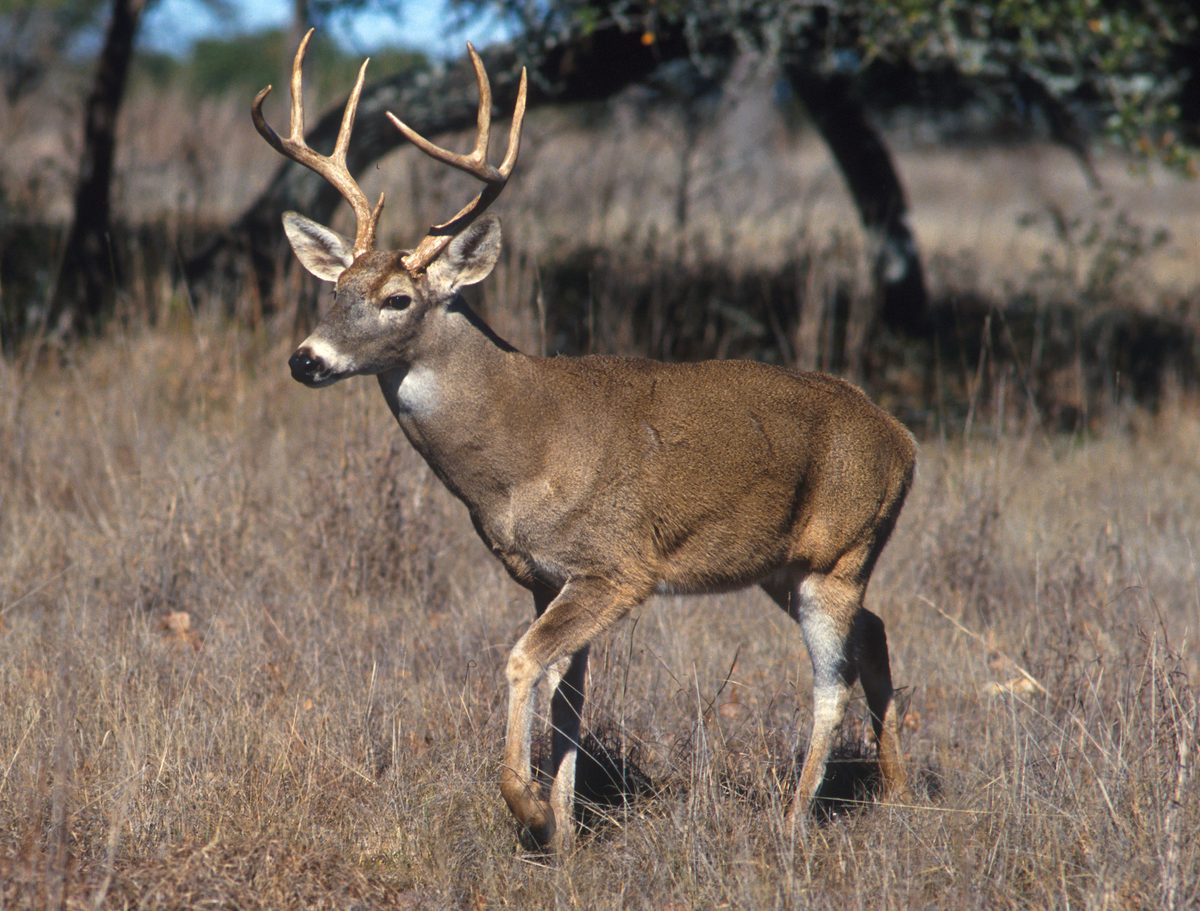 Big gameWhitetail DeerOdocoileus virginianus
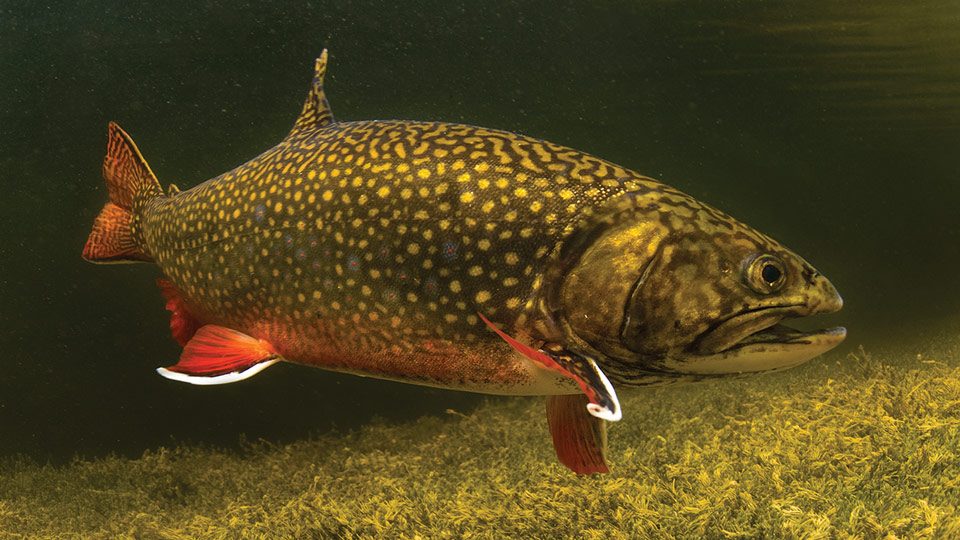 GamefishBrook TroutSalvelinus fontinalis
 Wildlife guideNorth American beaverCastor canadensis
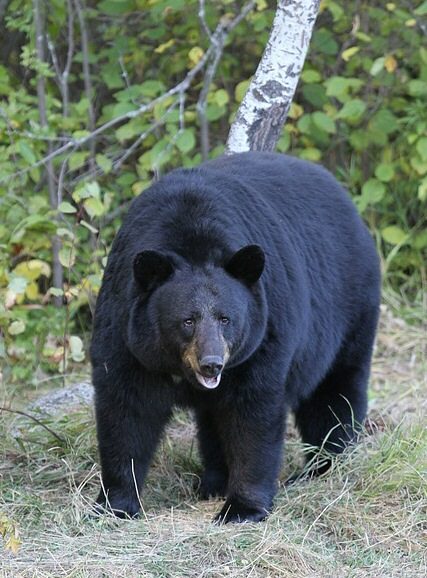 Big gameBlack BearUrsus americanus
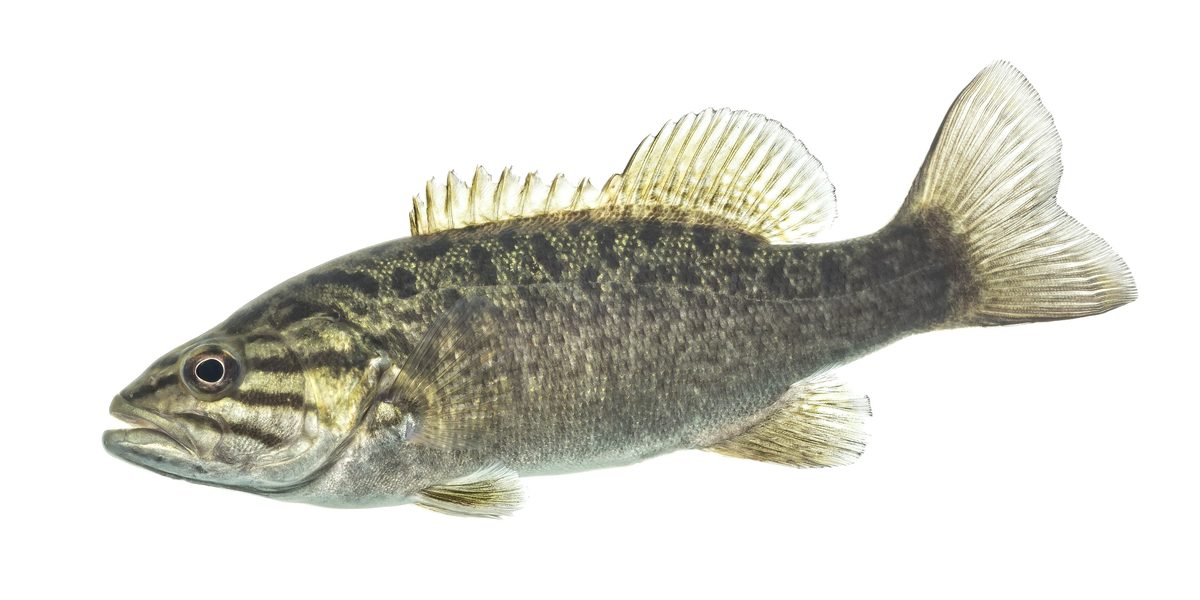 GamefishSmallmouth BassMicropterus dolomieu
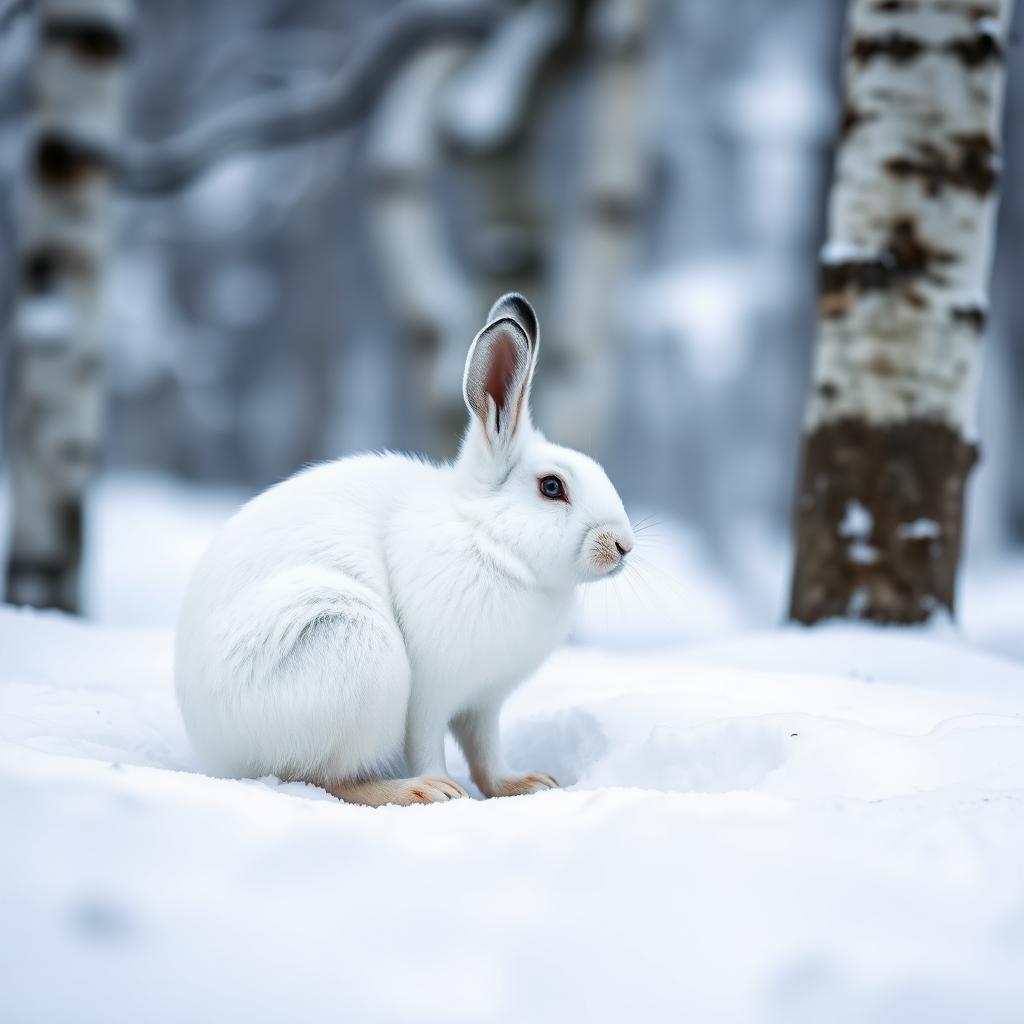 Wildlife guideSnowshoe hareLepus americanus
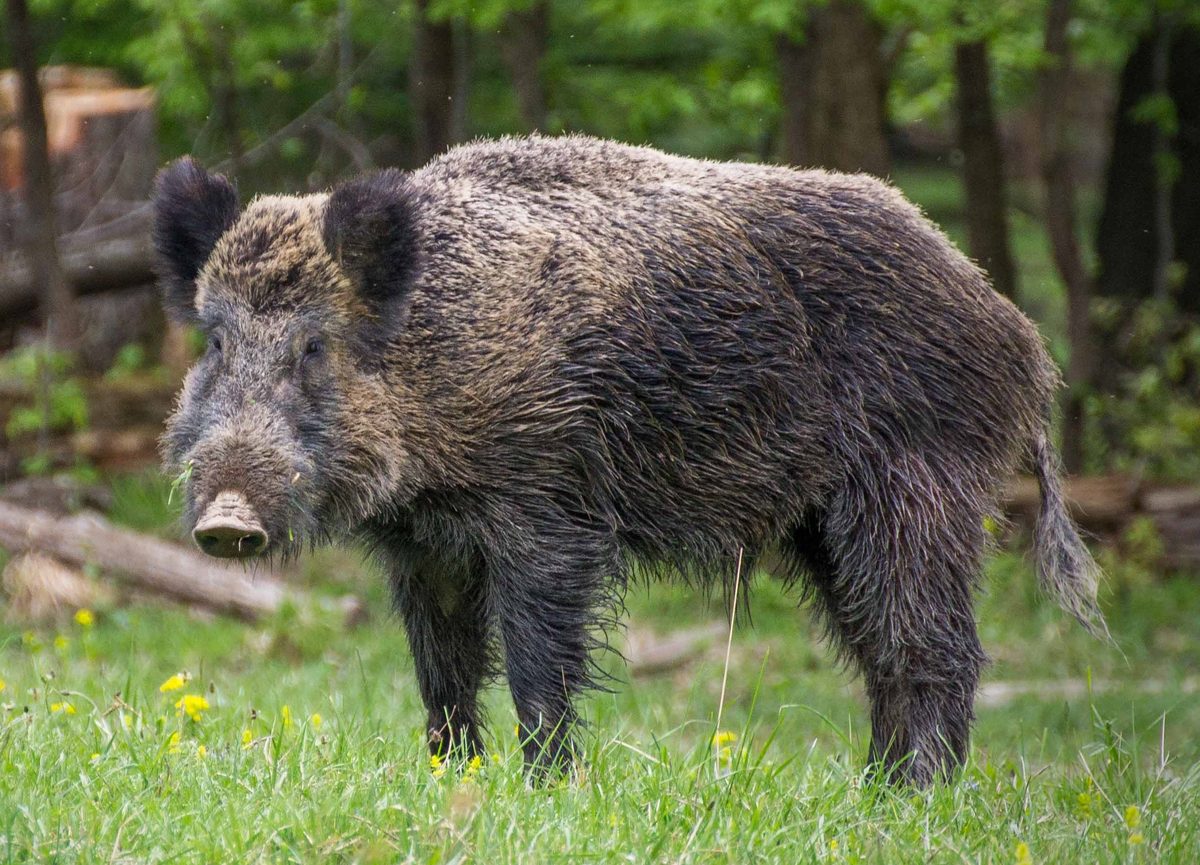 Big gameWild HogSus scrofa
Maps, GPS & compass for this trip
Carry a waterproof paper map and a compass you can steer by, and treat the GPS as the backup — not the other way round. Buying links go to Amazon; Wild10 earns a commission at no cost to you.
Waterproof topo maps
- Waterproof topographic map — Porcupine Mountains WildernessAmazon search for waterproof, tear-resistant topo maps covering this area.
- National Geographic Trails IllustratedThe waterproof Trails Illustrated series — check for a sheet covering this area.
- Waterproof map case & compass lanyardKeep a paper map readable in rain, spray and a swamped boat.
Fishing at Porcupine Mountains Wilderness
Planning to fish Porcupine Mountains Wilderness, Michigan? Fishing licenses, open seasons and catch limits in Michigan are set by the local wildlife authority and change every year — check the official source before you cast a line.
Do I need a fishing license at Porcupine Mountains Wilderness?
- A Michigan fishing license is normally required for anyone over the local youth age.
- Read the current Michigan fishing regulations for special waters, barbless-hook or catch-and-release rules.
- Clean, drain and dry boats and gear between waters to stop invasive species.
- Porcupine Mountains Wilderness may add its own fishing rules on top of Michigan law — check the managing agency too.
Hunting near Porcupine Mountains Wilderness
Thinking about hunting Porcupine Mountains Wilderness, Michigan? Hunting seasons, tags and draws in Michigan are set by the wildlife authority each year. Confirm the rules for your species and unit before you go.
Is hunting allowed at Porcupine Mountains Wilderness?
- Hunting is prohibited or heavily restricted in many national parks, wilderness and protected areas — confirm with the Porcupine Mountains Wilderness land manager before planning a hunt, and look to surrounding public land.
What do I need to hunt in Michigan?
- A Michigan hunting license — most jurisdictions also require hunter education certification.
- Species tags or draw results for big game such as deer, elk, moose or bear where they occur.
- Knowledge of firearm and bow transport rules, which differ by land type and border crossing.
A remote, forested Upper Peninsula destination
The Porcupine Mountains, often called the Porkies, are a remote wilderness destination in Michigan’s Upper Peninsula. The landscape combines old-growth hemlock forest with rivers, waterfalls, four inland lakes, and 25 miles of shoreline. More than 100 miles of hiking trails give walking and backpacking trips a substantial network to work with, but that total is not a measure of any individual outing. Plan around a specific route rather than assuming the whole network has similar terrain or access. The forest and water are the main reasons to come: a trip can focus on hiking beneath hemlocks, exploring lake environments, or spending time along the shoreline. Leave room in the itinerary for changing weather and the practical demands of traveling in a remote area.
Choose an activity before choosing an itinerary
Hiking and camping are central options in the Porkies, but the recreation choices extend well beyond walking. Mountain biking, kayaking, canoeing, swimming, and fishing are also available activities. That variety calls for some discipline when planning: the presence of an activity somewhere in the park does not establish where it is allowed or where suitable access exists. For a hiking trip, settle on a mapped trail and its return plan before setting out. For paddling, distinguish an inland-lake outing from time along the shoreline, and choose equipment suited to the water and conditions. Rivers and waterfalls add interest to a walking itinerary, but footing near water deserves care. Confirm current activity rules and access arrangements with the managing agency before committing to a detailed plan.
Four-season planning and basic preparation
The Porcupine Mountains support four seasons of recreation. Winter options include Nordic skiing, downhill skiing and snowboarding, snowshoeing, and snowmobiling; hunting is another listed activity. The Upper Peninsula’s northern latitude and surrounding waters contribute to heavier snowfall than much of the eastern United States, so winter travel needs a different plan from a hiking visit. Carry insulation, weather protection, navigation, and supplies appropriate to the outing rather than relying on a summer packing list. In other seasons, prepare for weather changes and carry drinking water or a suitable treatment method for backcountry travel. Bears and other wildlife inhabit the wider Upper Peninsula: secure food and keep your distance from animals. Match the day’s ambition to conditions, daylight, and the group’s ability to return safely.
Route options
- Forest hiking
Build a walking itinerary within the Porkies’ network of more than 100 miles of hiking trails, with the old-growth hemlock forest as a possible focus. Select a mapped trail and verify its length, terrain, and starting point before departure.
- Inland-lake paddling
Canoeing and kayaking are recreation options in the Porcupine Mountains. Investigate an inland-lake outing, confirming suitable access, conditions, and the planned return rather than assuming the lakes form a connected route.
- Winter skiing or snowshoeing
Plan a Nordic skiing or snowshoeing outing suited to snow conditions and group experience. Confirm an appropriate route and access point; the availability of winter recreation does not establish which hiking trails suit a particular winter activity.
Sample itineraries
- Old-Growth Forest Day · 1 day
Plan a day hike focused on the old-growth hemlock forests. The Porcupine Mountains have over 100 miles of hiking trails; choose a route suited to the group's ability after confirming current trail conditions and access.
- Forest and Water Weekend · 2 days
Spend one day hiking through forest and another exploring shoreline, inland lakes, rivers, or waterfalls. Arrange camping before committing to an overnight stay. Keep the walking plan flexible rather than assuming these features connect in a short loop.
- Winter Recreation Day · 1 day
Choose snowshoeing or nordic skiing for a winter outing. Downhill skiing and snowboarding are also available recreation options. Confirm operating conditions and access, and match the day's objective to snow conditions, equipment, and experience.
Seasonal conditions
Spring
Spring transition
The Upper Peninsula receives substantial snow. Check remaining snow cover and trail conditions before planning a hiking or camping trip; do not assume a calendar change means summer-like access.
Summer
Summer recreation
Hiking, camping, paddling, swimming, and fishing are options in this forest-and-water landscape. Check weather and water conditions before heading onto a lake or committing to a shoreline outing.
Fall
Fall transition
Keep hiking and camping plans flexible as conditions shift toward winter. Carry layers and weather protection. Hunting is among the park's recreation activities; confirm applicable hunting seasons before choosing an outing.
Winter
Snow-dependent winter recreation
The surrounding waters and northern latitude contribute to the Upper Peninsula's heavy snowfall. Skiing, snowboarding, snowshoeing, and snowmobiling are recreation options. Confirm current snow conditions and access rather than assuming every activity is available.
| Season | Window | Conditions |
|---|---|---|
| Spring | Spring transition | The Upper Peninsula receives substantial snow. Check remaining snow cover and trail conditions before planning a hiking or camping trip; do not assume a calendar change means summer-like access. |
| Summer | Summer recreation | Hiking, camping, paddling, swimming, and fishing are options in this forest-and-water landscape. Check weather and water conditions before heading onto a lake or committing to a shoreline outing. |
| Fall | Fall transition | Keep hiking and camping plans flexible as conditions shift toward winter. Carry layers and weather protection. Hunting is among the park's recreation activities; confirm applicable hunting seasons before choosing an outing. |
| Winter | Snow-dependent winter recreation | The surrounding waters and northern latitude contribute to the Upper Peninsula's heavy snowfall. Skiing, snowboarding, snowshoeing, and snowmobiling are recreation options. Confirm current snow conditions and access rather than assuming every activity is available. |
Permits, fees & closures
Confirm current entry, camping, permit, and reservation requirements with the managing agency before traveling.
Confirm current permits, fees, and closures with the managing agency before you go.
Hazards & regulations
- Remote wilderness increases the consequences of delays or an injury. Carry navigation tools, share a trip plan, and leave enough time to return.
- Substantial regional snowfall can complicate travel and navigation. Match winter objectives to conditions and the group's skills.
- Lakes, rivers, waterfalls, and shoreline require careful judgment near water. Assess conditions before swimming or paddling, and wear a flotation device when boating.
- Wildlife inhabits the wider Upper Peninsula. Keep a respectful distance and secure food while camping.
What to pack for Porcupine Mountains Wilderness
- Map and compass
- Offline navigation
- Headlamp
- First-aid kit
- Emergency shelter
- Footwear suited to forest trails
- Rain protection
- Insulating layers
- Drinking water and a treatment method
- Food and secure food storage
- Properly fitted flotation device for paddling
- Waterproof storage
- Dry spare clothing
- Skis or snowshoes appropriate to the activity
- Warm gloves and hat
- Extra insulating layers
- Weather-resistant outerwear
Porcupine Mountains Wilderness FAQ
- Where are the Porcupine Mountains?
- They are in Michigan's Upper Peninsula, in the United States. This is a remote wilderness destination with extensive forest and water features.
- What defines the landscape?
- Old-growth hemlock forests, rivers, waterfalls, four inland lakes, and 25 miles of shoreline are key features. The park has over 100 miles of hiking trails.
- What can visitors do besides hiking?
- Recreation includes camping, mountain biking, kayaking, canoeing, swimming, fishing, and hunting. Winter options include nordic and downhill skiing, snowboarding, snowshoeing, and snowmobiling. Confirm where and when the chosen activity is allowed.
- Can this be a day trip rather than an overnight?
- A focused hiking or winter recreation outing can fit into one day. Choose a manageable objective and confirm access and conditions instead of trying to cover the entire park.
- Which wildlife might be in the wider region?
- The Upper Peninsula supports moose, wolves, coyotes, deer, foxes, bears, bobcats, and birds including eagles, hawks, and owls. This regional list does not establish which species visitors will encounter in the Porcupine Mountains.
- What should be confirmed before departure?
- Check access, trail or snow conditions, weather, and requirements for the planned activity with the managing agency. For overnight trips, confirm camping arrangements before setting out.