Shaft
Spine and length
Spine must match your actual draw weight, arrow length and point weight. Leave an inch of clearance past the shelf at full draw so a broadhead can never contact your bow hand.
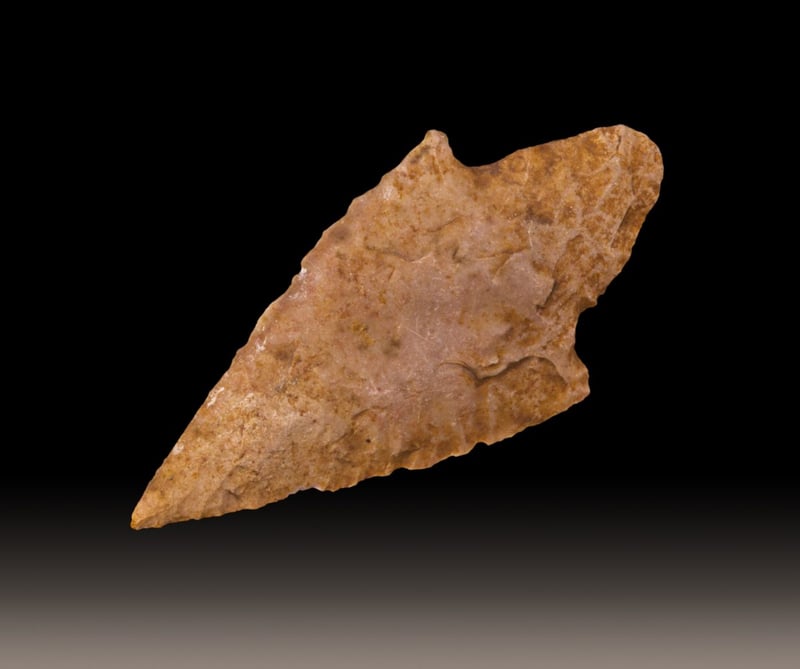
Traditional bows produce a fraction of the kinetic energy of a compound, so a traditional arrow has to earn penetration through mass, balance and a shaving-sharp two-blade head rather than speed.
This is a reference for the parts: what shaft material buys you, how point weight and inserts shift the balance point, what fletching size and helical do to a broadhead in flight, and how to calculate front-of-center in two minutes with a ruler.
01
| Material | Consistency | Durability | Best for |
|---|---|---|---|
| Carbon | Excellent — matched deflection | Very high, fails suddenly | Hunting and most shooters |
| Aluminum | Very good when new | Bends permanently | Cheap practice, indoor target |
| Cedar / Douglas fir | Requires hand-matching | Breaks and warps | Traditionalists, selfbows, ritual |
| Bamboo (tonkin) | Hand-matched, tapered | Tough, needs straightening | Longbow shooters chasing feel |
02
Spine and length
Spine must match your actual draw weight, arrow length and point weight. Leave an inch of clearance past the shelf at full draw so a broadhead can never contact your bow hand.
125–300 grains
The main lever for both FOC and tune. Brass inserts add 50–100 grains at the very front and are the cheapest way to raise FOC without changing heads. Match field point weight to broadhead weight exactly or your practice means nothing.
Two blades, cut-on-contact
Single-bevel and standard two-blade heads split bone and keep driving at traditional speeds. Mechanicals steal energy you do not have opening blades, and most states ban them for certain species anyway. Sharpen to shaving sharp and re-strop after every stalk.
Feathers, not vanes
Natural feathers crush against the shelf and rebound; plastic vanes do not, so they bounce the arrow off line. Run 4–5 inch feathers with a helical or strong offset to steer a broadhead, and keep the cock feather out from the riser.
Fit matters
The nock should hold the arrow on a horizontal string and release with a light tap. Too tight and the string drags the arrow off line; too loose and it falls off during a draw at eighteen yards from a bedded buck.
Optional
Arrow wraps make fletching replacement easy and give you a bright tracking band; traditional cresting does the same job with paint. Neither affects flight in any way you can shoot.
03
FOC is the percentage of the arrow's length that the balance point sits ahead of centre. Higher FOC means better broadhead steering and deeper penetration at the cost of trajectory.
Questions
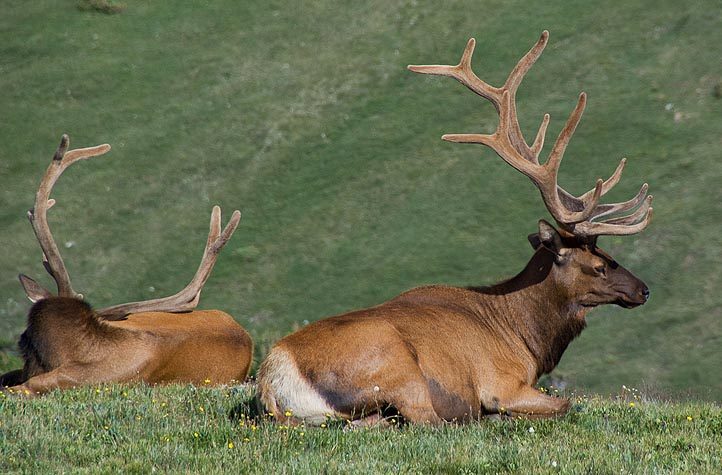
Where every hunting guide on The Wild10 starts.
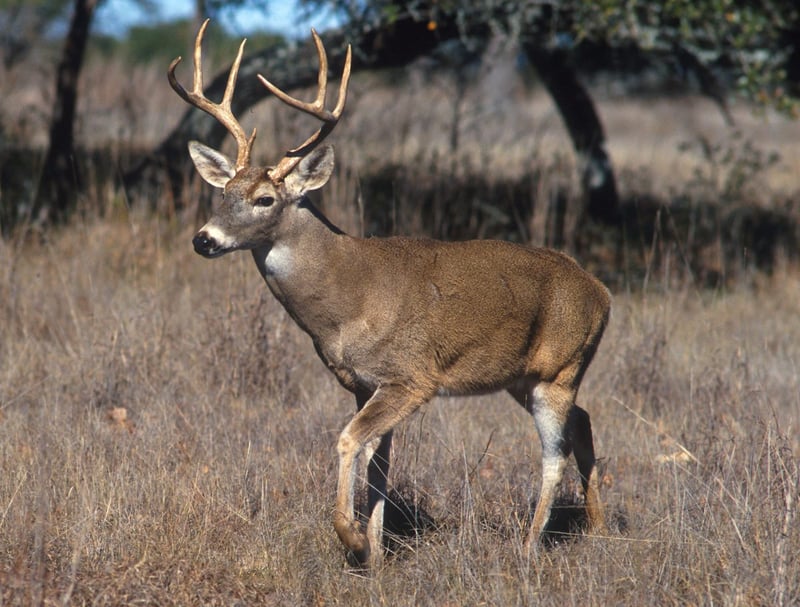
Big game, small game, upland birds, and waterfowl — habitat and season.
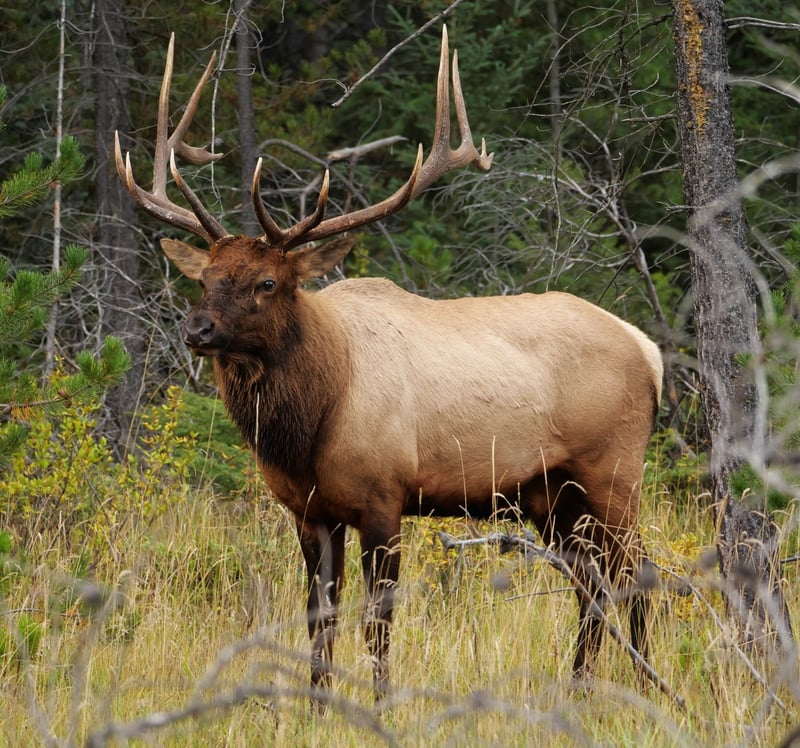
Deer, elk, moose, bear, hog and sheep — where to hunt, tags, and what to expect.
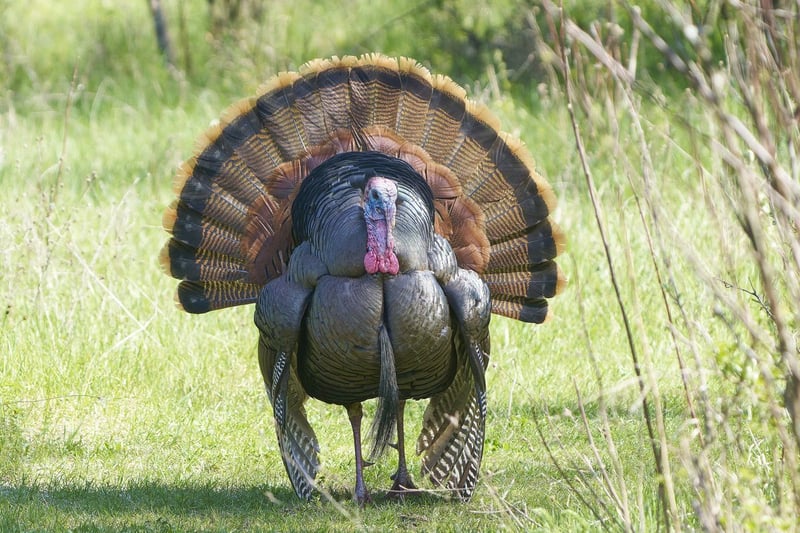
Turkey, pheasant, grouse, quail, ducks, geese, rabbits, squirrels and predators.
All 50 states — what to hunt, license costs, laws and public land.
All 50 states — seasons, tags, laws, public land and tactics.
Calling, shotguns, bows, camo, blinds, scouting, and spring vs fall.
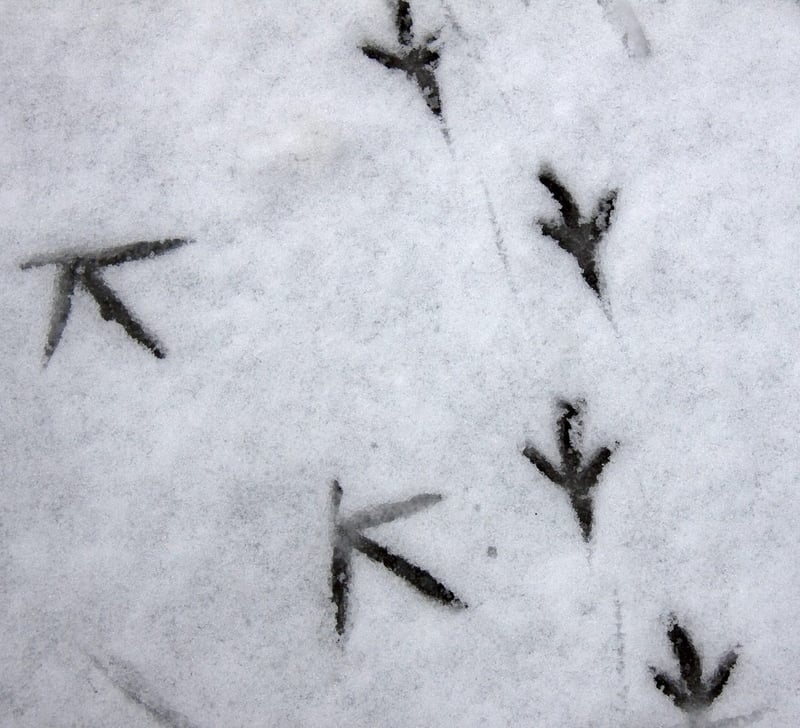
Search every species and filter by tracks, droppings and sign, harvest, or skinning.
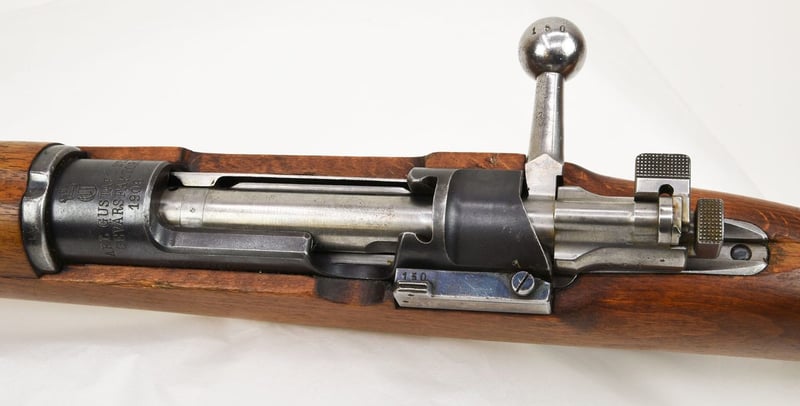
Cartridges, zero, field positions, wind, and shot placement.
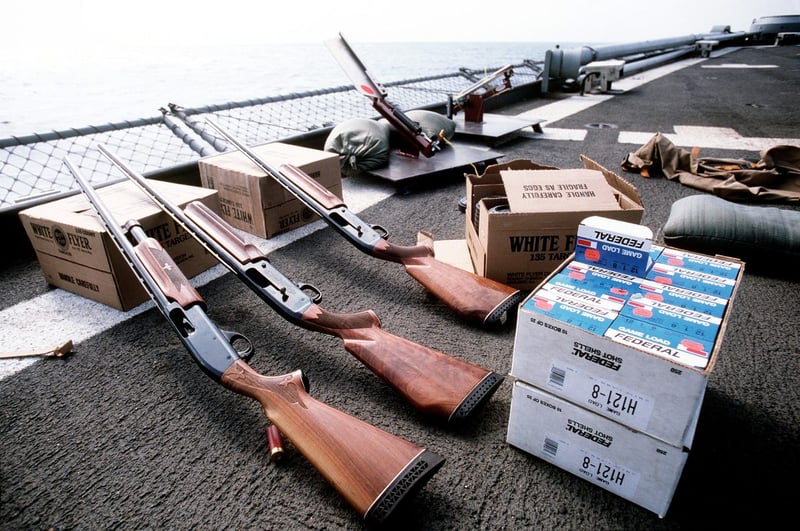
Gauges, chokes, shot size, and lead for birds and slug country.
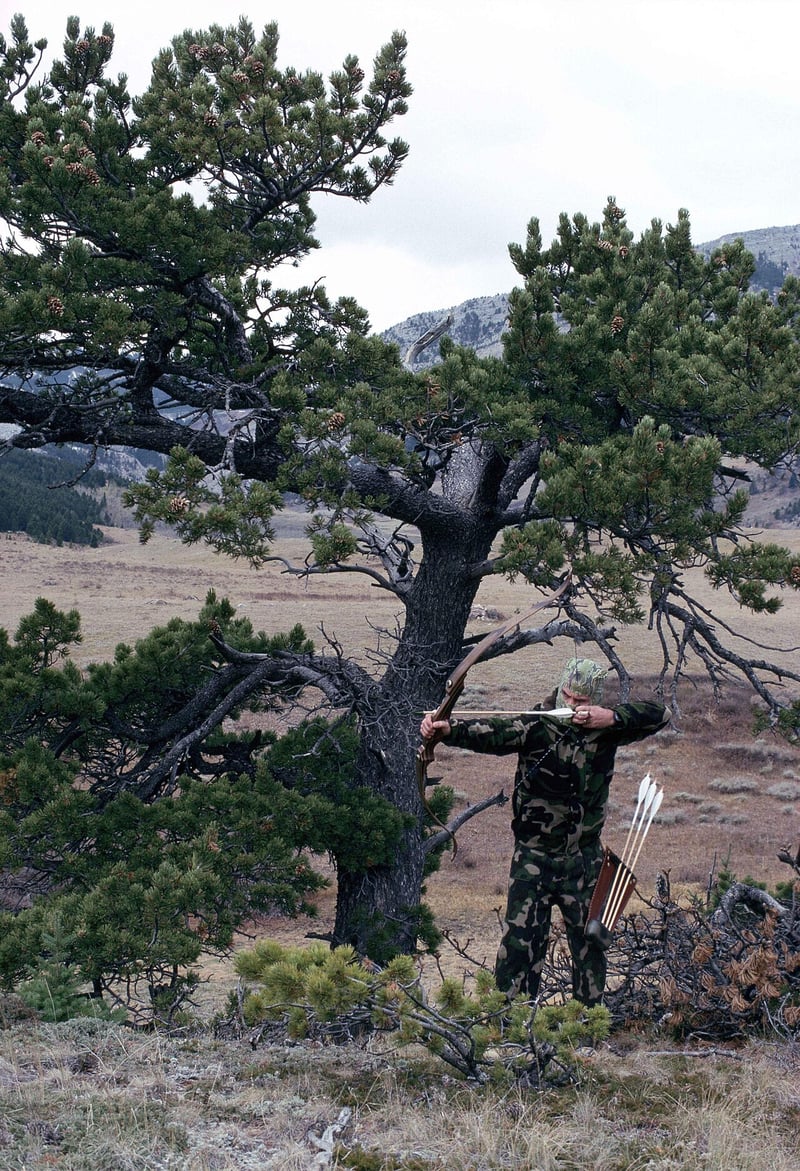
Instinctive shooting, draw weight, arrow spine, and close-range craft.
Eleven recurve and longbow guides: form, aiming, spine, tuning, and building tackle.
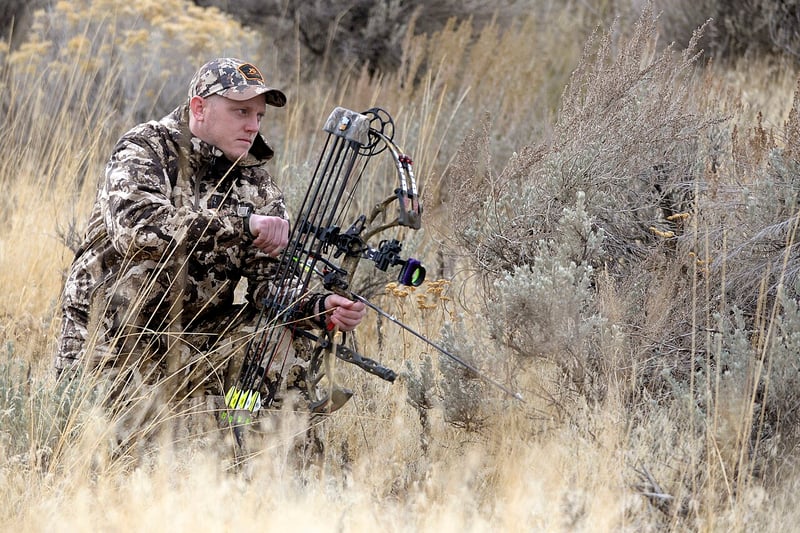
Draw length, sight and rest setup, broadhead tuning, and shot process.
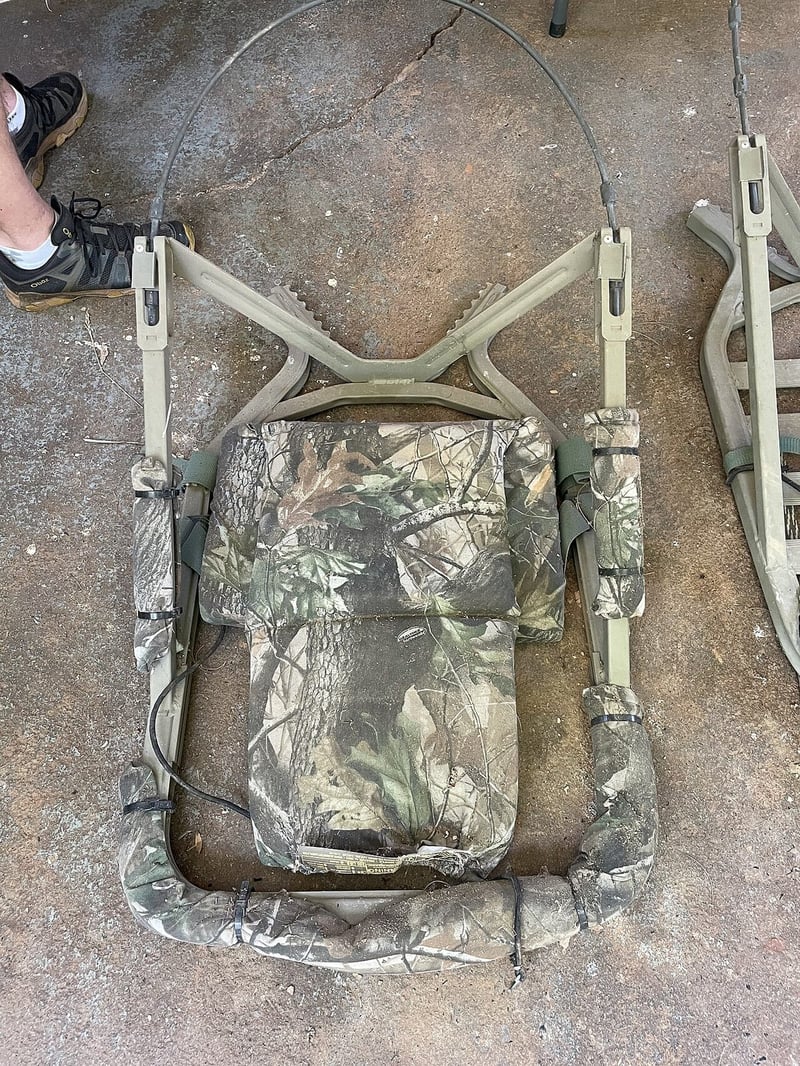
Wind discipline, stand placement, blood trailing, and meat care.
Keep going
Every recurve and longbow guide on The Wild10 in one place.
Read →Instinctive, gap, split-vision and string walking — how each method works, what it costs in practice time, and how to choose.
Read →Stance, hook, alignment, anchor, back tension and release — the repeatable shot cycle that everything else in traditional archery is built on.
Read →The 15-yard test that tells you whether your arrows are spined and nocked right — read the nock angle and fix it in the right order.
Read →Top 10 lists
Ranked picks with real product photos, specs, and editor notes — the buying side of everything covered in these guides.
Bolt guns from budget workhorses to mountain rifles.
See the ranking →Over-unders and light autos built to carry all day.
See the ranking →3.5-inch guns that keep cycling through mud and ice.
See the ranking →Rifled slug guns for shotgun-only whitetail country.
See the ranking →Forgiving, quiet compounds that tune without a fight.
See the ranking →Hunting recurves that shoot quiet and hold up outside.
See the ranking →Also on The Wild10
Fish identification, the knots that hold, lure selection by conditions, and the habits that fill a stringer.
Open the fishing hub →